Partition Action
A partition action is a court process to resolve co-ownership disputes by dividing or selling property and distributing proceeds.

September 30, 2025
What is a Partition Action?
A partition action is a legal proceeding used to resolve disputes between co-owners of property when they cannot agree on its use or disposition. The court may order the property to be divided physically or sold, with proceeds distributed among the owners.
Why Partition Actions Matter in Real Estate
Partition actions matter in real estate because they provide a remedy for disputes in co-ownership situations. They ensure fairness when co-owners cannot agree, but can result in forced sales and legal costs.
Example of a Partition Action in Action
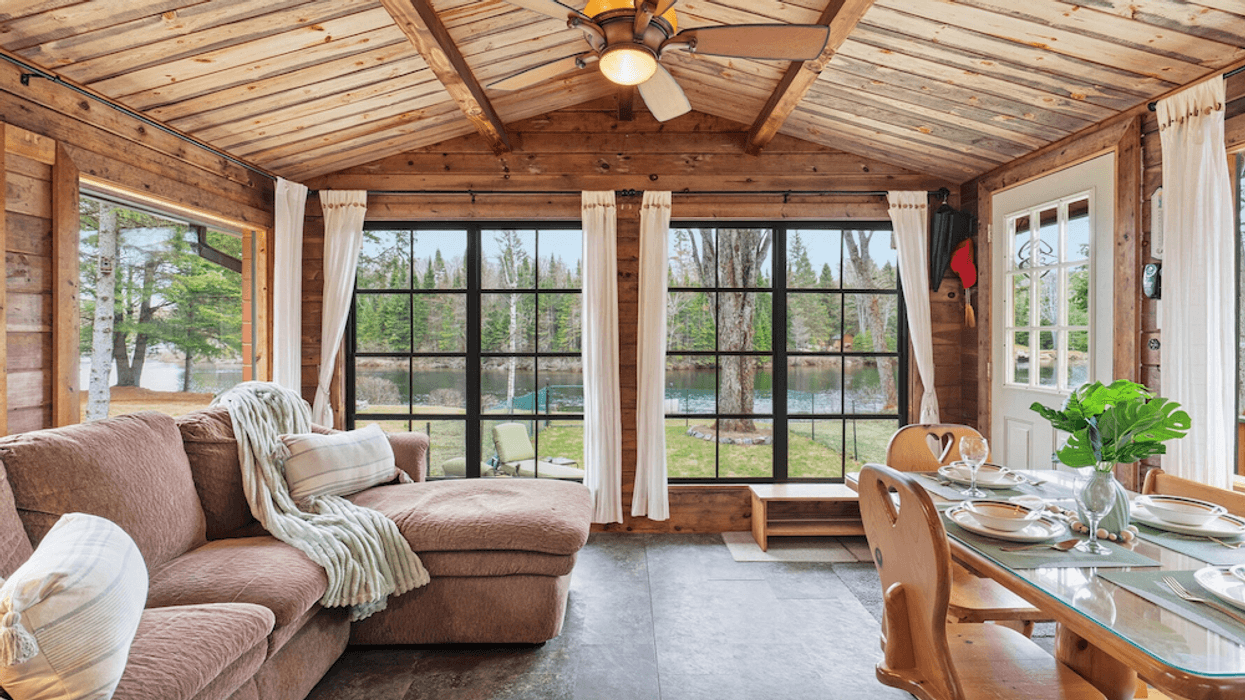
Two siblings inherit a cottage but cannot agree on its use. One sibling files a partition action, and the court orders the property sold with proceeds divided equally.
Key Takeaways
- Legal remedy for disputes between property co-owners.
- Court may order division or sale of the property.
- Ensures fair distribution of ownership value.
- Often arises in inheritance or joint ownership disputes.
- Can involve significant legal costs and delays.
Related Terms
- Co-Ownership Agreement
- Bare Trust
- Property Division
- Dispute Resolution
- Court Order
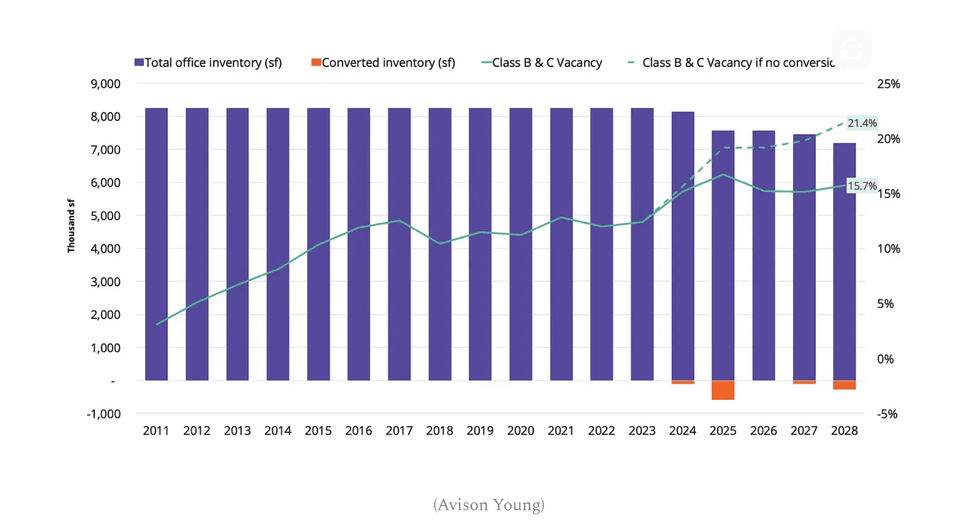 (Avison Young)
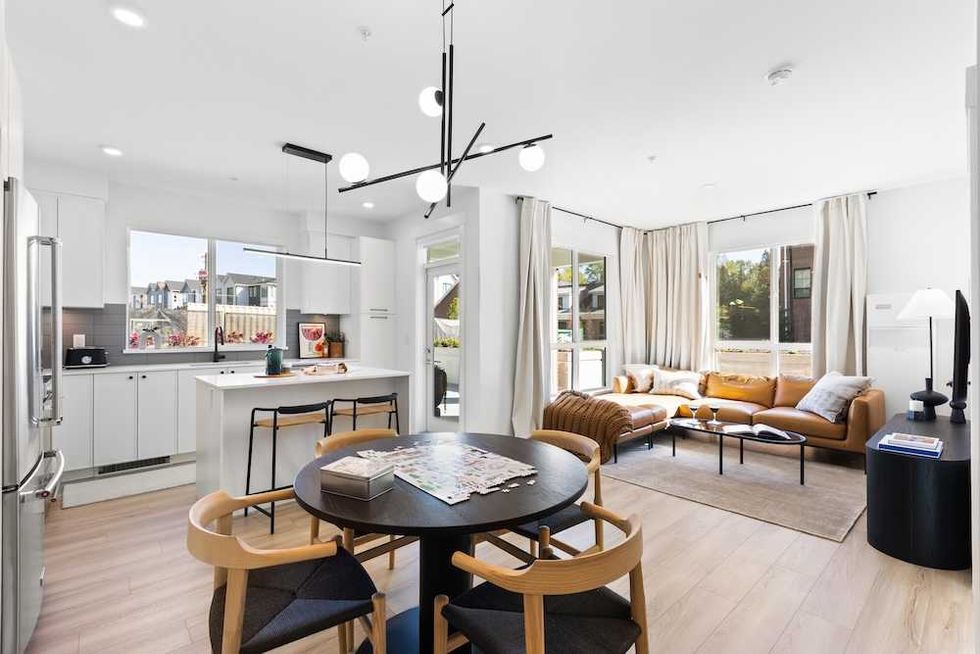 The Mason Suite Interior (Infinity Properties)
 The Mason Suite Interior (Infinity Properties)
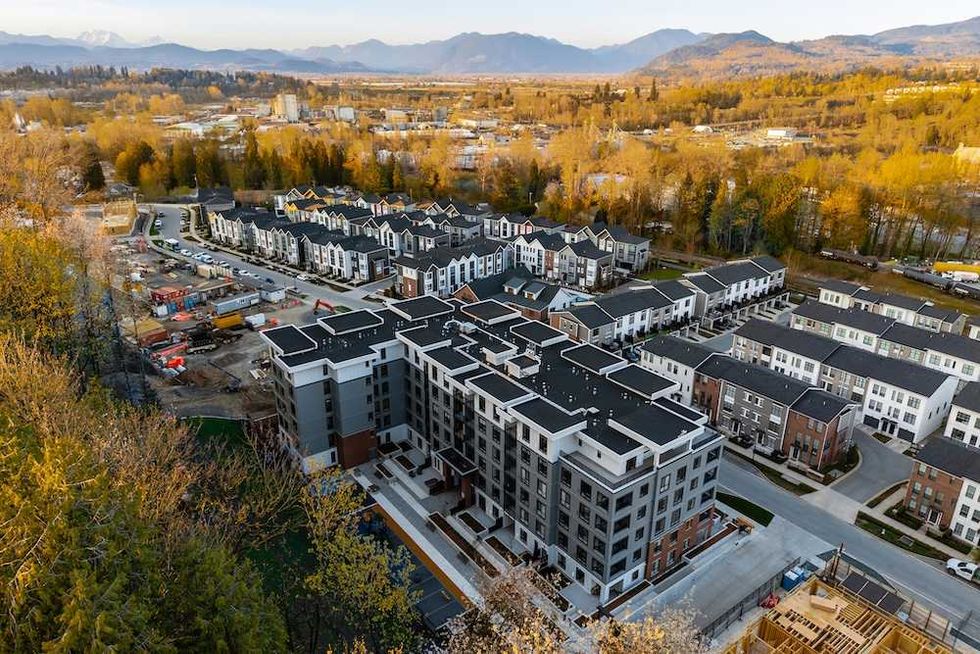 Rail District aerial (Infinity Properties)
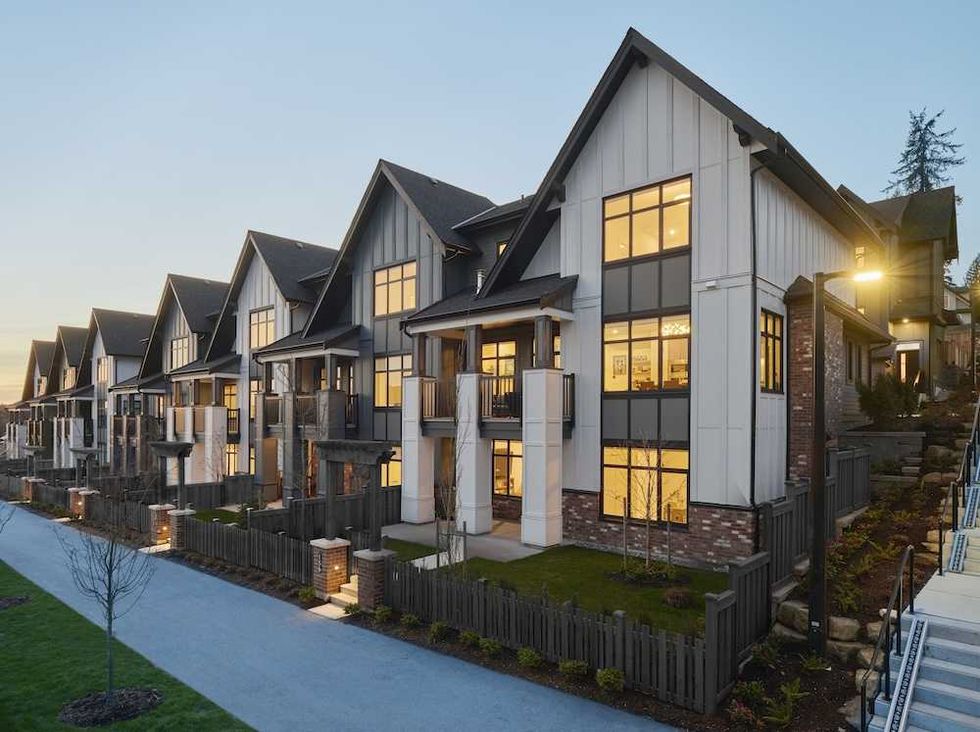 Versant (Infinity Properties)




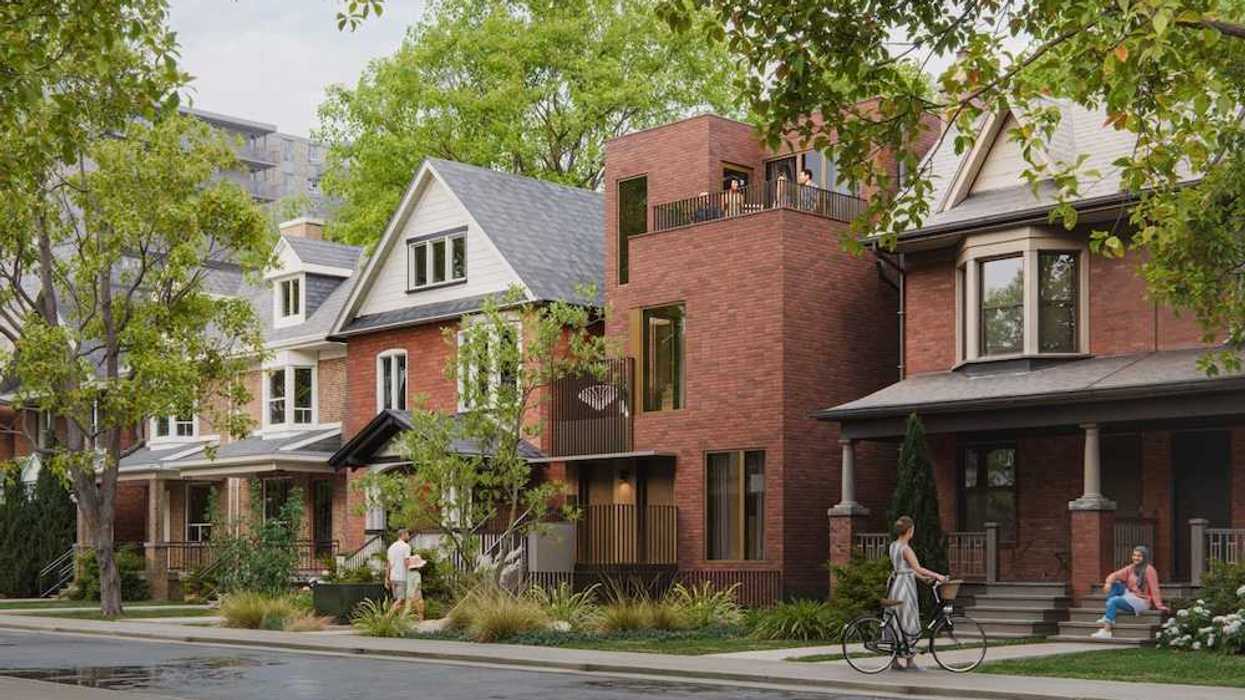
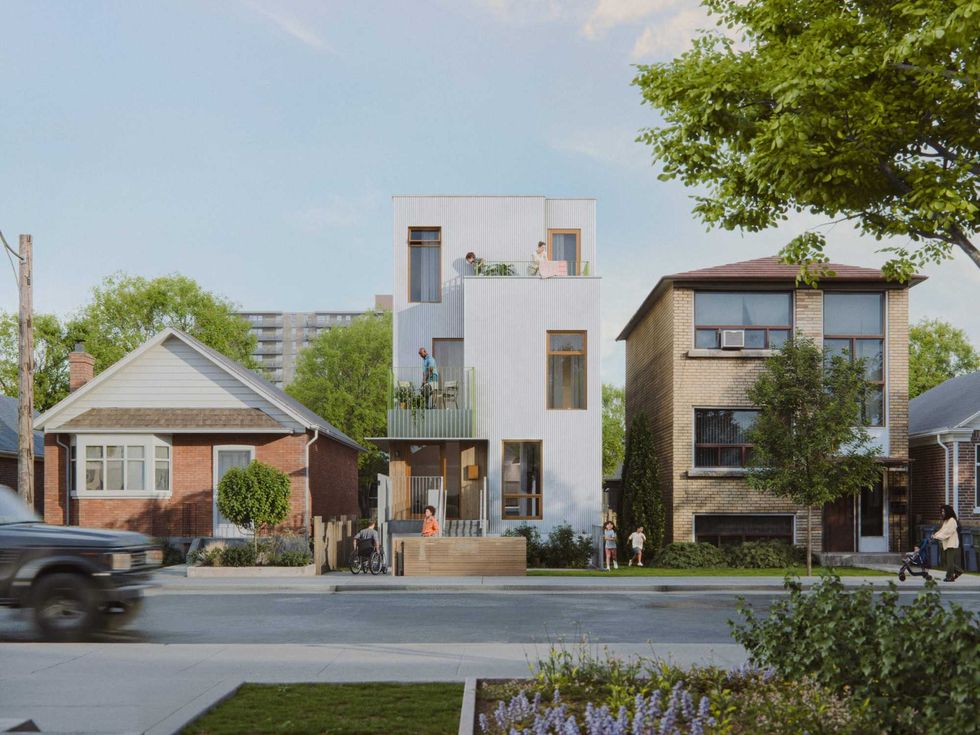 Narrow Fourplex (City of Toronto)
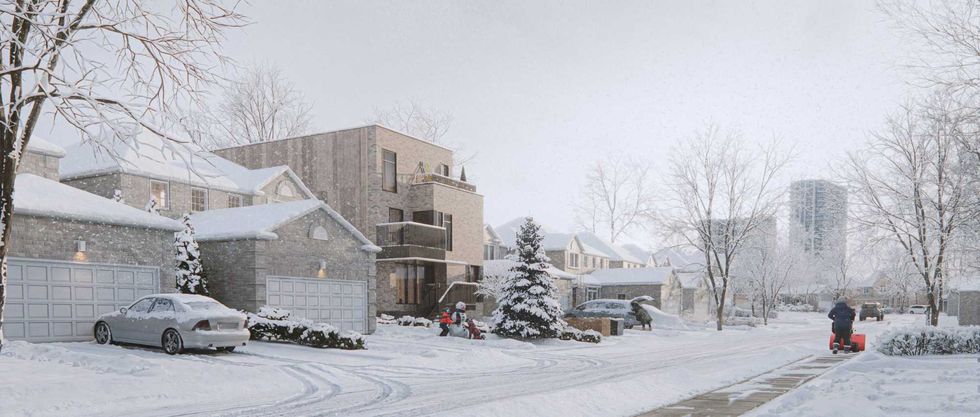 Wide Sixplex - Side View (City of Toronto)
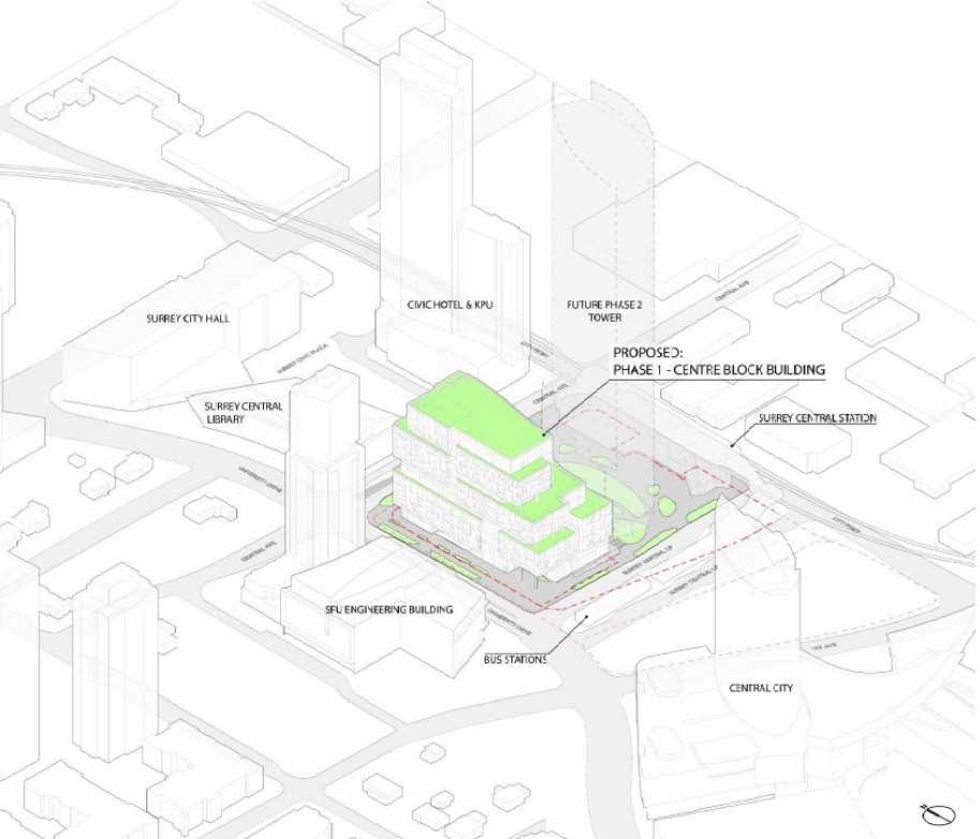 Centre Block and its surrounding context. (Stantec-Revery, SCDC)
 The 12-storey Phase One of Centre Block. (Stantec-Revery, SCDC)
 The 12-storey Phase One of Centre Block. (Stantec-Revery, SCDC)
 Mondria One, set for 1607 King Street East in Clarington, Ontario. (ICON Architects Inc., Monde Development Group)