Disposition
Understand disposition in Canadian real estate - what it means, when it happens, and how it affects ownership, taxes, and estate planning.

June 06, 2025
What is a Disposition?
Disposition in real estate refers to the sale, transfer, or disposal of a property or asset by the owner, whether voluntarily or through legal or financial obligation.
Why Dispositions Matter in Real Estate
In Canadian real estate, disposition is a key event that can trigger capital gains tax and mark the end of property ownership.
Disposition includes:
- Selling a property
- Gifting or transferring to a family member
- Foreclosure or expropriation
- Change in use from personal to rental or vice versa
The Canada Revenue Agency (CRA) requires that any disposition of property be reported, with capital gains calculated using the adjusted cost base.
Understanding disposition is essential for estate planning, tax reporting, and assessing legal or financial impacts of property sales.
Example of a Disposition in Action
When a homeowner sells a vacation property, it is considered a disposition, and they must report the capital gain to the CRA.
Key Takeaways
- Occurs when property is sold or transferred
- Can be voluntary or court-mandated
- Triggers capital gains tax for non-principal residences
- Must be reported to the CRA
- Relevant for sales, gifts, and estate plans
Related Terms
- Adjusted Cost Base
- Capital Gains Tax
- Legal Title
- Transfer of Ownership
- Estate Planning
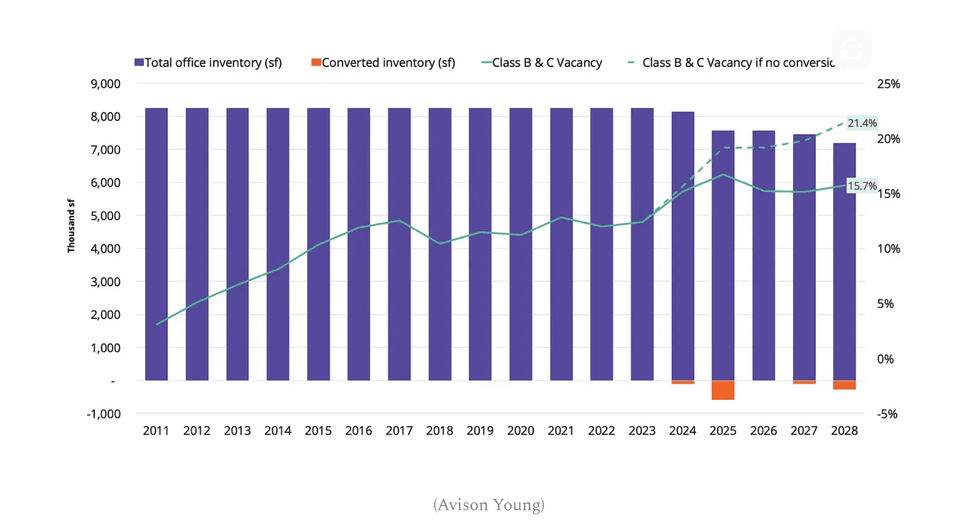 (Avison Young)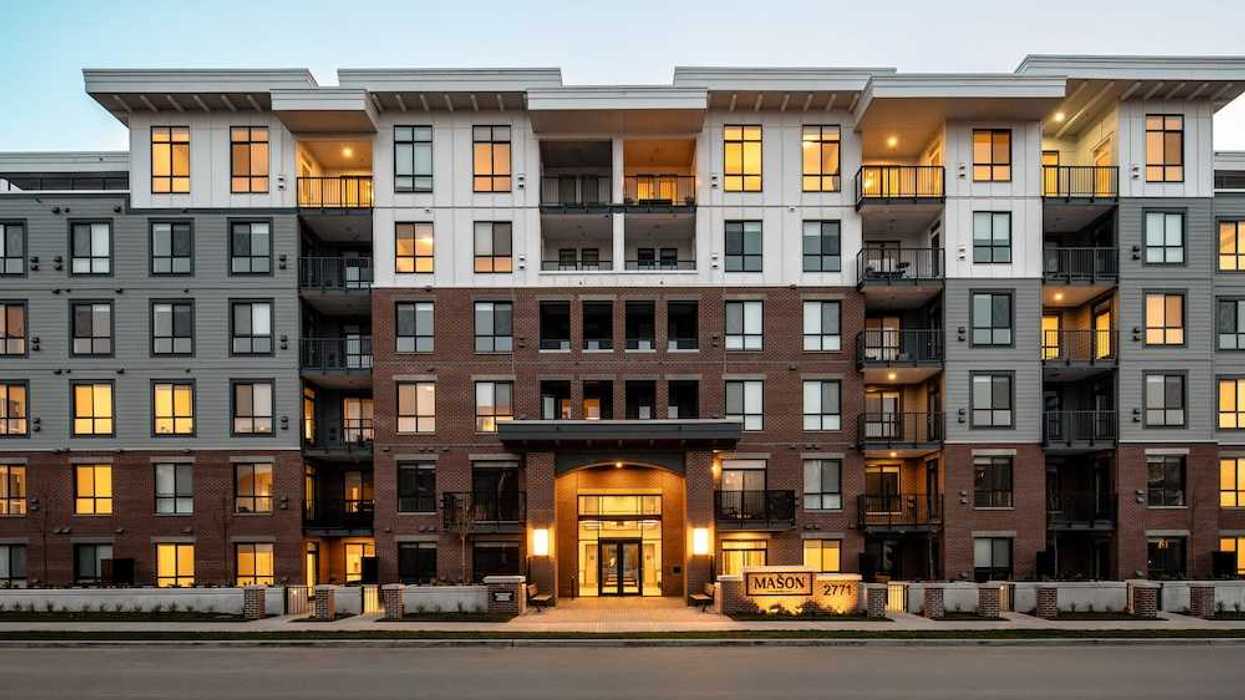
 The Mason Suite Interior (Infinity Properties)
 The Mason Suite Interior (Infinity Properties)
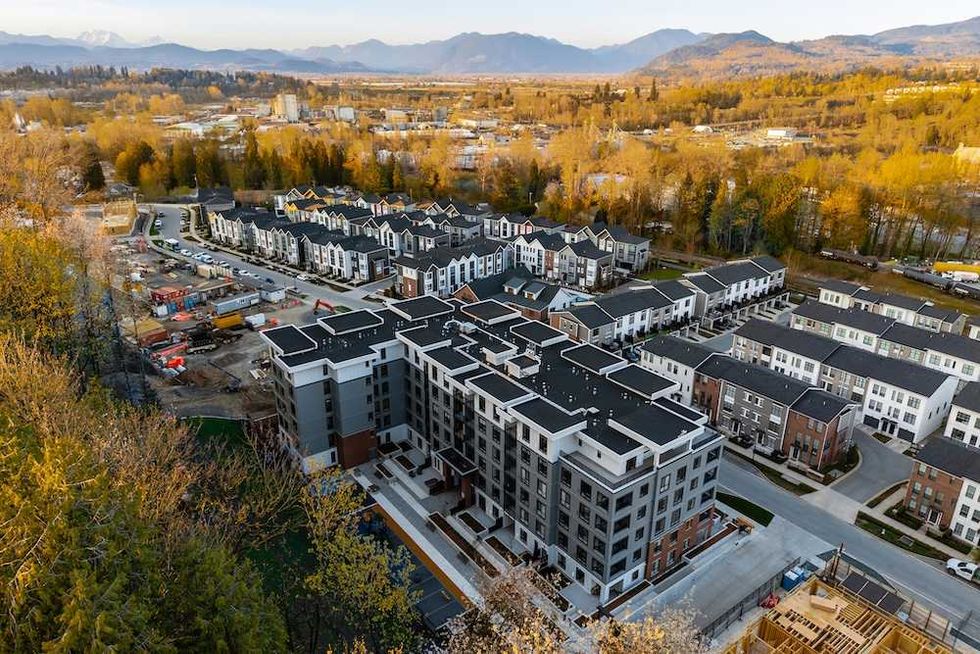 Rail District aerial (Infinity Properties)
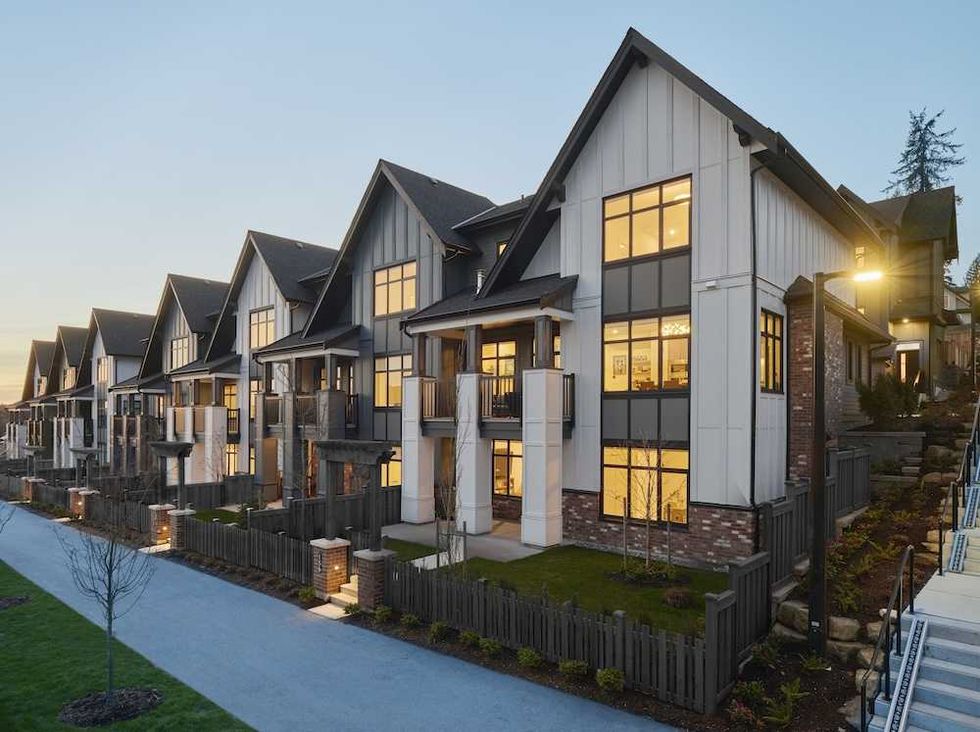 Versant (Infinity Properties)








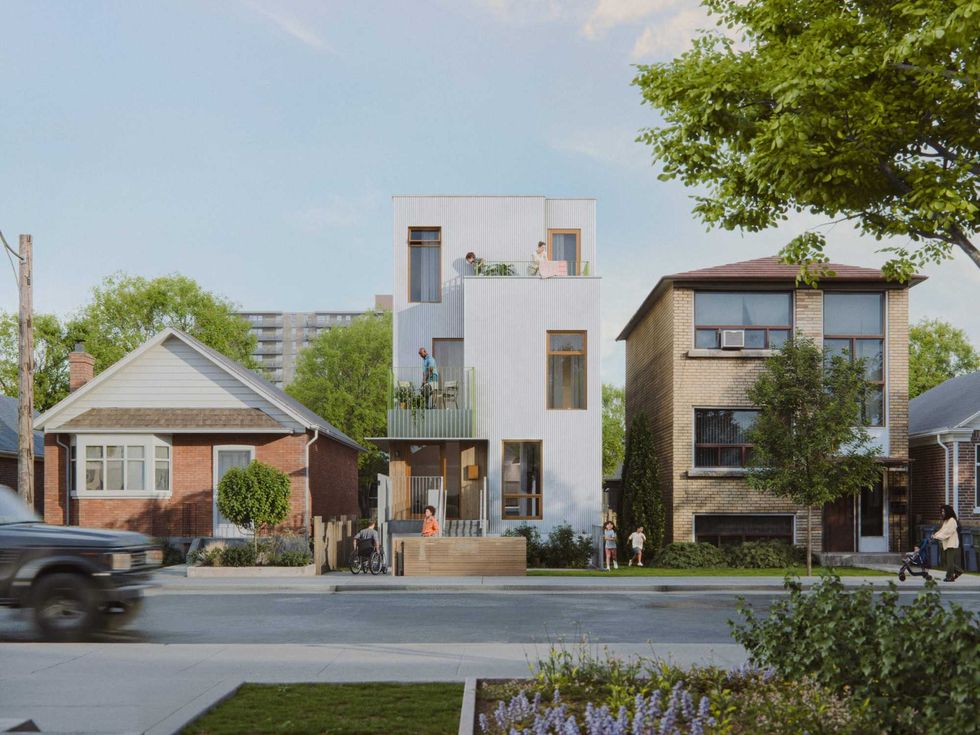 Narrow Fourplex (City of Toronto)
 Wide Sixplex - Side View (City of Toronto)
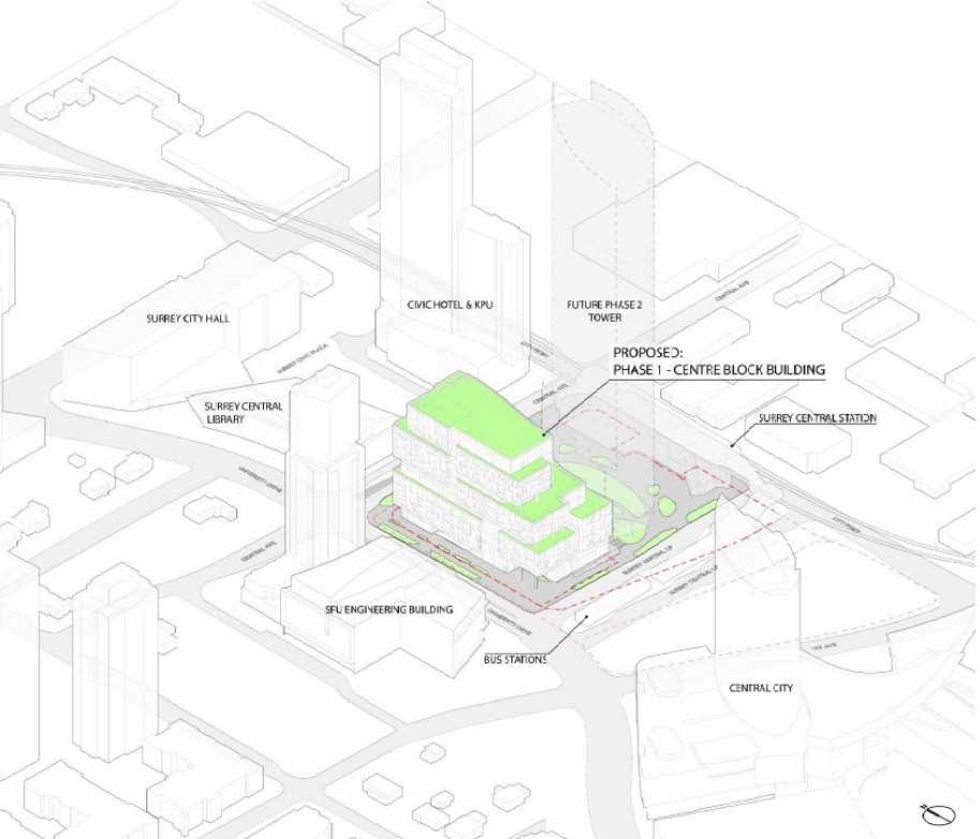 Centre Block and its surrounding context. (Stantec-Revery, SCDC)
 The 12-storey Phase One of Centre Block. (Stantec-Revery, SCDC)
 The 12-storey Phase One of Centre Block. (Stantec-Revery, SCDC)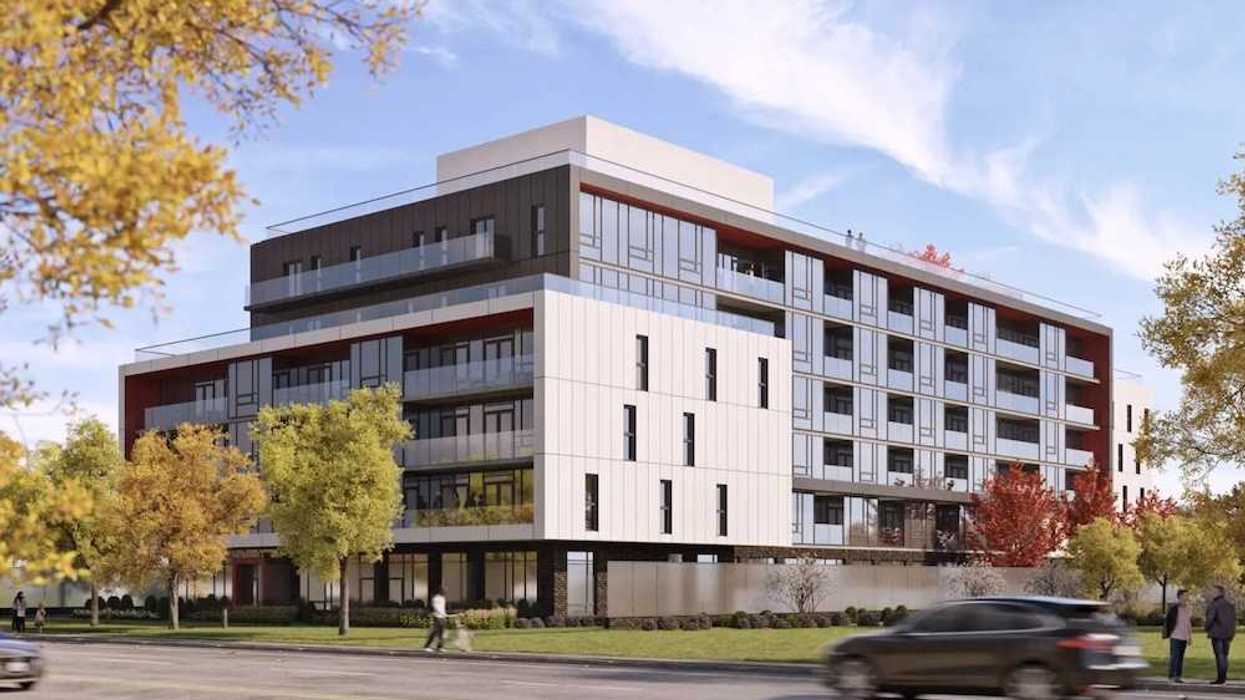
 Mondria One, set for 1607 King Street East in Clarington, Ontario. (ICON Architects Inc., Monde Development Group)