Municipal Compliance
Explore municipal compliance in Canadian real estate, why it’s important, what it includes, and how it impacts buying, selling, and developing property.

May 30, 2025
What is Municipal Compliance?
Municipal compliance refers to a property’s adherence to local zoning bylaws, building codes, and other city or town regulations.
Why Does Municipal Compliance Matter in Real Estate?
In Canadian real estate, properties must comply with municipal rules for construction, renovations, use, and safety.
Areas of municipal compliance include:
- Zoning designations and permitted uses
- Building permits and inspections
- Setbacks, lot coverage, and density
- Fire and safety standards
Lack of compliance can delay sales, trigger fines, or result in demolition orders. Buyers often request municipal compliance reports when purchasing older properties.
Understanding municipal compliance helps buyers, sellers, and developers avoid legal issues and ensures properties meet community standards.
Example of Municipal Compliance in Action
A buyer’s lawyer obtains a municipal compliance certificate confirming the detached garage complies with zoning and setback requirements.
Key Takeaways
- Ensures property meets city bylaws.
- Covers zoning, construction, and safety.
- Required for major transactions or renovations.
- Can affect mortgage approval or resale.
- Must be verified by legal professionals.
Related Terms
- Zoning
- Building Permit
- Occupancy Permit
- Final Inspection
- Title Search
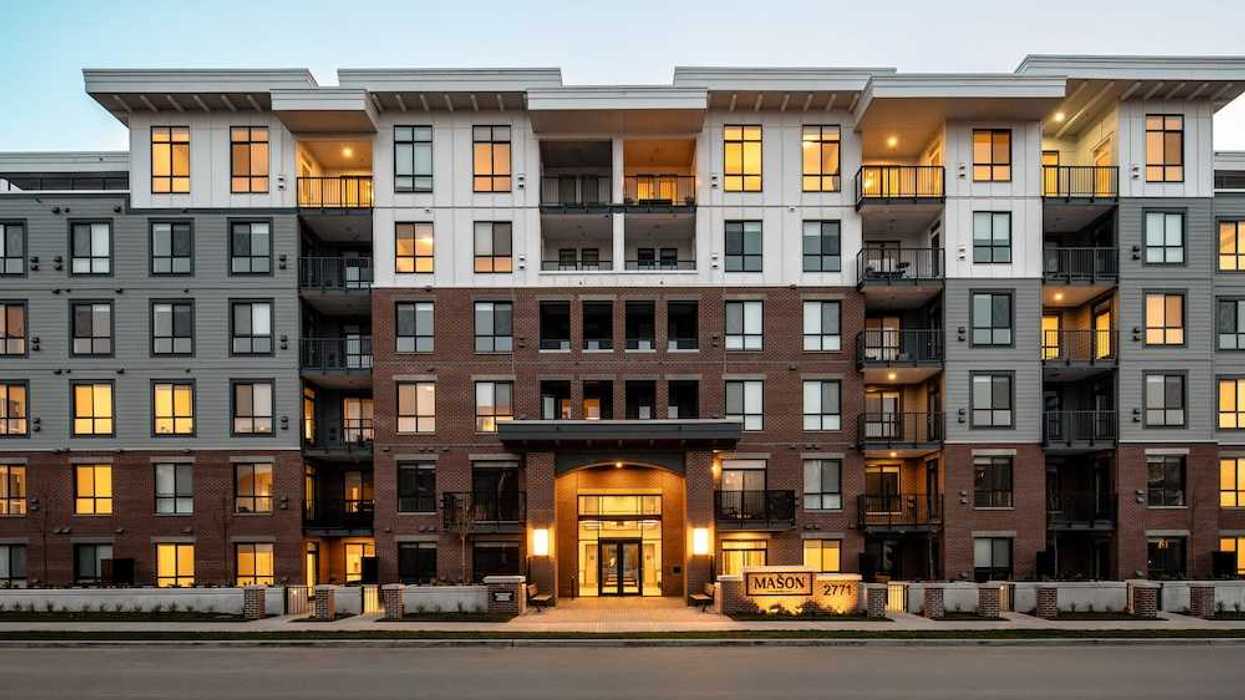
 The Mason Suite Interior (Infinity Properties)
 The Mason Suite Interior (Infinity Properties)
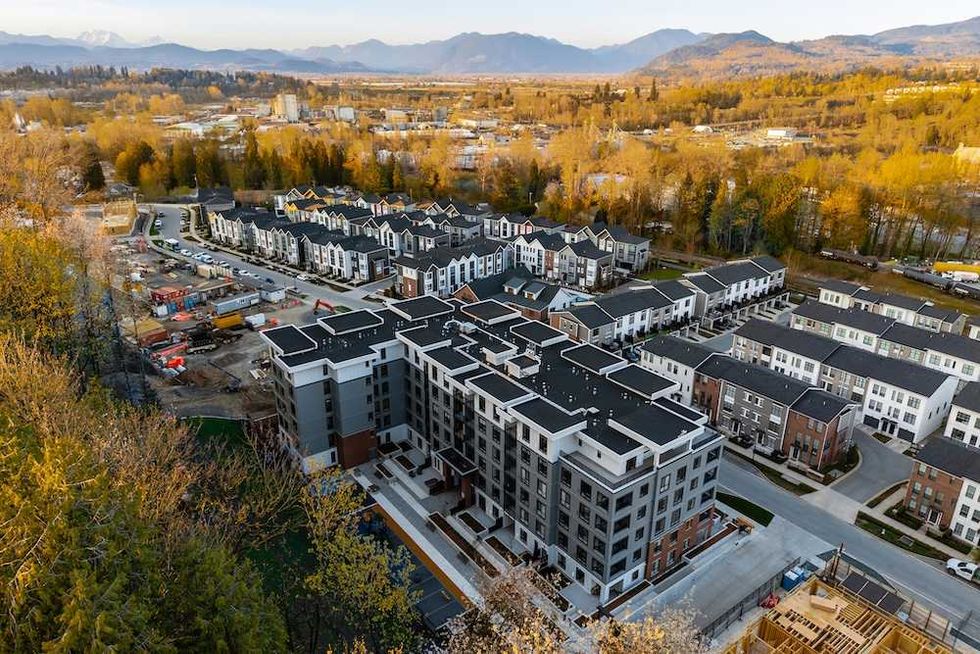 Rail District aerial (Infinity Properties)
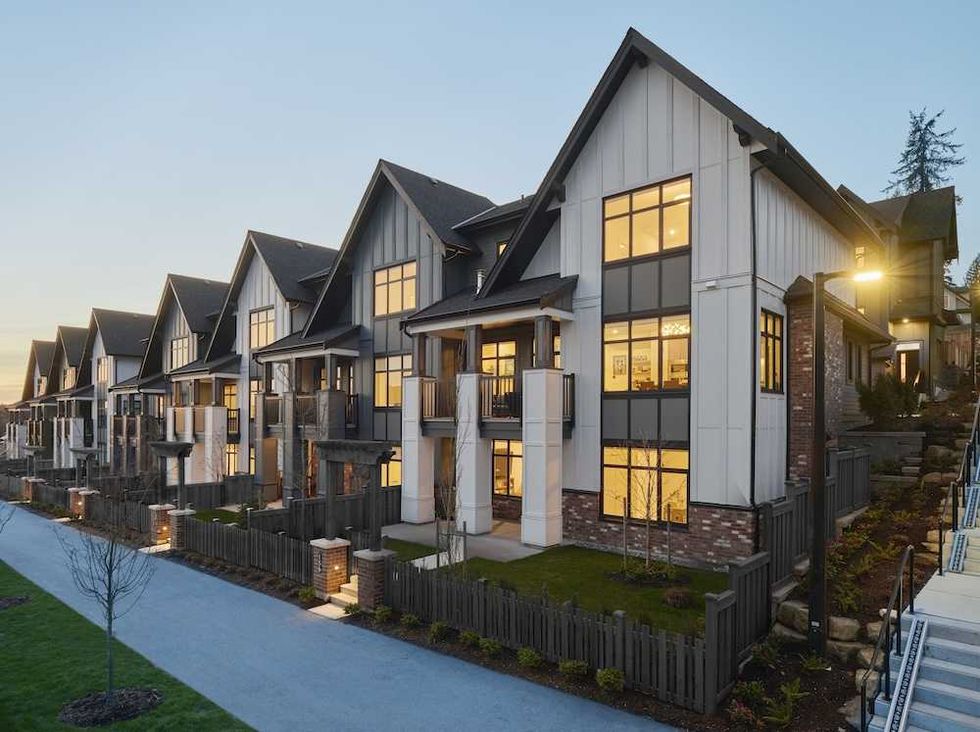 Versant (Infinity Properties)








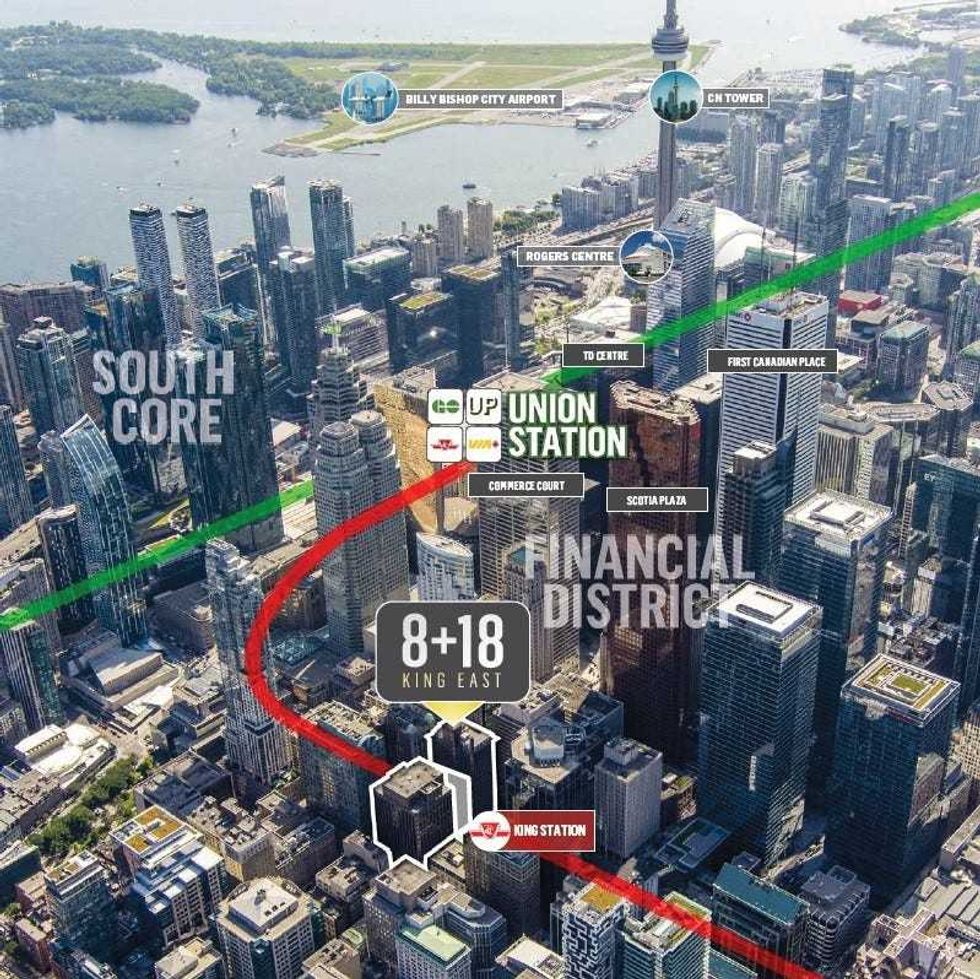 8 and 18 King Street East in Toronto. (RBC Capital Markets Realty)
 Interior photos of 8 and 18 King Street East. (RBC Capital Markets Realty)

 Narrow Fourplex (City of Toronto)
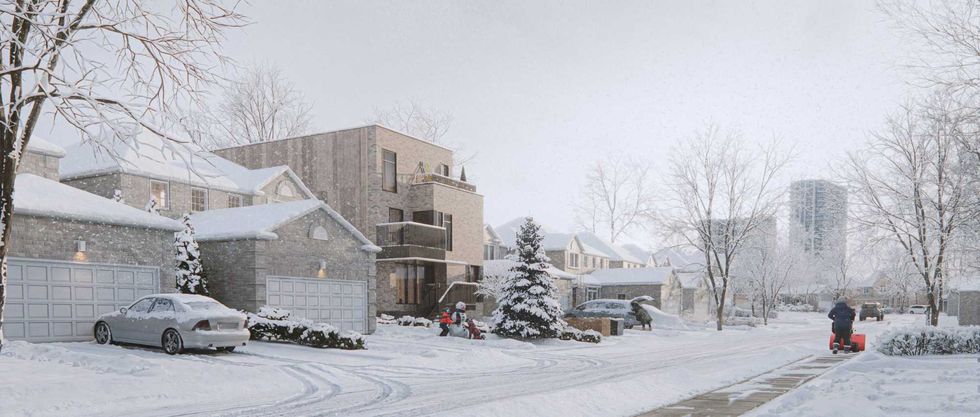 Wide Sixplex - Side View (City of Toronto)