Leasehold Improvement
Learn about leasehold improvements in Canadian real estate — what they include, how they’re negotiated, and their lease implications.
August 01, 2025
What is a Leasehold Improvement?
Leasehold improvements are alterations or additions made by or for a tenant to leased space to customize it for their business operations.
Why Leasehold Improvements Matter in Real Estate
In Canadian commercial real estate, leasehold improvements affect lease negotiations, tenant costs, and asset value.
Examples:
- Installing partitions or display fixtures
- Upgrading lighting or flooring
- Adding specialized equipment
Understanding leasehold improvements helps tenants and landlords structure clear agreements on responsibilities and ownership of improvements.
Example of Leasehold Improvement in Action
The retailer negotiated a tenant improvement allowance to cover leasehold improvements for custom shelving and lighting.
Key Takeaways
- Customizes leased space for tenant needs
- Negotiated in lease agreements
- May be funded by tenant or landlord
- Impacts lease value and obligations
- Ownership reverts to landlord at lease end

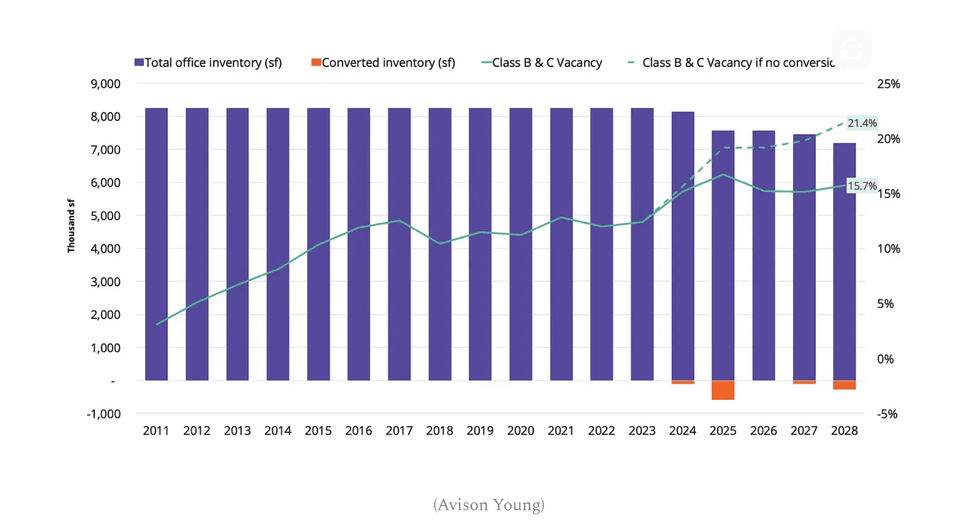 (Avison Young)





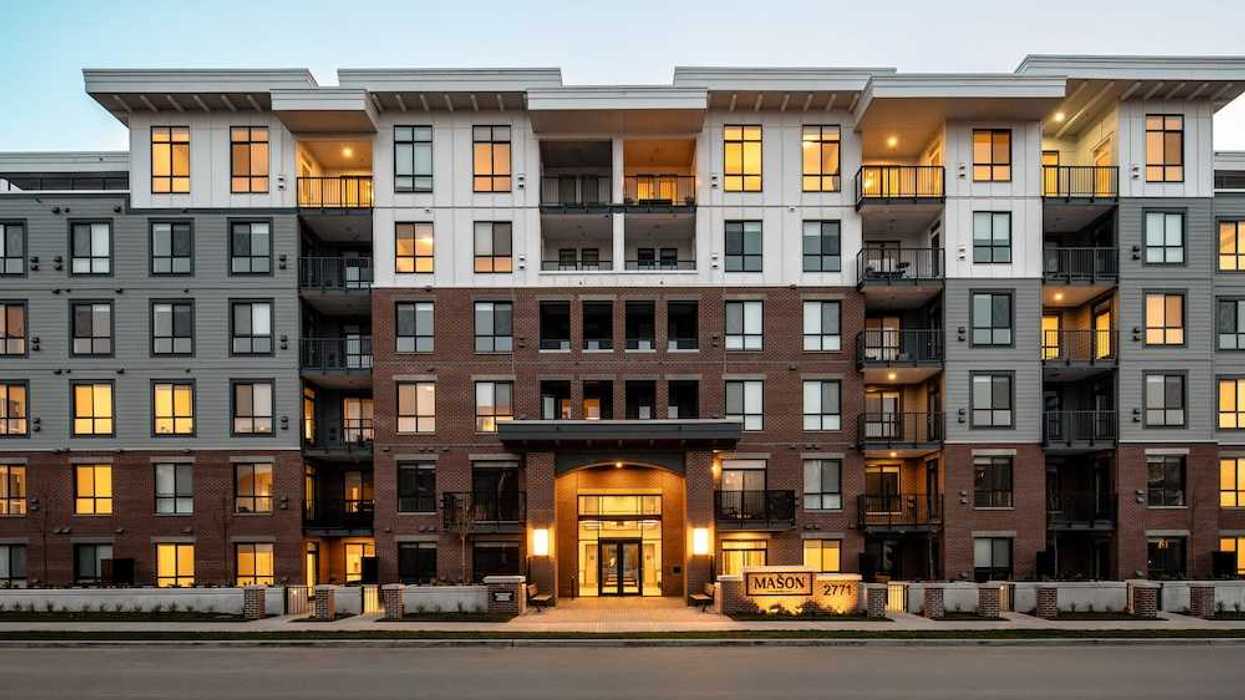
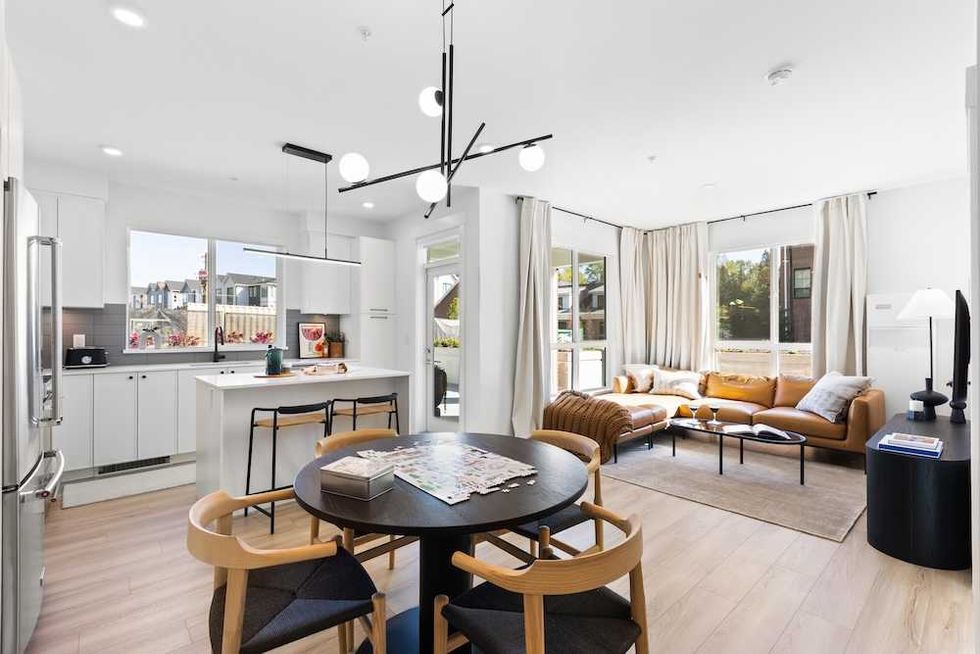 The Mason Suite Interior (Infinity Properties)
 The Mason Suite Interior (Infinity Properties)
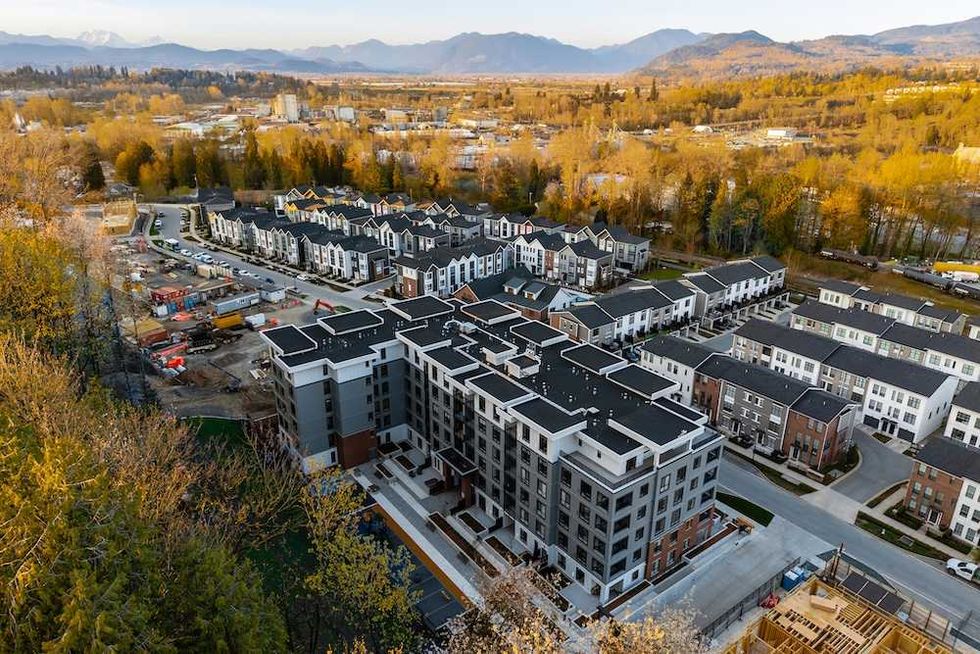 Rail District aerial (Infinity Properties)
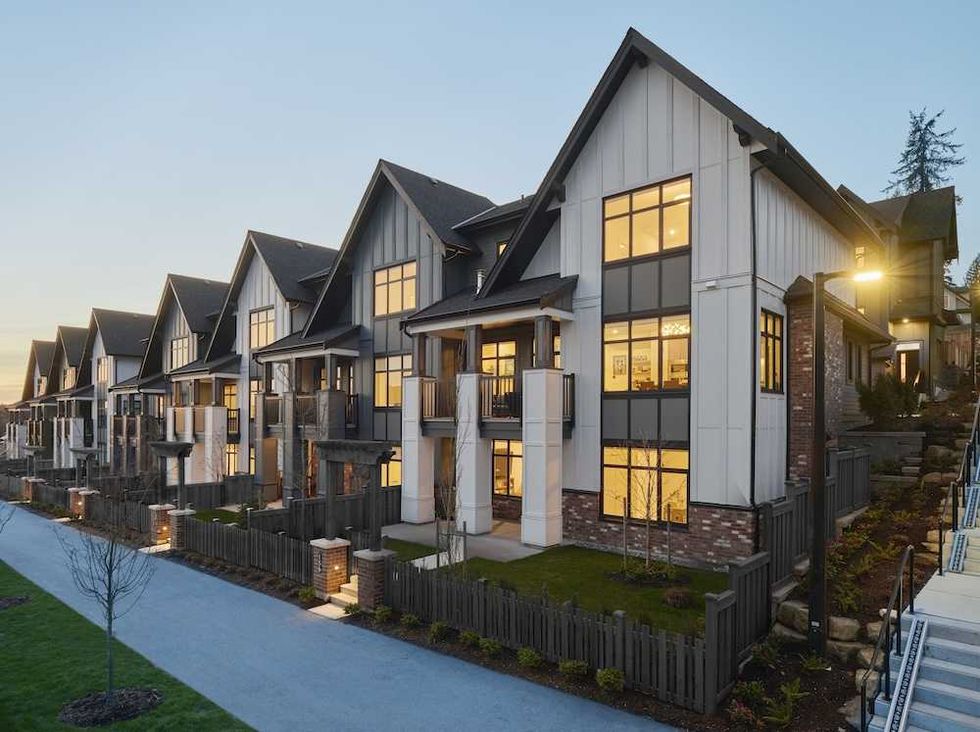 Versant (Infinity Properties)

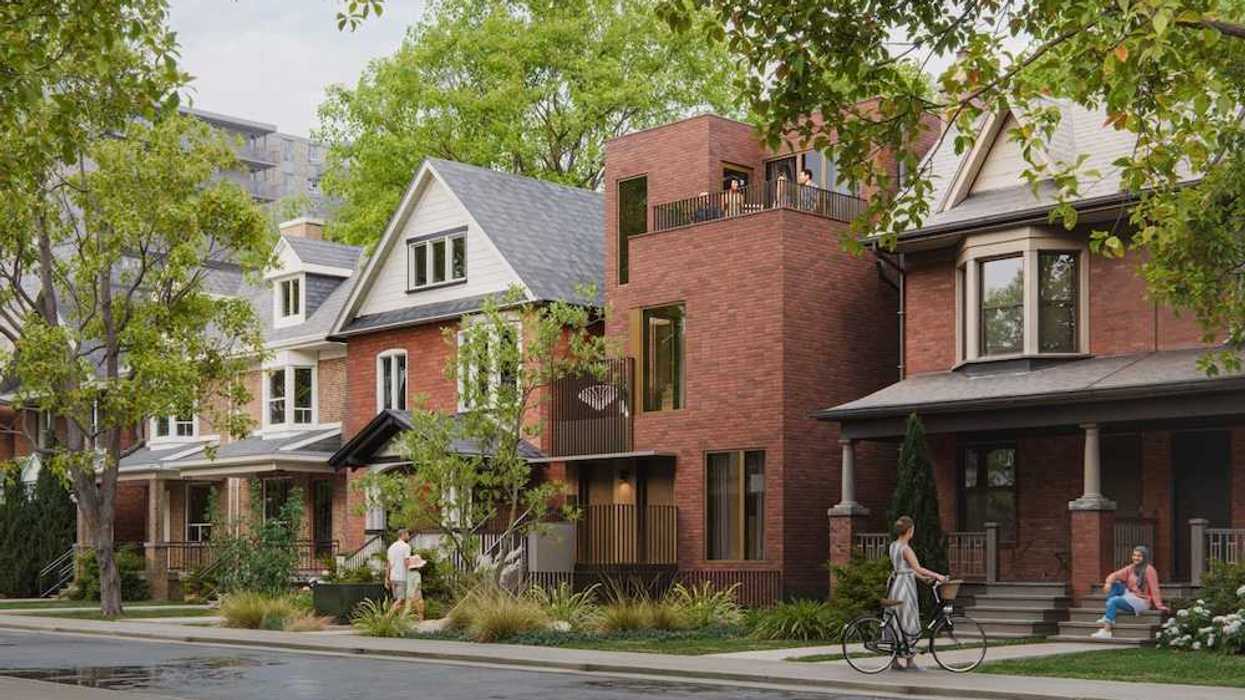
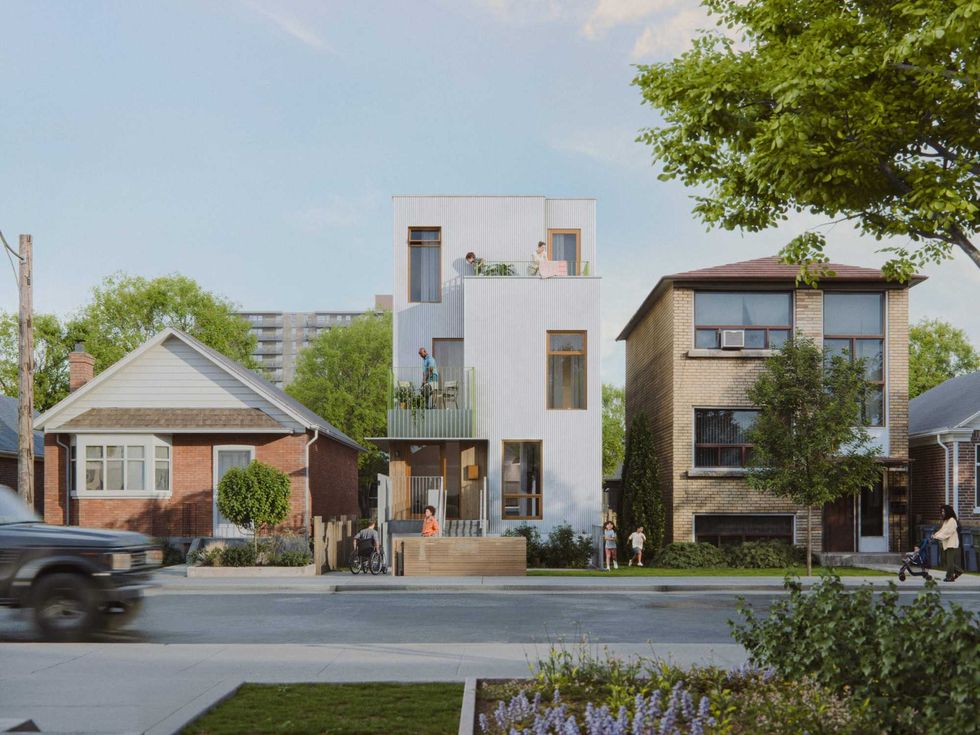 Narrow Fourplex (City of Toronto)
 Wide Sixplex - Side View (City of Toronto)
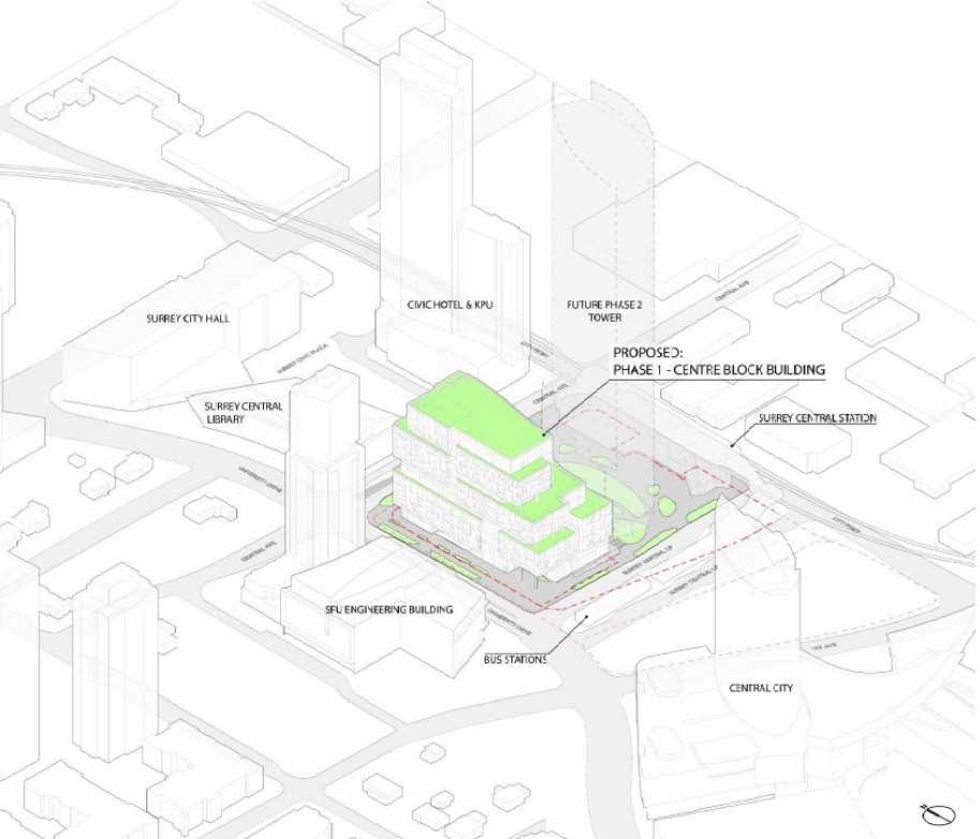 Centre Block and its surrounding context. (Stantec-Revery, SCDC)
 The 12-storey Phase One of Centre Block. (Stantec-Revery, SCDC)
 The 12-storey Phase One of Centre Block. (Stantec-Revery, SCDC)
 Mondria One, set for 1607 King Street East in Clarington, Ontario. (ICON Architects Inc., Monde Development Group)