Land Value Capture
Land value capture is a tool that recovers increased property values from public infrastructure to fund community projects.

September 30, 2025
What is Land Value Capture?
Land value capture is a public financing tool that recovers a portion of increased land values generated by infrastructure investments, such as new transit lines. Governments use it to fund public projects and affordable housing.
Why Land Value Capture Matters in Real Estate
It matters in real estate because infrastructure projects often raise nearby property values. Land value capture ensures public investment benefits are reinvested into communities rather than solely accruing to landowners.
Example of Land Value Capture in Action
A city imposes a levy on developers benefiting from a new subway extension to help fund affordable housing in the surrounding area.
Key Takeaways
- Recovers land value gains from public infrastructure projects.
- Funds public amenities and affordable housing.
- Ensures benefits are shared with communities.
- Prevents windfall profits for landowners alone.
- Used in transit-oriented development financing.
Related Terms
- Development Charges
- Impact Fees
- Inclusionary Housing Policy
- Transit-Oriented Development
- Urban Planning

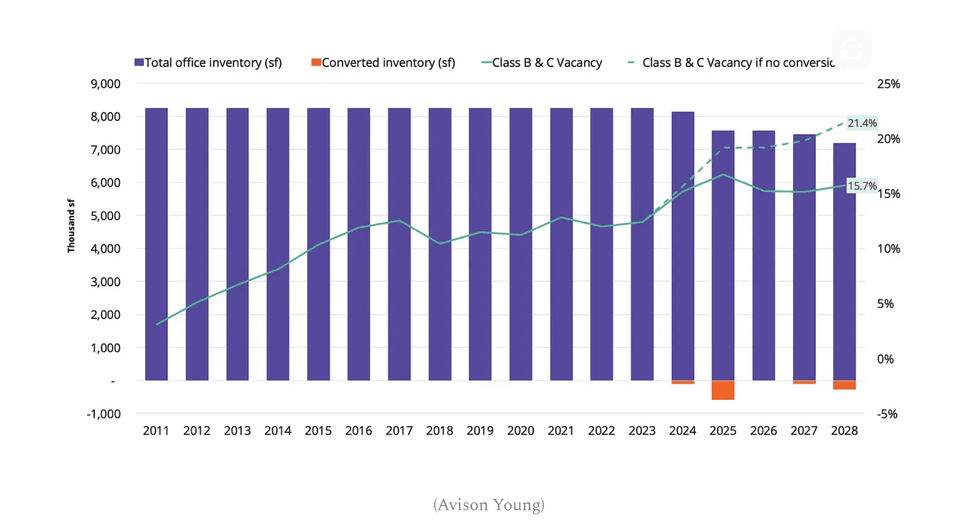 (Avison Young)






 The Mason Suite Interior (Infinity Properties)
 The Mason Suite Interior (Infinity Properties)
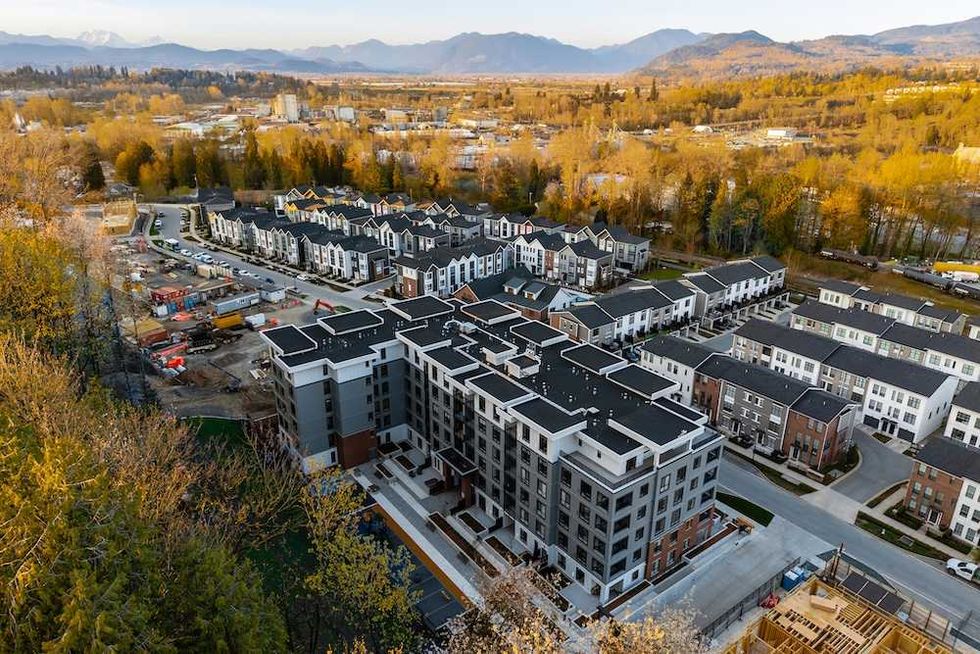 Rail District aerial (Infinity Properties)
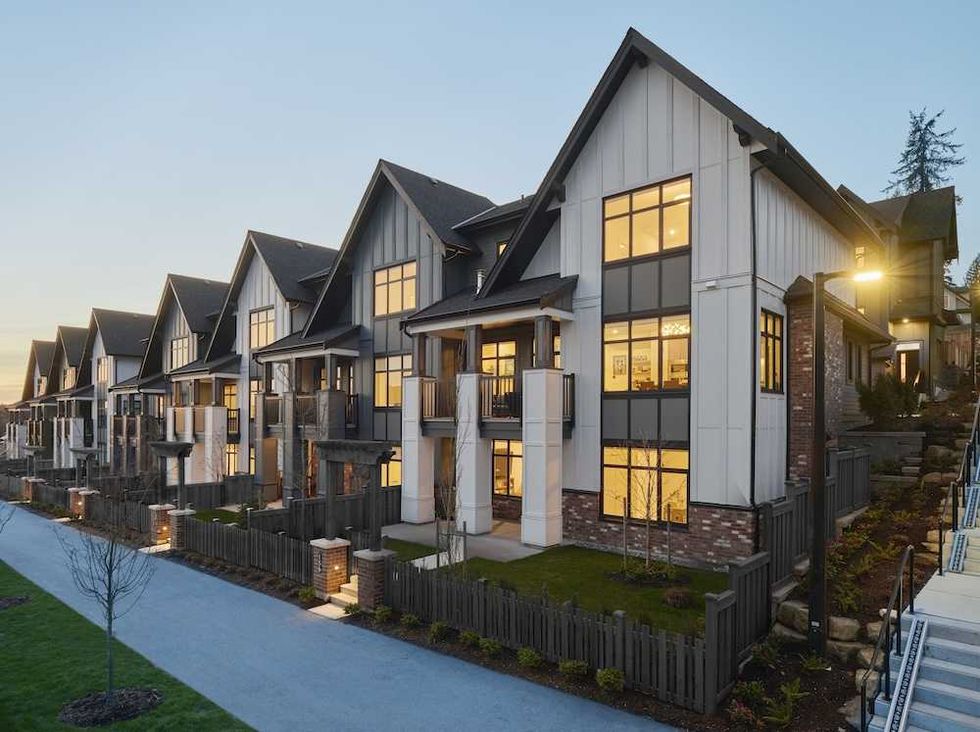 Versant (Infinity Properties)


 Narrow Fourplex (City of Toronto)
 Wide Sixplex - Side View (City of Toronto)
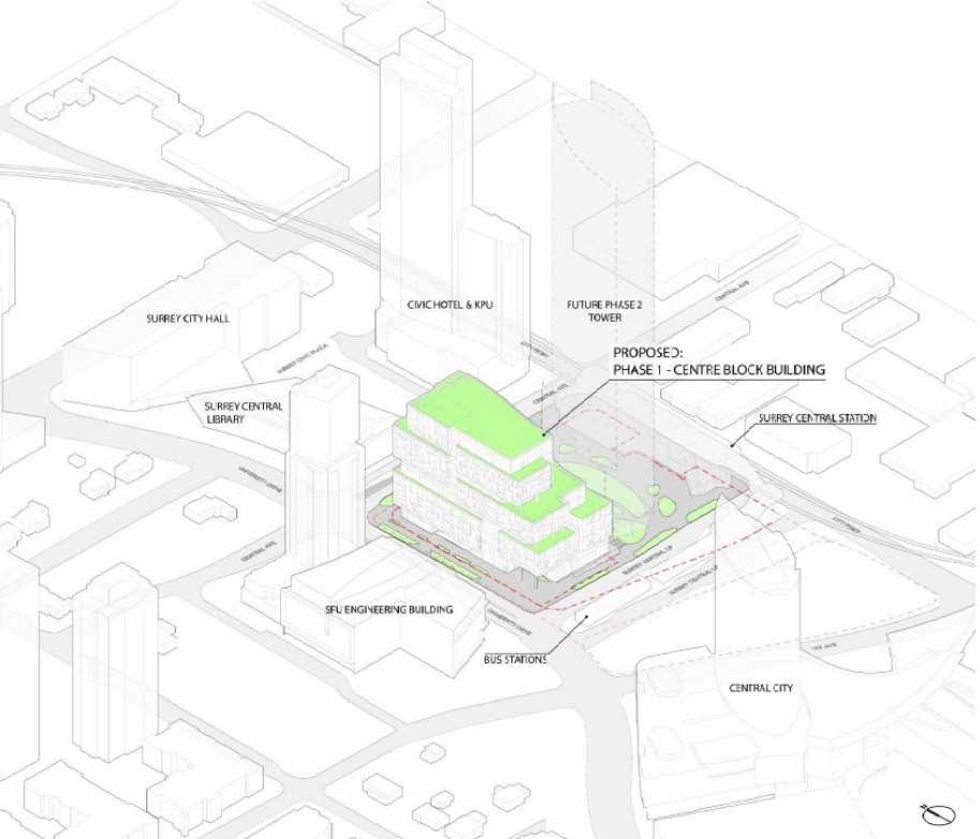 Centre Block and its surrounding context. (Stantec-Revery, SCDC)
 The 12-storey Phase One of Centre Block. (Stantec-Revery, SCDC)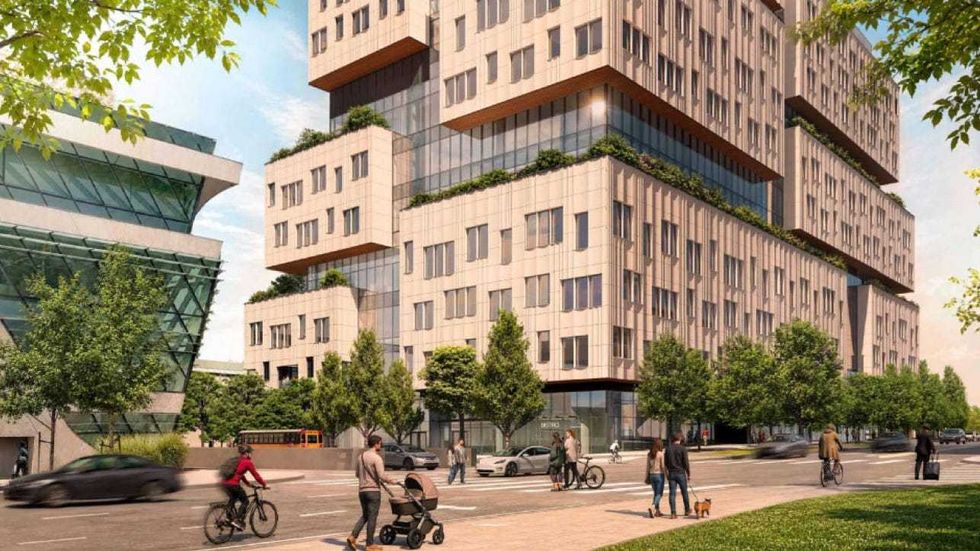
 The 12-storey Phase One of Centre Block. (Stantec-Revery, SCDC)
 Mondria One, set for 1607 King Street East in Clarington, Ontario. (ICON Architects Inc., Monde Development Group)