Inclusionary Housing Policy
Inclusionary housing policies mandate affordable units in new developments, supporting inclusive, mixed-income communities.
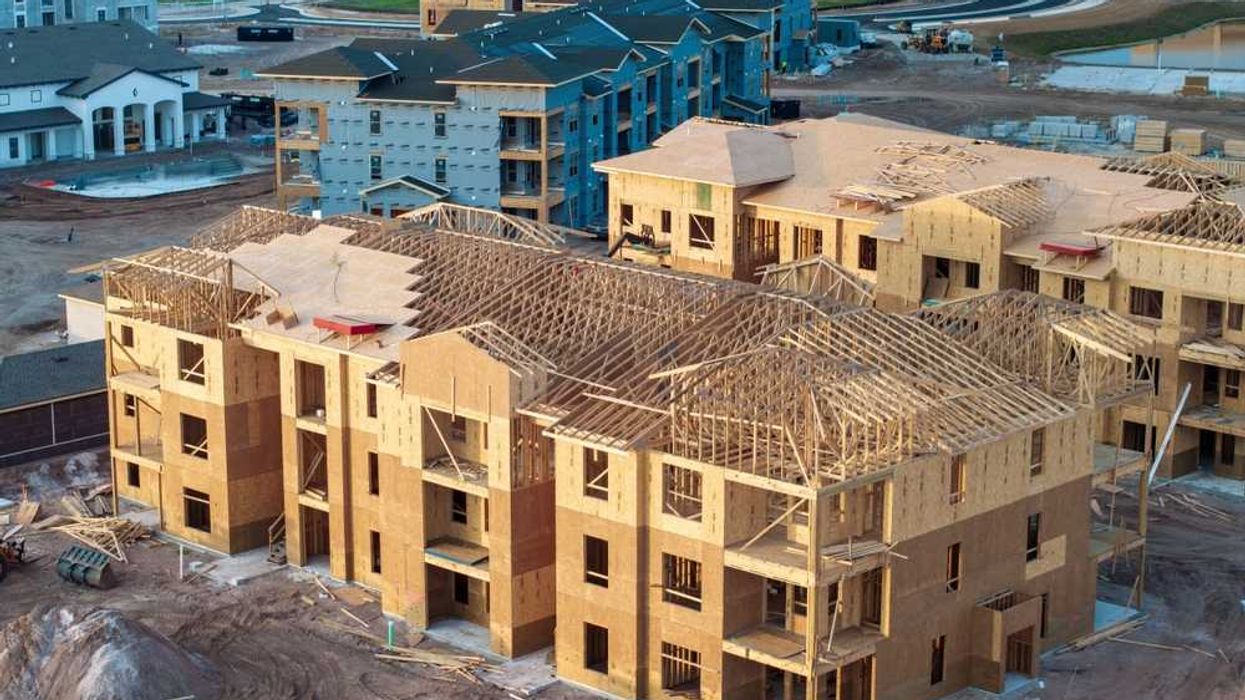
September 30, 2025
What is Inclusionary Housing Policy?
Inclusionary housing policy requires developers to provide a percentage of affordable units in new residential projects. Policies may mandate on-site affordable units, off-site contributions, or payments in lieu.
Why Inclusionary Housing Policy Matters in Real Estate
It matters in real estate because it expands affordable housing supply and ensures mixed-income communities. These policies balance development incentives with social housing needs.
Example of Inclusionary Housing Policy in Action
A municipality adopts an inclusionary housing policy requiring 15% of units in new condo projects to be affordable rentals, or equivalent contributions to a housing fund.
Key Takeaways
- Requires developers to include affordable housing in projects.
- May allow alternatives like off-site contributions.
- Promotes mixed-income, inclusive communities.
- Helps expand long-term affordable housing supply.
- Implemented through municipal planning policies.
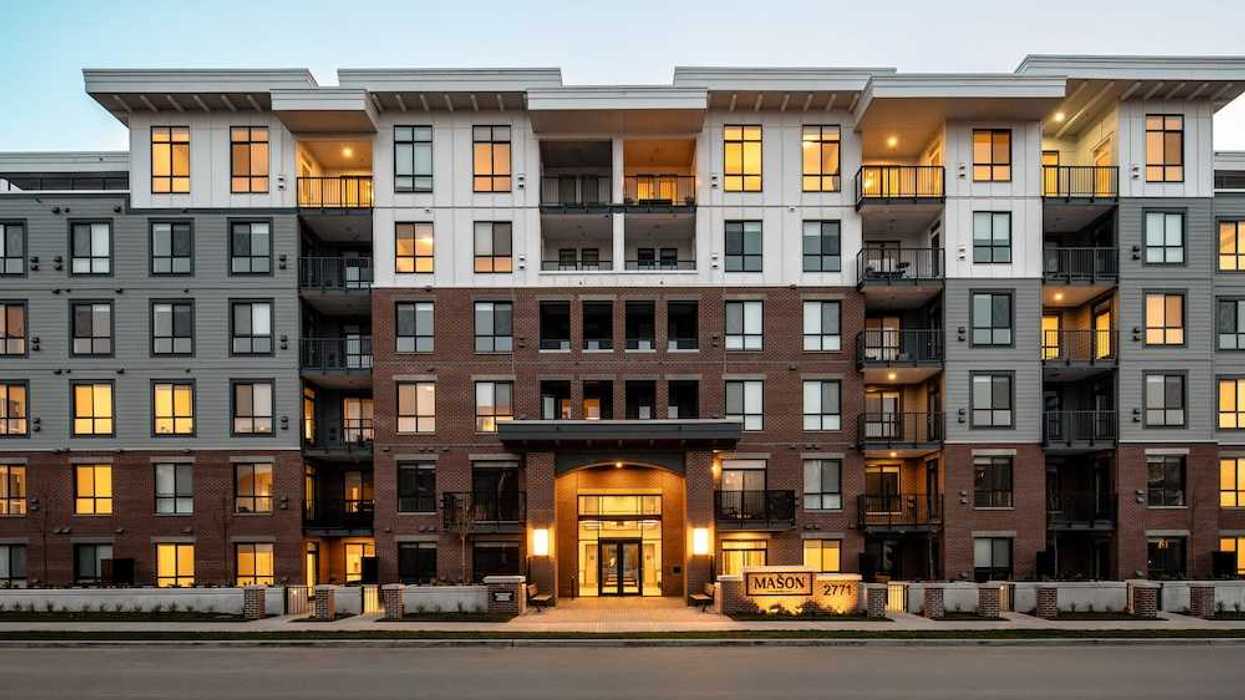
 The Mason Suite Interior (Infinity Properties)
 The Mason Suite Interior (Infinity Properties)
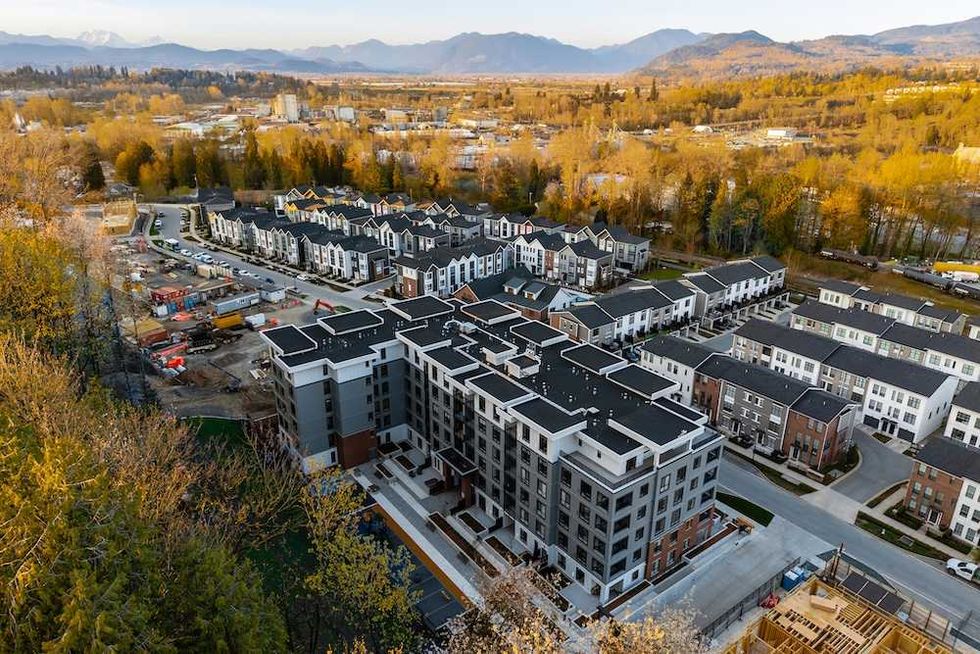 Rail District aerial (Infinity Properties)
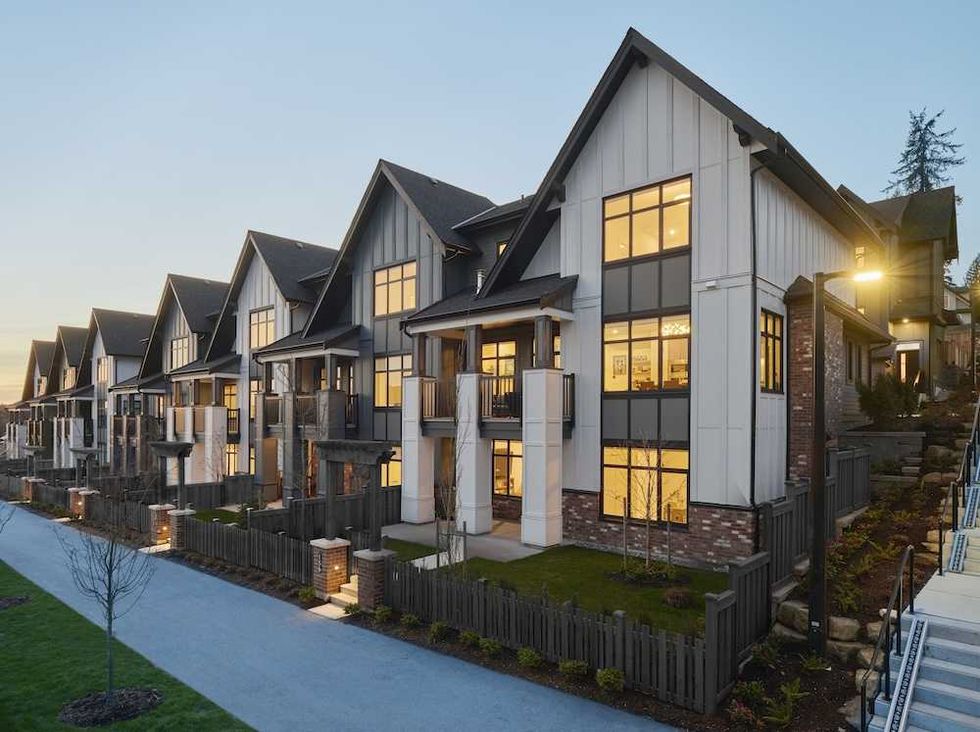 Versant (Infinity Properties)

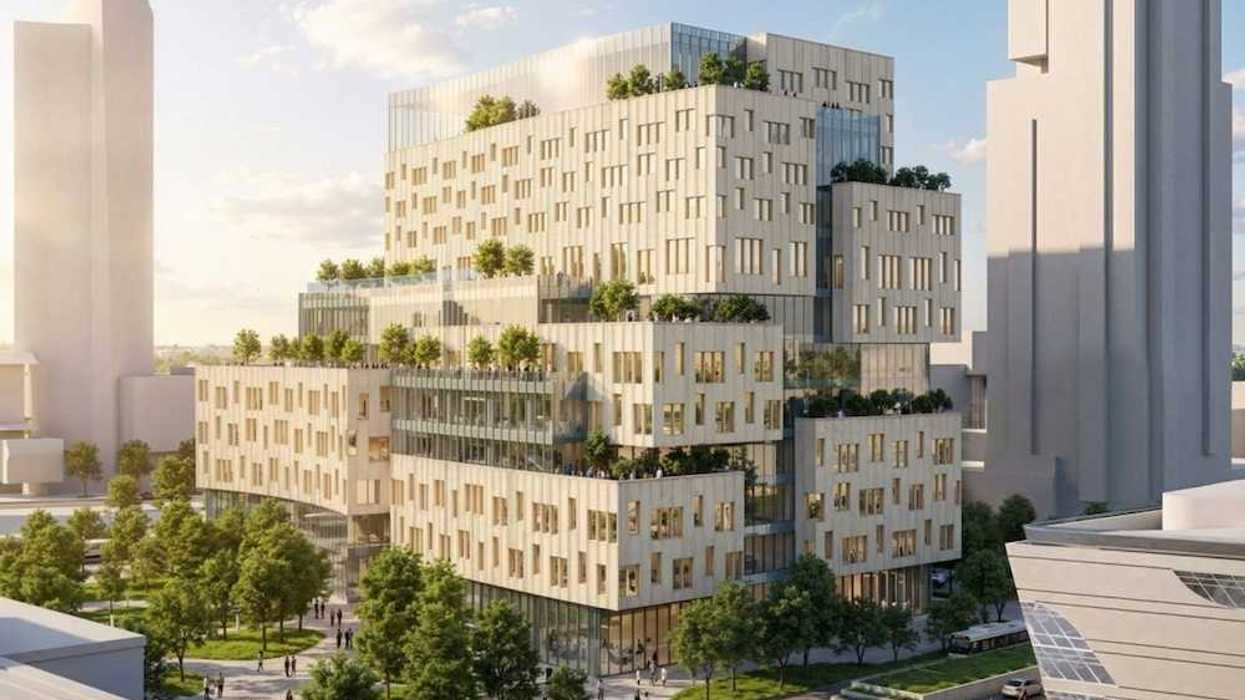






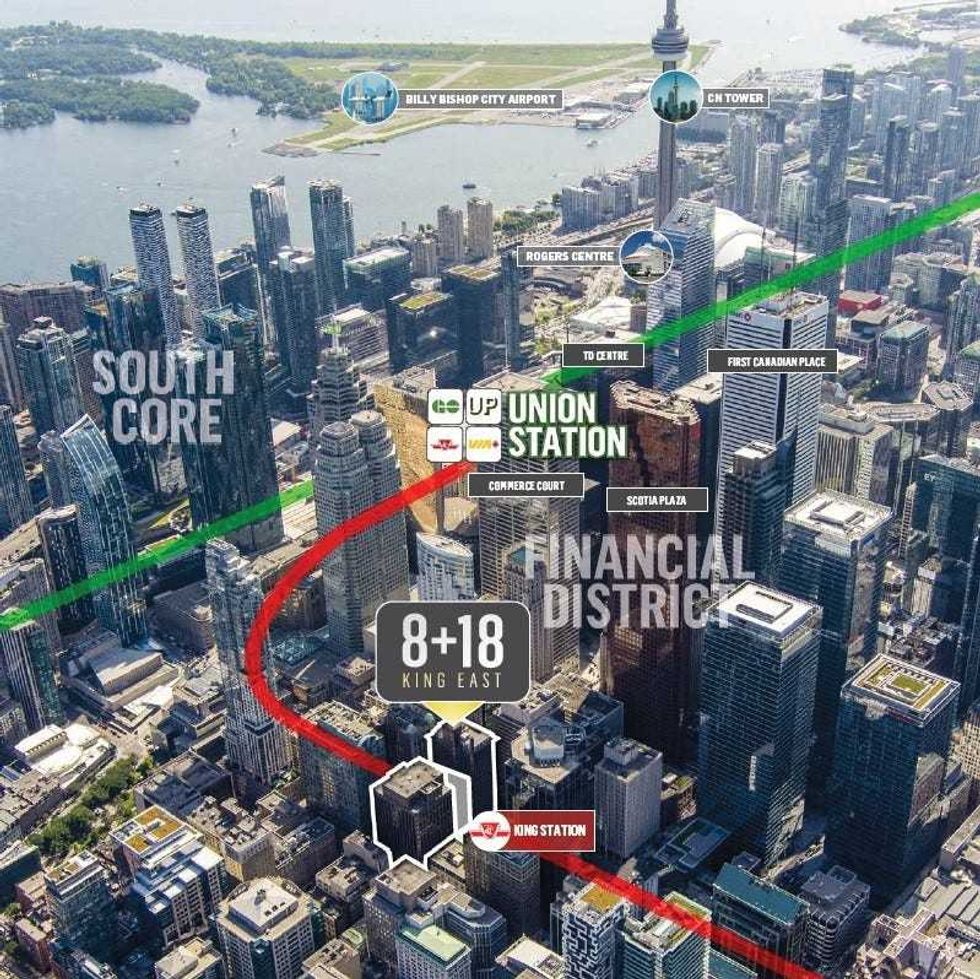 8 and 18 King Street East in Toronto. (RBC Capital Markets Realty)
 Interior photos of 8 and 18 King Street East. (RBC Capital Markets Realty)
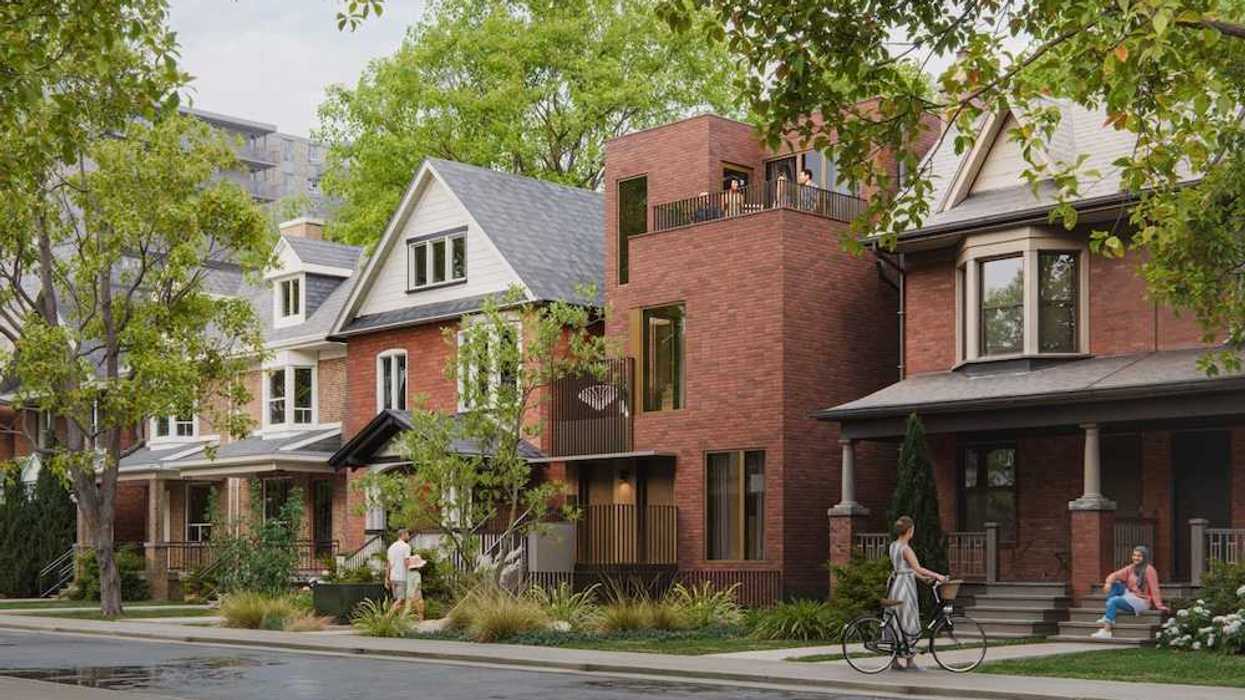
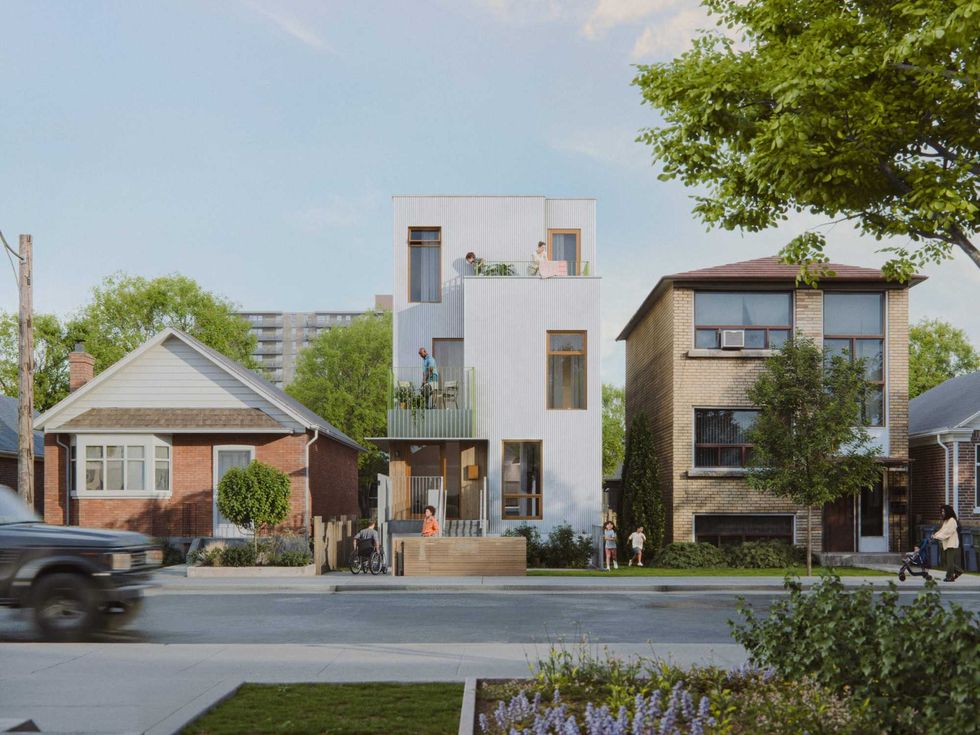 Narrow Fourplex (City of Toronto)
 Wide Sixplex - Side View (City of Toronto)