Affordable Housing Agreement
An affordable housing agreement requires developers to provide below-market units, supporting long-term housing affordability.

September 29, 2025
What is an Affordable Housing Agreement?
An affordable housing agreement is a contractual arrangement between a developer and a municipality requiring a portion of new housing units to be sold or rented at below-market rates. These agreements help ensure long-term affordability within new developments.
Why an Affordable Housing Agreement Matters in Real Estate
Affordable housing agreements matter in real estate because they support housing policy goals, increase supply of affordable units, and balance market-rate development with community needs. They are a key tool in addressing affordability challenges.
Example of an Affordable Housing Agreement in Action
A condo developer signs an affordable housing agreement with the city, setting aside 20% of units as affordable rentals for 25 years as a condition for project approval.
Key Takeaways
- Contractual agreement ensuring affordable units in new projects.
- Typically negotiated with municipalities during approvals.
- Supports long-term affordability goals.
- Balances private development with public need.
- May include rent caps, resale restrictions, or duration requirements.
Related Terms
- Inclusionary Housing Policy
- Community Land Trust
- Affordable Housing Program
- Zoning
- Housing Affordability
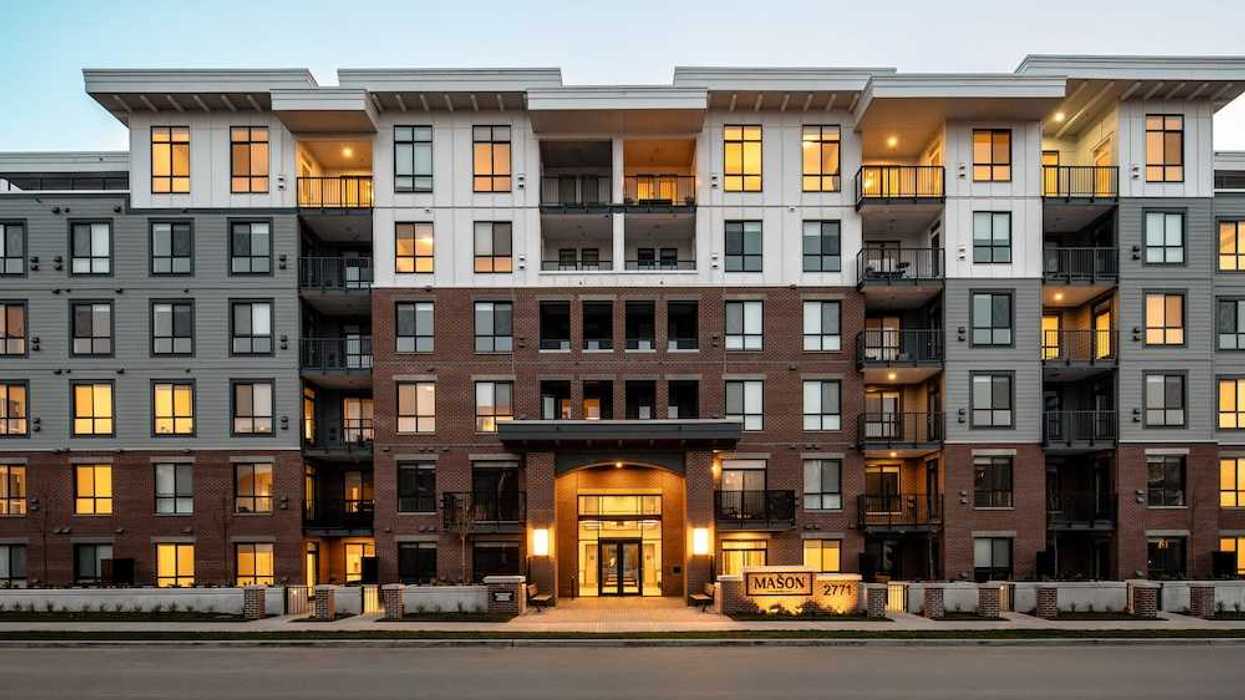
 The Mason Suite Interior (Infinity Properties)
 The Mason Suite Interior (Infinity Properties)
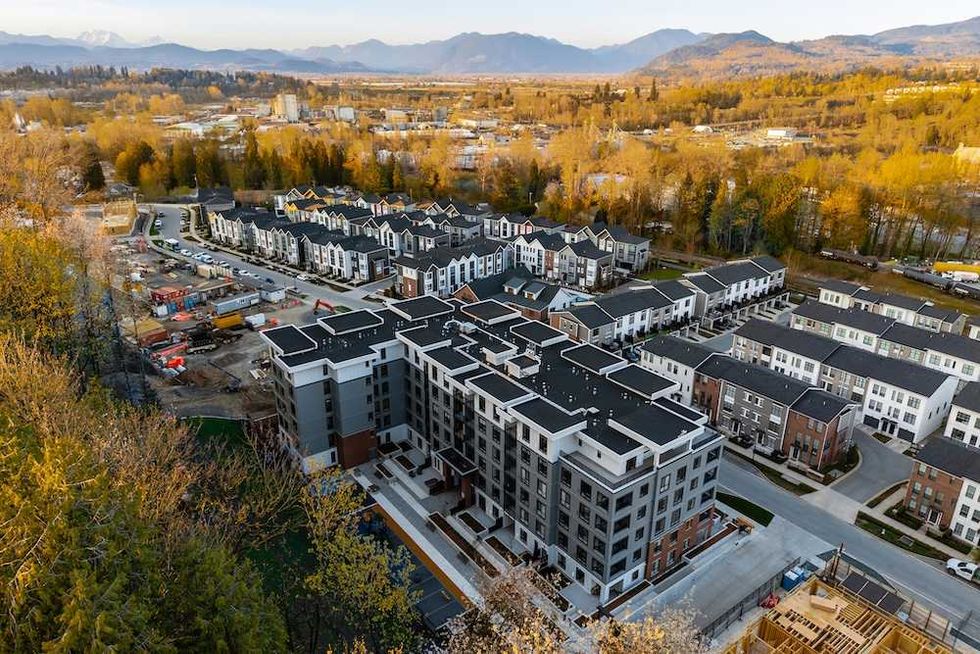 Rail District aerial (Infinity Properties)
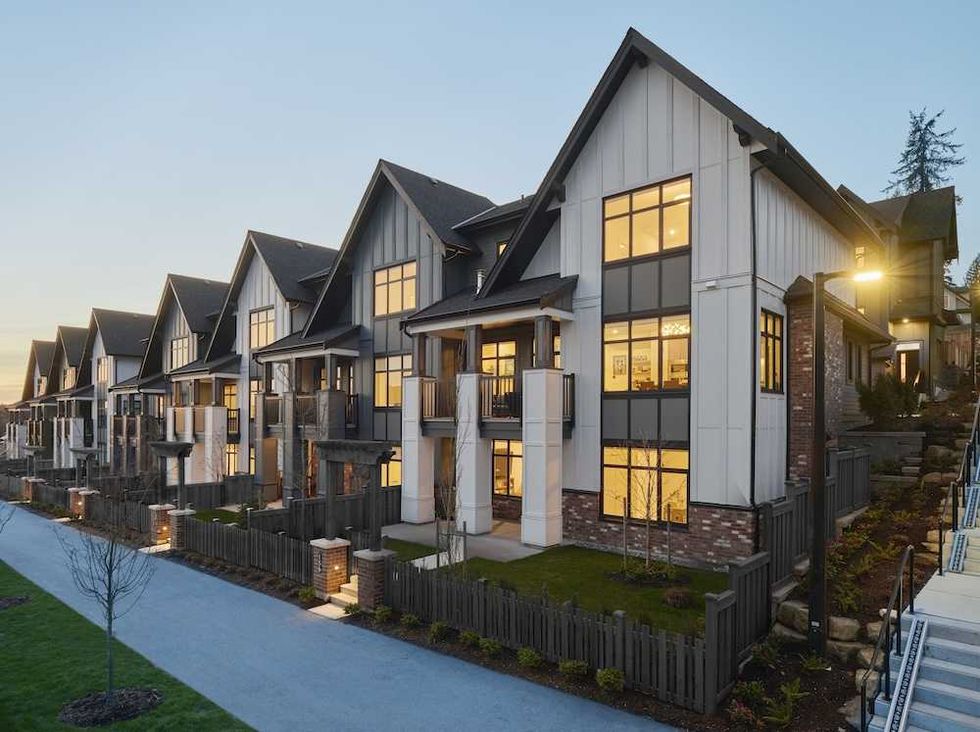 Versant (Infinity Properties)








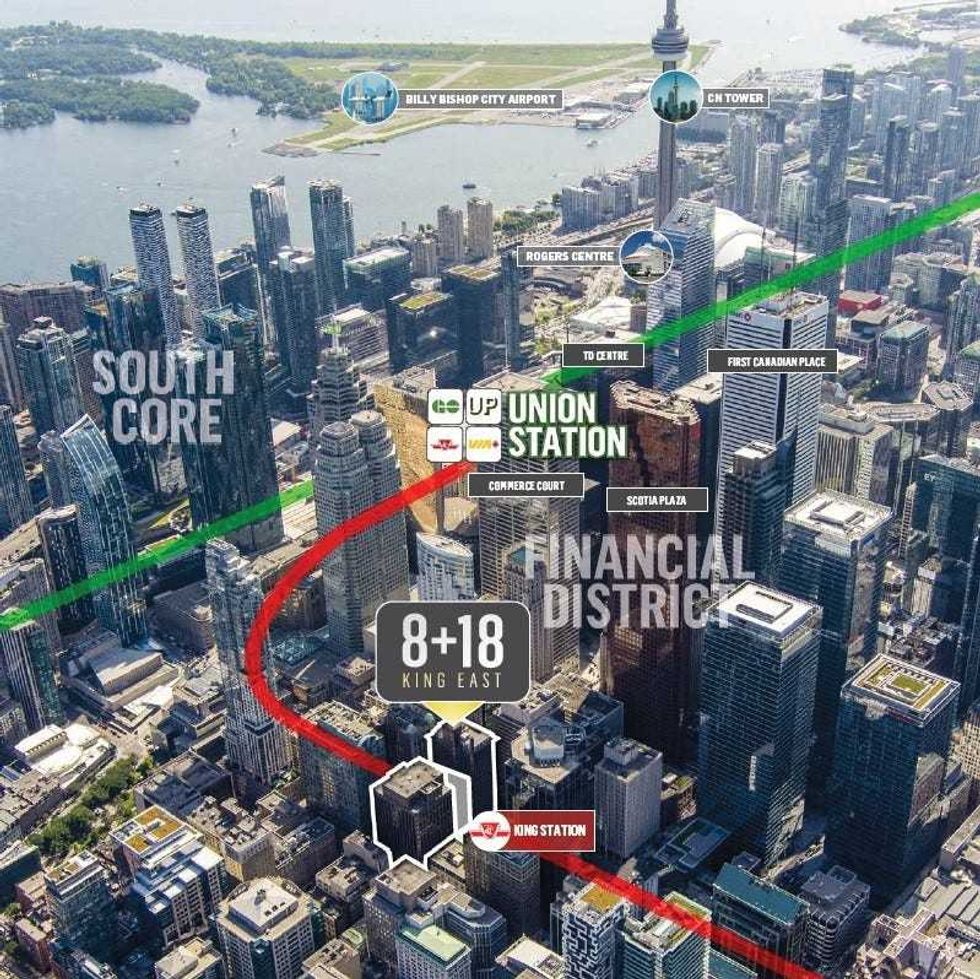 8 and 18 King Street East in Toronto. (RBC Capital Markets Realty)
 Interior photos of 8 and 18 King Street East. (RBC Capital Markets Realty)
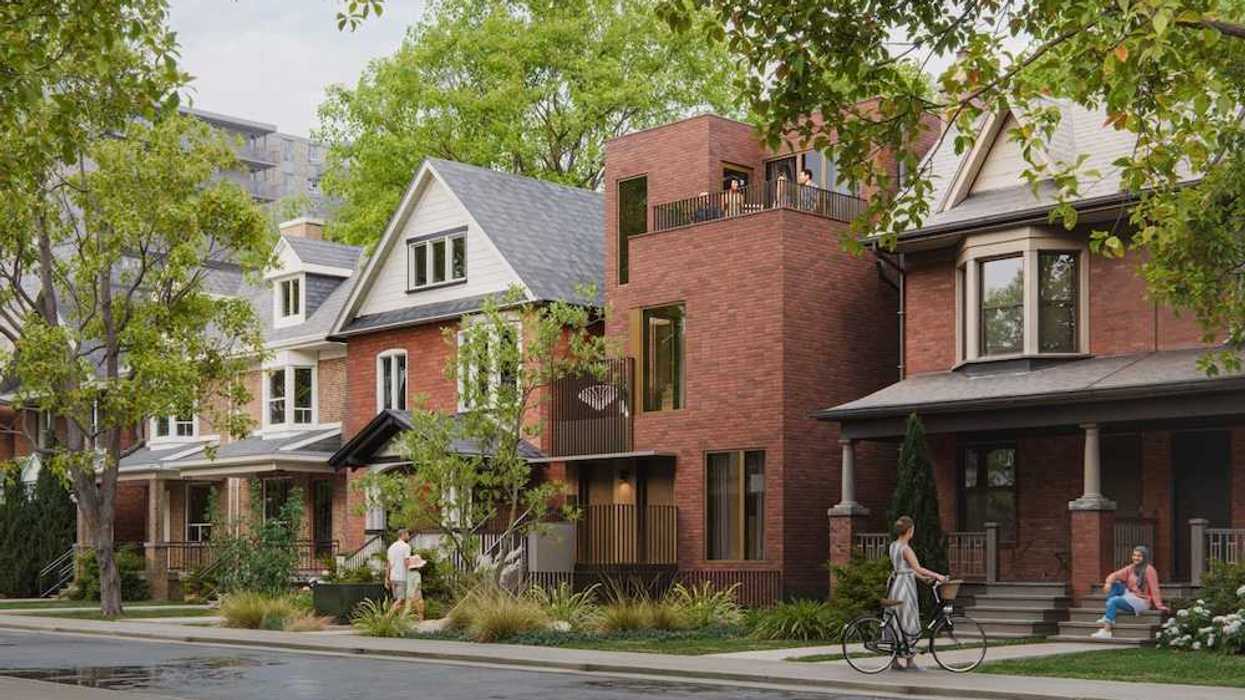
 Narrow Fourplex (City of Toronto)
 Wide Sixplex - Side View (City of Toronto)