Homebuyer Rescission Period
The Homebuyer Rescission Period in BC gives buyers three business days to cancel a home purchase, with a small fee, for added protection.

September 30, 2025
What is the Homebuyer Rescission Period?
The Homebuyer Rescission Period (HBRP) is a consumer protection measure in British Columbia that provides buyers of residential real estate with a three-business-day cooling-off period. During this time, buyers can cancel their purchase agreement for any reason, subject to a small rescission fee.
Why the Homebuyer Rescission Period Matters in Real Estate
The HBRP matters in real estate because it reduces buyer pressure in competitive markets and allows time for due diligence. It increases consumer protection and transparency in BC’s real estate transactions.
Example of the Homebuyer Rescission Period in Action
A buyer signs a contract to purchase a home in Vancouver. Within the three-day HBRP, they decide to withdraw after a home inspection reveals significant issues. They pay the required rescission fee and exit the contract.
Key Takeaways
- Provides BC buyers a three-day cooling-off period.
- Allows cancellation of a purchase with a small fee.
- Increases consumer protection in real estate deals.
- Helps buyers complete due diligence without pressure.
- Applies to most residential transactions in BC.
Related Terms
- 10-Day Cooling-Off Period
- Consumer Protection
- Purchase Agreement
- Real Estate Regulation
- Deposit
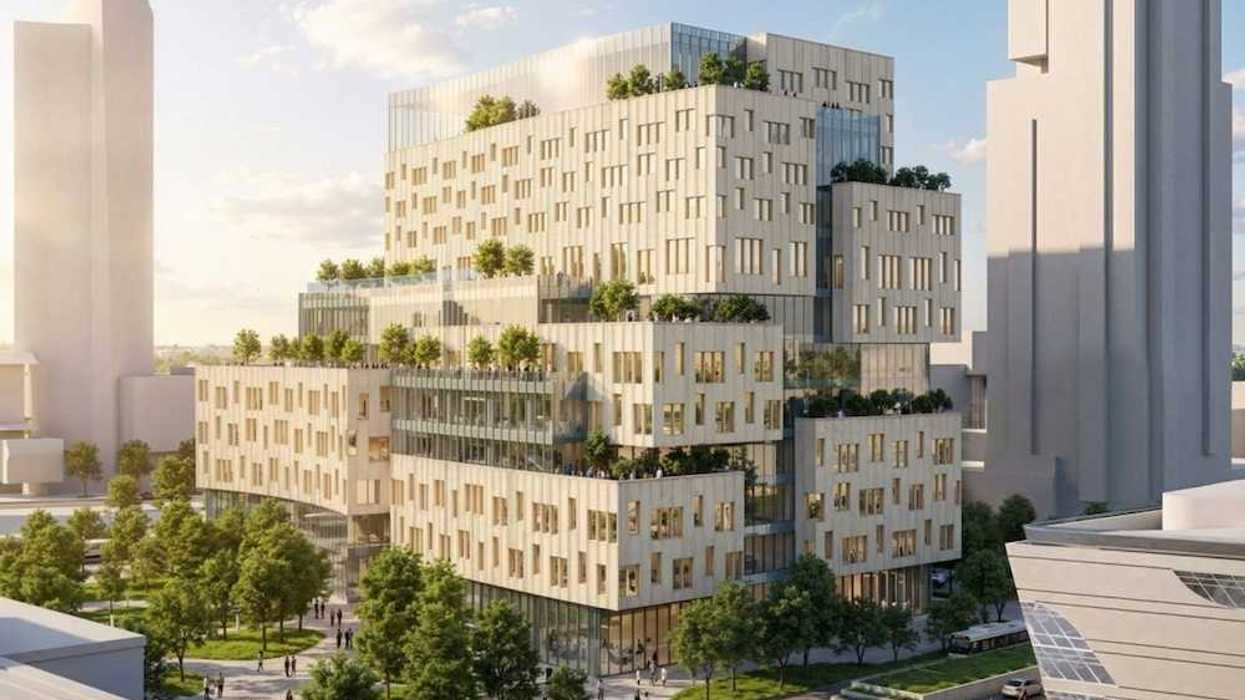
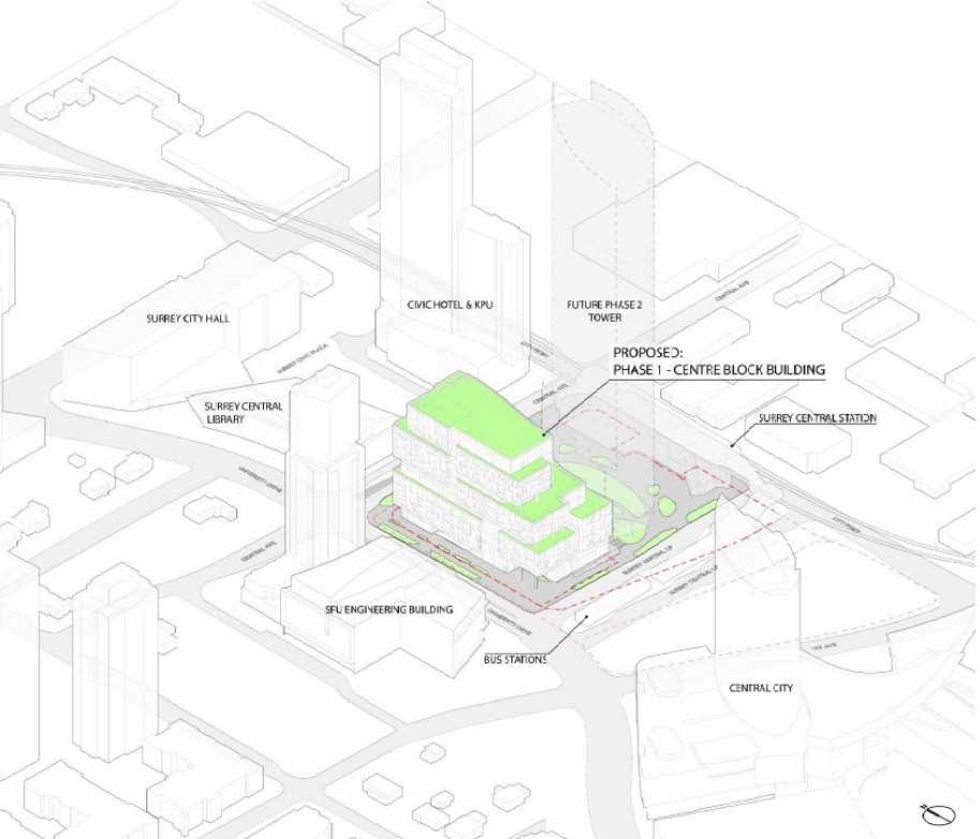 Centre Block and its surrounding context. (Stantec-Revery, SCDC)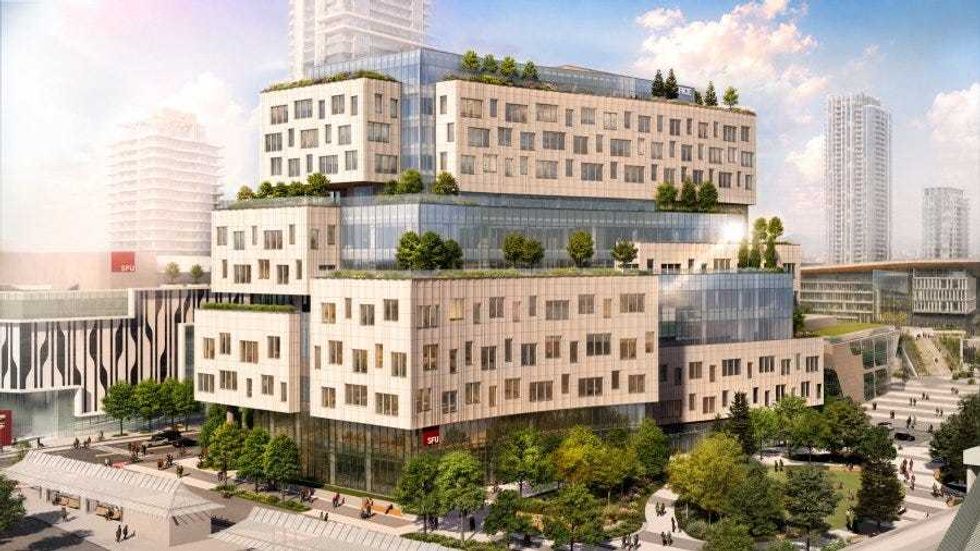
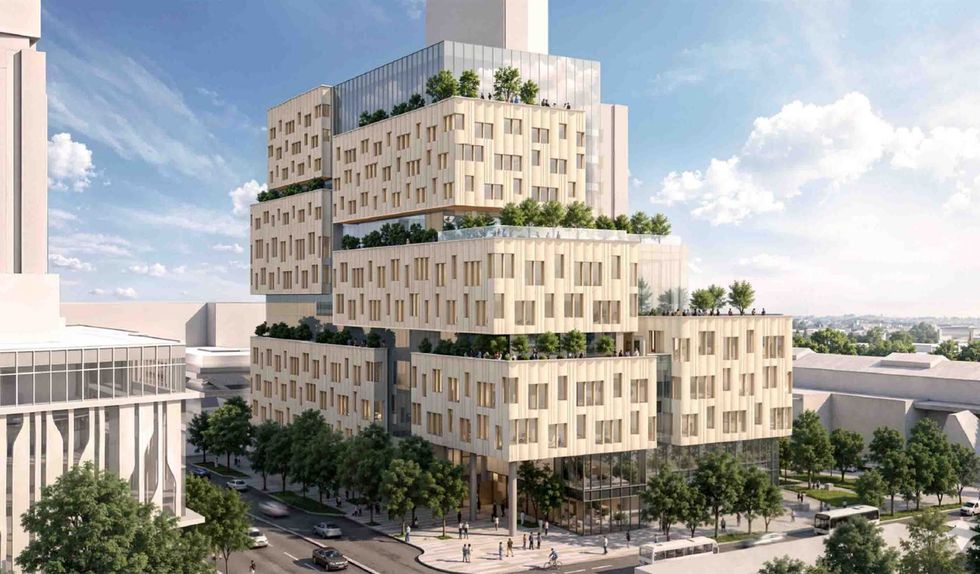 The 12-storey Phase One of Centre Block. (Stantec-Revery, SCDC)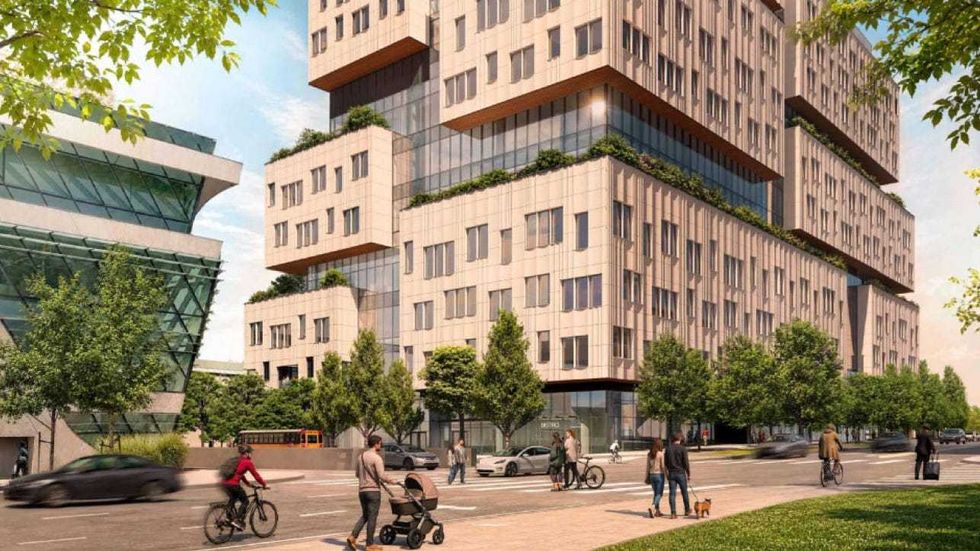
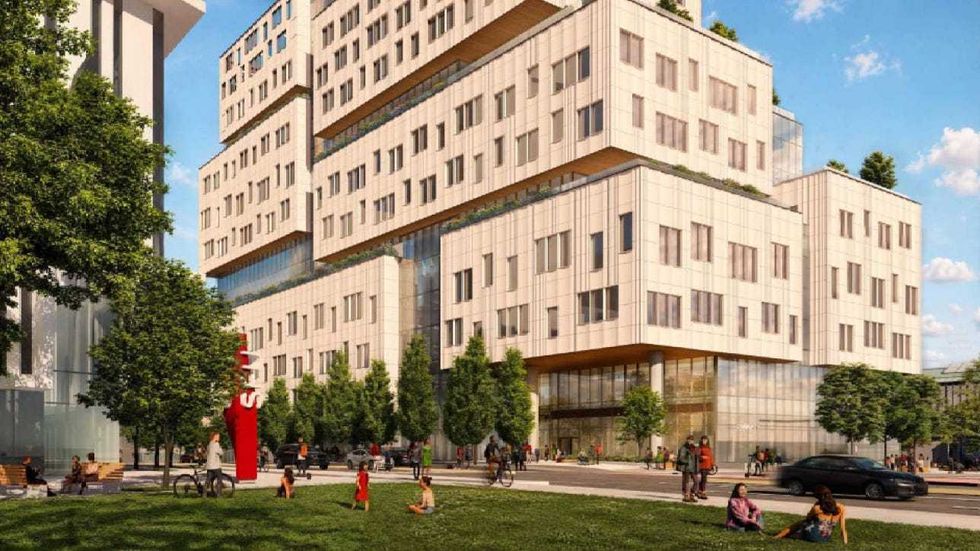 The 12-storey Phase One of Centre Block. (Stantec-Revery, SCDC)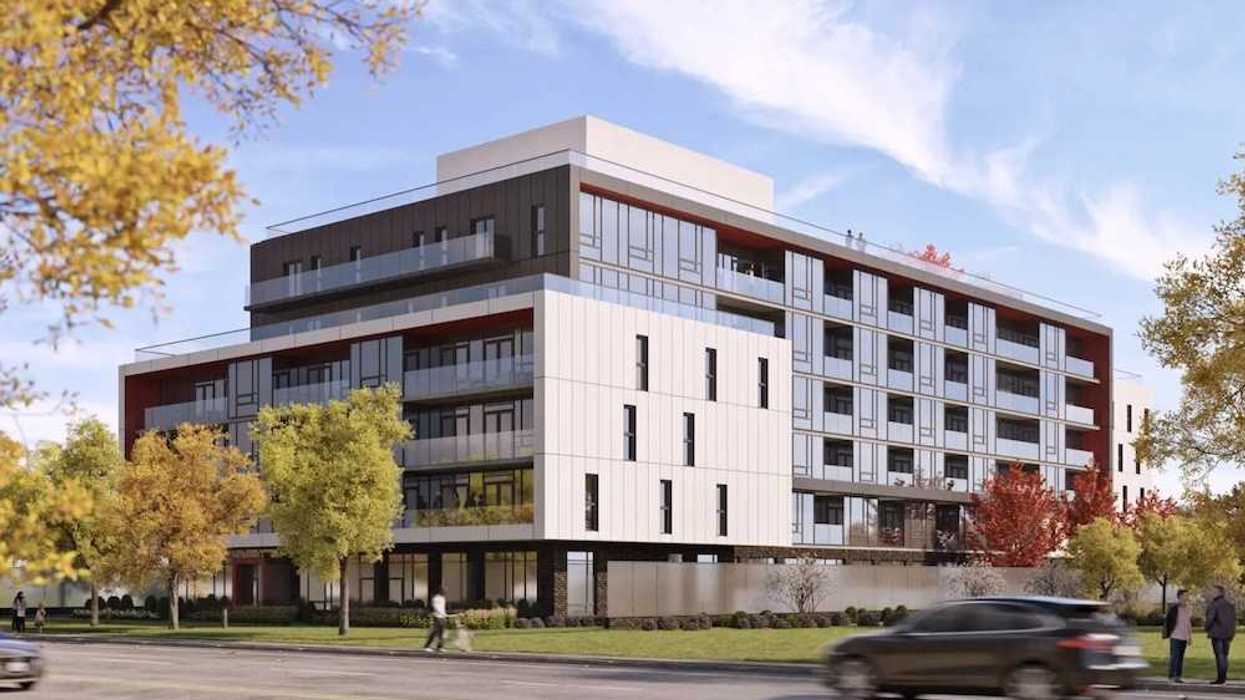
 Mondria One, set for 1607 King Street East in Clarington, Ontario. (ICON Architects Inc., Monde Development Group)




 Via STOREYS Editorial team
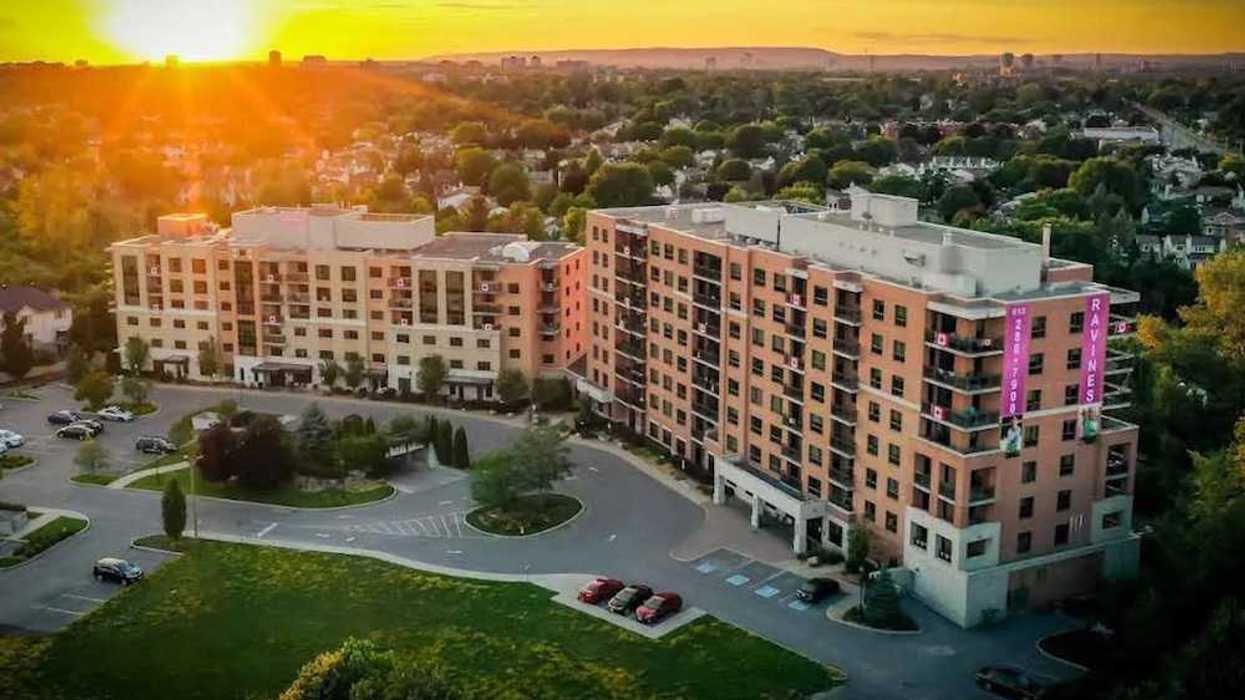
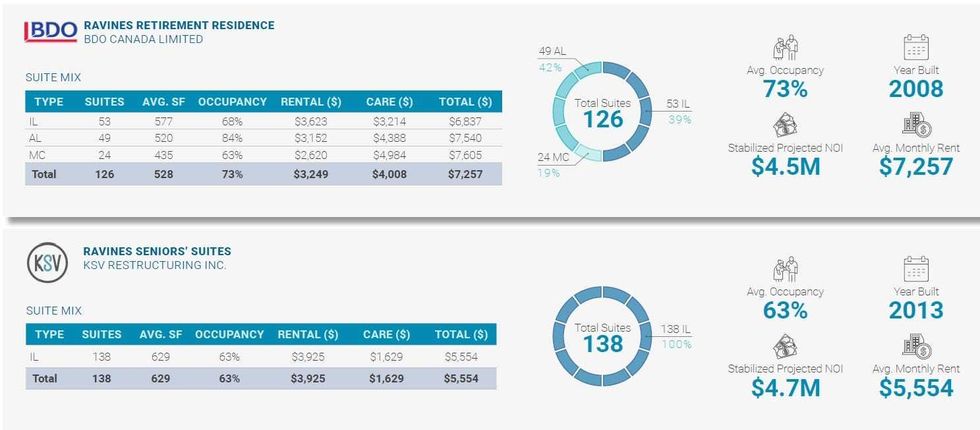 An overview of the two Ravine buildings. (Newmark)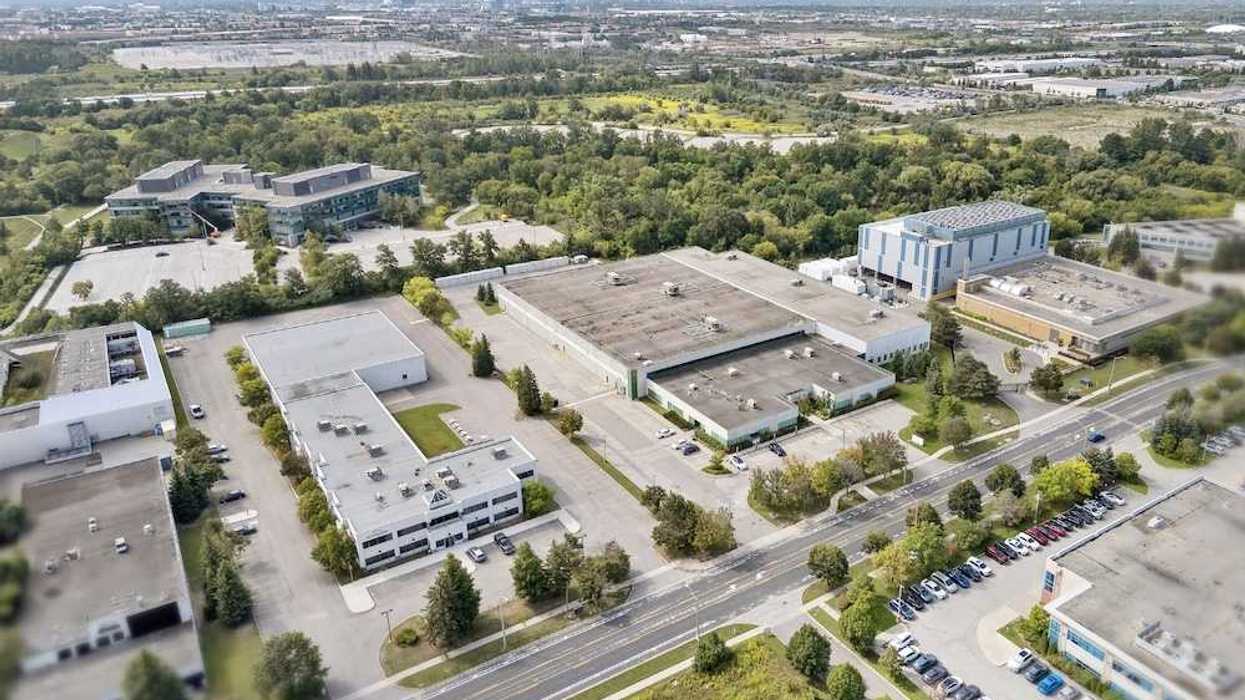
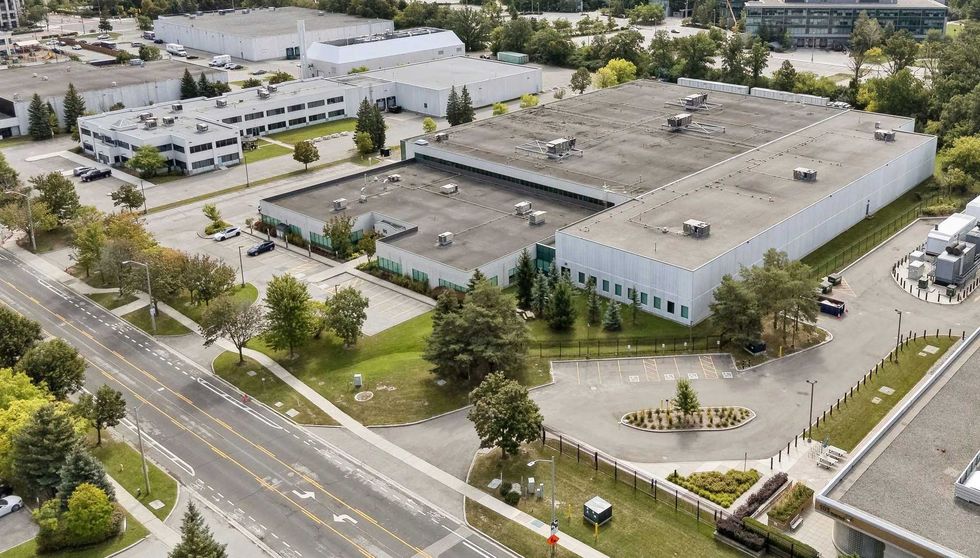 95 Clegg Road in Markham, Ontario. (Colliers)
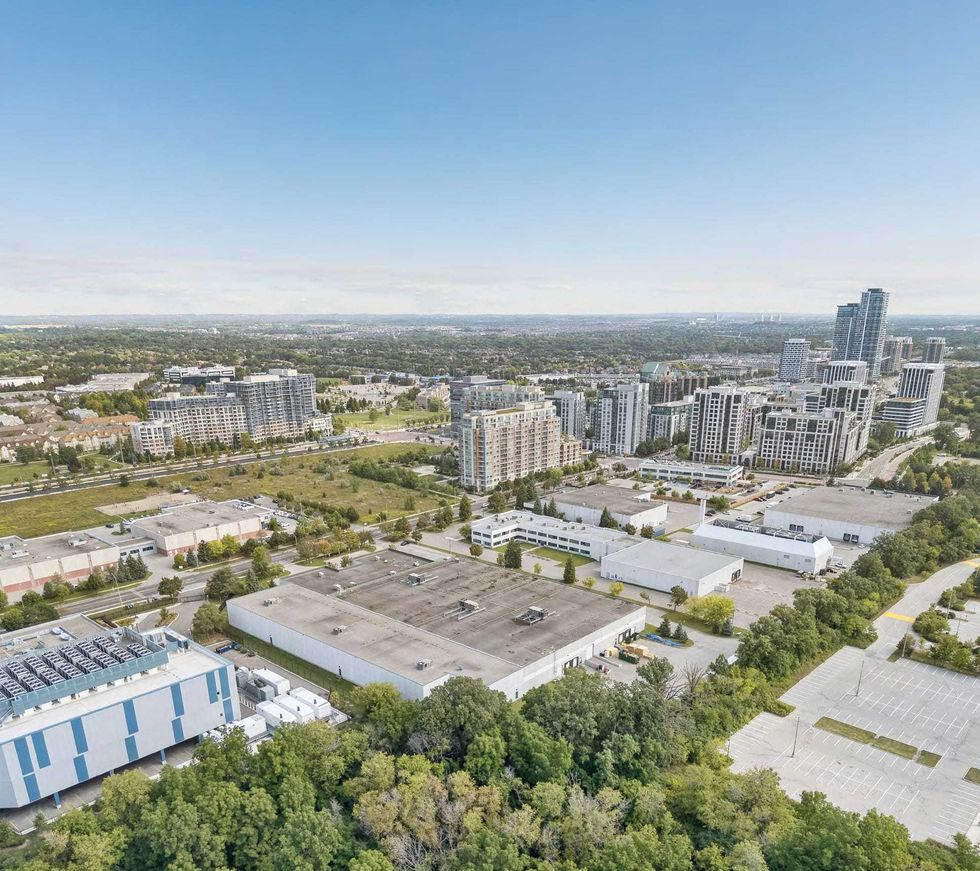 95 Clegg Road (centre) in Markham, Ontario. (Colliers)