Listing Price
Learn what listing price means in Canadian real estate: how it’s determined, why it matters, and how it affects buyer interest and sales outcomes.
June 16, 2025
What is a Listing Price?
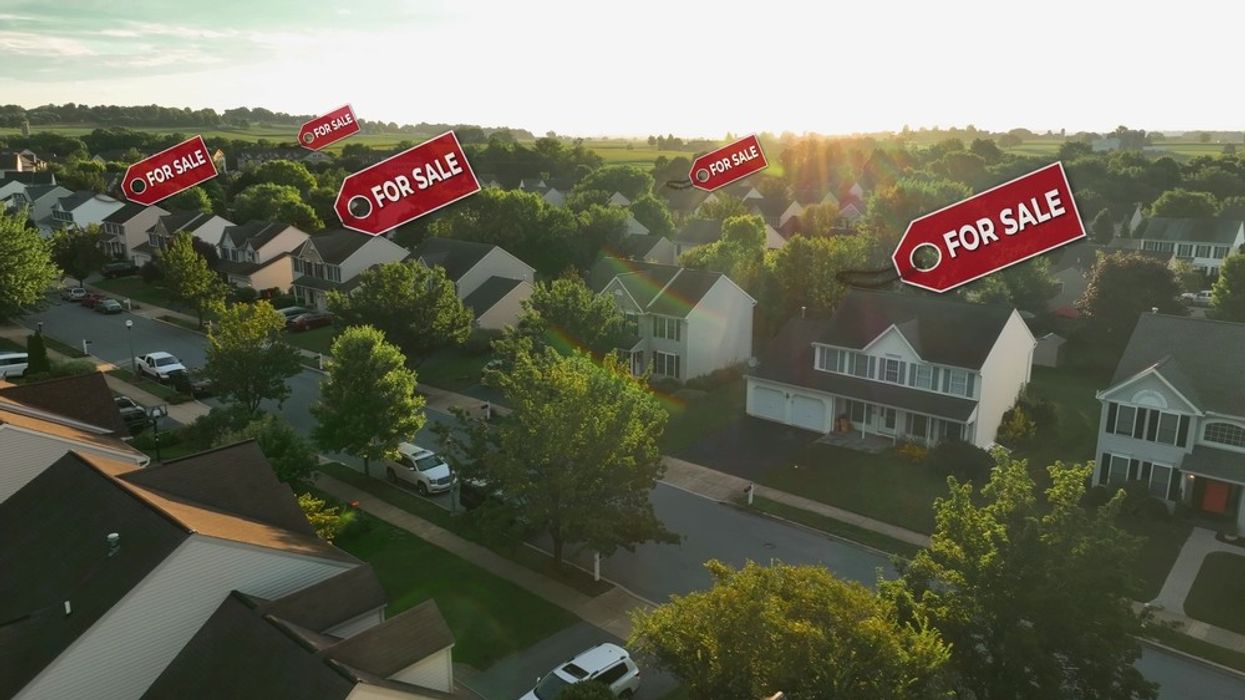
The listing price is the price at which a seller advertises their property for sale on the real estate market.
Why Listing Price Matters in Real Estate
In Canadian real estate, the listing price is a key marketing and negotiation tool that influences buyer interest, time on market, and final sale outcomes.
Factors that affect listing price:
- Comparable Market Analysis (CMA)
- Market conditions (e.g., sellers' or buyers' market)
- Property condition and upgrades
- Appraisal value and mortgage constraints
Listing prices may be set below, at, or above market value depending on strategy. A well-calibrated price attracts offers, while overpricing may delay sales.
Understanding listing price helps both buyers and sellers navigate valuation, financing, and negotiation.
Example of a Listing Price in Action
The agent recommends a listing price of $699,000 based on a recent CMA and market conditions in the neighbourhood.
Key Takeaways
- The advertised price of a property
- Influenced by CMA, condition, and market forces
- Sets buyer expectations and interest
- Can be strategic (high or low)
- May differ from final sale price
Related Terms
- Appraisal
- Comparable Market Analysis (CMA)
- Market Value
- Buyers' Market
- Sellers' Market
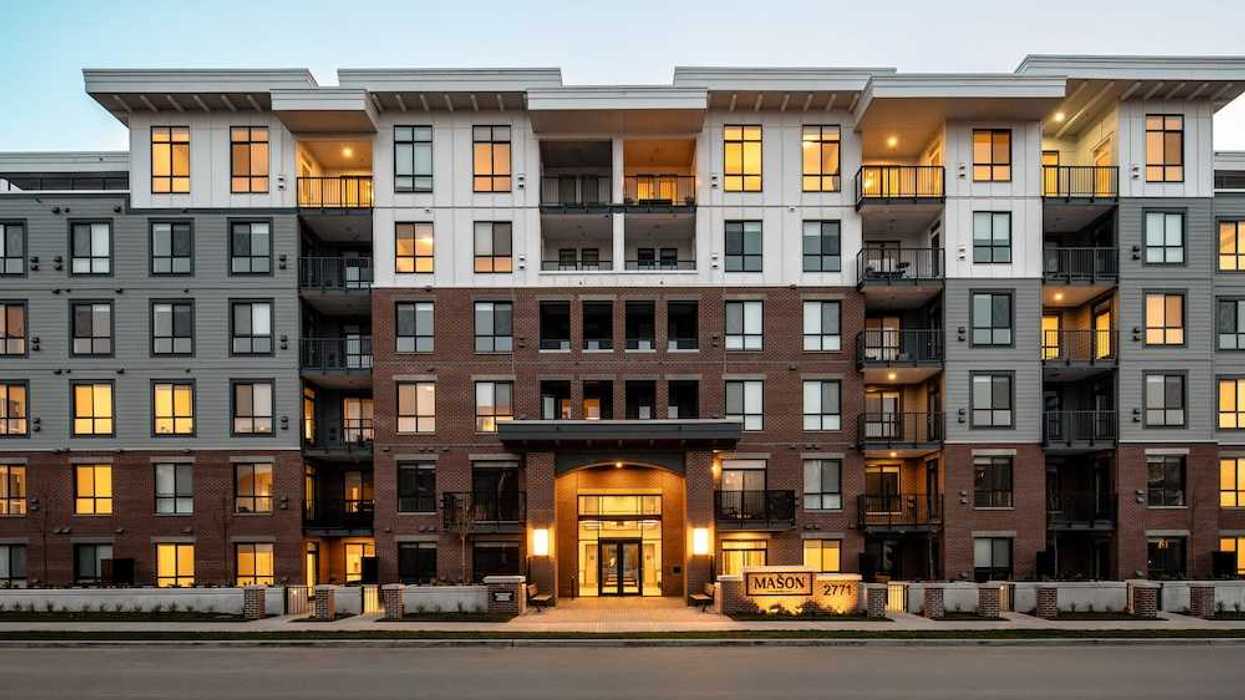
 The Mason Suite Interior (Infinity Properties)
 The Mason Suite Interior (Infinity Properties)
 Rail District aerial (Infinity Properties)
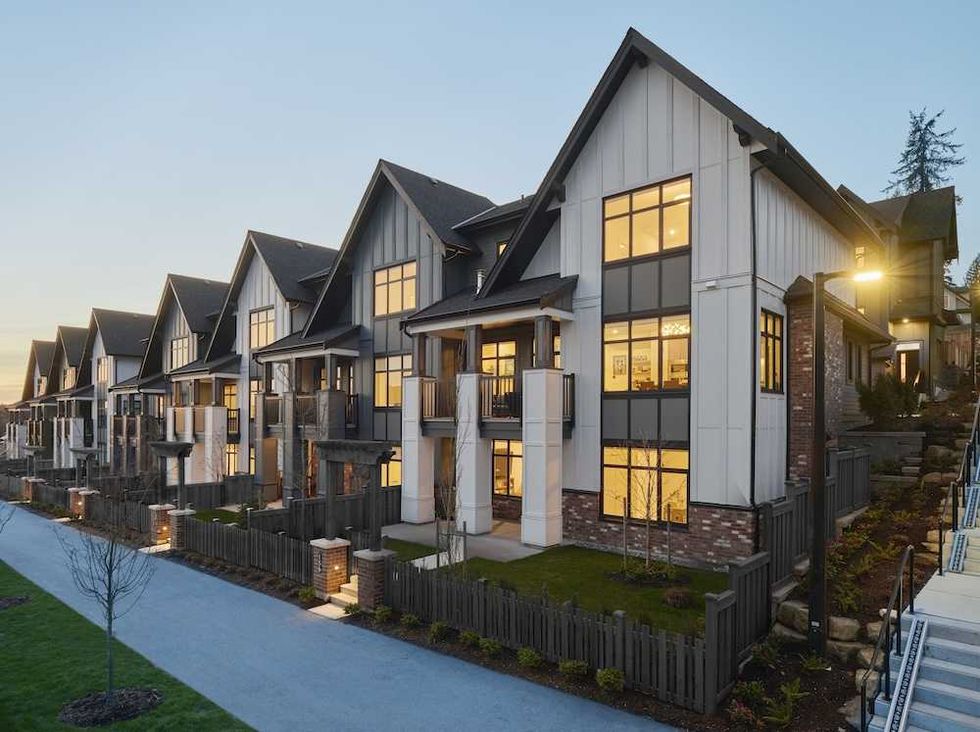 Versant (Infinity Properties)








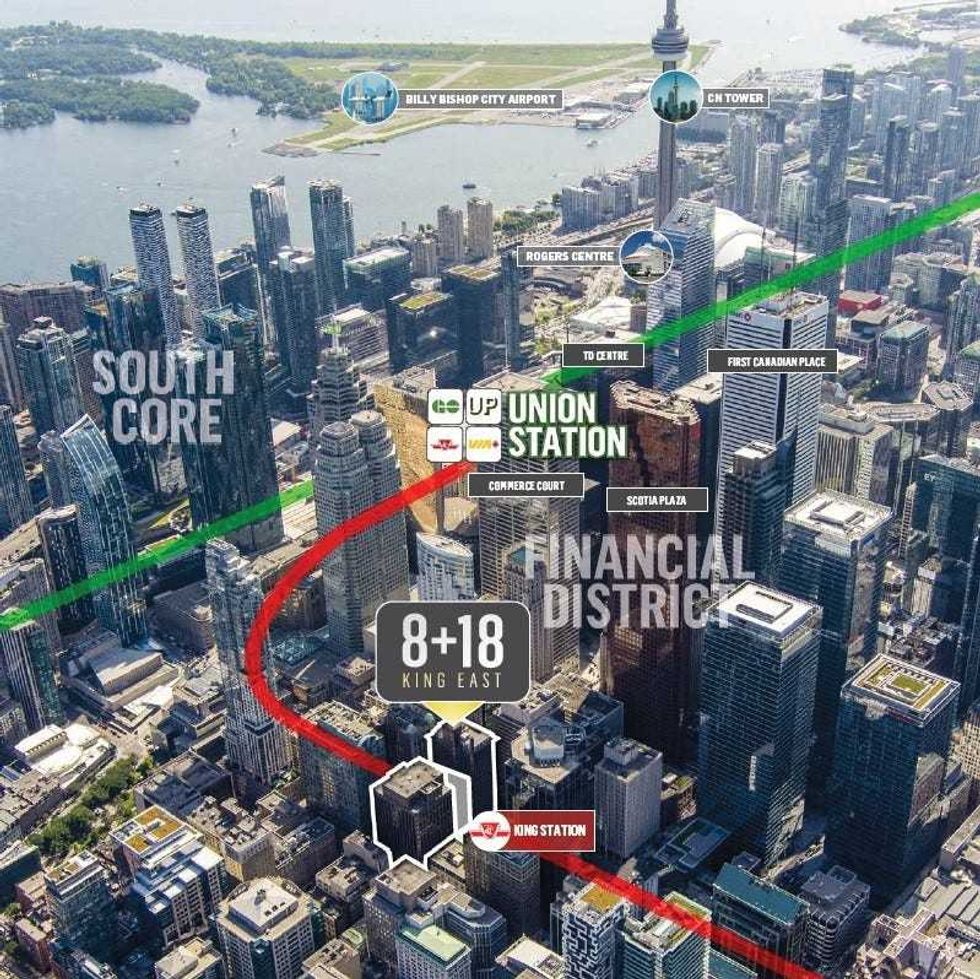 8 and 18 King Street East in Toronto. (RBC Capital Markets Realty)
 Interior photos of 8 and 18 King Street East. (RBC Capital Markets Realty)

 Narrow Fourplex (City of Toronto)
 Wide Sixplex - Side View (City of Toronto)