Designated Agency
Designated agency allows brokerages to represent both sides of a deal by assigning different agents, preserving fiduciary duties and reducing conflicts.

September 30, 2025
What is Designated Agency?
Designated agency is a brokerage model in which a real estate firm designates separate agents to represent different clients in the same transaction. Unlike traditional dual agency, where one agent represents both sides, designated agency assigns individual agents to ensure that each party receives full fiduciary duties, including loyalty, confidentiality, and advocacy. The brokerage remains responsible for oversight and compliance, but the separation of representation helps mitigate conflicts of interest.
Why Designated Agency Matters in Real Estate
Designated agency matters in real estate because it balances consumer protection with brokerage flexibility. It allows large brokerages to serve both buyers and sellers in a single transaction while maintaining fiduciary duties. Proper disclosure, informed consent, and internal policies are critical to compliance. Without clear protocols, clients may feel conflicted or inadequately represented.
Example of Designated Agency in Action
A real estate brokerage has both a listing agent and a buyer’s agent within the same office. Under designated agency, each agent represents their client independently, while the broker ensures policies and records are maintained. Both clients receive undivided loyalty and confidential representation.
Key Takeaways
- Designated agency separates representation within one brokerage.
- It preserves fiduciary duties for all clients.
- Proper disclosure and consent are essential.
- Broker supervision ensures compliance.
- Policies vary by jurisdiction.
Related Terms
- Environmental Site Assessment
- Brownfield
- Record of Site Condition
- Liability Coverage
- Expropriation

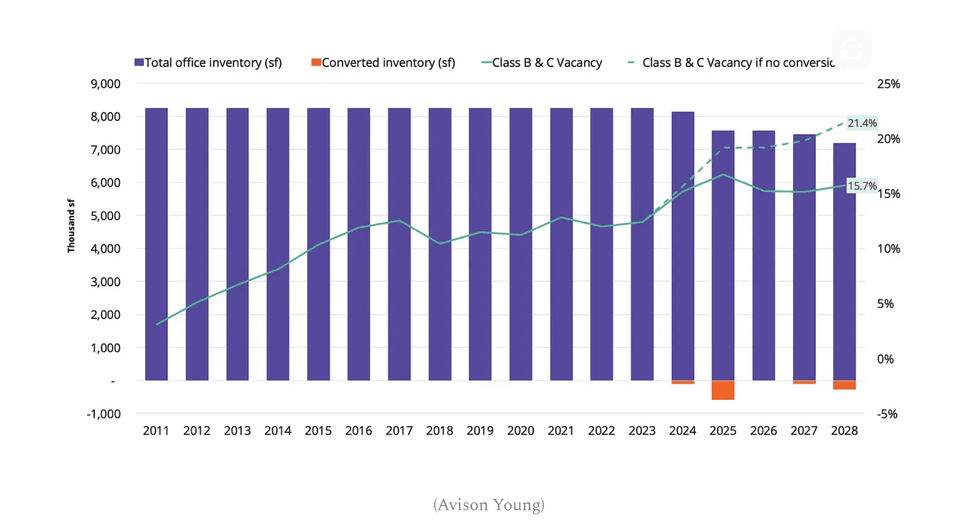 (Avison Young)





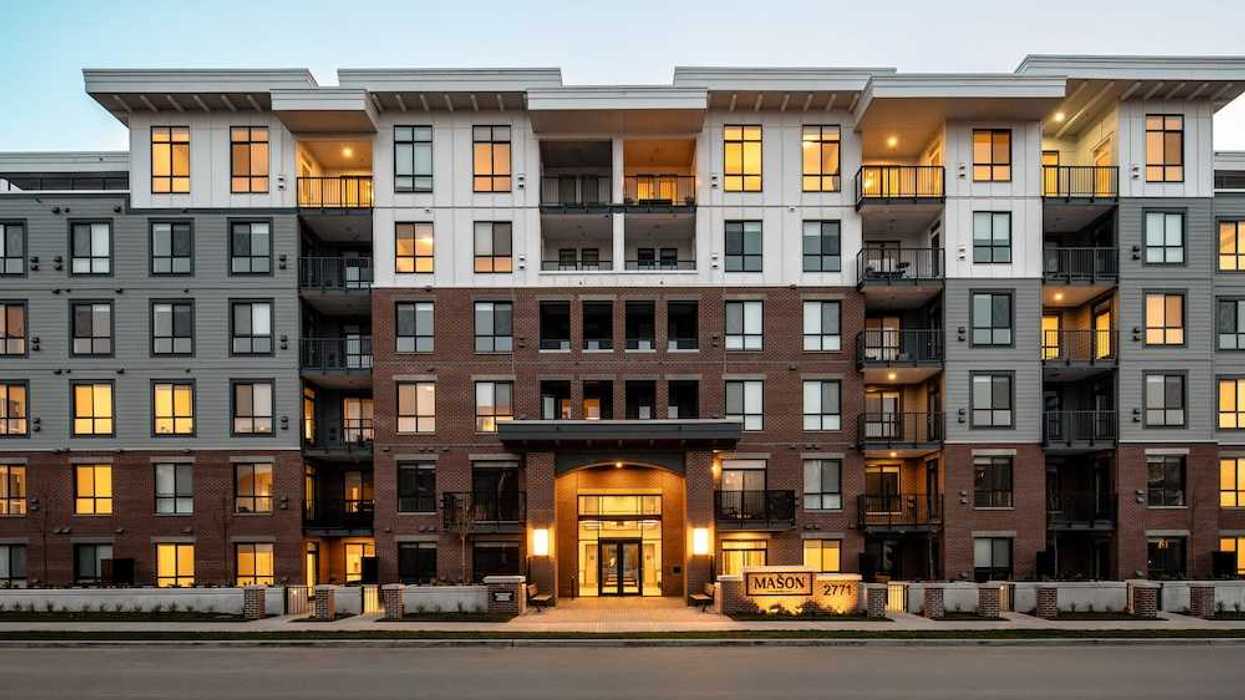
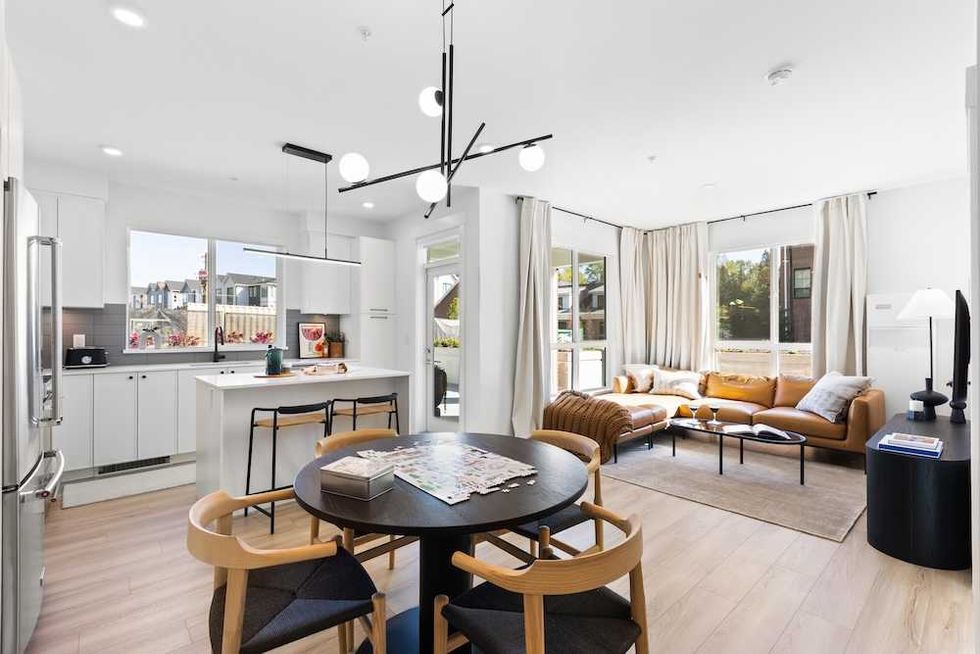 The Mason Suite Interior (Infinity Properties)
 The Mason Suite Interior (Infinity Properties)
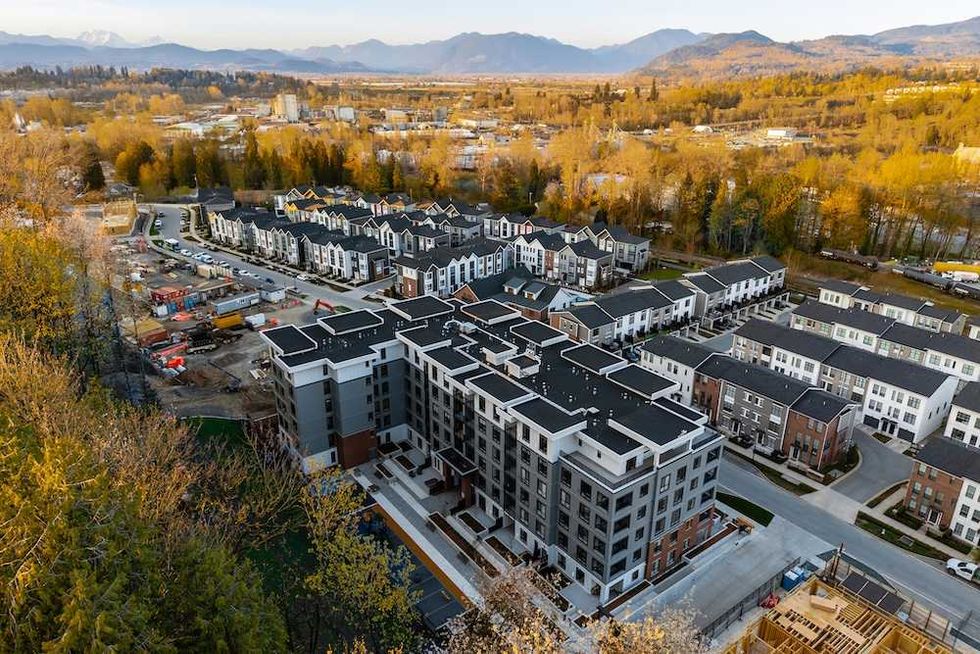 Rail District aerial (Infinity Properties)
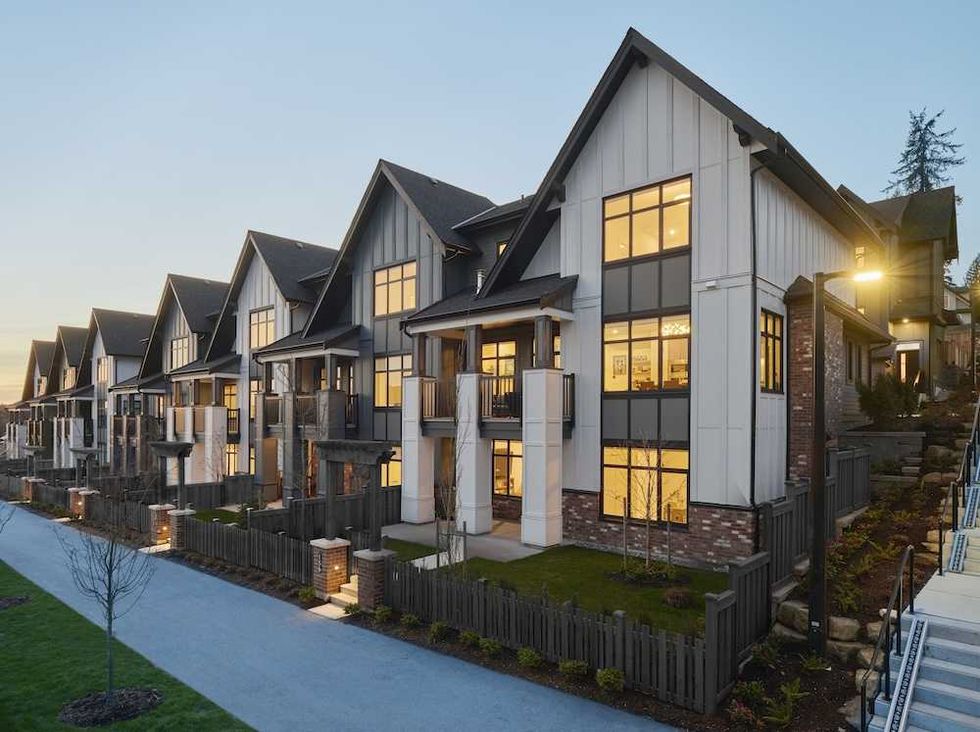 Versant (Infinity Properties)

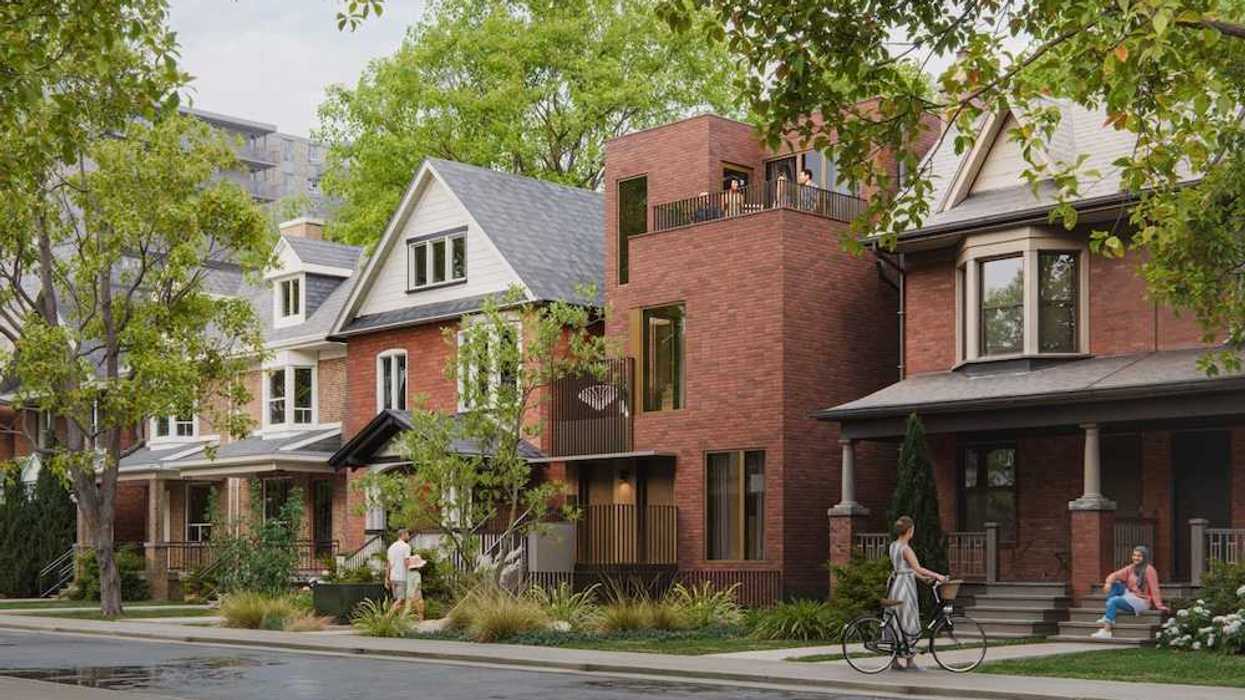
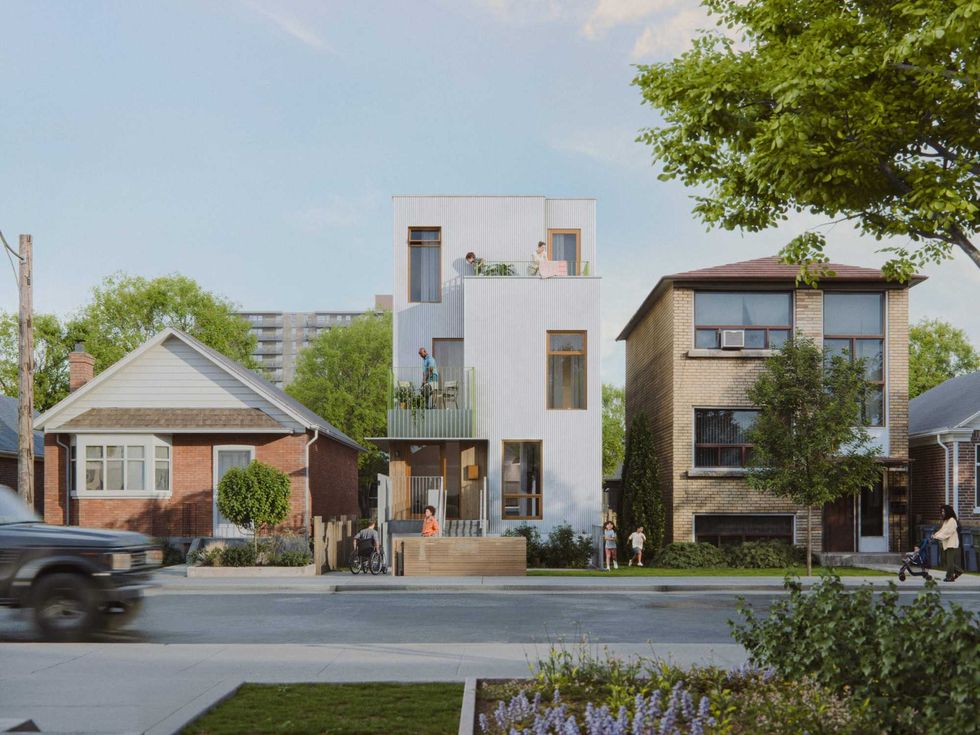 Narrow Fourplex (City of Toronto)
 Wide Sixplex - Side View (City of Toronto)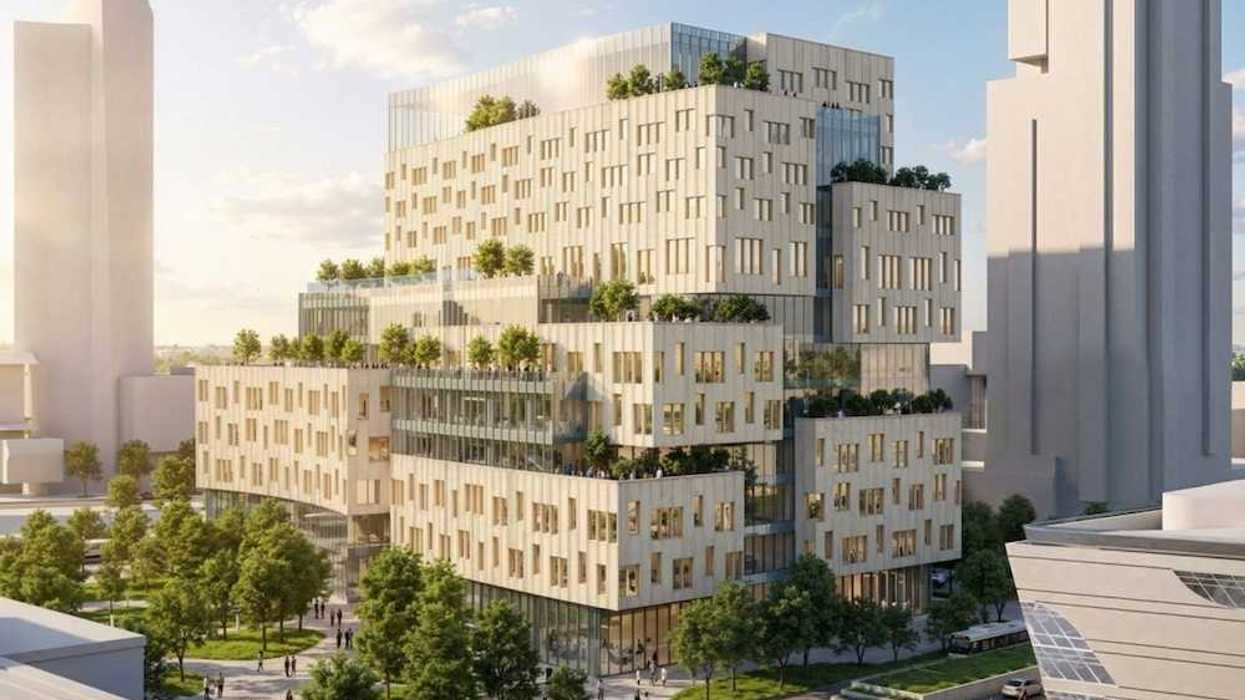
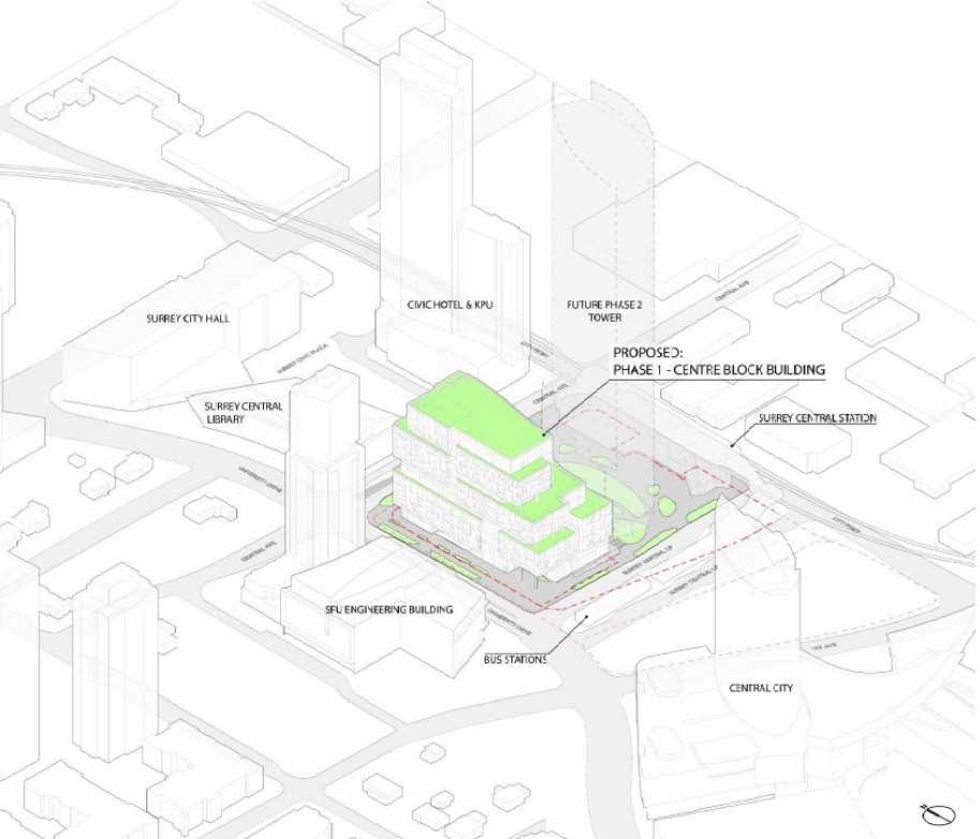 Centre Block and its surrounding context. (Stantec-Revery, SCDC)
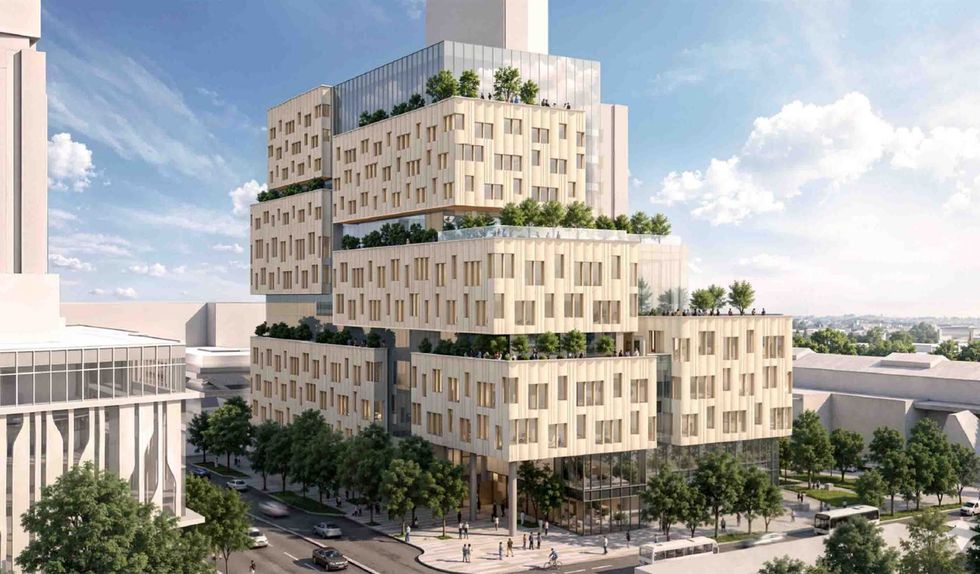 The 12-storey Phase One of Centre Block. (Stantec-Revery, SCDC)
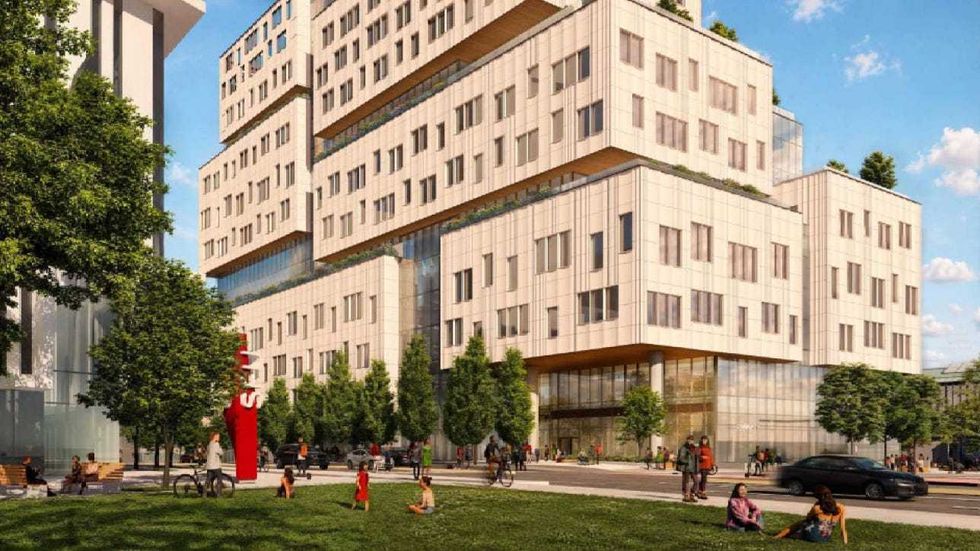 The 12-storey Phase One of Centre Block. (Stantec-Revery, SCDC)
 Mondria One, set for 1607 King Street East in Clarington, Ontario. (ICON Architects Inc., Monde Development Group)