Deed Restriction
Understand deed restrictions in Canadian real estate — what they are, how they affect property use, and their role in land control.

July 27, 2025
What is a Deed Restriction?
A deed restriction is a condition written into a property’s deed that limits or prescribes how the property can be used, binding future owners until legally changed.
Why Deed Restrictions Matter in Real Estate
In Canadian property law, deed restrictions help preserve neighbourhood character, control land use, or uphold community standards.
Examples:
- Prohibiting commercial use of residential property
- Limiting building height
- Restricting types of exterior finishes
Understanding deed restrictions helps buyers assess property limitations before purchase.
Example of Deed Restrictions in Action
The deed restriction prevented the owner from adding a second storey to the house.
Key Takeaways
- Limits or prescribes property use
- Written into the deed
- Binds current and future owners
- Helps preserve community standards
- Requires legal action to change
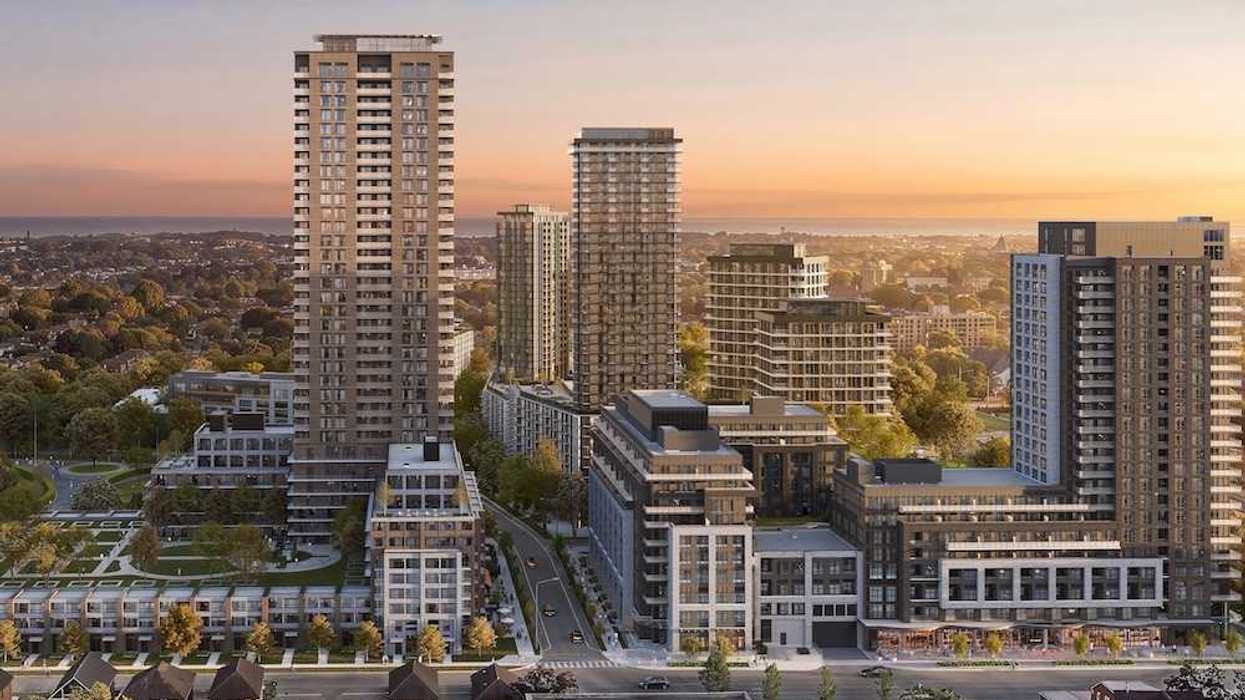
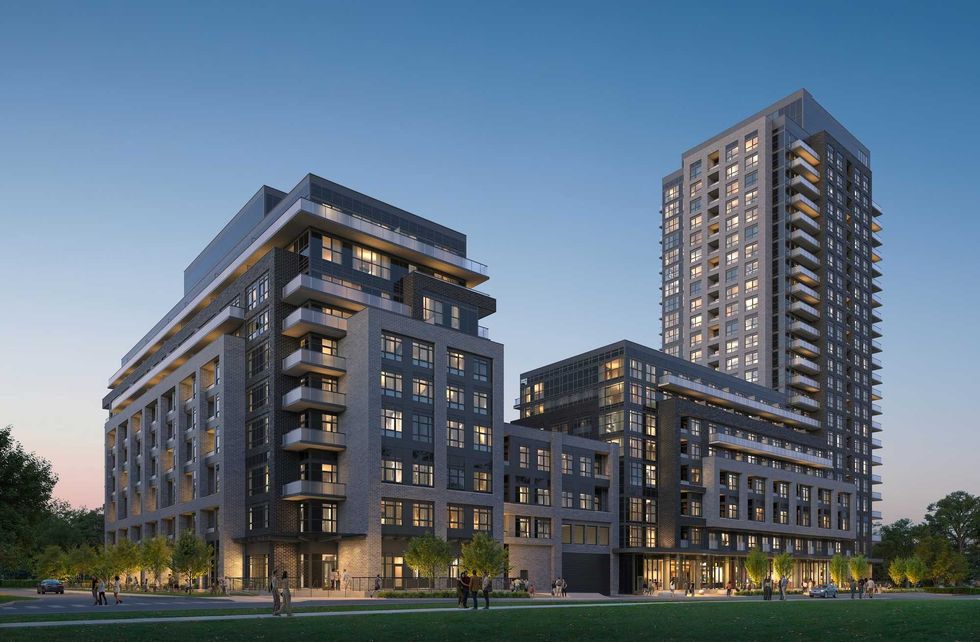 A rendering of the first two buildings, 119 and 151 Bruce Street, which will total 500 homes. (Courtesy of Medallion Corporation)
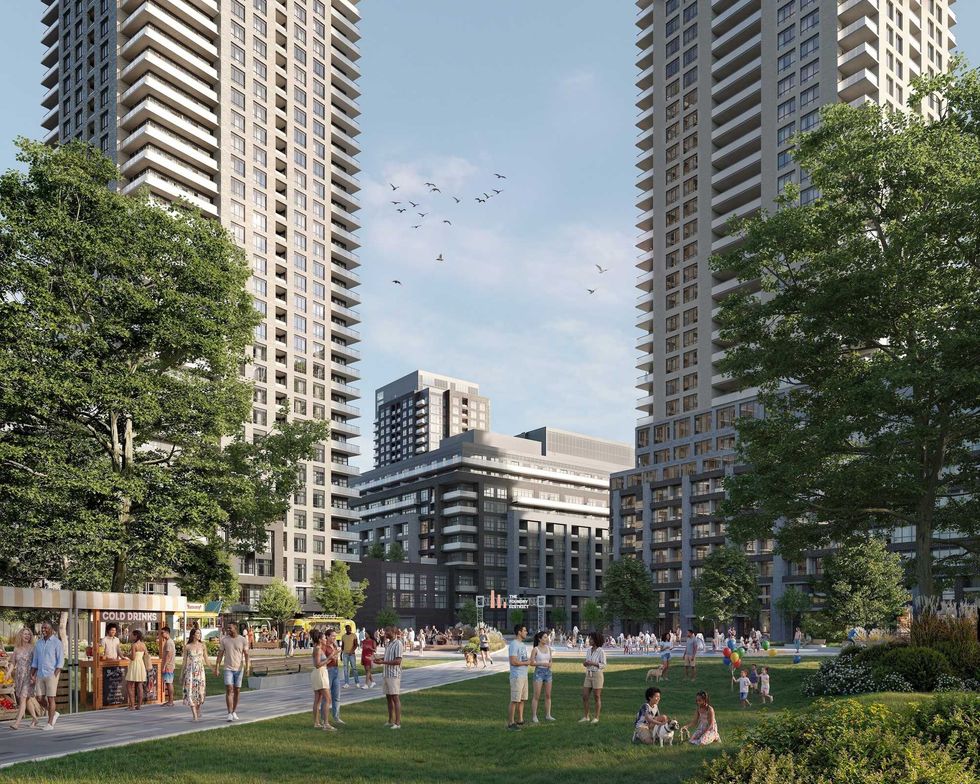 A rendering of a proposed park that would add significant green space to downtown Oshawa. (Courtesy of Medallion Corporation)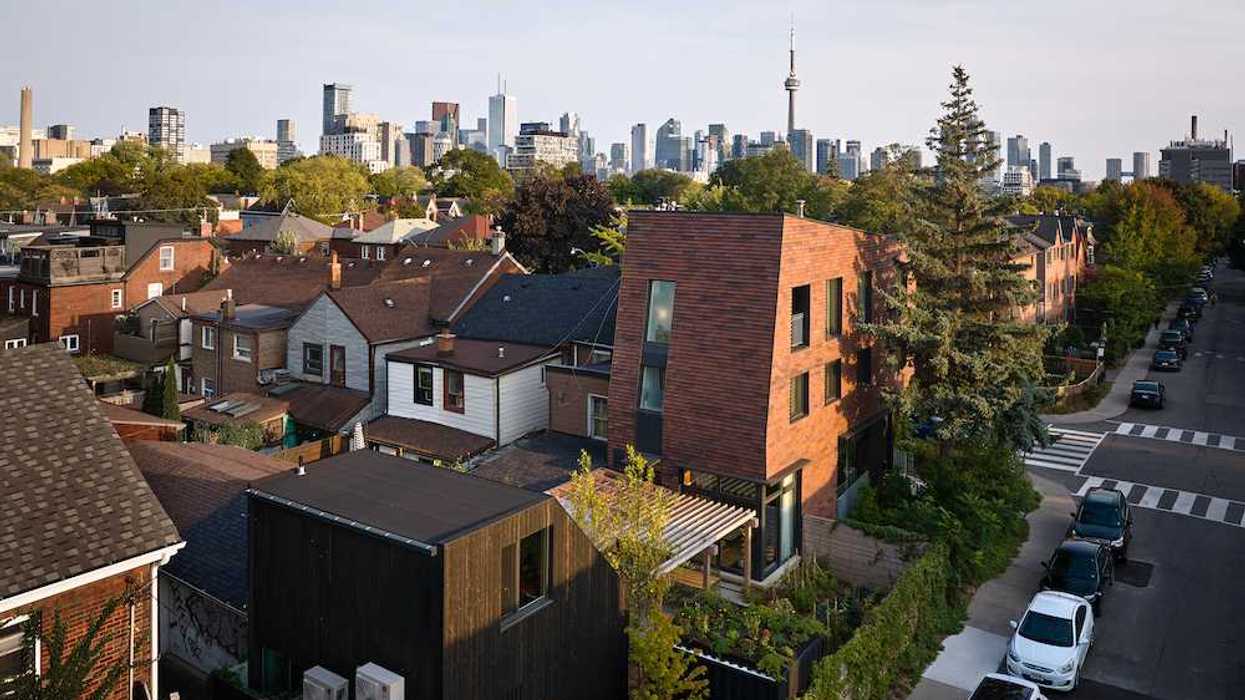
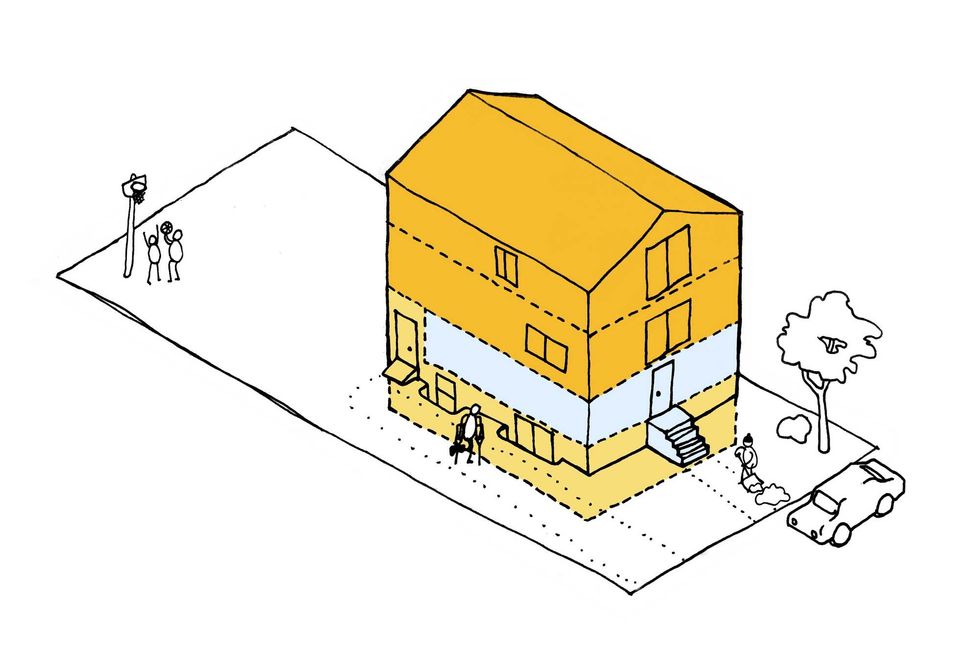 A drawing of ReHousing Co-Founder Michael Piper's triplex in Toronto's east end/ReHousing
 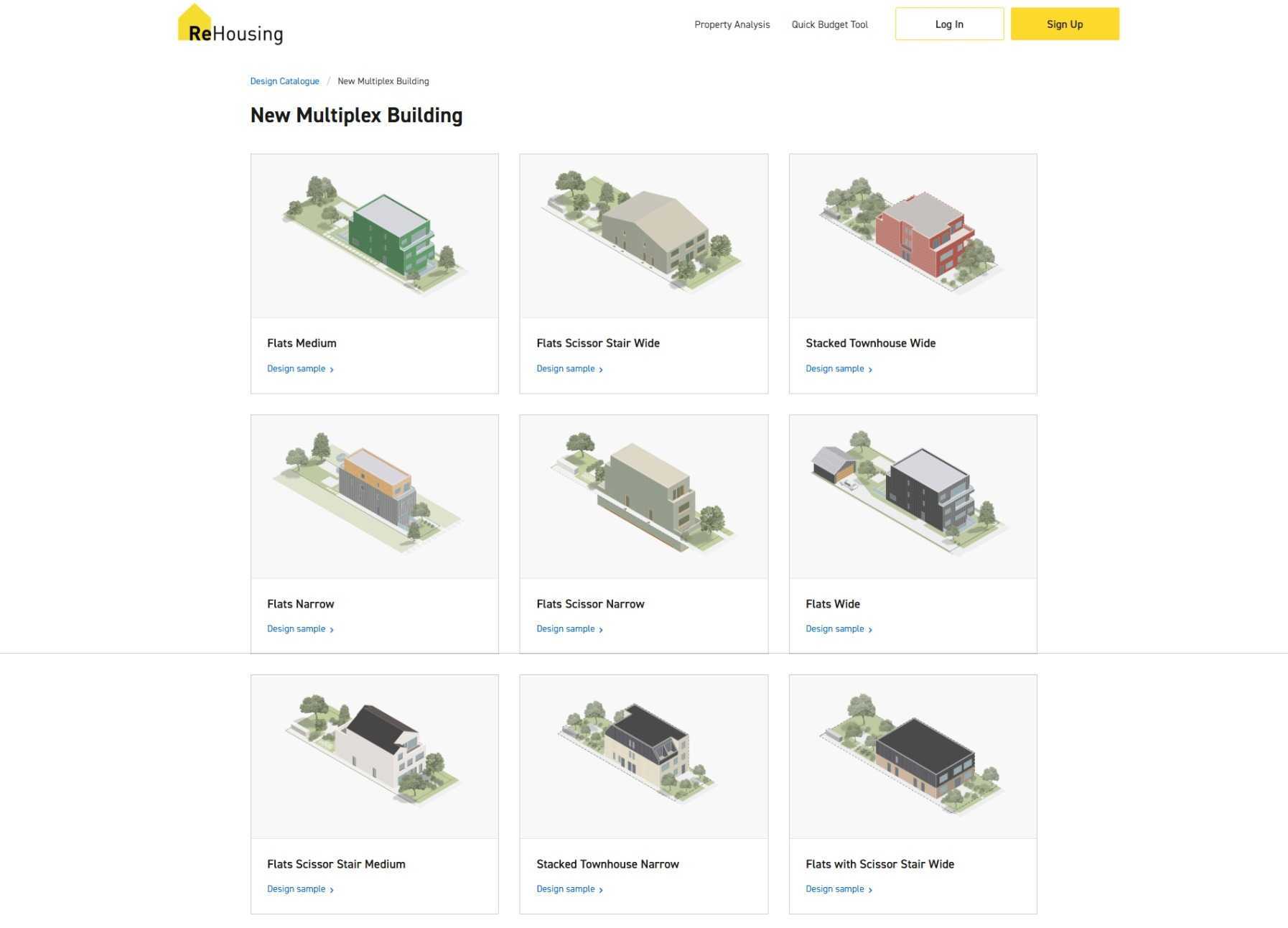 Some of the housing configurations available through the design catalogue/ReHousing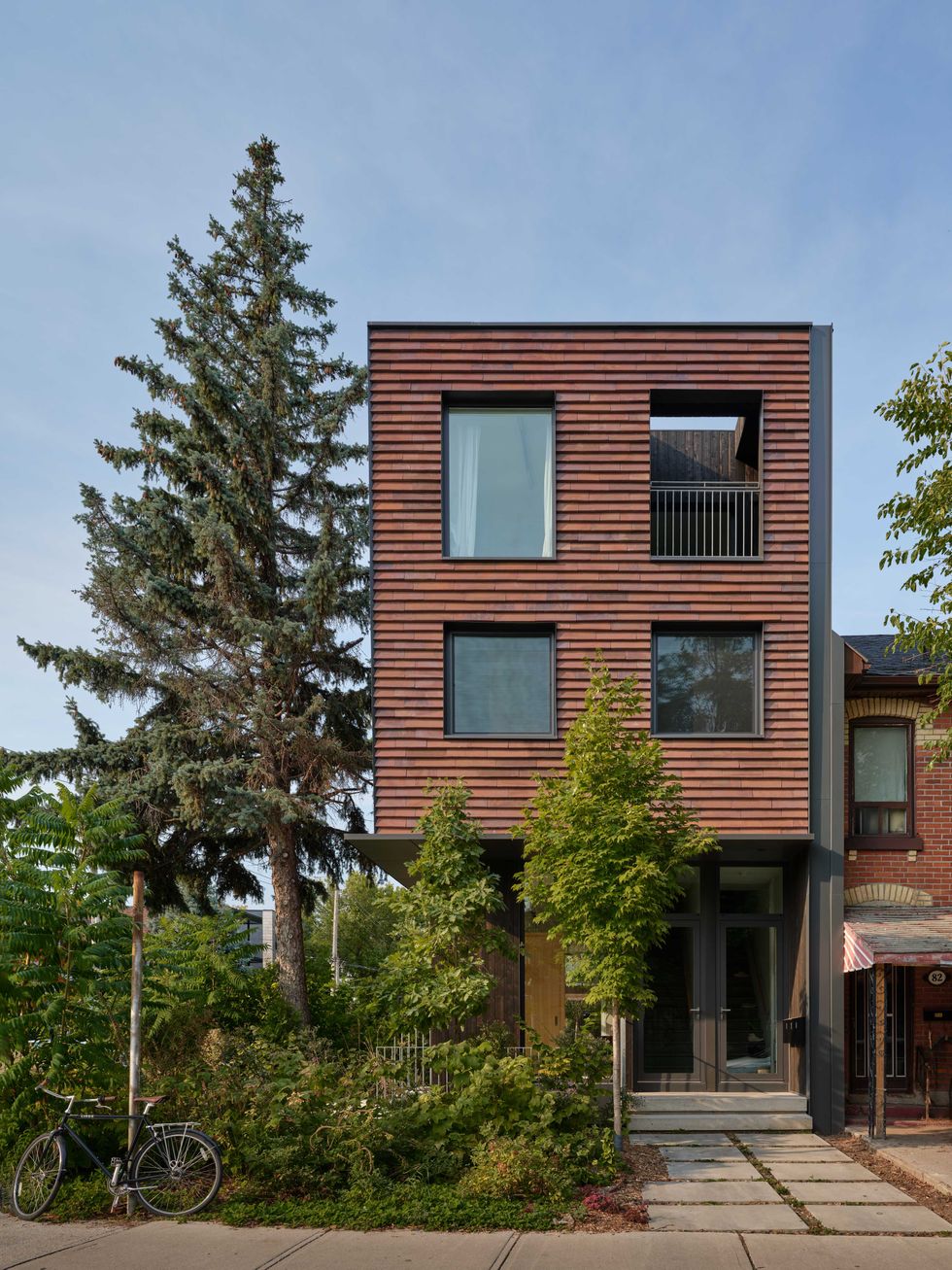
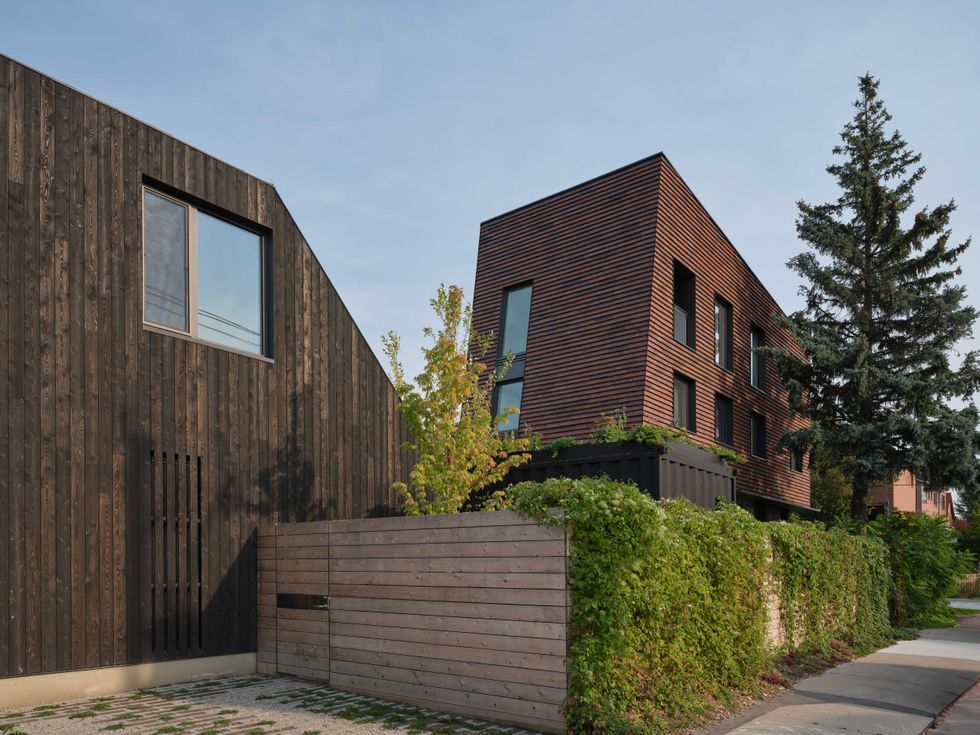

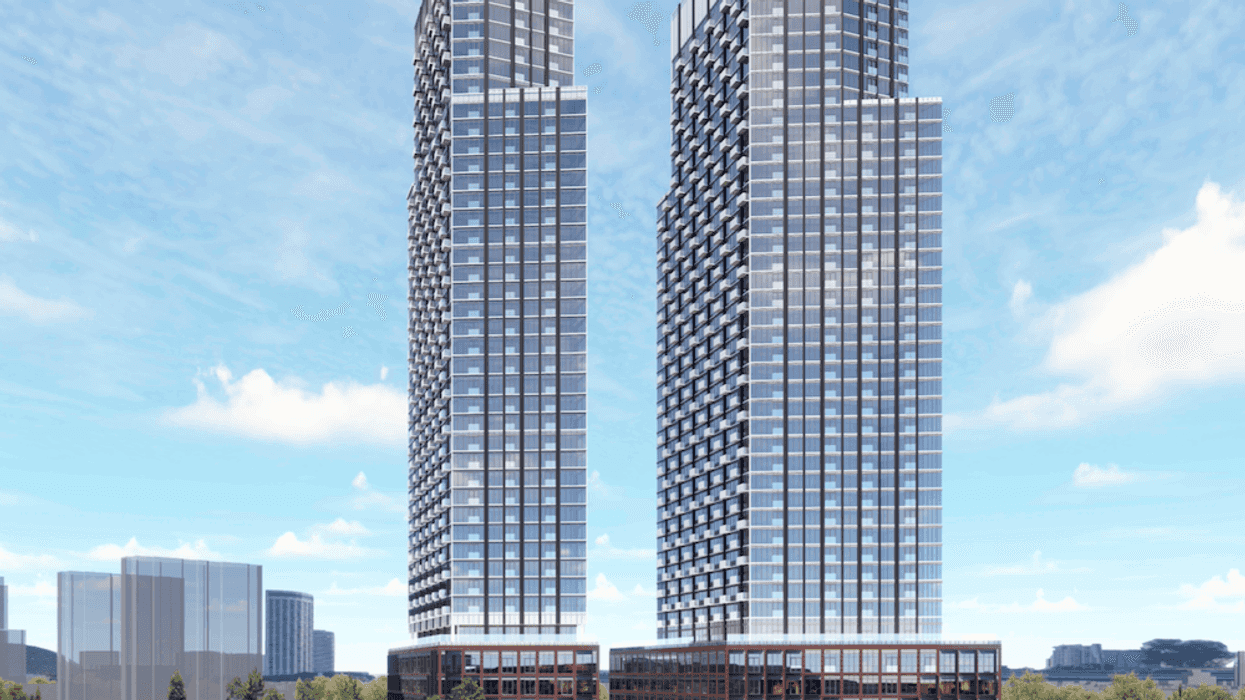




 Renderings of the tower proposed for 1394 Robson Street in Vancouver. (Arcadis, Asia Standard Americas)
 Renderings of the tower proposed for 1394 Robson Street in Vancouver. (Arcadis, Asia Standard Americas)
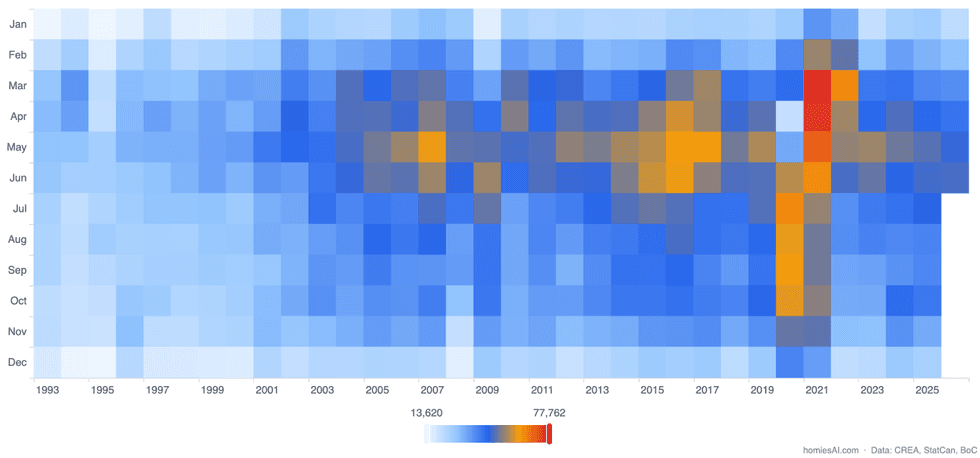 Source: CREA Stats XML via HomiesAI.com AI Harness for Realtors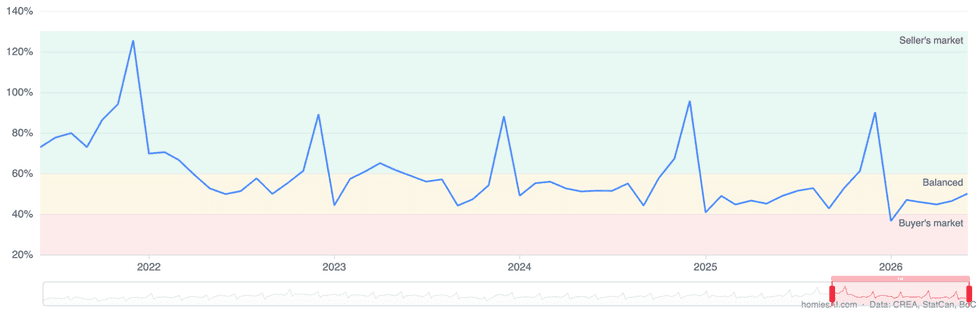
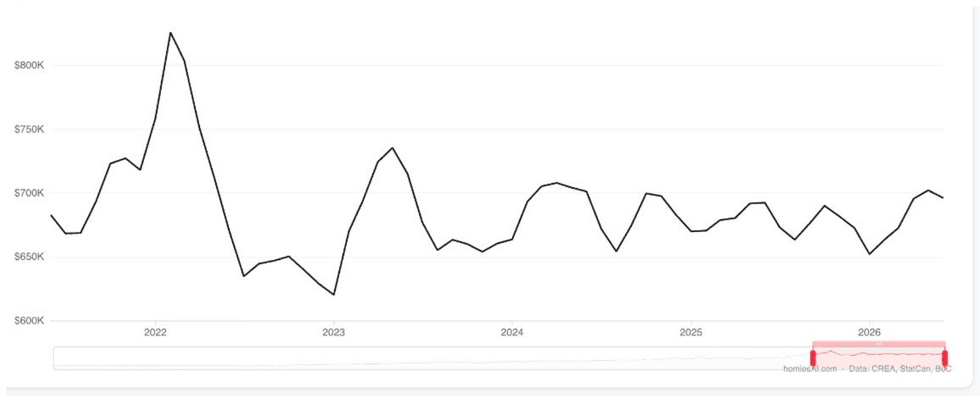 Source: CREA Stats XML via
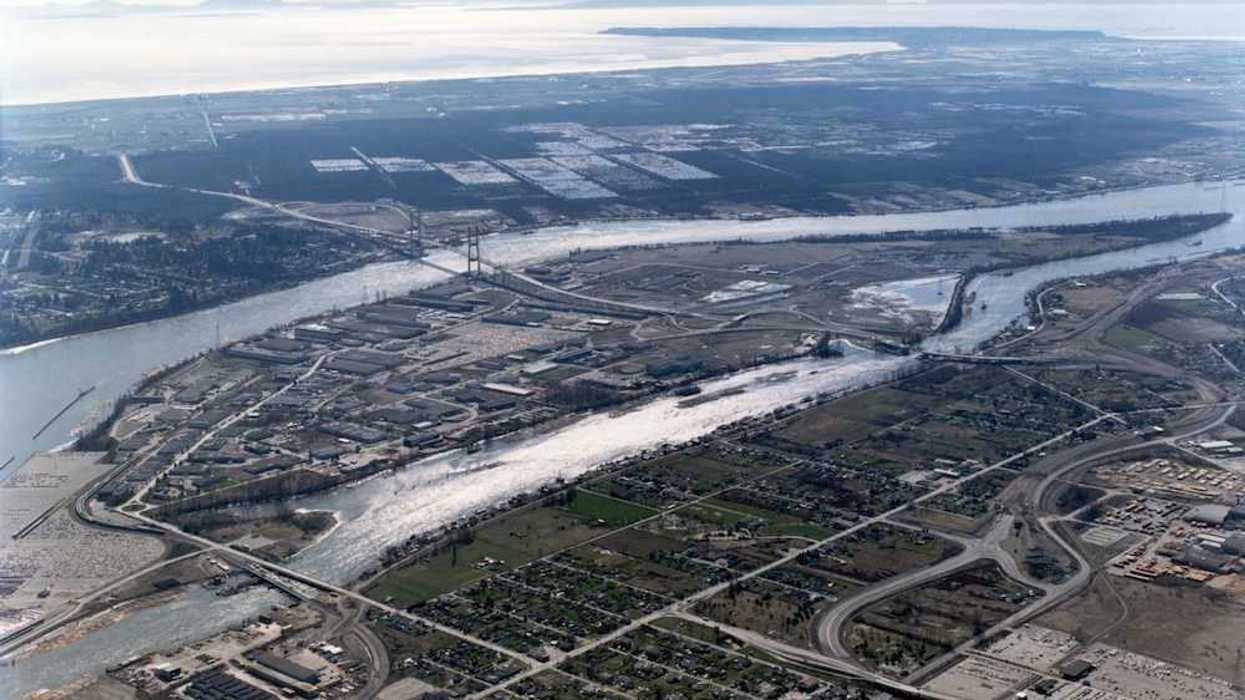
 Annacis Island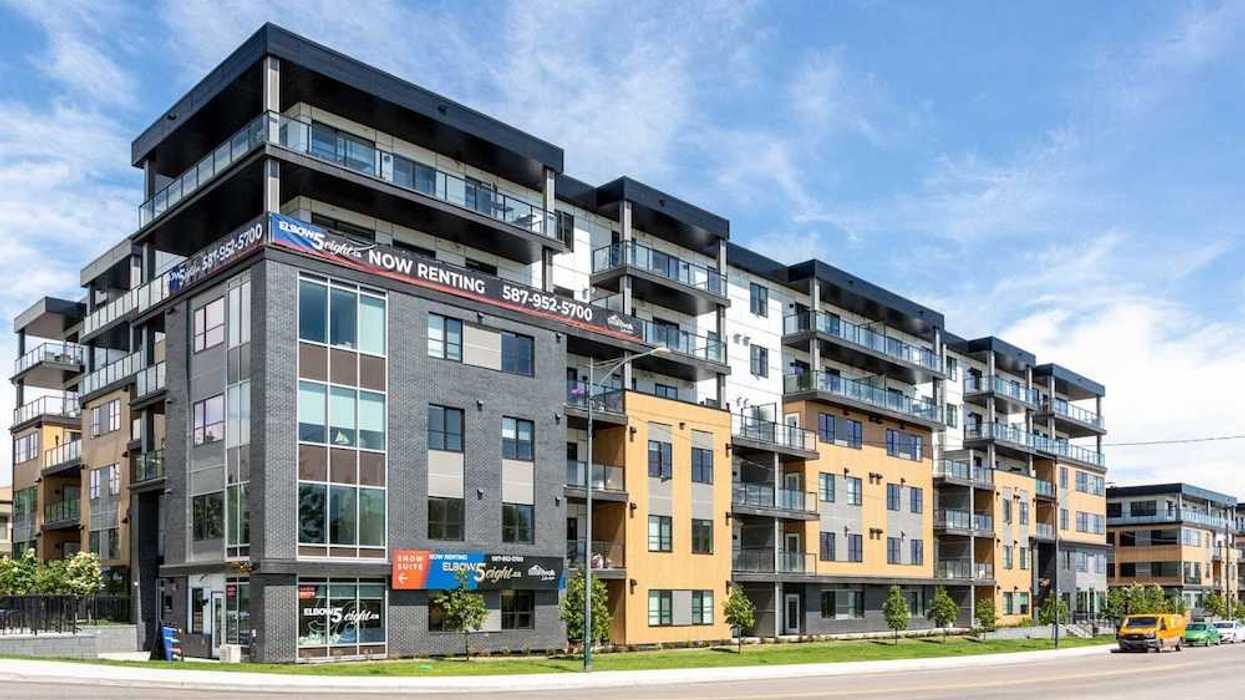
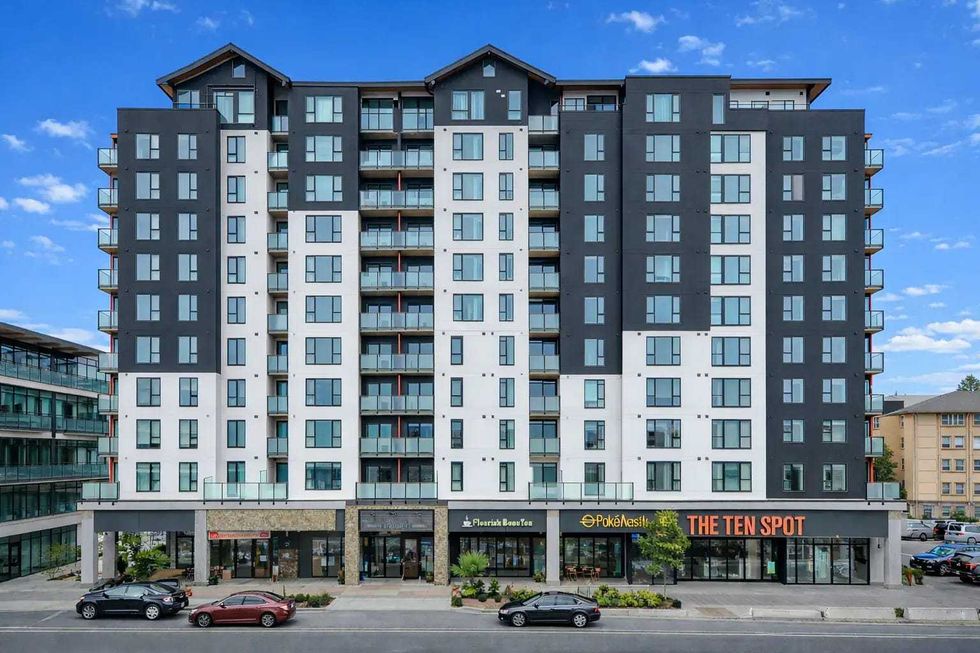 The Vue at 2830 Peatt Road in Langford, British Columbia. (Boardwalk REIT)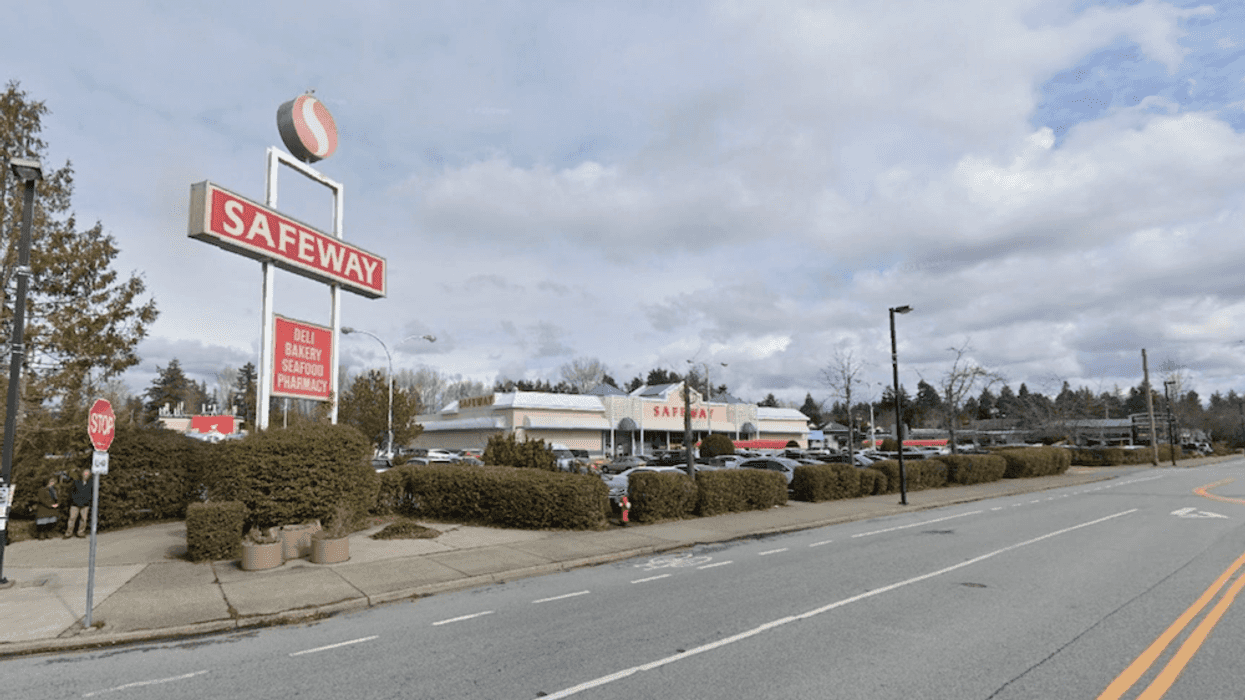
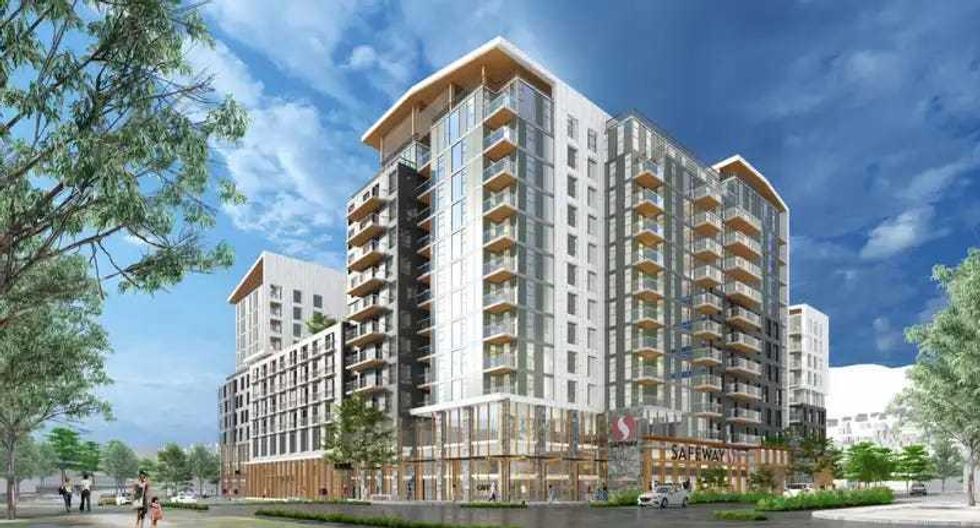 The preliminary proposal for the Lynn Valley Safeway at 1170 E 27th Street in North Vancouver. (Crombie REIT)