Deed Restriction
Understand deed restrictions in Canadian real estate — what they are, how they affect property use, and their role in land control.

July 27, 2025
What is a Deed Restriction?
A deed restriction is a condition written into a property’s deed that limits or prescribes how the property can be used, binding future owners until legally changed.
Why Deed Restrictions Matter in Real Estate
In Canadian property law, deed restrictions help preserve neighbourhood character, control land use, or uphold community standards.
Examples:
- Prohibiting commercial use of residential property
- Limiting building height
- Restricting types of exterior finishes
Understanding deed restrictions helps buyers assess property limitations before purchase.
Example of Deed Restrictions in Action
The deed restriction prevented the owner from adding a second storey to the house.
Key Takeaways
- Limits or prescribes property use
- Written into the deed
- Binds current and future owners
- Helps preserve community standards
- Requires legal action to change
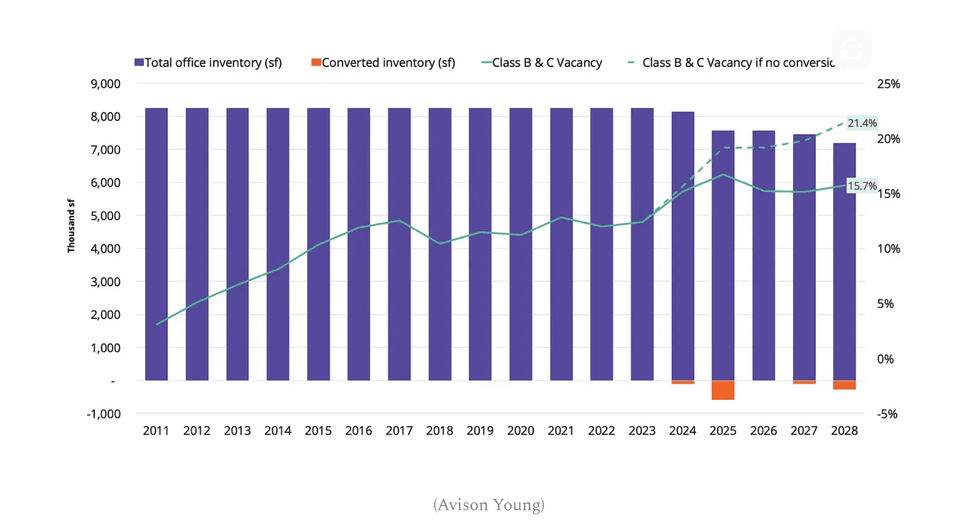 (Avison Young)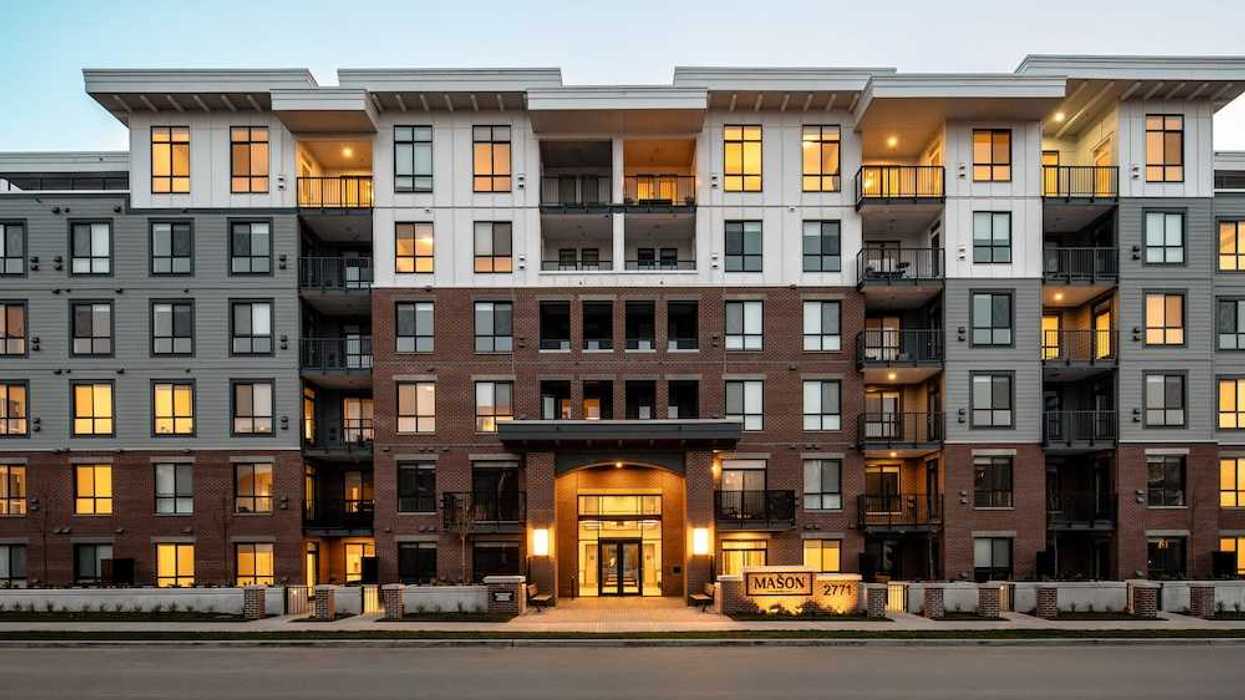
 The Mason Suite Interior (Infinity Properties)
 The Mason Suite Interior (Infinity Properties)
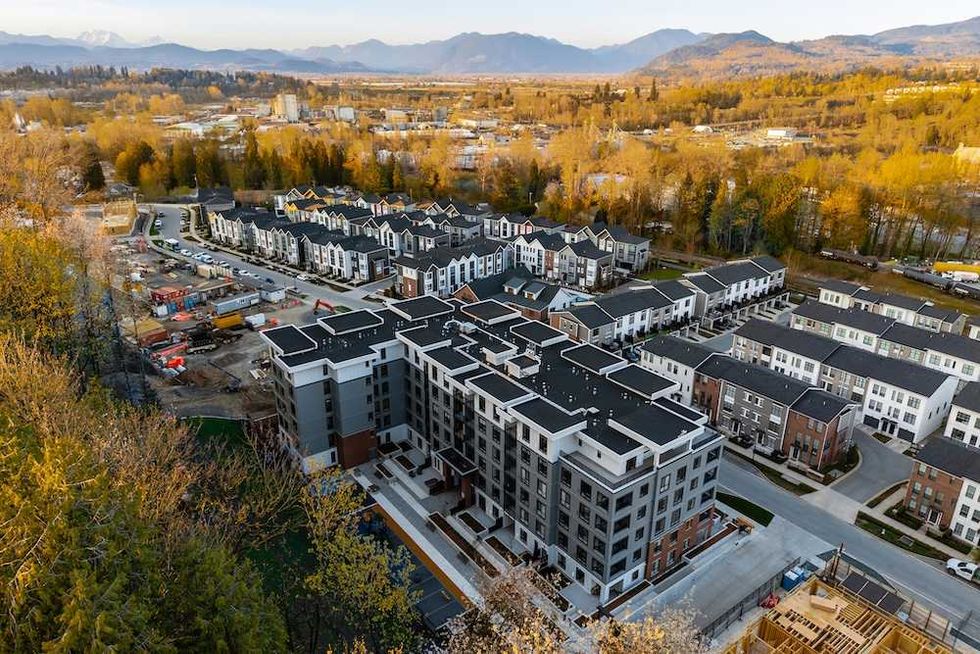 Rail District aerial (Infinity Properties)
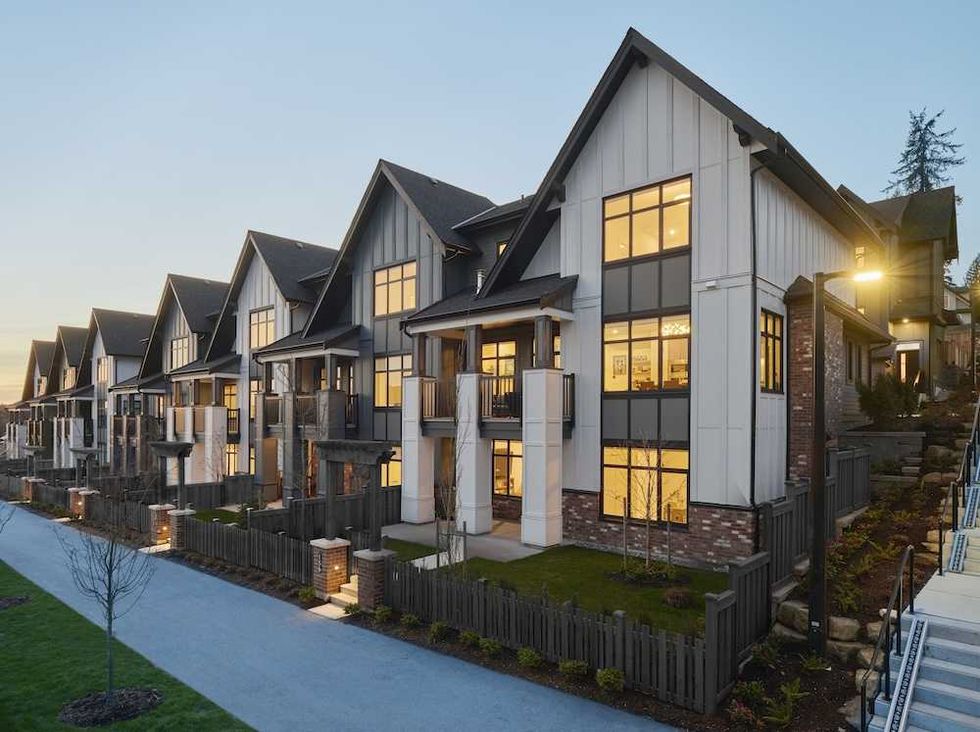 Versant (Infinity Properties)

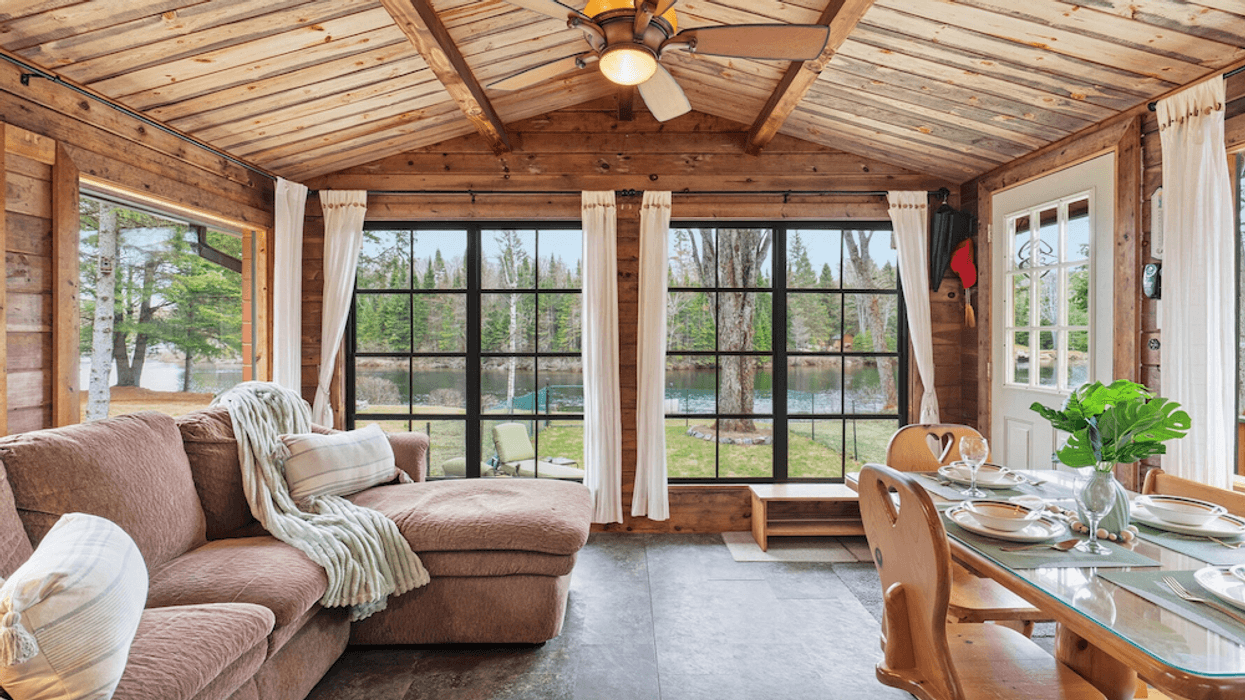





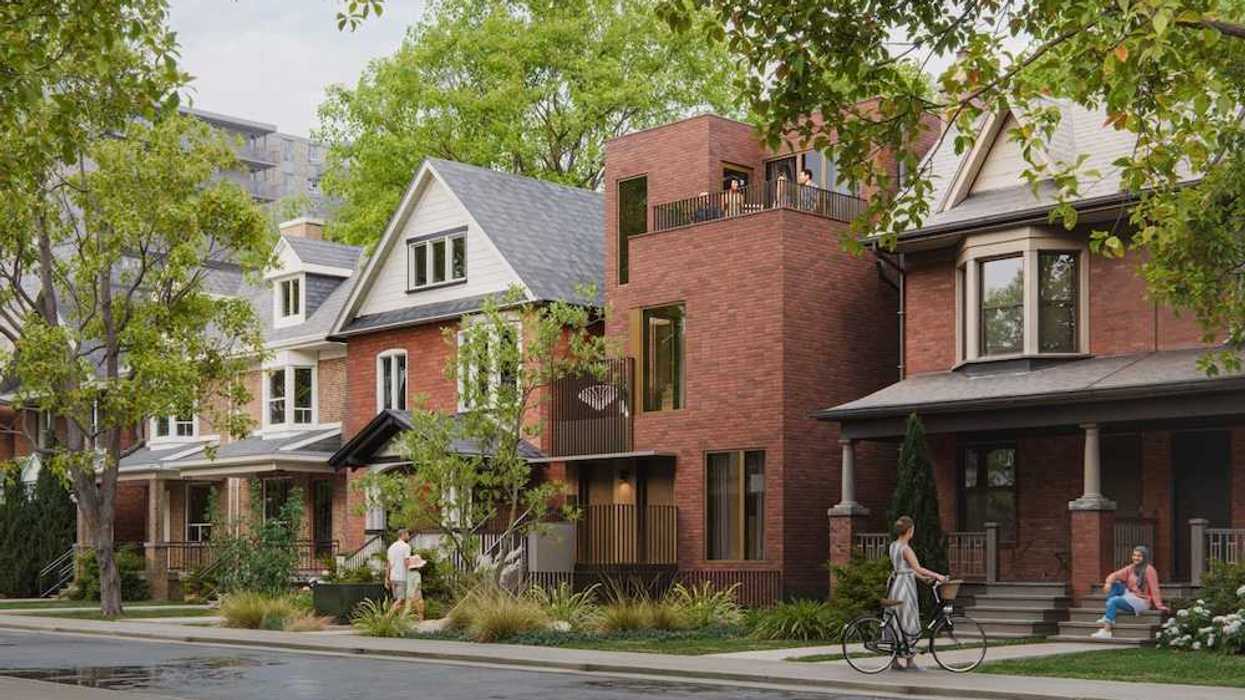
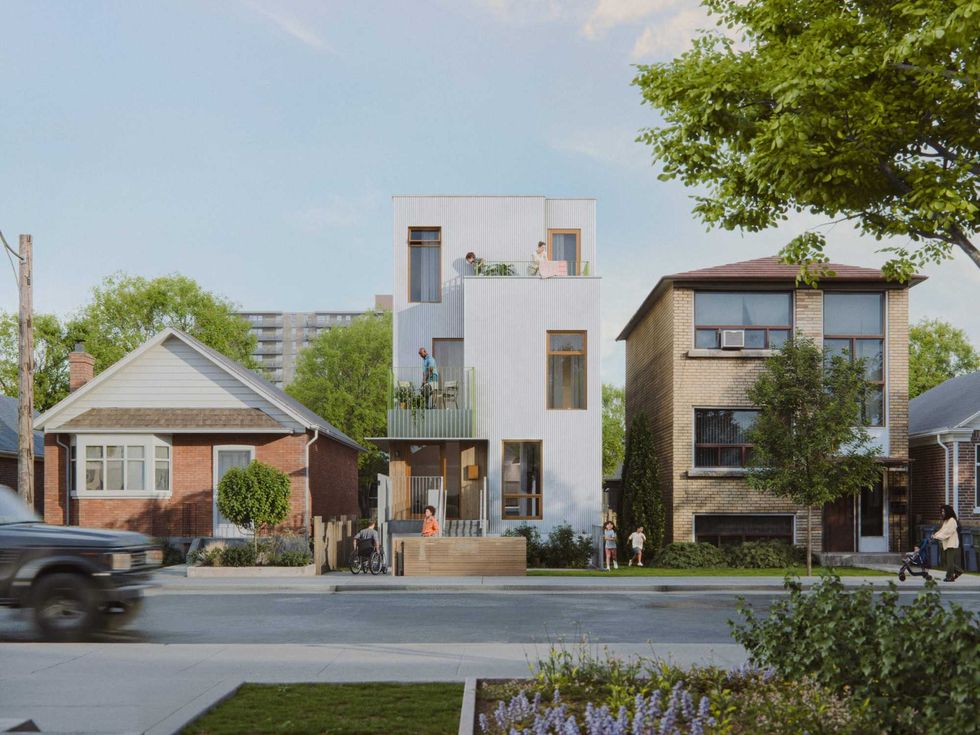 Narrow Fourplex (City of Toronto)
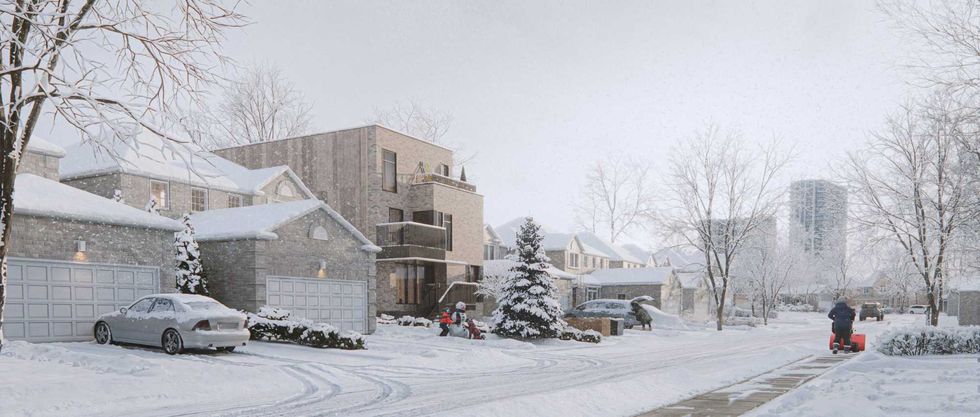 Wide Sixplex - Side View (City of Toronto)
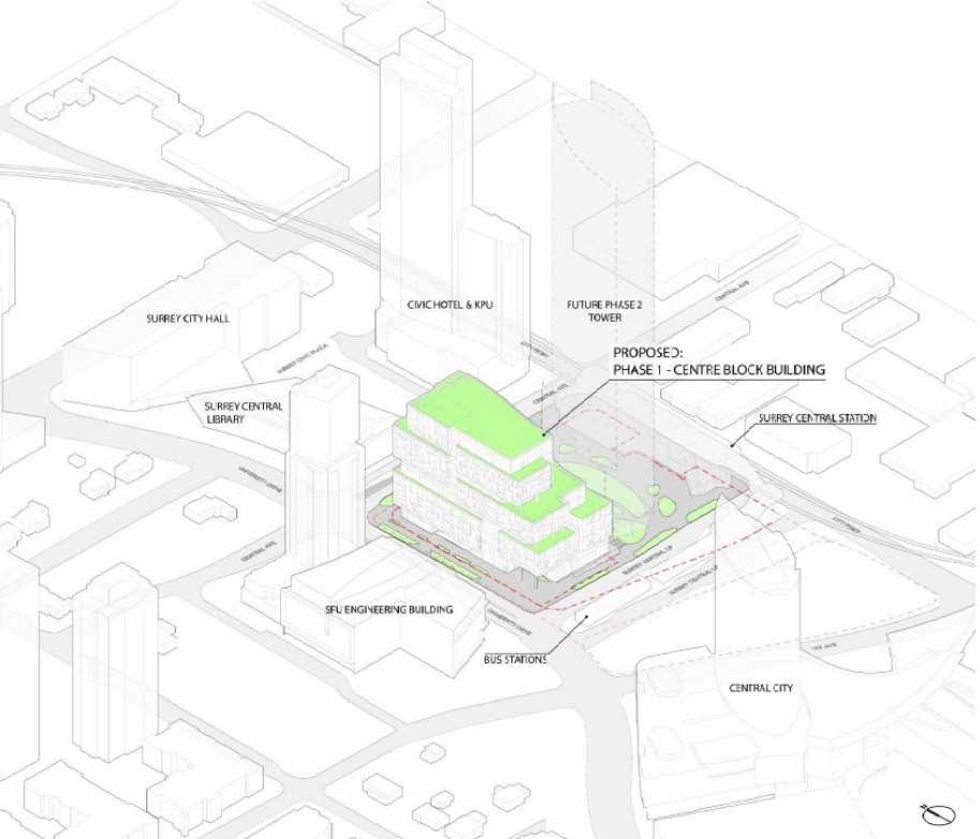 Centre Block and its surrounding context. (Stantec-Revery, SCDC)
 The 12-storey Phase One of Centre Block. (Stantec-Revery, SCDC)
 The 12-storey Phase One of Centre Block. (Stantec-Revery, SCDC)
 Mondria One, set for 1607 King Street East in Clarington, Ontario. (ICON Architects Inc., Monde Development Group)