Buyer Representation Agreement
Learn what a Buyer Representation Agreement (BRA) is in Canadian real estate, what it includes, and why it's important for homebuyers seeking professional representation.

May 22, 2025
What is a Buyer Representation Agreement?
A Buyer Representation Agreement (BRA) is a legal contract between a homebuyer and a real estate brokerage that outlines the terms of the agency relationship, including services provided, obligations, and compensation.
Why Buyer Representation Agreements Matter in Real Estate
In Canadian real estate, a BRA formalizes the relationship between a buyer and their agent. By signing the agreement, the buyer authorizes the agent to represent their interests in property searches, negotiations, and transactions. It also ensures the agent owes fiduciary duties to the buyer, including loyalty, full disclosure, confidentiality, and accountability.
The agreement typically includes the duration of the contract, the geographic area where the agent will assist, the type of property sought, and how the agent will be compensated (usually through commission paid by the seller). In some cases, if a seller’s commission does not cover the full amount agreed upon in the BRA, the buyer may be responsible for the difference.
A BRA benefits buyers by ensuring dedicated representation and clarity about expectations. It also protects brokerages by preventing clients from working with multiple agents simultaneously. While not mandatory in all provinces, BRAs are strongly encouraged to solidify commitment and transparency between both parties.
It’s important for buyers to review the terms carefully before signing, especially with regard to termination clauses, exclusivity, and compensation. If issues arise, the agreement outlines a framework for resolving disputes.
Example of a Buyer Representation Agreement
A buyer signs a 90-day BRA with a licensed agent in Vancouver. During this time, the agent helps them find listings, book viewings, and submit offers. The buyer cannot work with another agent in the defined area unless the agreement is terminated.
Key Takeaways
- Formalizes the relationship between a buyer and their real estate agent.
- Outlines agent duties, service areas, and commission terms.
- Provides legal protection and accountability for both parties.
- Typically exclusive and time-bound.
- Buyers should understand compensation and termination terms before signing.
Related Terms
Buyer’s Agent- Agreement of Purchase and Sale
- Dual Agency
- Firm Offer
- Exclusive Listing Agreement

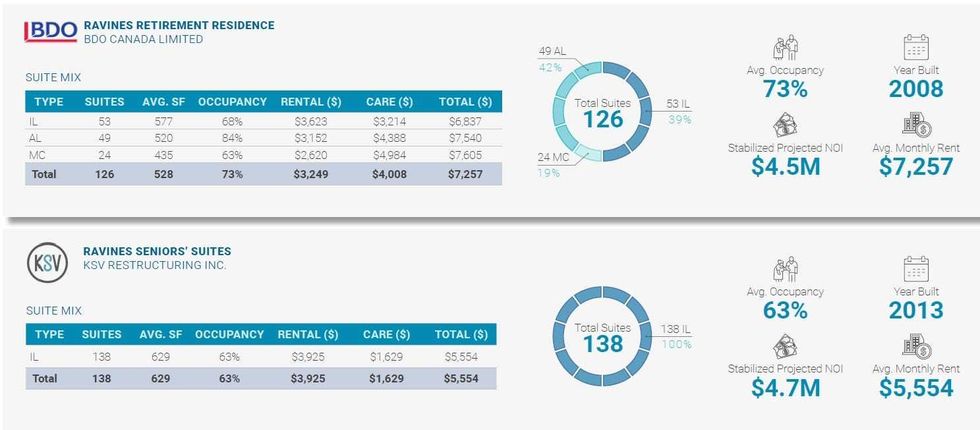 An overview of the two Ravine buildings. (Newmark)

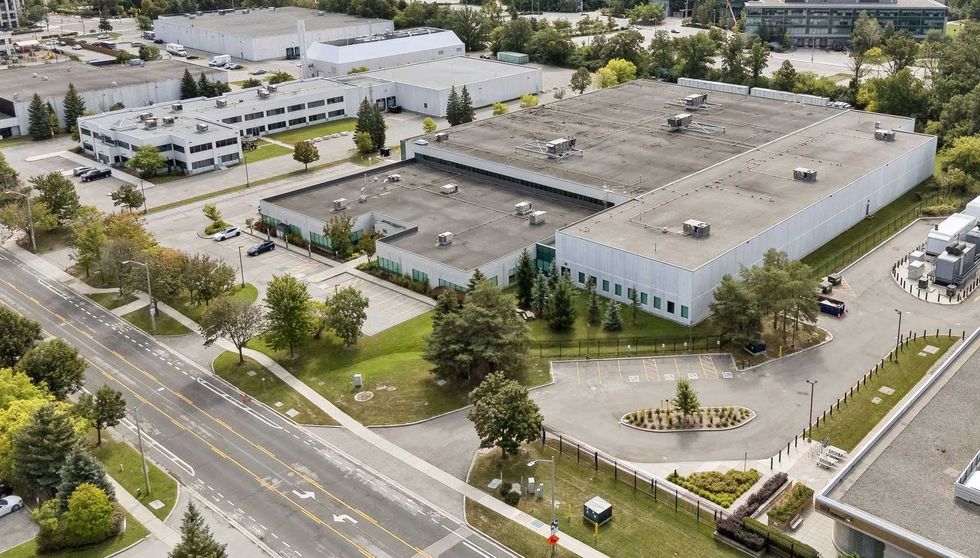 95 Clegg Road in Markham, Ontario. (Colliers)
 95 Clegg Road (centre) in Markham, Ontario. (Colliers)








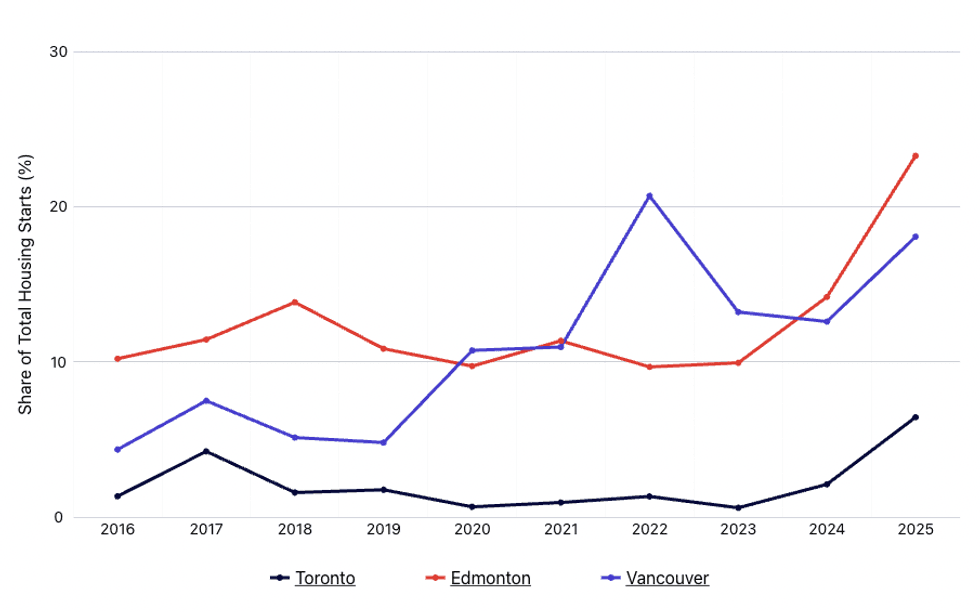 Small-scale infill share of housing starts in Toronto, Vancouver, and Edmonton/CMHC
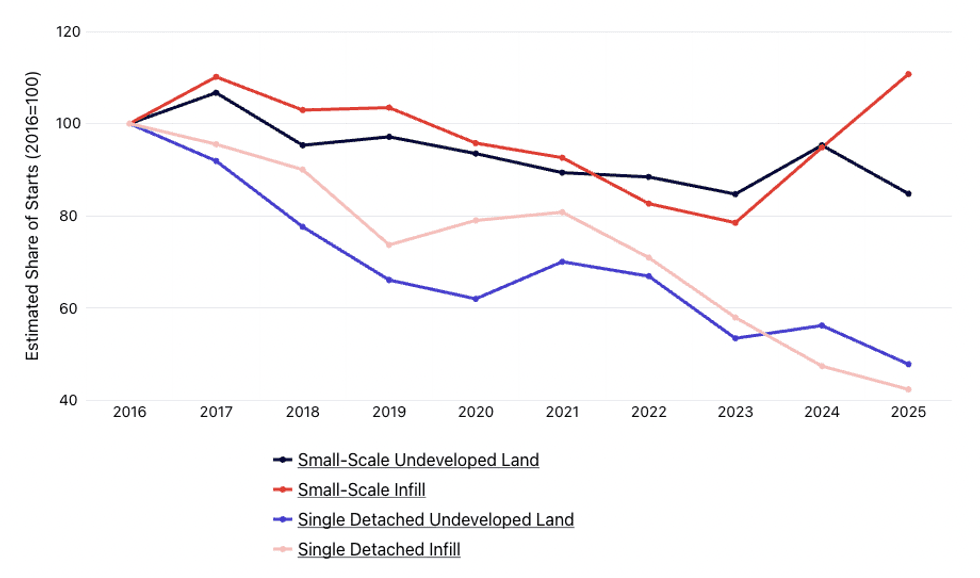 Housing starts for one to eight unit developments/CMHC
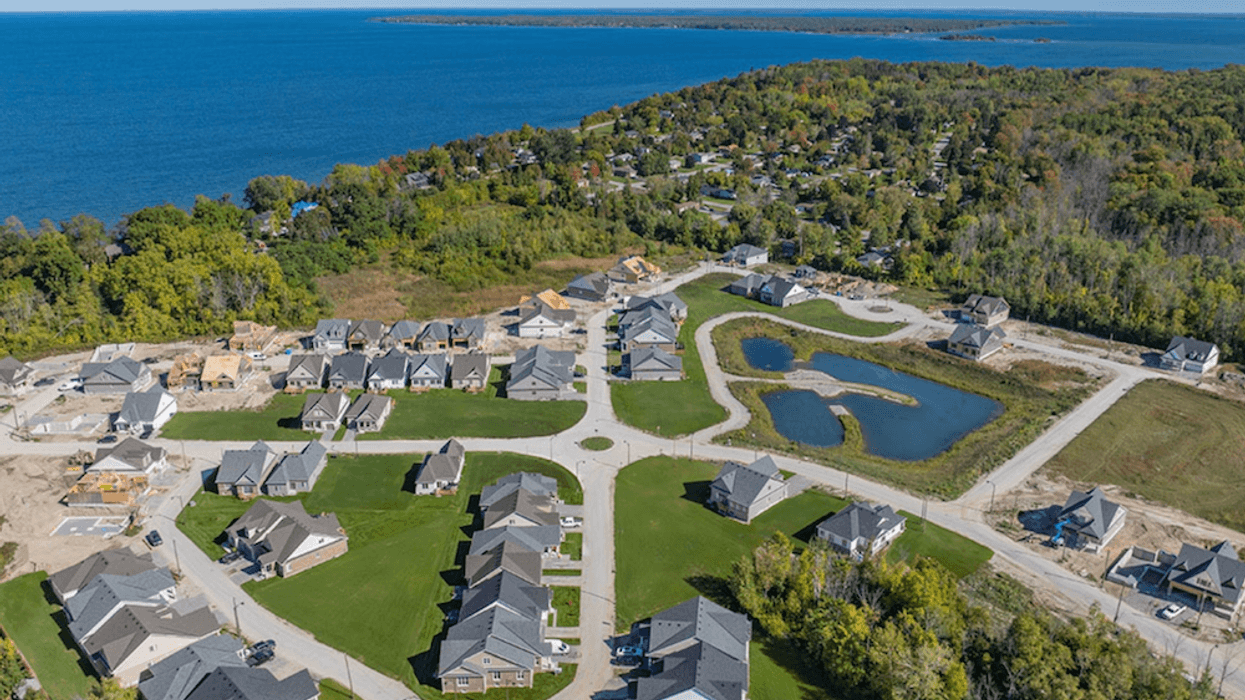
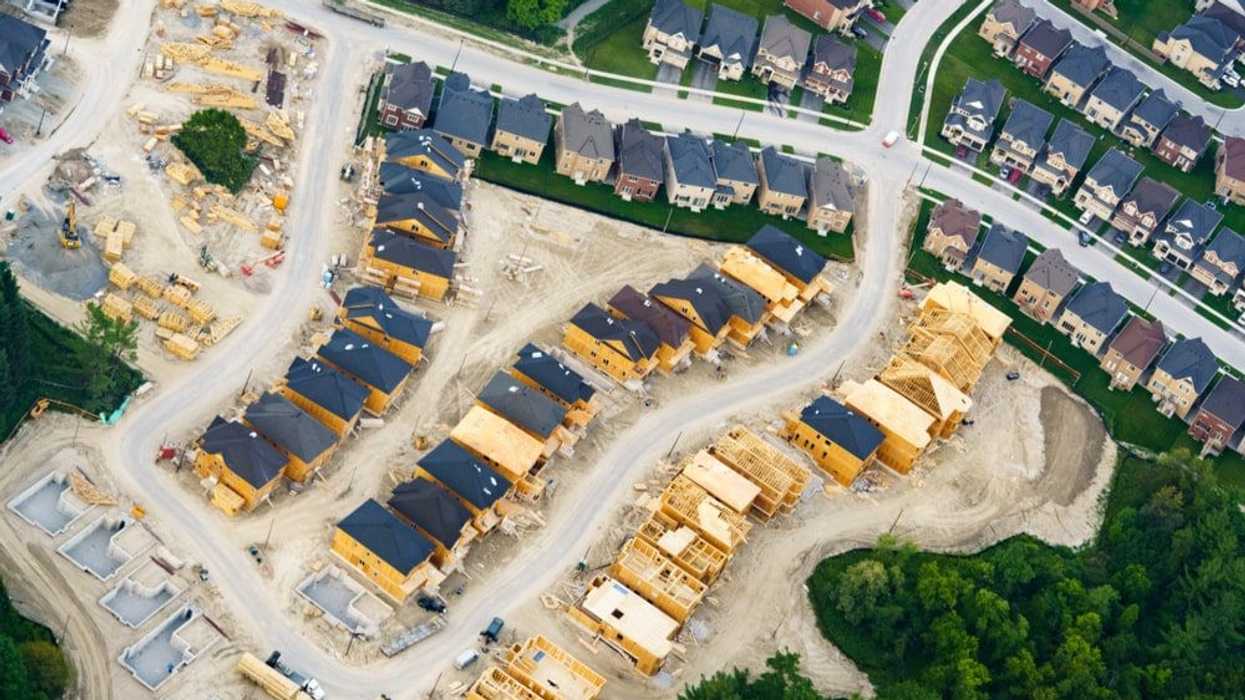
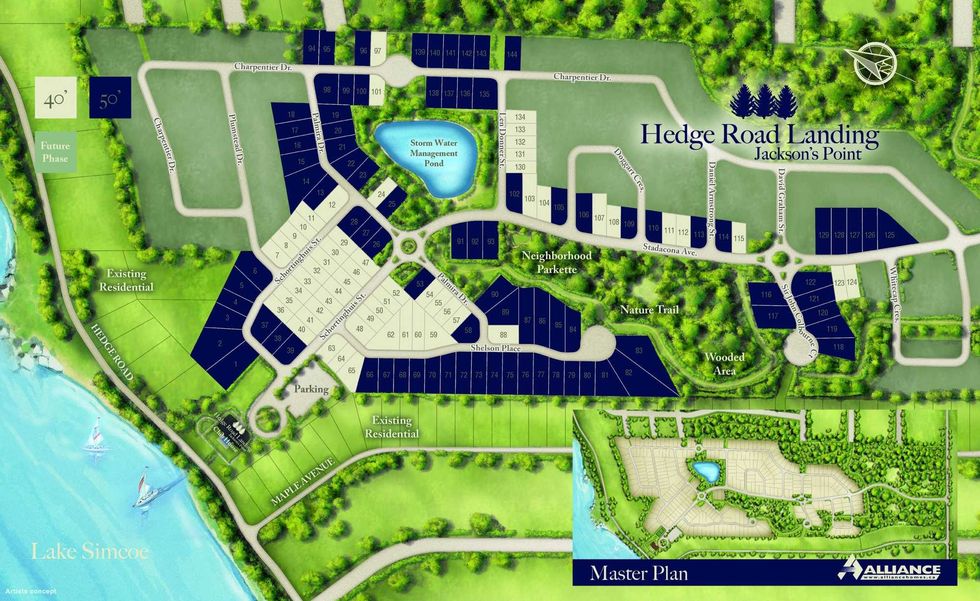 An overview of Hedge Road Landing. (Alliance Homes)

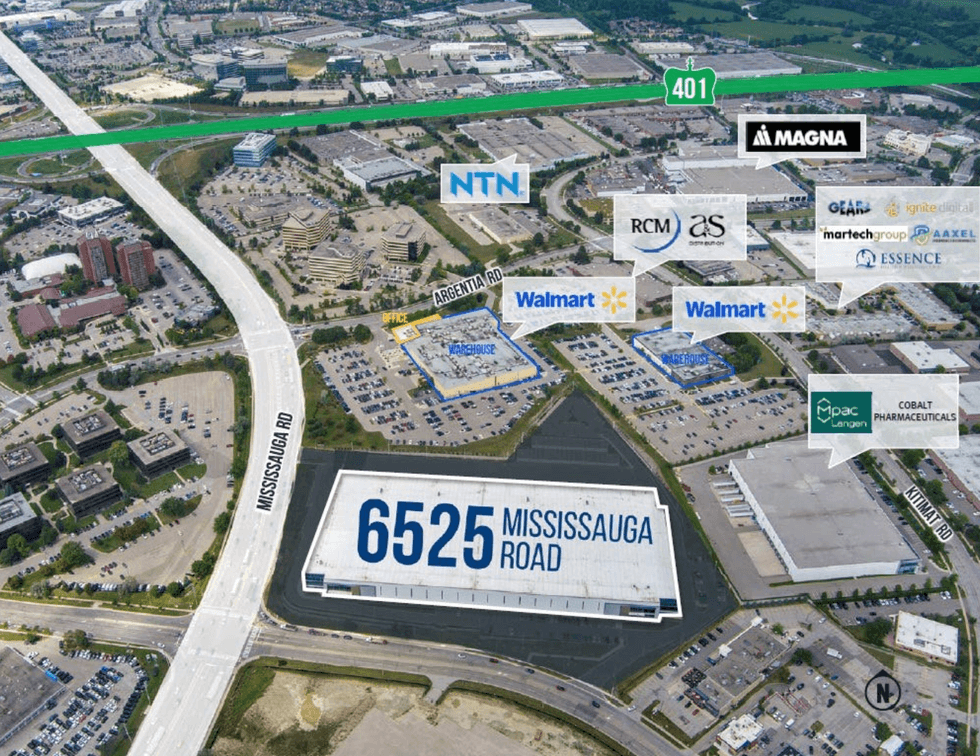 6525 Mississauga Road and its surrounding context. (RBC Capital Markets & CBRE)
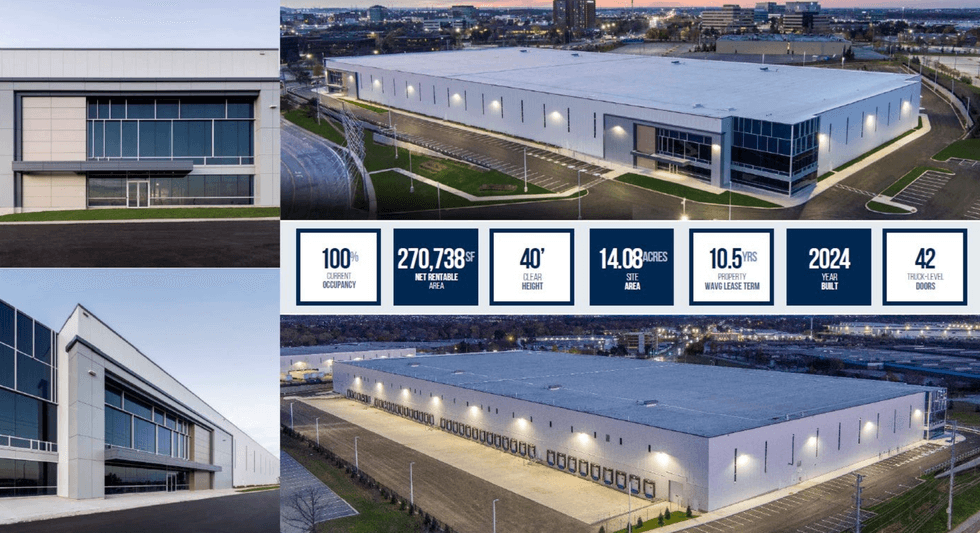 Property details for 6525 Mississauga Road. (RBC Capital Markets & CBRE)
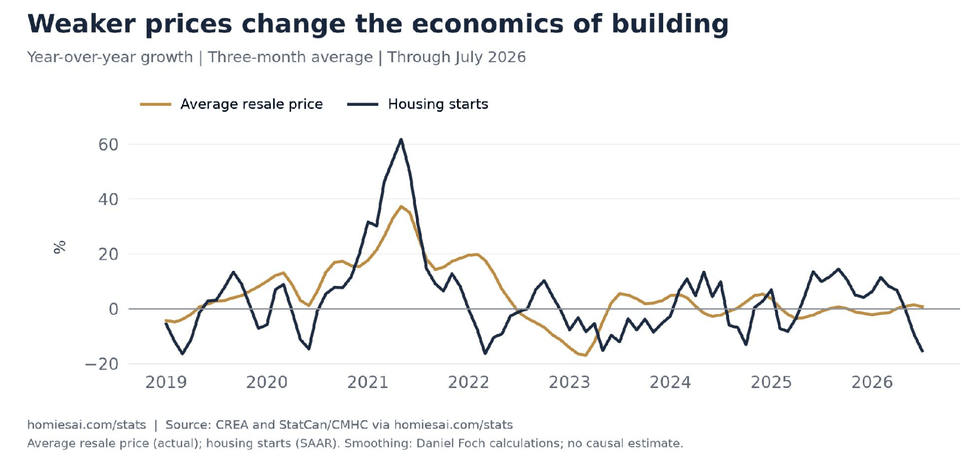 National average resale-price growth and housing-starts growth, smoothed over three months. The comparison illustrates the cycle; it does not establish how much a price change causes construction to change.
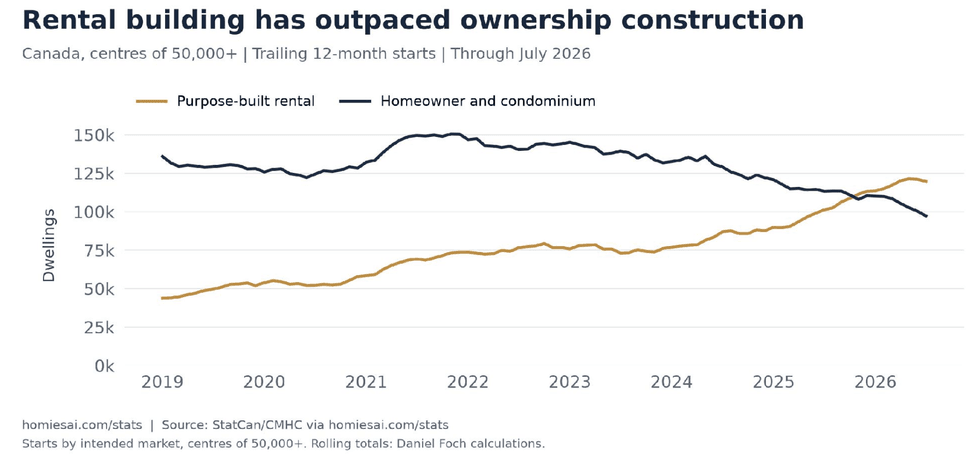 Trailing 12-month starts in centres of 50,000 or more remove the usual monthly seasonality. Ownership combines the homeowner and condominium categories; rental is shown separately.
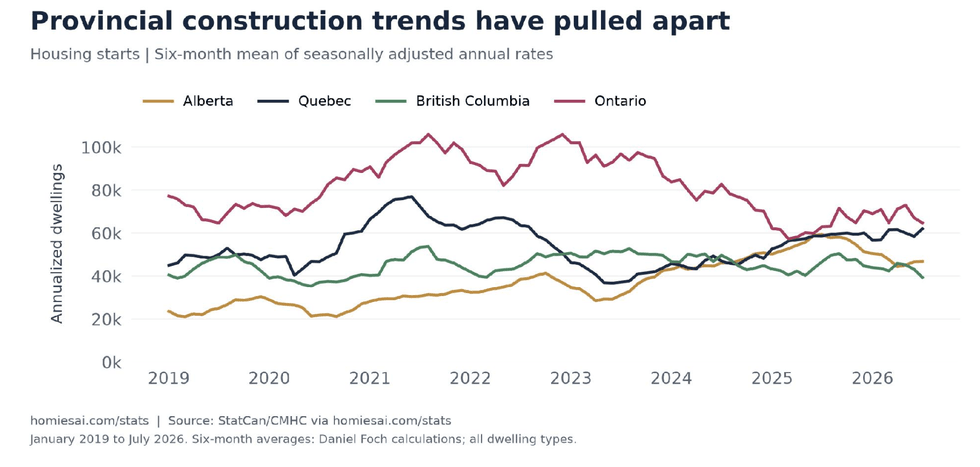 Six-month averages of provincial starts, expressed at annual rates. The smoothing reduces the influence of individual apartment projects.
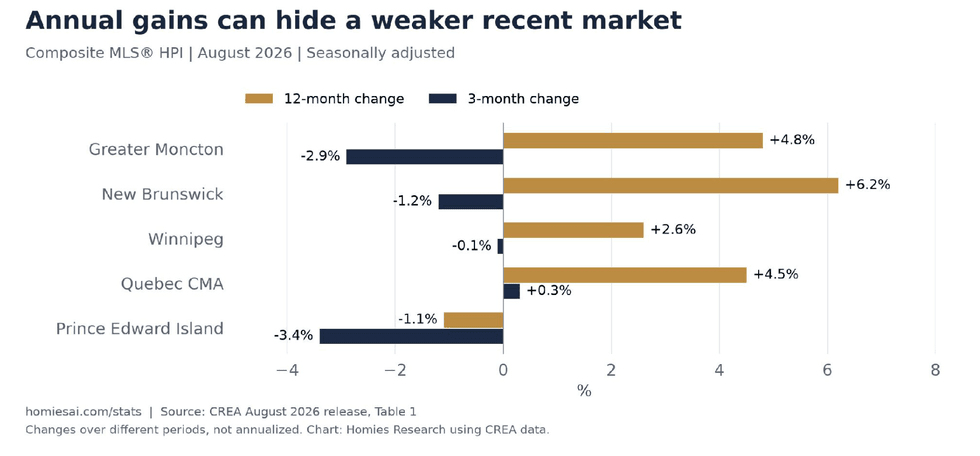 The same August benchmark compared with two different starting points. Three-month changes are not annualized.
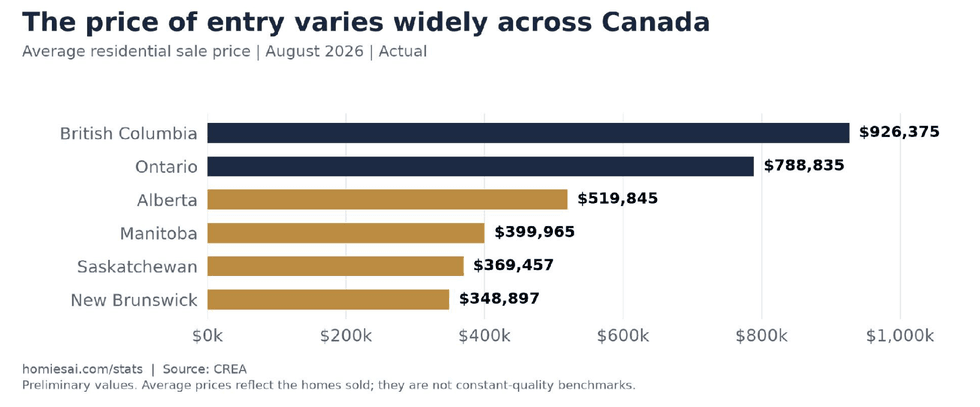 Average sale prices show the difference in purchase costs across markets. They do not measure affordability relative to local incomes or construction costs.
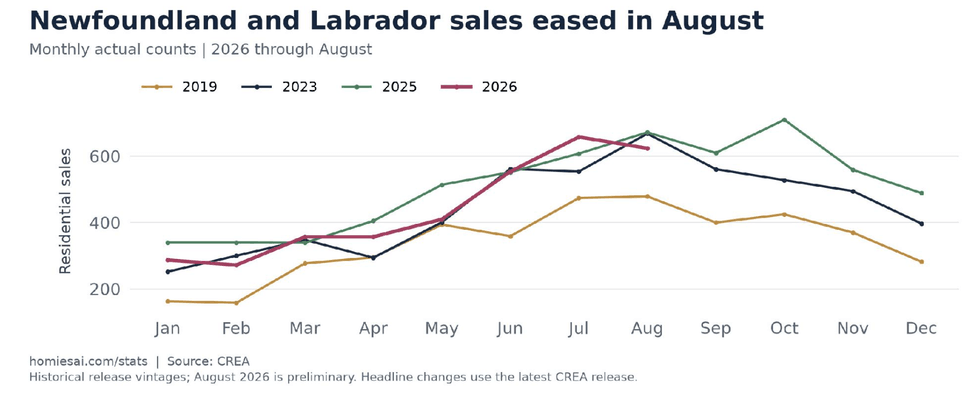 Newfoundland and Labrador remains above its pre-pandemic sales pattern, but August activity was below last year. Historical lines retain their original release vintages.