Structural Integrity
Understand structural integrity in Canadian real estate, why it matters, what affects it, and how it impacts safety and property value.
May 30, 2025
What is Structural Integrity?
Structural integrity refers to a building’s ability to withstand its intended loads without failure, deformation, or collapse during its lifecycle.
Why Does Structural Integrity Matter in Real Estate?
In Canadian real estate, maintaining structural integrity ensures occupant safety, longevity, and code compliance.
Key considerations include:
- Foundation strength and condition
- Load-bearing walls and framing systems
- Resistance to weather, moisture, and seismic activity
Damage to structural integrity—such as cracked foundations, sagging beams, or rotting framing—can make a property unsafe and uninsurable.
Understanding structural integrity helps buyers identify risk during inspections and guides builders in selecting materials and design approaches.
Example of Structural Integrity in Action
A home inspection reveals a compromised support beam in the crawl space, raising concerns about the house’s structural integrity.
Key Takeaways
- Measures a structure’s strength and safety.
- Vital for long-term durability and occupancy.
- Affected by age, materials, and environment.
- Inspected during sales and renovations.
- Must meet building code standards.
Related Terms
- Foundation
- Load-Bearing Wall
- Home Inspection
- Shear Wall
- Building Code
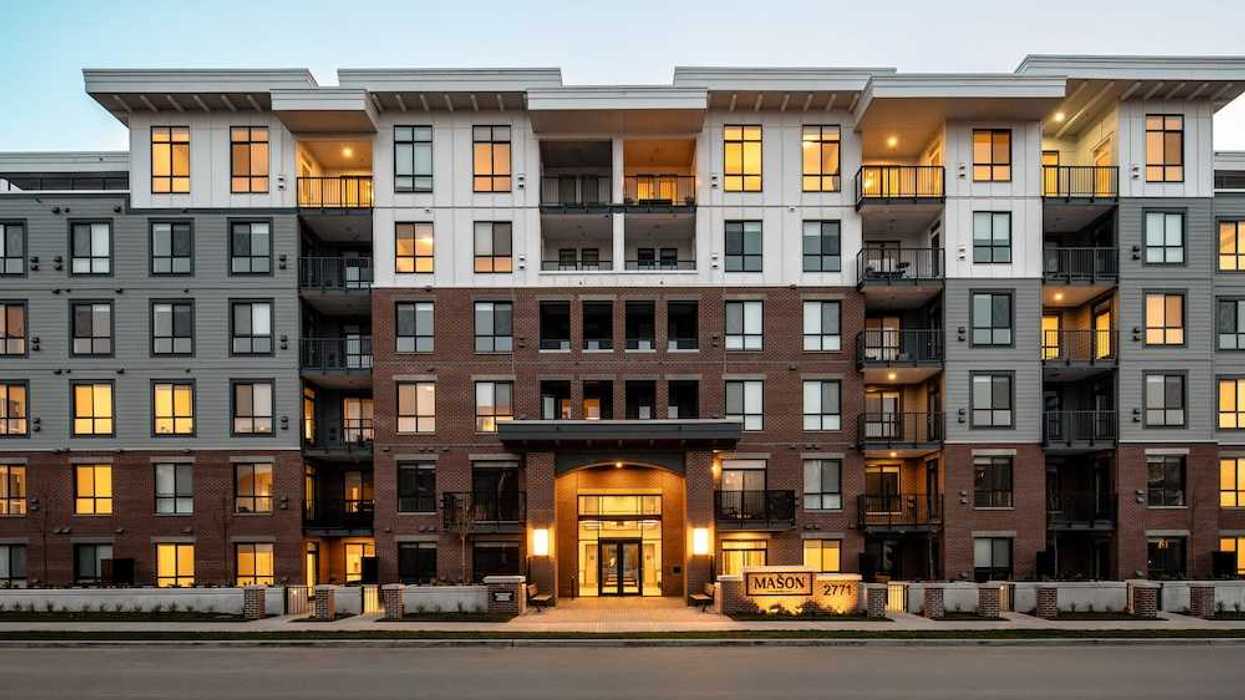
 The Mason Suite Interior (Infinity Properties)
 The Mason Suite Interior (Infinity Properties)
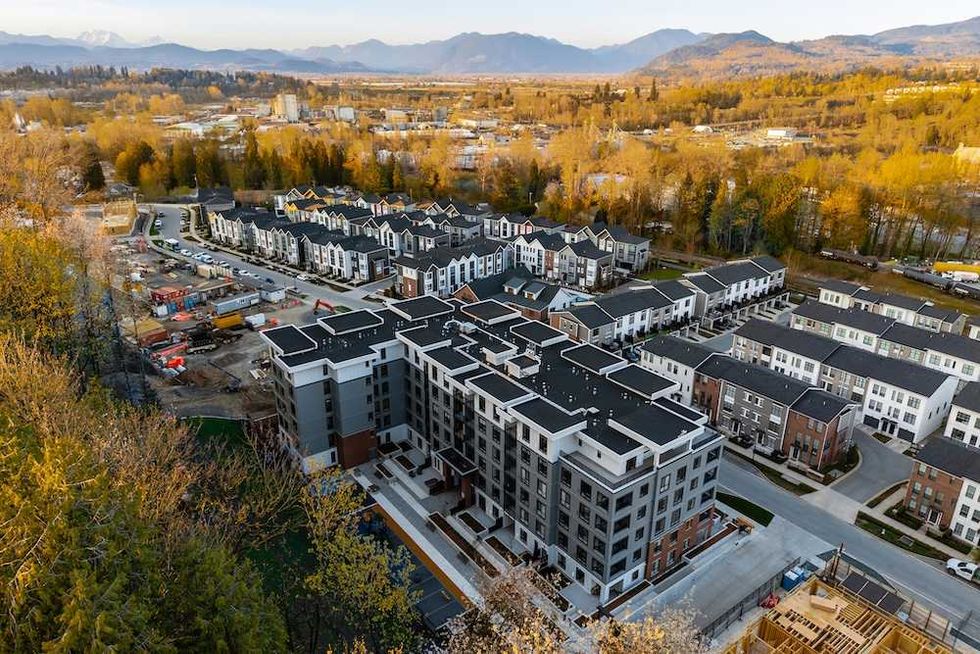 Rail District aerial (Infinity Properties)
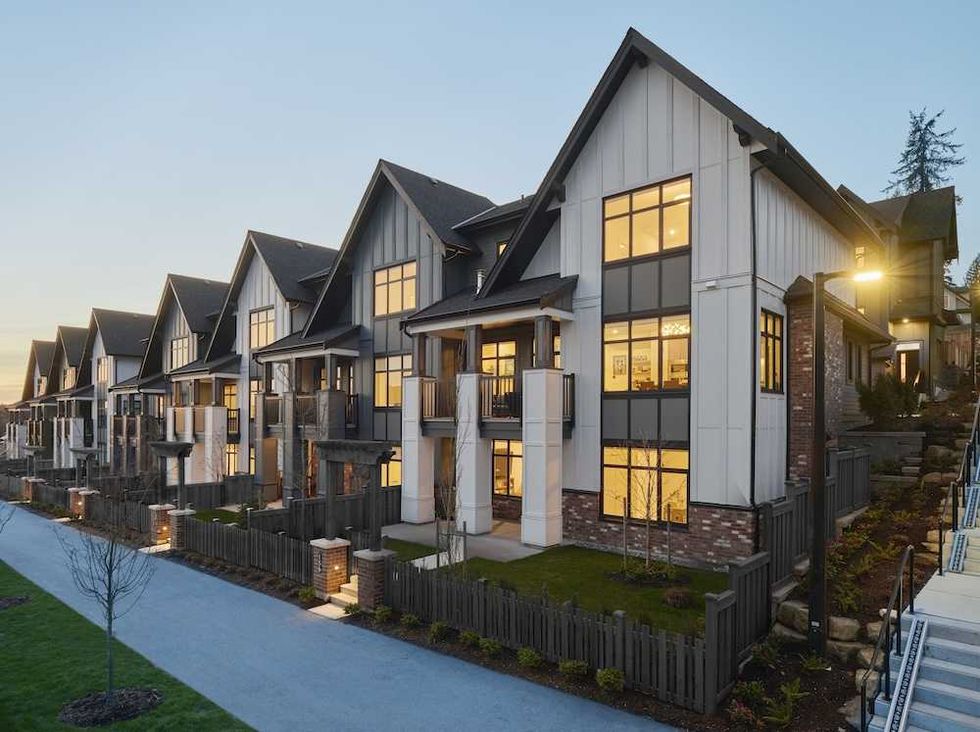 Versant (Infinity Properties)








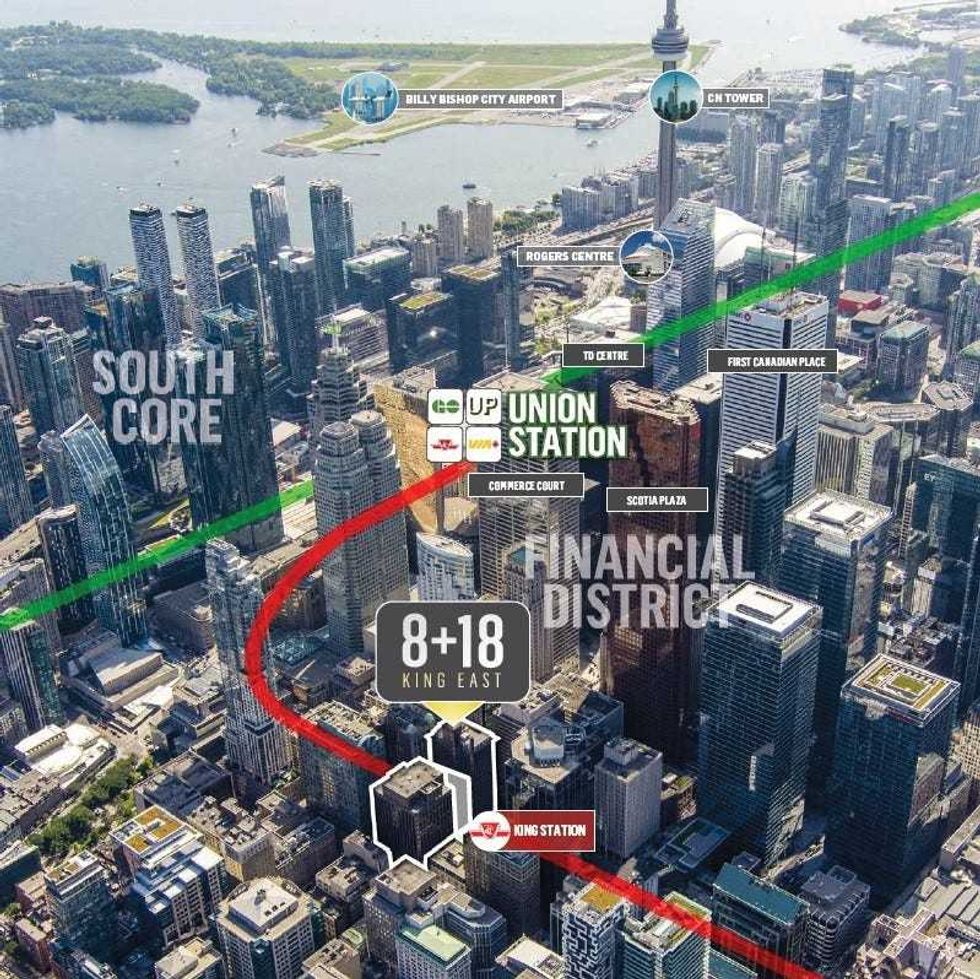 8 and 18 King Street East in Toronto. (RBC Capital Markets Realty)
 Interior photos of 8 and 18 King Street East. (RBC Capital Markets Realty)

 Narrow Fourplex (City of Toronto)
 Wide Sixplex - Side View (City of Toronto)