Quitclaim Deed
Learn what a quitclaim deed is in Canadian real estate, when it’s used, and why it offers no title protection compared to other property transfer methods.

May 22, 2025
What is a Quitclaim Deed?
A quitclaim deed is a legal document that transfers any ownership interest a person may have in a property to another party, without making any guarantees or warranties about the title.
Why Quitclaim Deeds Matter in Real Estate
In Canadian real estate, quitclaim deeds (though more common in U.S. terminology) may be used in specific cases such as divorces, estate transfers, or correcting title errors. The grantor gives up any claim to the property but does not guarantee that they own it or that the title is clear.
Key uses include:
- Transferring property between family members
- Removing a spouse from title after divorce
- Clearing up potential title disputes
Because quitclaim deeds offer no legal protection for the grantee, they are not typically used in arms-length real estate sales.
Understanding quitclaim deeds helps parties complete informal transfers or resolve minor title issues when no warranty of ownership is needed.
Example of a Quitclaim Deed in Action
During a separation, one spouse uses a quitclaim deed to remove their name from the jointly owned home’s title, transferring full interest to the other.
Key Takeaways
- Transfers any ownership interest with no guarantees.
- Common in non-sale transfers like divorces.
- Not used in traditional home purchases.
- Does not confirm title is valid.
- Requires legal review before use.
Related Terms
- Title Transfer
- Legal Title
- Ownership Rights
- Divestiture
- Real Estate Lawyer
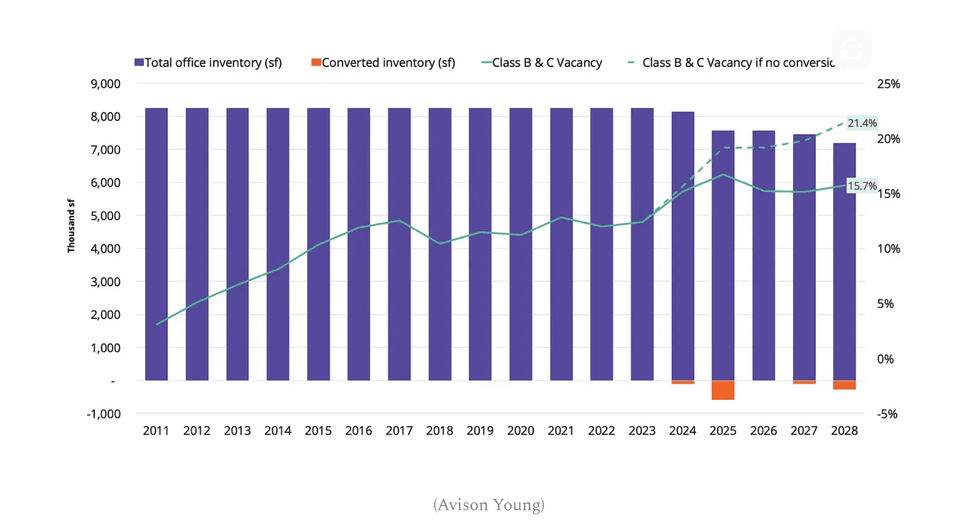 (Avison Young)
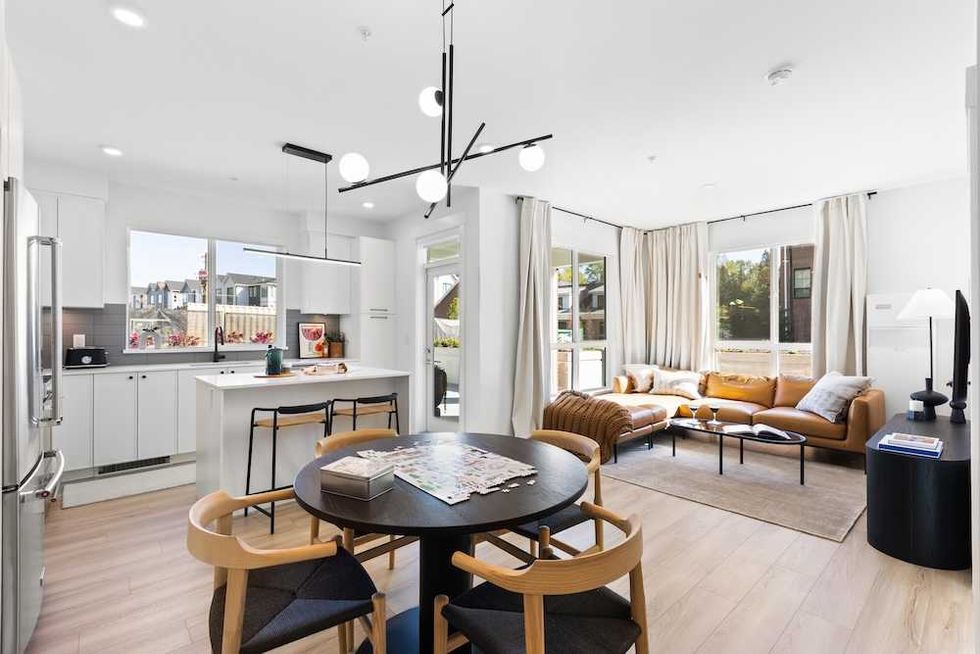 The Mason Suite Interior (Infinity Properties)
 The Mason Suite Interior (Infinity Properties)
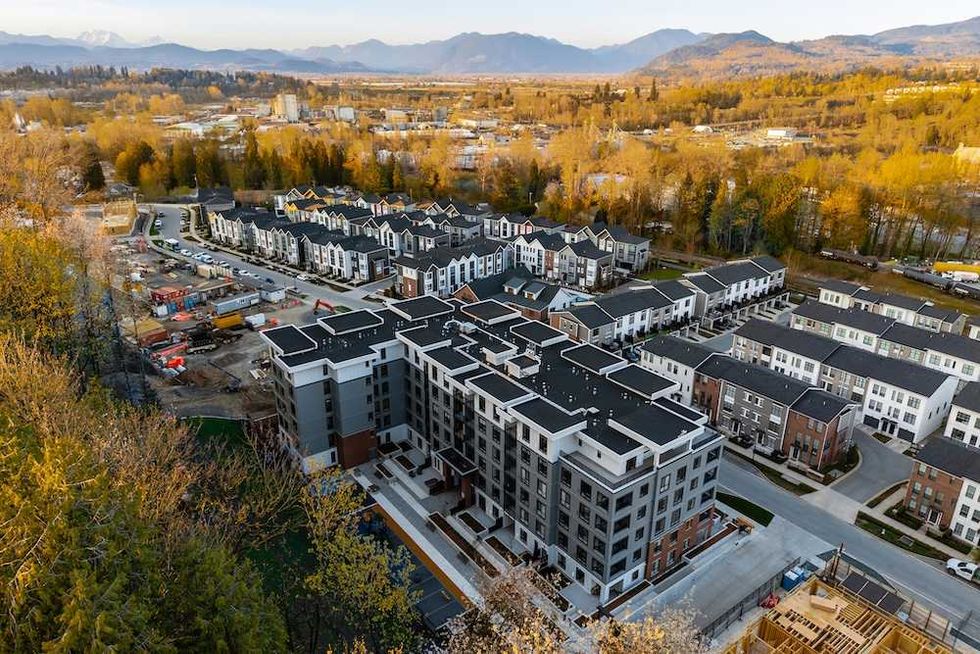 Rail District aerial (Infinity Properties)
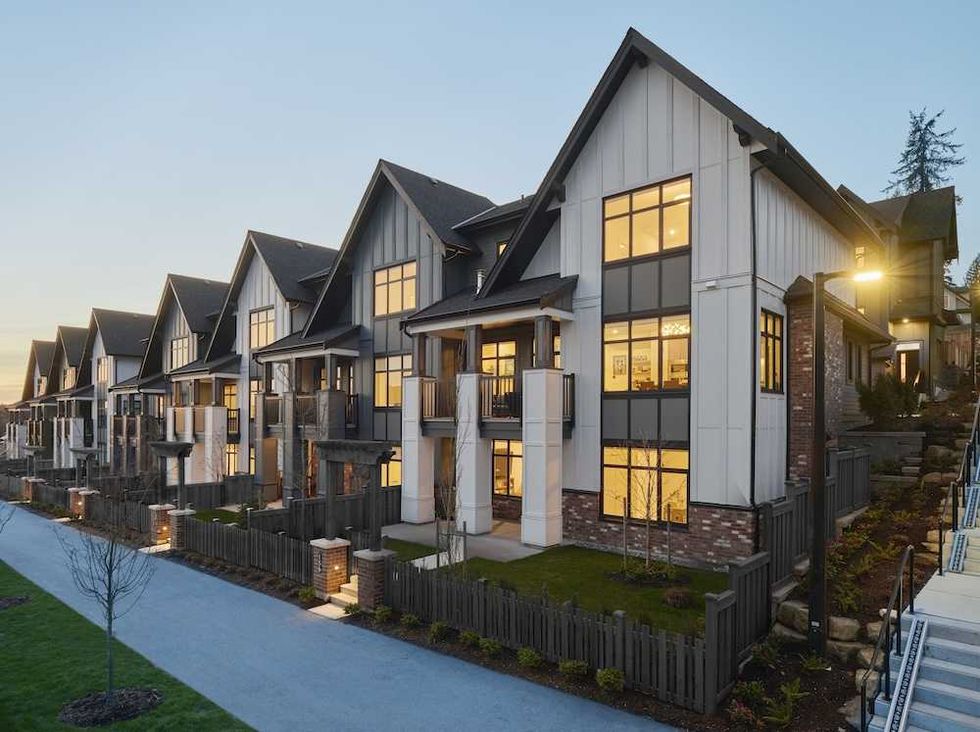 Versant (Infinity Properties)





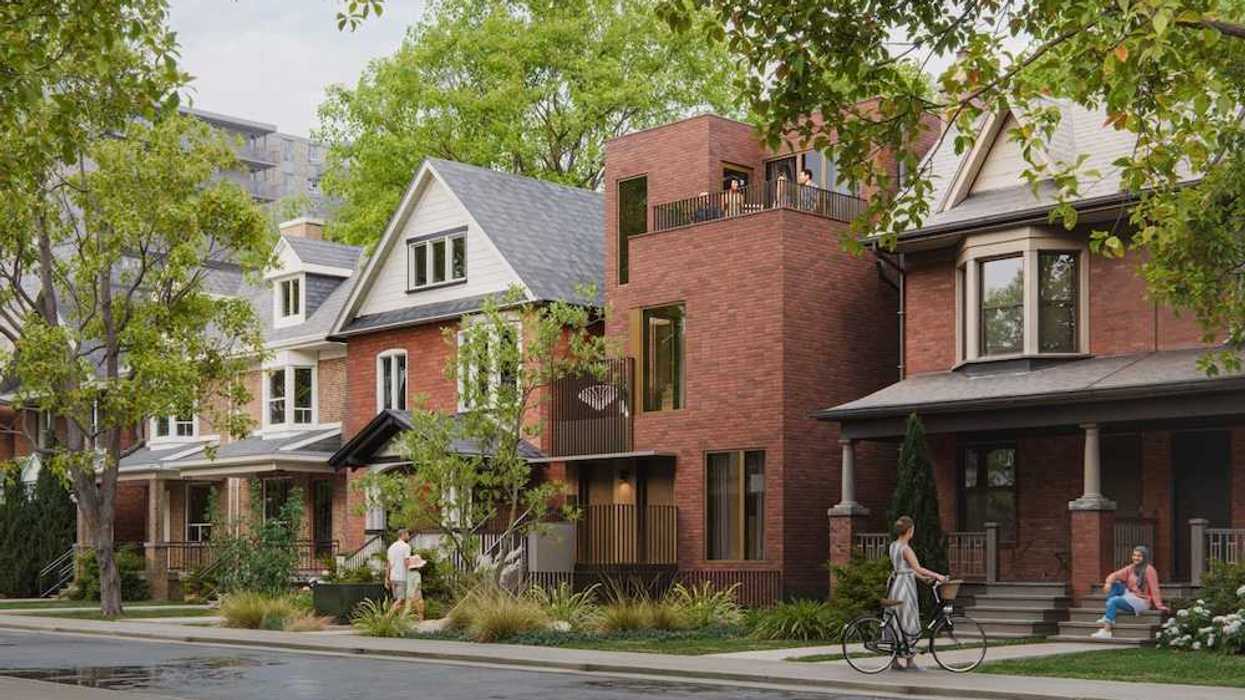
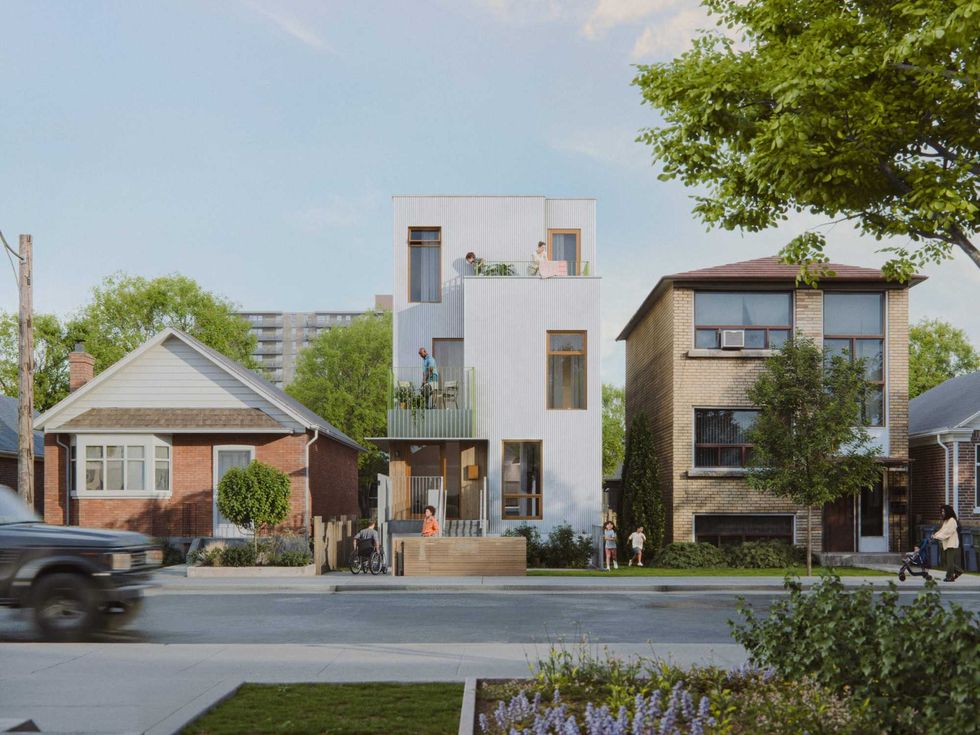 Narrow Fourplex (City of Toronto)
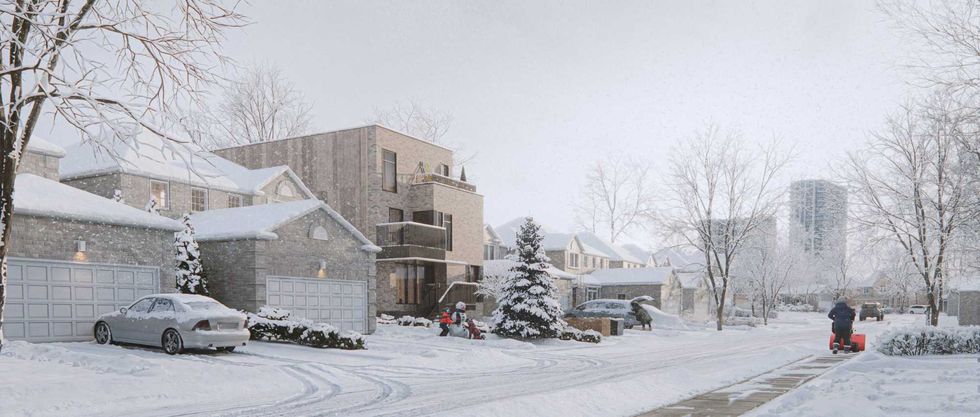 Wide Sixplex - Side View (City of Toronto)
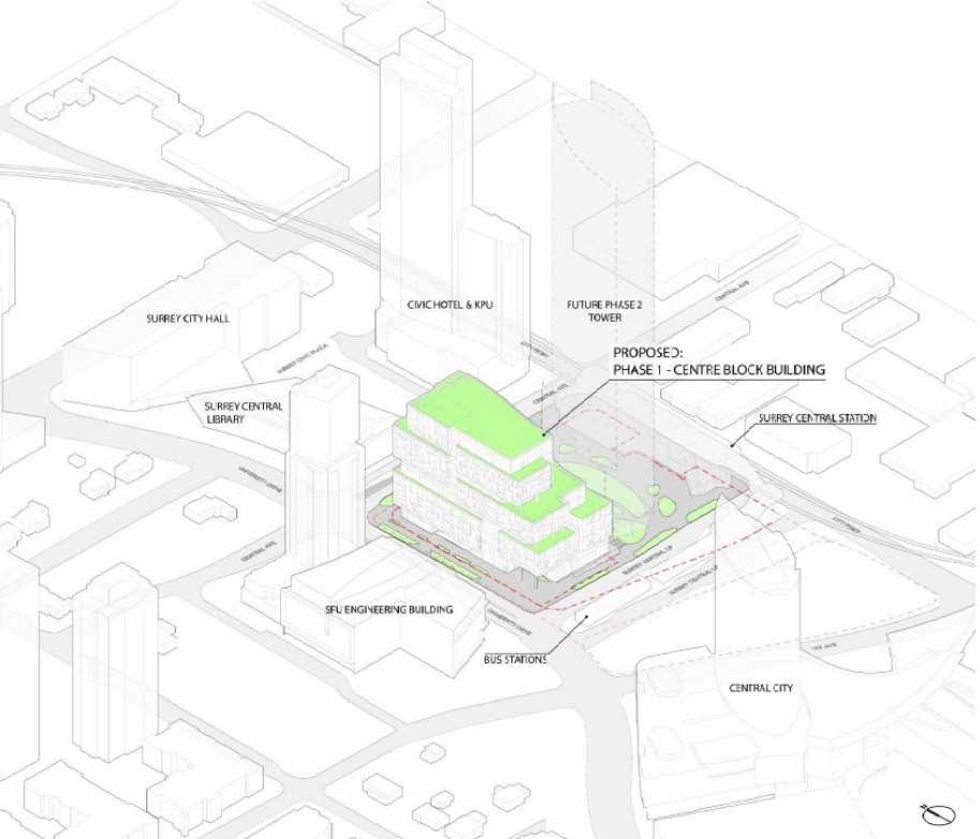 Centre Block and its surrounding context. (Stantec-Revery, SCDC)
 The 12-storey Phase One of Centre Block. (Stantec-Revery, SCDC)
 The 12-storey Phase One of Centre Block. (Stantec-Revery, SCDC)
 Mondria One, set for 1607 King Street East in Clarington, Ontario. (ICON Architects Inc., Monde Development Group)