Property Survey
Explore what a property survey is in Canadian real estate — what it includes, when it's needed, and how it protects buyers from boundary disputes.
May 22, 2025
What is a Property Survey?
A property survey is a detailed legal drawing or report prepared by a licensed land surveyor that maps out the boundaries, structures, and features of a parcel of land.
Why Property Surveys Matter in Real Estate
In Canadian real estate, surveys are critical for confirming property lines, detecting encroachments, and ensuring compliance with zoning and municipal bylaws.
Surveys typically include:- Lot dimensions and boundary markers
- Location of buildings, fences, easements
- Right-of-ways, encroachments, and setbacks
Surveys are often required by lenders, municipalities, and buyers before title transfer or issuing building permits. A current survey can prevent disputes with neighbors or legal complications during resale.
Understanding property surveys ensures accurate land records and protects buyers from hidden boundary issues.
Example of a Property Survey in Action
A buyer orders a property survey to confirm the garage is not encroaching on the neighbouring lot before finalizing their purchase.
Key Takeaways
- Maps property boundaries and features.
- Conducted by licensed surveyors.
- Required for construction and financing.
- Reveals legal and physical issues.
- Essential for title clarity.
Related Terms
- Encroachment
- Certificate of Location
- Zoning
- Title Transfer
- Easement
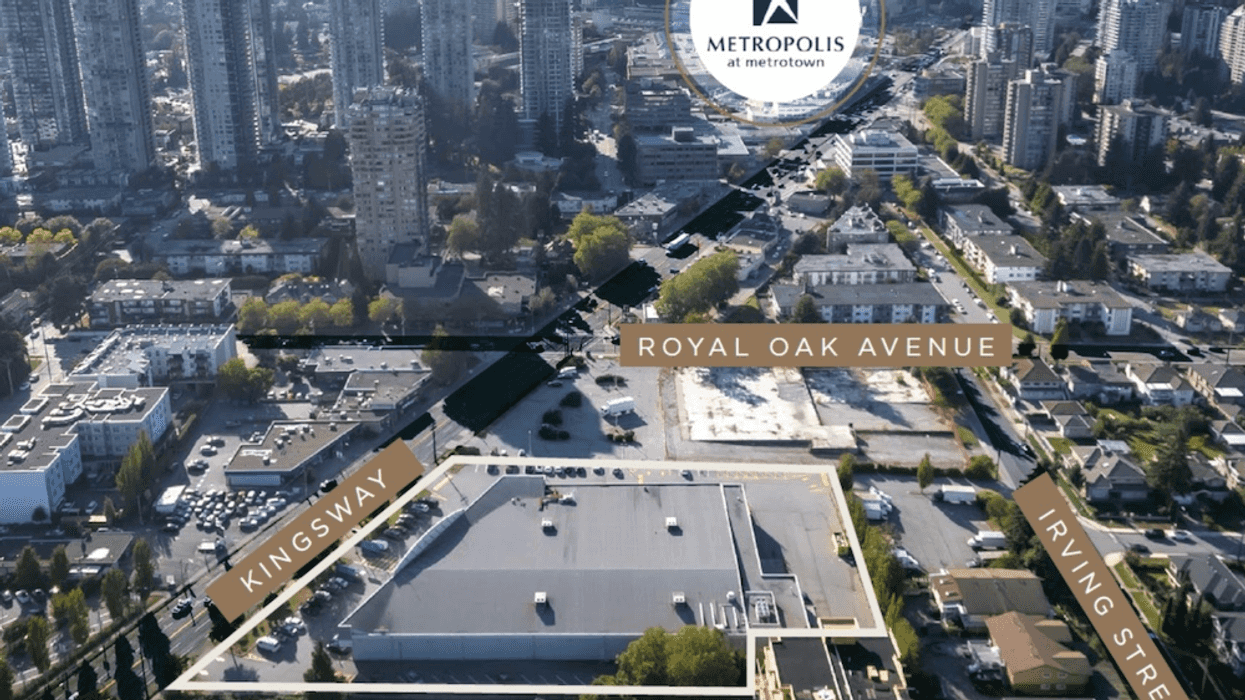
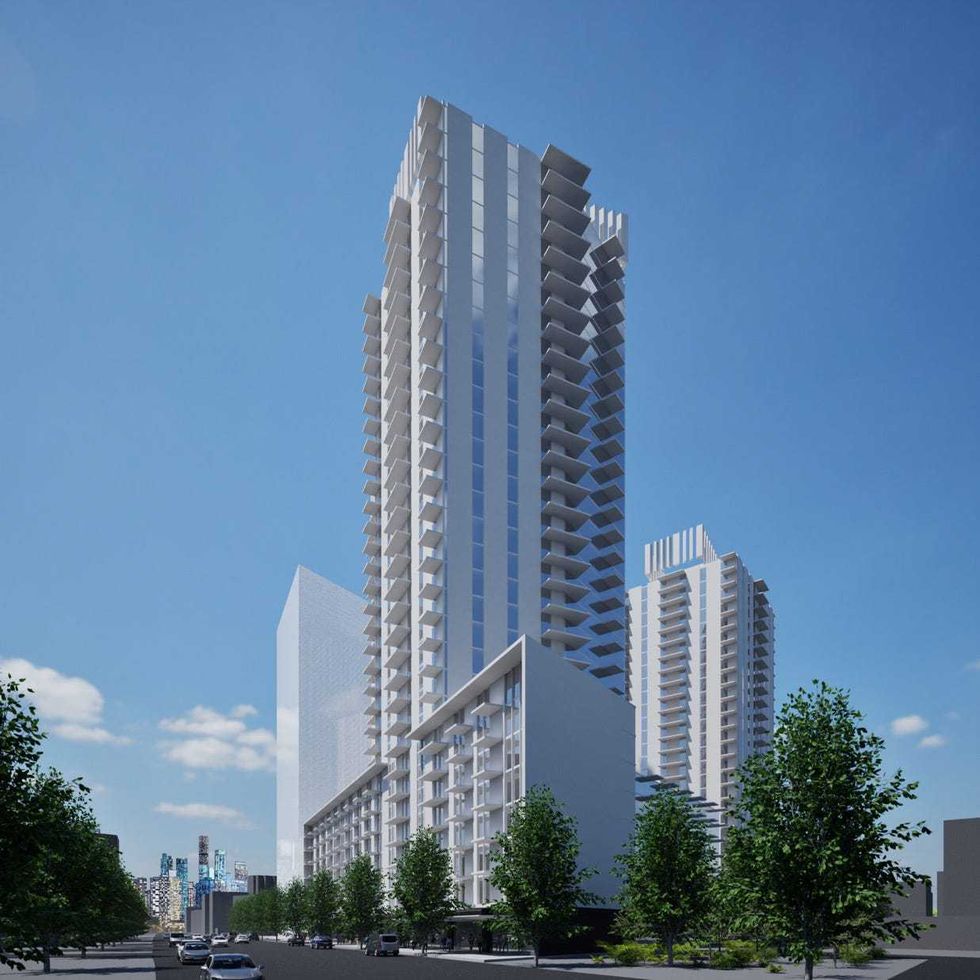 A preliminary conceptual development for 5335 Kingsway in Burnaby. (Arcadis, JLL)



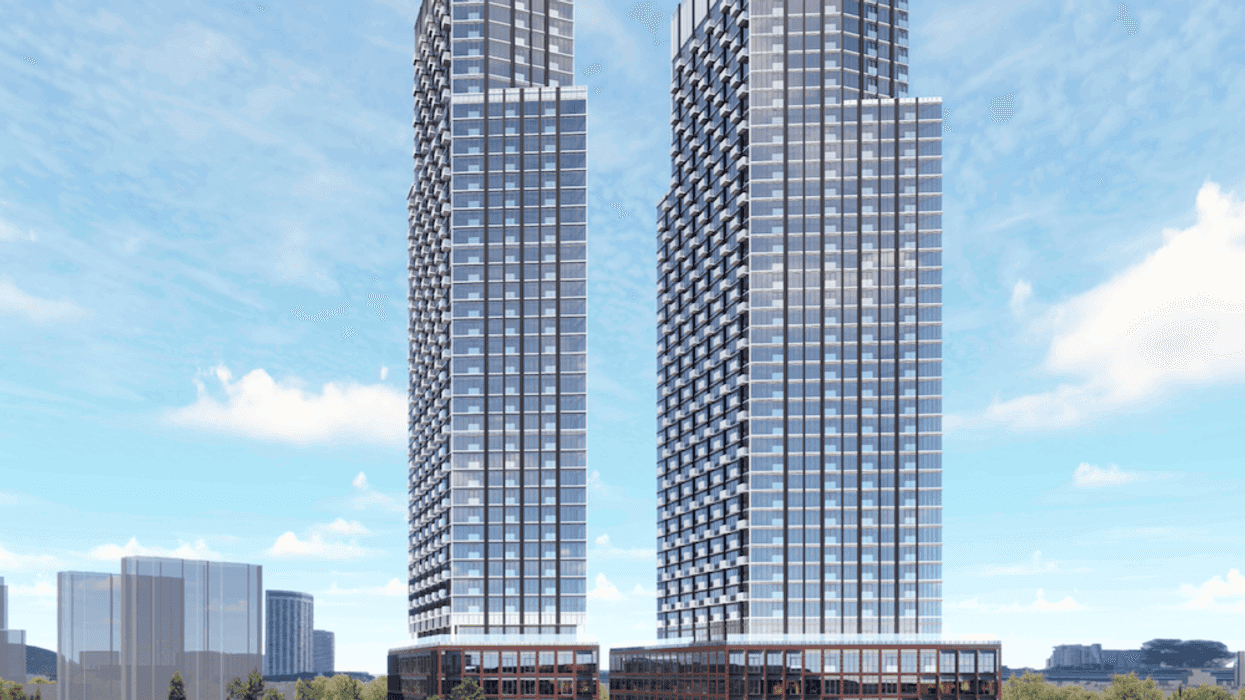

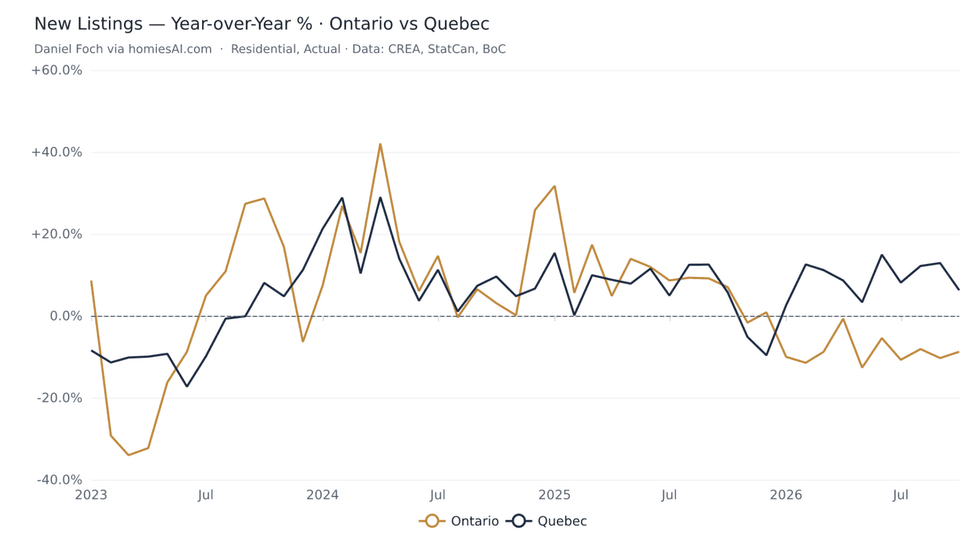 Chart: New listings, year-over-year %, Ontario vs Quebec. Daniel Foch via homiesai.com/stats. Data:
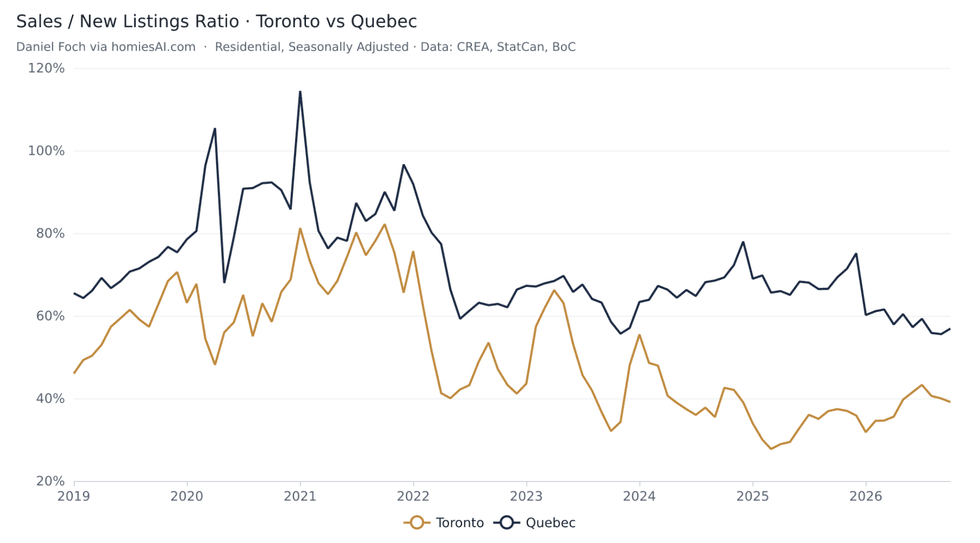 Chart: Sales-to-new-listings ratio, seasonally adjusted. Toronto vs Quebec. Daniel Foch via homiesai.com/stats. Data: CREA.
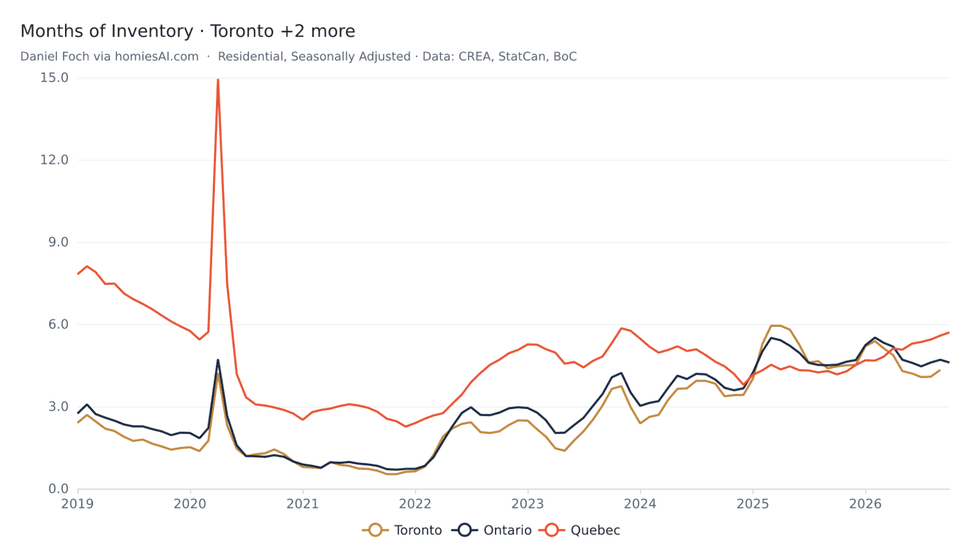 Chart: Months of inventory, seasonally adjusted. Daniel Foch via homiesai.com/stats. Data: CREA.
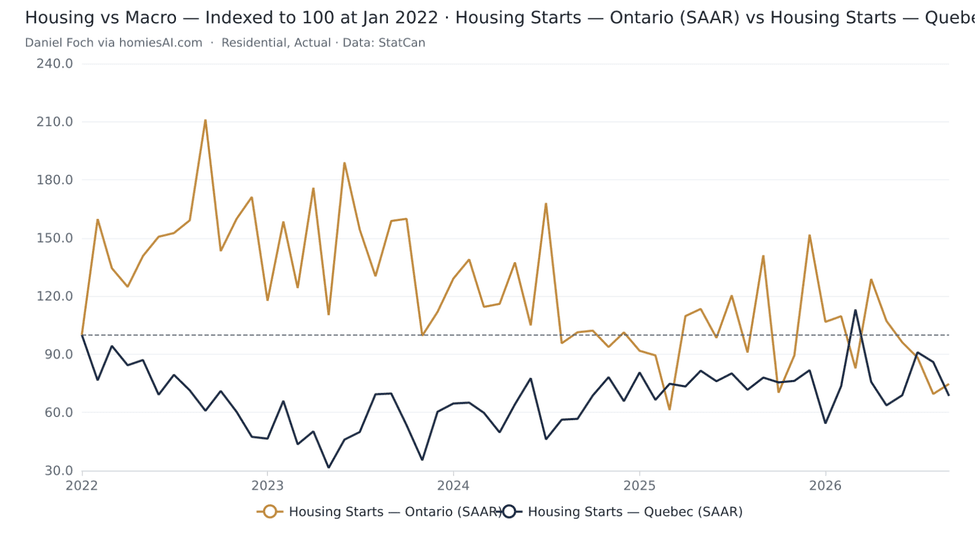 Chart: Housing starts, seasonally adjusted annual rate, Ontario vs Quebec, indexed to January 2022. Daniel Foch via homiesai.com/stats. Data: CMHC via Statistics Canada.
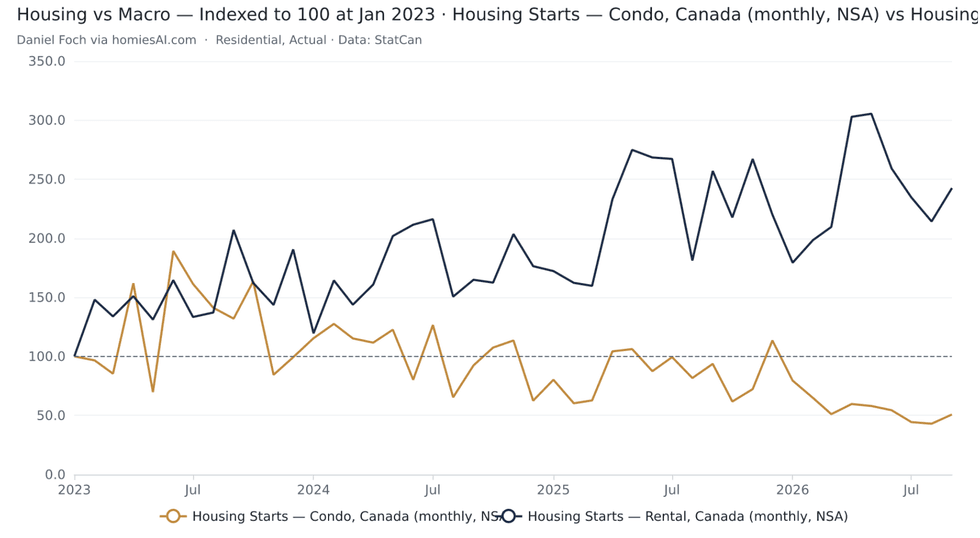 Chart: Condo vs rental housing starts, Canada, indexed to January 2023. Daniel Foch via homiesai.com/stats. Data: CMHC via Statistics Canada.
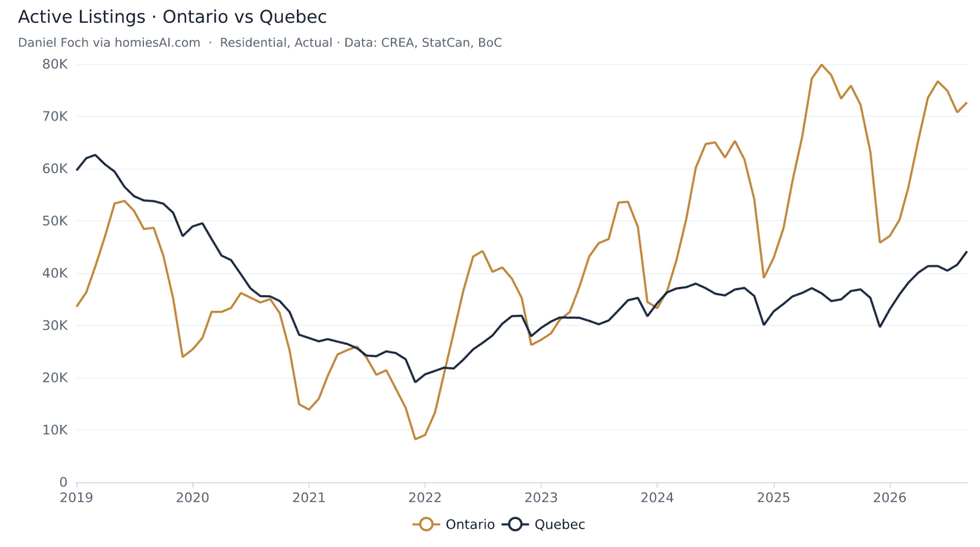 Chart: Active residential listings, Ontario vs Quebec. Daniel Foch via homiesai.com/stats. Data: CREA.
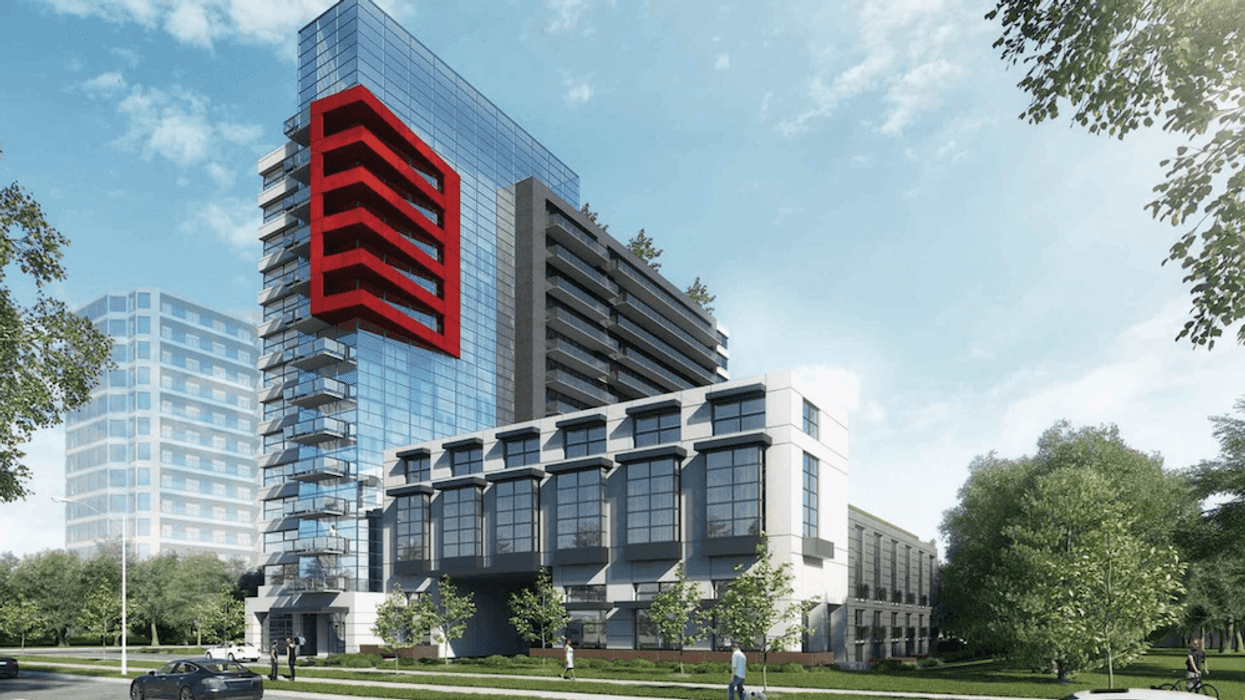
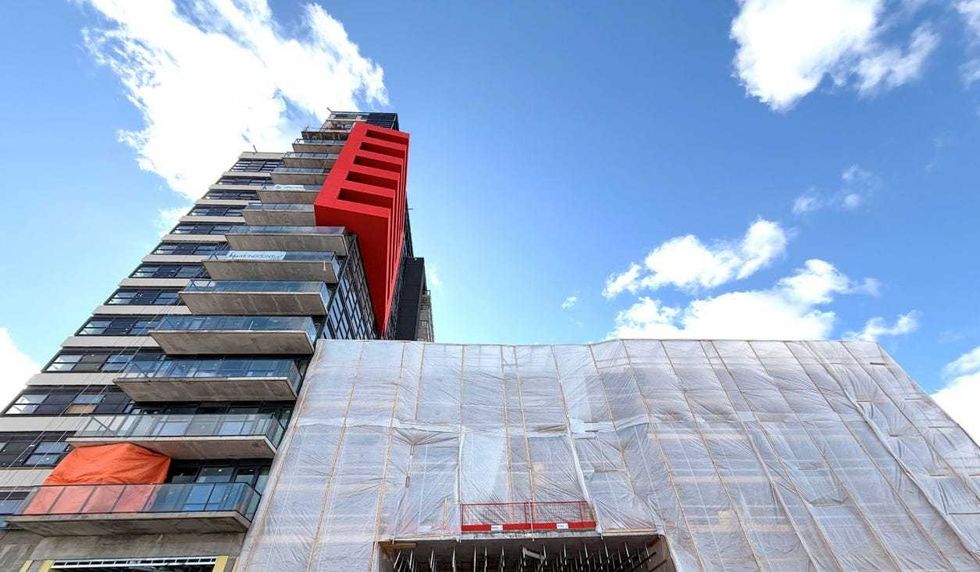 The Highlight of Mississauga as of March 2026. (Grant Thornton)
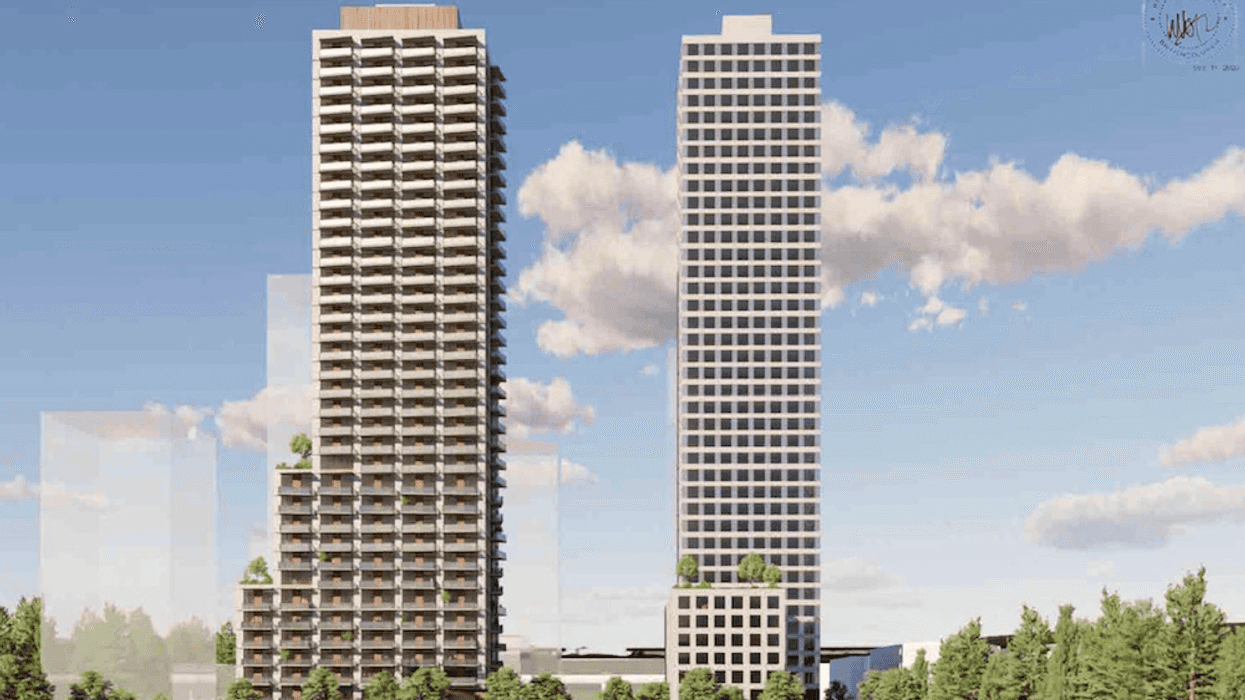
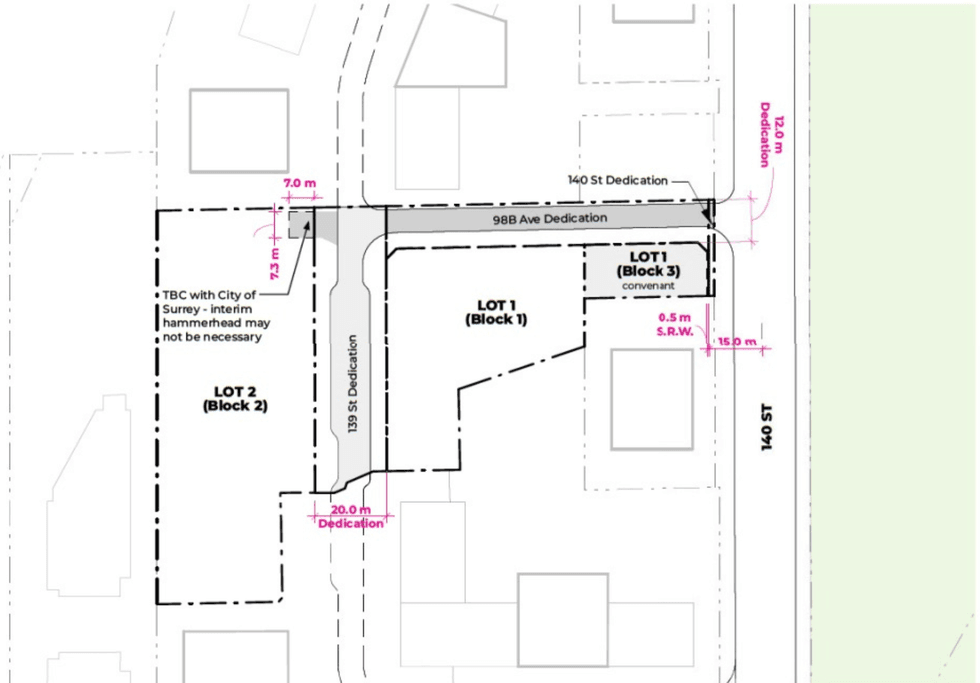 9883 140 Street and the proposed road dedications. (WW+P Architects, Entre Nous Femmes Housing Society)
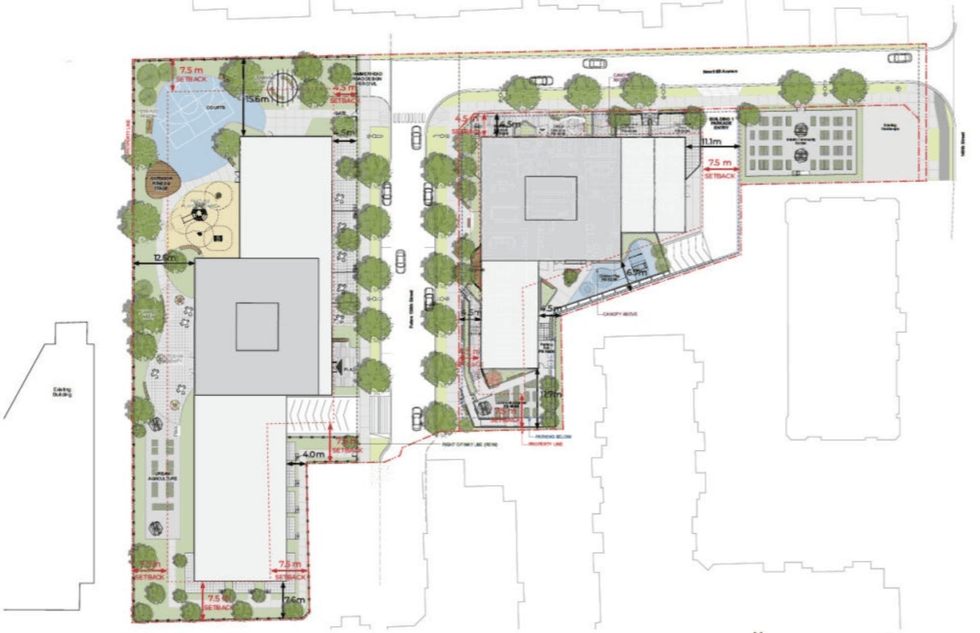 The
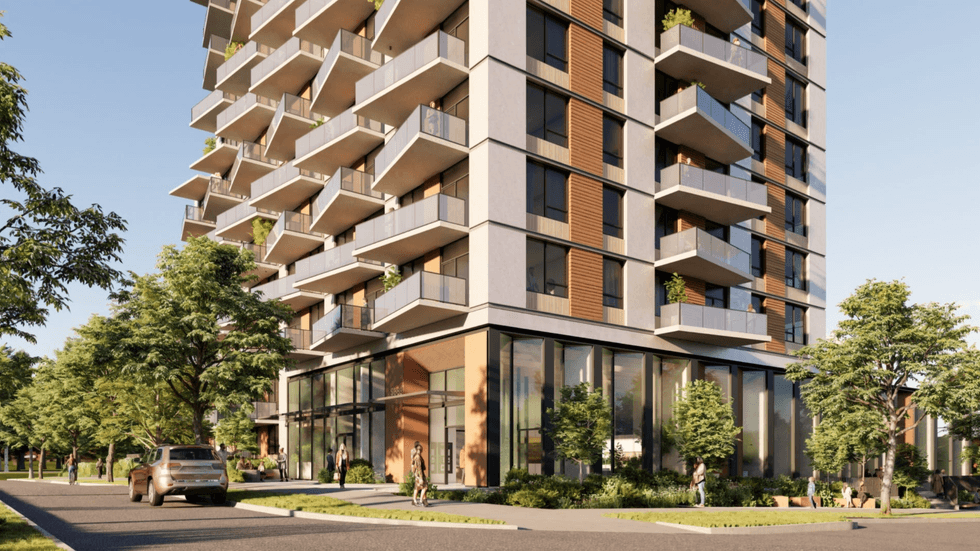 One of the towers proposed for 9883 140 Street. (Entres Nous Femmes Housing Society)

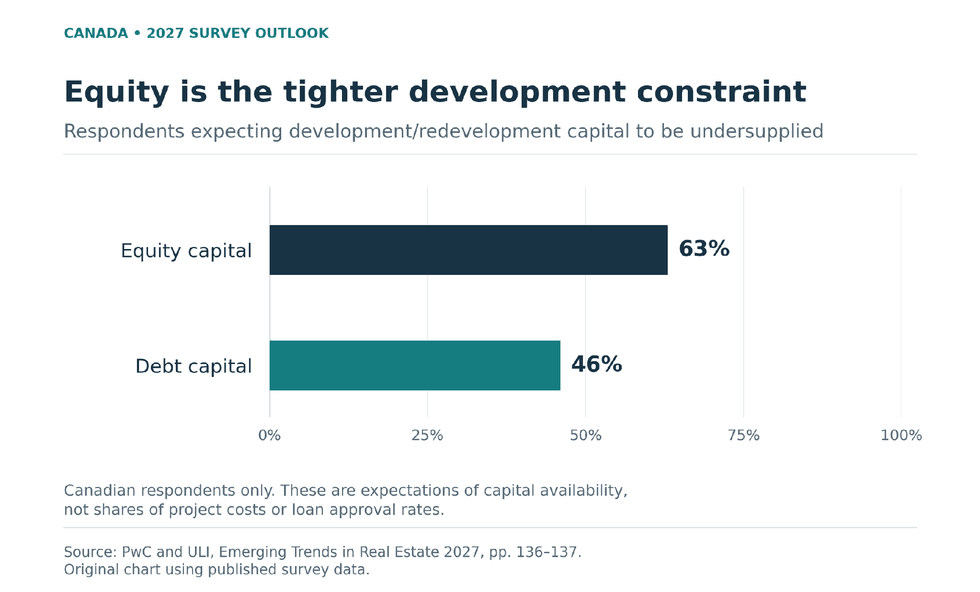 Canadian respondents were more likely to expect an undersupply of development/redevelopment equity capital (63%) than debt capital (46%) in 2027. These are survey expectations, not measured financing volumes. Source: PwC and ULI, Emerging Trends in Real Estate 2027, pp. 136–137. Original chart.
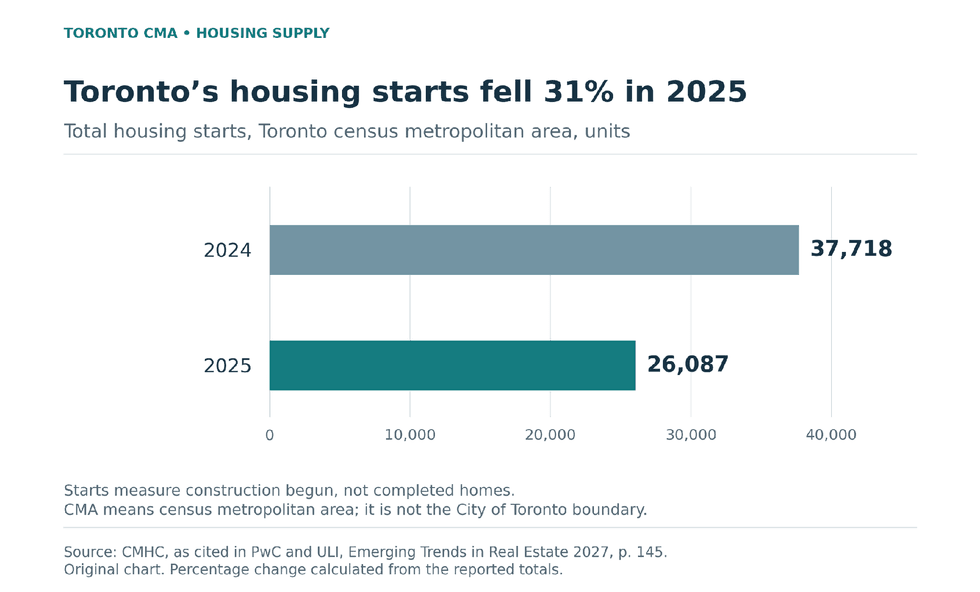 Toronto census metropolitan area housing starts fell from 37,718 units in 2024 to 26,087 in 2025, a 30.8% decline (rounded to 31%). Starts measure construction begun, not completed homes. Source: CMHC, as cited in PwC and ULI, Emerging Trends in Real Estate 2027, p. 145. Original chart.

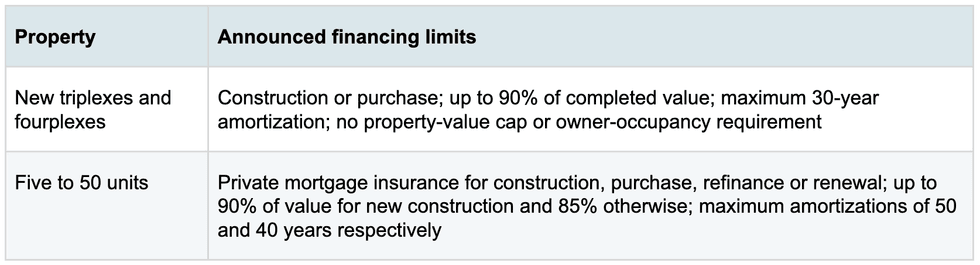
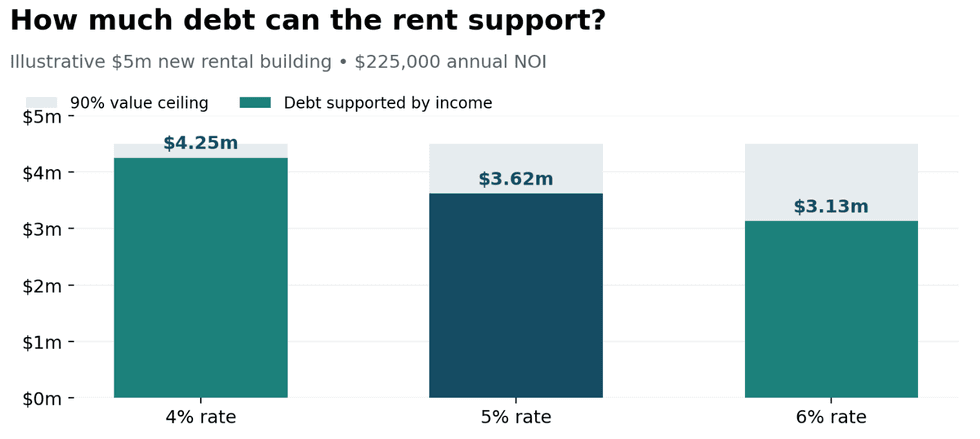 Illustrative calculation: a $4.5-million value ceiling versus income-based capacity of about $4.25 million at 4%, $3.62 million at 5% and $3.13 million at 6%. Assumes 50-year amortization and 1.15 debt coverage.
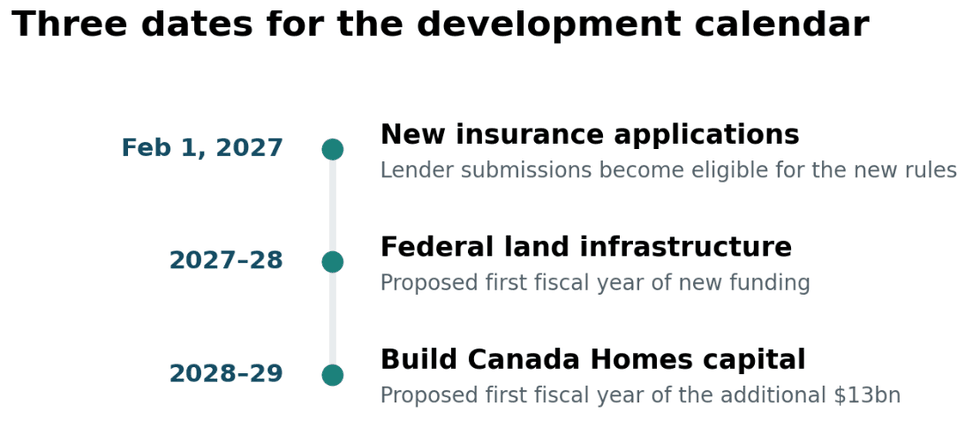 Source: Department of Finance missing-middle backgrounder and Budget 2026 Chapter 3, November 5, 2026. Fiscal-year funding starts are not home-completion dates.