Property Protection
Explore property protection in Canadian real estate — what it includes, why it’s required by lenders, and how it helps homeowners recover from damage.
May 22, 2025
What is Property Protection?
Property protection refers to the coverage provided by home insurance that safeguards the physical structure of a property and its contents against damage or loss.
Why does Property Protection Matter in Real Estate?
In Canadian real estate, property protection is a critical part of home insurance policies. It ensures that homeowners can repair or replace their home and belongings if they’re damaged by covered perils.Typically covers:- Fire, water, or storm damage
- Theft or vandalism
- Accidental damage to fixtures or appliances
- Detached structures (e.g., garages or sheds)
Understanding property protection helps homeowners evaluate their risks, select appropriate insurance, and avoid major out-of-pocket costs after a loss.
Example of Property Protection in Action
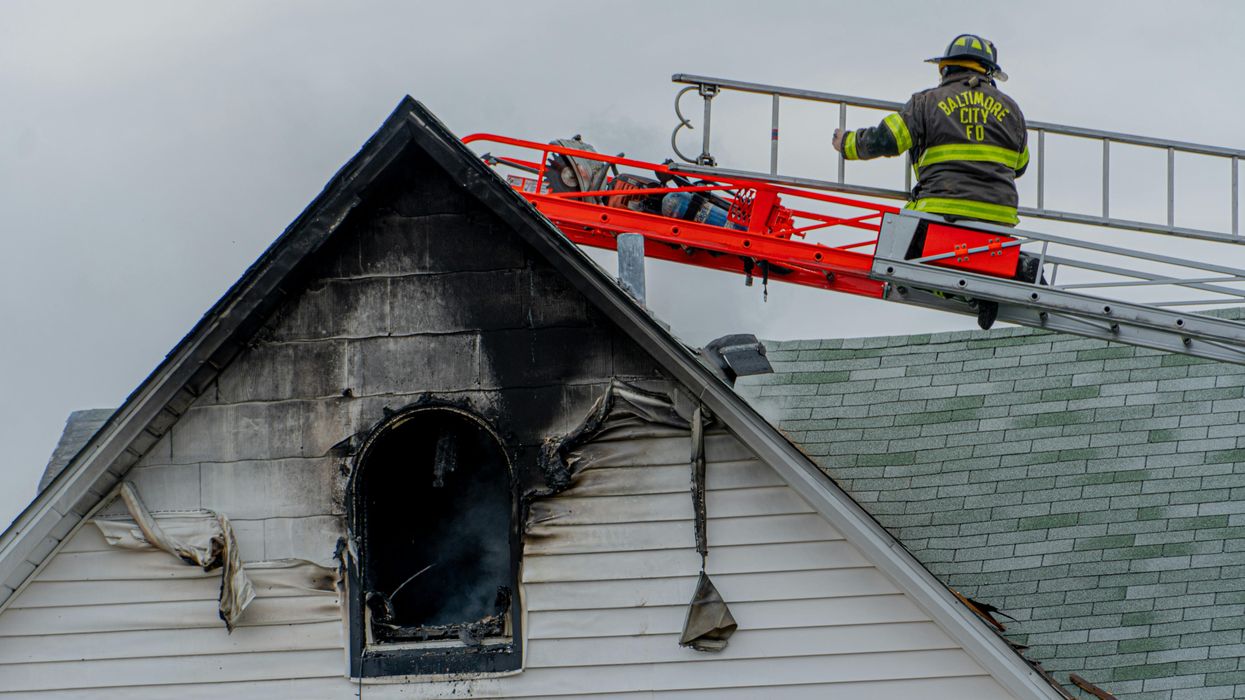
A windstorm damages a roof and garage door. The homeowner’s insurance policy covers repairs under property protection.
Key Takeaways
- Safeguards home and belongings.
- Covers damage from specific risks.
- Required by mortgage lenders.
- Limits and exclusions apply.
- Crucial for financial security.
Related Terms
- Home Insurance
- Liability Coverage
- Replacement Cost
- Risk Management
- Coverage Limit
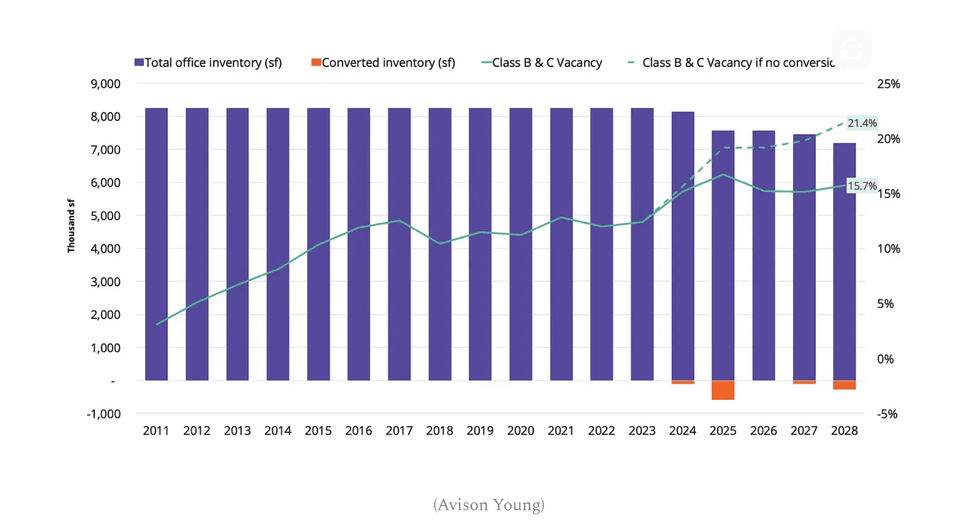 (Avison Young)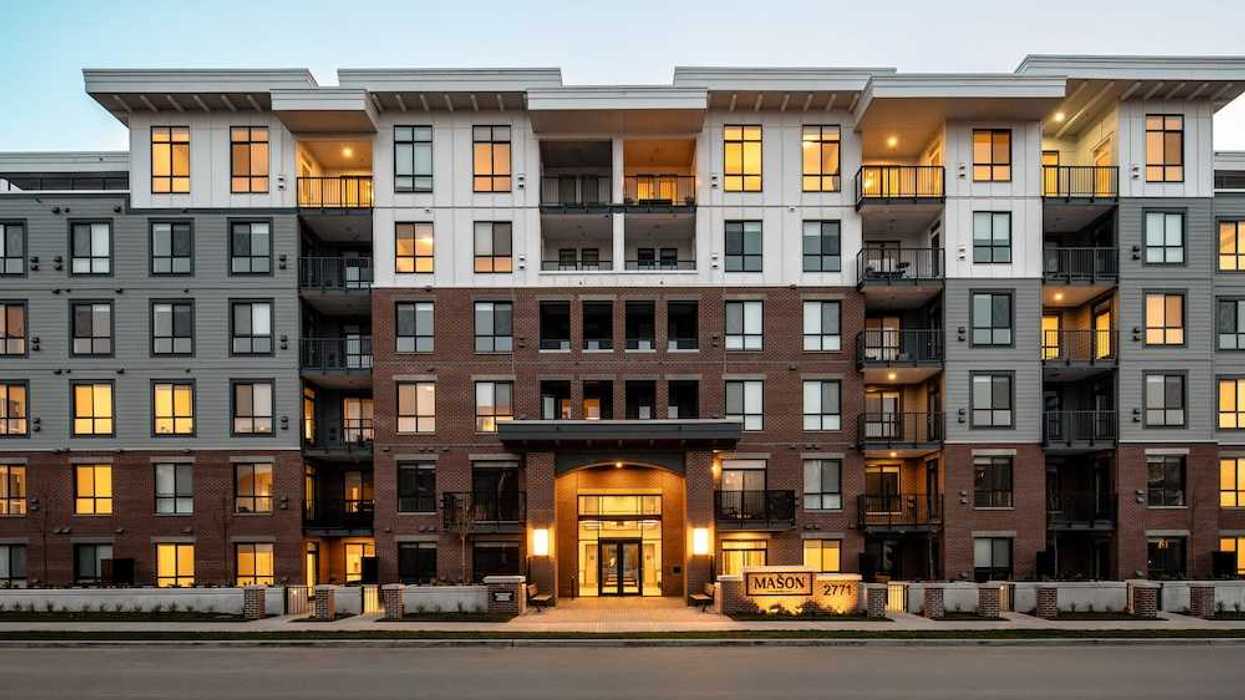
 The Mason Suite Interior (Infinity Properties)
 The Mason Suite Interior (Infinity Properties)
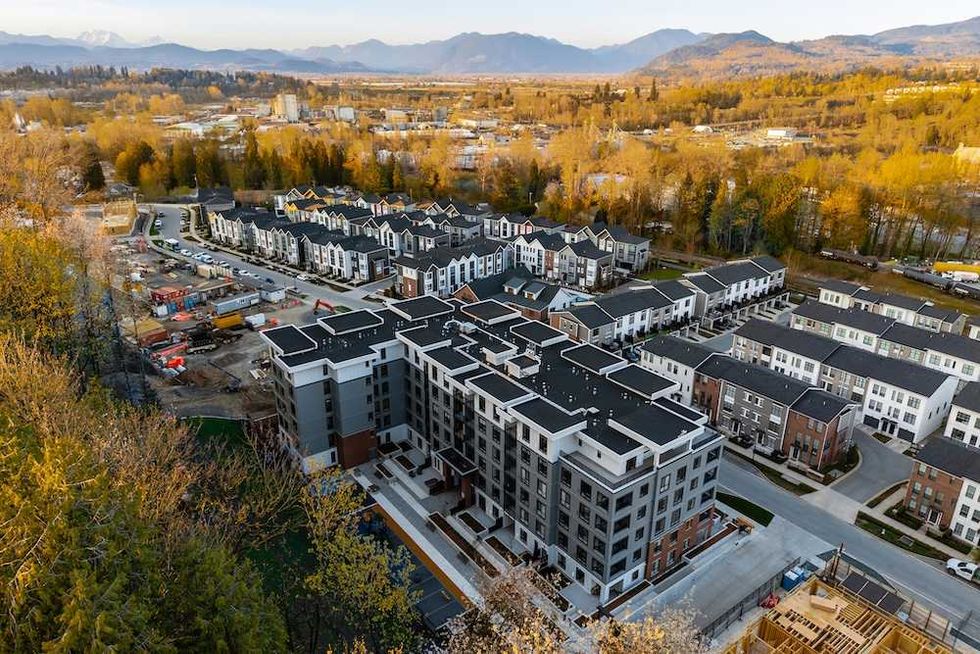 Rail District aerial (Infinity Properties)
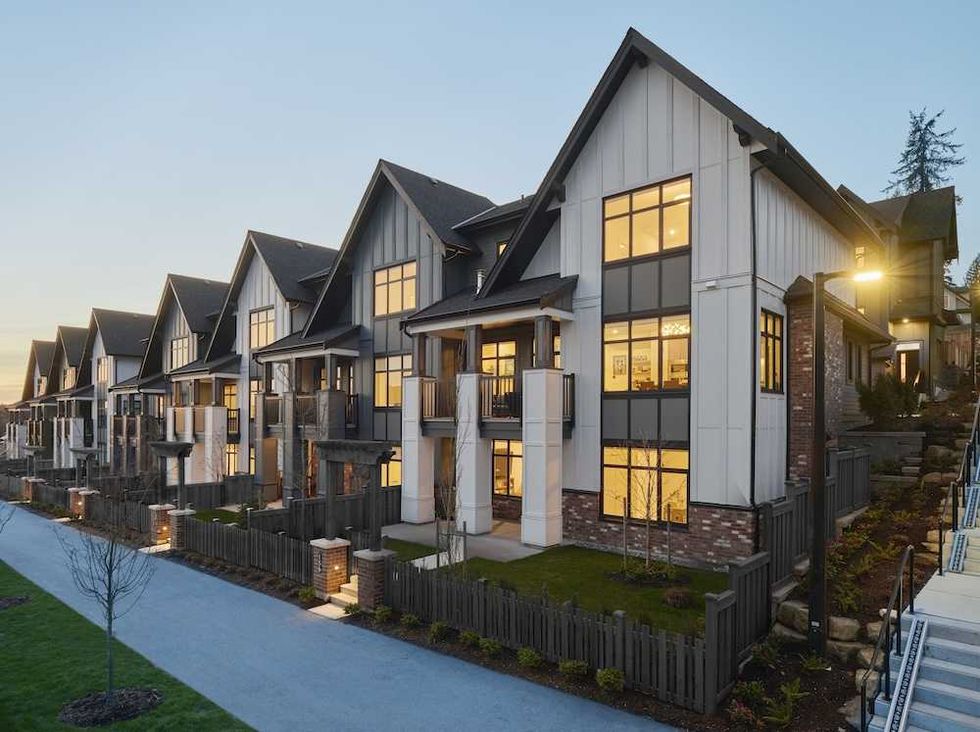 Versant (Infinity Properties)






 Narrow Fourplex (City of Toronto)
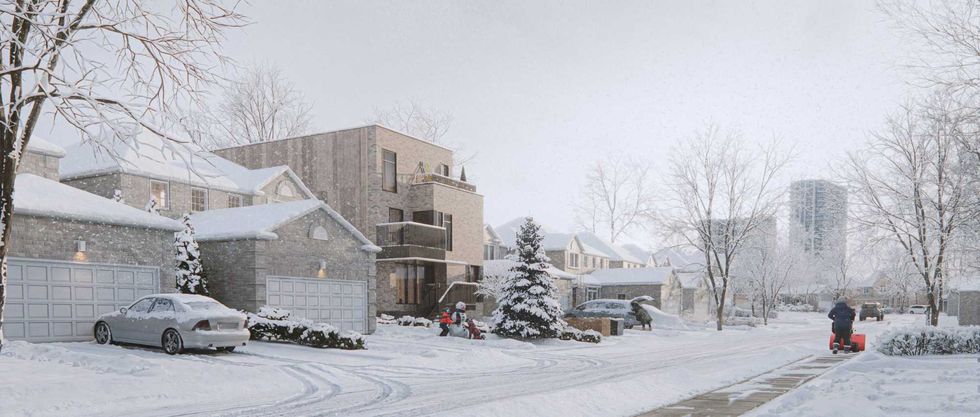 Wide Sixplex - Side View (City of Toronto)
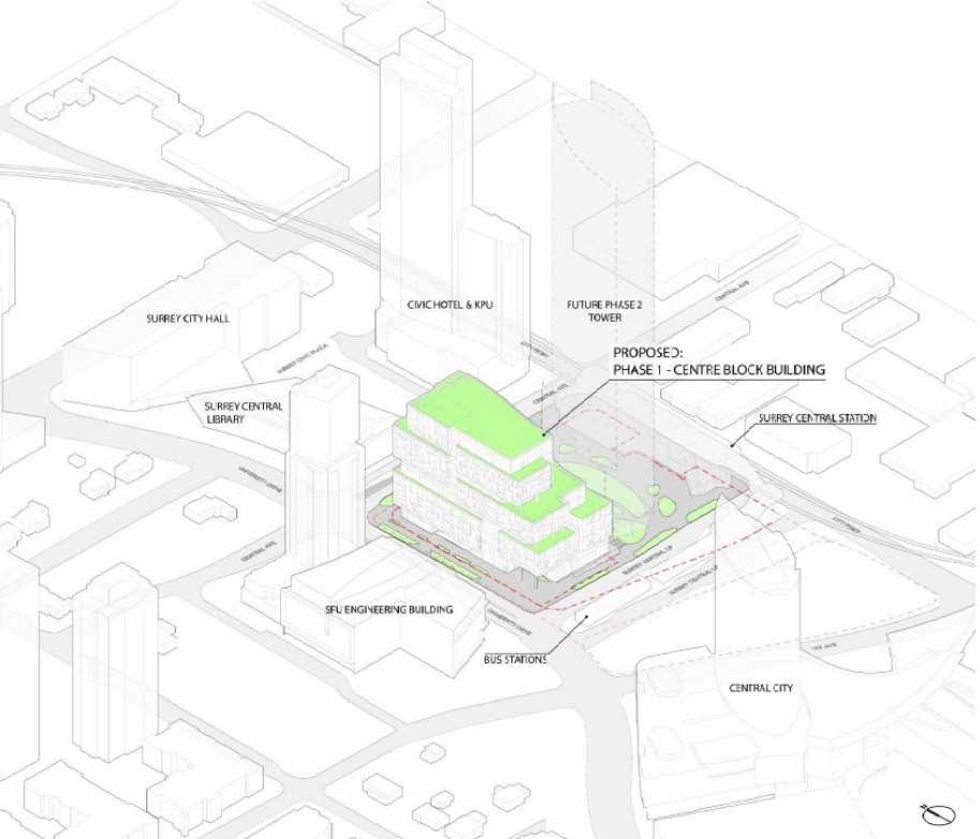 Centre Block and its surrounding context. (Stantec-Revery, SCDC)
 The 12-storey Phase One of Centre Block. (Stantec-Revery, SCDC)
 The 12-storey Phase One of Centre Block. (Stantec-Revery, SCDC)
 Mondria One, set for 1607 King Street East in Clarington, Ontario. (ICON Architects Inc., Monde Development Group)