Mortgage Requirements
Explore mortgage requirements in Canada, what lenders look for, how to qualify, and how buyers can prepare to meet approval criteria.

May 22, 2025
What are Mortgage Requirements?
Mortgage requirements are the set of financial and legal criteria that borrowers must meet to qualify for and maintain a mortgage loan in Canada.
Why Mortgage Requirements Matter in Real Estate
Lenders assess mortgage applications using strict guidelines to evaluate a borrower's ability to repay. Requirements vary by lender but typically include:
- Minimum credit score (often 600–680)
- Stable employment and proof of income
- Acceptable debt service ratios (GDS and TDS)
- Down payment (minimum 5% for insured mortgages)
- Passing the federal mortgage stress test
Additional requirements may involve property appraisals, documentation of savings, and proof of closing costs. Lenders may also consider the property type, location, and occupancy use.
Understanding mortgage requirements allows buyers to prepare their finances, increase approval chances, and secure more favourable terms.
Example of Mortgage Requirements
A buyer provides employment letters, credit reports, and savings statements to meet mortgage requirements for a $650,000 loan.
Key Takeaways
- Sets eligibility standards for mortgage approval.
- Includes credit, income, and down payment.
- Enforced by lenders and regulatory bodies.
- Determines borrowing power and terms.
- Preparation increases approval chances.
Related Terms
- Mortgage Qualification
- Pre-Approval
- Debt Service Ratios
- Credit Score
- Down Payment

 (Avison Young)




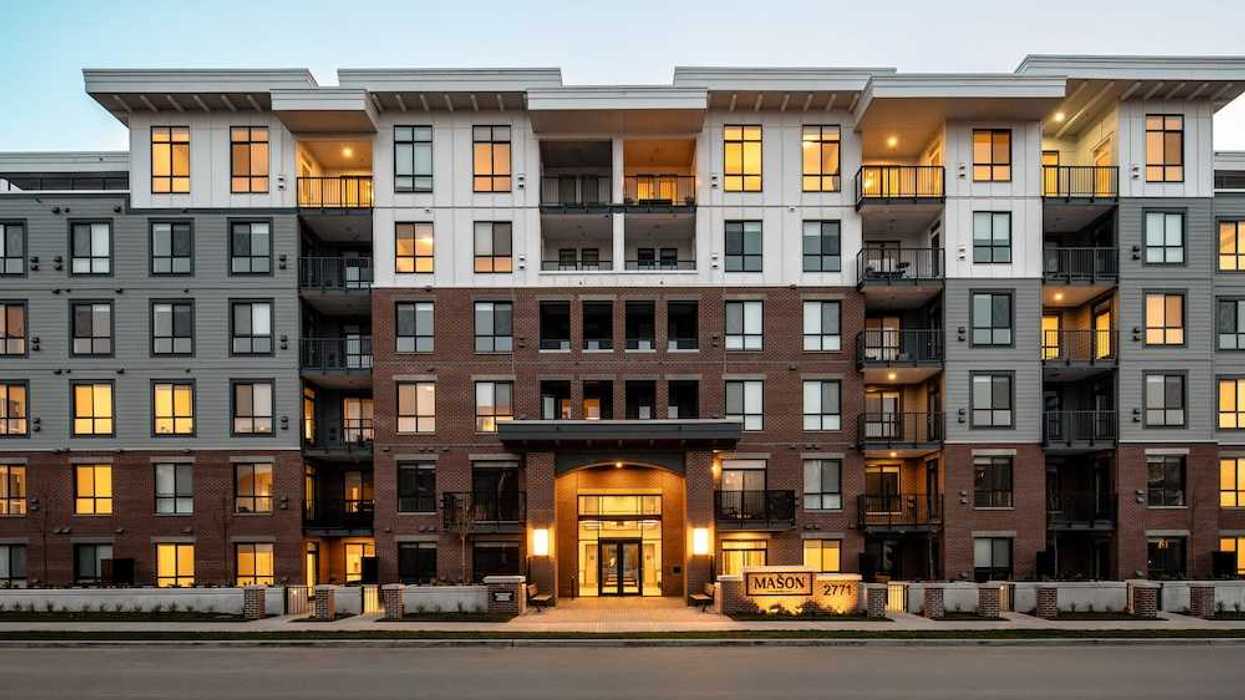
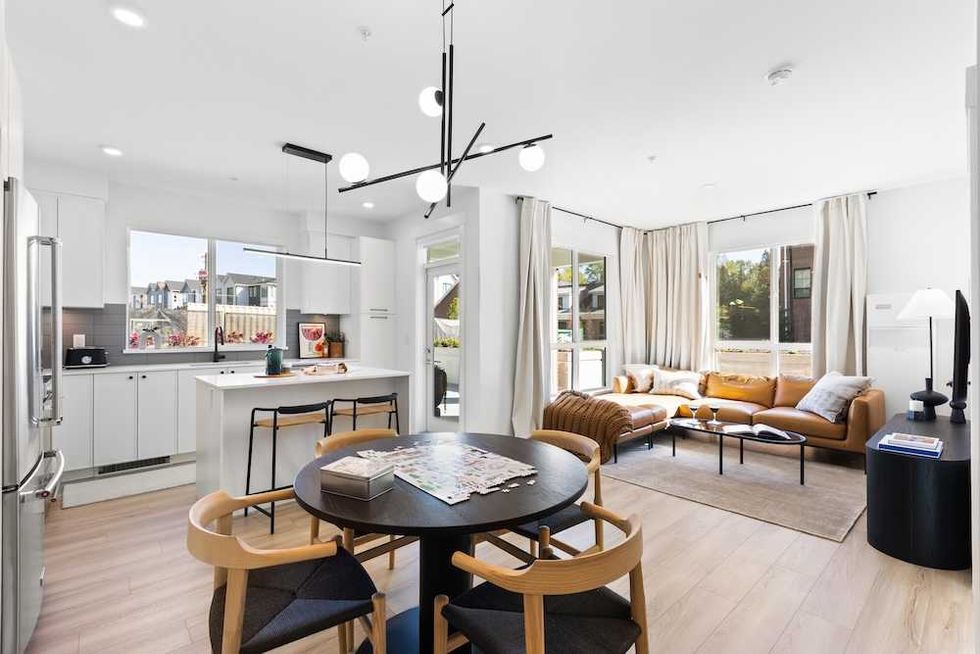 The Mason Suite Interior (Infinity Properties)
 The Mason Suite Interior (Infinity Properties)
 Rail District aerial (Infinity Properties)
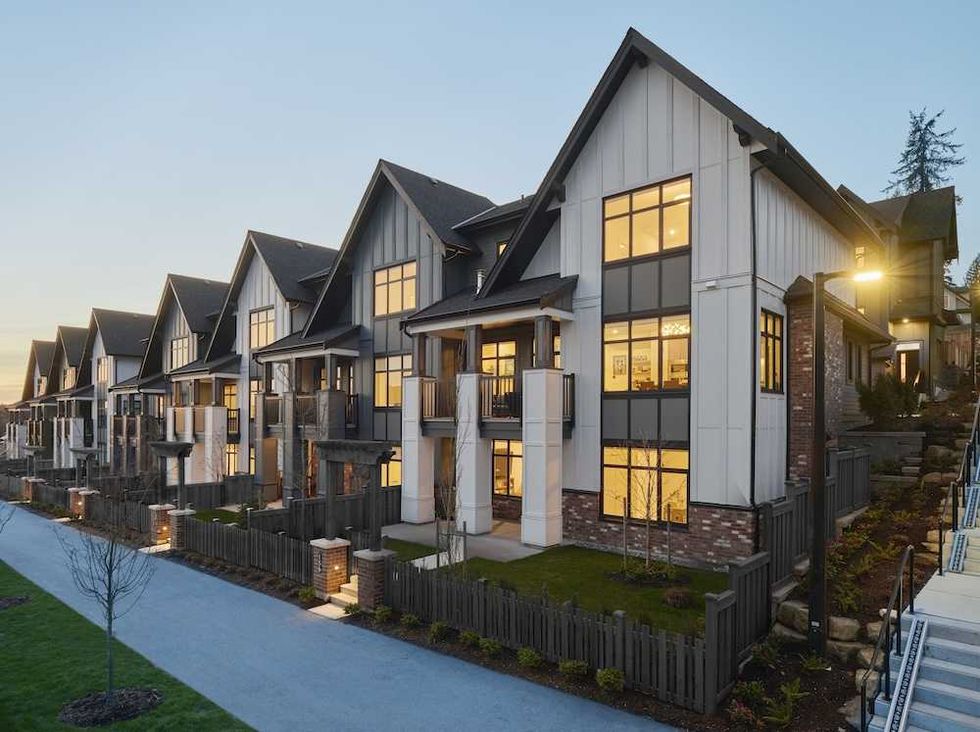 Versant (Infinity Properties)

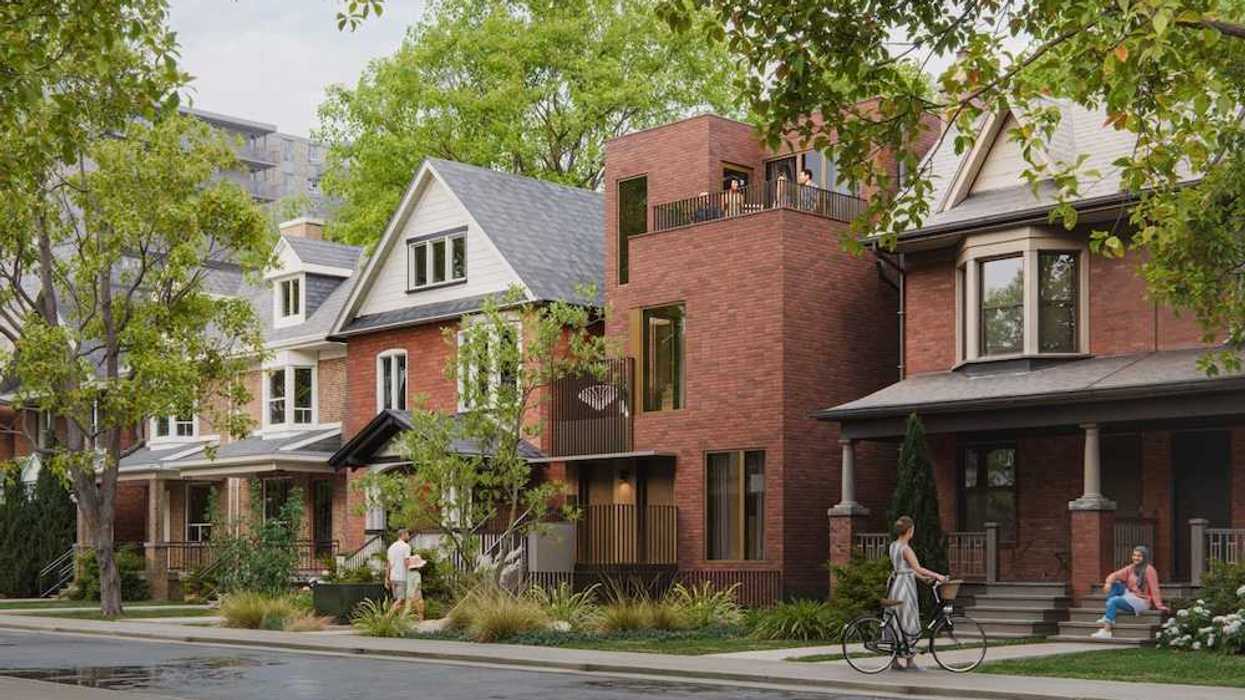
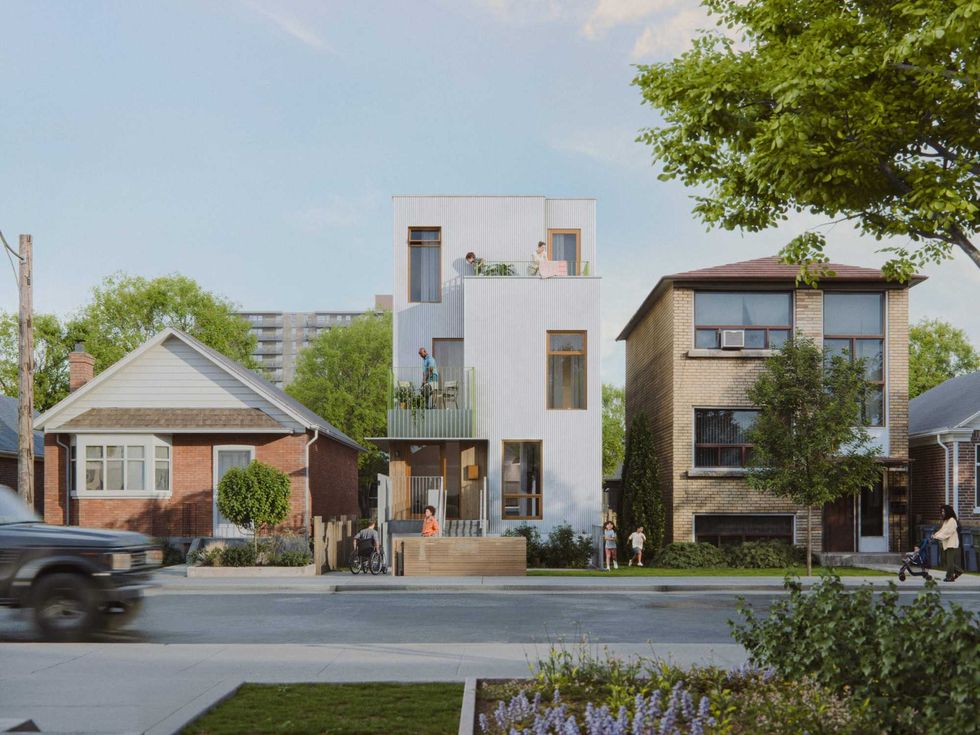 Narrow Fourplex (City of Toronto)
 Wide Sixplex - Side View (City of Toronto)
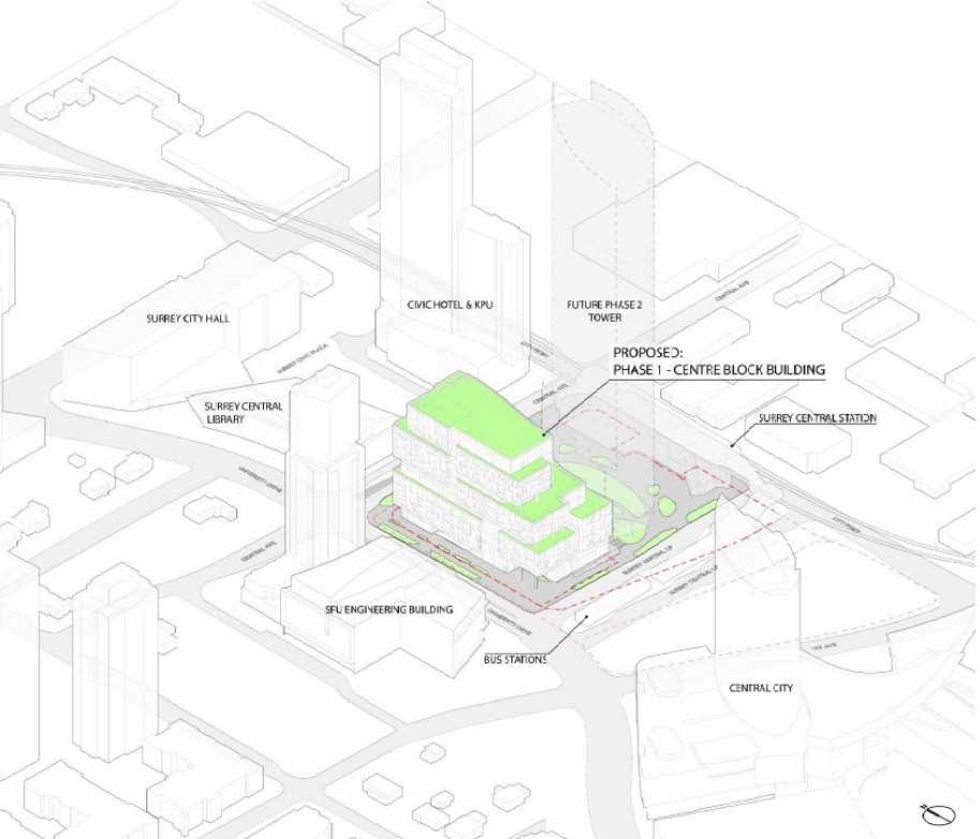 Centre Block and its surrounding context. (Stantec-Revery, SCDC)
 The 12-storey Phase One of Centre Block. (Stantec-Revery, SCDC)
 The 12-storey Phase One of Centre Block. (Stantec-Revery, SCDC)
 Mondria One, set for 1607 King Street East in Clarington, Ontario. (ICON Architects Inc., Monde Development Group)