Housing Affordability
Understand housing affordability in Canadian real estate — how it's measured, why it matters, and what impacts access to affordable housing.

May 22, 2025
What is Housing Affordability?
Housing affordability refers to the relationship between household income and the cost of purchasing or renting a home in a given market.
Why Housing Affordability Matters in Real Estate
In Canadian real estate, housing affordability is a critical measure of how accessible housing is for different segments of the population. It is influenced by:- Home prices and rental rates
- Interest rates and mortgage terms
- Household income and employment stability
- Government policies and incentives
Affordability is often assessed using metrics like the price-to-income ratio or shelter cost-to-income ratio. When housing costs exceed 30% of gross household income, the situation is generally considered unaffordable.
Understanding housing affordability is essential for buyers, policymakers, and developers seeking to address housing access and plan sustainable communities.
Example of Housing Affordability in Action
In a major city, the average household spends over 45% of its income on housing, indicating a significant affordability challenge.
Key Takeaways
- Measures how income relates to housing costs.
- Affects buyer access and policy decisions.
- Exceeds 30% = generally unaffordable.
- Influenced by prices, rates, and income.
- Key issue in urban planning and supply policy.
Related Terms
- Debt Service Ratios
- Government Incentive
- Mortgage Qualification
- Interest Rate
- Down Payment
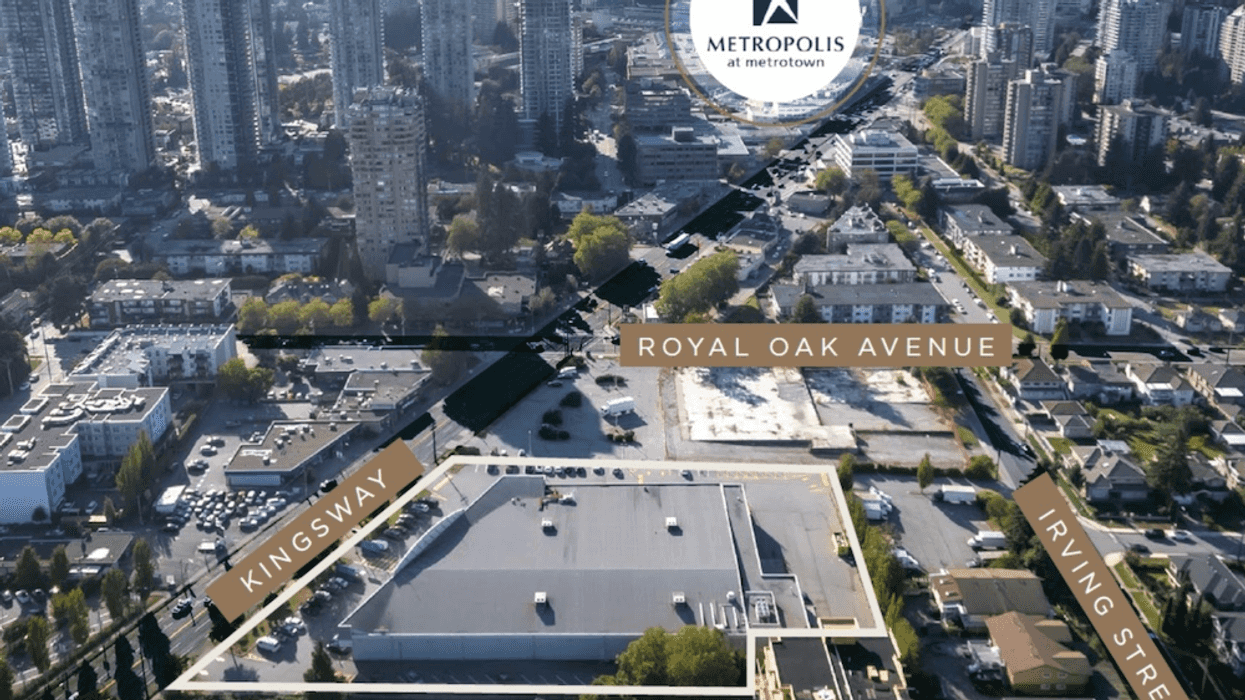
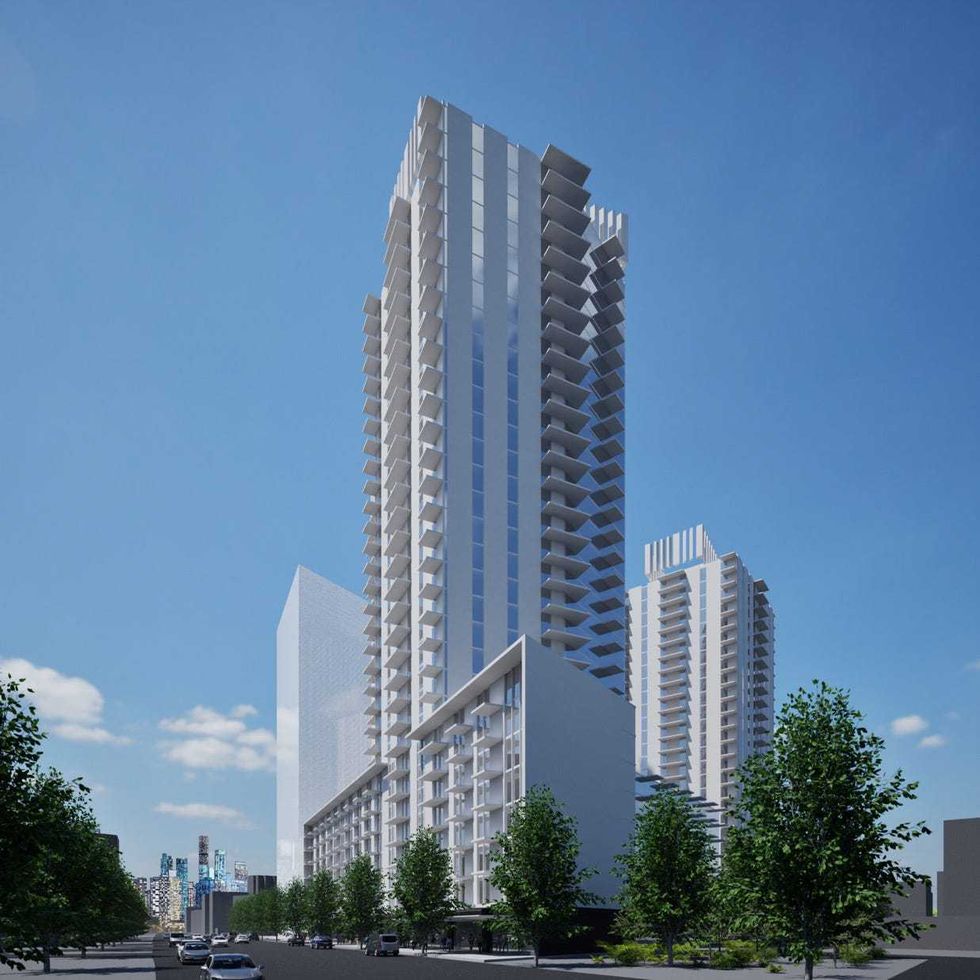 A preliminary conceptual development for 5335 Kingsway in Burnaby. (Arcadis, JLL)







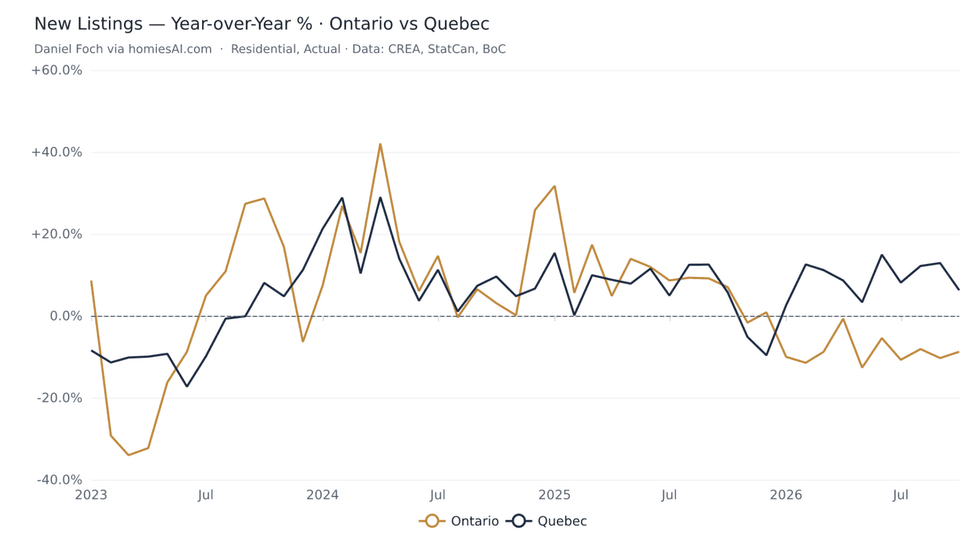 Chart: New listings, year-over-year %, Ontario vs Quebec. Daniel Foch via homiesai.com/stats. Data:
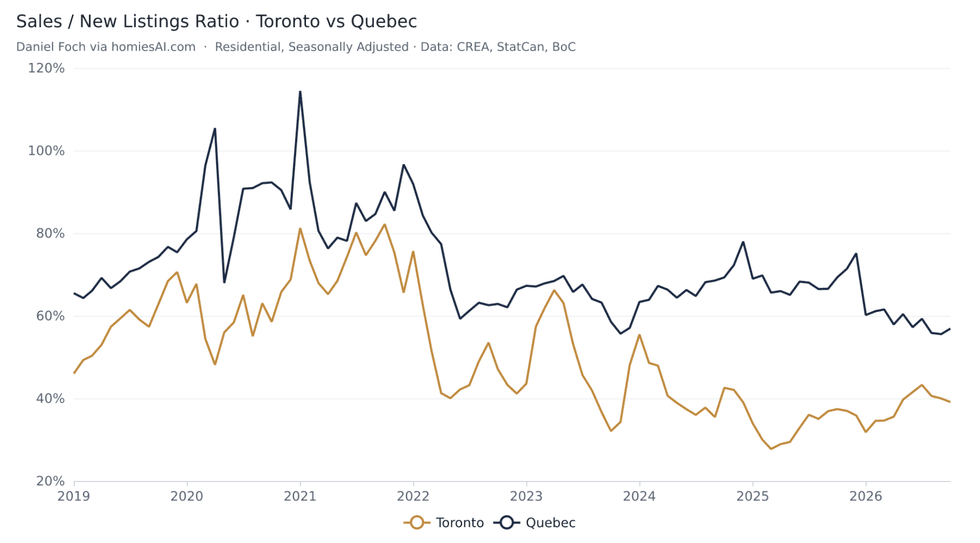 Chart: Sales-to-new-listings ratio, seasonally adjusted. Toronto vs Quebec. Daniel Foch via homiesai.com/stats. Data: CREA.
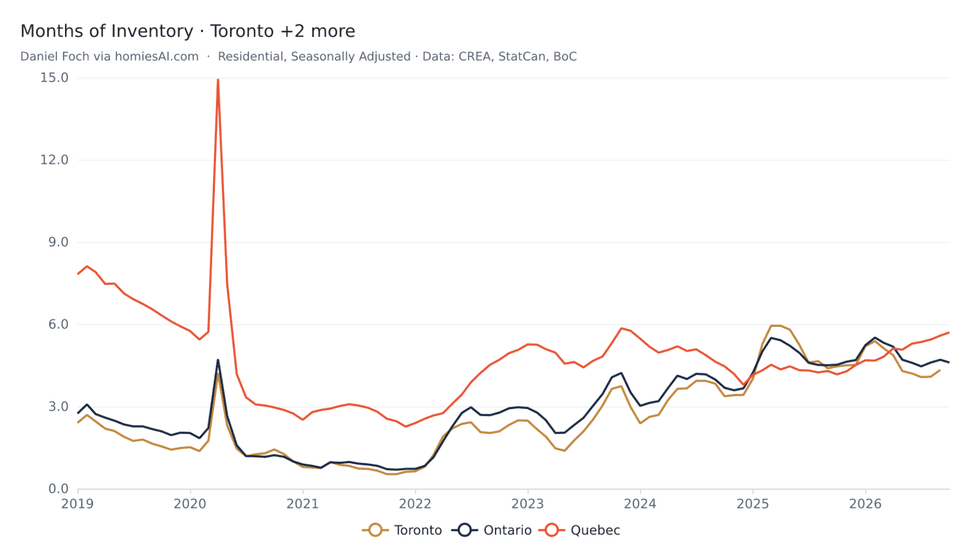 Chart: Months of inventory, seasonally adjusted. Daniel Foch via homiesai.com/stats. Data: CREA.
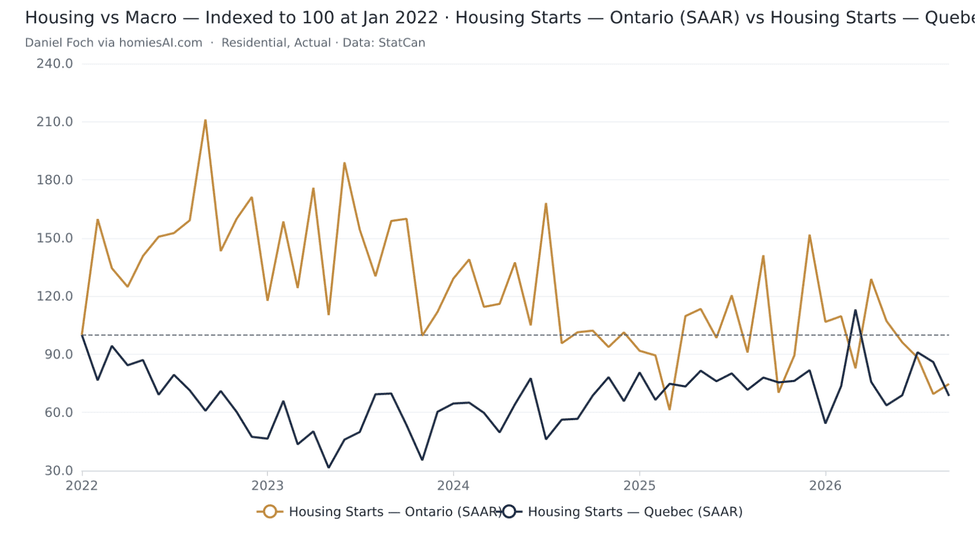 Chart: Housing starts, seasonally adjusted annual rate, Ontario vs Quebec, indexed to January 2022. Daniel Foch via homiesai.com/stats. Data: CMHC via Statistics Canada.
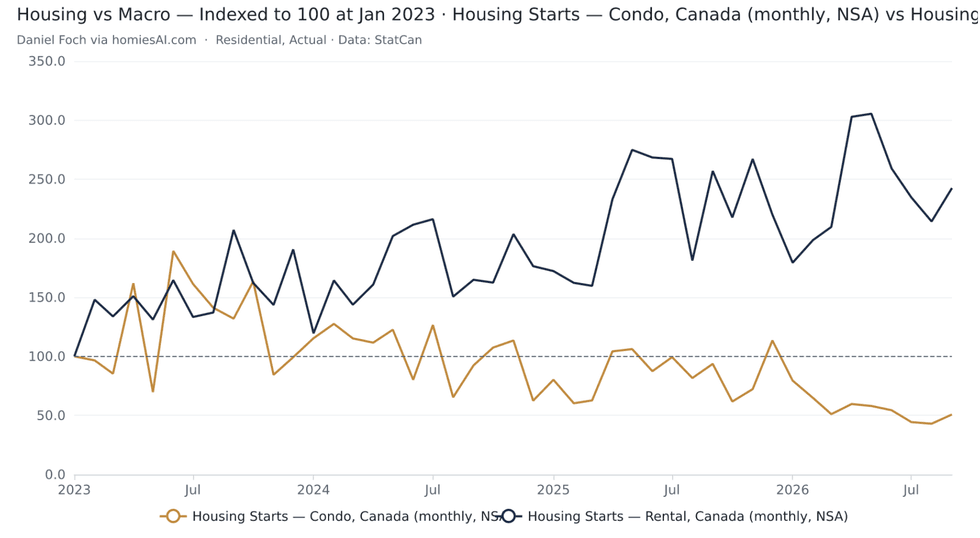 Chart: Condo vs rental housing starts, Canada, indexed to January 2023. Daniel Foch via homiesai.com/stats. Data: CMHC via Statistics Canada.
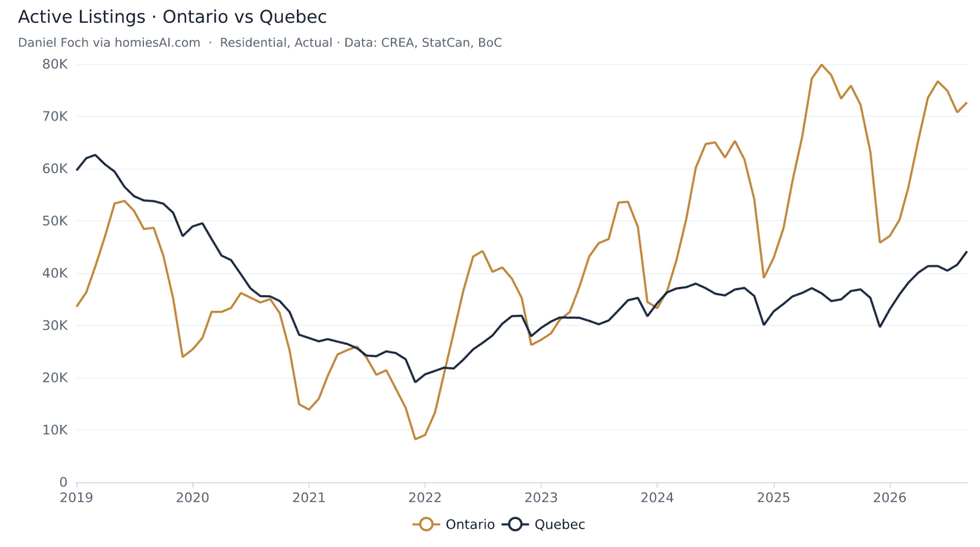 Chart: Active residential listings, Ontario vs Quebec. Daniel Foch via homiesai.com/stats. Data: CREA.

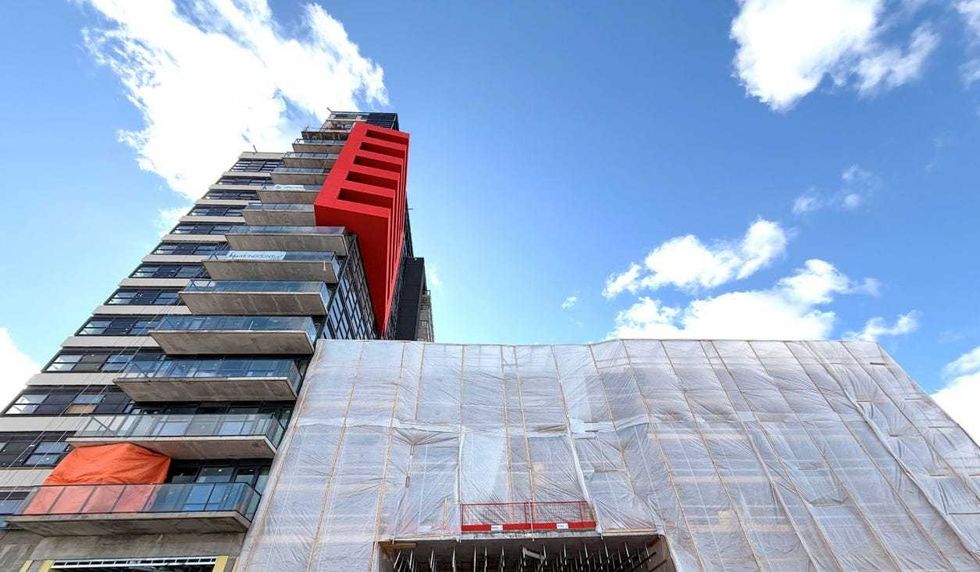 The Highlight of Mississauga as of March 2026. (Grant Thornton)

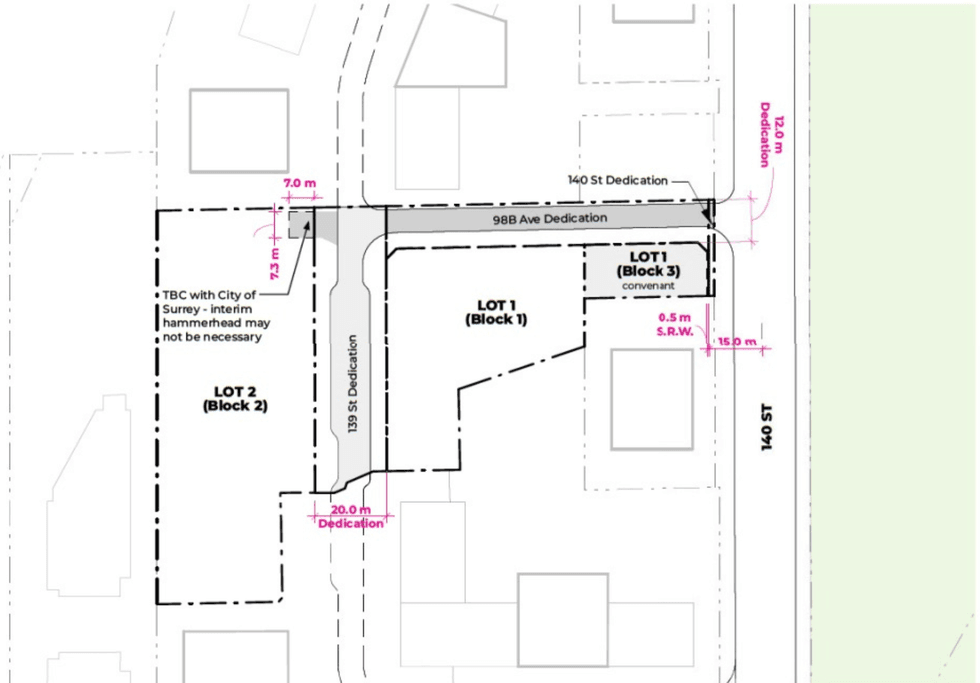 9883 140 Street and the proposed road dedications. (WW+P Architects, Entre Nous Femmes Housing Society)
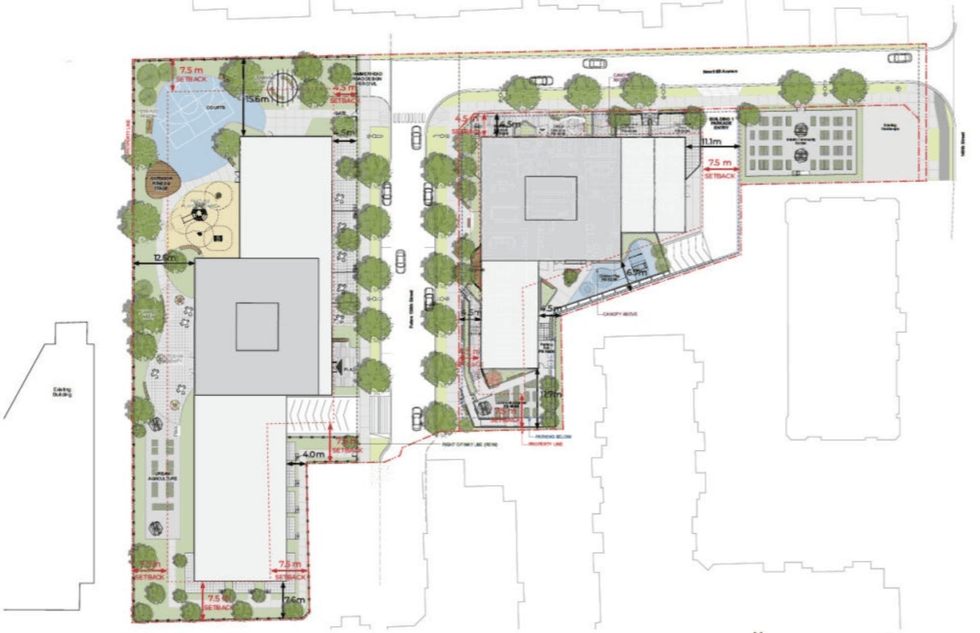 The
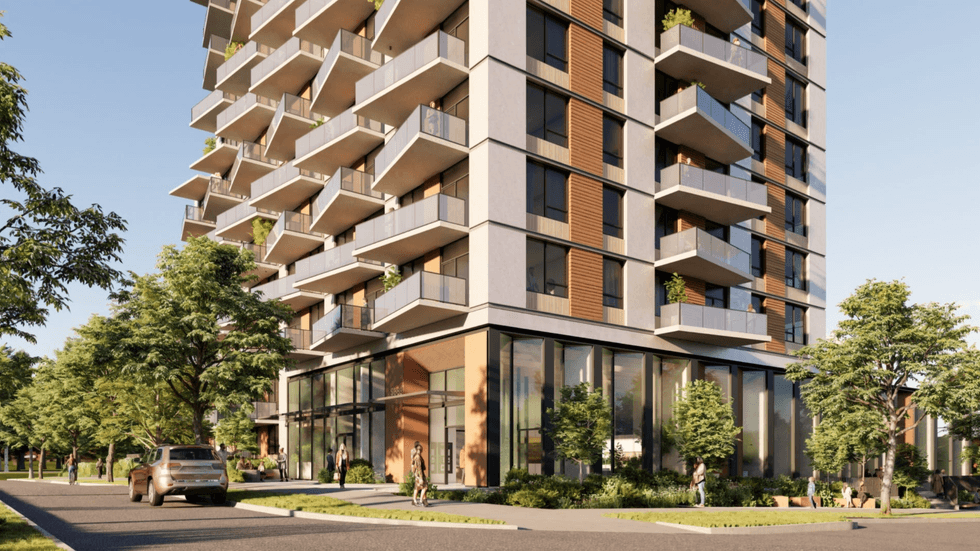 One of the towers proposed for 9883 140 Street. (Entres Nous Femmes Housing Society)

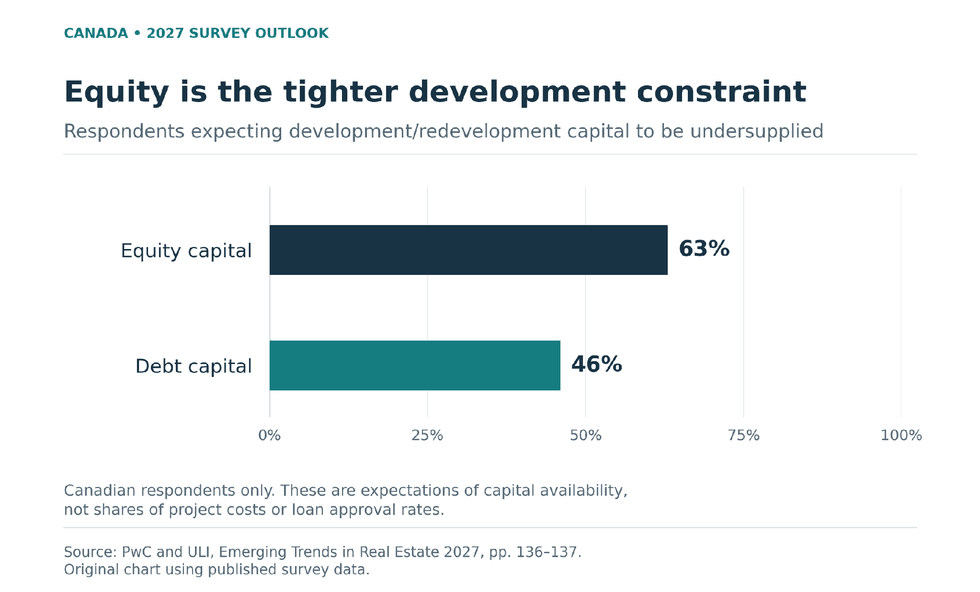 Canadian respondents were more likely to expect an undersupply of development/redevelopment equity capital (63%) than debt capital (46%) in 2027. These are survey expectations, not measured financing volumes. Source: PwC and ULI, Emerging Trends in Real Estate 2027, pp. 136–137. Original chart.
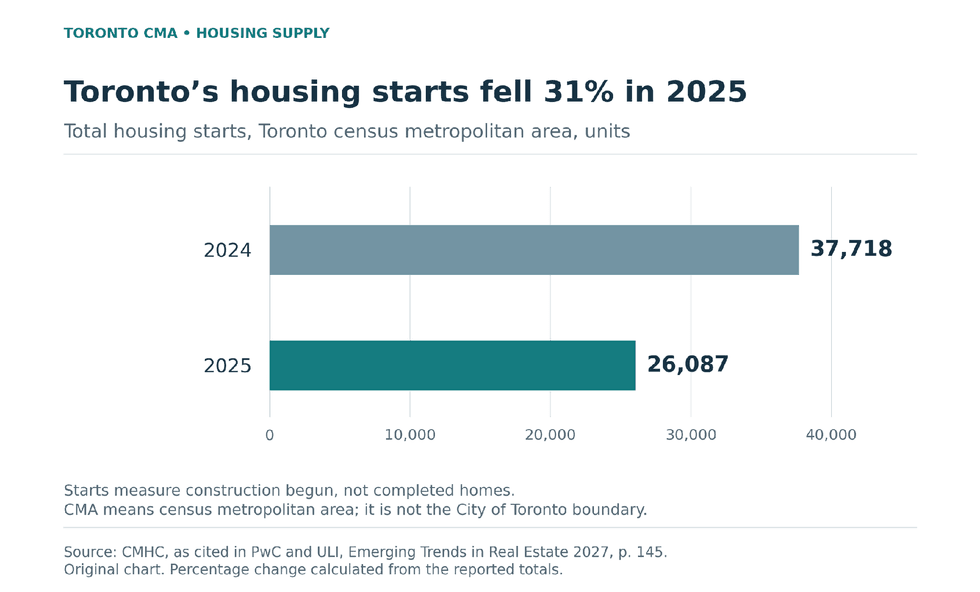 Toronto census metropolitan area housing starts fell from 37,718 units in 2024 to 26,087 in 2025, a 30.8% decline (rounded to 31%). Starts measure construction begun, not completed homes. Source: CMHC, as cited in PwC and ULI, Emerging Trends in Real Estate 2027, p. 145. Original chart.


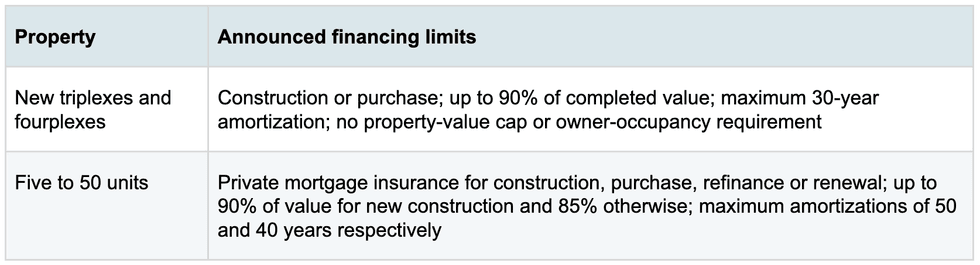
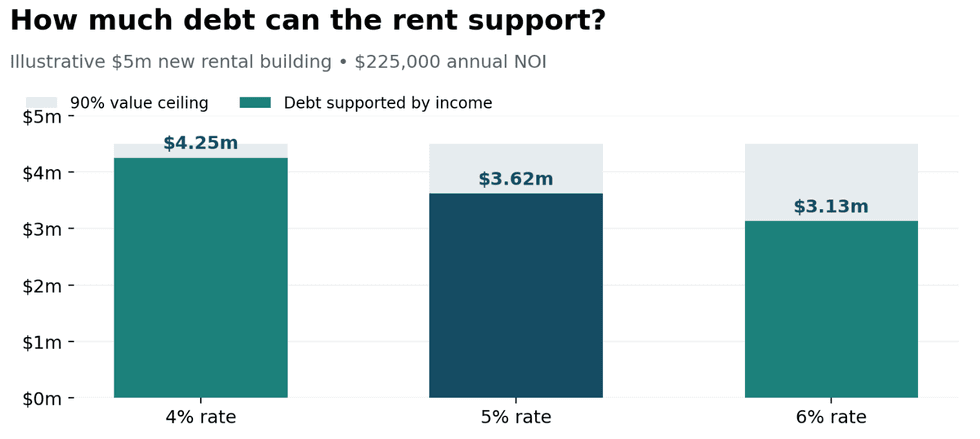 Illustrative calculation: a $4.5-million value ceiling versus income-based capacity of about $4.25 million at 4%, $3.62 million at 5% and $3.13 million at 6%. Assumes 50-year amortization and 1.15 debt coverage.
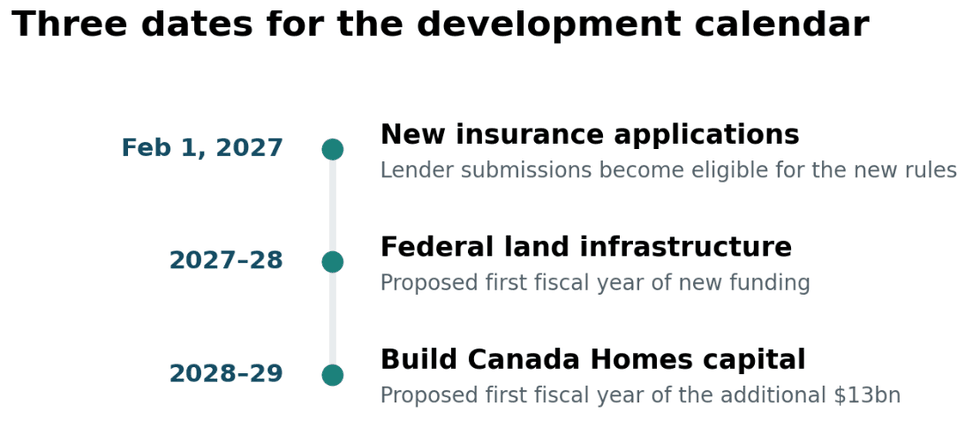 Source: Department of Finance missing-middle backgrounder and Budget 2026 Chapter 3, November 5, 2026. Fiscal-year funding starts are not home-completion dates.