Ground Lease
Understand ground leases in Canadian real estate — what they are, how they work, and their advantages for landlords and tenants.
August 08, 2025
What is a Ground Lease?
A ground lease is a long-term lease agreement in which a tenant leases the land from a landlord but owns and is responsible for any improvements made on it.
Why Ground Leases Matter in Real Estate
In Canadian commercial real estate, ground leases allow tenants to develop property without purchasing the land.
Key points:
- Terms often range from 20 to 99 years
- Improvements typically revert to the landowner at lease end
- Provides stable, long-term income for landlords
Understanding ground leases helps tenants and landlords align long-term investment goals.
Example of a Ground Lease in Action
The retailer entered a 50-year ground lease to build a flagship store on the leased land.
Key Takeaways
- Long-term lease of land, not buildings
- Tenant owns improvements during lease term
- Often reverts improvements to landlord at lease end
- Provides landlords with steady income
- Popular for commercial and institutional projects

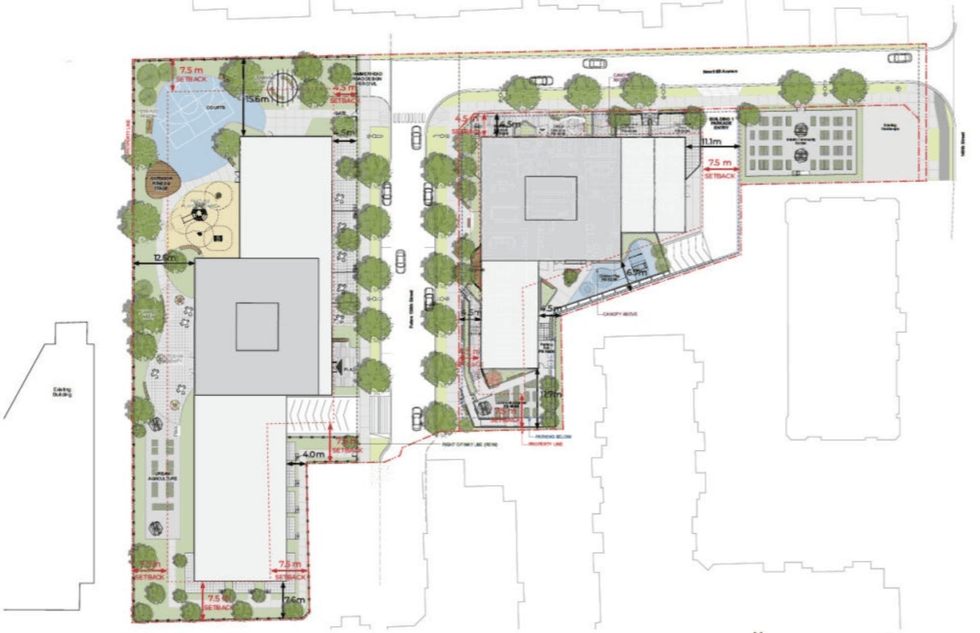
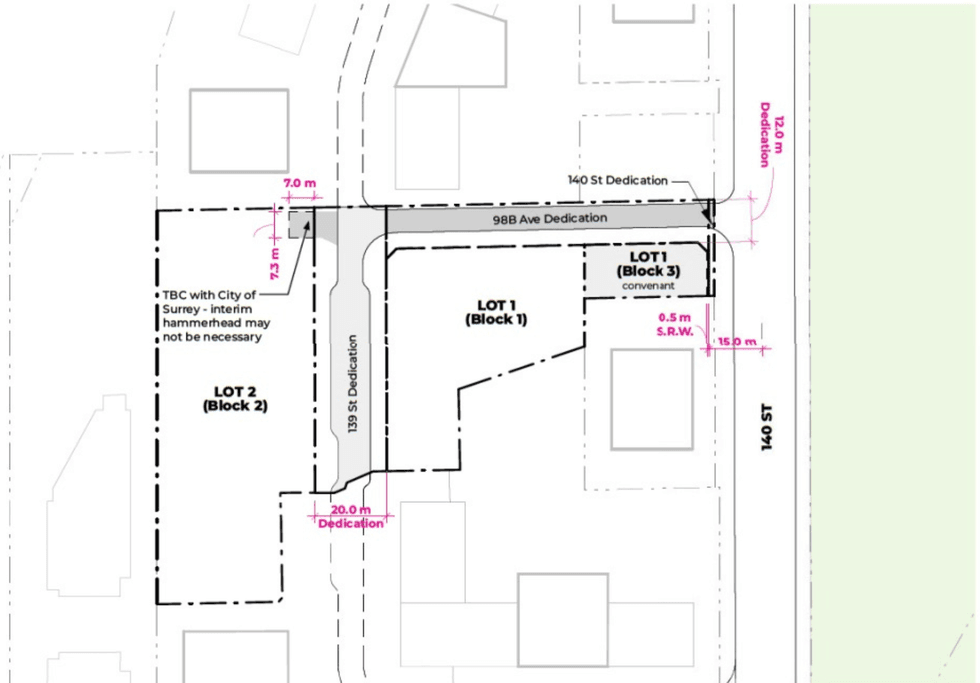 9883 140 Street and the proposed road dedications. (WW+P Architects, Entre Nous Femmes Housing Society)
 The
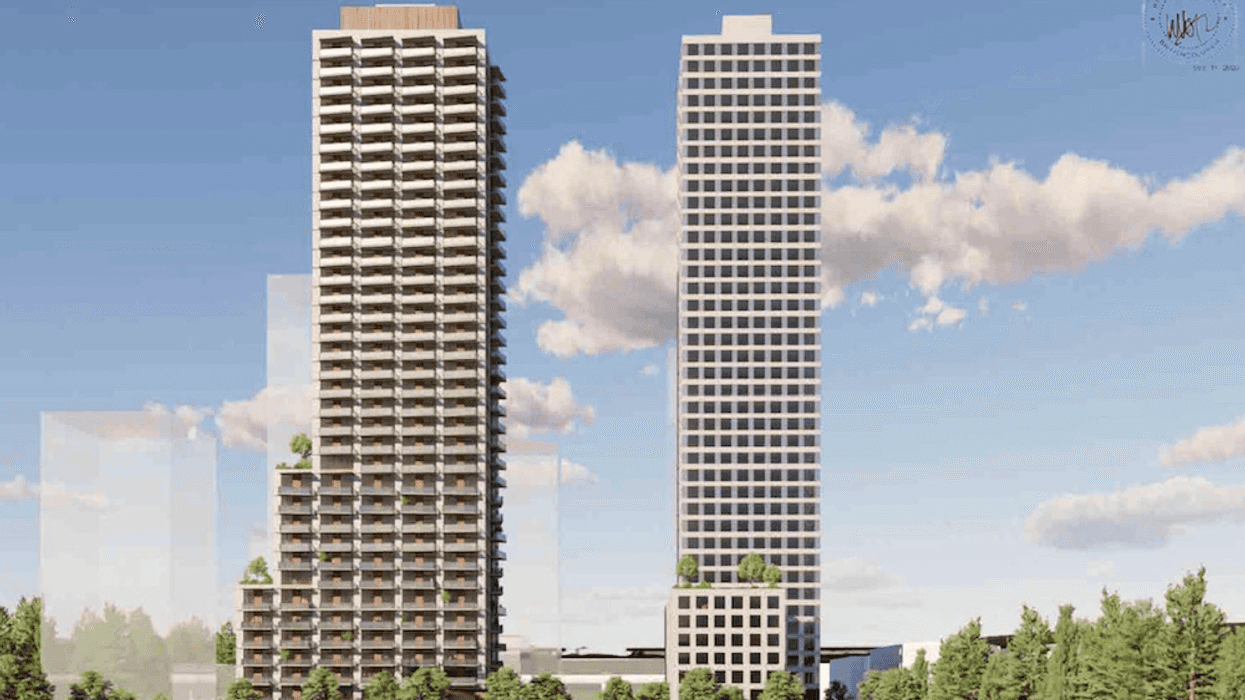
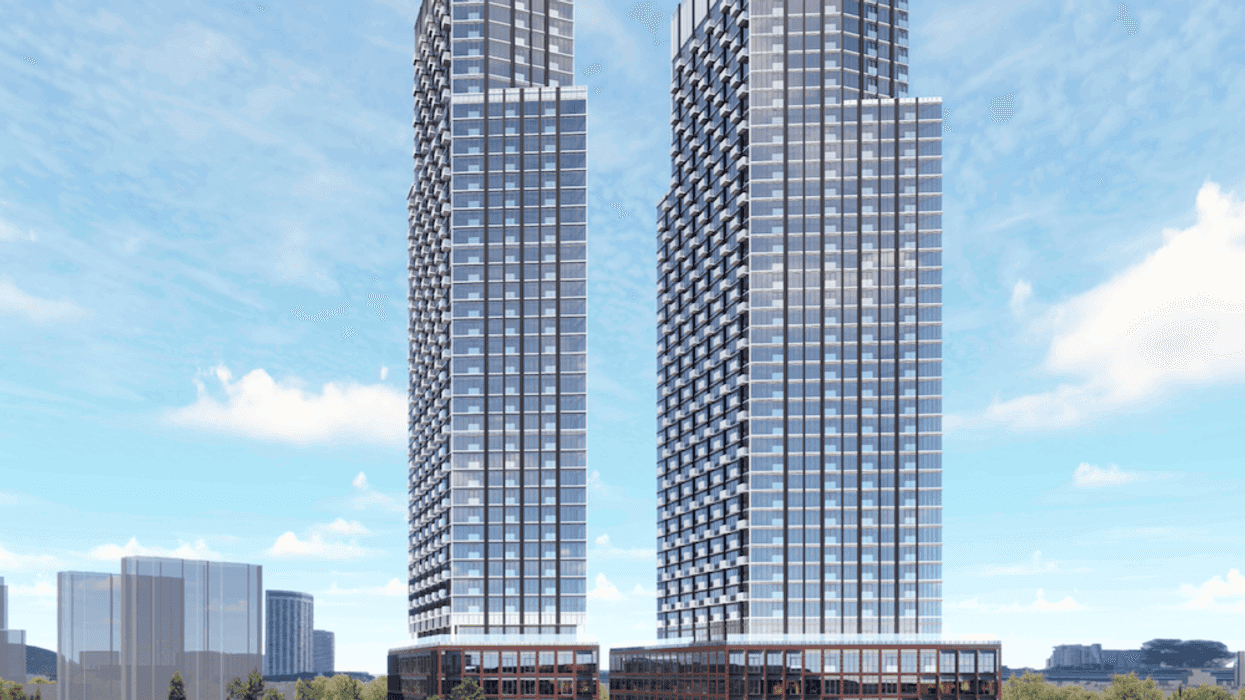
 One of the towers proposed for 9883 140 Street. (Entres Nous Femmes Housing Society)




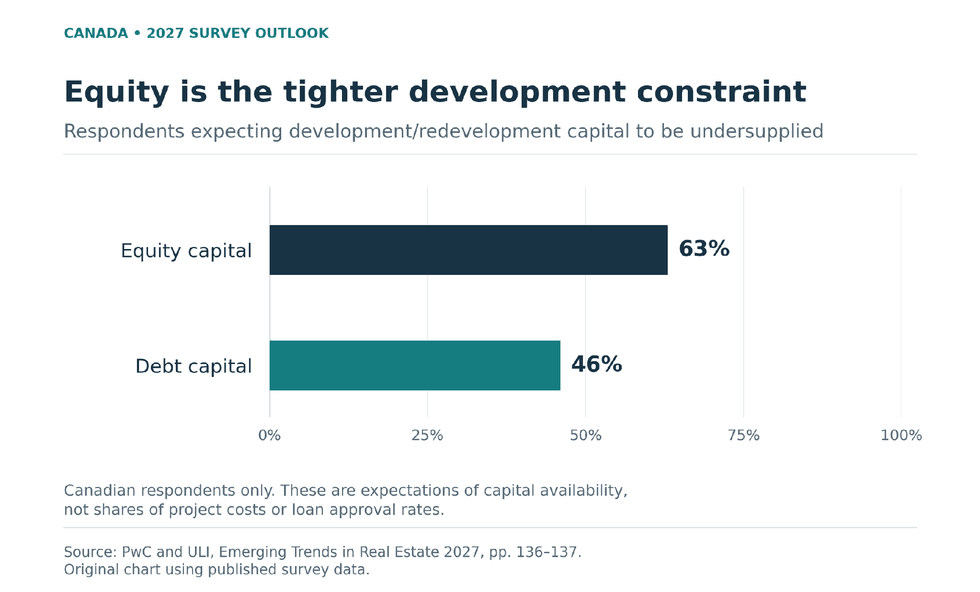 Canadian respondents were more likely to expect an undersupply of development/redevelopment equity capital (63%) than debt capital (46%) in 2027. These are survey expectations, not measured financing volumes. Source: PwC and ULI, Emerging Trends in Real Estate 2027, pp. 136–137. Original chart.
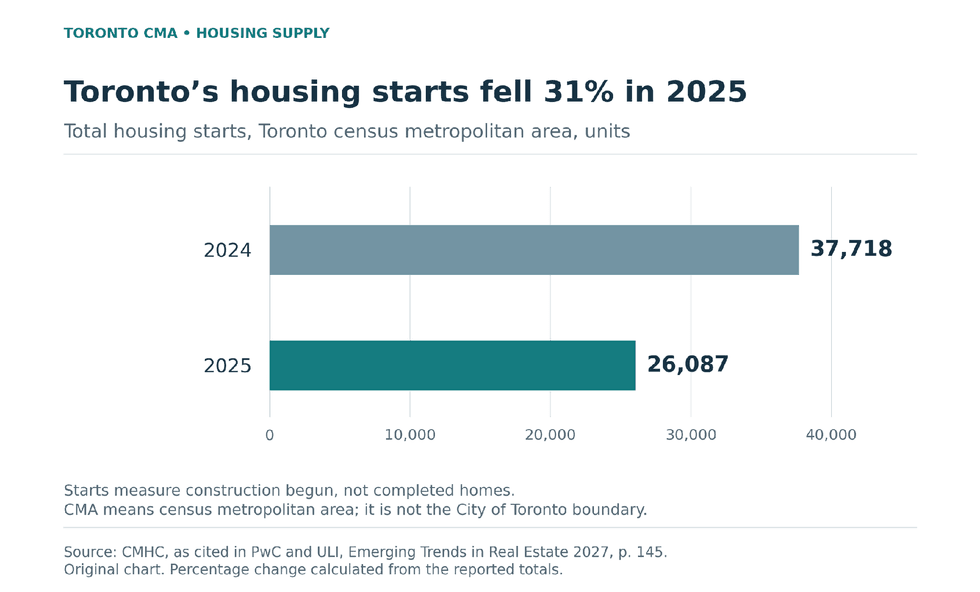 Toronto census metropolitan area housing starts fell from 37,718 units in 2024 to 26,087 in 2025, a 30.8% decline (rounded to 31%). Starts measure construction begun, not completed homes. Source: CMHC, as cited in PwC and ULI, Emerging Trends in Real Estate 2027, p. 145. Original chart.
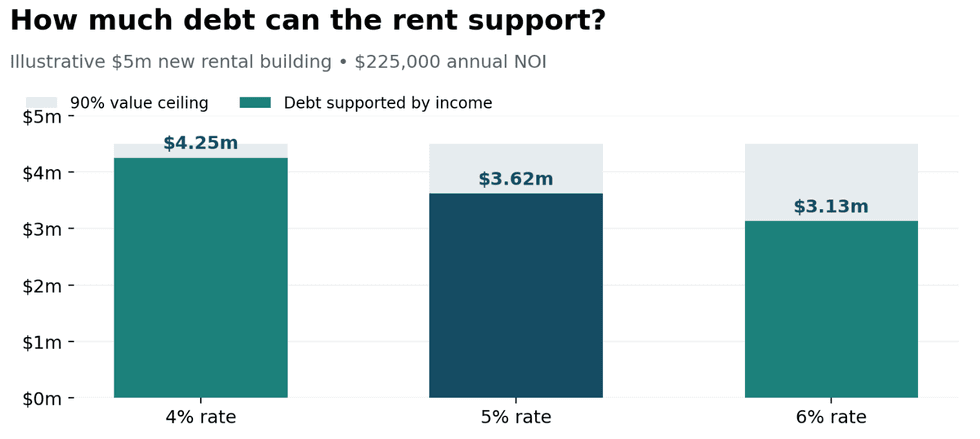 Illustrative calculation: a $4.5-million value ceiling versus income-based capacity of about $4.25 million at 4%, $3.62 million at 5% and $3.13 million at 6%. Assumes 50-year amortization and 1.15 debt coverage.
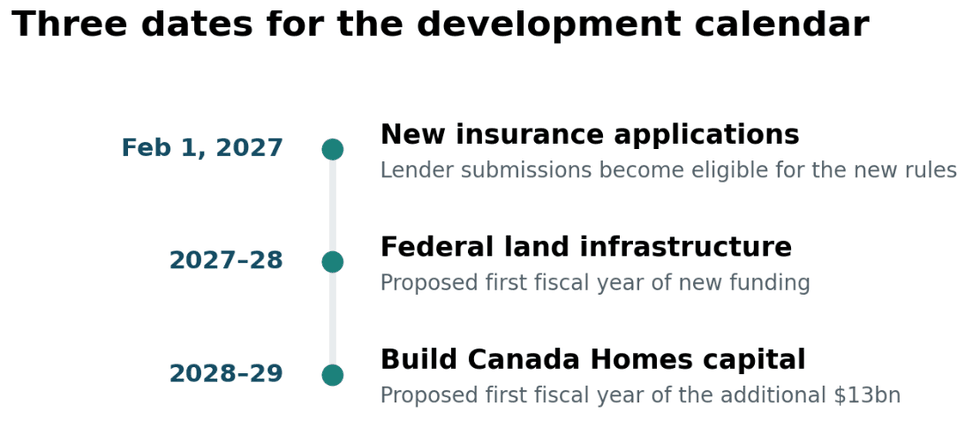 Source: Department of Finance missing-middle backgrounder and Budget 2026 Chapter 3, November 5, 2026. Fiscal-year funding starts are not home-completion dates.
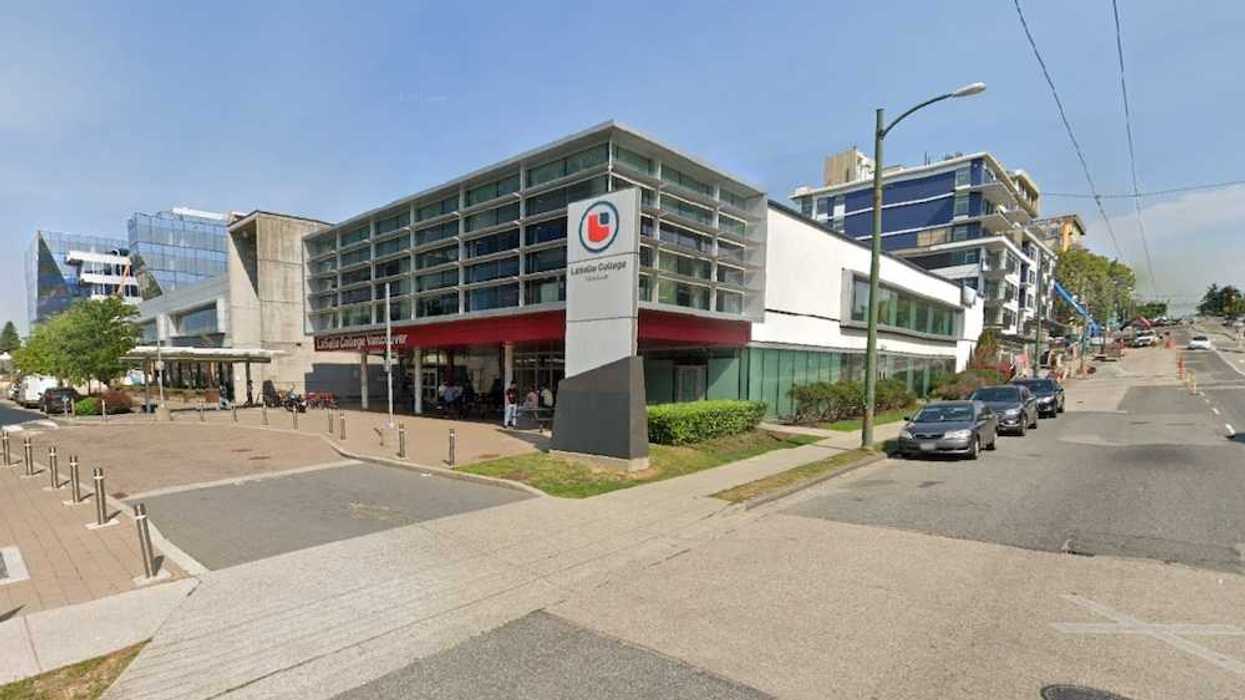
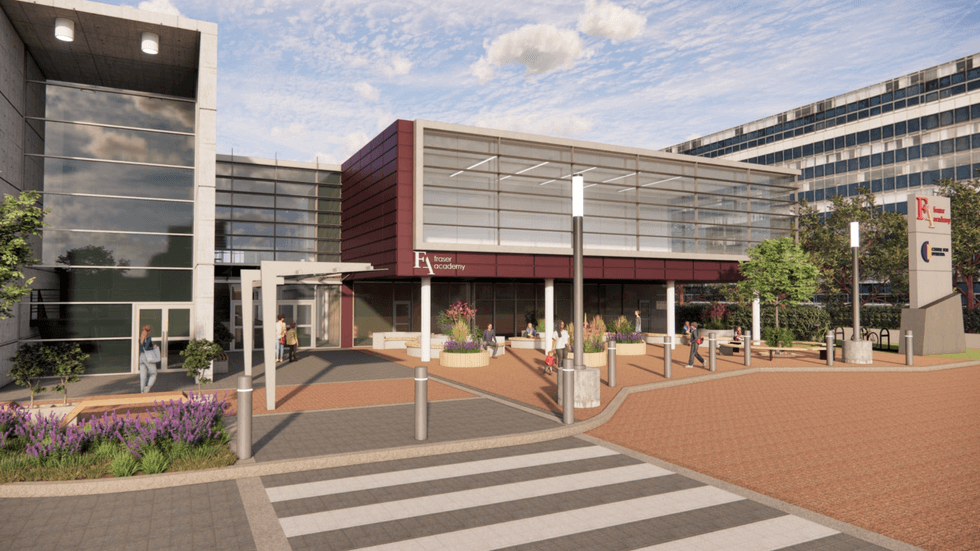 A rendering of Fraser Academy’s new campus. (Fraser Academy)

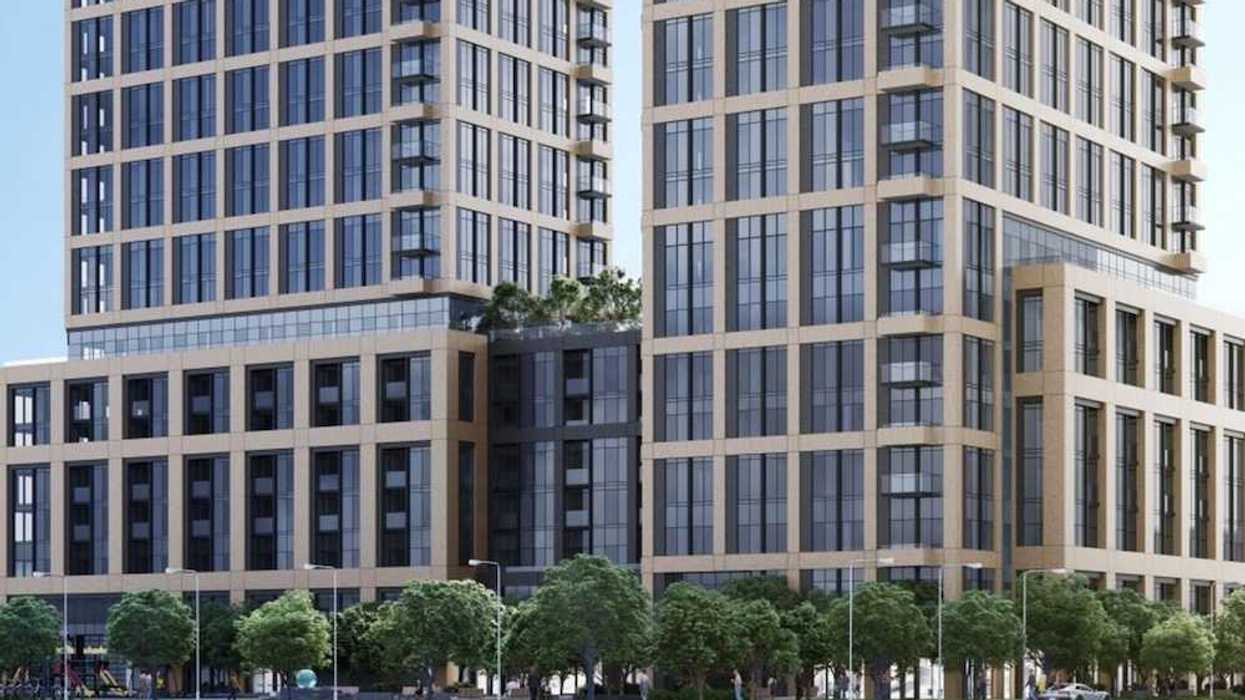
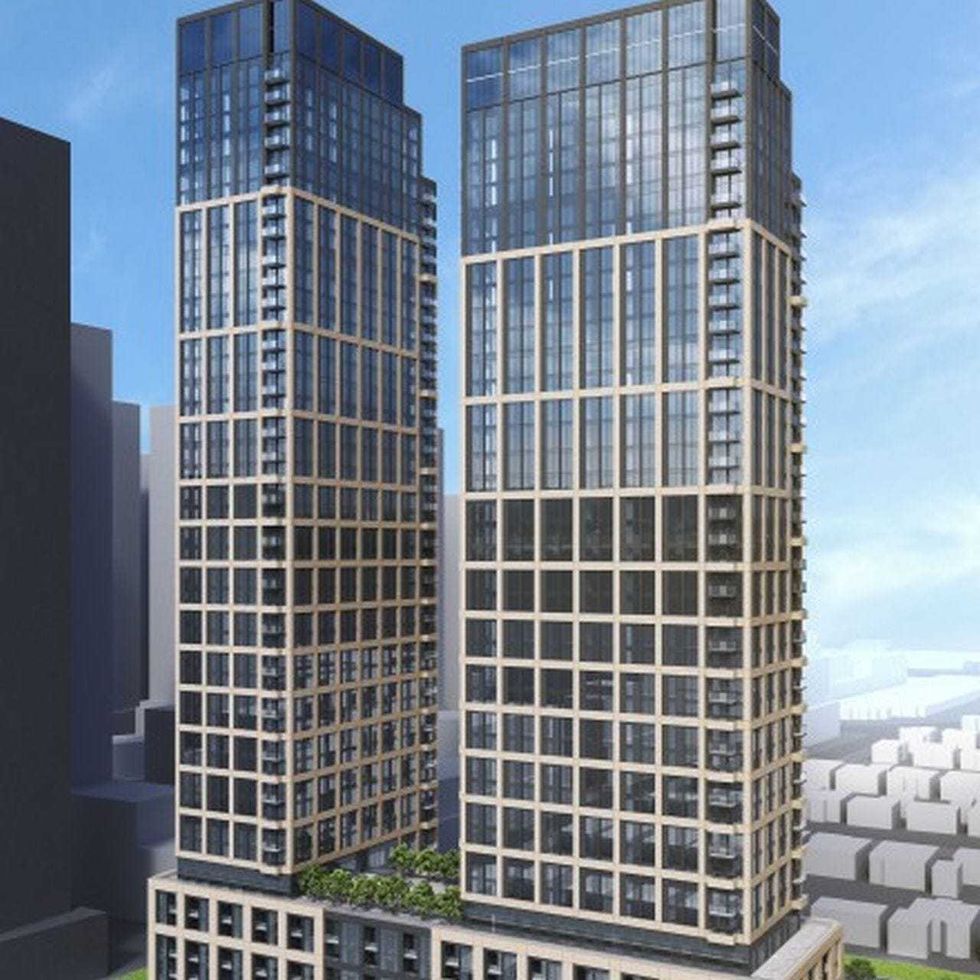 The project planned for 36-48 Steeles Avenue East and 37-49 Highland Park Boulevard in Markham. (Arcadis, Zonix Homes)