Leasehold Estate
Understand leasehold estates in Canadian real estate — what they are, how they work, and their implications for property value.
August 08, 2025
What is a Leasehold Estate?
A leasehold estate is an interest in real property where a tenant holds the right to use and occupy the property for a specified term under a lease agreement.
Why Leasehold Estates Matter in Real Estate
In Canadian real estate, leasehold estates allow tenants long-term use of land or property without owning it outright.
Key points:
- Lease terms can range from short-term to 99 years or more
- Tenant’s rights and obligations defined in the lease
- Leasehold interests may be sold or assigned with landlord consent
Understanding leasehold estates helps buyers and tenants evaluate property value and obligations.
Example of a Leasehold Estate in Action
The buyer purchased a condo on leasehold land with 70 years remaining on the leasehold estate.
Key Takeaways
- Tenant’s right to use property for a fixed term
- Lease terms define rights and responsibilities
- Common in commercial and some residential settings
- May affect financing and resale value
- Requires understanding of lease conditions
Related Terms
- Ground Lease
- Lease Agreement
- Fee Simple
- Net Lease
- Title Search
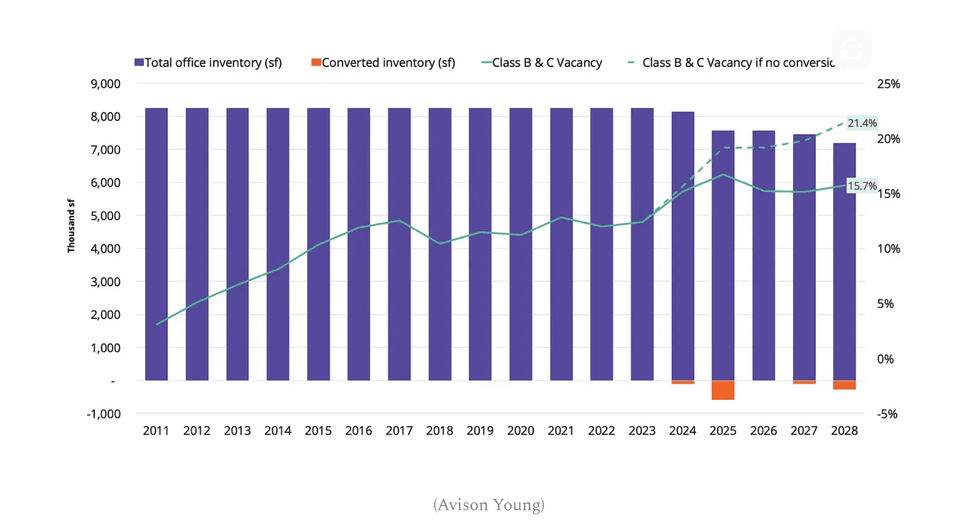 (Avison Young)
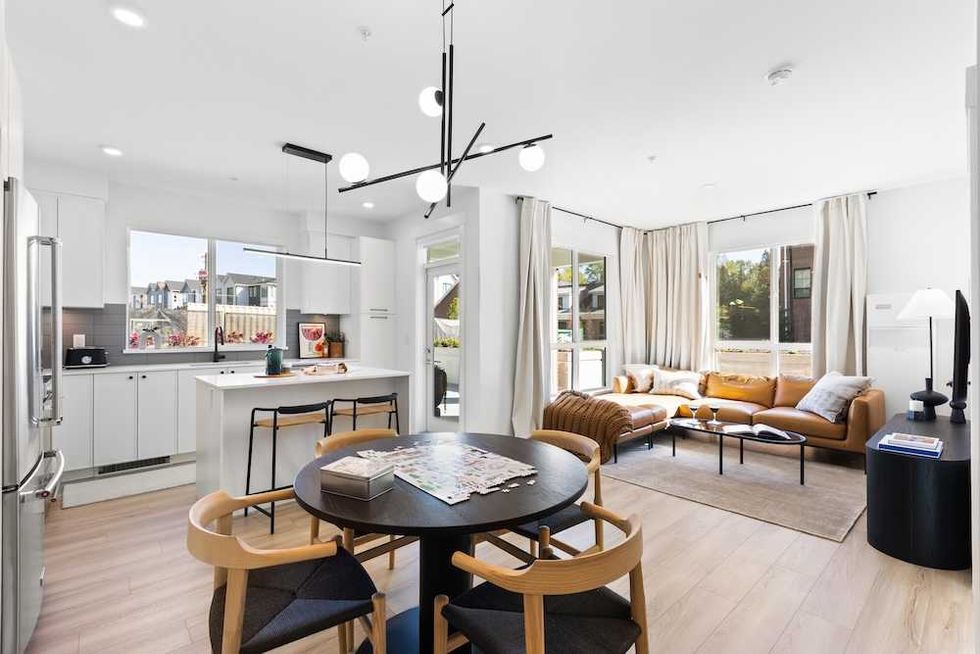 The Mason Suite Interior (Infinity Properties)
 The Mason Suite Interior (Infinity Properties)
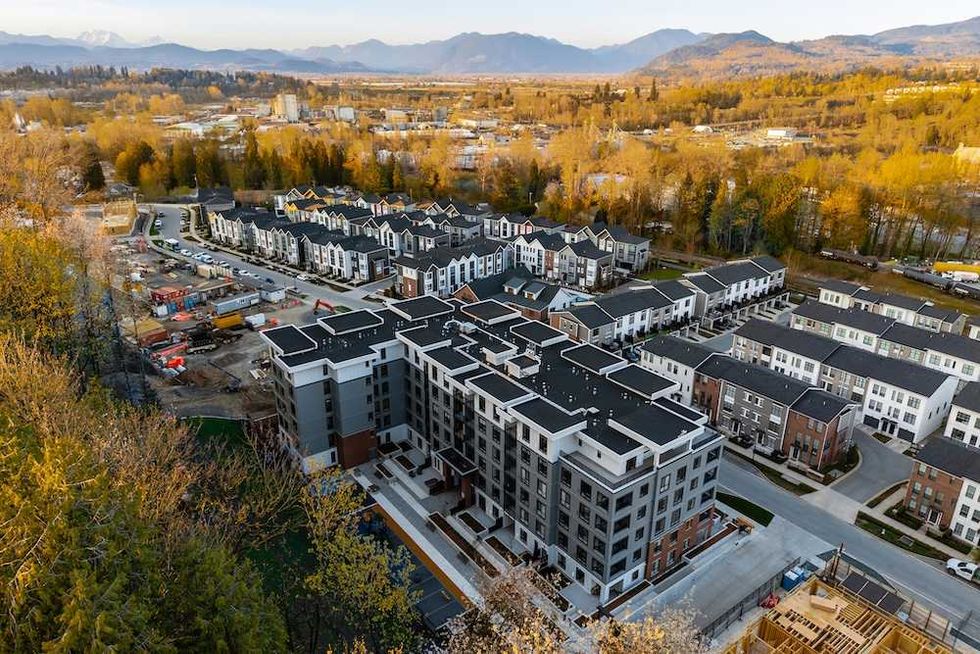 Rail District aerial (Infinity Properties)
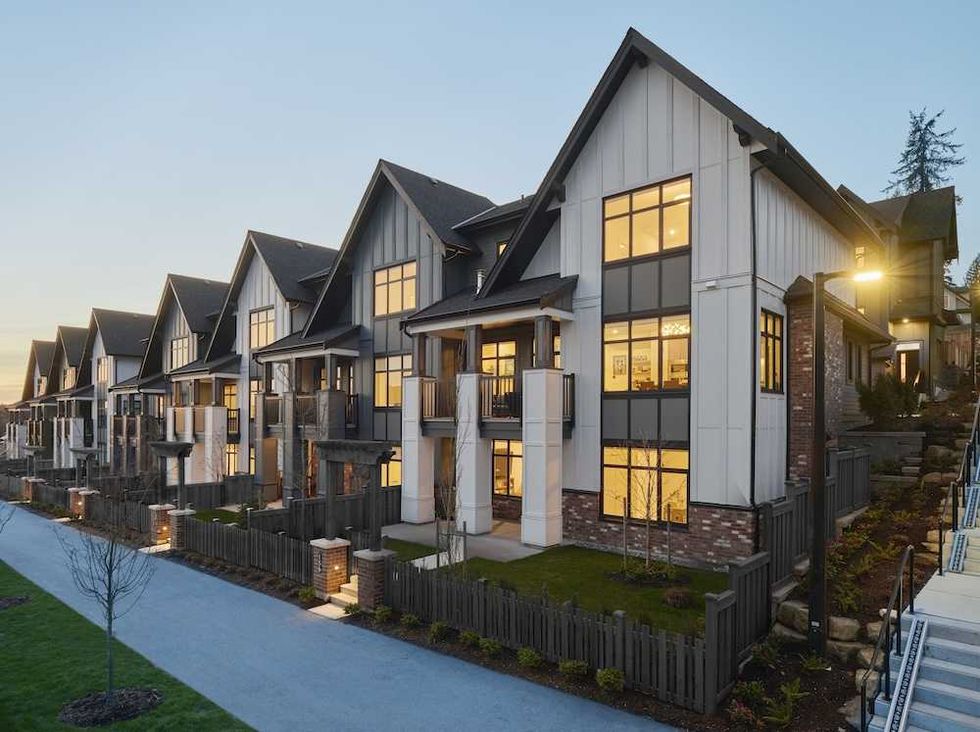 Versant (Infinity Properties)





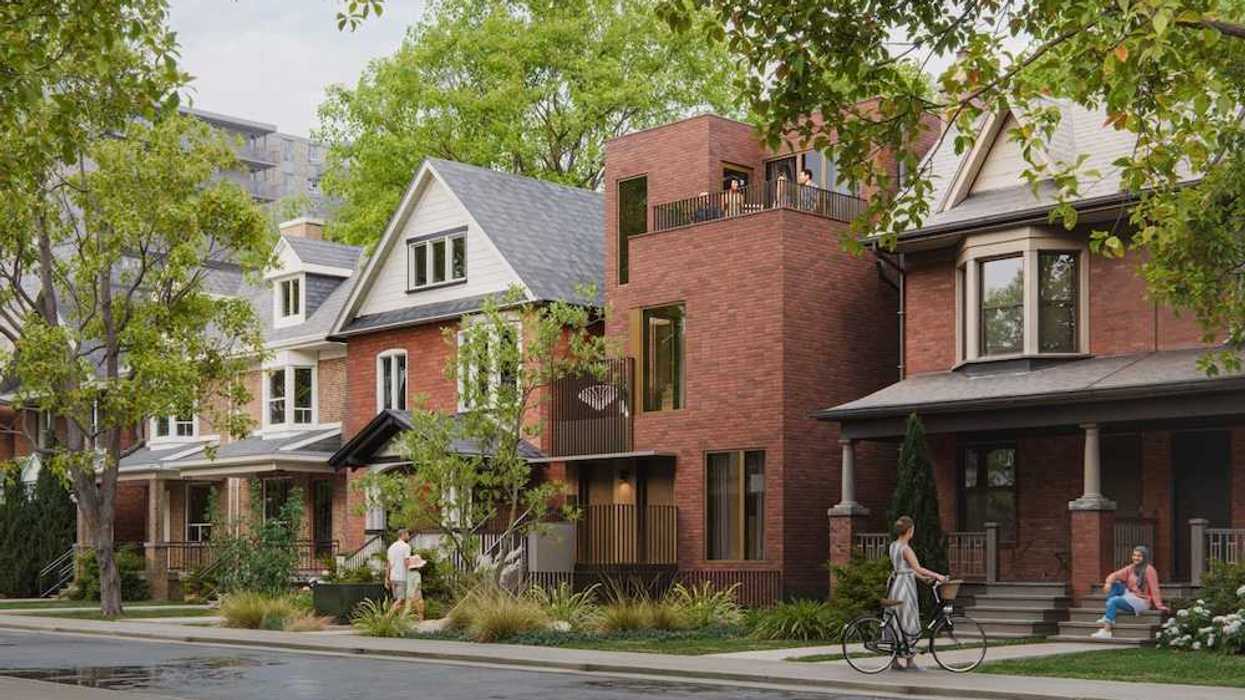
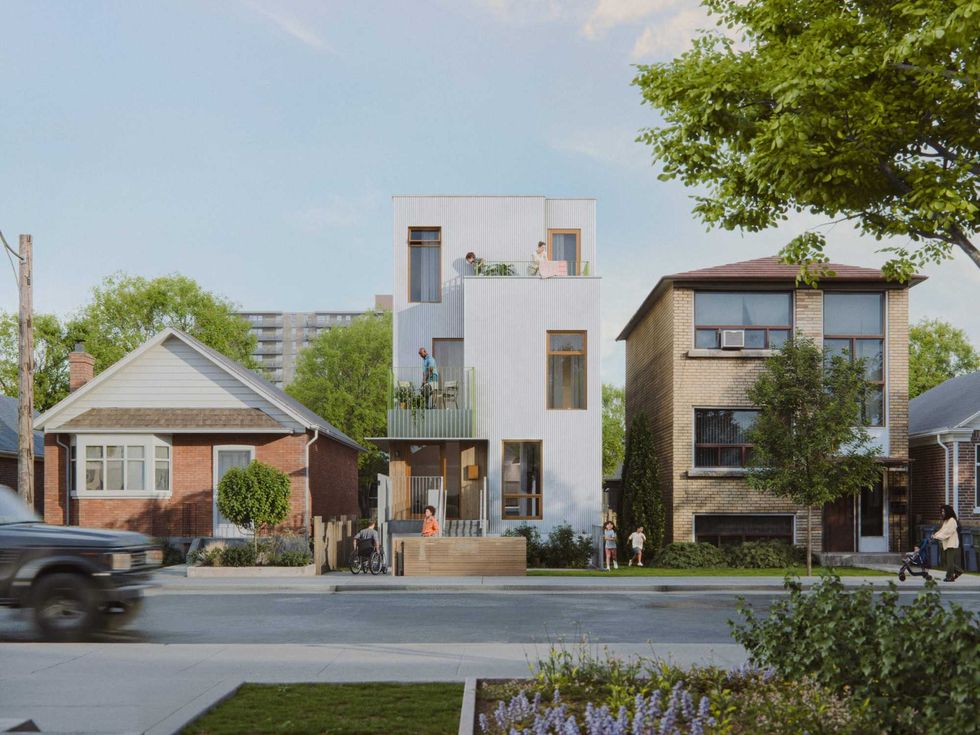 Narrow Fourplex (City of Toronto)
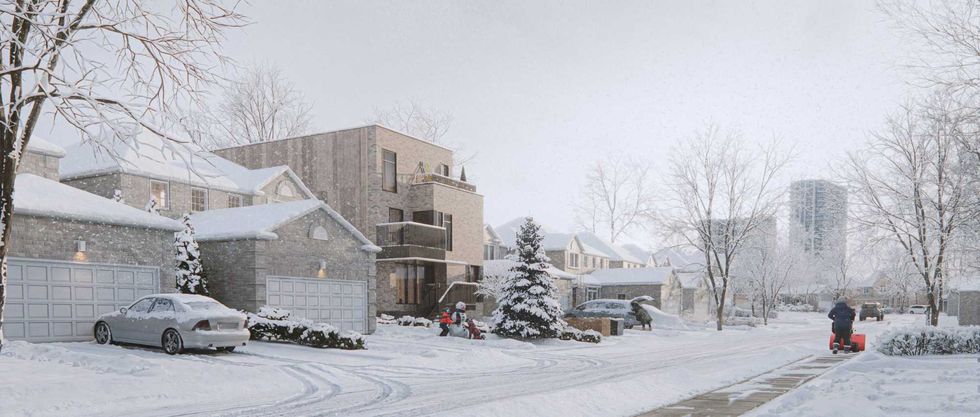 Wide Sixplex - Side View (City of Toronto)
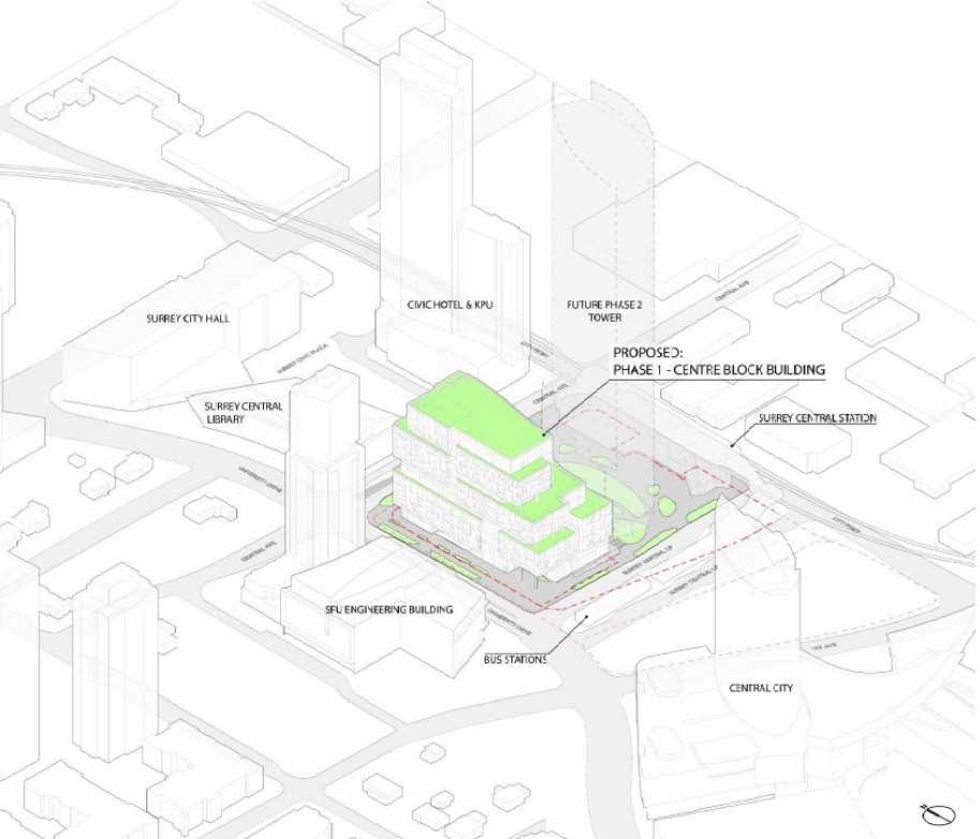 Centre Block and its surrounding context. (Stantec-Revery, SCDC)
 The 12-storey Phase One of Centre Block. (Stantec-Revery, SCDC)
 The 12-storey Phase One of Centre Block. (Stantec-Revery, SCDC)
 Mondria One, set for 1607 King Street East in Clarington, Ontario. (ICON Architects Inc., Monde Development Group)