Fee Simple
Learn about fee simple ownership in Canadian real estate — what it means, its rights, and how it differs from other property tenures.

July 29, 2025
What is Fee Simple?
Fee simple is the highest form of property ownership in Canada, granting the owner full rights to use, sell, or bequeath the property, subject to applicable laws.
Why Fee Simple Matters in Real Estate
In Canadian real estate, fee simple ownership offers the most complete control over land and buildings, compared to leasehold or other forms of tenure.
Key characteristics:
- Unlimited duration of ownership
- Right to transfer, mortgage, or lease
- Subject to zoning, taxes, and regulations
Understanding fee simple helps buyers and investors assess property rights and restrictions.
Example of Fee Simple in Action
The buyer purchased a fee simple home, gaining full ownership of the house and land.
Key Takeaways
- Full ownership of land and improvements
- Most complete property rights
- Subject to laws and taxes
- Can be sold, mortgaged, or inherited
- Common in residential real estate
Related Terms
- Freehold vs. Leasehold
- Deed
- Title Search
- Legal Title
- Zoning
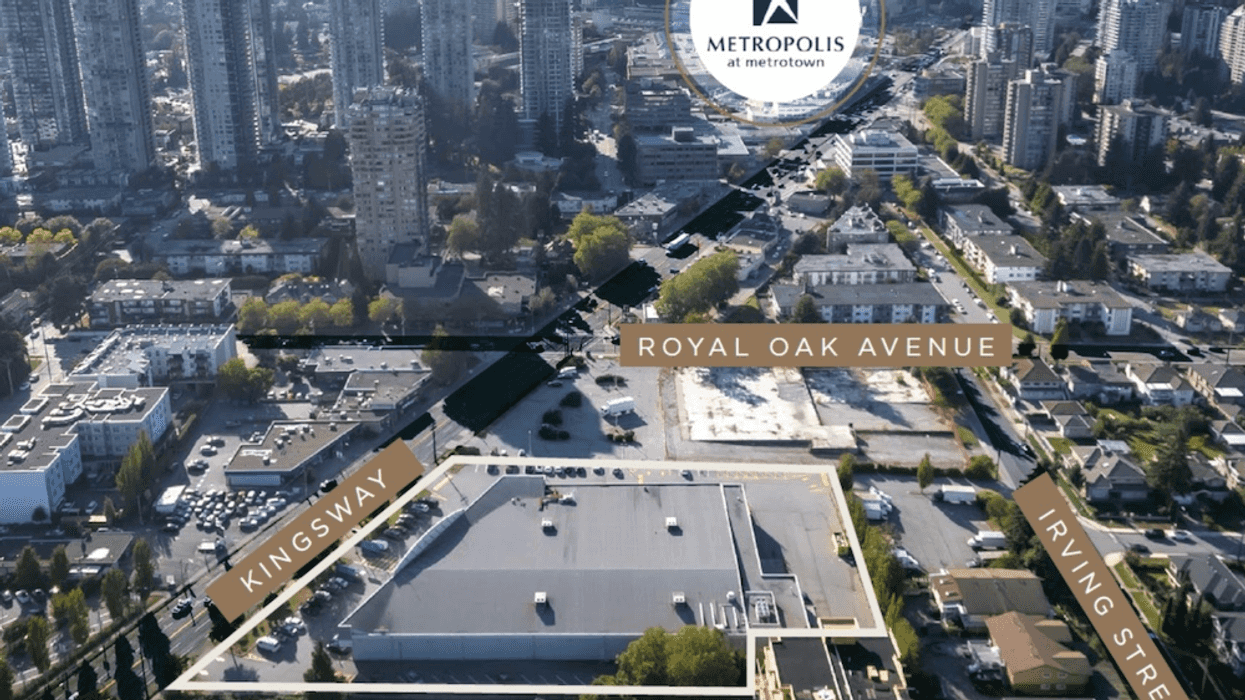
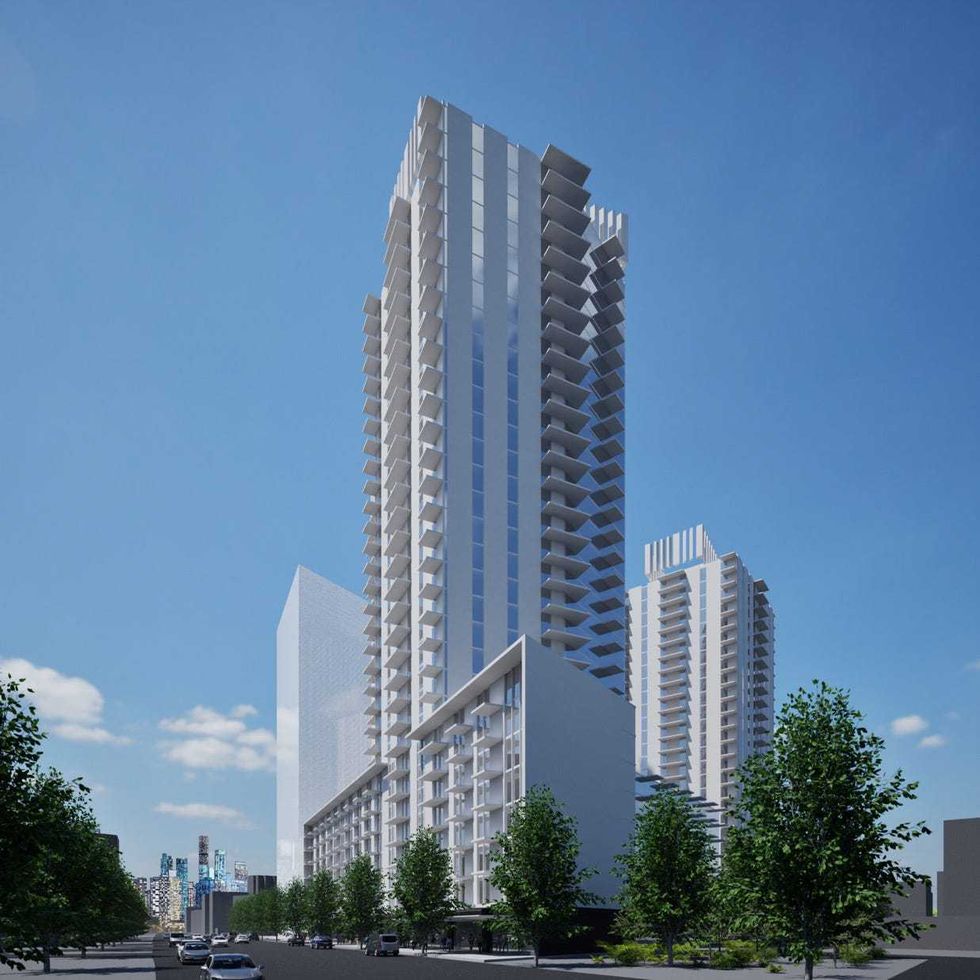 A preliminary conceptual development for 5335 Kingsway in Burnaby. (Arcadis, JLL)


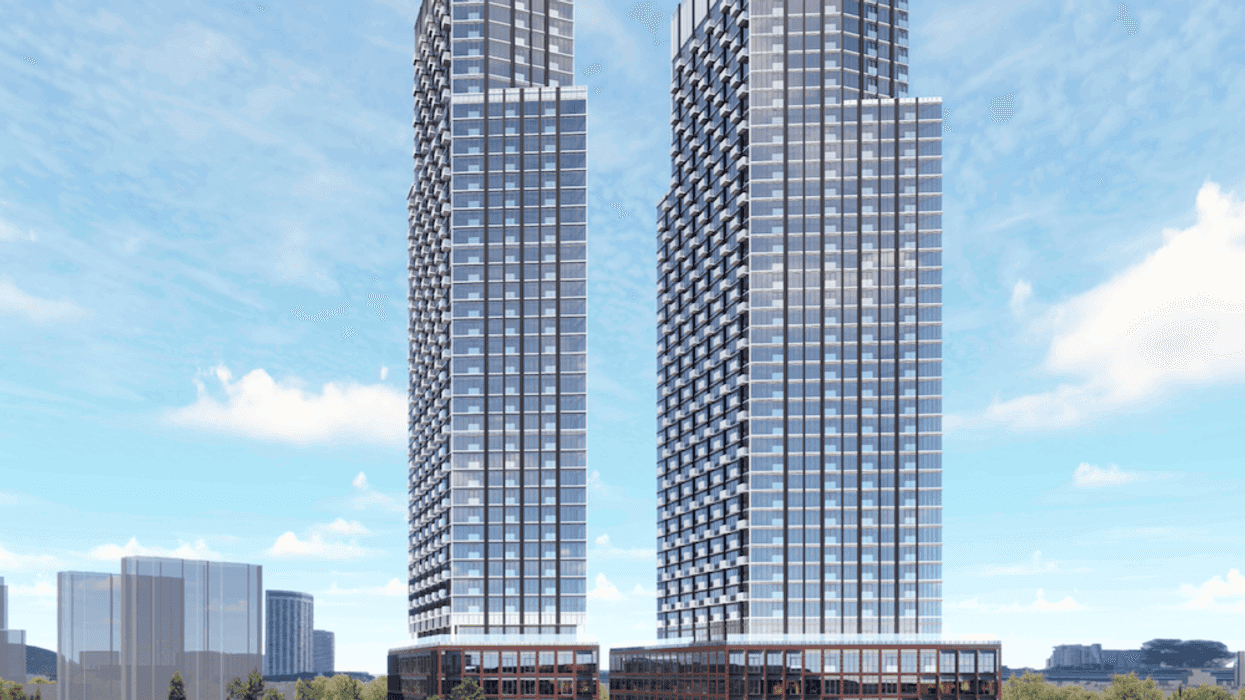

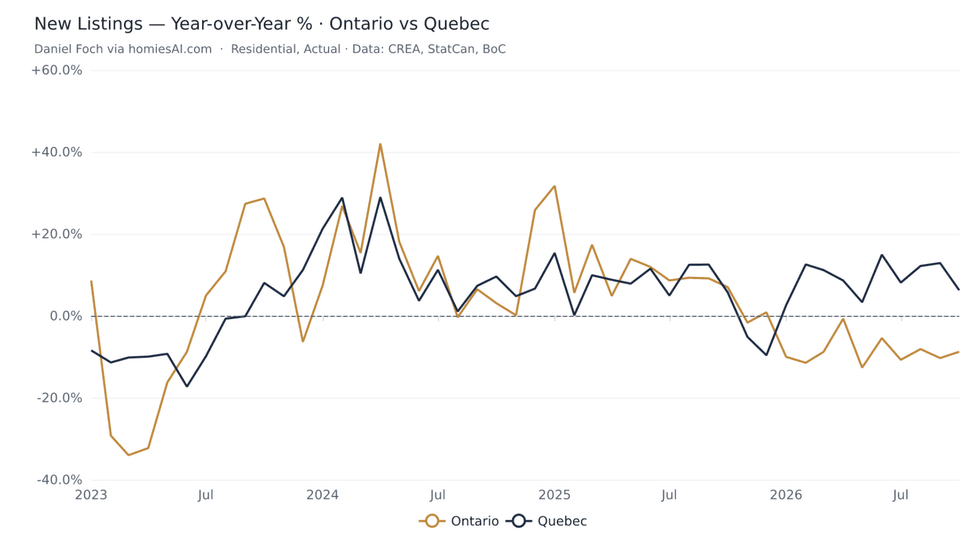 Chart: New listings, year-over-year %, Ontario vs Quebec. Daniel Foch via homiesai.com/stats. Data:
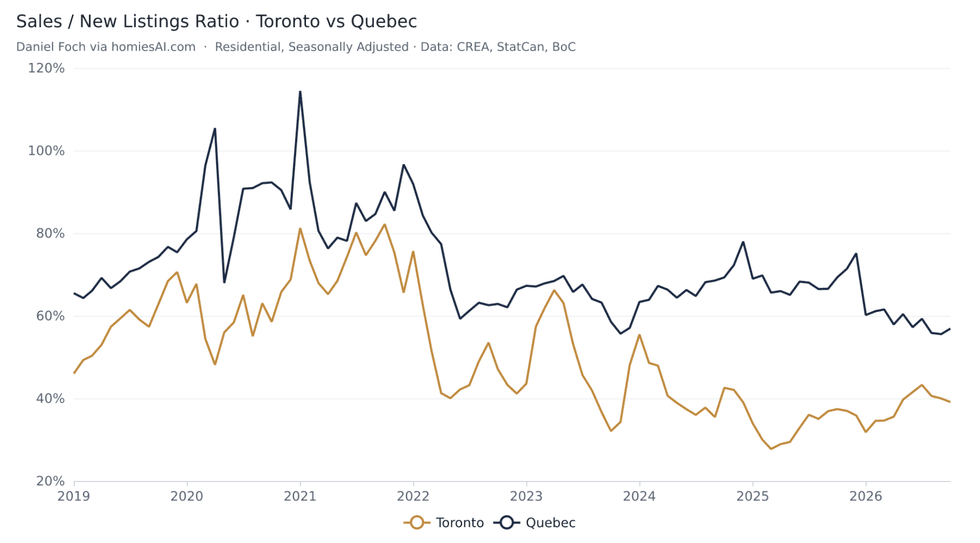 Chart: Sales-to-new-listings ratio, seasonally adjusted. Toronto vs Quebec. Daniel Foch via homiesai.com/stats. Data: CREA.
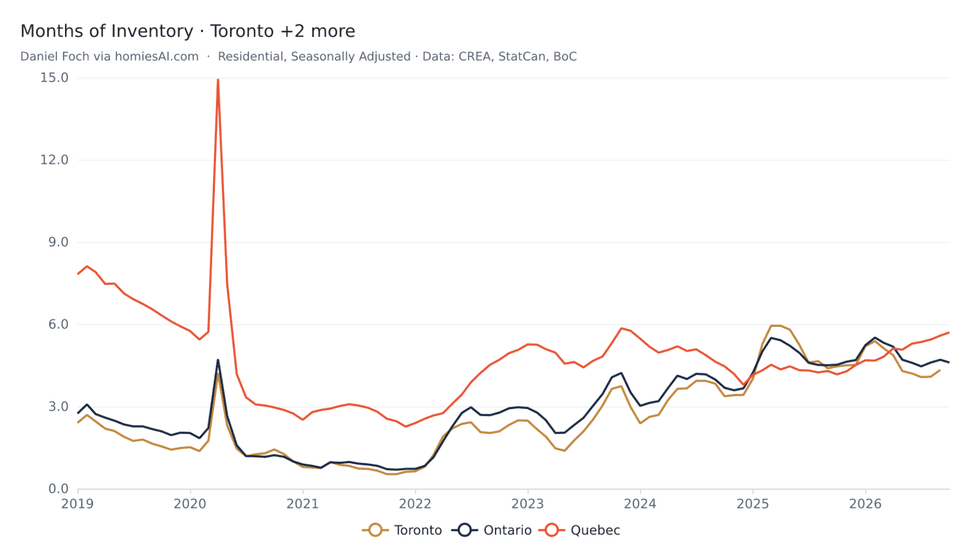 Chart: Months of inventory, seasonally adjusted. Daniel Foch via homiesai.com/stats. Data: CREA.
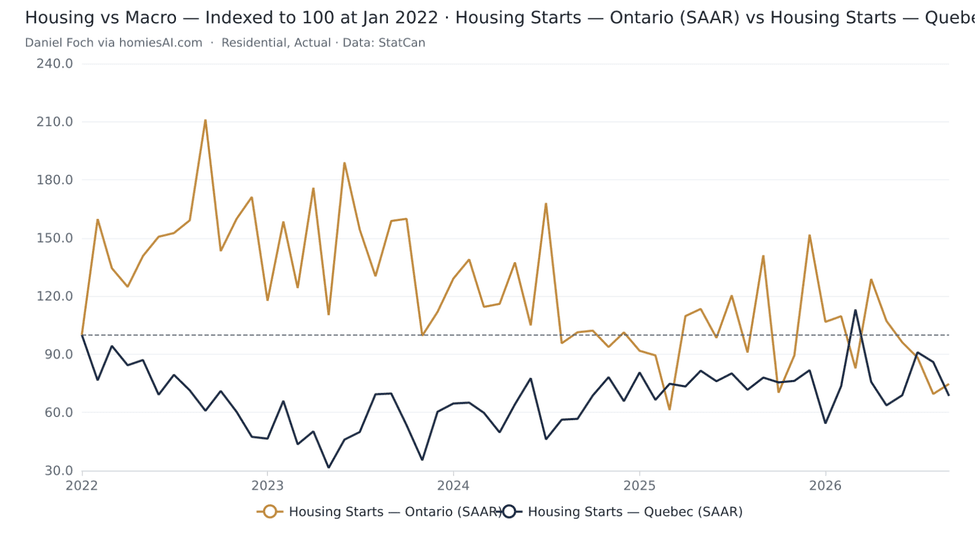 Chart: Housing starts, seasonally adjusted annual rate, Ontario vs Quebec, indexed to January 2022. Daniel Foch via homiesai.com/stats. Data: CMHC via Statistics Canada.
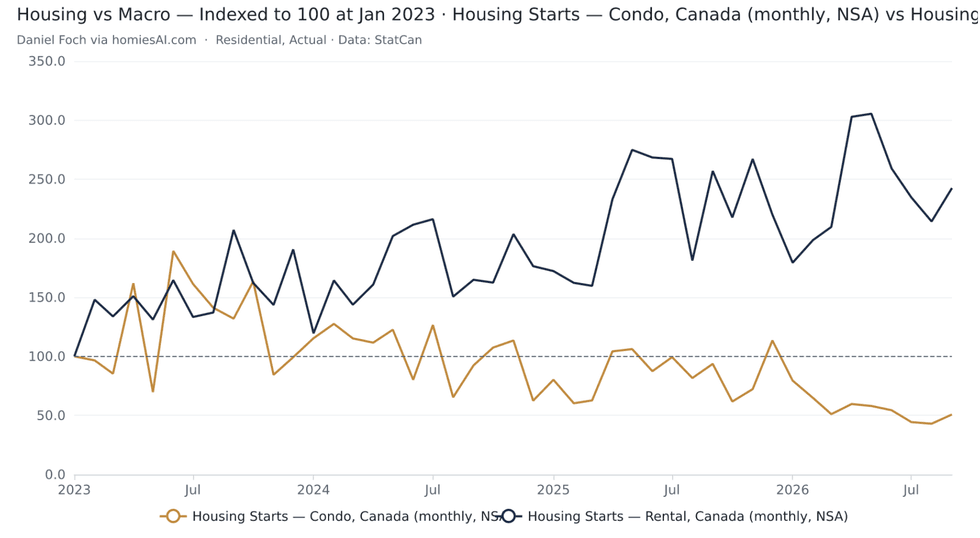 Chart: Condo vs rental housing starts, Canada, indexed to January 2023. Daniel Foch via homiesai.com/stats. Data: CMHC via Statistics Canada.
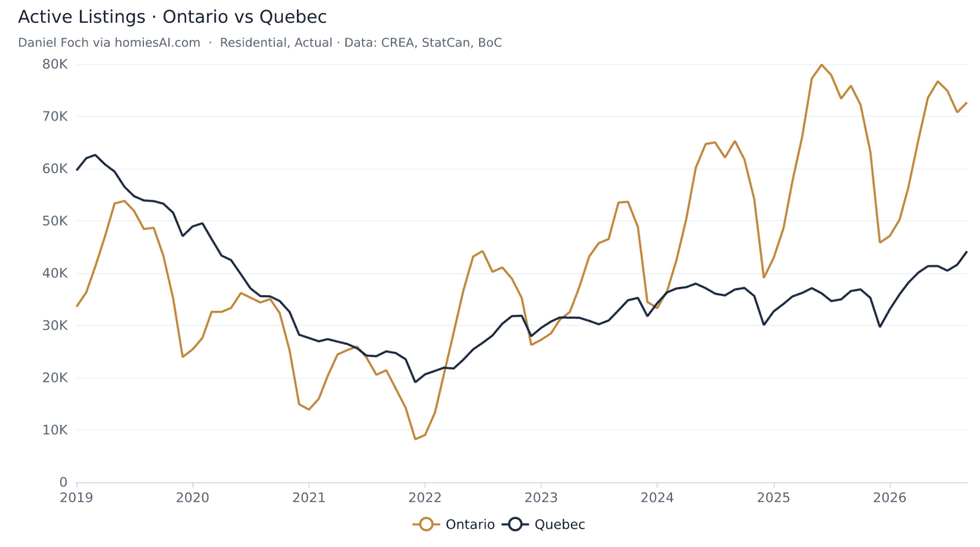 Chart: Active residential listings, Ontario vs Quebec. Daniel Foch via homiesai.com/stats. Data: CREA.
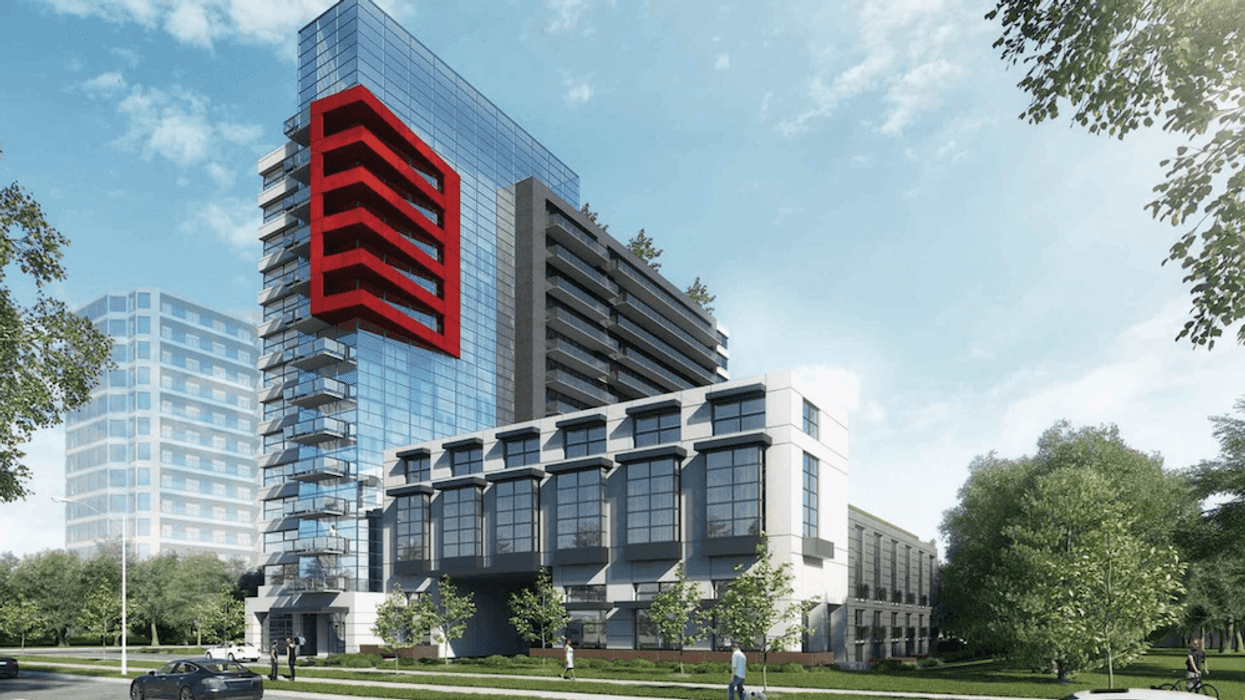
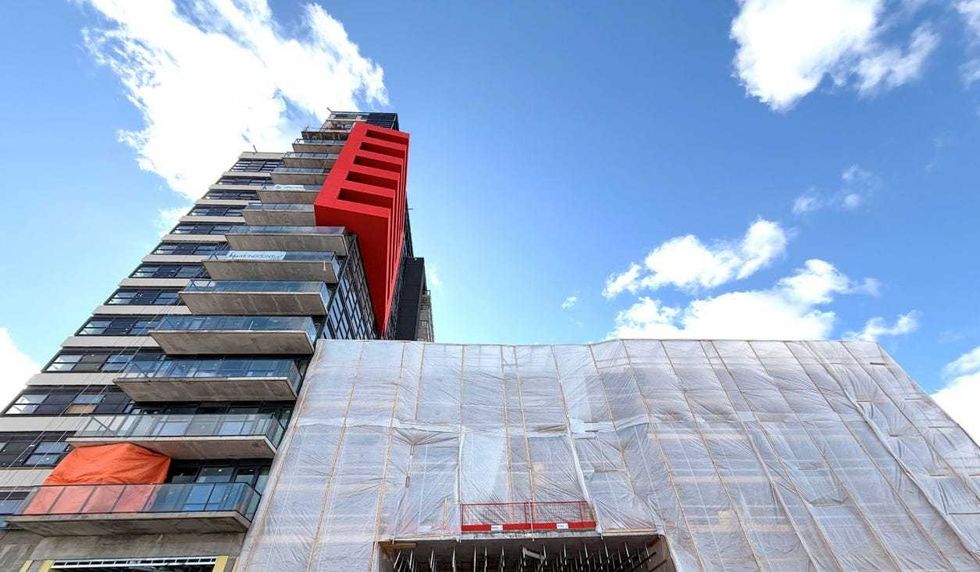 The Highlight of Mississauga as of March 2026. (Grant Thornton)
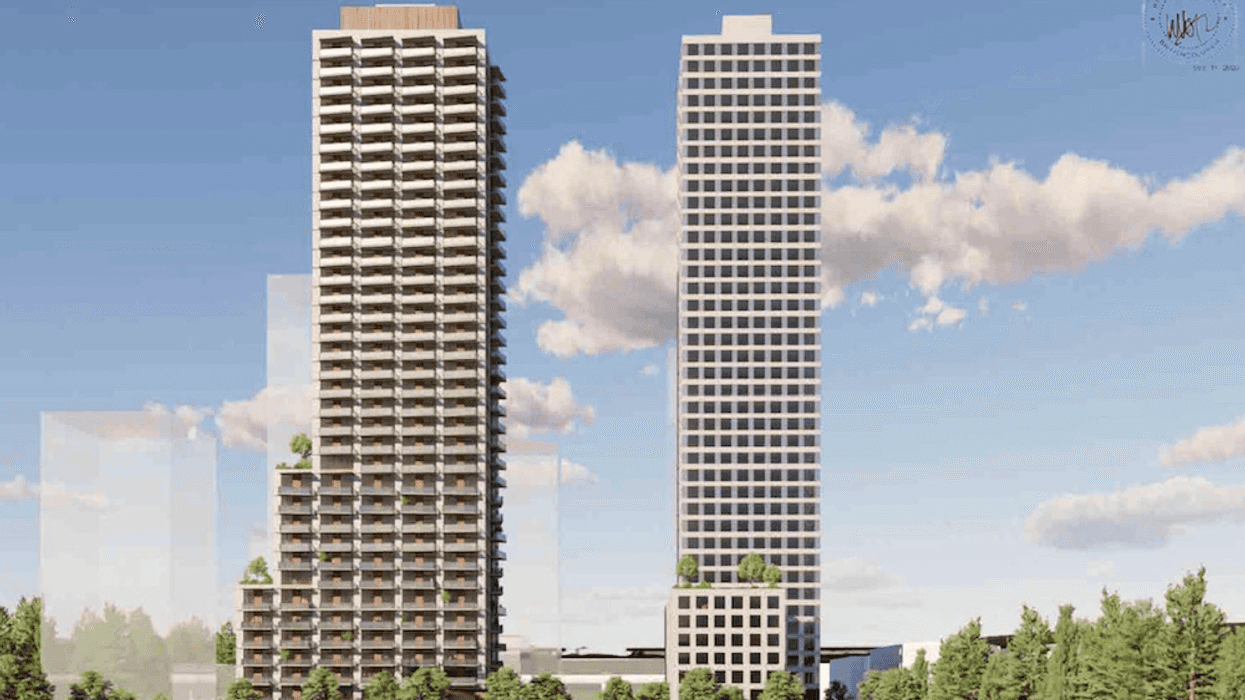
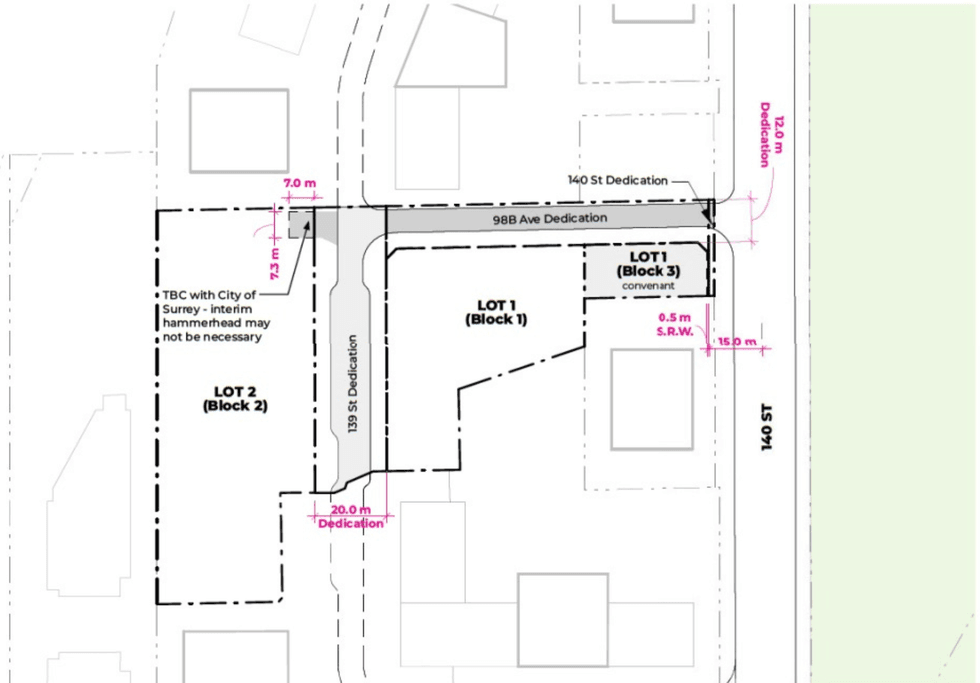 9883 140 Street and the proposed road dedications. (WW+P Architects, Entre Nous Femmes Housing Society)
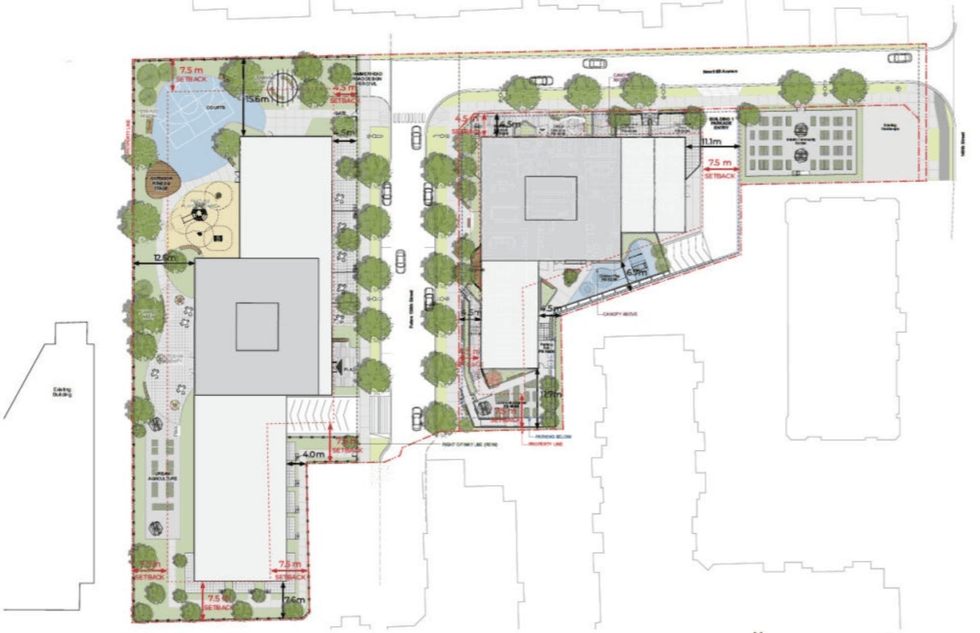 The
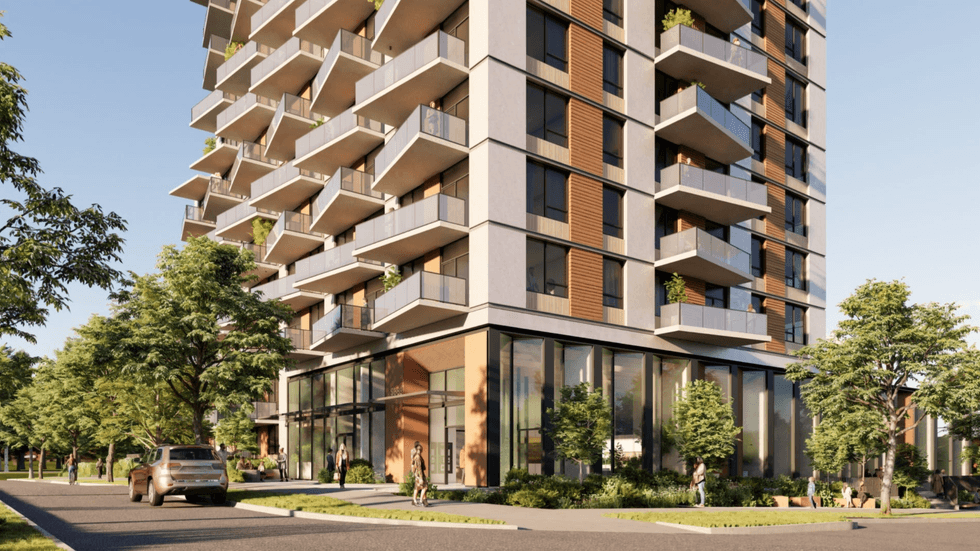 One of the towers proposed for 9883 140 Street. (Entres Nous Femmes Housing Society)

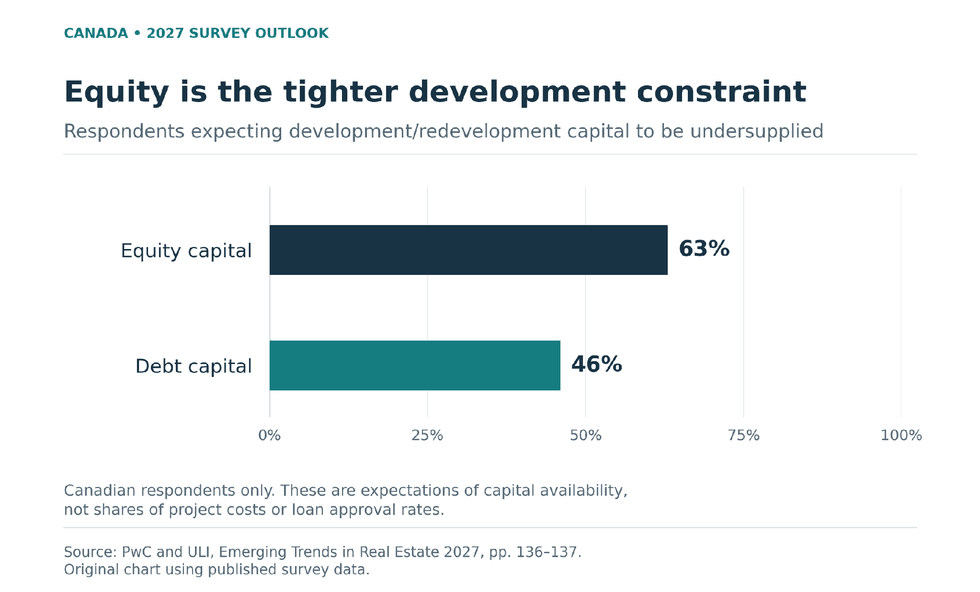 Canadian respondents were more likely to expect an undersupply of development/redevelopment equity capital (63%) than debt capital (46%) in 2027. These are survey expectations, not measured financing volumes. Source: PwC and ULI, Emerging Trends in Real Estate 2027, pp. 136–137. Original chart.
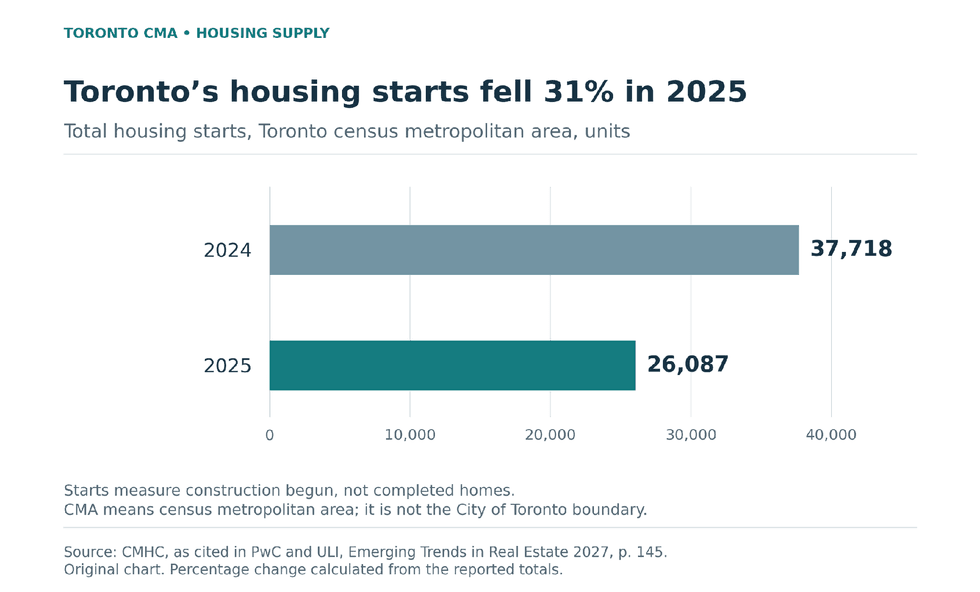 Toronto census metropolitan area housing starts fell from 37,718 units in 2024 to 26,087 in 2025, a 30.8% decline (rounded to 31%). Starts measure construction begun, not completed homes. Source: CMHC, as cited in PwC and ULI, Emerging Trends in Real Estate 2027, p. 145. Original chart.


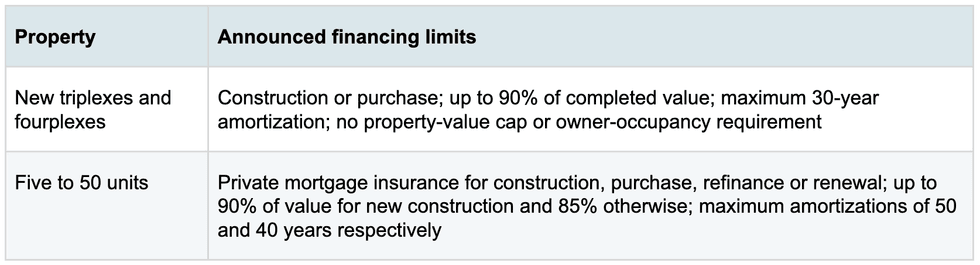
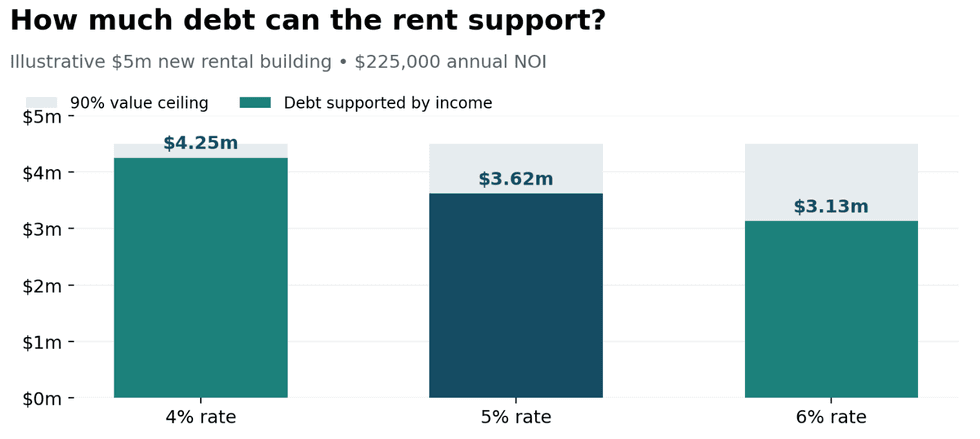 Illustrative calculation: a $4.5-million value ceiling versus income-based capacity of about $4.25 million at 4%, $3.62 million at 5% and $3.13 million at 6%. Assumes 50-year amortization and 1.15 debt coverage.
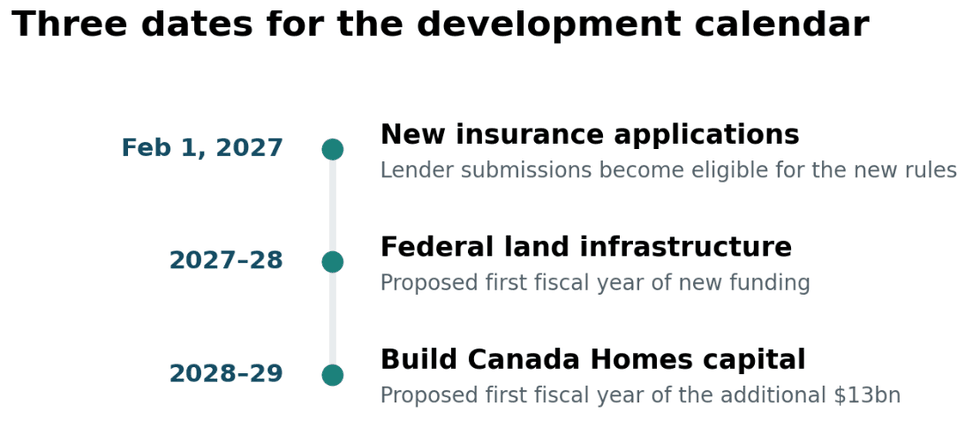 Source: Department of Finance missing-middle backgrounder and Budget 2026 Chapter 3, November 5, 2026. Fiscal-year funding starts are not home-completion dates.