Freehold vs. Leasehold
Compare freehold and leasehold ownership in Canadian real estate, and learn how each affects control, cost, and long-term property value.

May 22, 2025
What is Freehold vs. Leasehold?
Freehold and leasehold are two types of property ownership structures in Canadian real estate, differing in rights, responsibilities, and ownership duration.
Why Freehold vs. Leasehold Matters in Real Estate
Understanding the difference between freehold and leasehold is critical for buyers evaluating long-term property value and control.
Freehold: The owner has full ownership of the property and the land it sits on. They can make most decisions without third-party approval, subject to local zoning and laws.
Leasehold: The buyer owns the home but leases the land from another party (such as a government, developer, or First Nations band) for a set term, typically 50–99 years.
Freehold Pros:
- Complete control over property
- No ground rent or renewal issues
- Often lower purchase price
- Can access land in premium areas
Leasehold properties may have restrictions on modifications, resale conditions, or escalating lease payments. They can also be harder to finance or resell, especially near the end of a lease term.
Knowing the ownership structure helps buyers assess risk, financing, and long-term suitability — especially in cities with government-owned land.
Example of Freehold vs. Leasehold
A buyer purchases a condo on leasehold land in Vancouver. They own the unit but must renew the land lease in 40 years or risk losing residency rights.
Key Takeaways
- Freehold = full land and property ownership.
- Leasehold = ownership of building, not land.
- Leasehold may involve fees and renewal risks.
- Freehold provides long-term control.
- Affects financing, resale, and legal rights.
Related Terms
- Ownership Title
- Condo
- Land Lease
- Property Rights
- Zoning

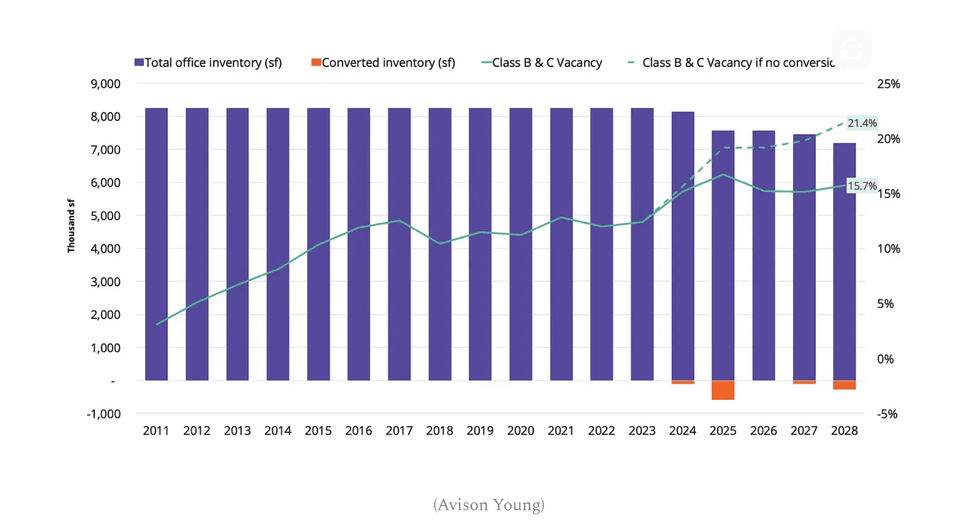 (Avison Young)

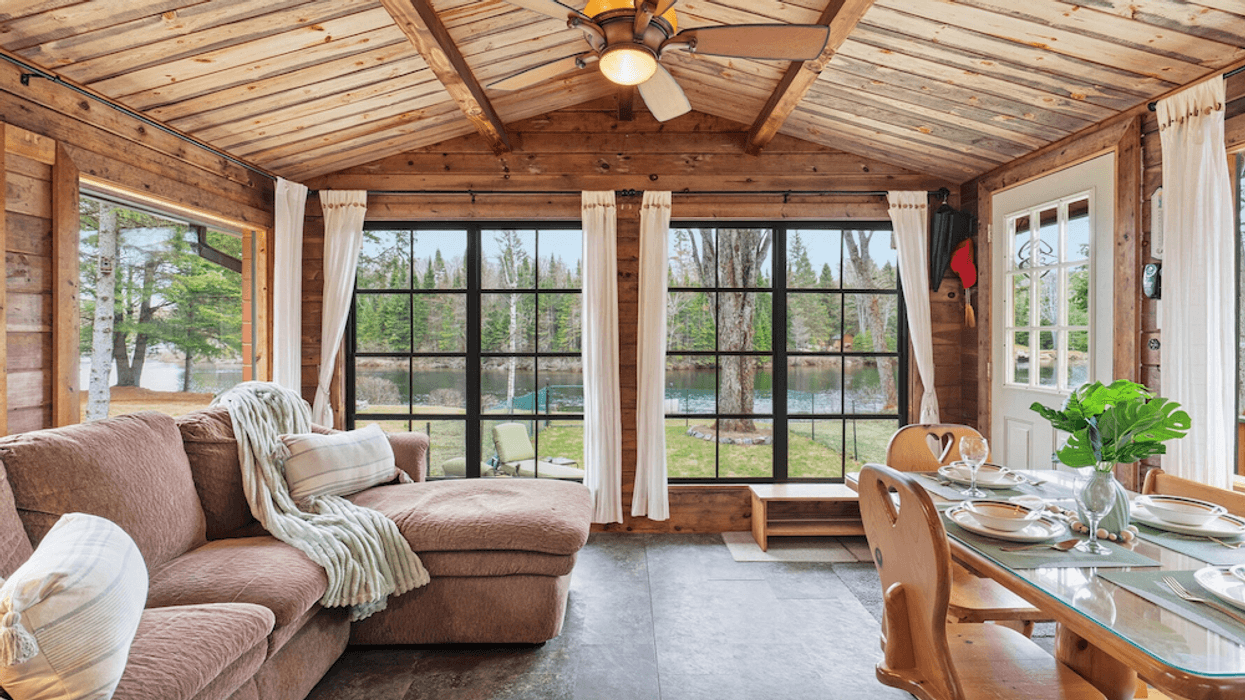



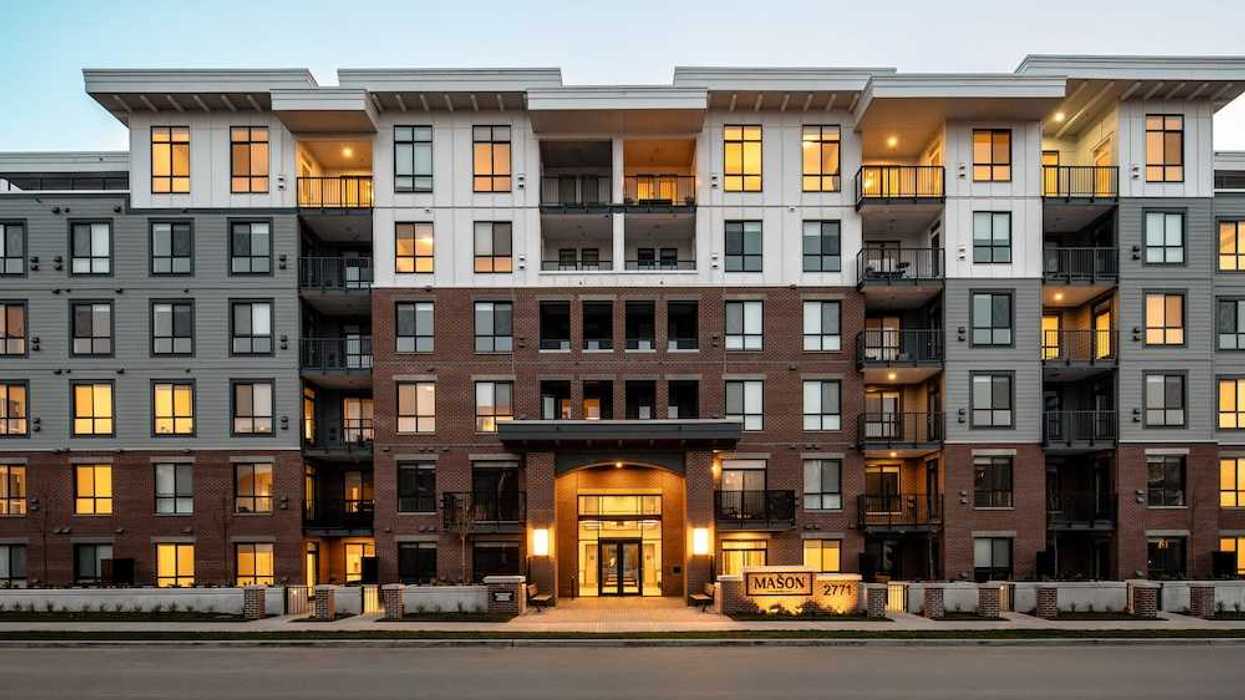
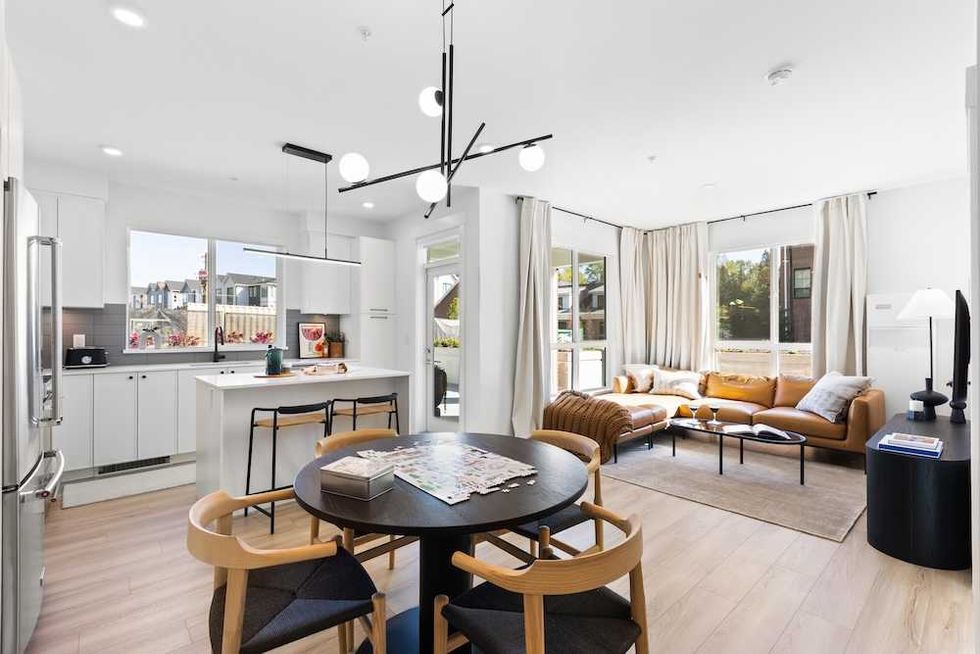 The Mason Suite Interior (Infinity Properties)
 The Mason Suite Interior (Infinity Properties)
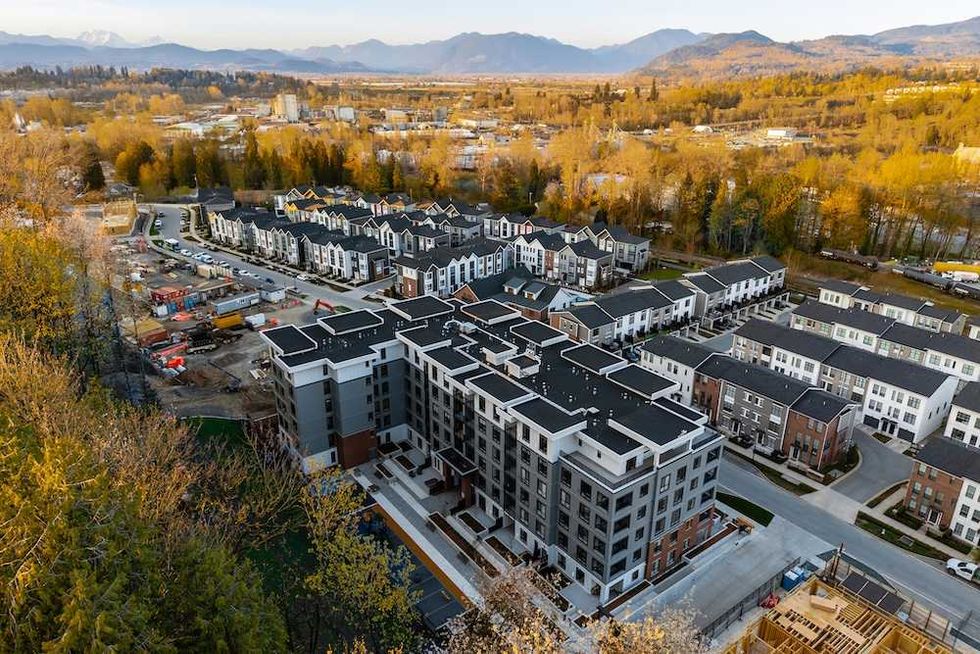 Rail District aerial (Infinity Properties)
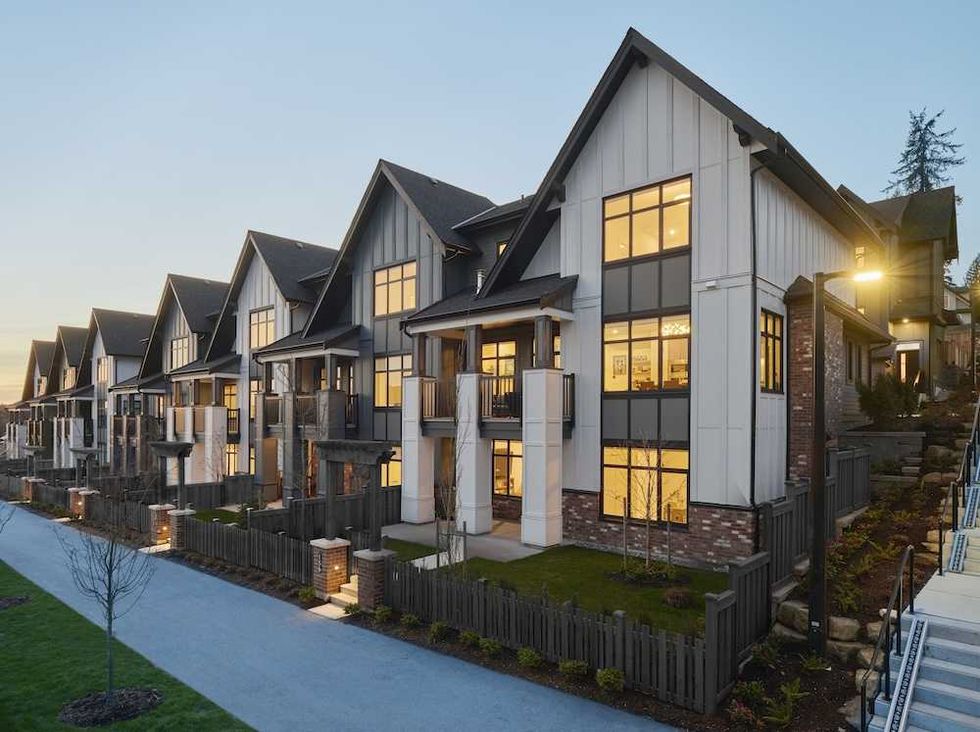 Versant (Infinity Properties)

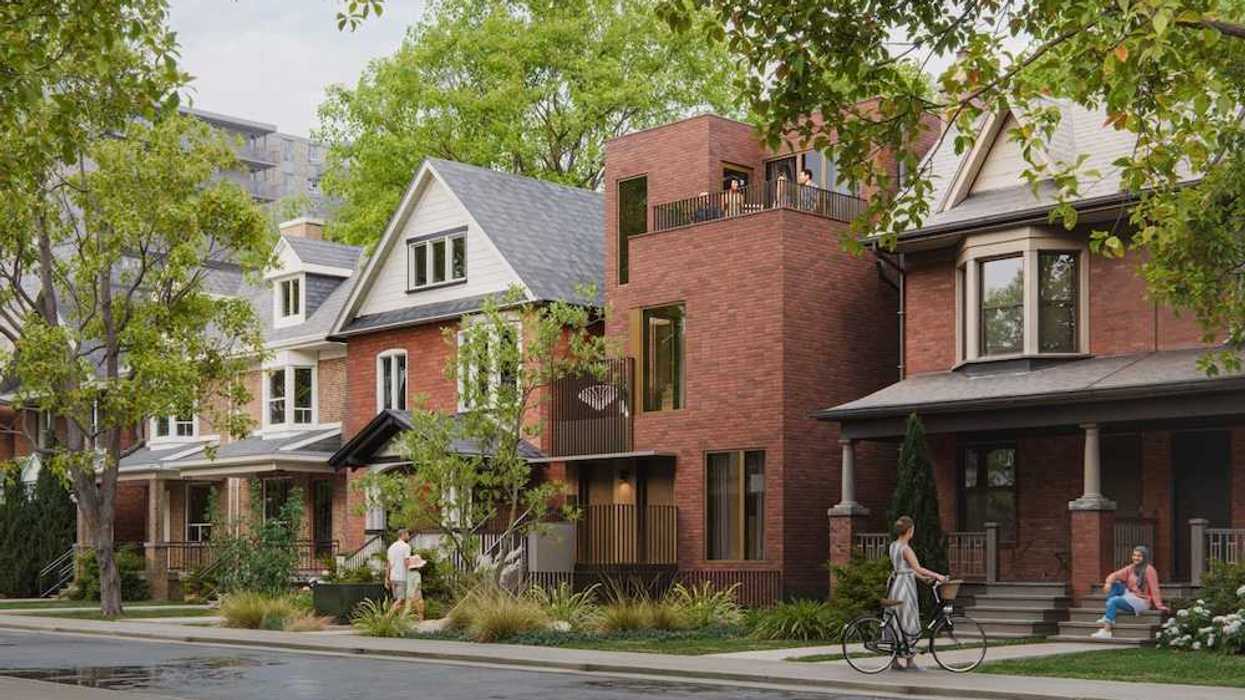
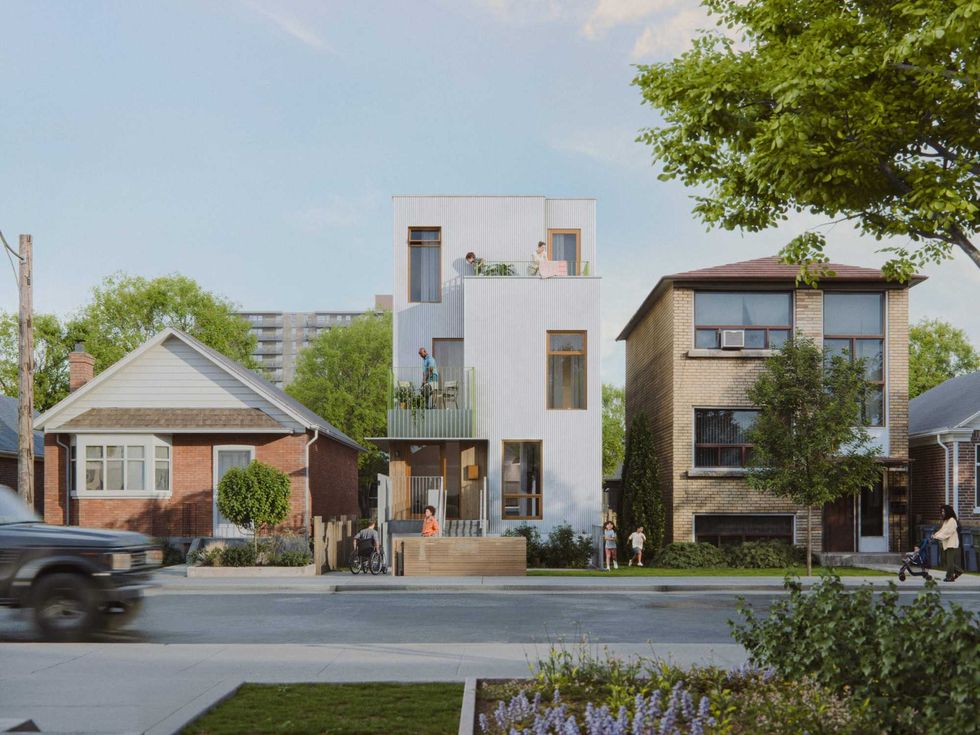 Narrow Fourplex (City of Toronto)
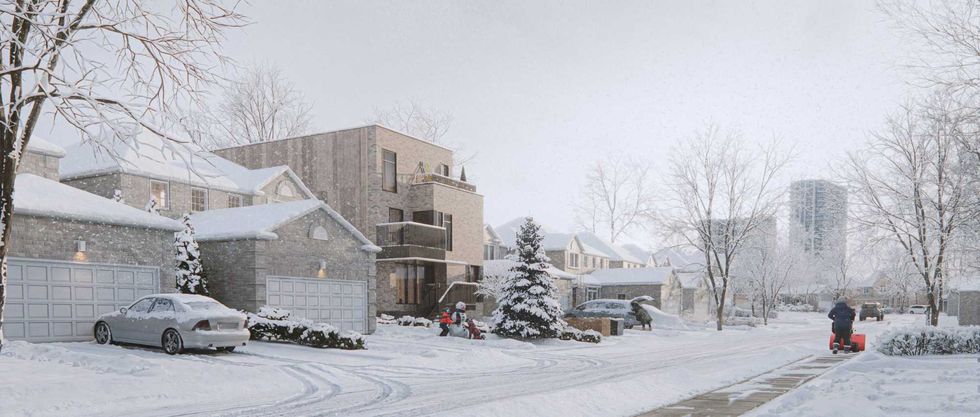 Wide Sixplex - Side View (City of Toronto)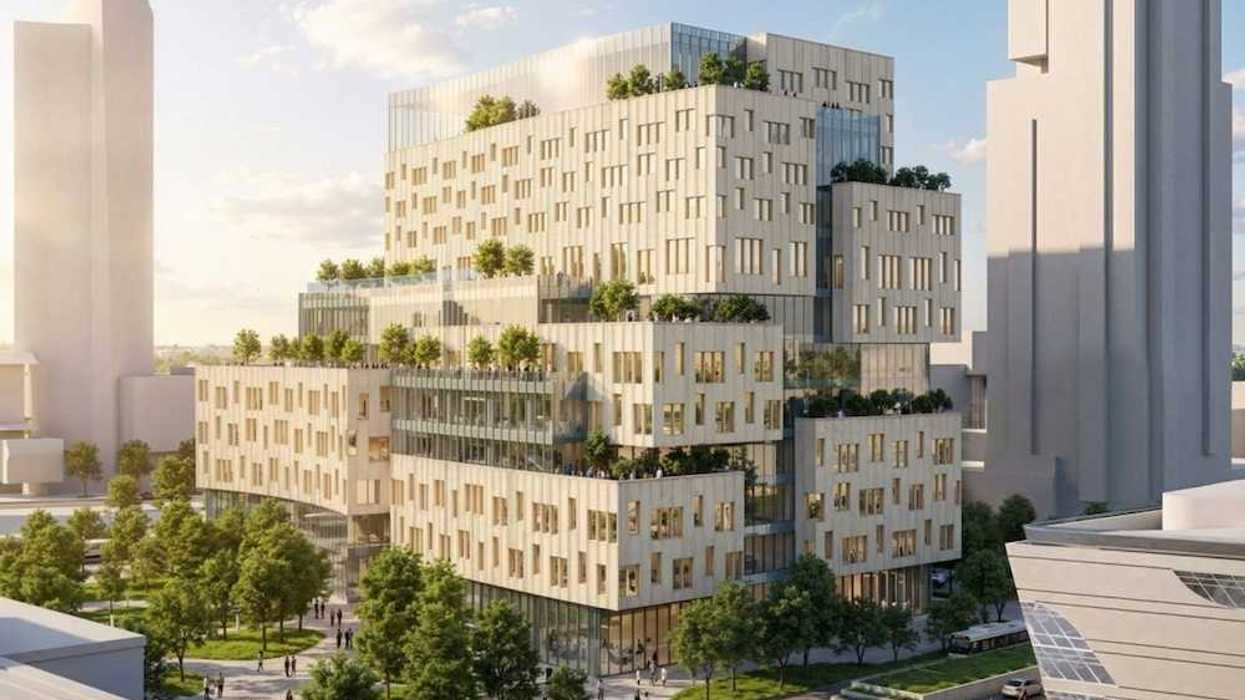
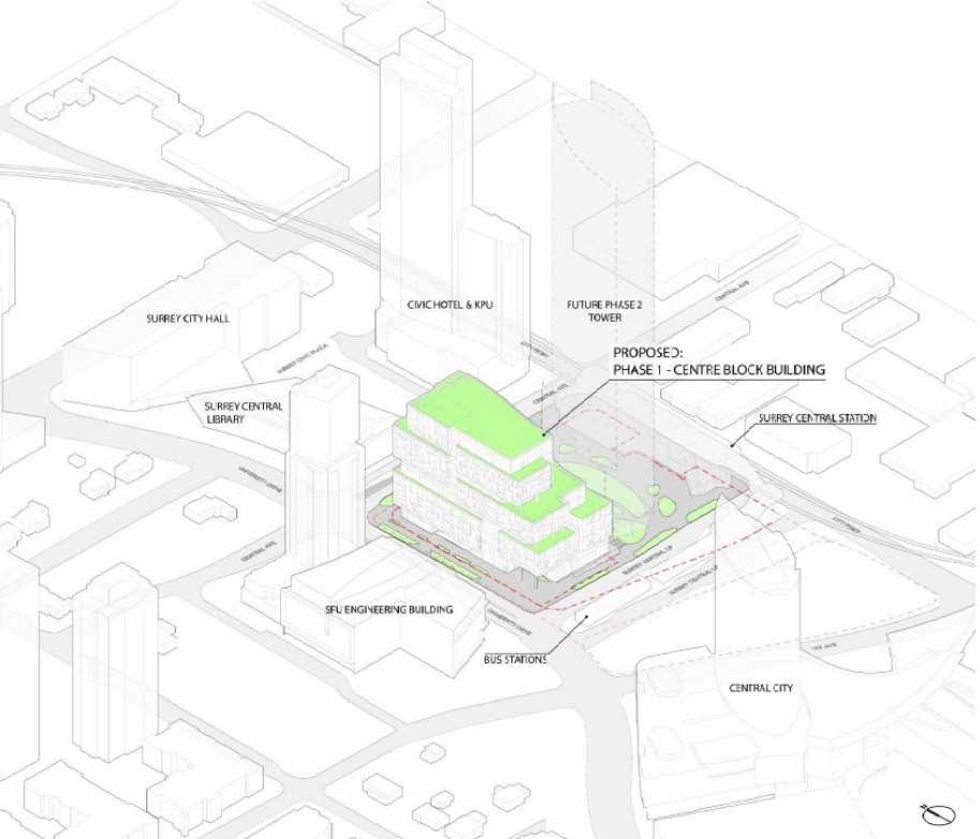 Centre Block and its surrounding context. (Stantec-Revery, SCDC)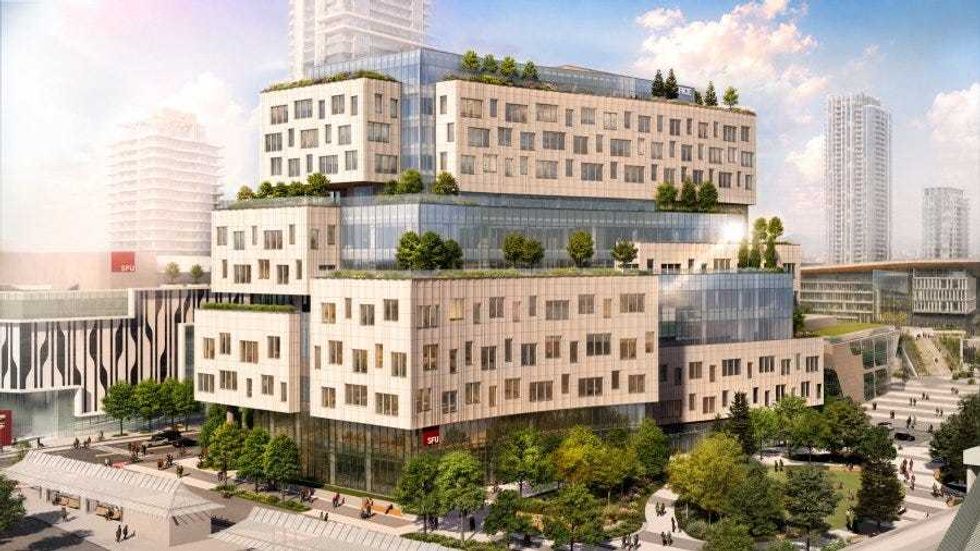
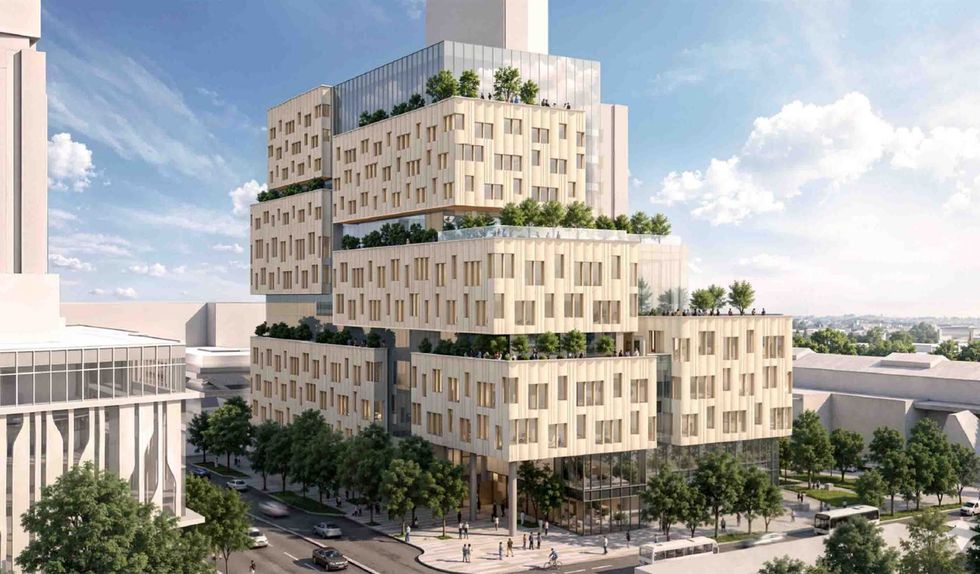 The 12-storey Phase One of Centre Block. (Stantec-Revery, SCDC)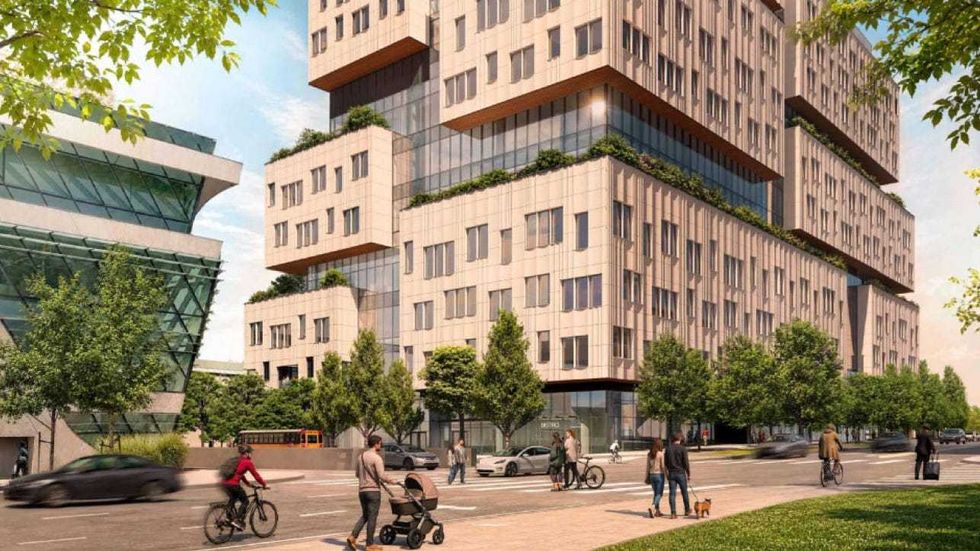
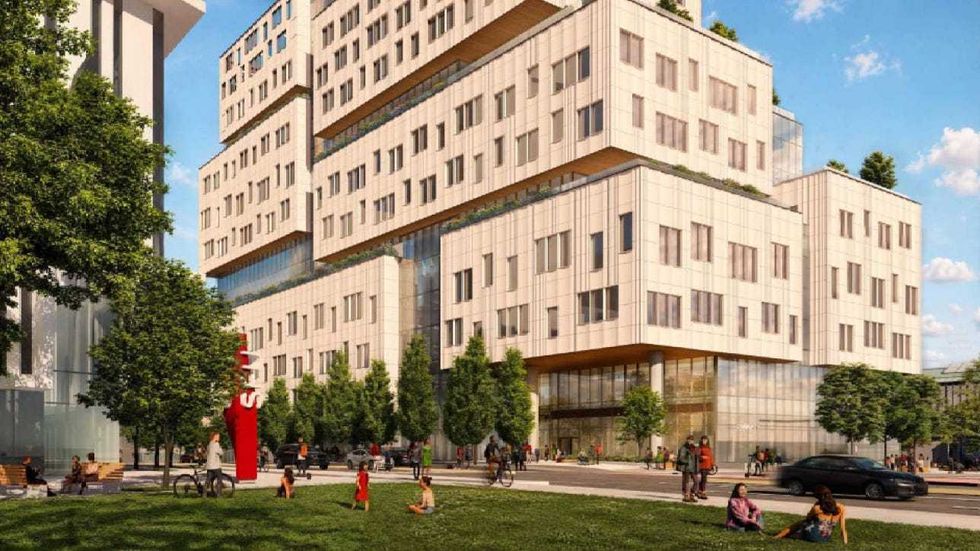 The 12-storey Phase One of Centre Block. (Stantec-Revery, SCDC)
 Mondria One, set for 1607 King Street East in Clarington, Ontario. (ICON Architects Inc., Monde Development Group)