Downzoning
Understand downzoning in Canadian real estate — what it is, why it’s implemented, and its impact on property development rights.

July 27, 2025
What is Downzoning?
Downzoning is the process of changing zoning laws to reduce the allowable density, height, or land use intensity on a property or in a designated area.
Why Downzoning Matters in Real Estate
In Canadian real estate, downzoning can affect property value and development potential, often implemented to preserve neighbourhood character or protect infrastructure capacity.
Impacts of downzoning:
- Lower permitted floor area or building heights
- Restrictions on multifamily or commercial uses
- Potential decline in land value or investment feasibility
Understanding downzoning is essential for property owners and developers to assess long-term land use rights.
Example of Downzoning in Action
The city passed a bylaw downzoning the area to single-family residential to maintain its low-density character.
Key Takeaways
- Reduces permitted density or building intensity
- Often intended to protect neighbourhood character
- Can decrease redevelopment potential
- May affect property value
- Requires municipal bylaw changes
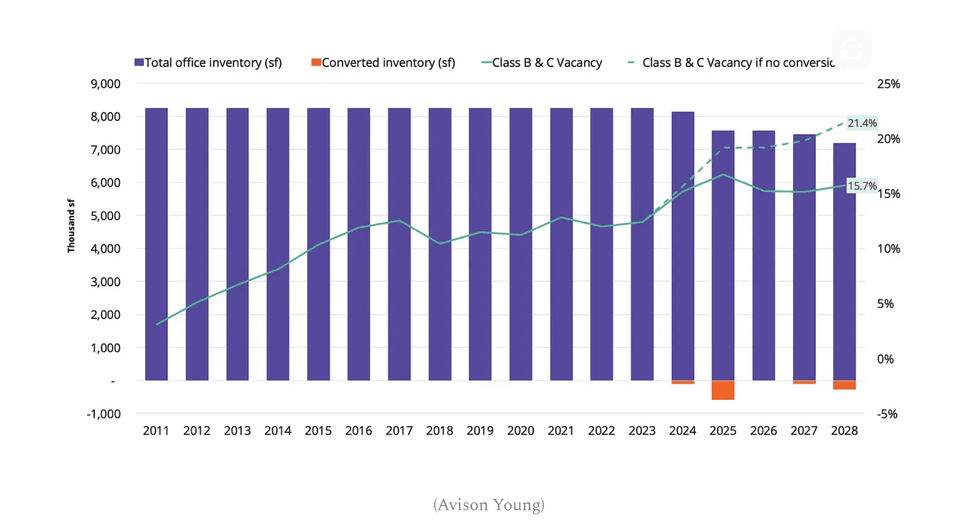 (Avison Young)
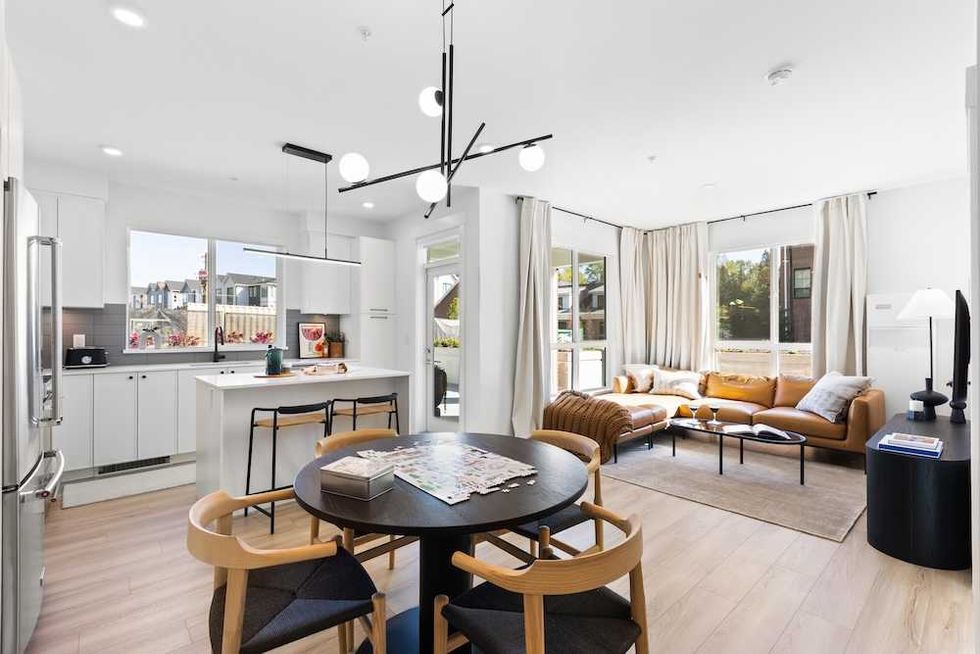 The Mason Suite Interior (Infinity Properties)
 The Mason Suite Interior (Infinity Properties)
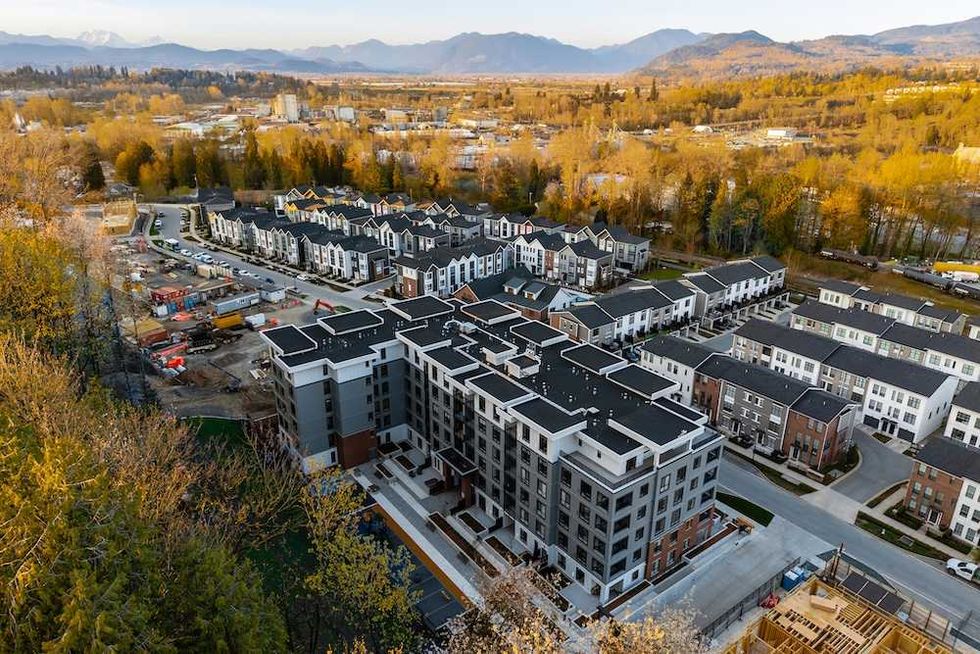 Rail District aerial (Infinity Properties)
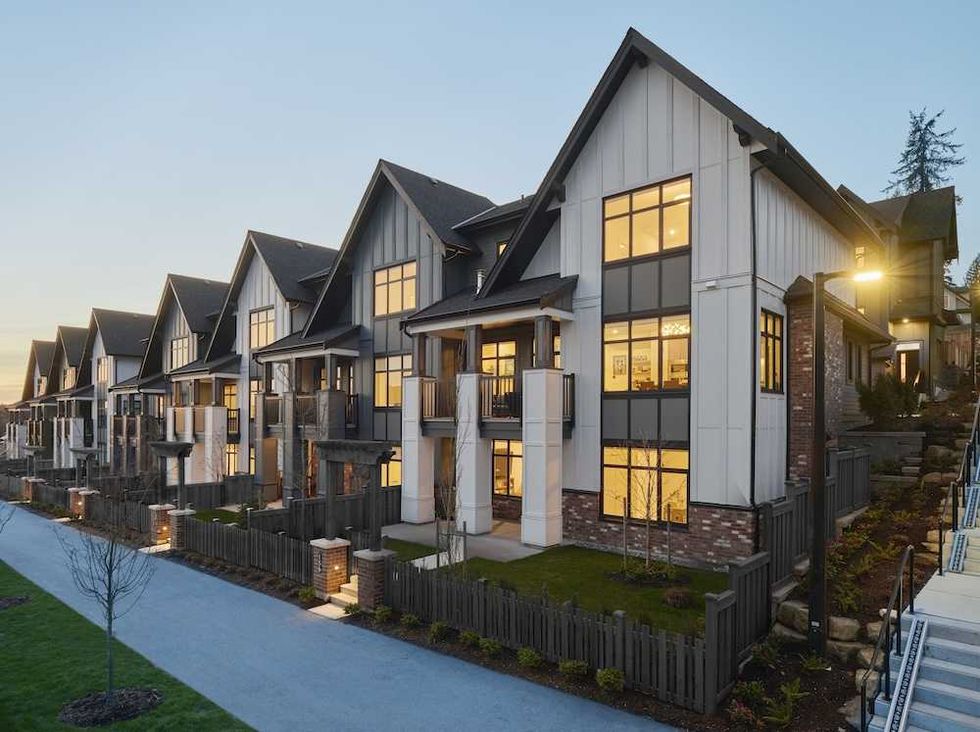 Versant (Infinity Properties)




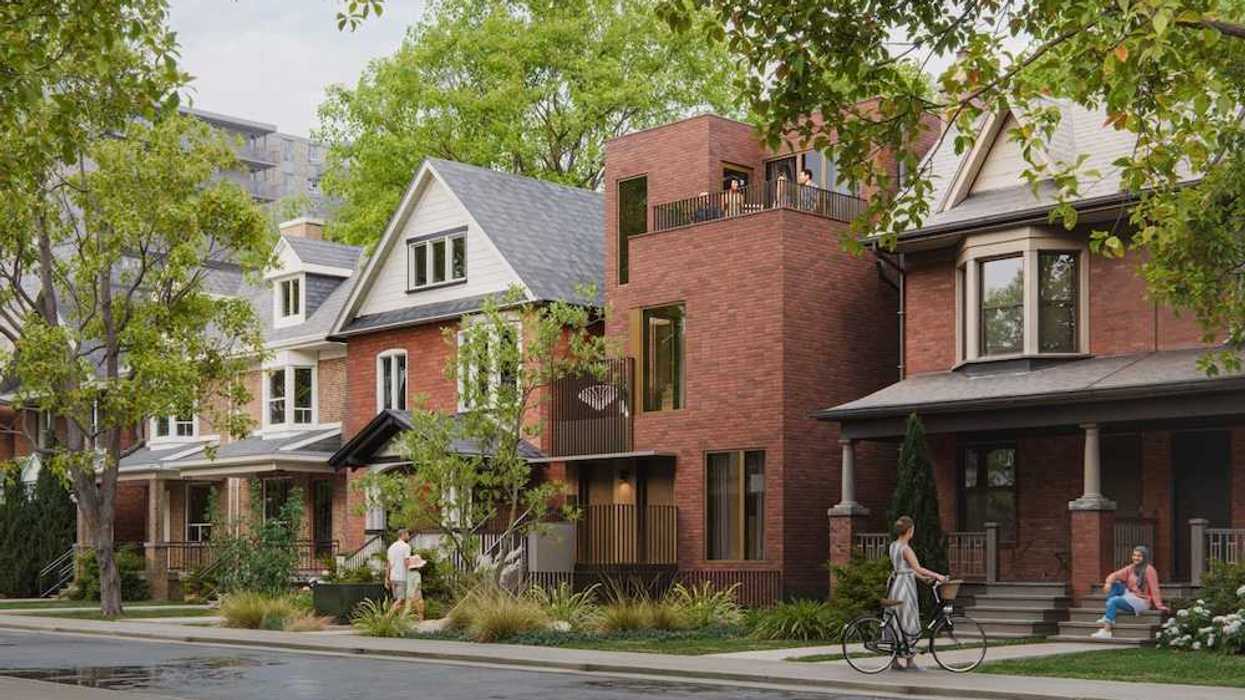
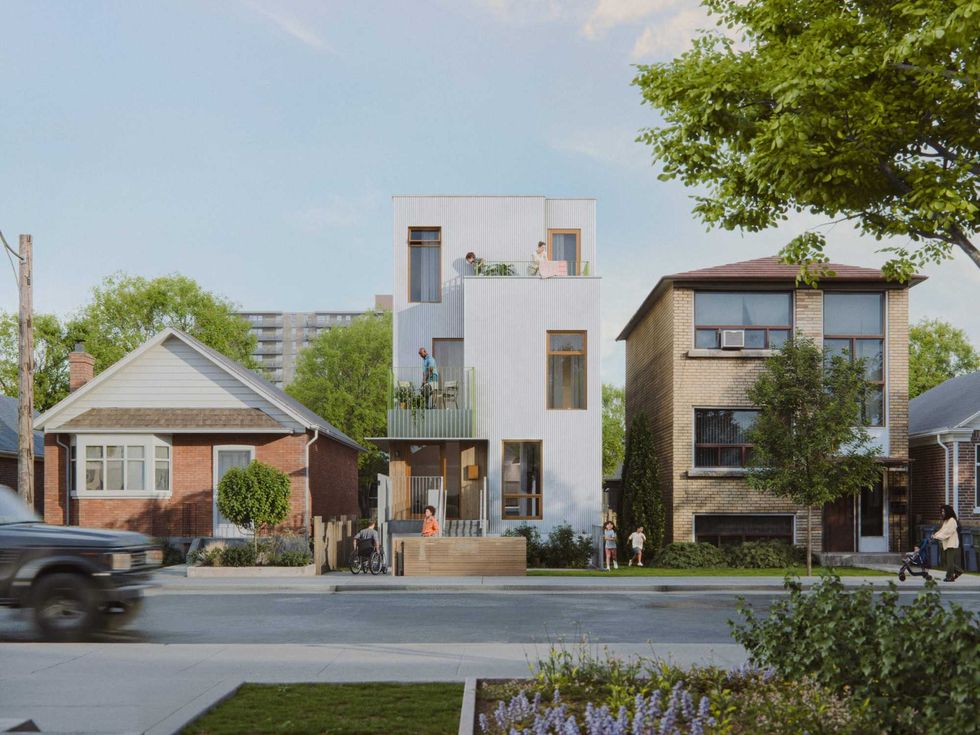 Narrow Fourplex (City of Toronto)
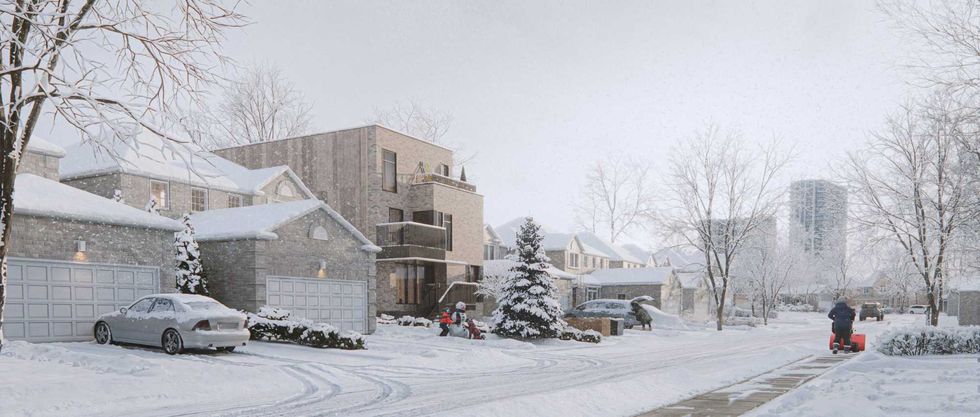 Wide Sixplex - Side View (City of Toronto)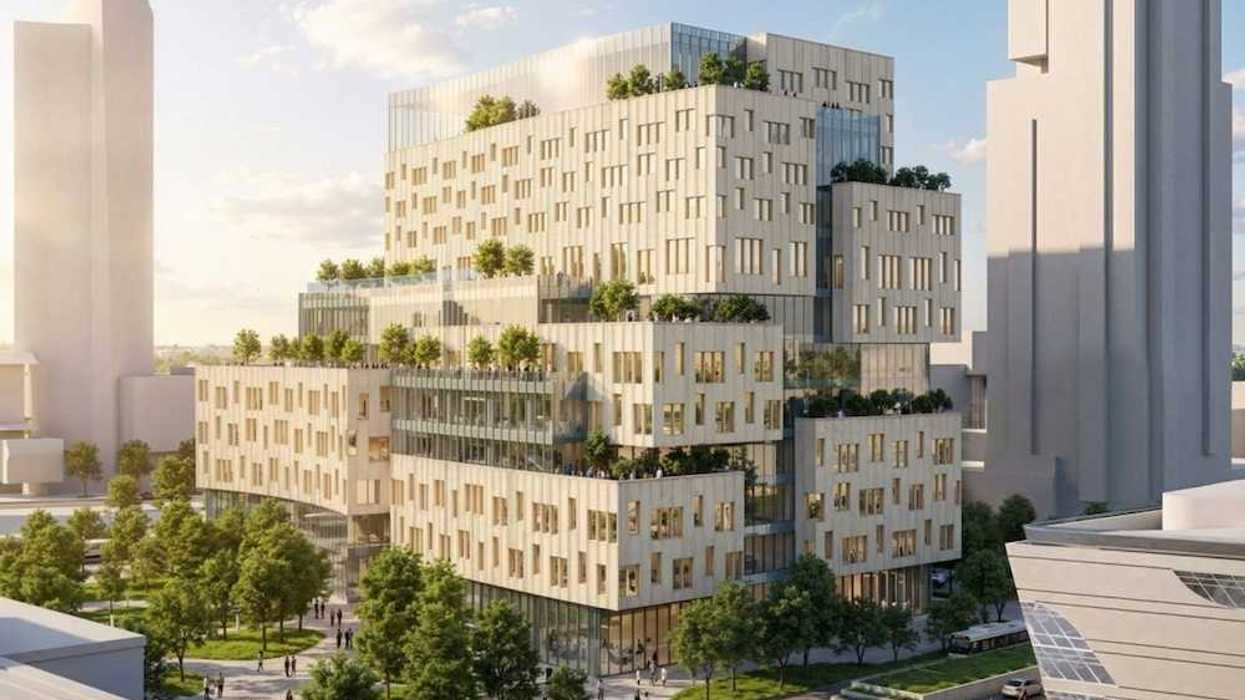
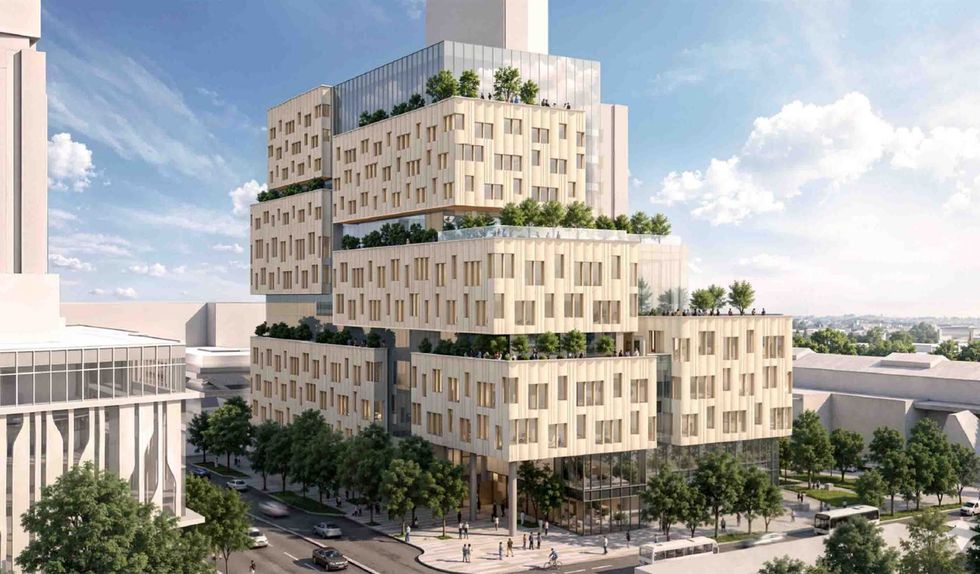
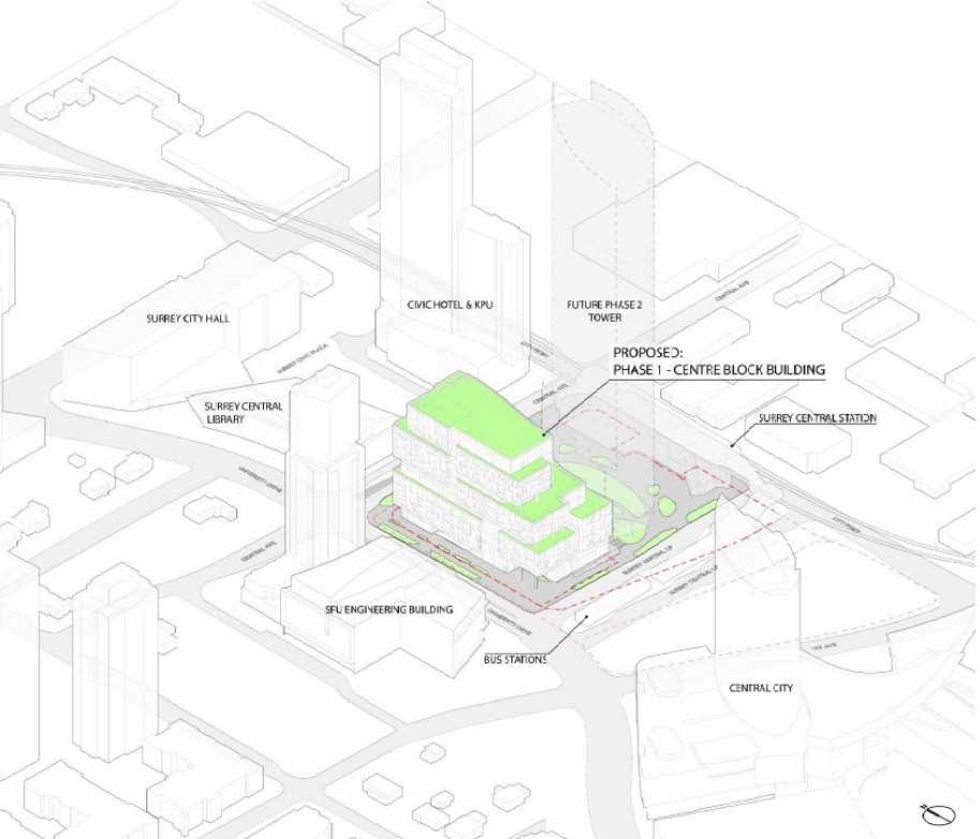 Centre Block and its surrounding context. (Stantec-Revery, SCDC)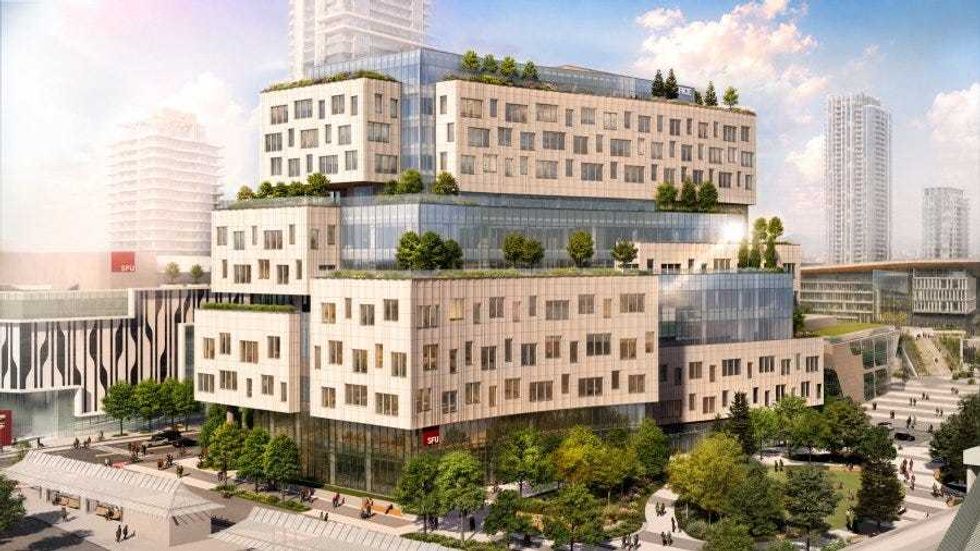
 The 12-storey Phase One of Centre Block. (Stantec-Revery, SCDC)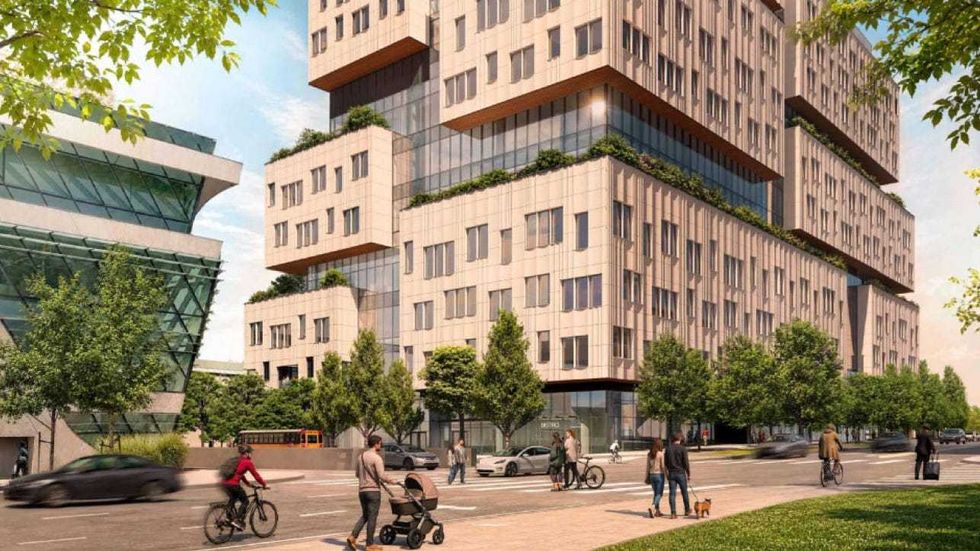
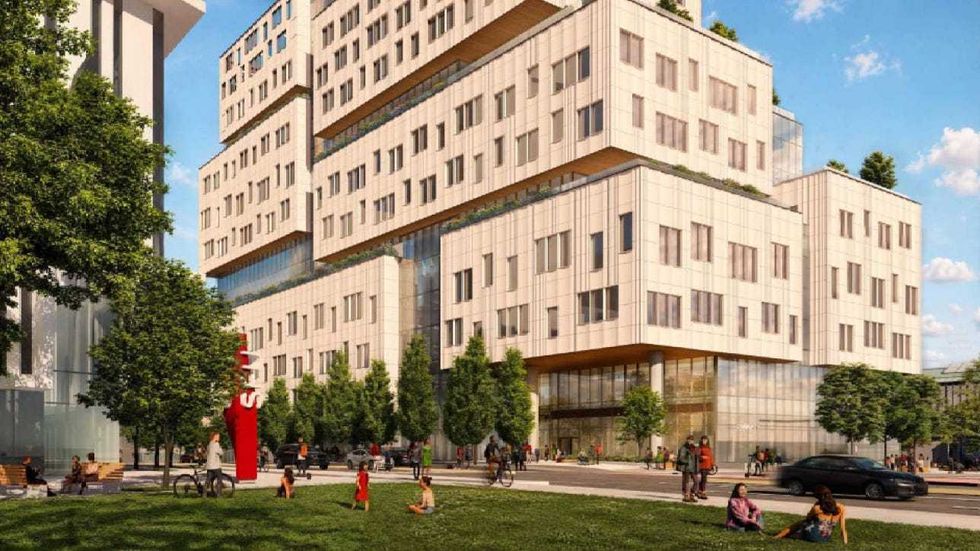 The 12-storey Phase One of Centre Block. (Stantec-Revery, SCDC)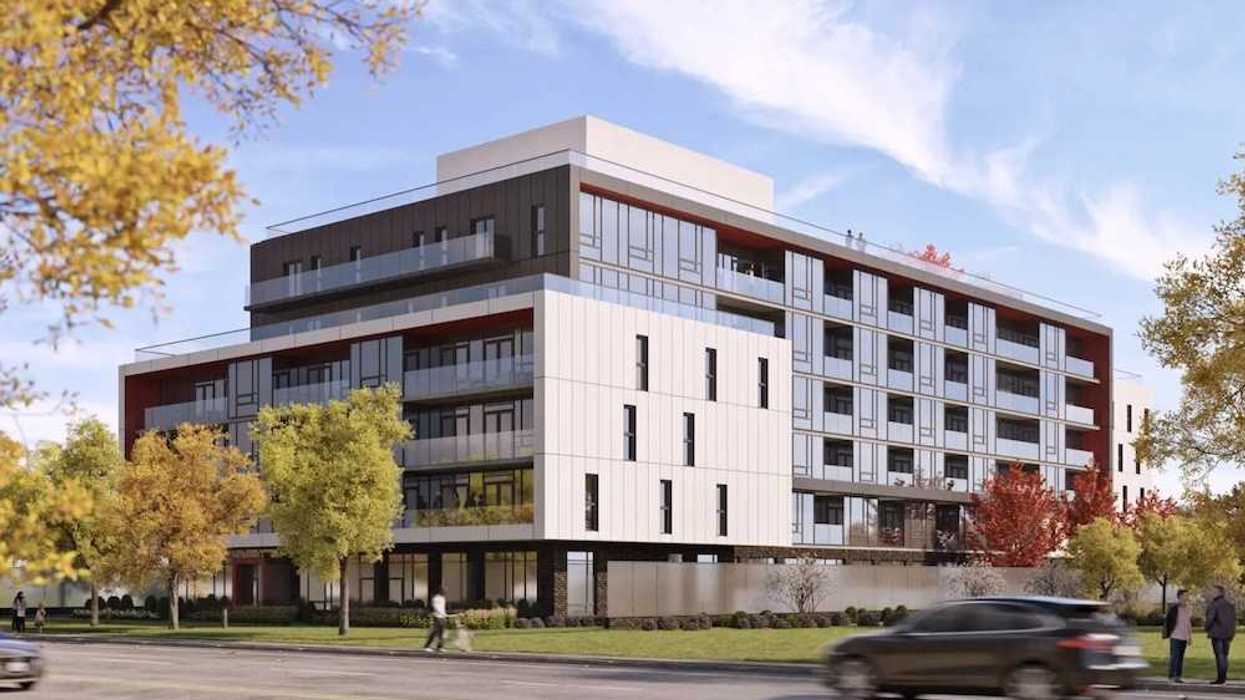
 Mondria One, set for 1607 King Street East in Clarington, Ontario. (ICON Architects Inc., Monde Development Group)