Chain of Title
Chain of title is the documented history of property ownership transfers, ensuring clear ownership rights.

September 29, 2025
What is Chain of Title?
Chain of title is the chronological record of property ownership transfers, from the original owner to the current owner. It documents deeds, mortgages, easements, and other encumbrances affecting ownership rights.
Why Chain of Title Matters in Real Estate
Chain of title matters in real estate because it ensures clear ownership, reduces disputes, and is critical for title insurance and conveyancing. Gaps or errors in the chain can complicate transactions and financing.
Example of Chain of Title in Action
During a title search, a lawyer reviews the chain of title for a property to confirm ownership history and ensure there are no unresolved claims.
Key Takeaways
- Chronological record of property ownership transfers.
- Includes deeds, mortgages, and encumbrances.
- Ensures clear and marketable title for buyers.
- Reviewed during title searches and insurance processes.
- Gaps or disputes can delay or block transactions.
Related Terms
- Title Search
- Ownership Rights
- Title Insurance
- Encumbrance
- Conveyancing
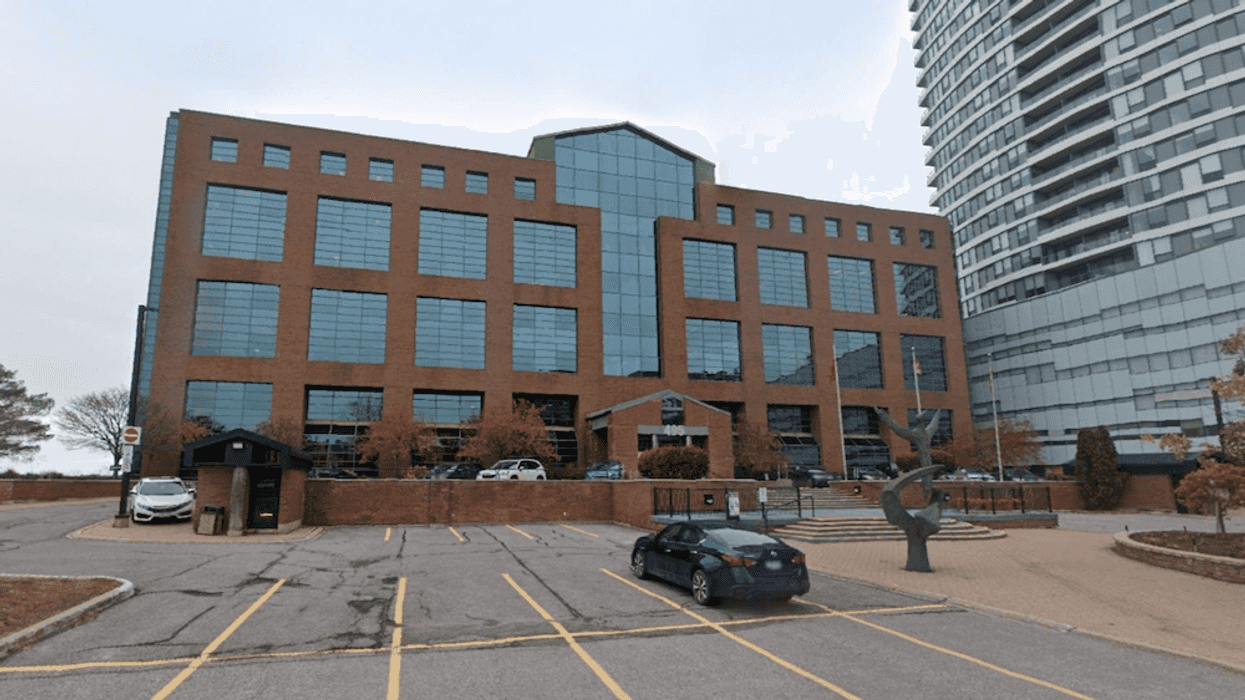
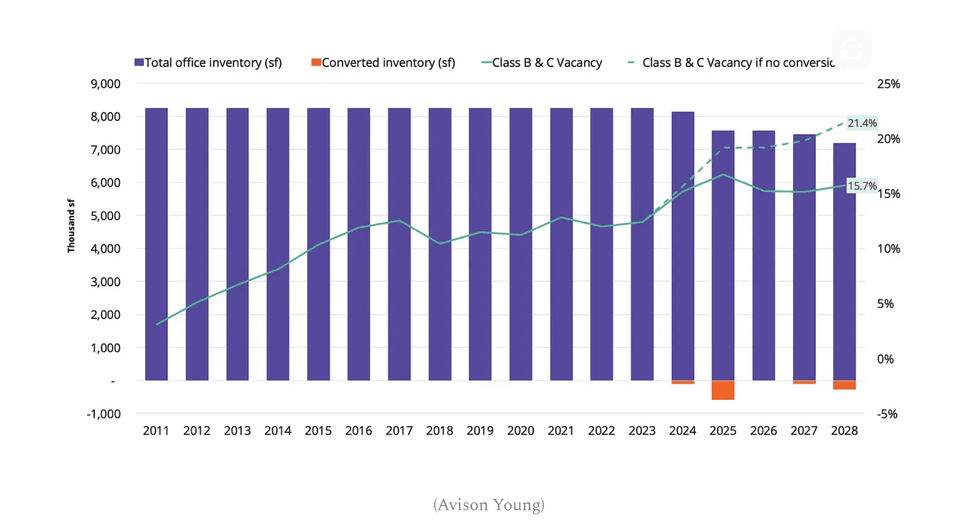 (Avison Young)
 The Mason Suite Interior (Infinity Properties)
 The Mason Suite Interior (Infinity Properties)
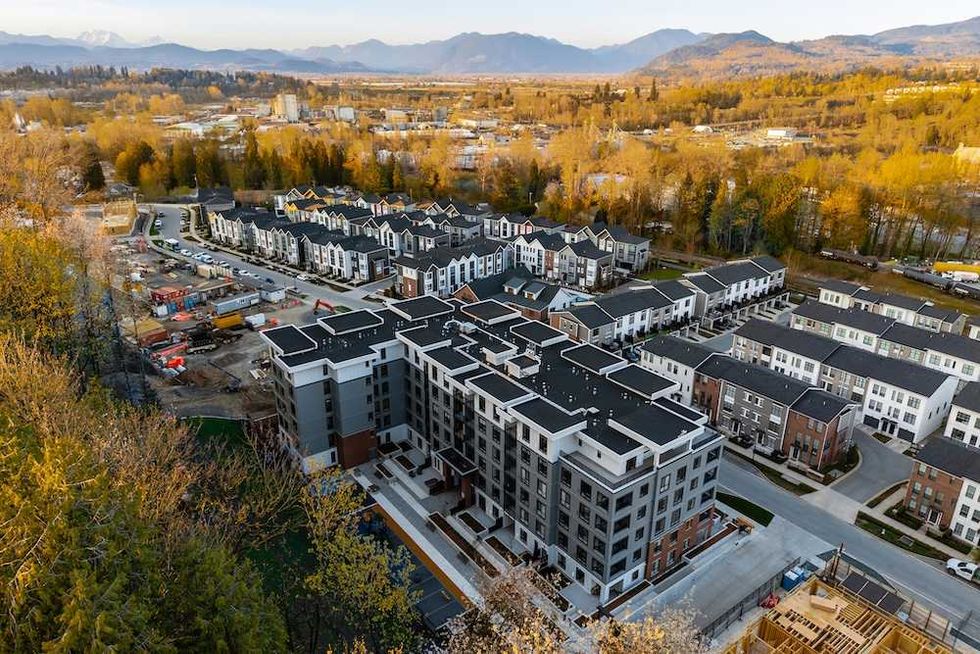 Rail District aerial (Infinity Properties)
 Versant (Infinity Properties)







 Narrow Fourplex (City of Toronto)
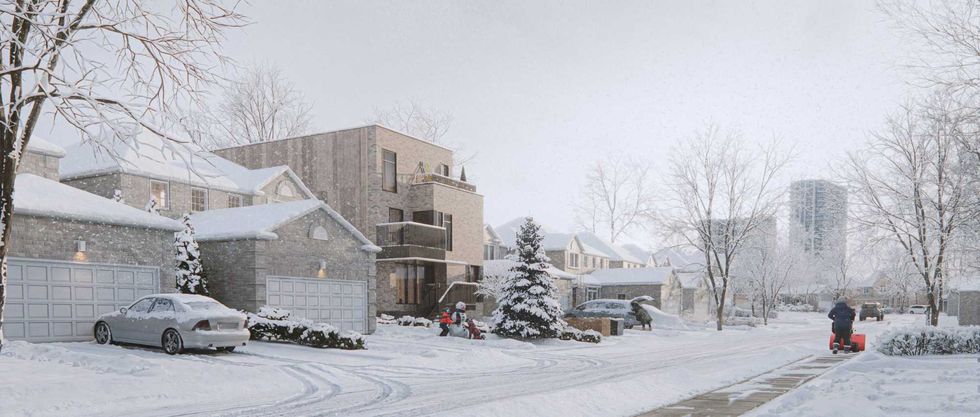 Wide Sixplex - Side View (City of Toronto)
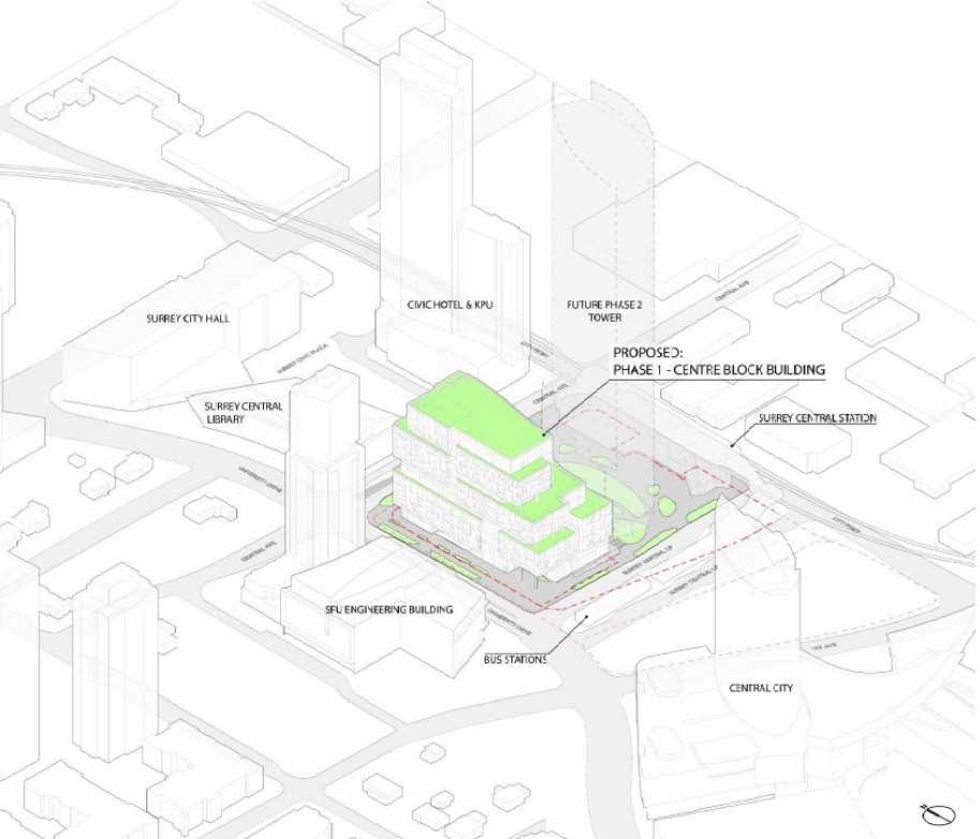 Centre Block and its surrounding context. (Stantec-Revery, SCDC)
 The 12-storey Phase One of Centre Block. (Stantec-Revery, SCDC)
 The 12-storey Phase One of Centre Block. (Stantec-Revery, SCDC)
 Mondria One, set for 1607 King Street East in Clarington, Ontario. (ICON Architects Inc., Monde Development Group)