Conveyancing
Explore the conveyancing process in Canadian real estate, what it includes, and why it’s essential for secure and legally compliant property transfers.

May 22, 2025
What is Conveyancing?
Conveyancing is the legal process of transferring ownership of a property from one party to another during a real estate transaction.
Why Conveyancing Matters in Real Estate
In Canadian real estate, conveyancing is handled by lawyers or notaries who represent the buyer and seller. It involves the preparation, verification, and registration of legal documents to ensure a clean and legal property transfer.
Key steps include:
- Reviewing the purchase agreement
- Conducting a title search
- Registering the title with the provincial land registry
- Ensuring payment of property taxes and adjustments
- Disbursing funds to the appropriate parties
Effective conveyancing helps avoid legal complications such as title disputes, unpaid liens, or invalid contracts. It also ensures that all legal obligations under the transaction are satisfied.
Though much of the process occurs behind the scenes, proper conveyancing is essential to ensure a smooth, legally compliant transaction. It concludes on closing day, when ownership officially changes hands and the buyer receives the keys.
Example of Conveyancing in Action
A lawyer conducts the conveyancing process for a condo purchase in Montreal, confirming the title is clear and registering it in the buyer’s name upon closing.
Key Takeaways
- Legal process of transferring property ownership.
- Managed by lawyers or notaries.
- Includes title checks, document registration, and fund disbursement.
- Critical for legal clarity and dispute avoidance.
- Completes on closing when ownership is transferred.
Related Terms
- Title Transfer
- Real Estate Lawyer
- Closing Process
- Property Deed
- Land Registry

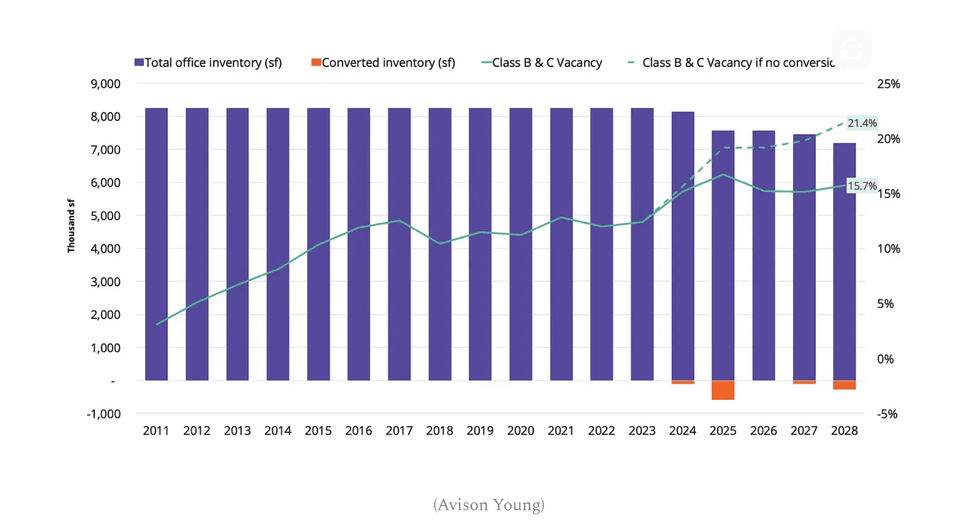 (Avison Young)






 The Mason Suite Interior (Infinity Properties)
 The Mason Suite Interior (Infinity Properties)
 Rail District aerial (Infinity Properties)
 Versant (Infinity Properties)


 Narrow Fourplex (City of Toronto)
 Wide Sixplex - Side View (City of Toronto)
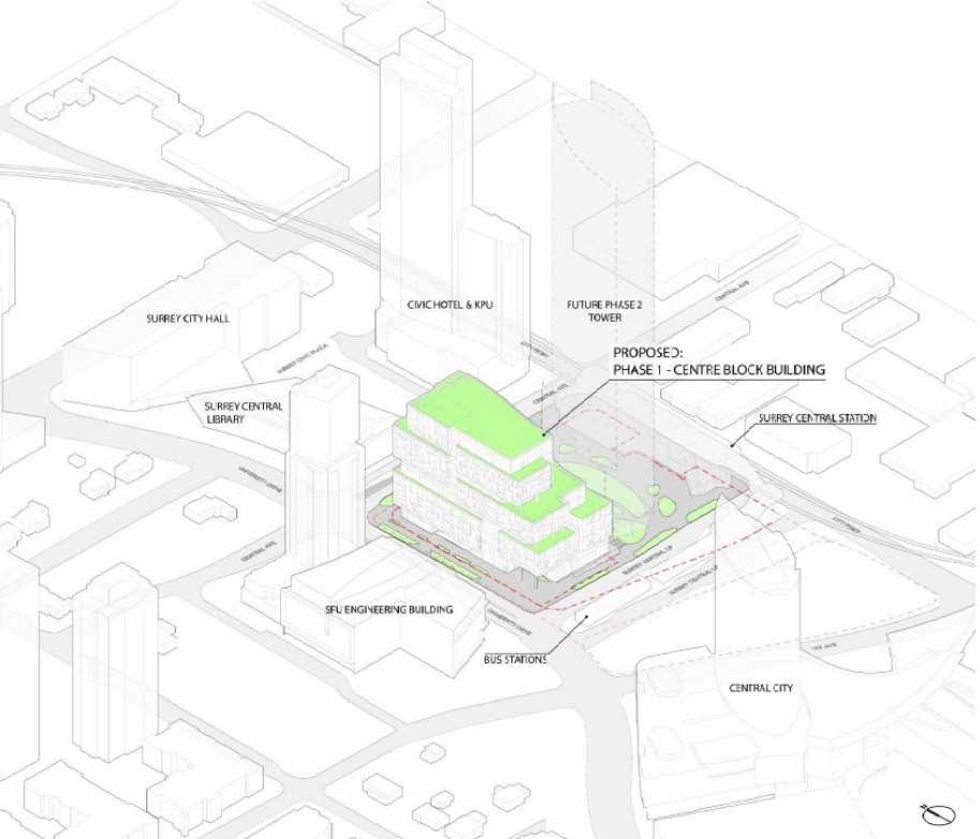 Centre Block and its surrounding context. (Stantec-Revery, SCDC)
 The 12-storey Phase One of Centre Block. (Stantec-Revery, SCDC)
 The 12-storey Phase One of Centre Block. (Stantec-Revery, SCDC)
 Mondria One, set for 1607 King Street East in Clarington, Ontario. (ICON Architects Inc., Monde Development Group)