Property Description
Understand what a property description is in Canadian real estate, how it's used in transactions, and why it's critical for legal and zoning accuracy.

May 30, 2025
What is a Property Description?
A property description is the section of a real estate document that outlines the legal and physical characteristics of the land and structures being conveyed.
Why a Property Description Matters in Real Estate
In Canadian real estate, property descriptions are used in purchase agreements, deeds, surveys, and land registry documents.
A complete property description may include:
- Lot size and boundaries
- Legal land parcel identifier (e.g., PIN or LRO reference)
- Location details (municipality, subdivision, etc.)
- Details of buildings or zoning (if applicable)
Accurate descriptions are essential for title transfer, financing, zoning compliance, and avoiding legal disputes.
Understanding property descriptions ensures that buyers and sellers are transacting the correct parcel and that no physical or legal details are overlooked.
Example of a Property Description
The property description in the agreement identifies the parcel as Lot 7, Plan M-246 in the City of Toronto, measuring 40 feet by 100 feet.
Key Takeaways
- Legally defines the property being sold.
- Required in legal and land registry documents.
- Includes lot size, boundaries, and identifiers.
- Ensures clarity and legal accuracy.
- Prevents disputes over parcel location or size.
Related Terms
- Title Transfer
- Deed
- Zoning
- Legal Title
- Land Registry

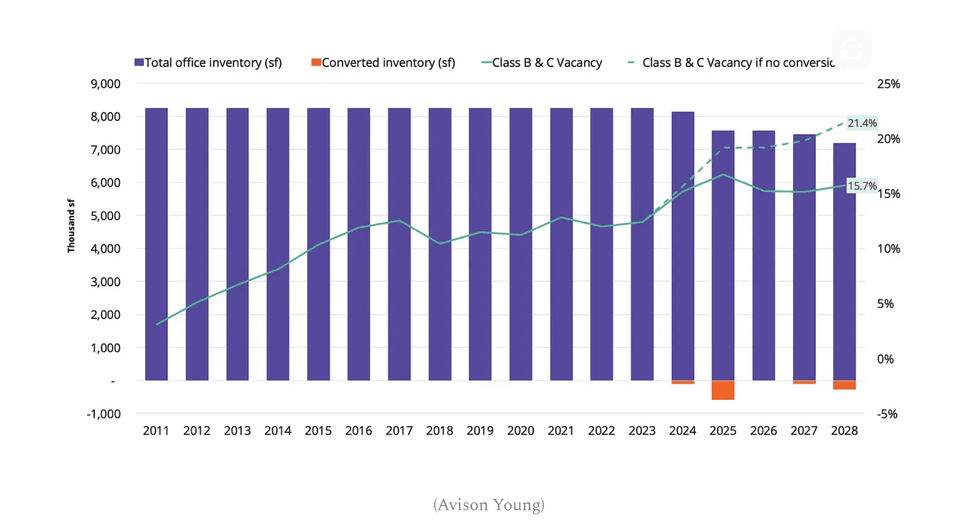 (Avison Young)



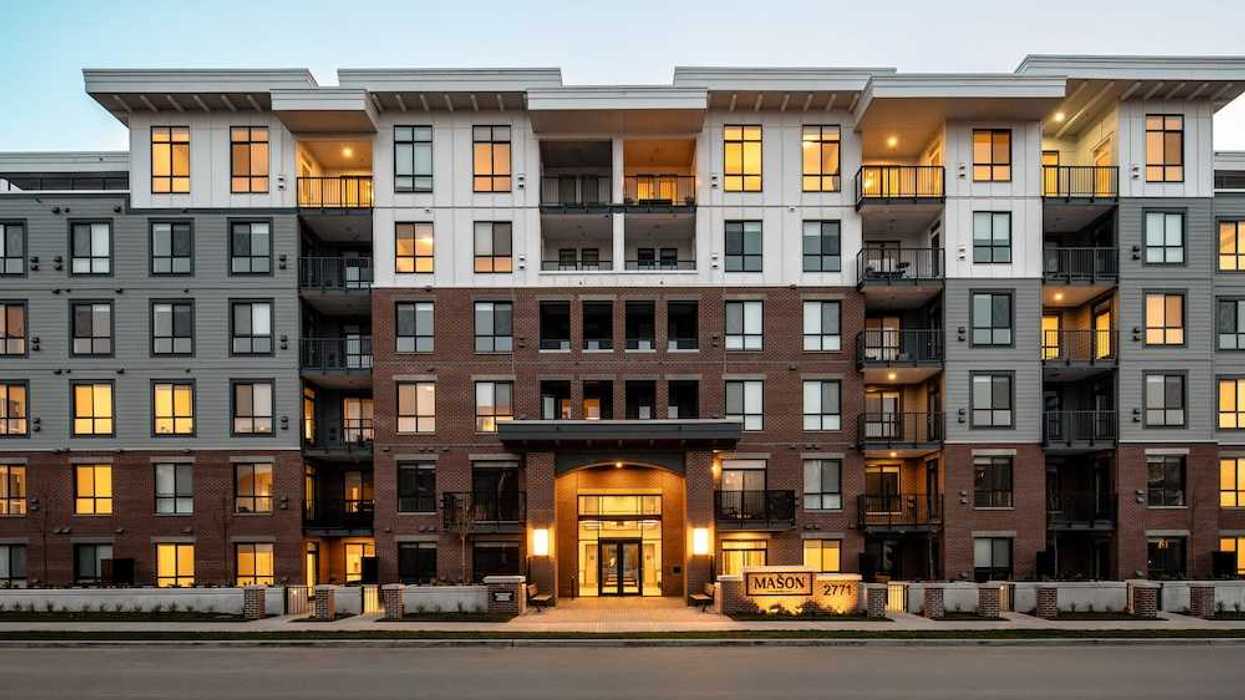
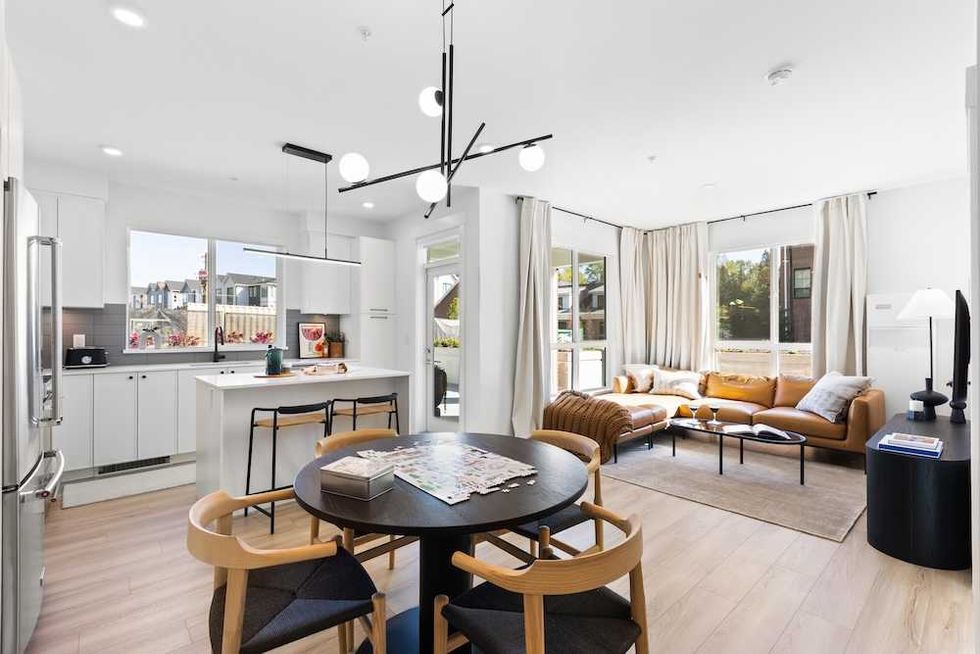 The Mason Suite Interior (Infinity Properties)
 The Mason Suite Interior (Infinity Properties)
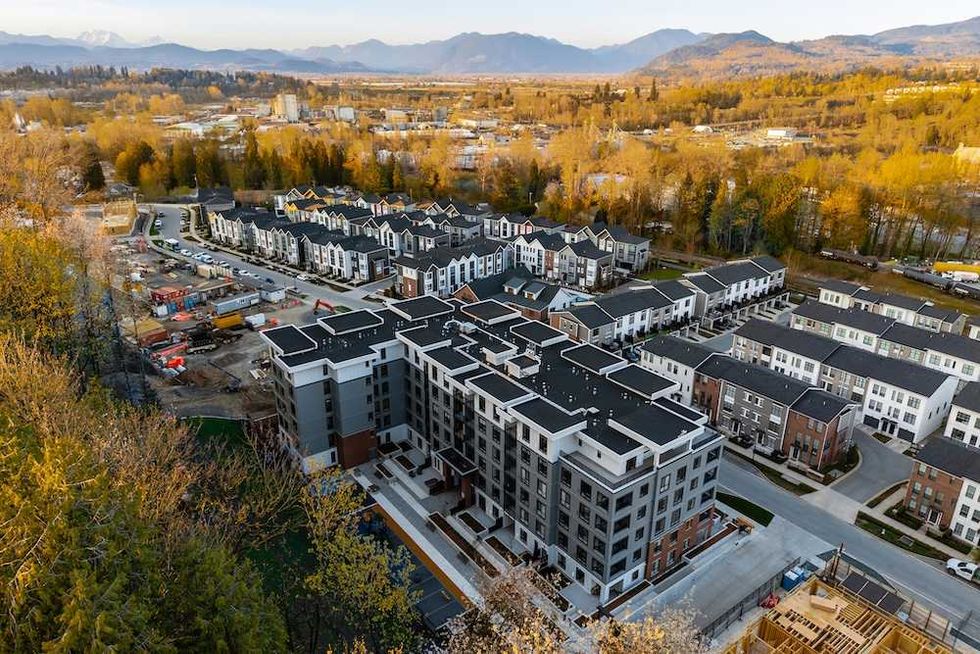 Rail District aerial (Infinity Properties)
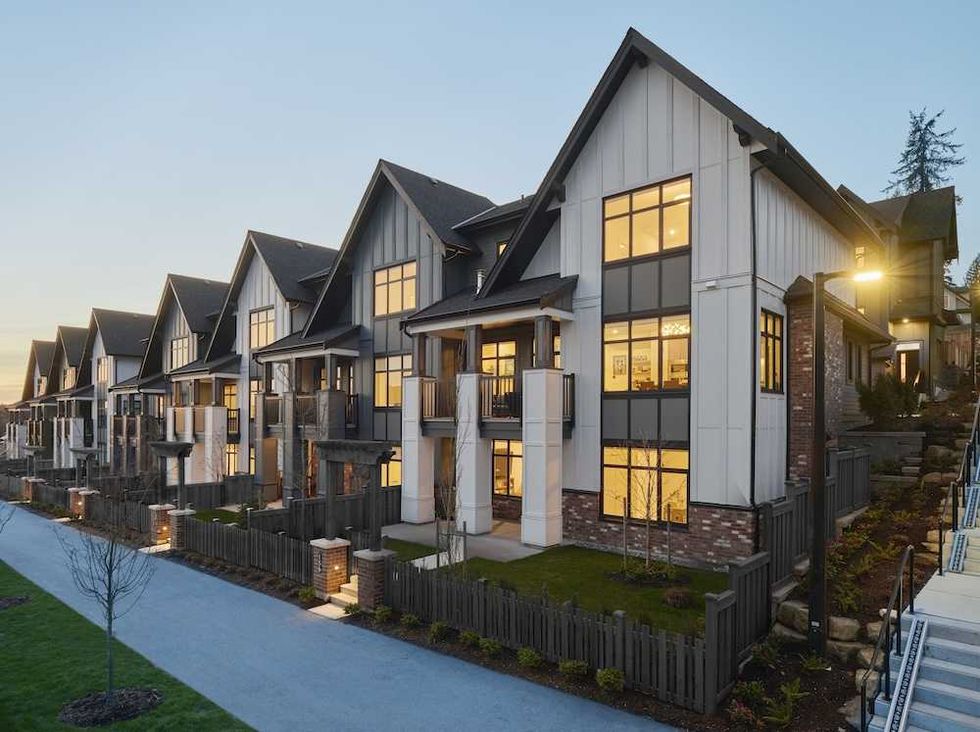 Versant (Infinity Properties)

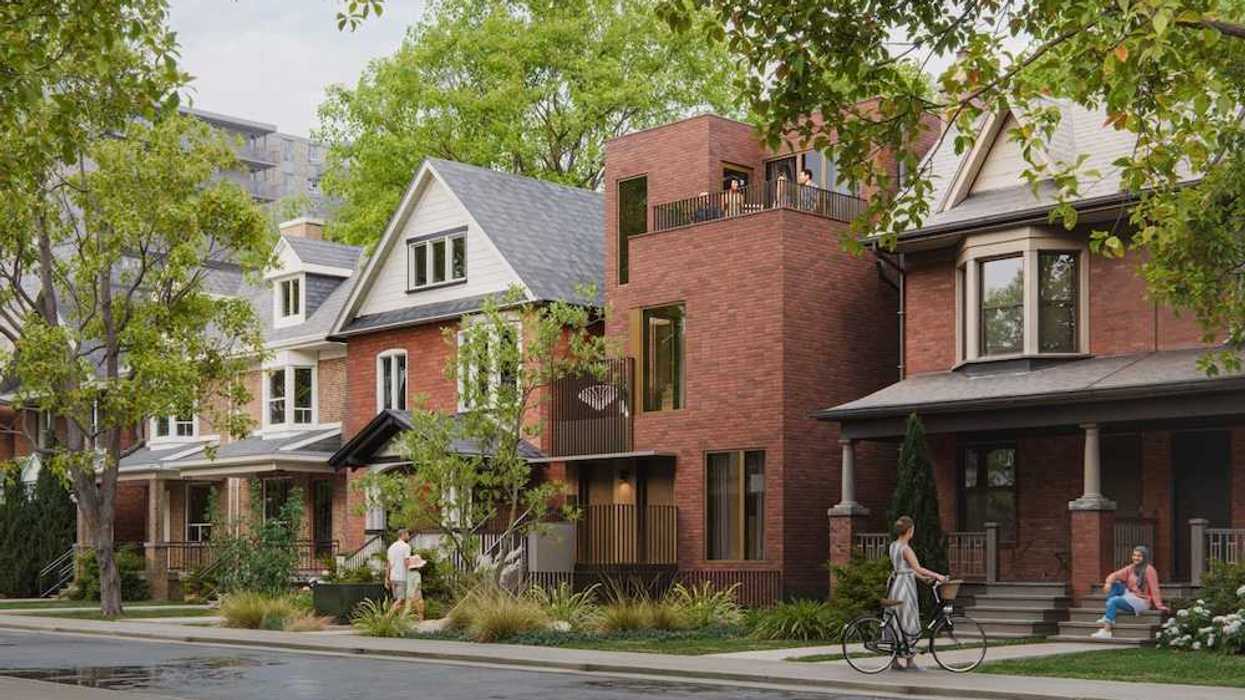
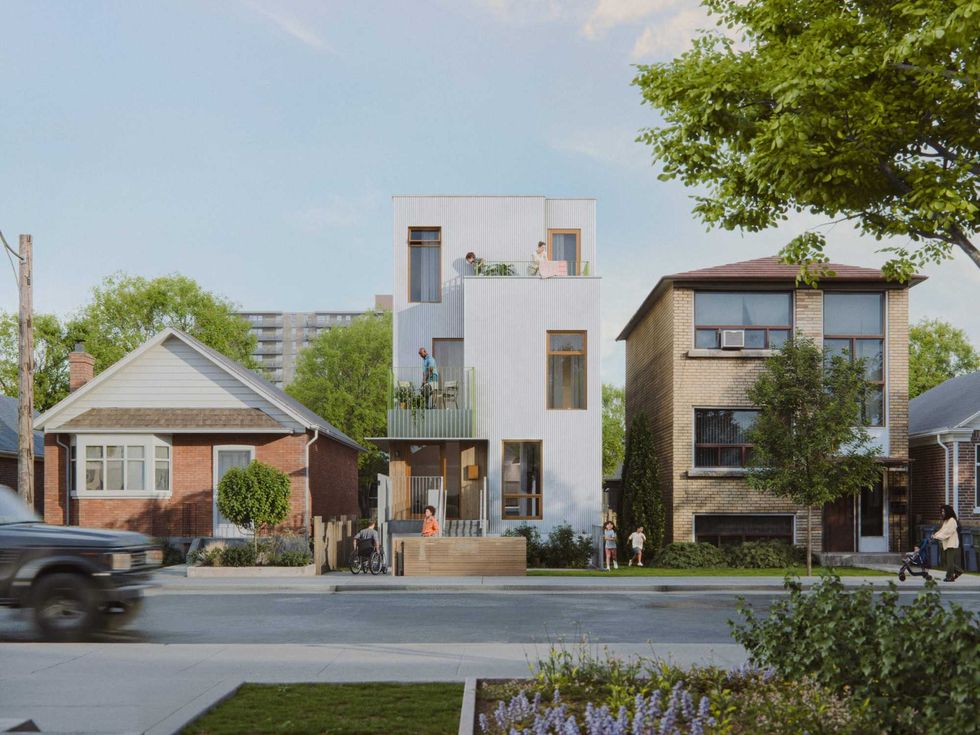 Narrow Fourplex (City of Toronto)
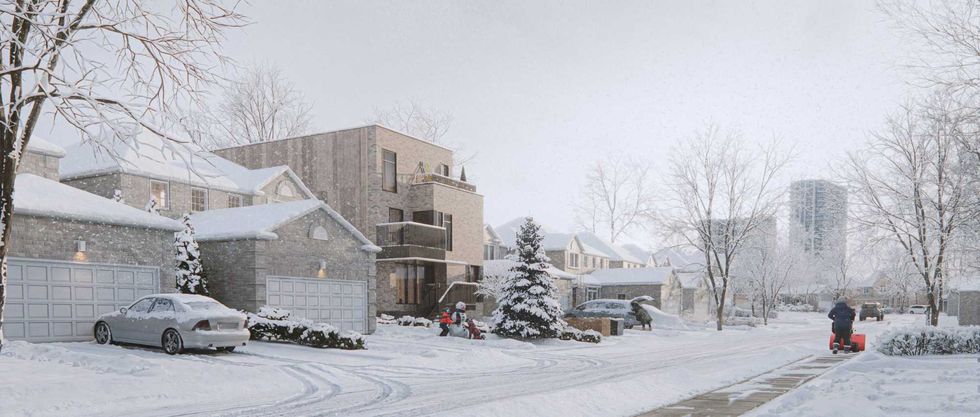 Wide Sixplex - Side View (City of Toronto)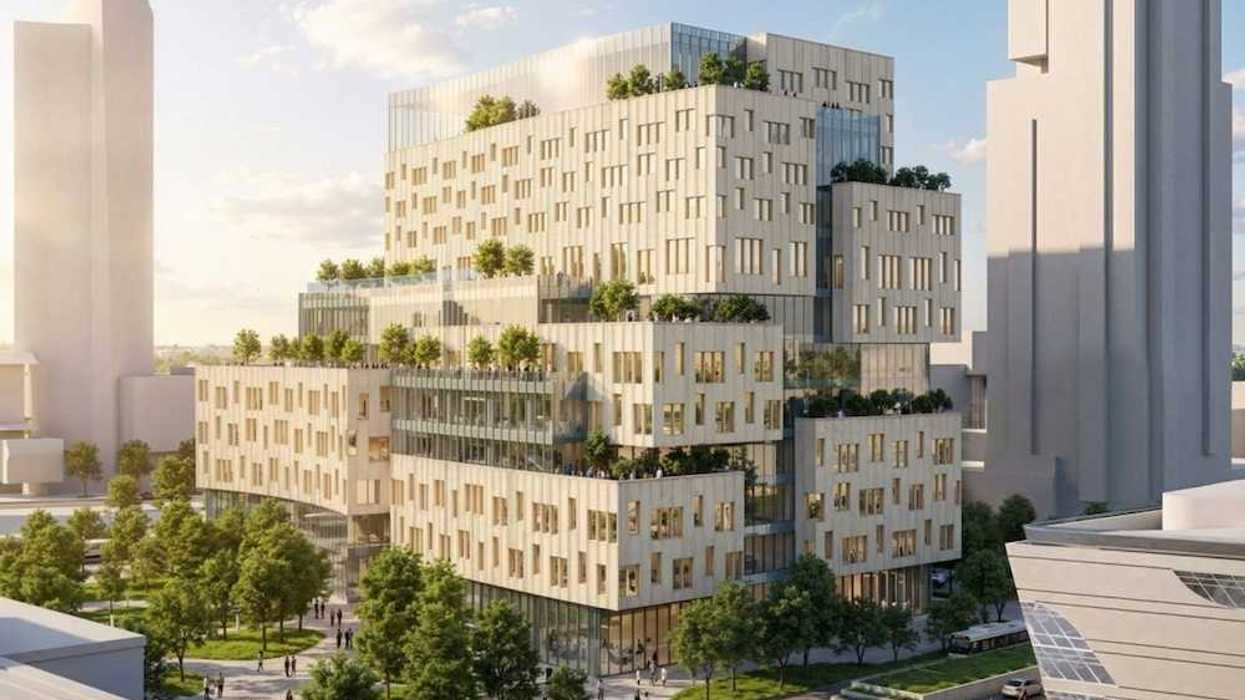
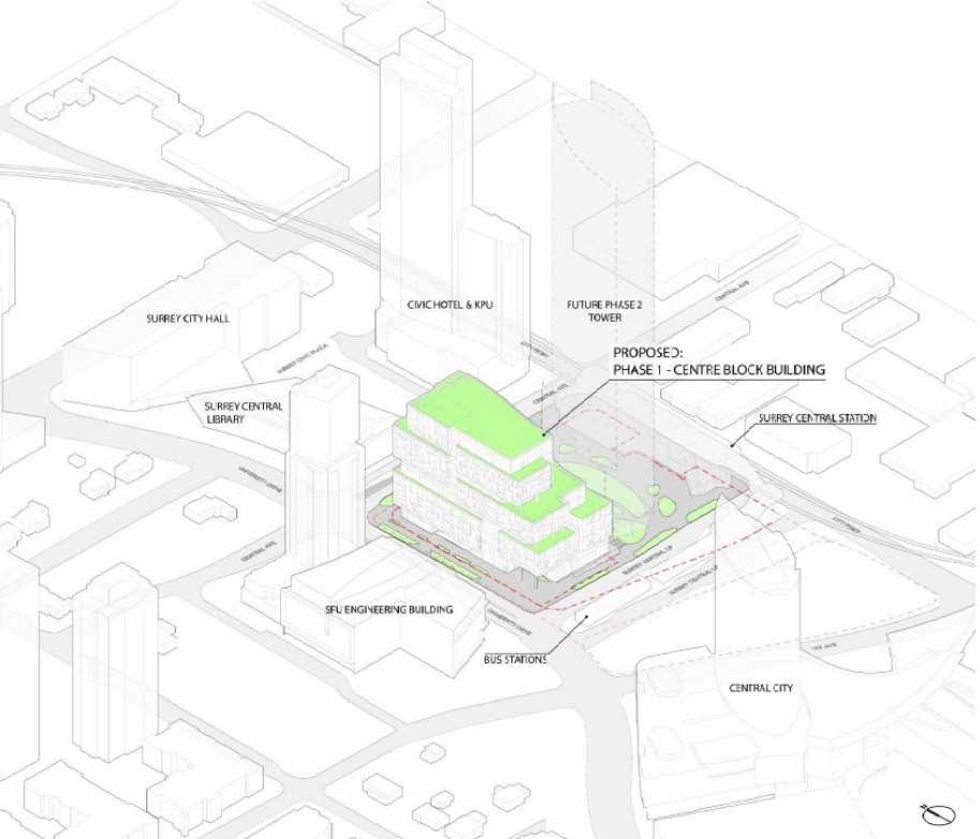 Centre Block and its surrounding context. (Stantec-Revery, SCDC)
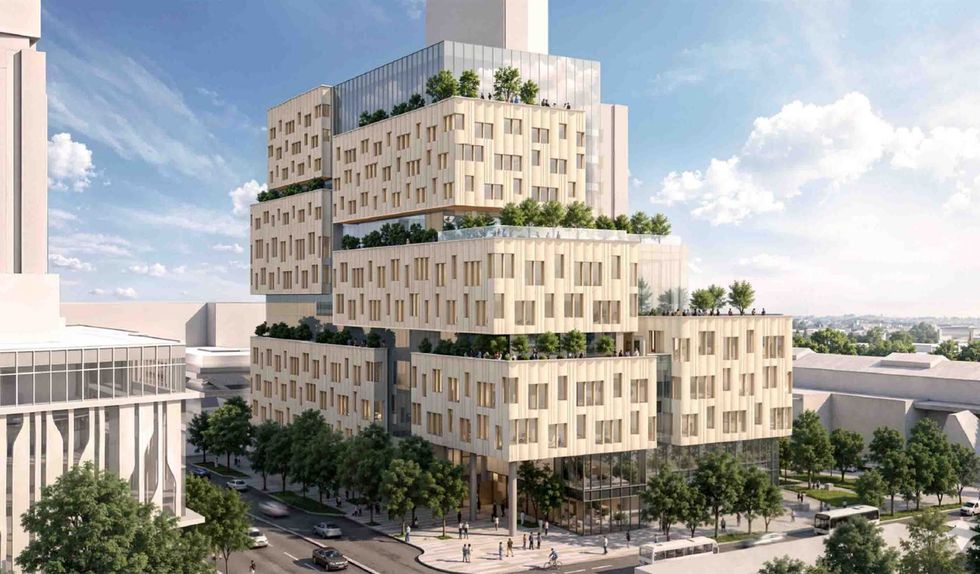 The 12-storey Phase One of Centre Block. (Stantec-Revery, SCDC)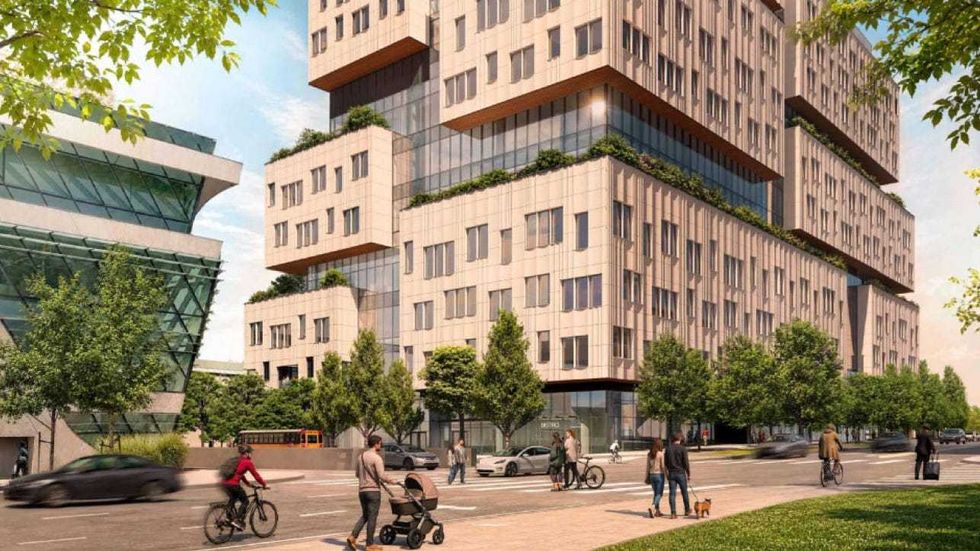
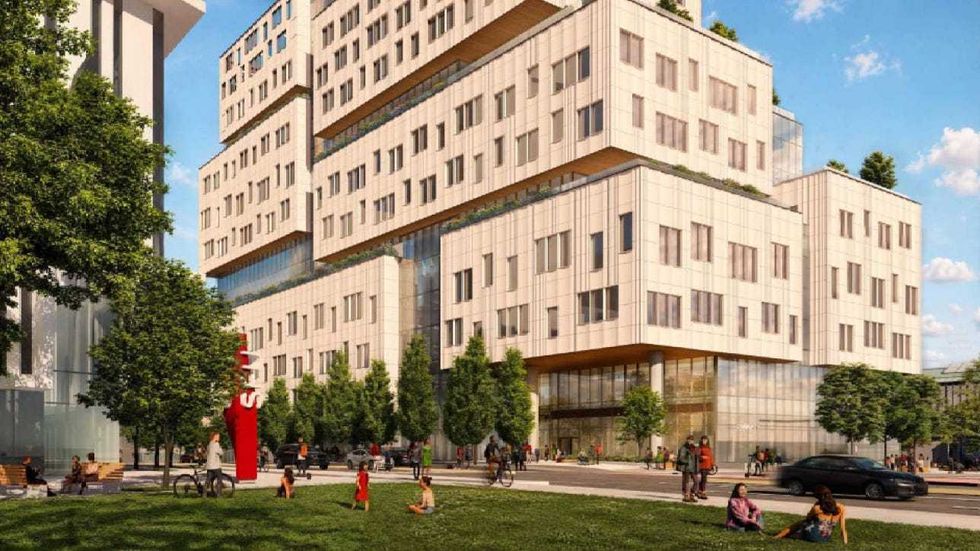 The 12-storey Phase One of Centre Block. (Stantec-Revery, SCDC)
 Mondria One, set for 1607 King Street East in Clarington, Ontario. (ICON Architects Inc., Monde Development Group)