Net Lease
Understand net leases in Canadian commercial real estate: how they work, what tenants pay, and why they matter to landlords and investors.

June 16, 2025
What is a Net Lease?
A net lease is a type of commercial lease where the tenant pays base rent plus one or more additional operating expenses such as property taxes, insurance, or maintenance.
Why Net Leases Matter in Real Estate
In Canadian commercial real estate, net leases shift certain property expenses to tenants, reducing financial responsibility for landlords while offering predictable occupancy costs.
Common types of net leases:
- Single Net (N): tenant pays property taxes
- Double Net (NN): tenant pays taxes and insurance
- Triple Net (NNN): tenant pays taxes, insurance, and maintenance
Net leases are popular in retail and industrial spaces and are often used for long-term leases with corporate tenants.
Understanding net lease structures helps both landlords and tenants negotiate fair, transparent agreements aligned with investment goals.
Example of a Net Lease in Action
The tenant signs a triple net lease, agreeing to cover all property taxes, insurance premiums, and maintenance for the warehouse space.
Key Takeaways
- Tenant pays rent plus property expenses
- Varies by number of responsibilities (N, NN, NNN)
- Common in retail, industrial, and office leases
- Reduces landlord risk and costs
- Requires detailed agreement documentation
Related Terms
- Triple Net Lease
- Operating Costs
- Commercial Lease
- Lease Agreement
- Tenant Improvements

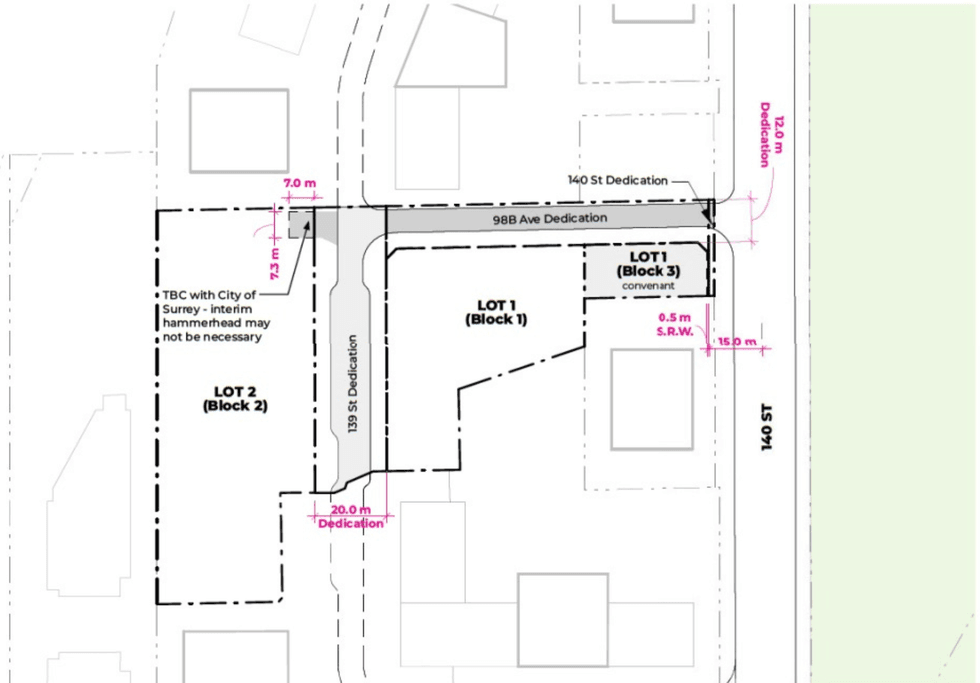 9883 140 Street and the proposed road dedications. (WW+P Architects, Entre Nous Femmes Housing Society)
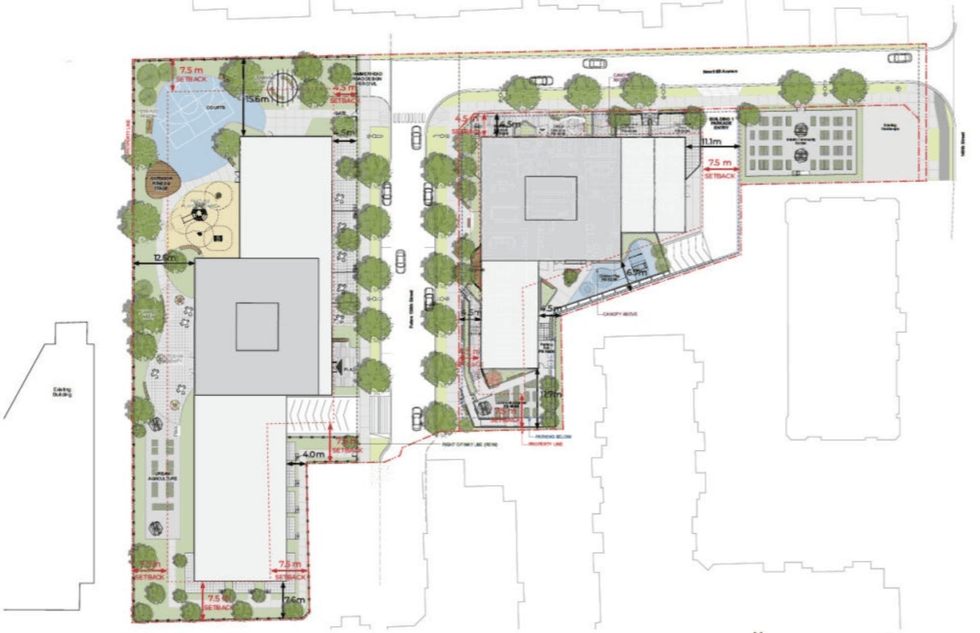 The
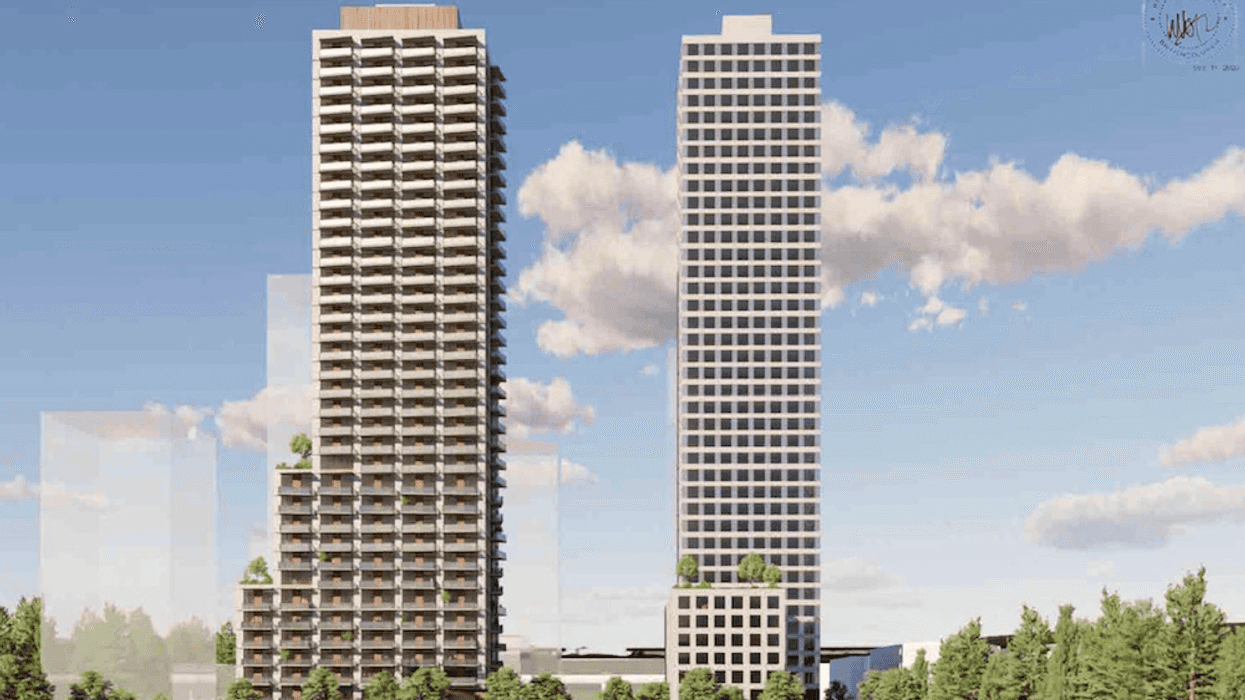
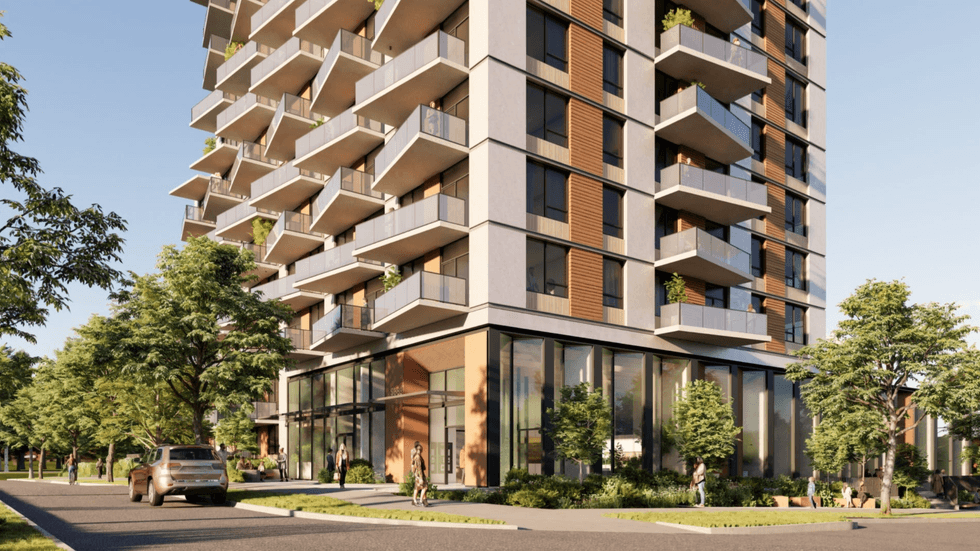 One of the towers proposed for 9883 140 Street. (Entres Nous Femmes Housing Society)






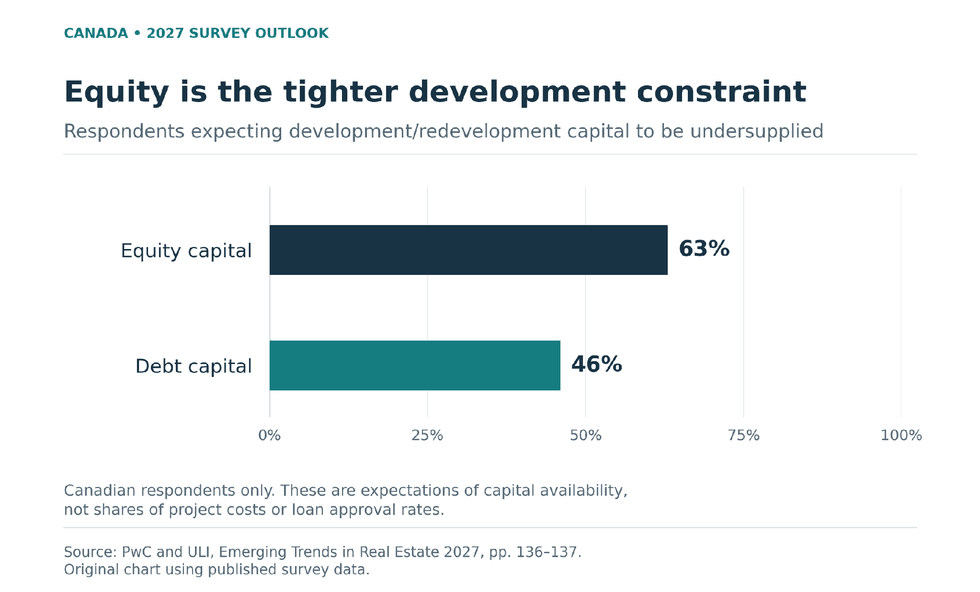 Canadian respondents were more likely to expect an undersupply of development/redevelopment equity capital (63%) than debt capital (46%) in 2027. These are survey expectations, not measured financing volumes. Source: PwC and ULI, Emerging Trends in Real Estate 2027, pp. 136–137. Original chart.
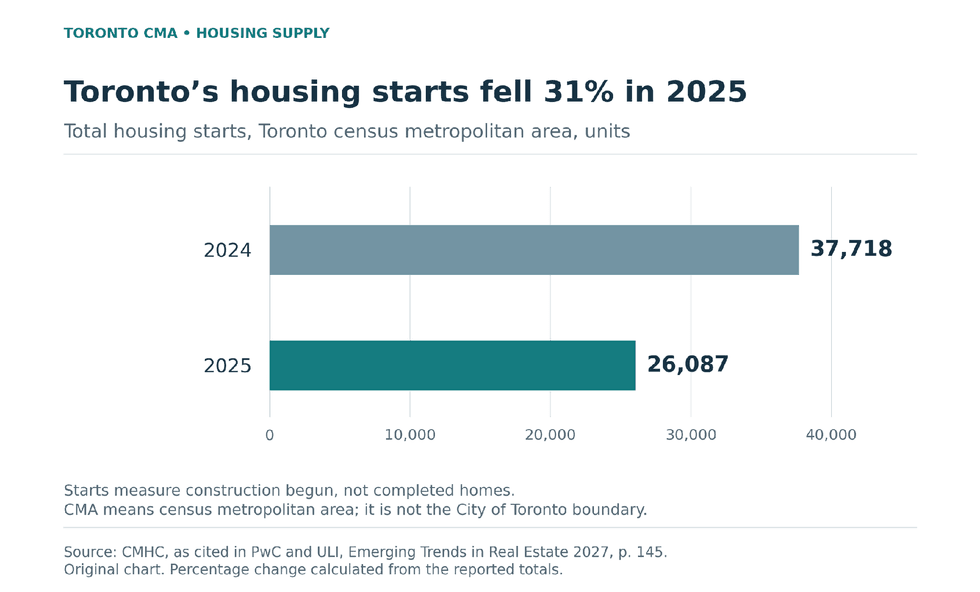 Toronto census metropolitan area housing starts fell from 37,718 units in 2024 to 26,087 in 2025, a 30.8% decline (rounded to 31%). Starts measure construction begun, not completed homes. Source: CMHC, as cited in PwC and ULI, Emerging Trends in Real Estate 2027, p. 145. Original chart.


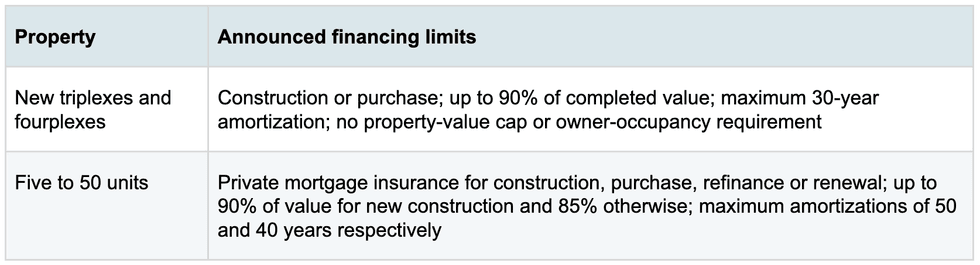
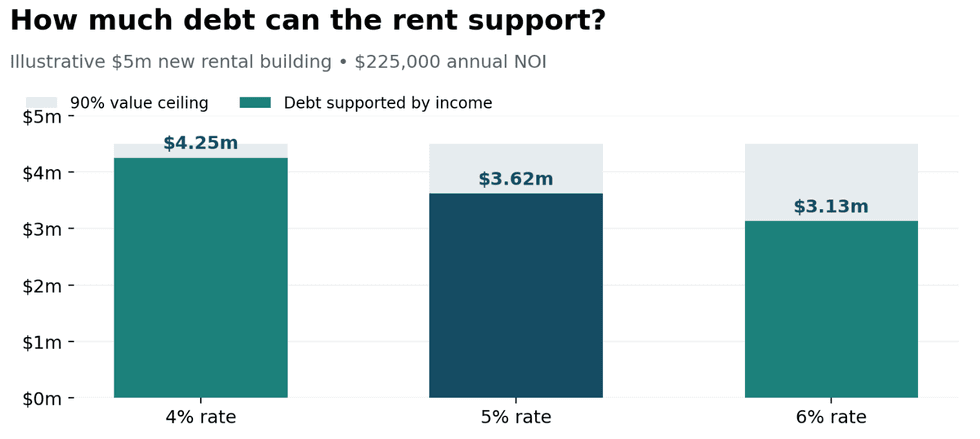 Illustrative calculation: a $4.5-million value ceiling versus income-based capacity of about $4.25 million at 4%, $3.62 million at 5% and $3.13 million at 6%. Assumes 50-year amortization and 1.15 debt coverage.
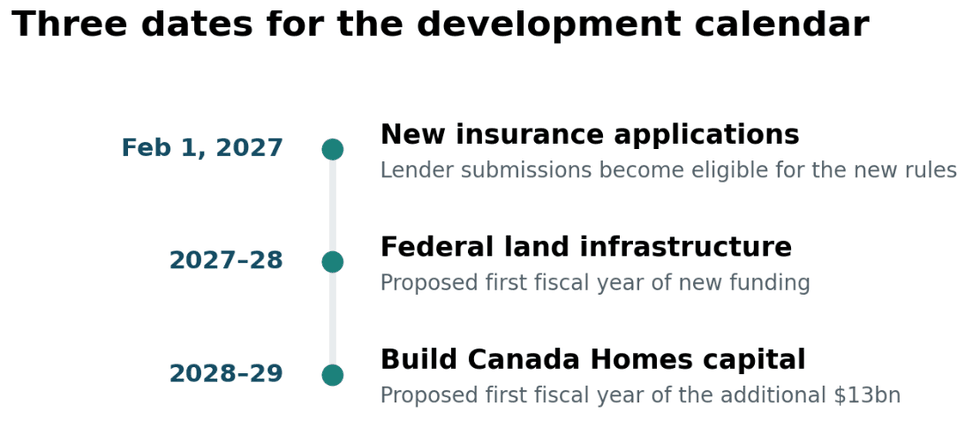 Source: Department of Finance missing-middle backgrounder and Budget 2026 Chapter 3, November 5, 2026. Fiscal-year funding starts are not home-completion dates.
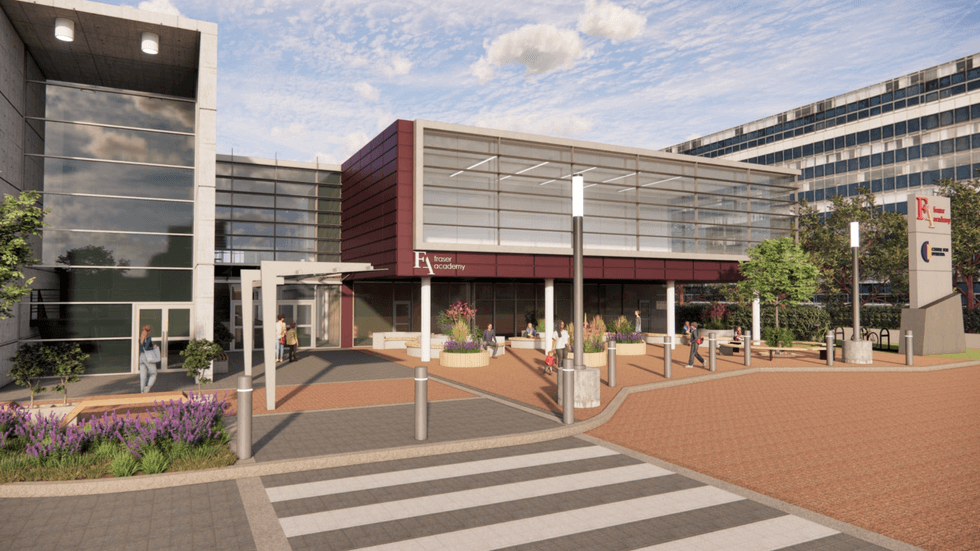 A rendering of Fraser Academy’s new campus. (Fraser Academy)

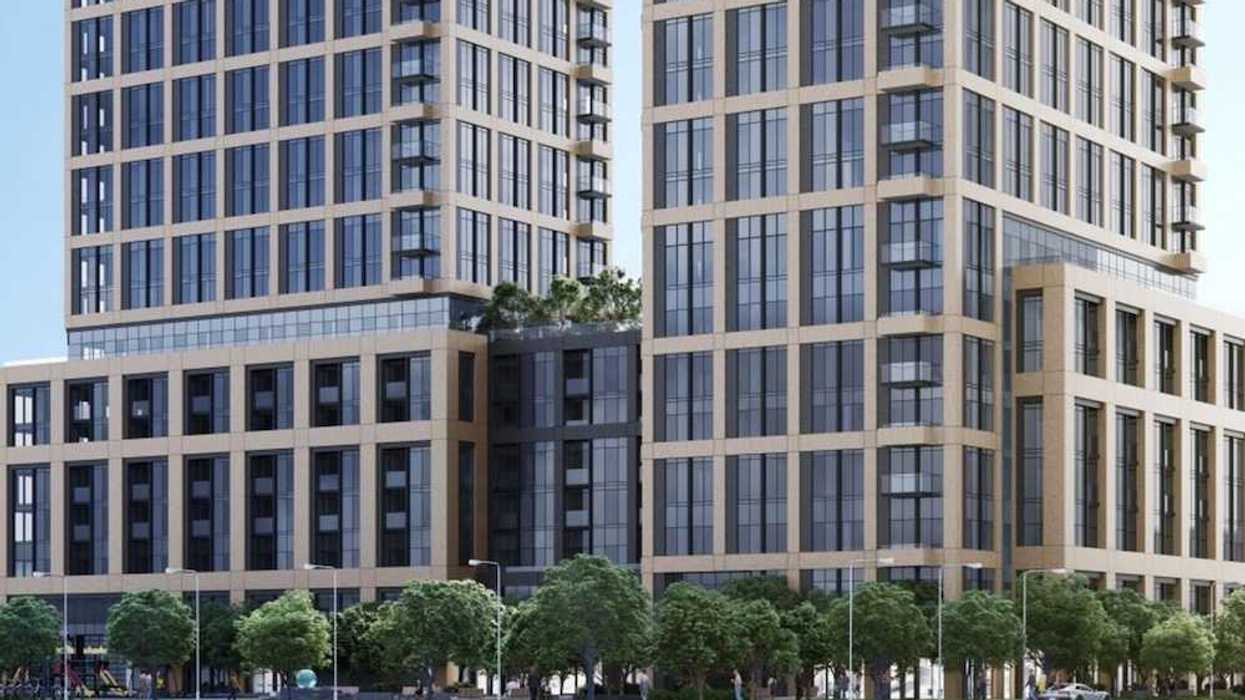
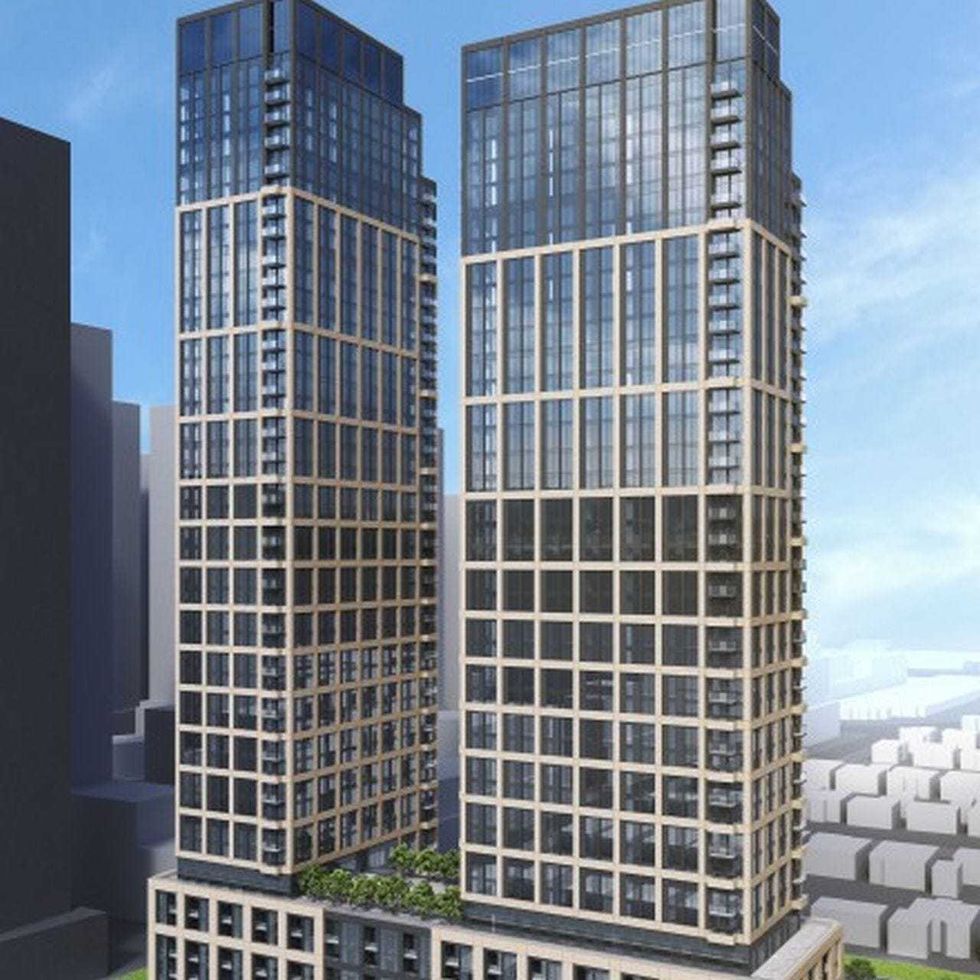 The project planned for 36-48 Steeles Avenue East and 37-49 Highland Park Boulevard in Markham. (Arcadis, Zonix Homes)