Lender Disclosure
Understand lender disclosure in Canadian real estate, what it includes, why it’s legally required, and how it protects mortgage borrowers.

May 30, 2025
What is Lender Disclosure?
Lender disclosure refers to the legal obligation of a lender to provide transparent information about the terms, costs, and conditions of a mortgage or loan agreement.
Why Does Lender Disclosure Matter in Real Estate?
In Canadian real estate, lender disclosure protects borrowers from hidden fees, interest rate changes, and unfavorable terms.
Lender disclosures typically include:
- Interest rates (fixed or variable)
- Prepayment penalties or privileges
- Mortgage term, amortization, and payment schedule
- Fees such as appraisal, underwriting, or legal costs
Federal and provincial laws (e.g. the Cost of Borrowing Regulations) require disclosures to be presented clearly and in writing.
Understanding lender disclosure helps borrowers compare offers, avoid surprise charges, and make fully informed mortgage decisions.
Example of Lender Disclosure in Action
The borrower receives a disclosure statement outlining their interest rate, term, and penalties, helping them choose between lenders.
Key Takeaways
- Explains mortgage terms and costs.
- Required by law to protect borrowers.
- Includes rates, fees, and conditions.
- Enables accurate lender comparisons.
- Prevents hidden charges or surprises.
Related Terms
- Broker Disclosure
- Mortgage Application
- Prepayment Penalty
- Interest Rate
- Loan Origination
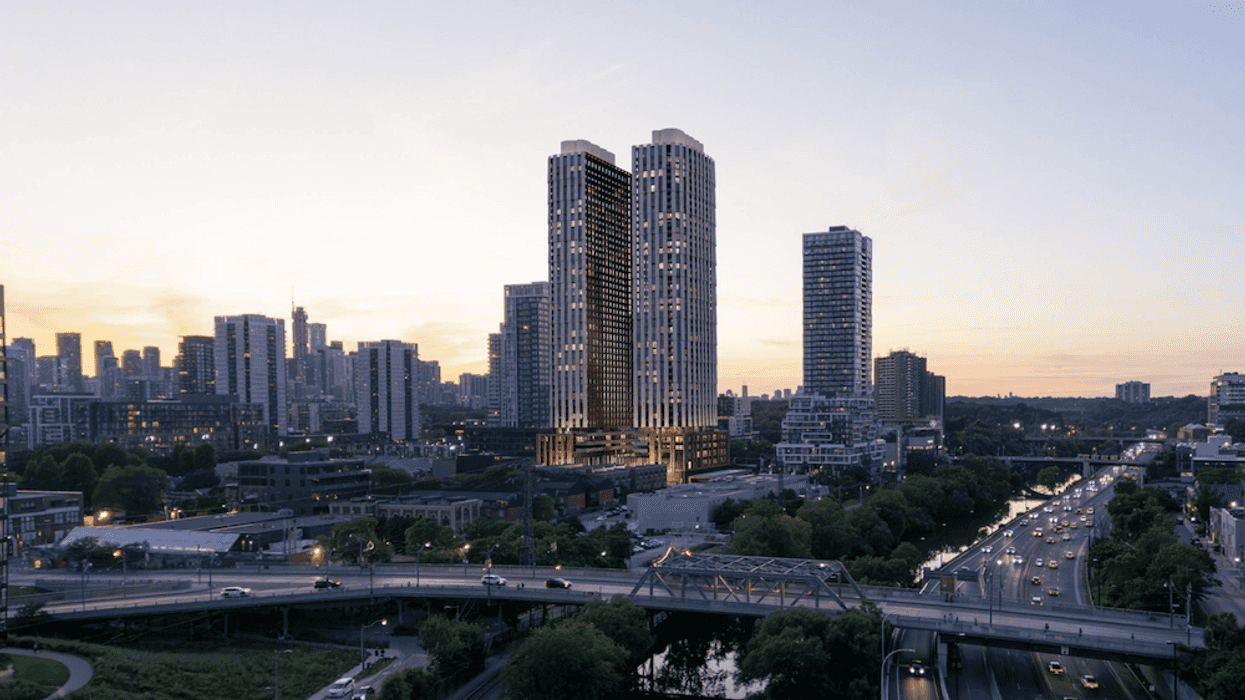
 Rendering of 86 and 100-108 Lombard St and 103 Richmond St E/WZMH Architects
 Rendering of 60 Overlea Blvd/Sweeny&Co Architects
 Rendering of 7 Labatt Ave and 77 River St/Giannone Petricone Associates
 Rendering of 4632-4648 Yonge St and 16-18 Cameron Ave/Arcadis
 Rendering of 1234 Islington Ave/Sweeny&Co Architects
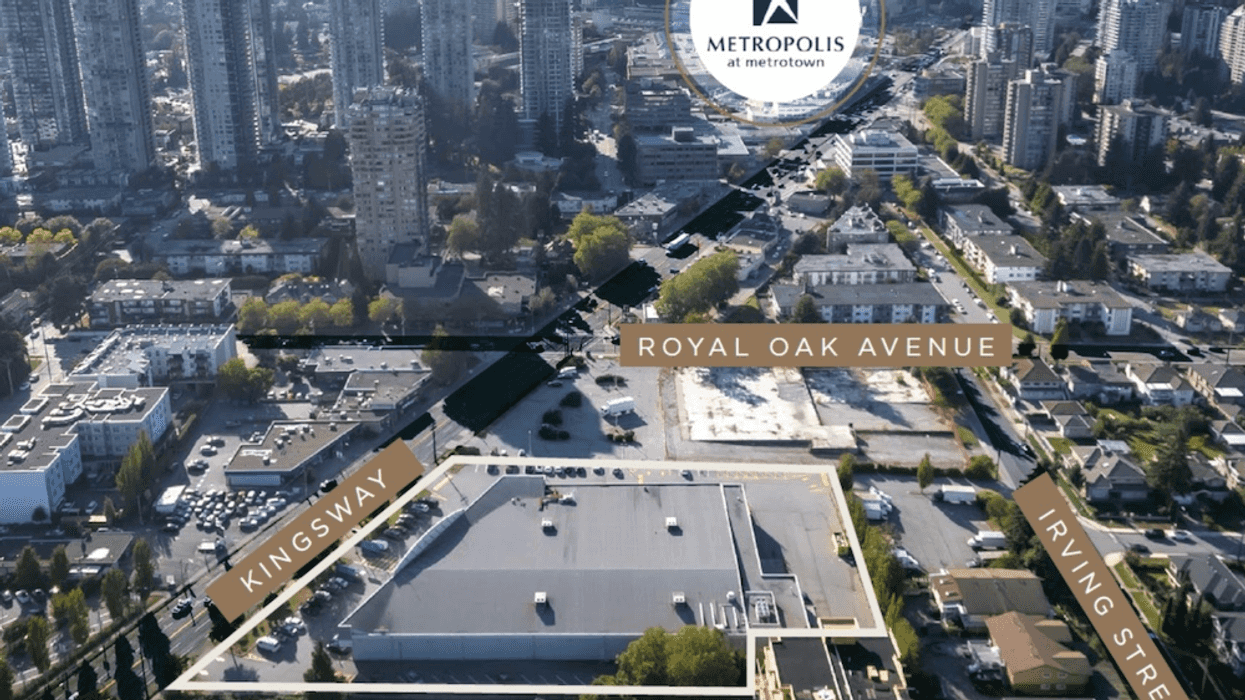
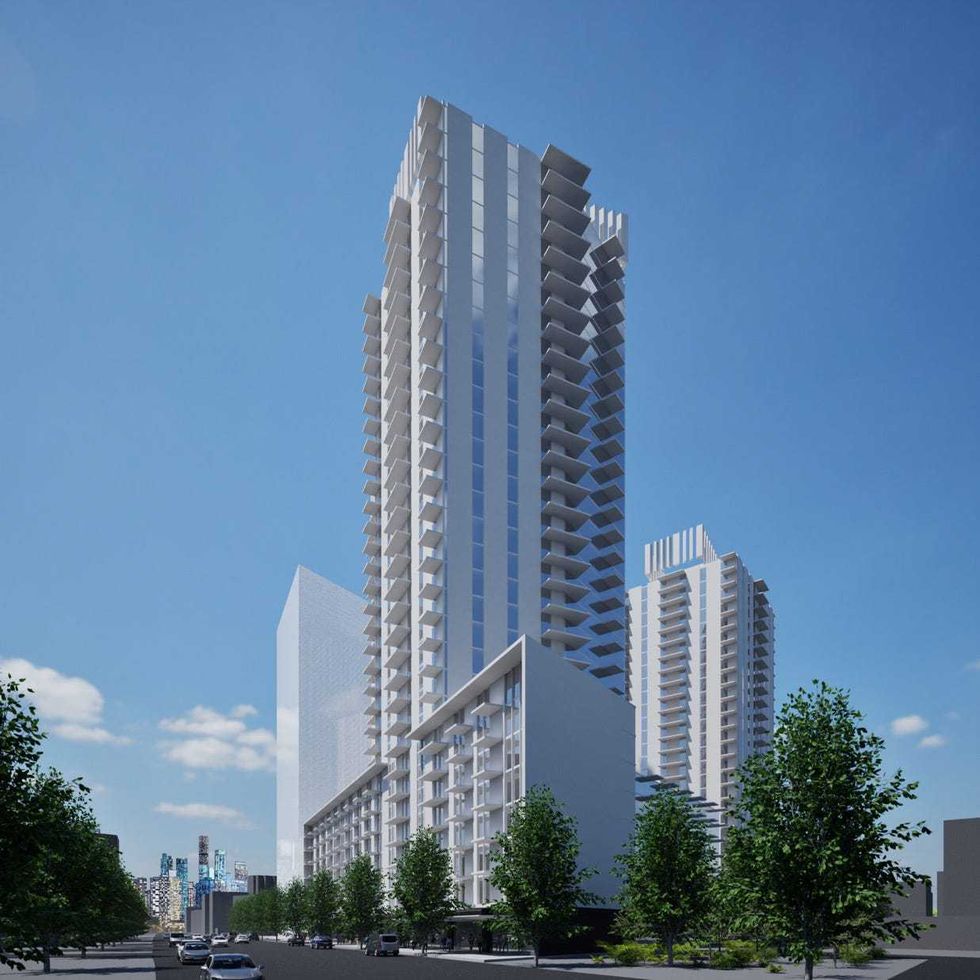 A preliminary conceptual development for 5335 Kingsway in Burnaby. (Arcadis, JLL)







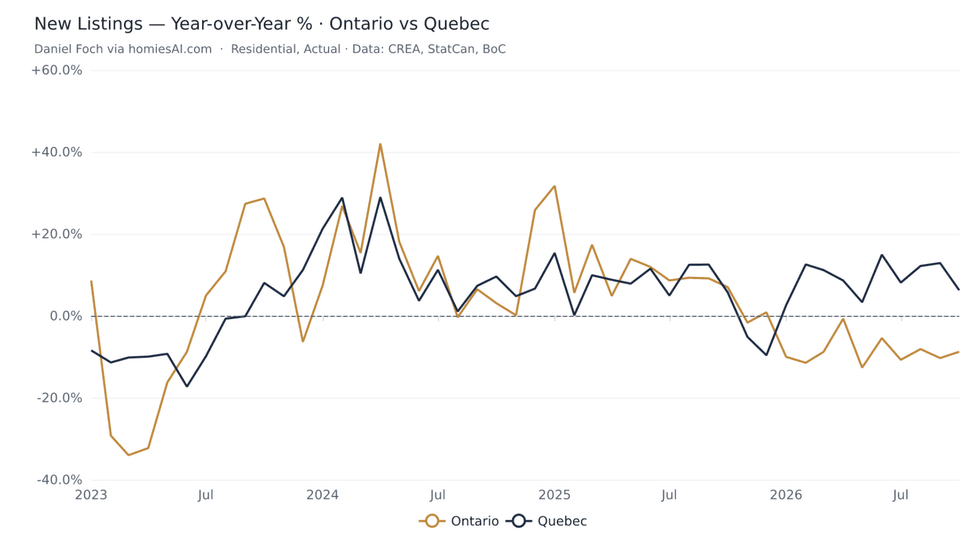 Chart: New listings, year-over-year %, Ontario vs Quebec. Daniel Foch via homiesai.com/stats. Data:
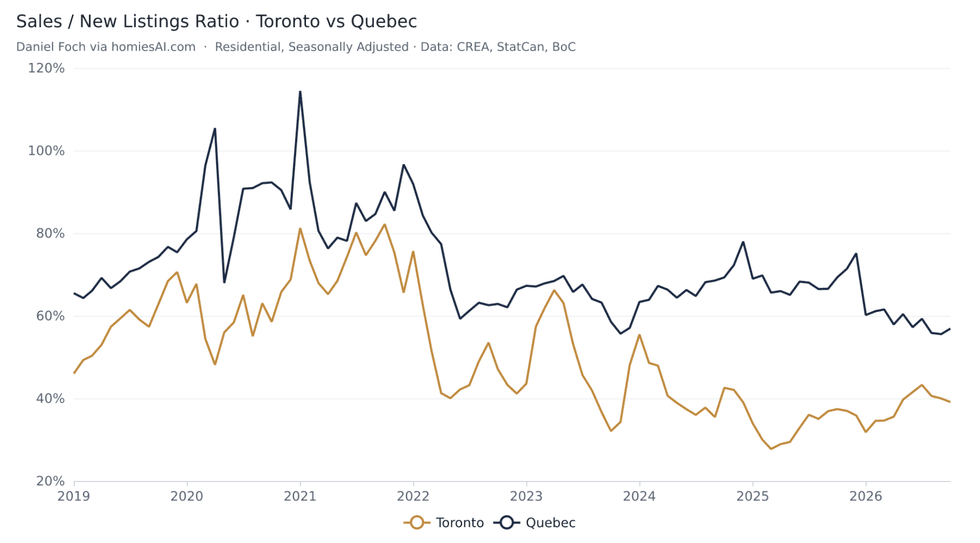 Chart: Sales-to-new-listings ratio, seasonally adjusted. Toronto vs Quebec. Daniel Foch via homiesai.com/stats. Data: CREA.
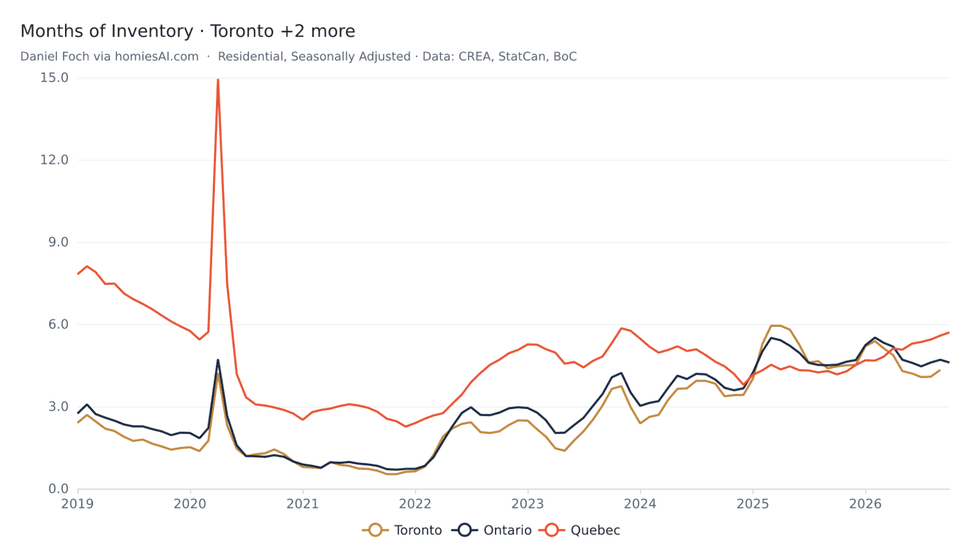 Chart: Months of inventory, seasonally adjusted. Daniel Foch via homiesai.com/stats. Data: CREA.
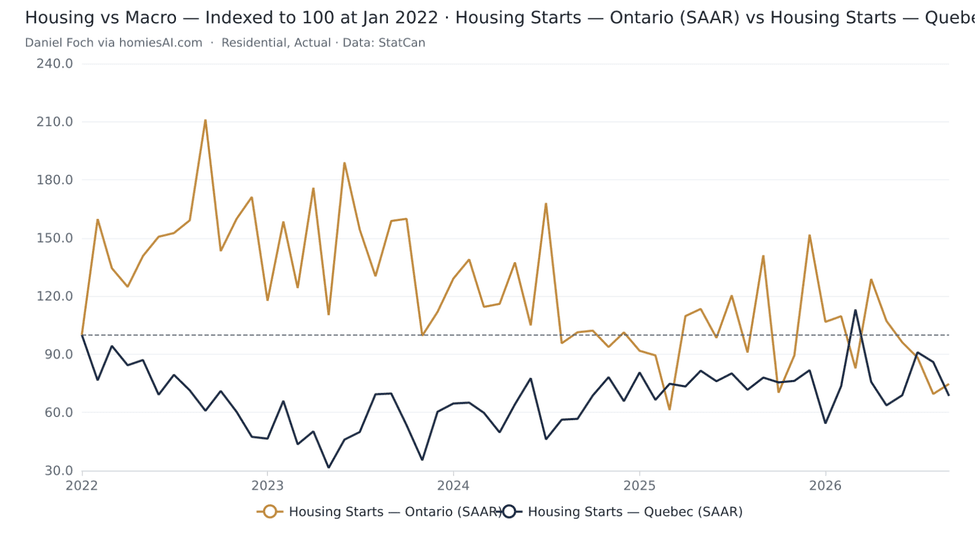 Chart: Housing starts, seasonally adjusted annual rate, Ontario vs Quebec, indexed to January 2022. Daniel Foch via homiesai.com/stats. Data: CMHC via Statistics Canada.
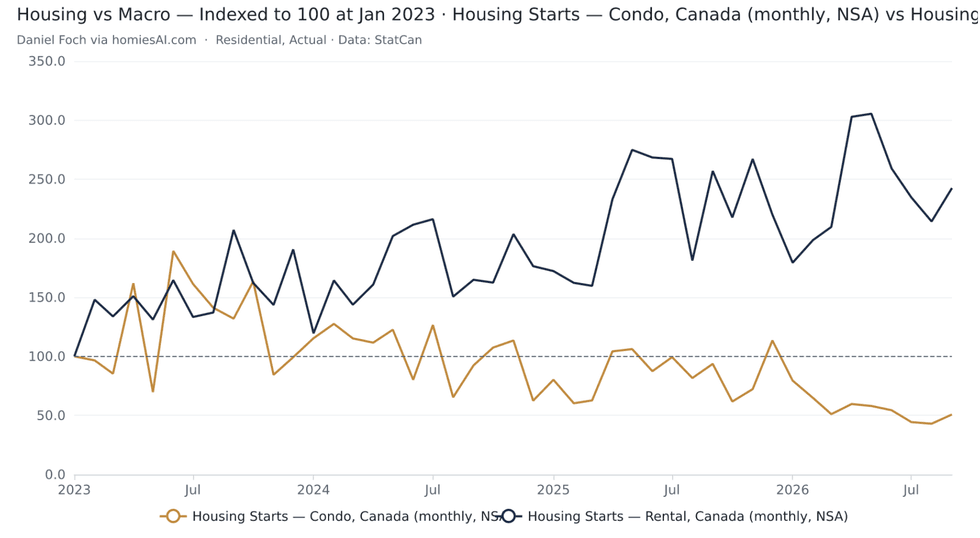 Chart: Condo vs rental housing starts, Canada, indexed to January 2023. Daniel Foch via homiesai.com/stats. Data: CMHC via Statistics Canada.
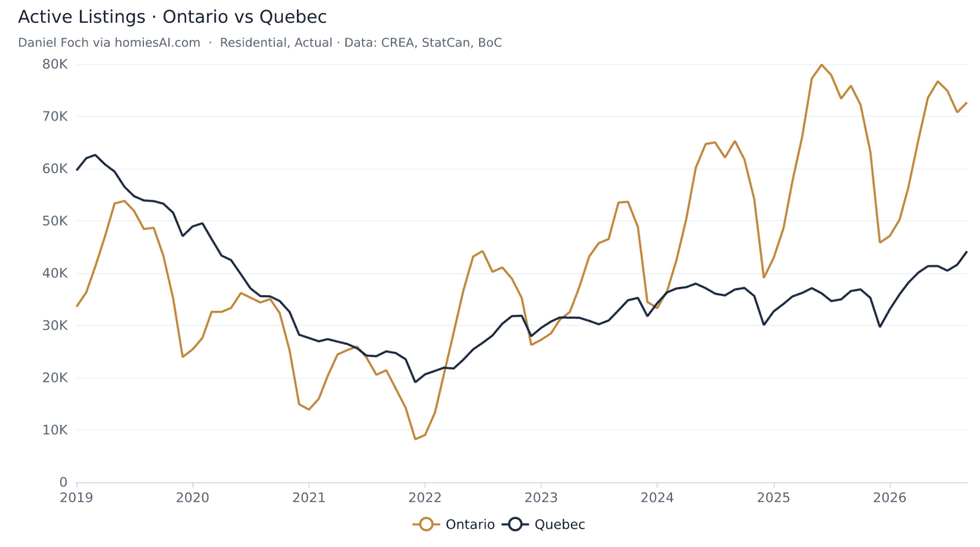 Chart: Active residential listings, Ontario vs Quebec. Daniel Foch via homiesai.com/stats. Data: CREA.

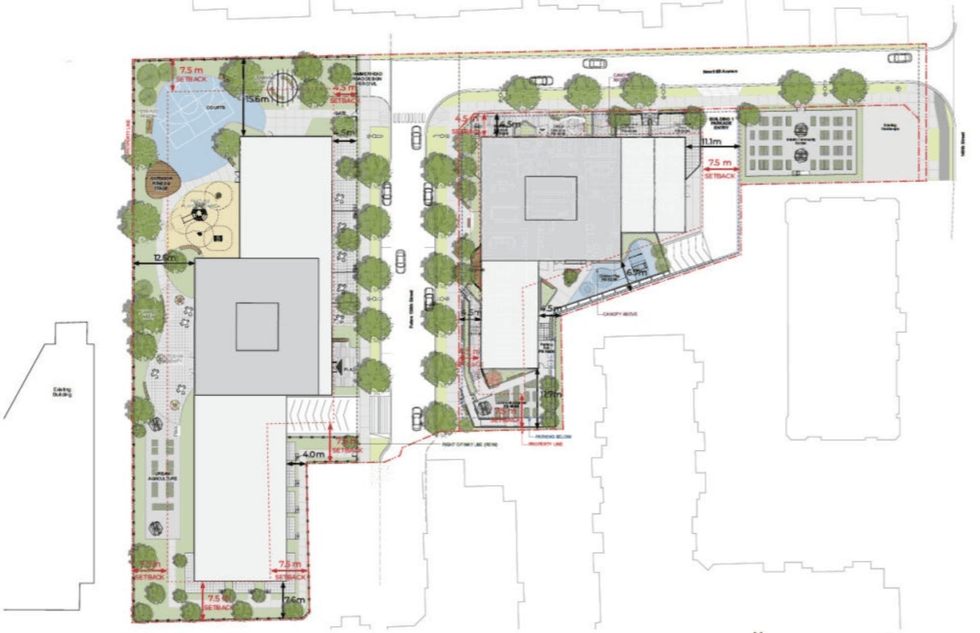
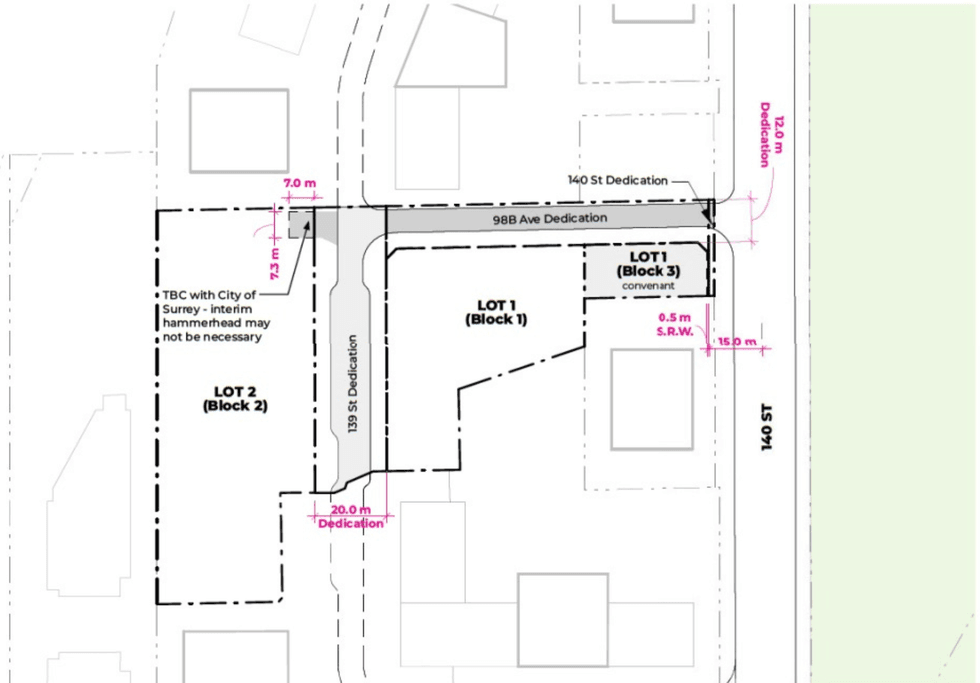 9883 140 Street and the proposed road dedications. (WW+P Architects, Entre Nous Femmes Housing Society)
 The
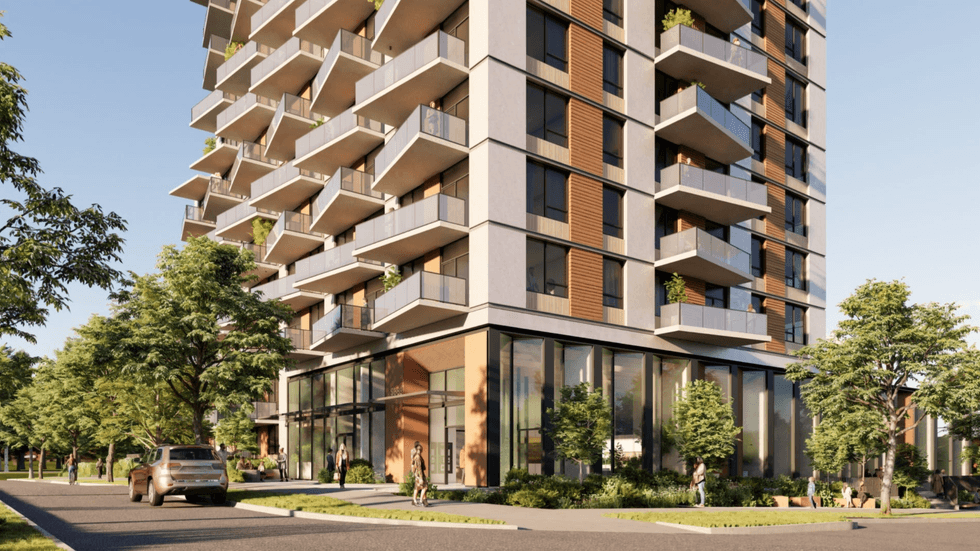 One of the towers proposed for 9883 140 Street. (Entres Nous Femmes Housing Society)

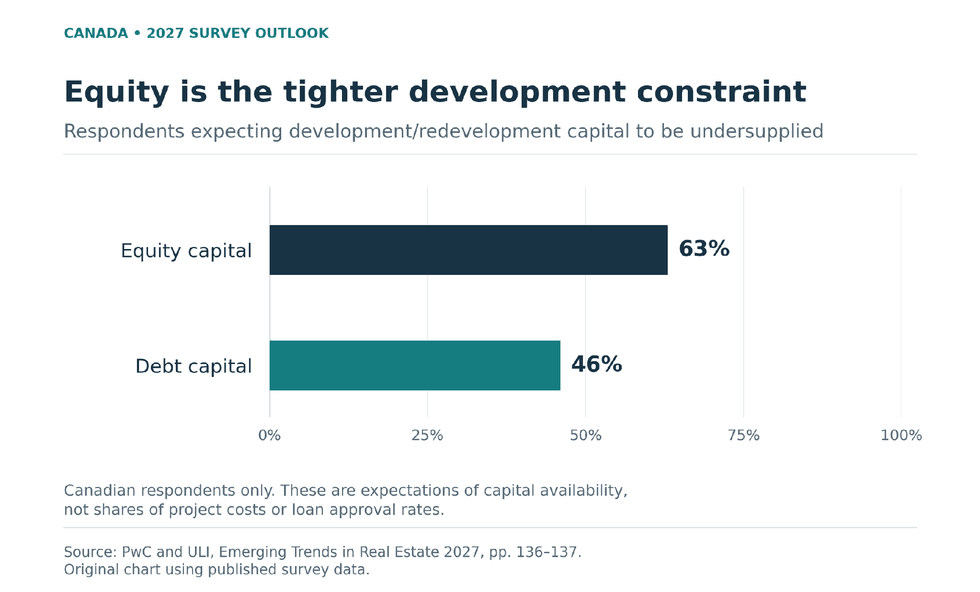 Canadian respondents were more likely to expect an undersupply of development/redevelopment equity capital (63%) than debt capital (46%) in 2027. These are survey expectations, not measured financing volumes. Source: PwC and ULI, Emerging Trends in Real Estate 2027, pp. 136–137. Original chart.
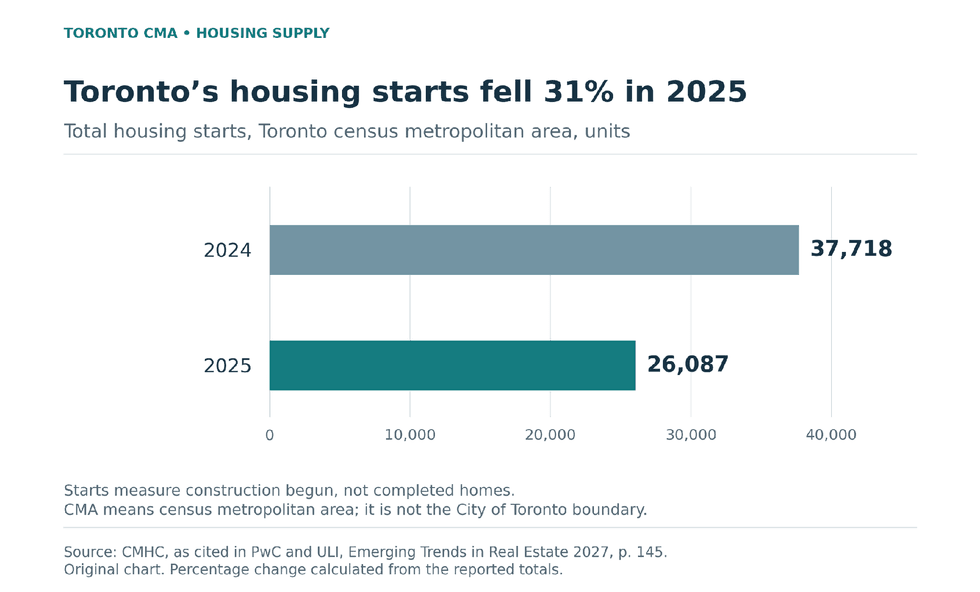 Toronto census metropolitan area housing starts fell from 37,718 units in 2024 to 26,087 in 2025, a 30.8% decline (rounded to 31%). Starts measure construction begun, not completed homes. Source: CMHC, as cited in PwC and ULI, Emerging Trends in Real Estate 2027, p. 145. Original chart.