Lender Disclosure
Understand lender disclosure in Canadian real estate, what it includes, why it’s legally required, and how it protects mortgage borrowers.

May 30, 2025
What is Lender Disclosure?
Lender disclosure refers to the legal obligation of a lender to provide transparent information about the terms, costs, and conditions of a mortgage or loan agreement.
Why Does Lender Disclosure Matter in Real Estate?
In Canadian real estate, lender disclosure protects borrowers from hidden fees, interest rate changes, and unfavorable terms.
Lender disclosures typically include:
- Interest rates (fixed or variable)
- Prepayment penalties or privileges
- Mortgage term, amortization, and payment schedule
- Fees such as appraisal, underwriting, or legal costs
Federal and provincial laws (e.g. the Cost of Borrowing Regulations) require disclosures to be presented clearly and in writing.
Understanding lender disclosure helps borrowers compare offers, avoid surprise charges, and make fully informed mortgage decisions.
Example of Lender Disclosure in Action
The borrower receives a disclosure statement outlining their interest rate, term, and penalties, helping them choose between lenders.
Key Takeaways
- Explains mortgage terms and costs.
- Required by law to protect borrowers.
- Includes rates, fees, and conditions.
- Enables accurate lender comparisons.
- Prevents hidden charges or surprises.
Related Terms
- Broker Disclosure
- Mortgage Application
- Prepayment Penalty
- Interest Rate
- Loan Origination

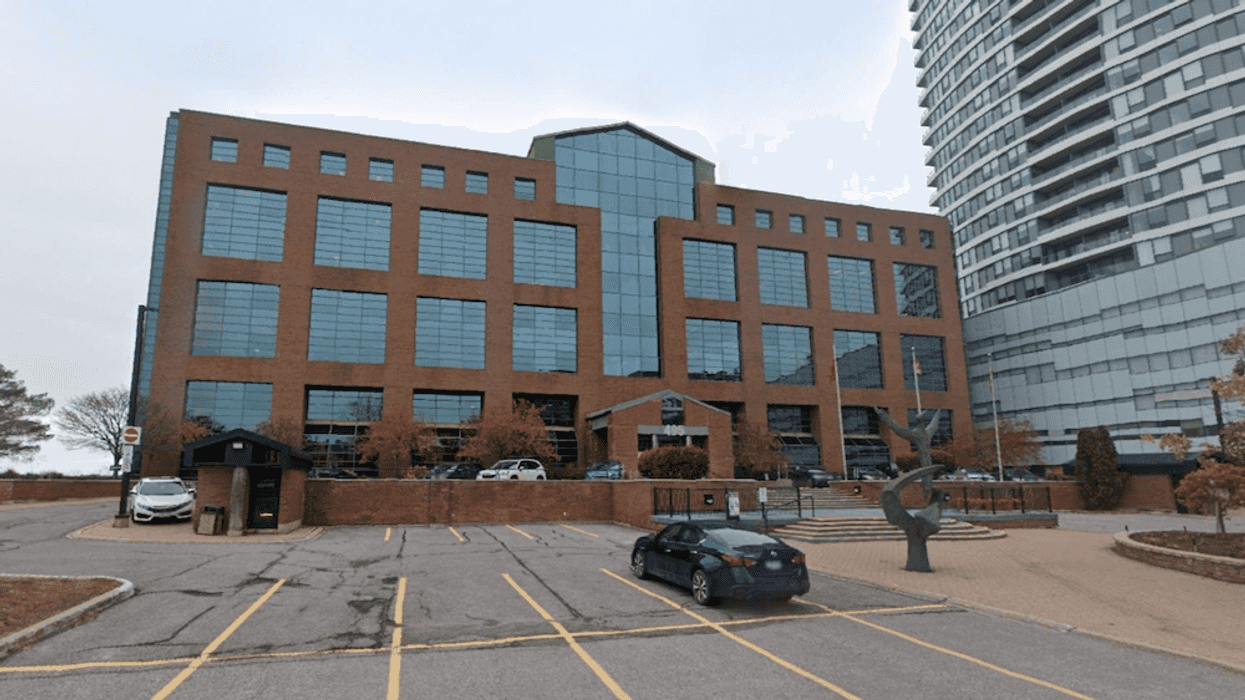
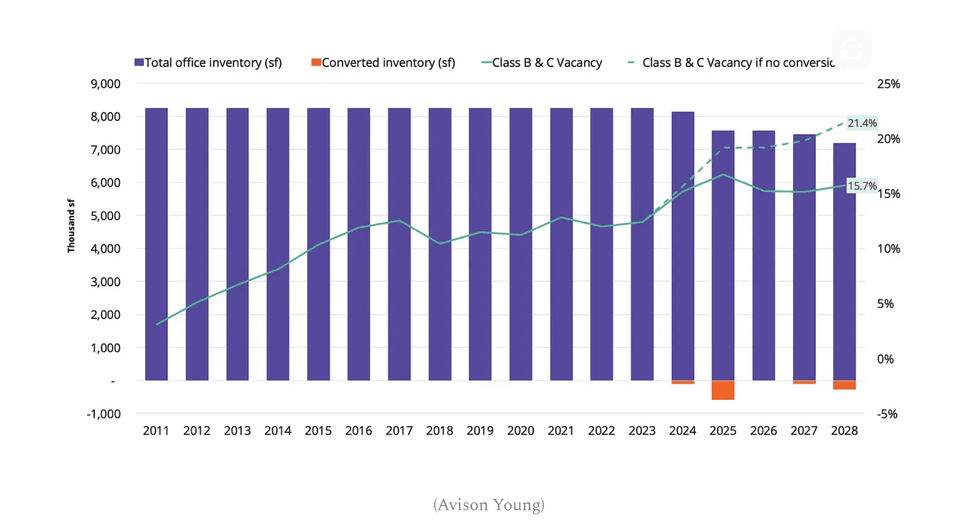 (Avison Young)






 The Mason Suite Interior (Infinity Properties)
 The Mason Suite Interior (Infinity Properties)
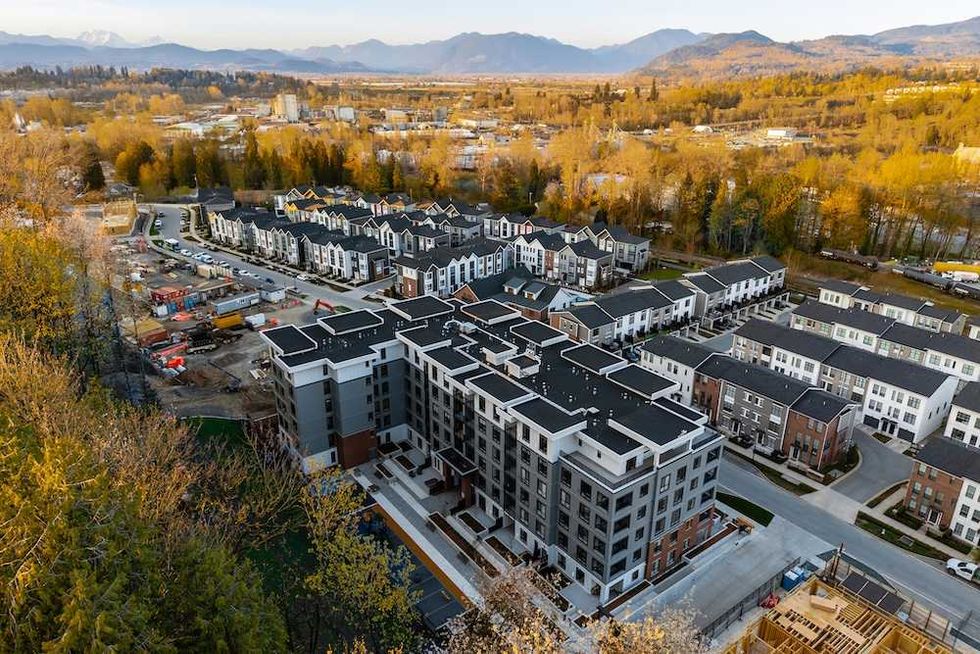 Rail District aerial (Infinity Properties)
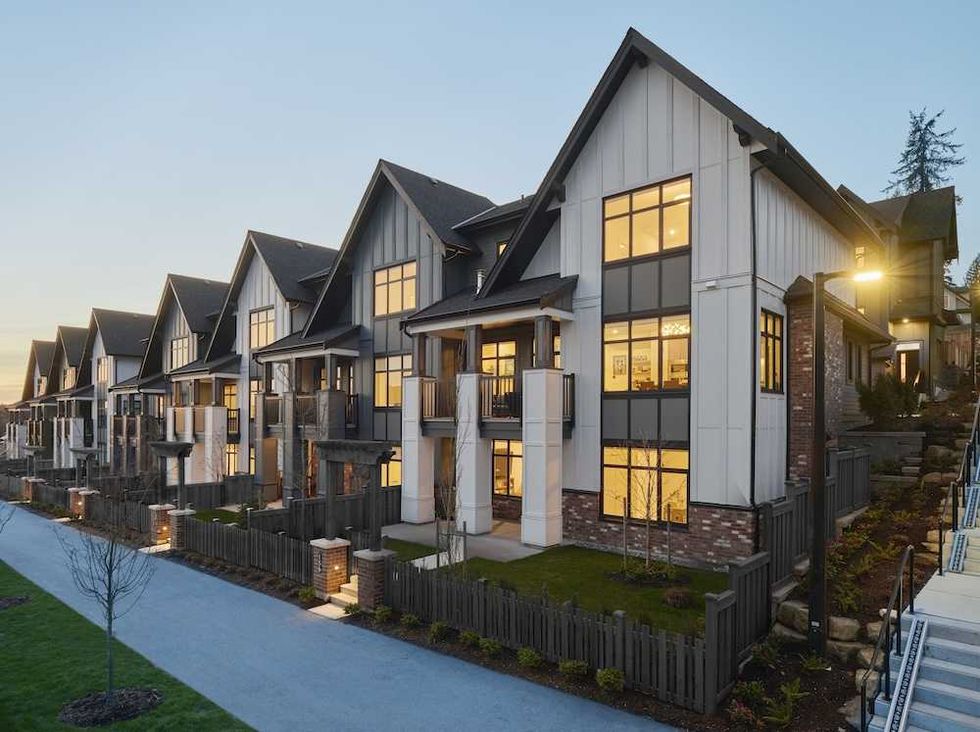 Versant (Infinity Properties)


 Narrow Fourplex (City of Toronto)
 Wide Sixplex - Side View (City of Toronto)
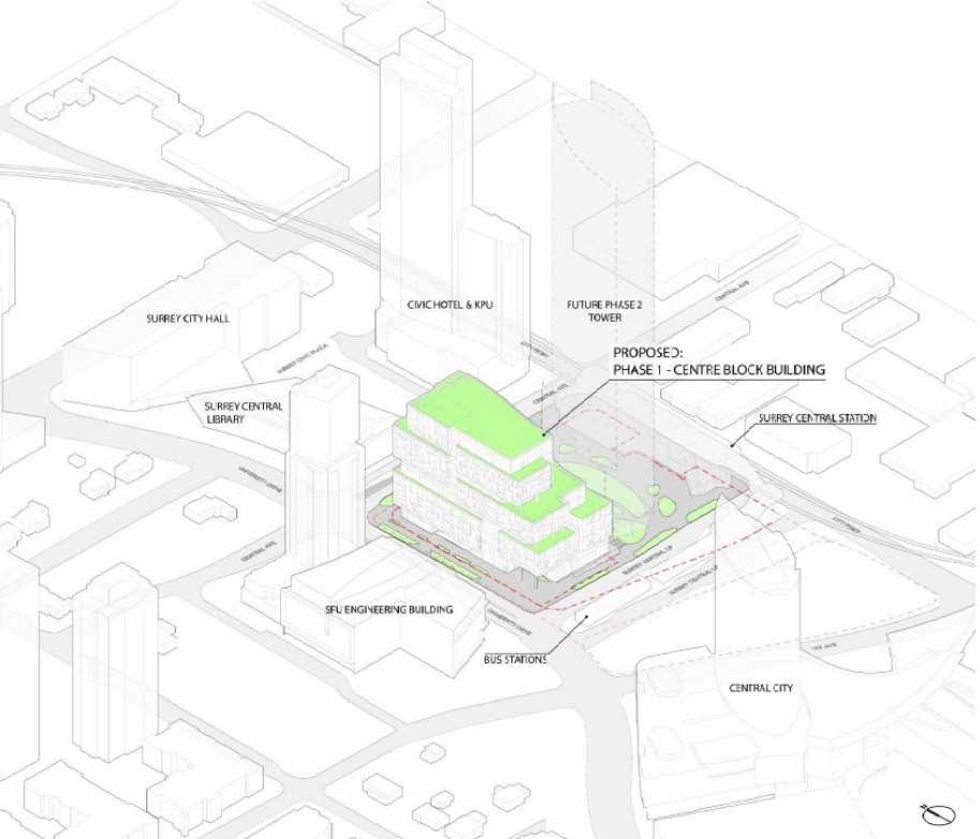 Centre Block and its surrounding context. (Stantec-Revery, SCDC)
 The 12-storey Phase One of Centre Block. (Stantec-Revery, SCDC)
 The 12-storey Phase One of Centre Block. (Stantec-Revery, SCDC)
 Mondria One, set for 1607 King Street East in Clarington, Ontario. (ICON Architects Inc., Monde Development Group)