Intangible Tax
An intangible tax is a levy on recorded non-physical property rights such as mortgages or liens, impacting financing costs and structuring.

September 30, 2025
What is Intangible Tax?
An intangible tax is a levy imposed on non-physical property interests, such as mortgages, liens, or promissory notes. In real estate, certain jurisdictions apply intangible taxes when debt instruments are recorded. This tax can affect the cost of financing and structuring of deals.
Why Intangible Tax Matters in Real Estate
Intangible tax matters in real estate because it influences how loans are structured, recorded, and disclosed. Developers, lenders, and buyers must consider intangible tax impacts when budgeting transaction costs. In some cases, parties restructure loans to reduce exposure or shift the recording location.
Example of Intangible Tax in Action
A borrower in a jurisdiction with an intangible tax chooses to record only part of a mortgage note locally to minimize tax liability while maintaining compliance.
Key Takeaways
- Intangible taxes apply to non-physical property interests.
- They increase financing and transaction costs.
- Jurisdictional rules vary widely.
- Affect loan structuring and recording strategies.
- Transparency in disclosure is essential.
Related Terms
- Recording Fees
- Transfer Tax
- Debt Instrument
- Disclosure
- Closing Costs

 Narrow Fourplex (City of Toronto)
 Wide Sixplex - Side View (City of Toronto)
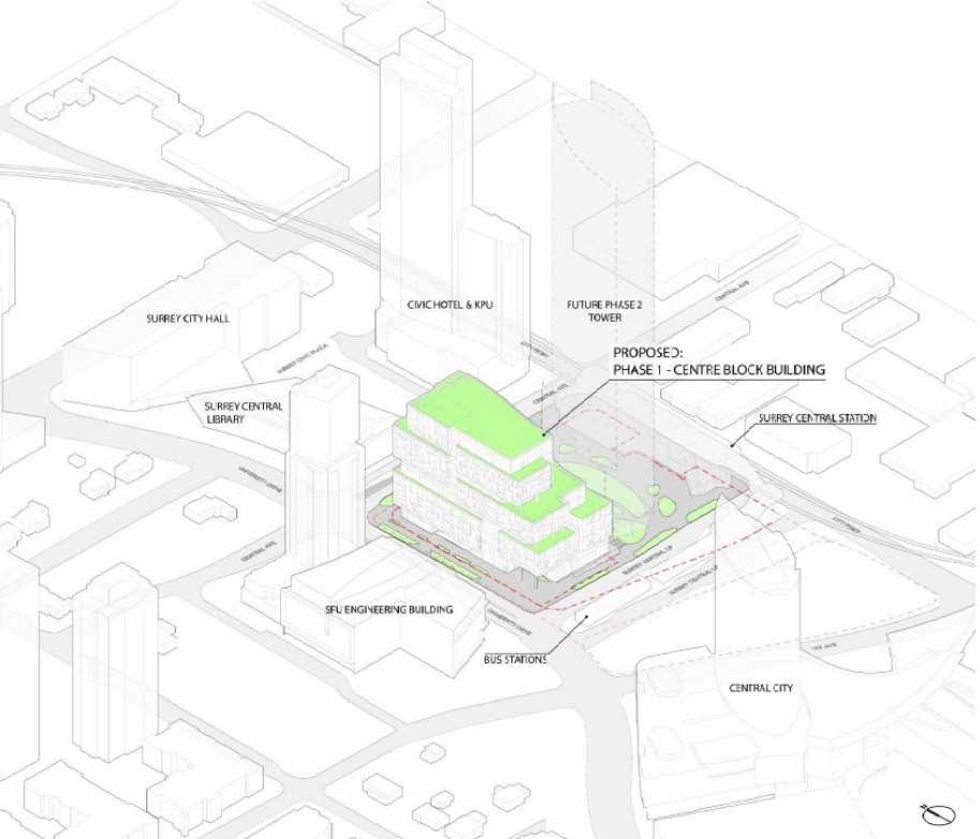 Centre Block and its surrounding context. (Stantec-Revery, SCDC)
 The 12-storey Phase One of Centre Block. (Stantec-Revery, SCDC)
 The 12-storey Phase One of Centre Block. (Stantec-Revery, SCDC)








 Via STOREYS Editorial team

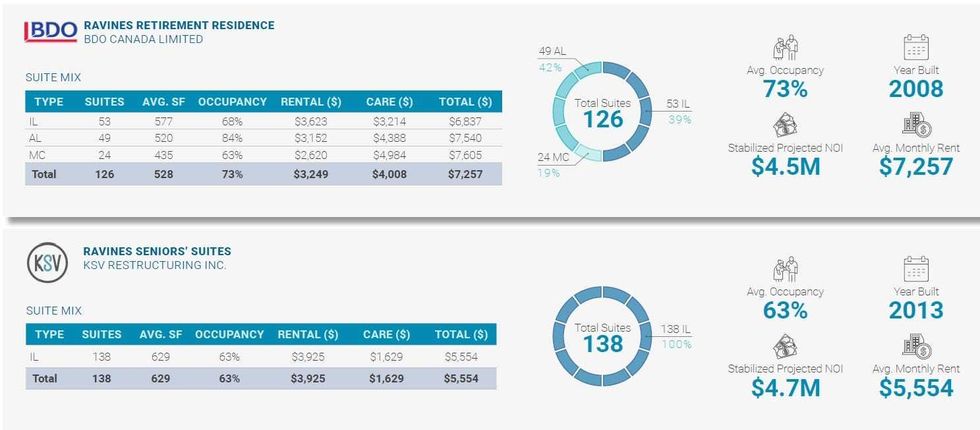 An overview of the two Ravine buildings. (Newmark)
 95 Clegg Road in Markham, Ontario. (Colliers)
 95 Clegg Road (centre) in Markham, Ontario. (Colliers)