Disintermediation
Disintermediation in real estate is the process of bypassing traditional intermediaries through technology platforms, reducing costs and changing brokerage roles.

September 30, 2025
What is Disintermediation?
Disintermediation in real estate refers to the reduction or elimination of traditional intermediaries such as brokers, by leveraging technology platforms or direct-to-consumer models. It often occurs through online listing portals, iBuyer programs, or direct landlord-to-tenant platforms. By streamlining or bypassing intermediaries, disintermediation can reduce transaction costs, speed up processes, and empower consumers with greater control over transactions.
Why Disintermediation Matters in Real Estate
Disintermediation matters because it reshapes fee structures, competition, and the role of real estate professionals. While it may lower costs for consumers, it raises concerns about data accuracy, consumer protection, and compliance with regulatory frameworks. Brokers and agents must adapt by offering value-added services such as advisory expertise, local knowledge, and transaction management. Policymakers may need to update regulations to address emerging risks.
Example of Disintermediation in Action
A landlord lists an apartment directly on a digital rental platform that provides screening, lease templates, and payment processing. By cutting out an agent, the landlord reduces costs but still ensures compliance through platform tools.
Key Takeaways
- Disintermediation reduces reliance on traditional intermediaries.
- It lowers costs but creates regulatory challenges.
- Technology platforms are central to this trend.
- Agents adapt by emphasizing expertise and advisory roles.
- Consumer protection remains critical in direct transactions.
Related Terms
- Multiple Listing Service (MLS)
- PropTech
- Agency
- Compliance
- Consumer Protection

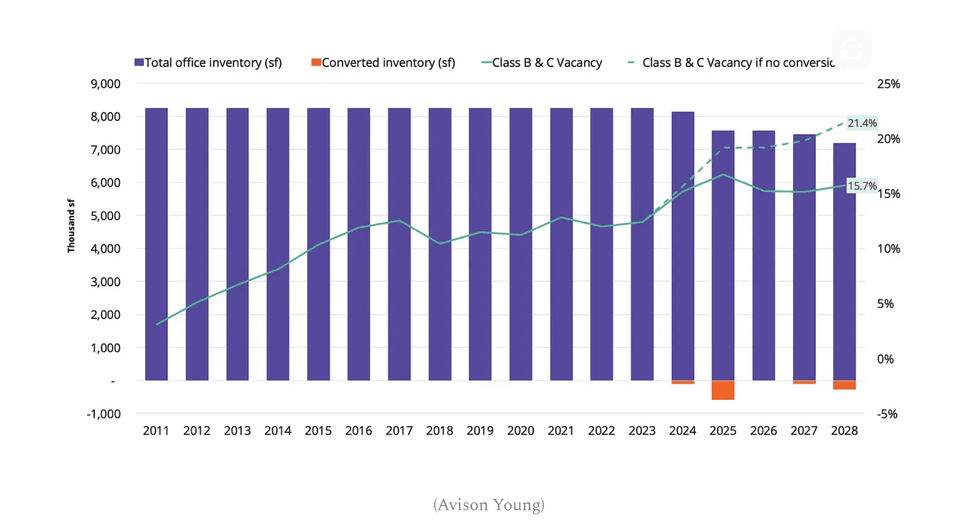 (Avison Young)





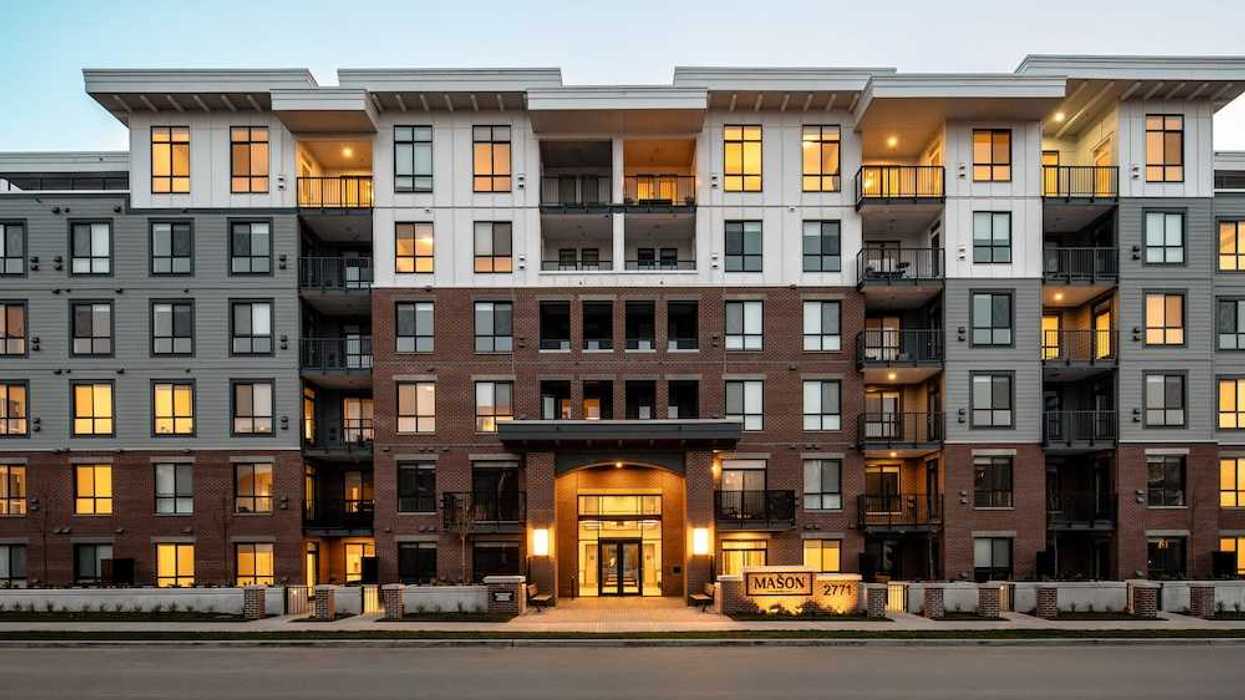
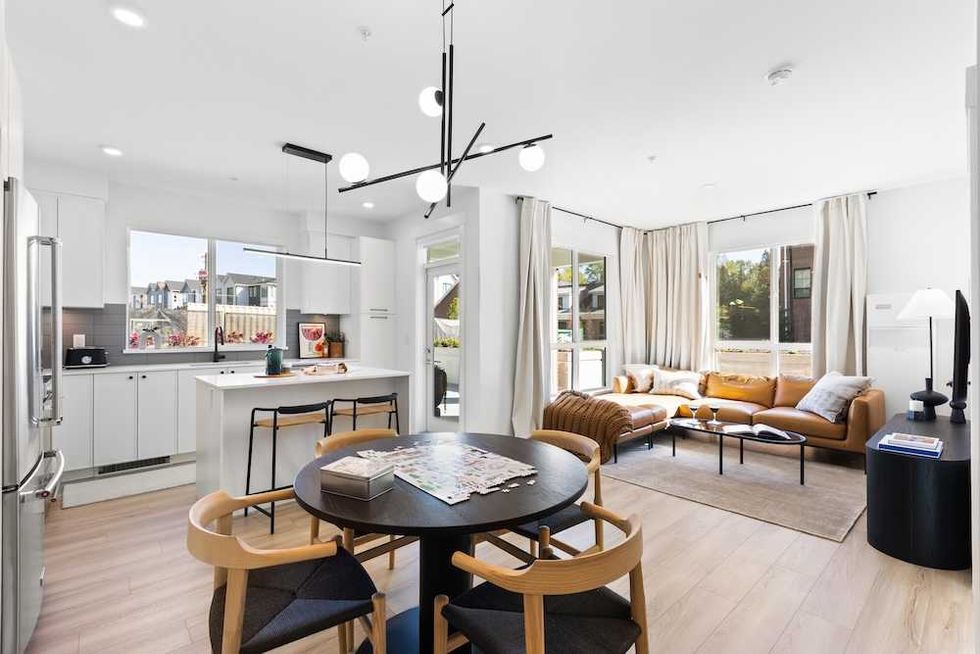 The Mason Suite Interior (Infinity Properties)
 The Mason Suite Interior (Infinity Properties)
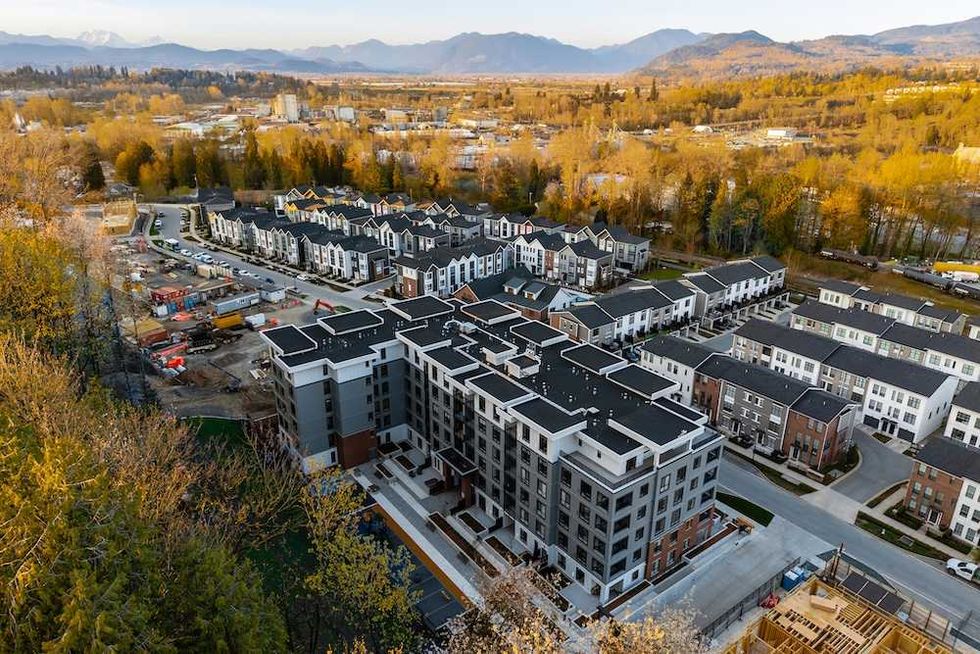 Rail District aerial (Infinity Properties)
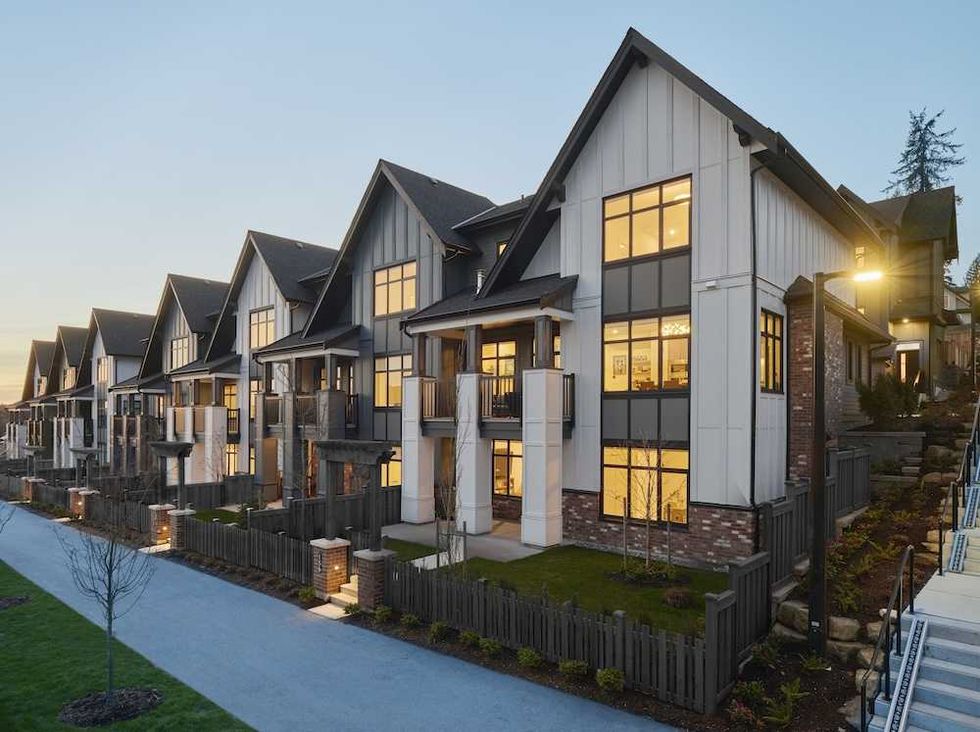 Versant (Infinity Properties)


 Narrow Fourplex (City of Toronto)
 Wide Sixplex - Side View (City of Toronto)
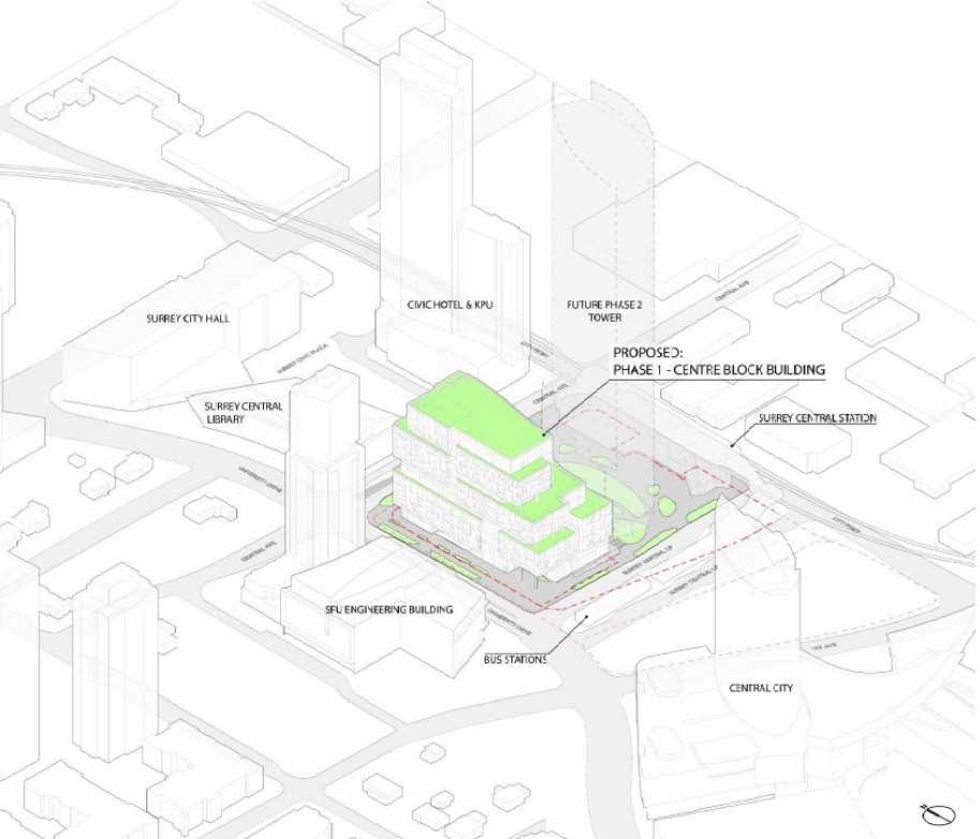 Centre Block and its surrounding context. (Stantec-Revery, SCDC)
 The 12-storey Phase One of Centre Block. (Stantec-Revery, SCDC)
 The 12-storey Phase One of Centre Block. (Stantec-Revery, SCDC)
 Mondria One, set for 1607 King Street East in Clarington, Ontario. (ICON Architects Inc., Monde Development Group)