Multiple Listing Service (MLS)
Learn how the Multiple Listing Service (MLS) works in Canadian real estate, and why it’s the most important tool for buying and selling homes.

May 22, 2025
What is the Multiple Listing Service (MLS)?
The Multiple Listing Service (MLS) is a cooperative database where Canadian real estate agents list properties for sale, enabling wide visibility and information sharing.
Why the Multiple Listing Service (MLS) Matters in Real Estate
MLS is the primary tool used by REALTORS® across Canada to market homes, share listings, and find properties for buyers. It aggregates comprehensive property data including:- Listing price
- Home features
- Photos and virtual tours
- Neighbourhood data
MLS offers benefits for both buyers and sellers:
- Sellers gain broad exposure to qualified buyers
- Buyers can access detailed, up-to-date listings
Understanding MLS is key to navigating the Canadian real estate market effectively, whether buying or selling a home.
Example of the Multiple Listing Service (MLS) in Action
A real estate agent lists a detached home in Ottawa on MLS. The listing appears on REALTOR.ca and attracts dozens of viewings within days.
Key Takeaways
- Central database for property listings.
- Accessible to licensed real estate professionals.
- Powers REALTOR.ca and public search platforms.
- Enhances visibility, comparability, and trust.
- Vital tool for real estate marketing and discovery.
Related Terms
- REALTOR
- Real Estate Agent
- Listing Agreement
- Exclusive Listing
- REALTOR.ca
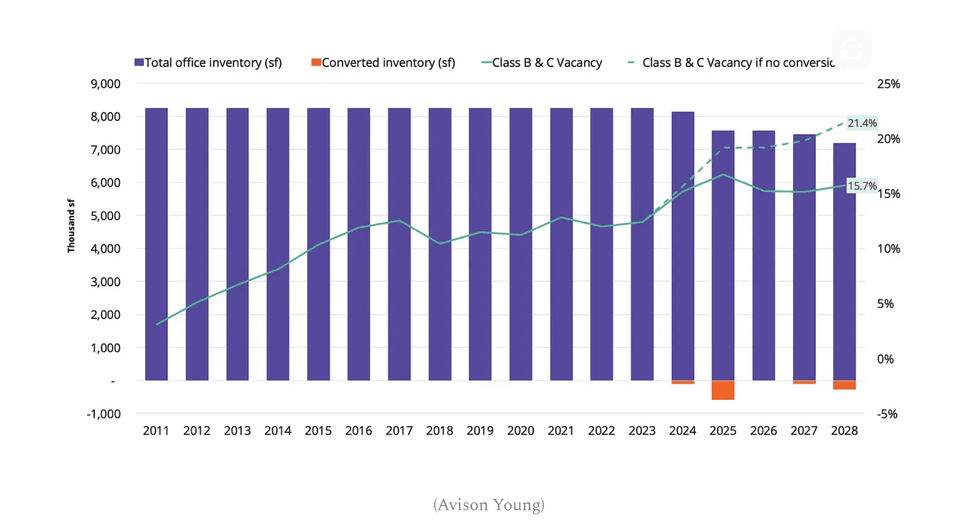 (Avison Young)
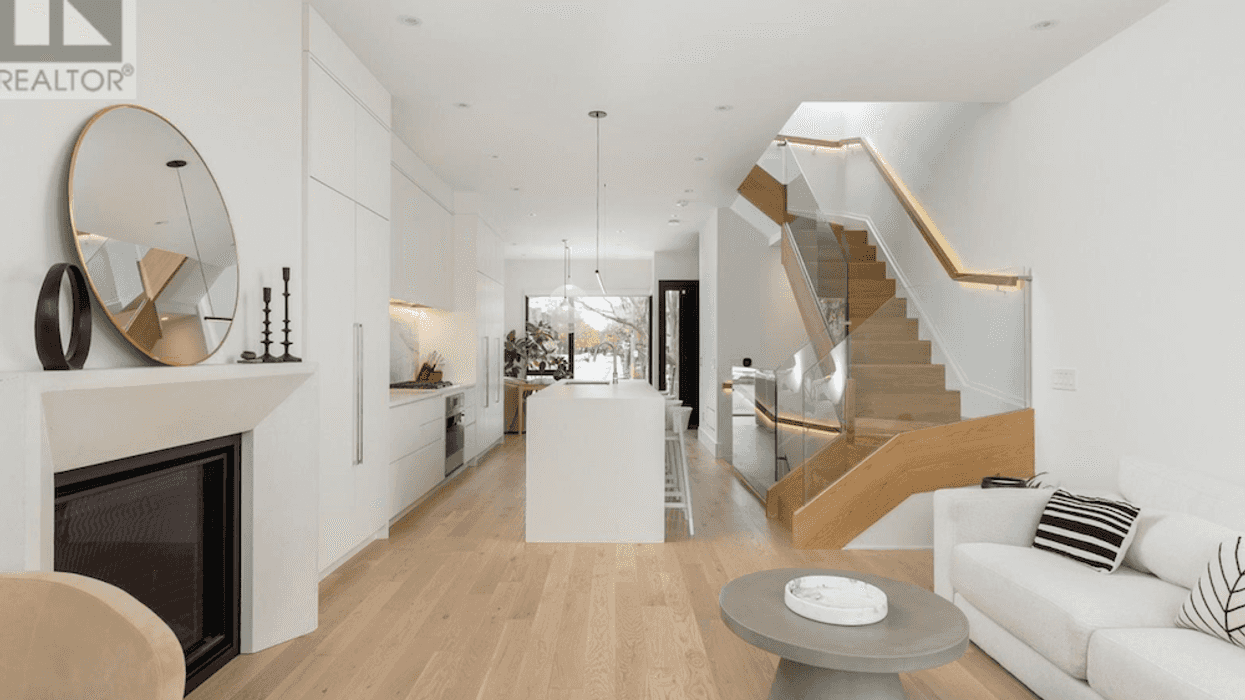
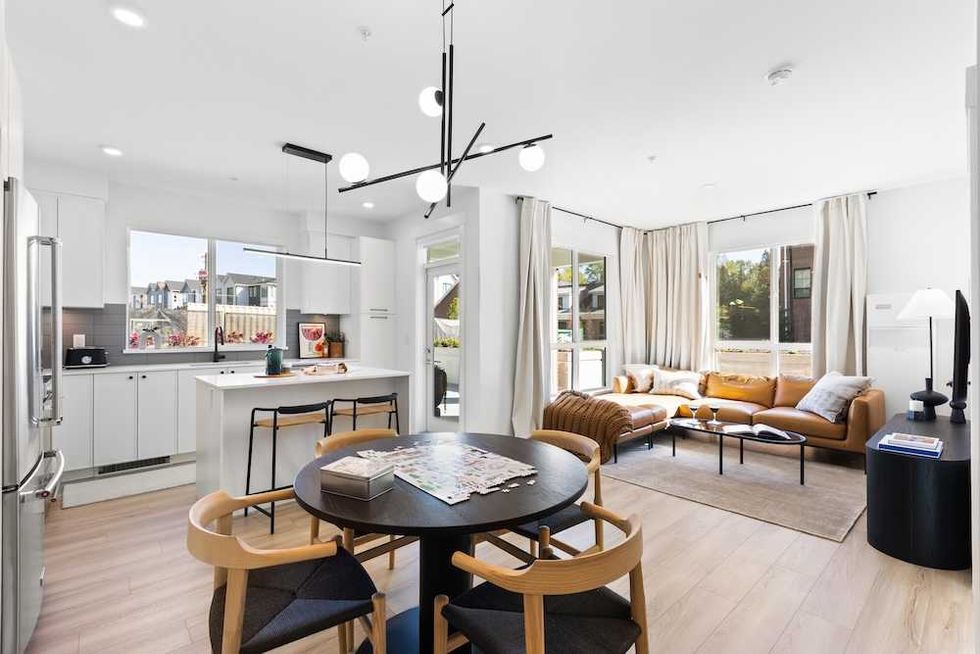 The Mason Suite Interior (Infinity Properties)
 The Mason Suite Interior (Infinity Properties)
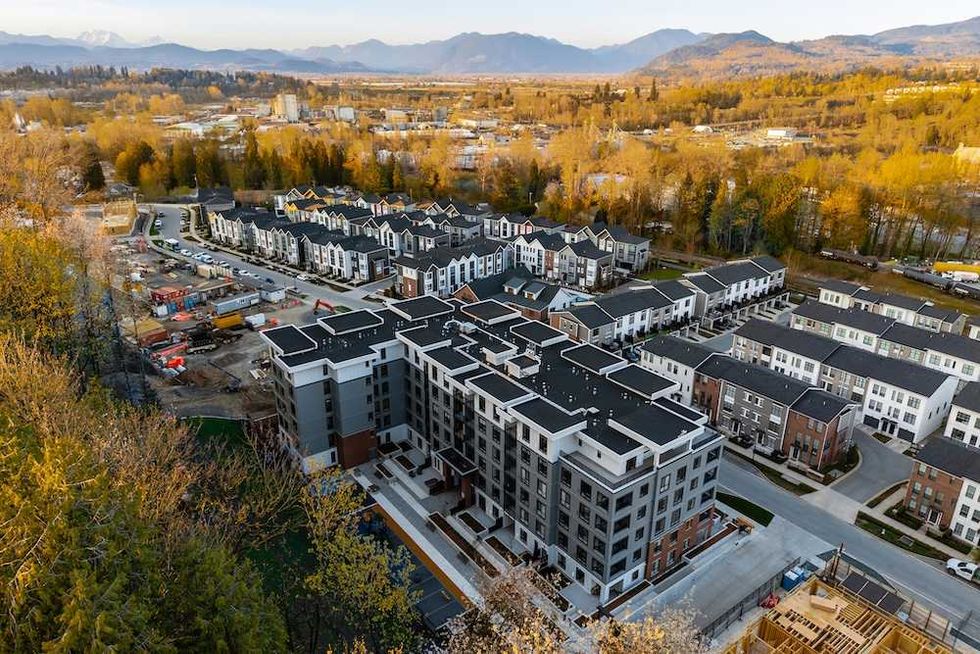 Rail District aerial (Infinity Properties)
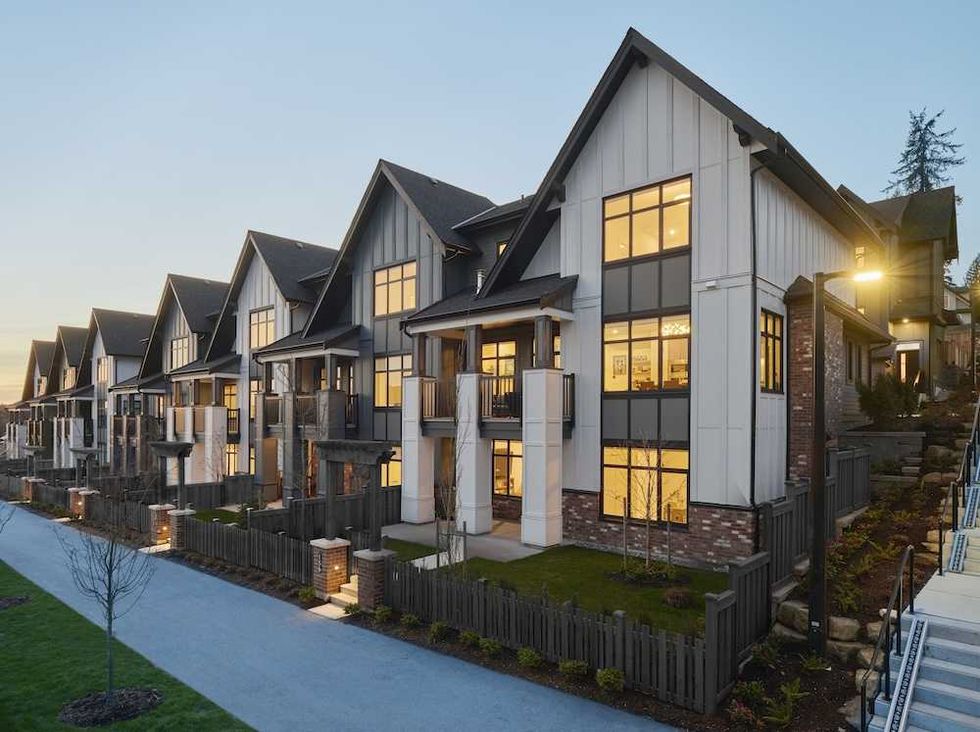 Versant (Infinity Properties)







 Narrow Fourplex (City of Toronto)
 Wide Sixplex - Side View (City of Toronto)
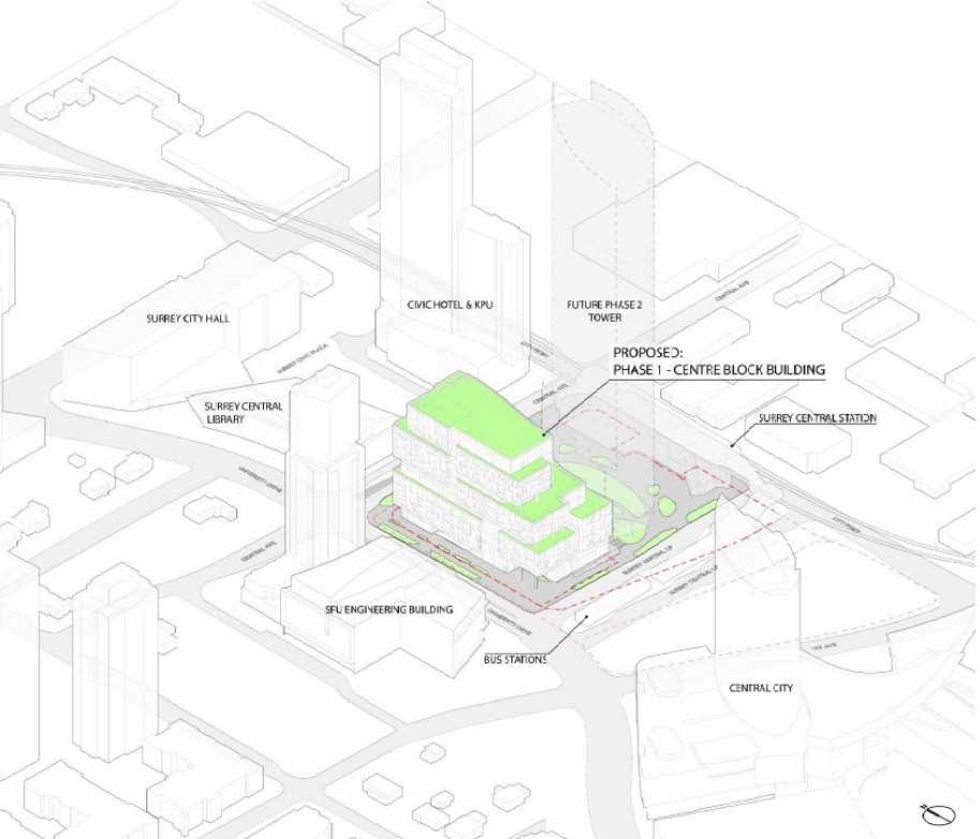 Centre Block and its surrounding context. (Stantec-Revery, SCDC)
 The 12-storey Phase One of Centre Block. (Stantec-Revery, SCDC)
 The 12-storey Phase One of Centre Block. (Stantec-Revery, SCDC)
 Mondria One, set for 1607 King Street East in Clarington, Ontario. (ICON Architects Inc., Monde Development Group)