Deposit Structure
Understand how deposit structures work in Canadian real estate, especially for pre-construction purchases, and how they affect your financial obligations.

May 22, 2025
What is Deposit Structure?
Deposit structure refers to the schedule and breakdown of payments a buyer must make as a deposit when purchasing a property, especially in pre-construction real estate transactions.
Why Deposit Structures Matter in Real Estate
In Canada, especially in hot real estate markets, pre-construction condo purchases often involve a staged deposit structure rather than a single lump sum. This makes large purchases more manageable and gives the builder security during the development process.
A typical deposit structure might include:
- 5% upon signing the Agreement of Purchase and Sale
- 5% in 90 days
- 5% in 180 days
- 5% at occupancy
The total deposit often ranges from 15% to 25%, depending on the developer and market. These deposits are usually held in trust and protected under provincial legislation.
Understanding the deposit structure is vital for financial planning. Missing a payment deadline may jeopardize the contract or incur penalties. Buyers should also confirm whether deposits are refundable under specific conditions.
Example of Deposit Structures in Action
A buyer agrees to a 20% deposit structure for a pre-construction unit: 5% at signing, 5% in 90 days, 5% in 180 days, and 5% at interim occupancy.
Key Takeaways
- Defines the schedule for deposit payments.
- Common in pre-construction transactions.
- Total deposit may range from 15% to 25%.
- Deposits are held in trust.
- Must be paid on time to keep contract valid.
Related Terms
- Agreement of Purchase and Sale
- Pre-Construction Condo Purchase
- Trust Account
- Occupancy Date
- Refundable Deposit
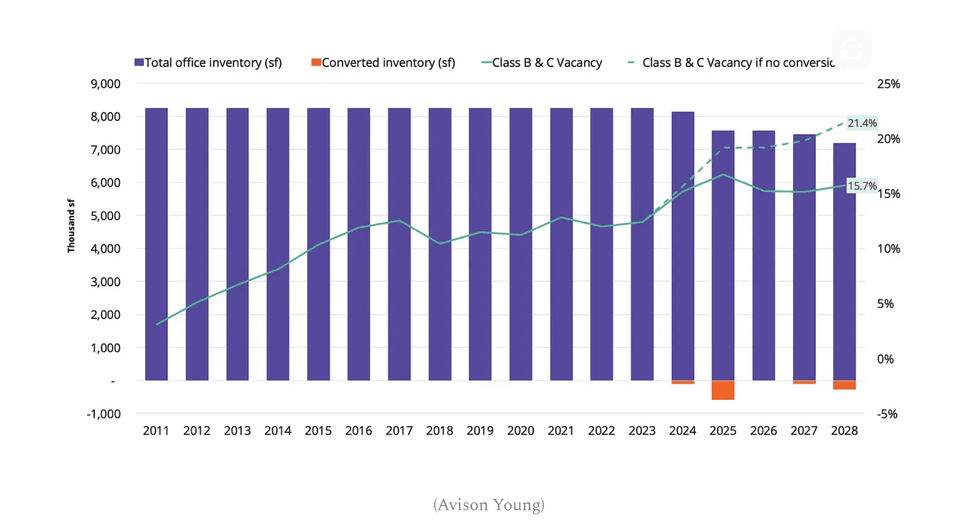 (Avison Young)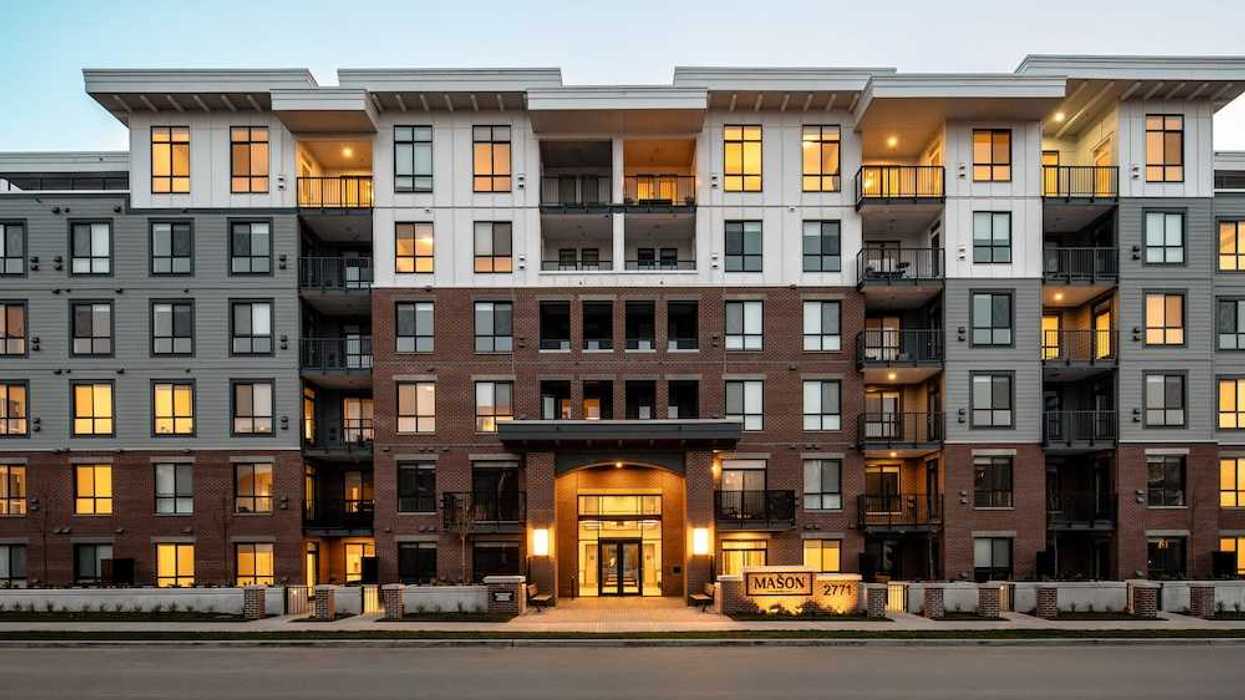
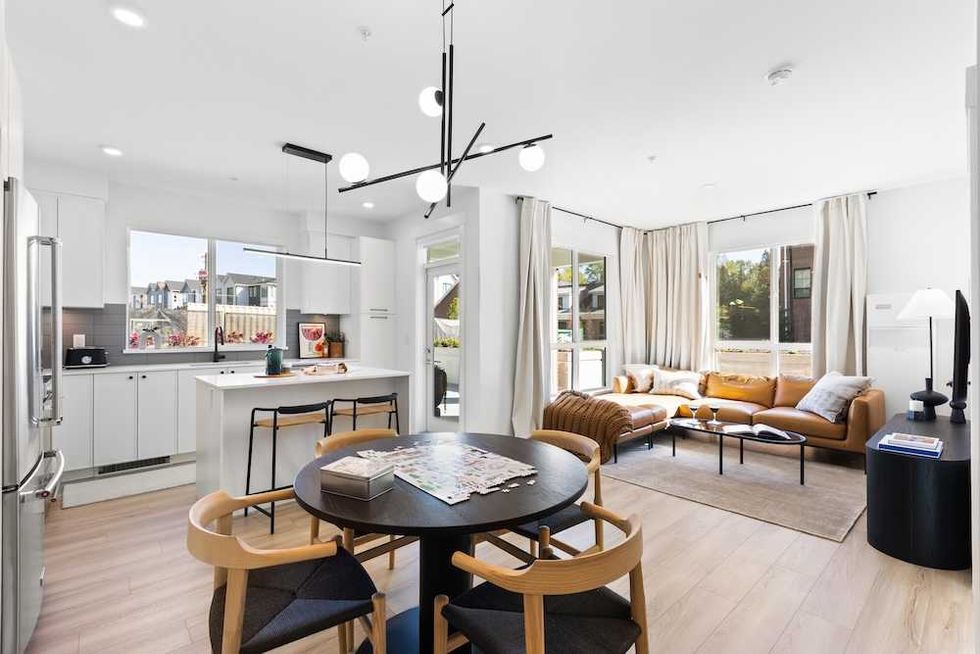 The Mason Suite Interior (Infinity Properties)
 The Mason Suite Interior (Infinity Properties)
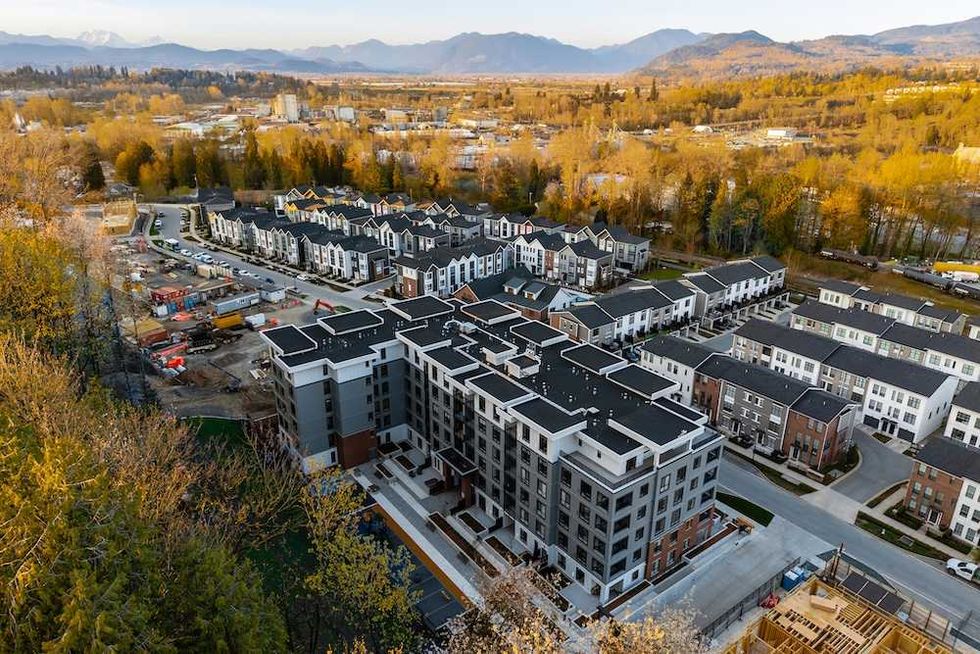 Rail District aerial (Infinity Properties)
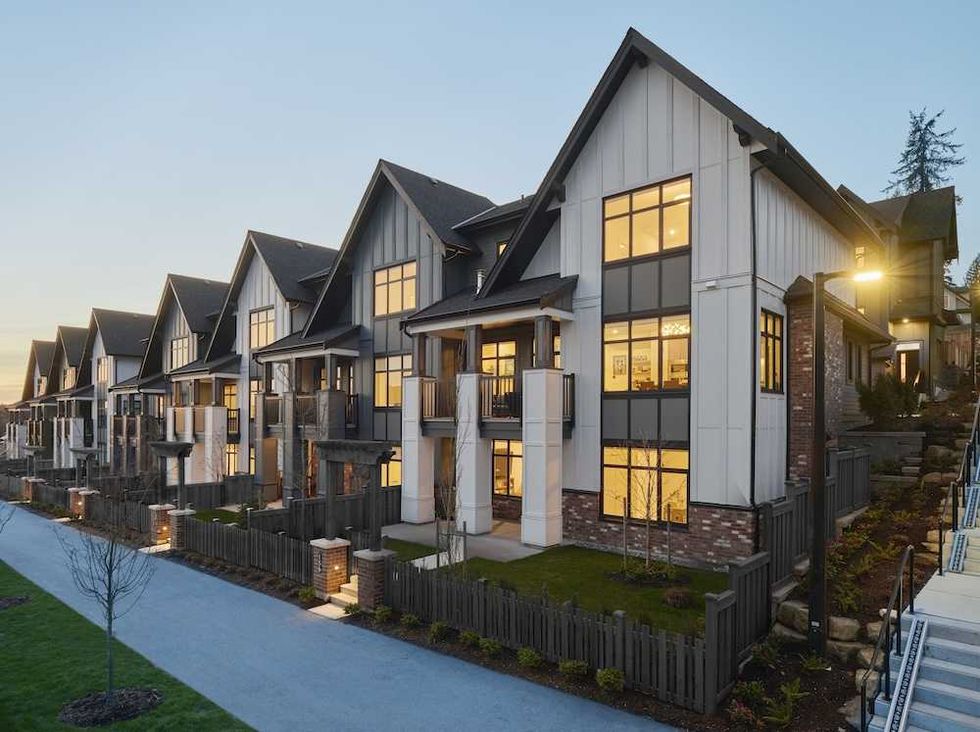 Versant (Infinity Properties)


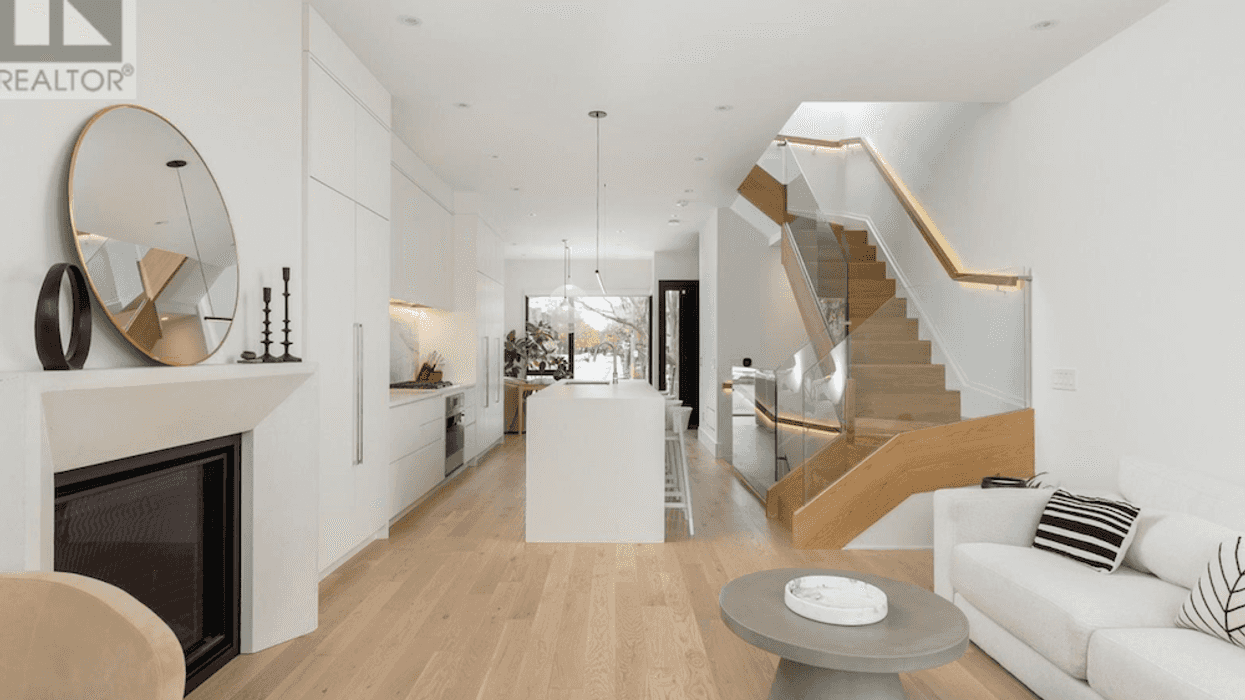




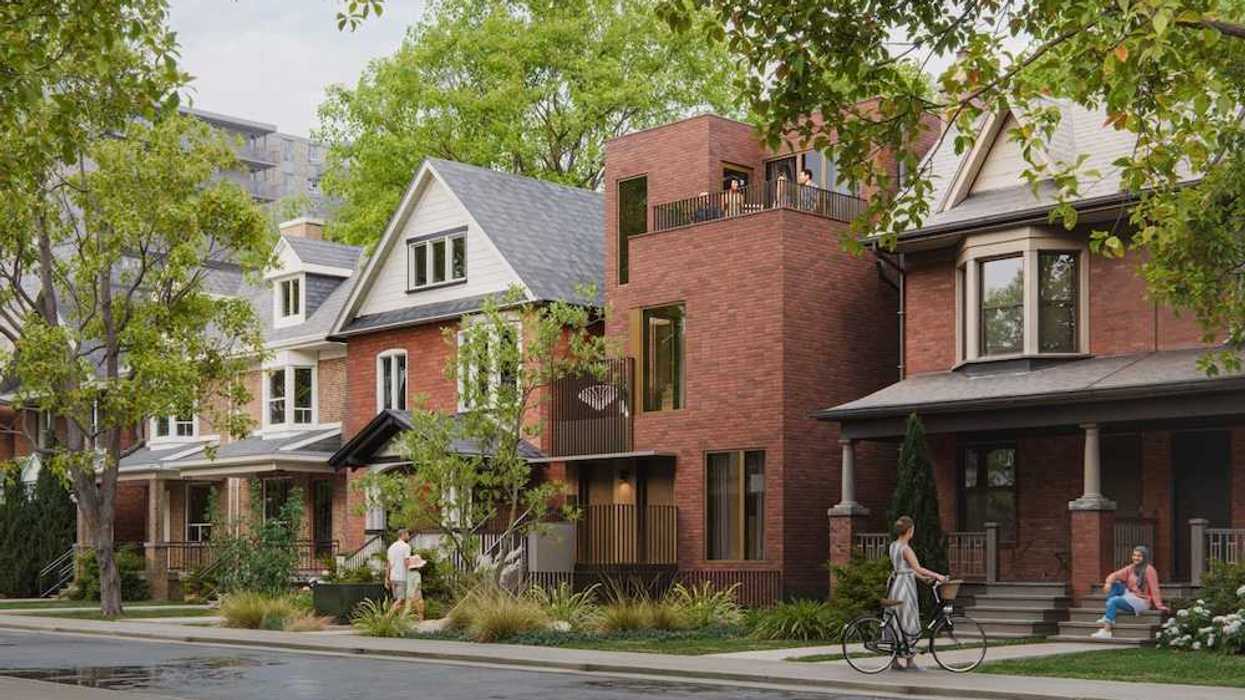
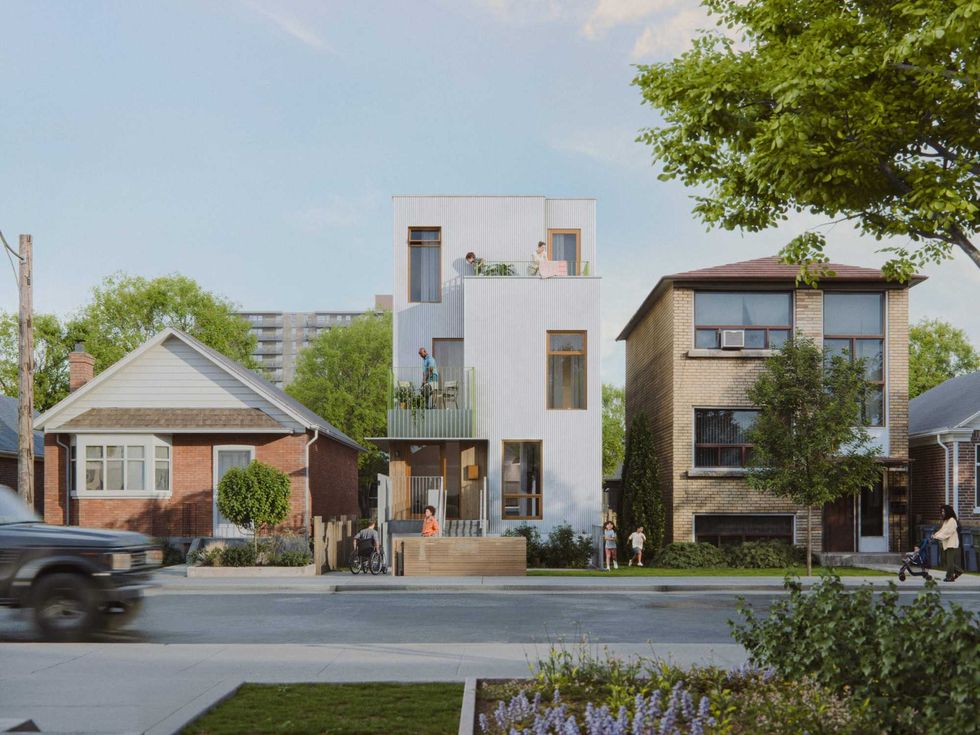 Narrow Fourplex (City of Toronto)
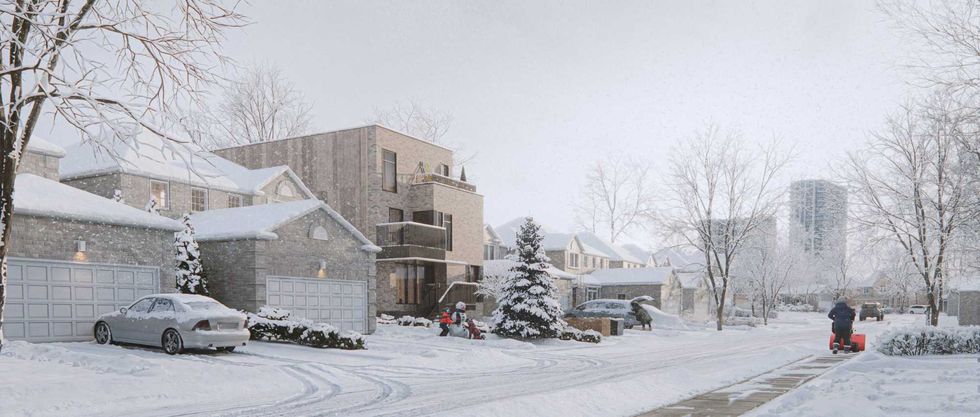 Wide Sixplex - Side View (City of Toronto)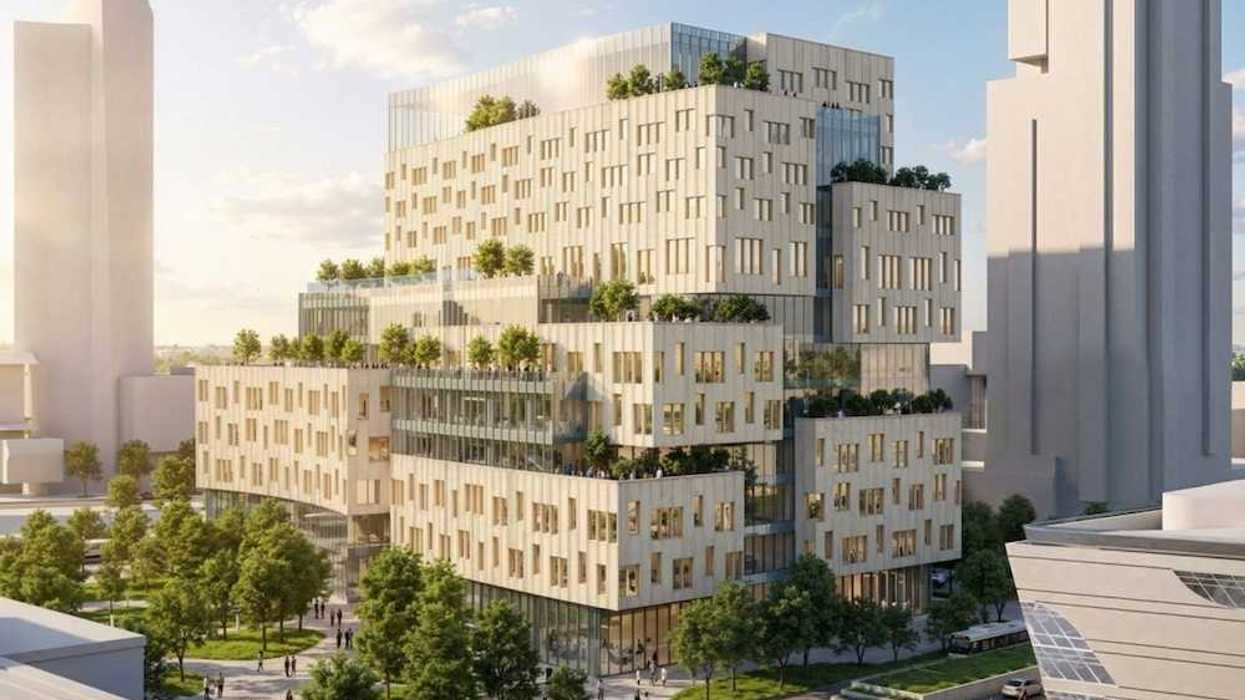
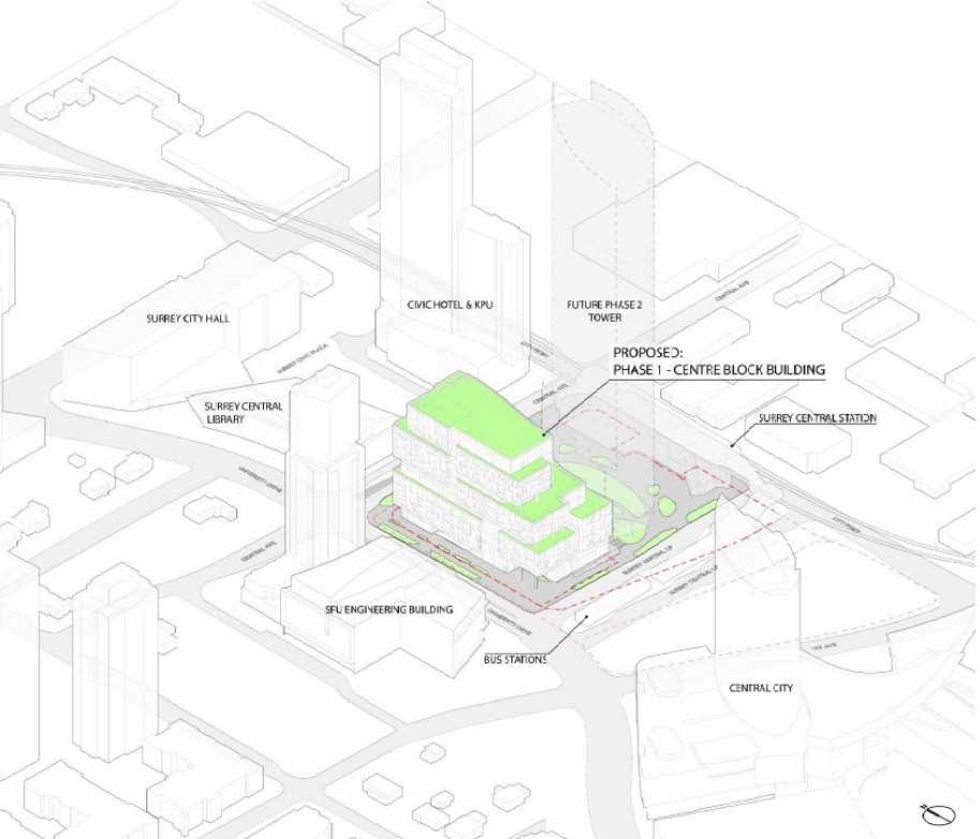 Centre Block and its surrounding context. (Stantec-Revery, SCDC)
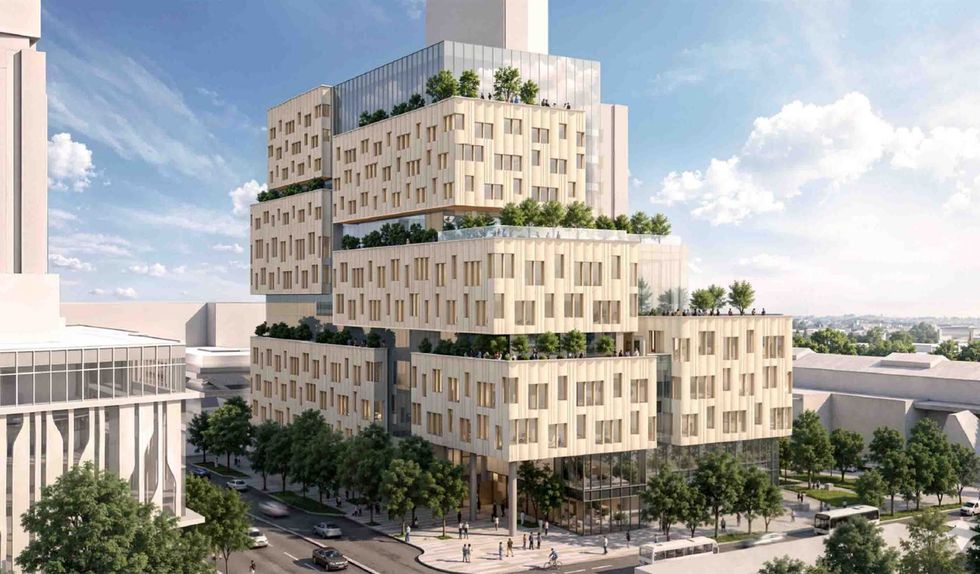 The 12-storey Phase One of Centre Block. (Stantec-Revery, SCDC)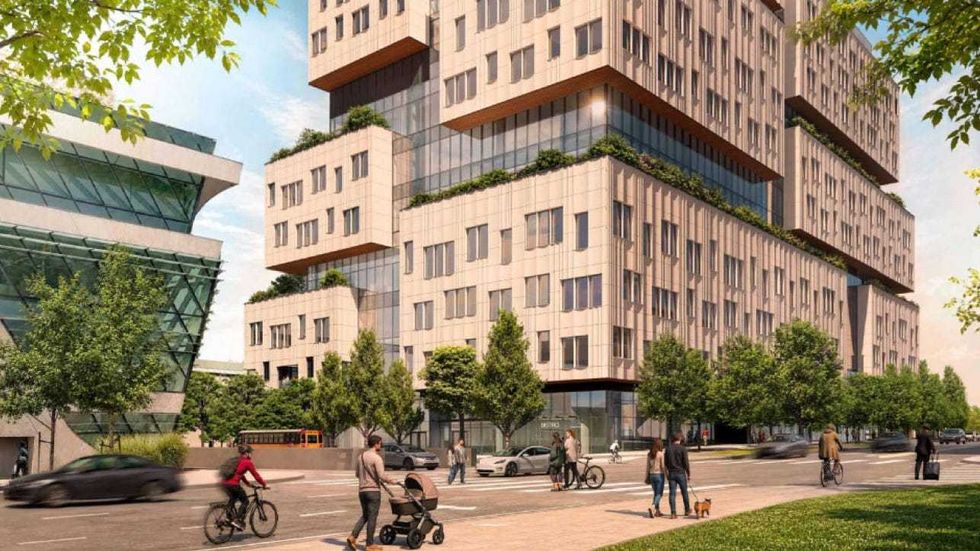
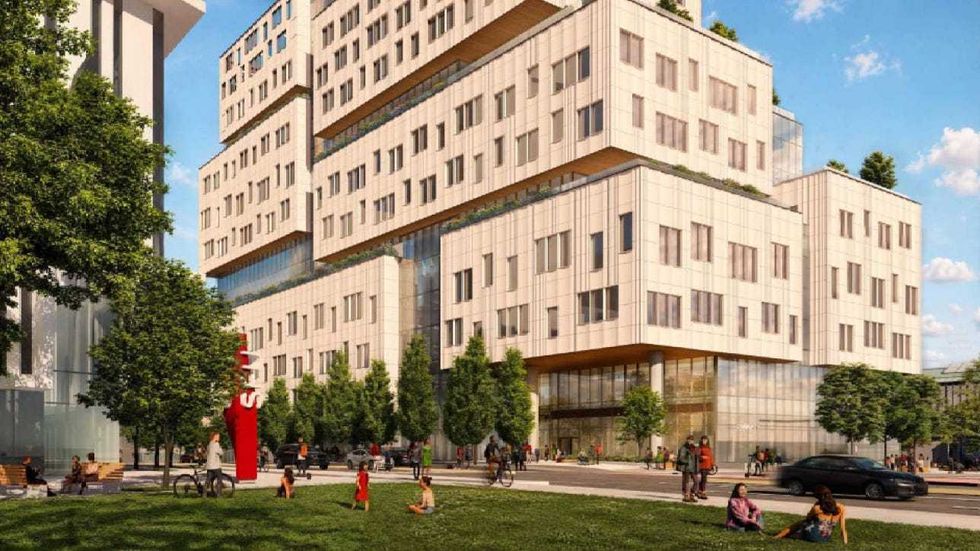 The 12-storey Phase One of Centre Block. (Stantec-Revery, SCDC)
 Mondria One, set for 1607 King Street East in Clarington, Ontario. (ICON Architects Inc., Monde Development Group)