Pre-Construction Condo Purchase
Explore what a pre-construction condo purchase involves in Canada, including benefits, risks, and legal protections for prospective buyers.

May 22, 2025
What is a Pre-Construction Condo Purchase?
A pre-construction condo purchase involves buying a condominium unit before it is built, often based on floor plans and promotional materials.
Why do Pre-Construction Condo Purchases Matter in Real Estate
In Canadian real estate, buying a condo pre-construction allows buyers to secure a property at today's price, with closing typically occurring several years in the future.Benefits include:
- Lower upfront costs (usually 15–20% deposit paid in stages)
- Time to save or plan for final closing
- Potential for property appreciation before occupancy
- Delays in construction
- Changes to unit layout or building features
- Market value fluctuations
- Interim occupancy period (with added fees)
In Ontario, purchasers benefit from a 10-day cooling-off period and Tarion warranty protection. Similar safeguards may apply in other provinces.
Understanding the full process and obligations of a pre-construction condo purchase helps buyers make informed, long-term investment decisions.
Example of a Pre-Construction Condo Purchase in Action
A buyer reserves a pre-construction condo in 2024 with a 20% deposit spread over a year. The unit is expected to be ready by 2027.
Key Takeaways
- Buy before the condo is built.
- Deposit paid in stages.
- Risk of delays and changes.
- Offers price-lock and growth potential.
- Legal review is highly recommended.
Related Terms
- Interim Occupancy
- Deposit Structure
- Tarion Warranty
- Closing Costs
- Cooling-Off Period
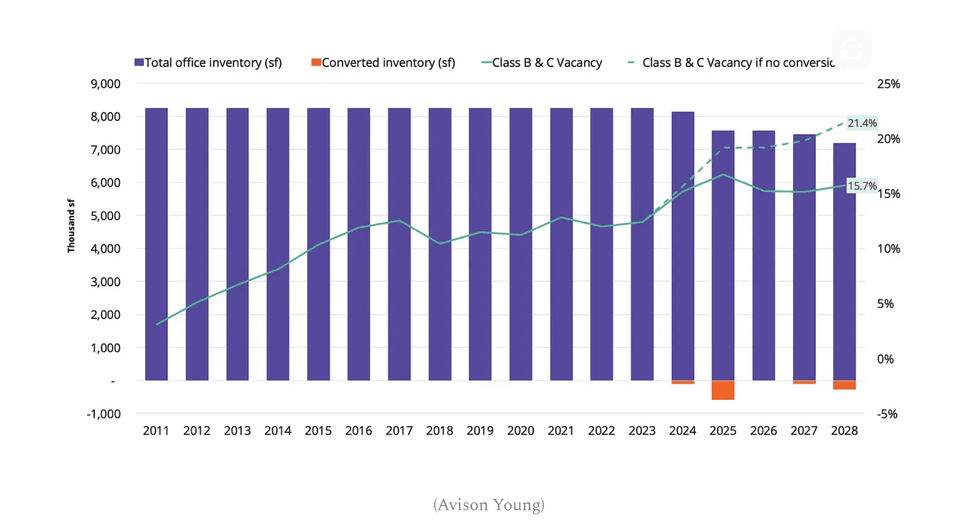 (Avison Young)
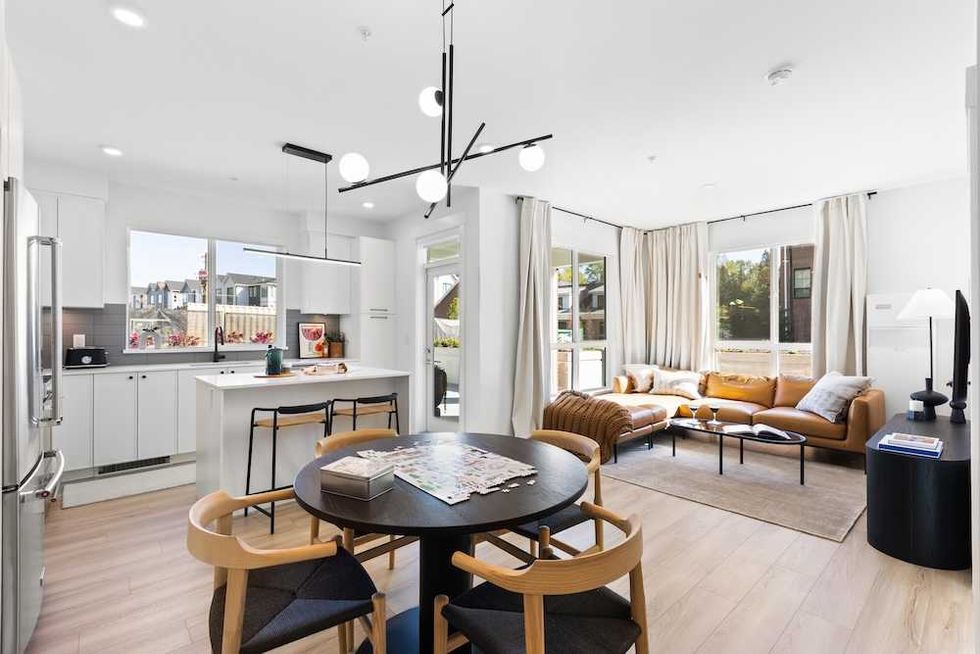 The Mason Suite Interior (Infinity Properties)
 The Mason Suite Interior (Infinity Properties)
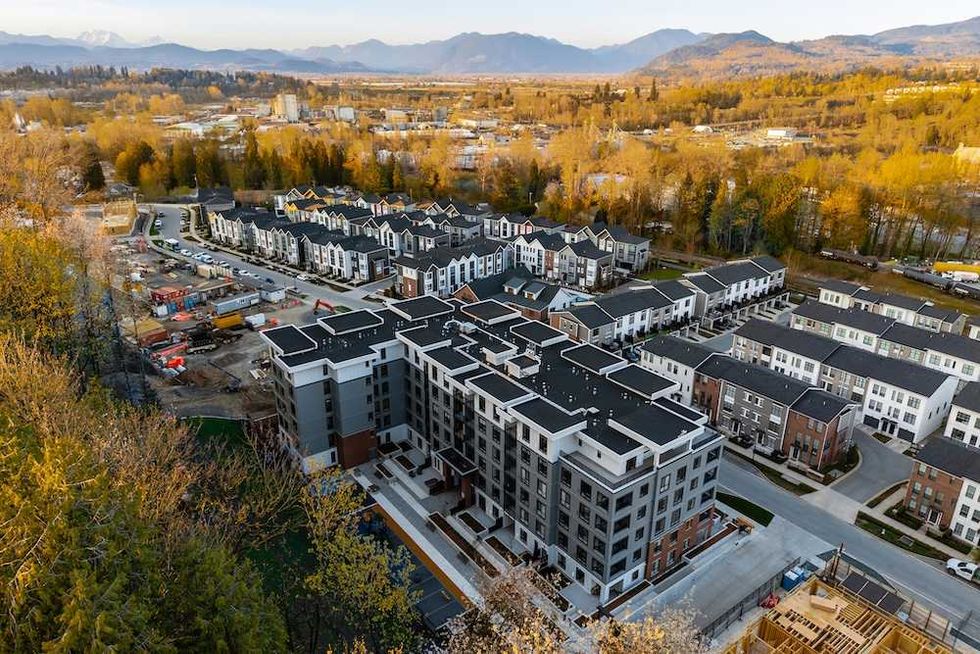 Rail District aerial (Infinity Properties)
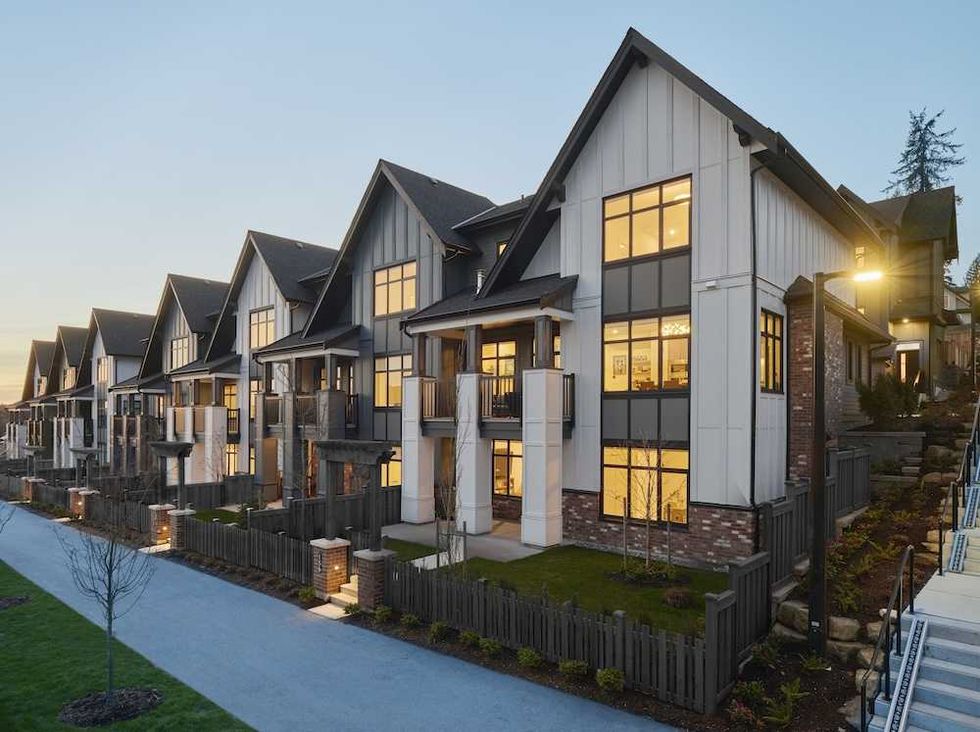 Versant (Infinity Properties)

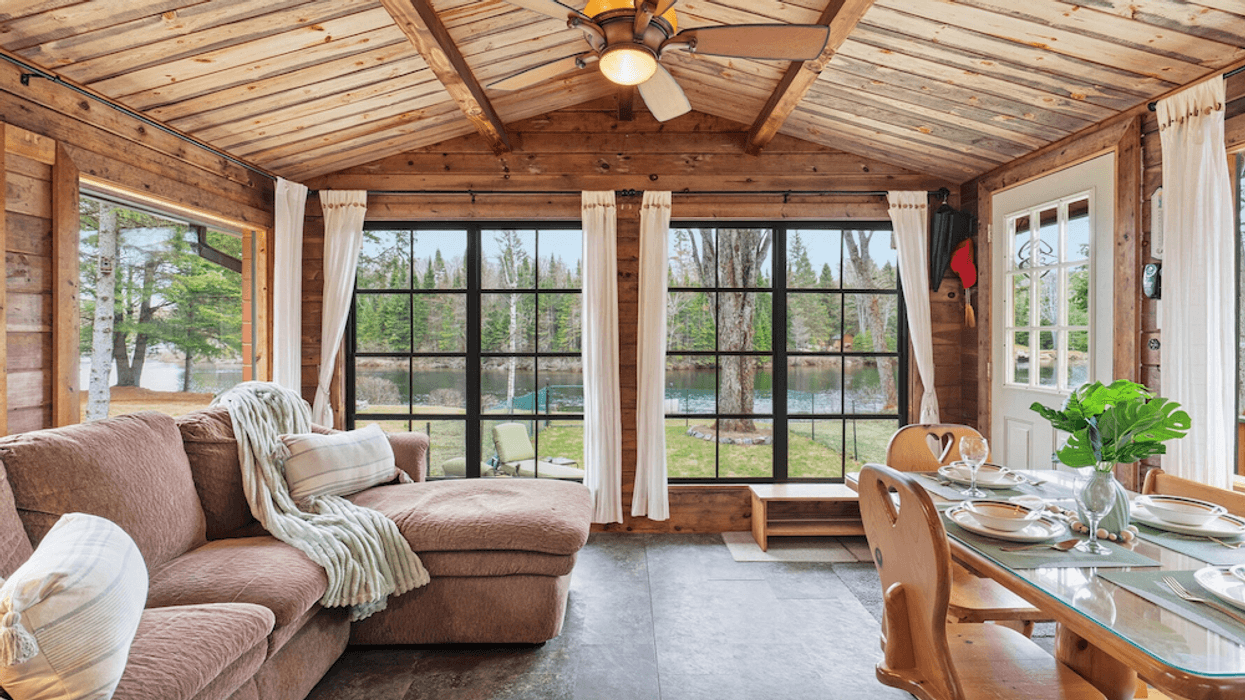





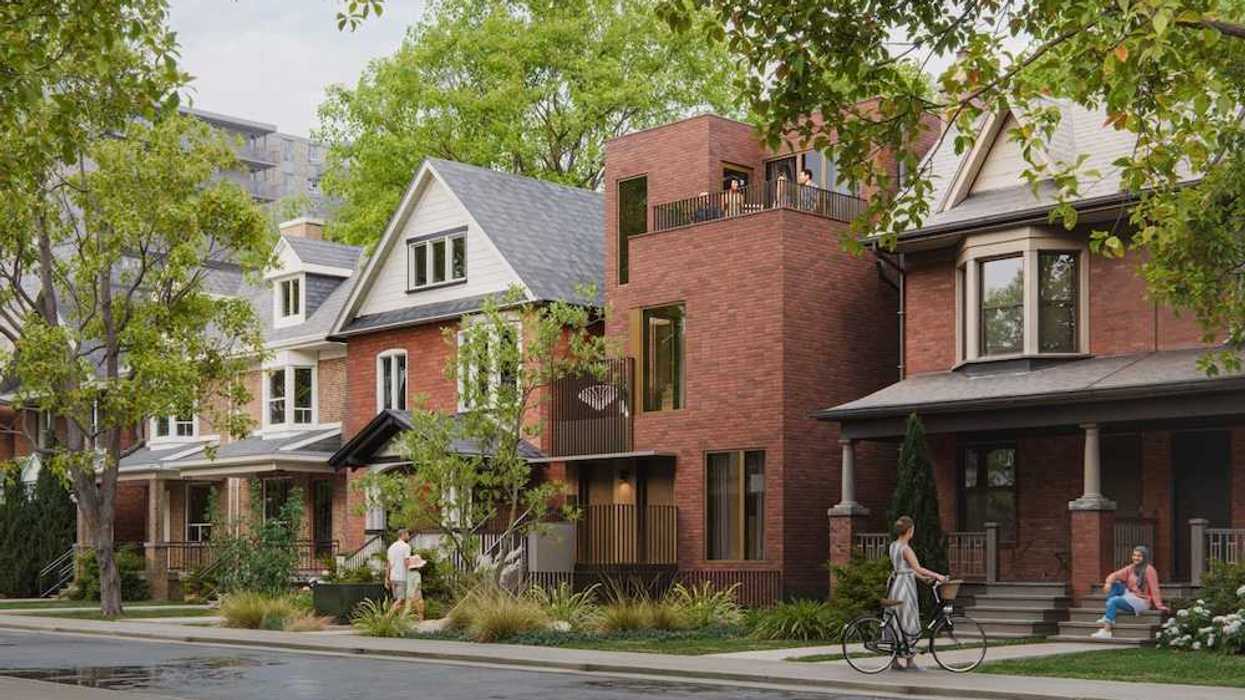
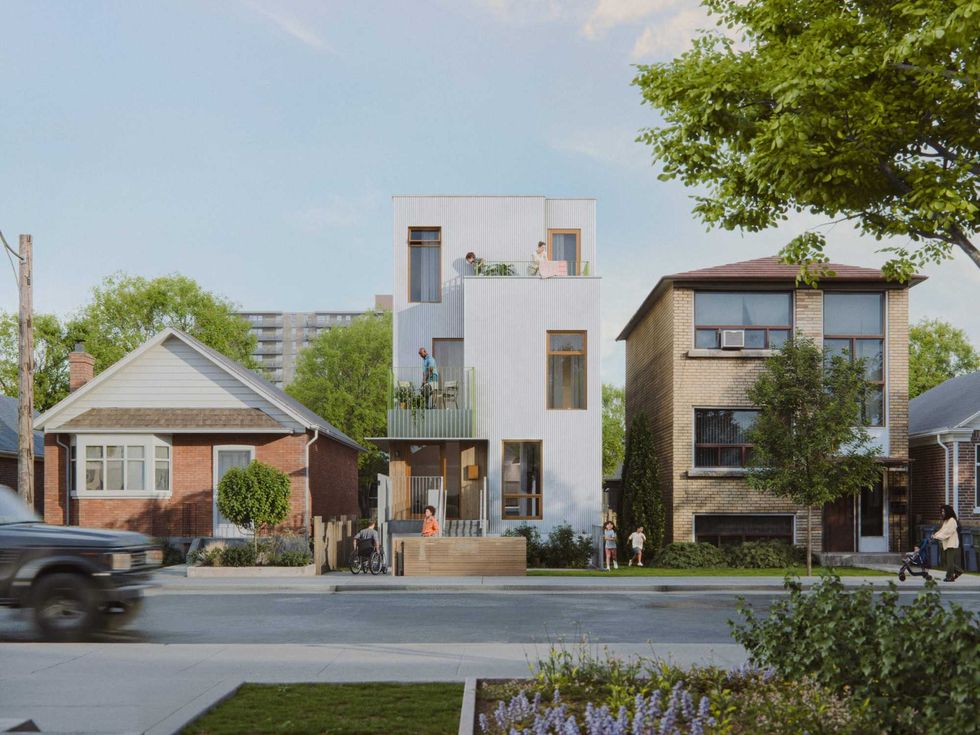 Narrow Fourplex (City of Toronto)
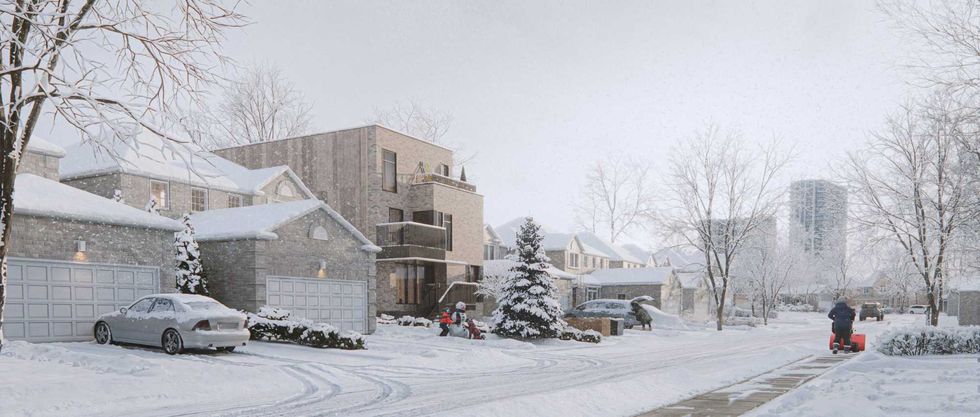 Wide Sixplex - Side View (City of Toronto)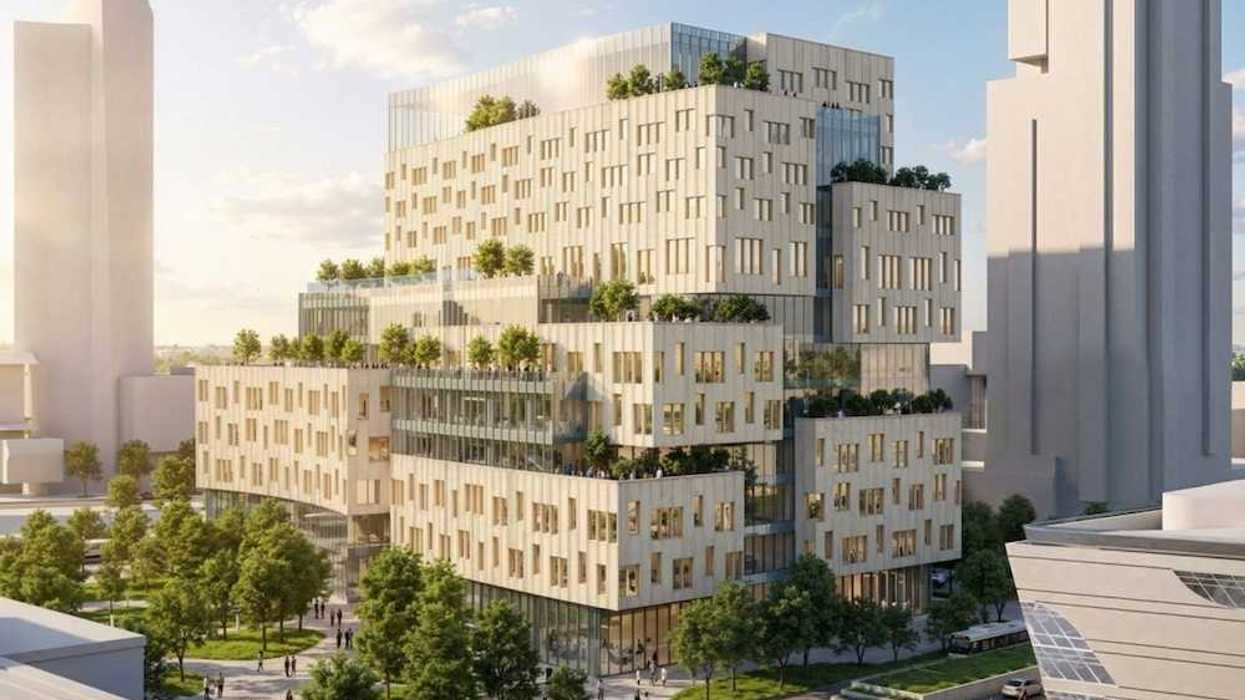
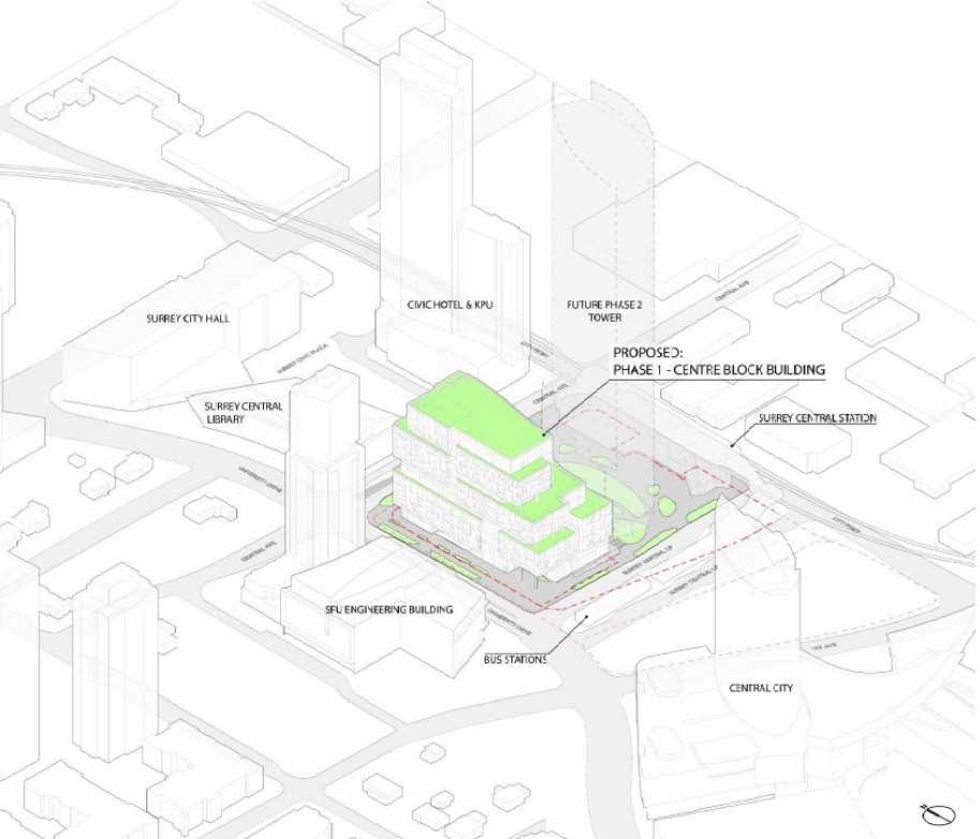 Centre Block and its surrounding context. (Stantec-Revery, SCDC)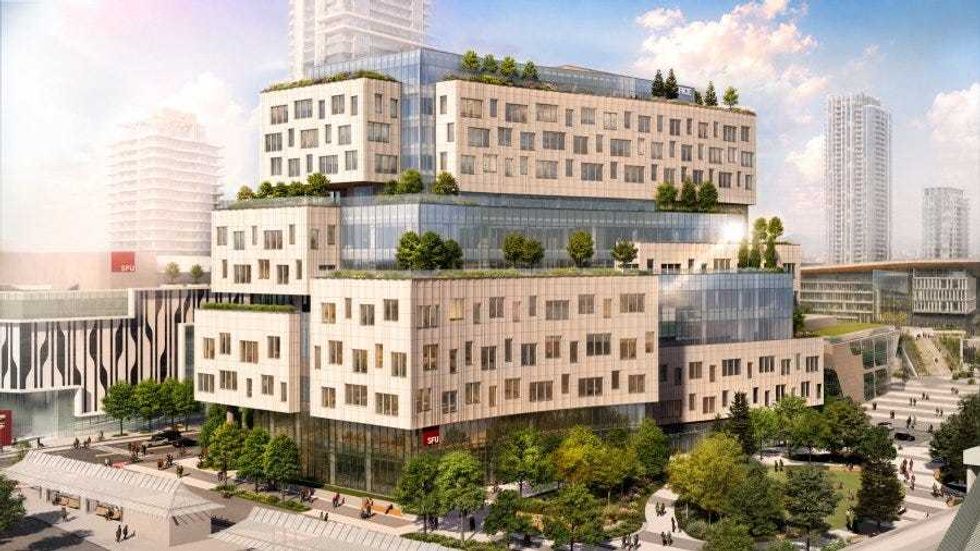
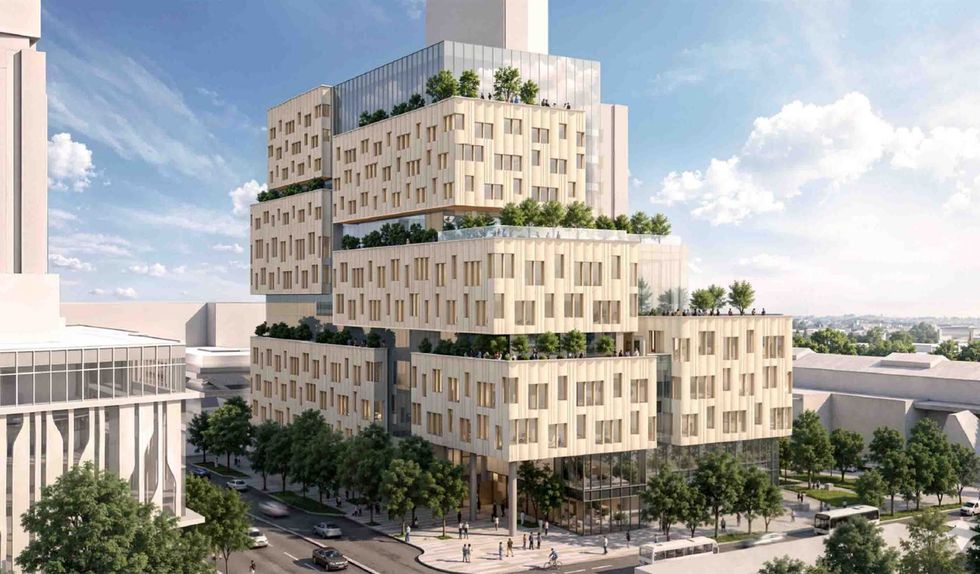 The 12-storey Phase One of Centre Block. (Stantec-Revery, SCDC)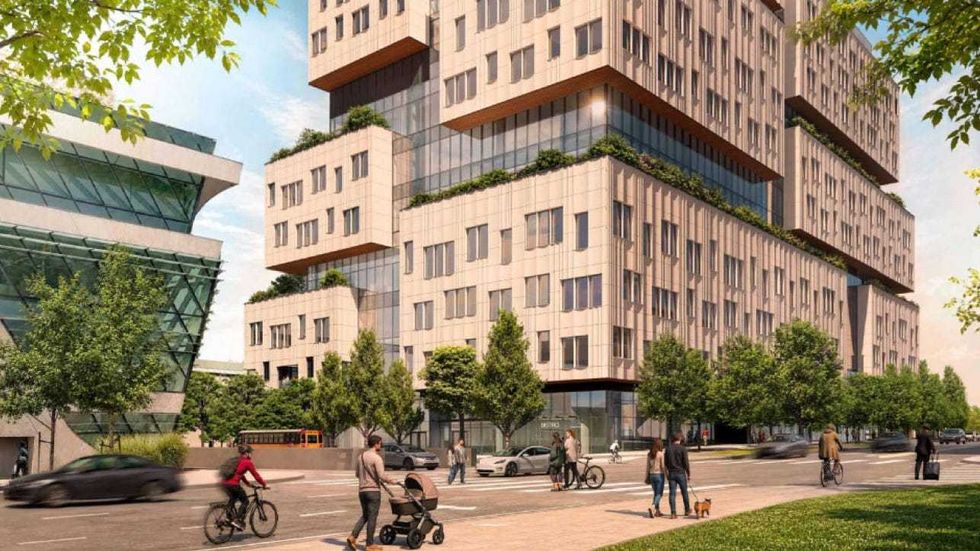
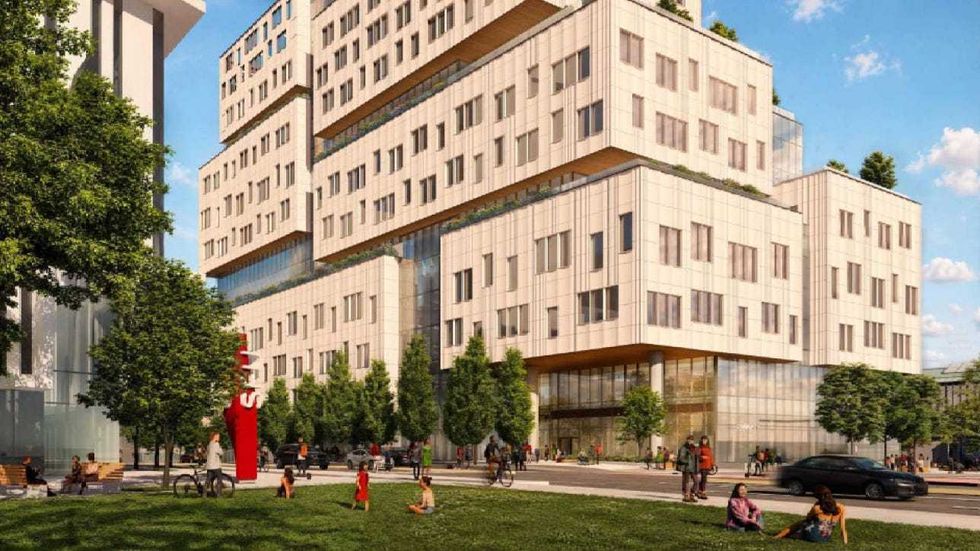 The 12-storey Phase One of Centre Block. (Stantec-Revery, SCDC)
 Mondria One, set for 1607 King Street East in Clarington, Ontario. (ICON Architects Inc., Monde Development Group)