Density Transfer
Density transfer allows unused development rights to be shifted between properties, balancing growth with preservation.
September 30, 2025
What is Density Transfer?
Density transfer, also called air lot transfer, is a planning tool that allows unused development rights from one property to be transferred to another. This enables higher-density development in designated areas while preserving other lands.
Why Density Transfer Matters in Real Estate
Density transfers matter in real estate because they balance growth with heritage or environmental protection. They create marketable value for unused density while supporting urban planning goals.
Example of Density Transfer in Action
A heritage building in Toronto cannot be redeveloped to full zoning potential. Its unused density rights are sold to a nearby developer, who adds more floors to a new tower.
Key Takeaways
- Transfers unused development rights to another site.
- Encourages density where it is most appropriate.
- Preserves heritage or environmentally sensitive sites.
- Creates market value for unused density.
- Supports municipal planning and growth strategies.
Related Terms
- Zoning
- Air Rights Development
- Inclusionary Zoning
- Urban Planning
- Transferable Development Rights

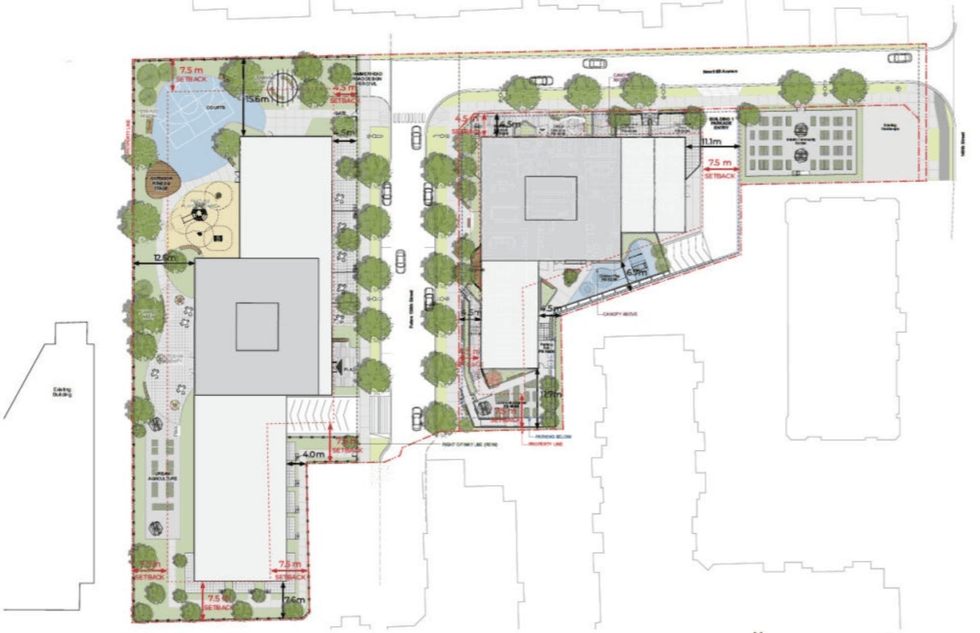
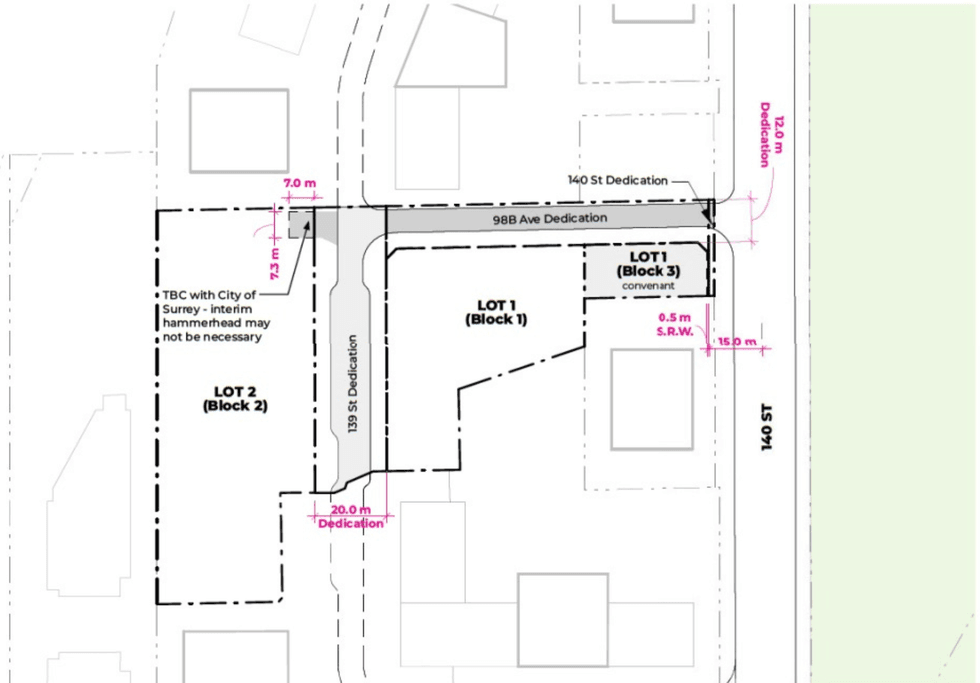 9883 140 Street and the proposed road dedications. (WW+P Architects, Entre Nous Femmes Housing Society)
 The
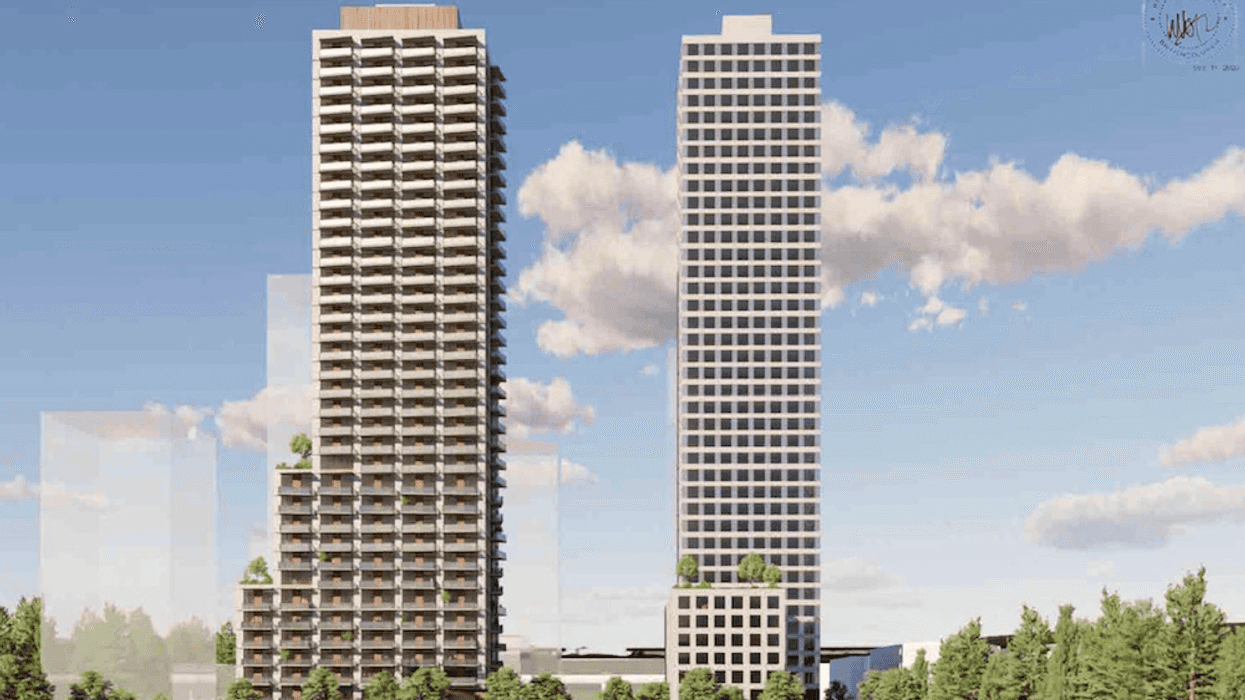
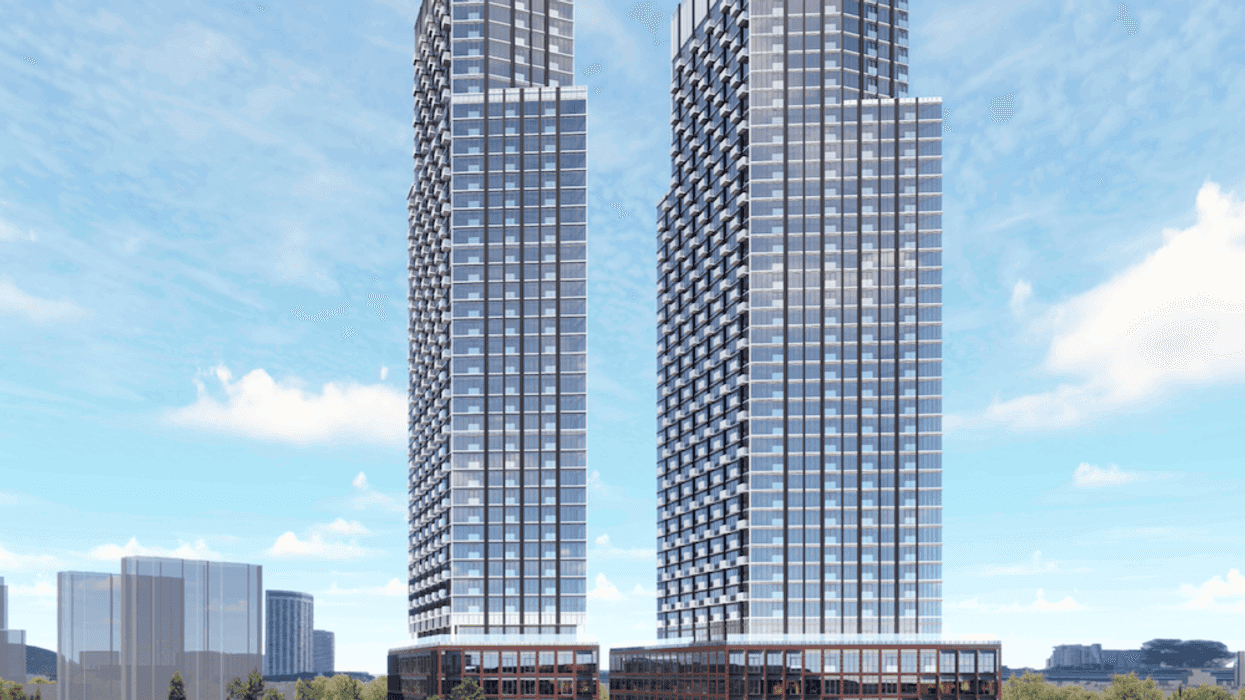
 One of the towers proposed for 9883 140 Street. (Entres Nous Femmes Housing Society)



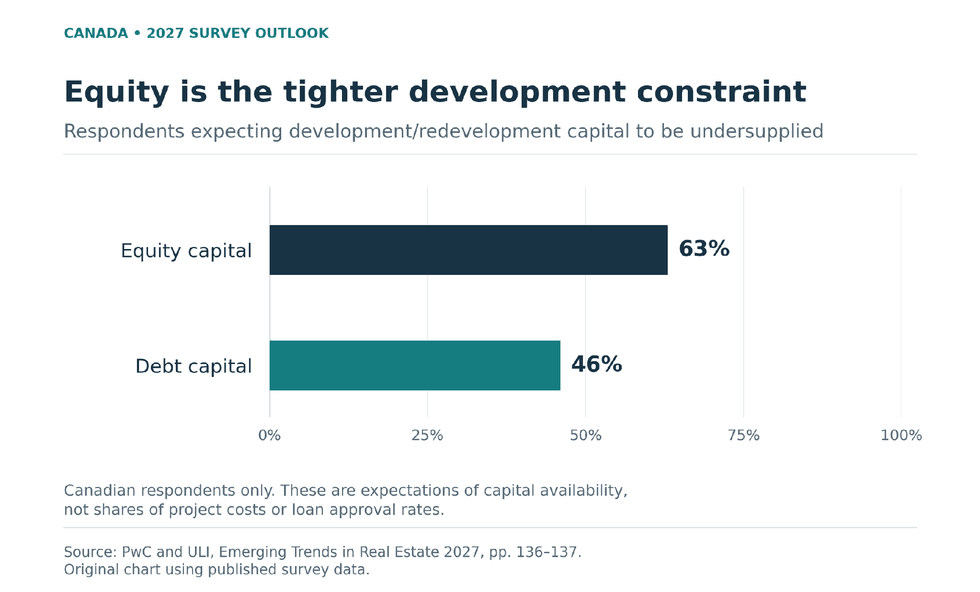 Canadian respondents were more likely to expect an undersupply of development/redevelopment equity capital (63%) than debt capital (46%) in 2027. These are survey expectations, not measured financing volumes. Source: PwC and ULI, Emerging Trends in Real Estate 2027, pp. 136–137. Original chart.
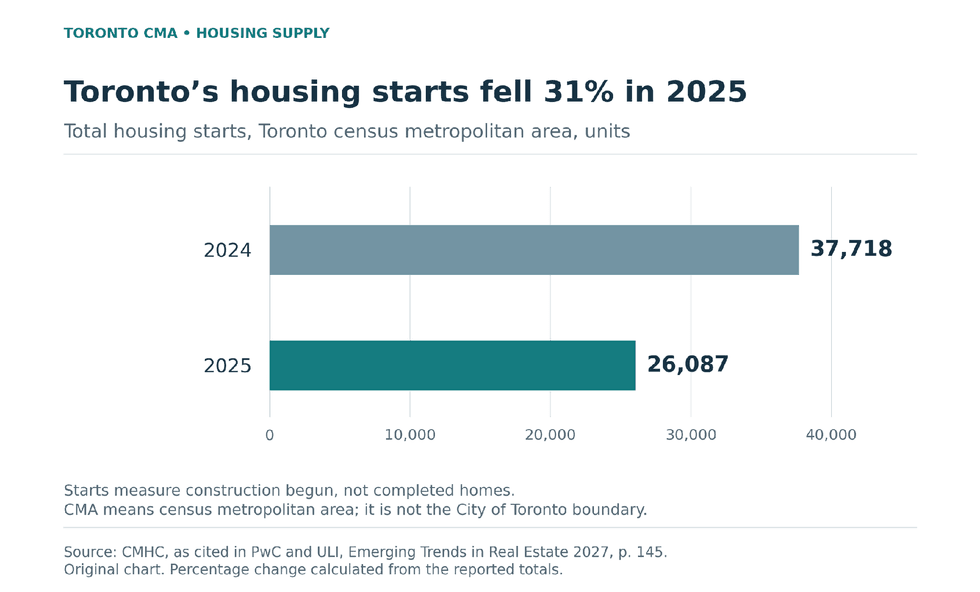 Toronto census metropolitan area housing starts fell from 37,718 units in 2024 to 26,087 in 2025, a 30.8% decline (rounded to 31%). Starts measure construction begun, not completed homes. Source: CMHC, as cited in PwC and ULI, Emerging Trends in Real Estate 2027, p. 145. Original chart.


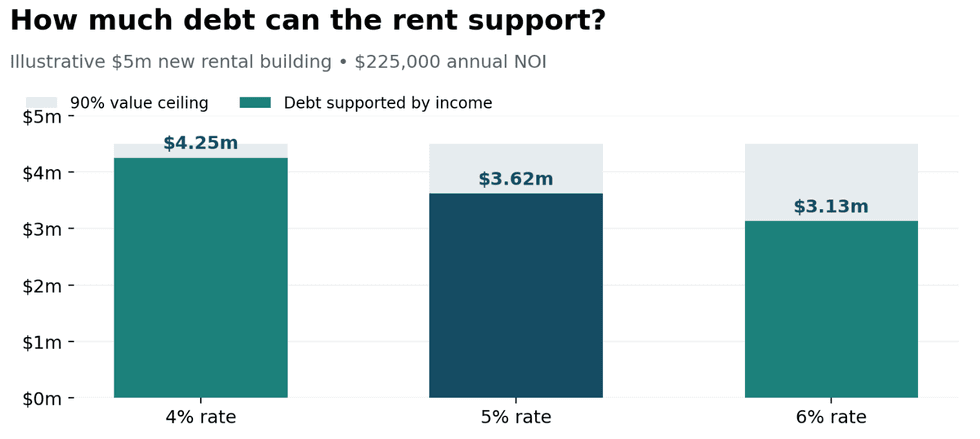 Illustrative calculation: a $4.5-million value ceiling versus income-based capacity of about $4.25 million at 4%, $3.62 million at 5% and $3.13 million at 6%. Assumes 50-year amortization and 1.15 debt coverage.
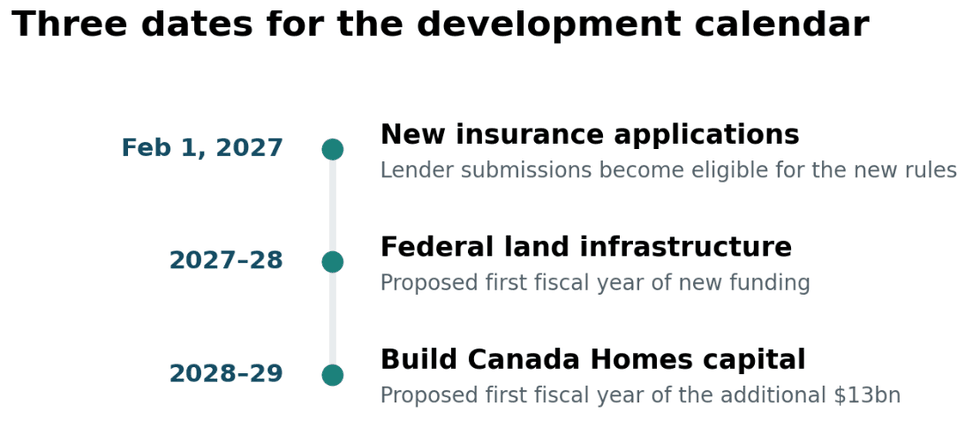 Source: Department of Finance missing-middle backgrounder and Budget 2026 Chapter 3, November 5, 2026. Fiscal-year funding starts are not home-completion dates.
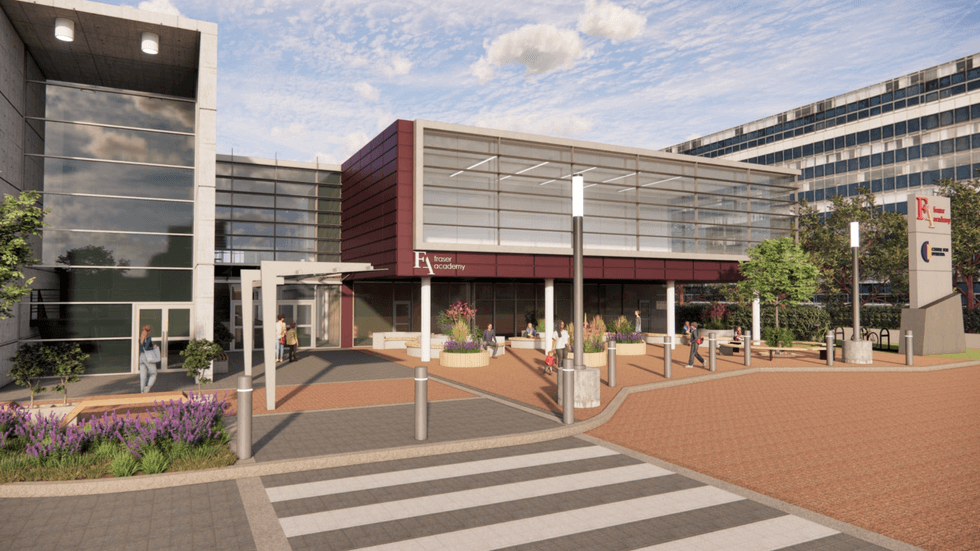 A rendering of Fraser Academy’s new campus. (Fraser Academy)

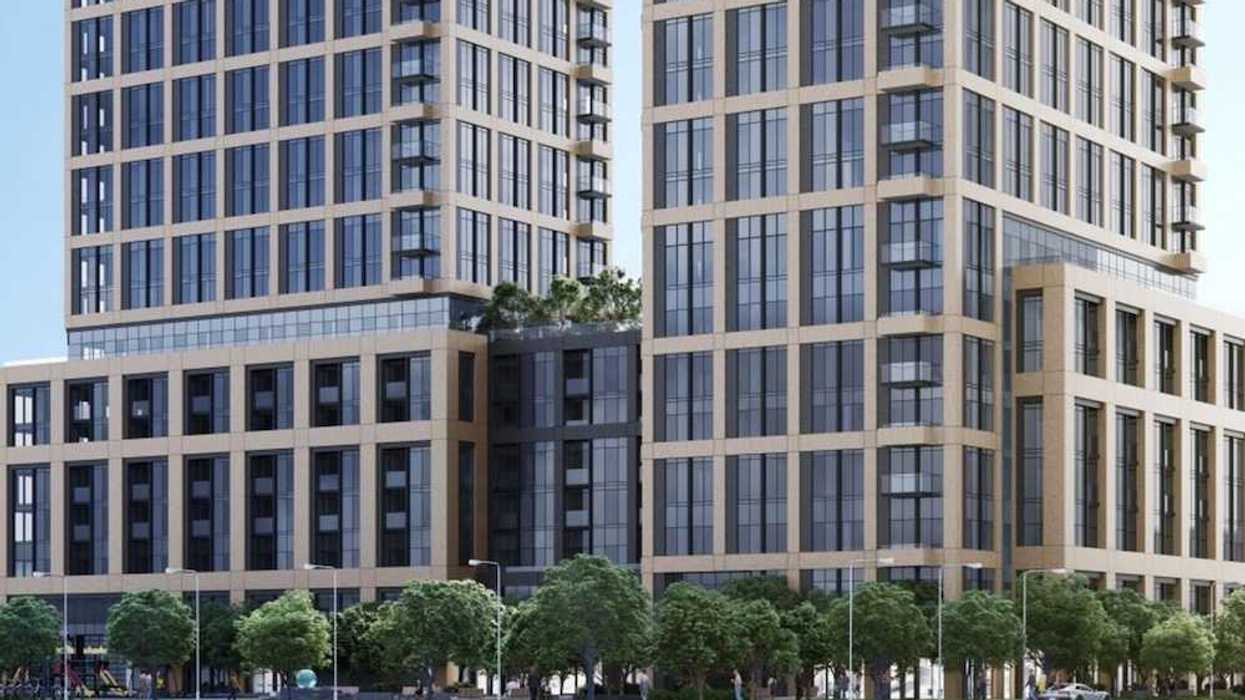
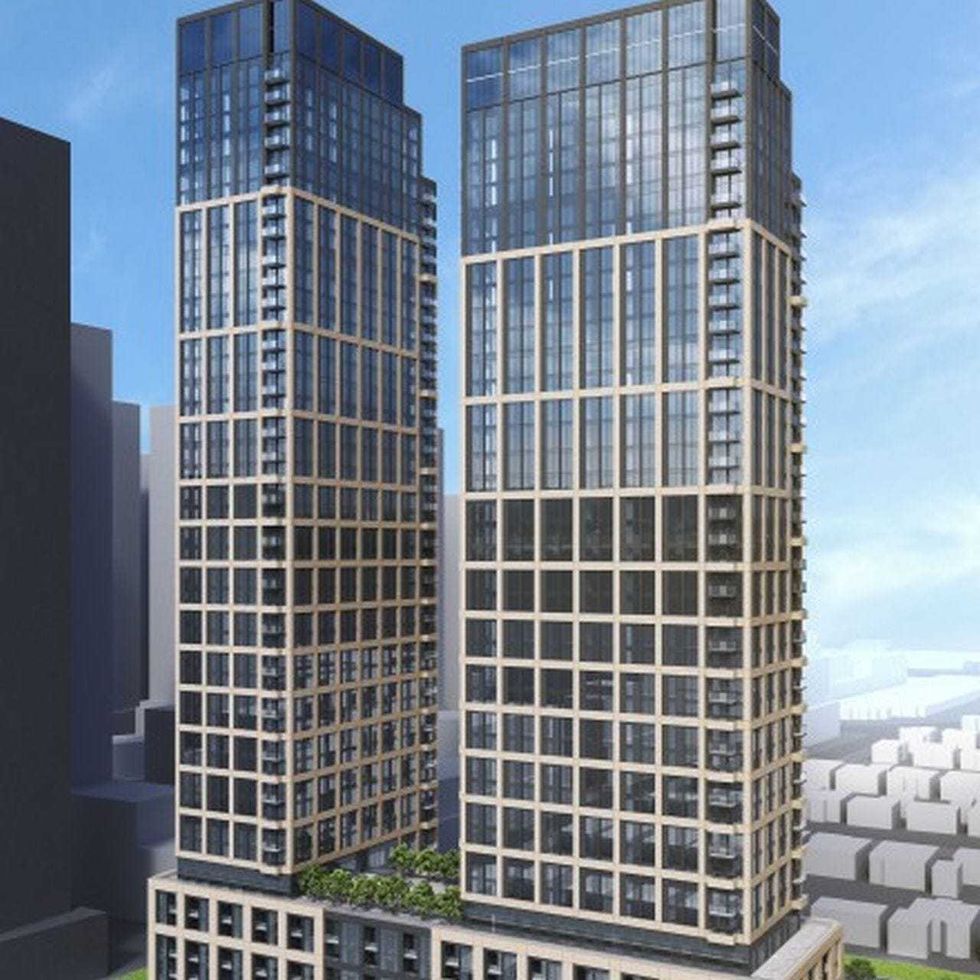 The project planned for 36-48 Steeles Avenue East and 37-49 Highland Park Boulevard in Markham. (Arcadis, Zonix Homes)