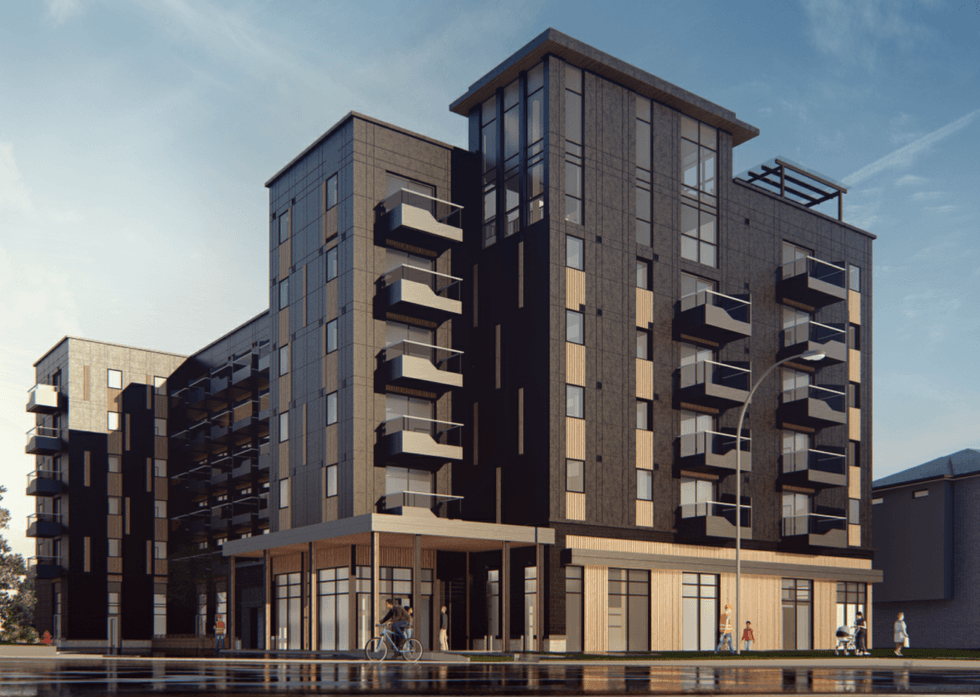
Air Rights Development
Air rights development is the use or sale of space above a property for new construction, maximizing land value in dense urban areas.

September 29, 2025
What is Air Rights Development?
Air rights development is the sale, lease, or use of the space above a property for construction or expansion. Common in urban centres, it allows new buildings to be constructed above existing structures such as railways, highways, or low-rise buildings.
Why Air Rights Development Matters in Real Estate
Air rights development matters in real estate because it maximizes land use in dense areas, creates new development opportunities, and generates revenue for property owners. It is particularly valuable in cities with limited land availability.
Example of Air Rights Development in Action
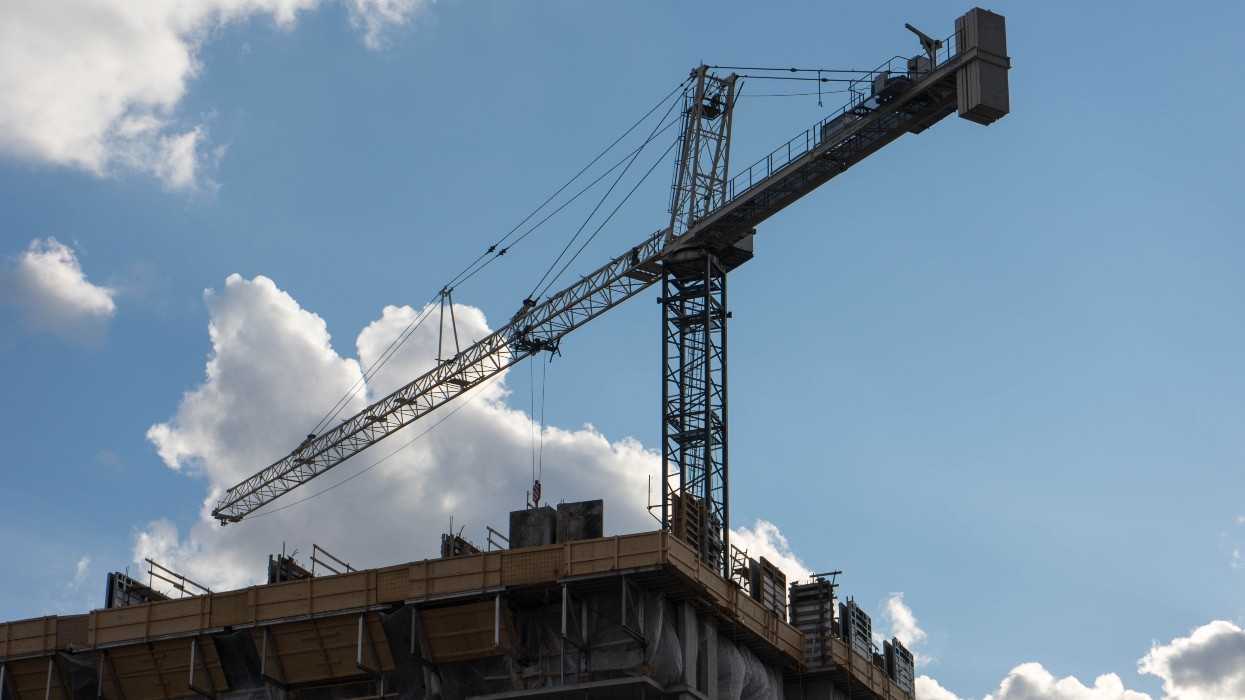
A developer purchases air rights above a downtown parking garage to build a high-rise condo tower, while the garage remains operational at ground level.
Key Takeaways
- Homes designed for accessibility and inclusivity.
- Supports aging-in-place and long-term usability.
- Increases property value by broadening buyer appeal.
- Incorporates barrier-free and flexible design features.
- Growing demand as populations age.
Related Terms
- Density Transfer
- Land Assembly
- Zoning
- Transferable Development Rights
- Urban Planning



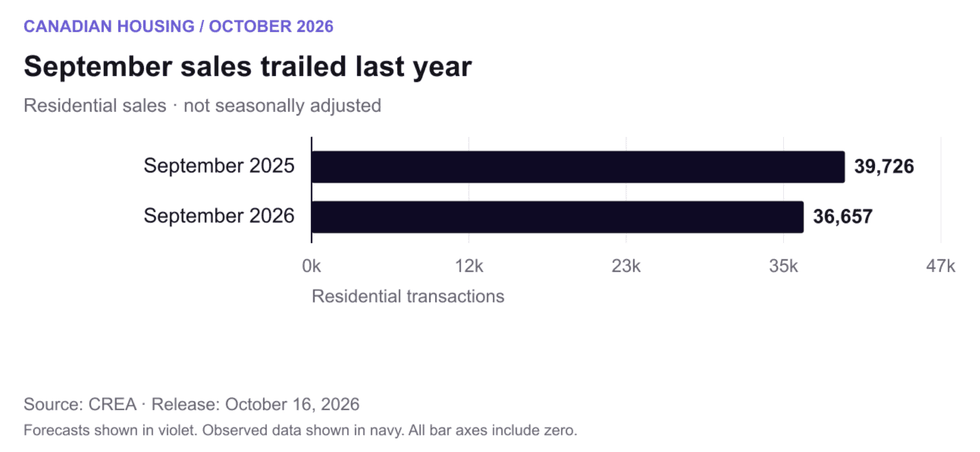 September residential sales, not seasonally adjusted; the annual comparison uses CREA’s revised figures. Chart:
 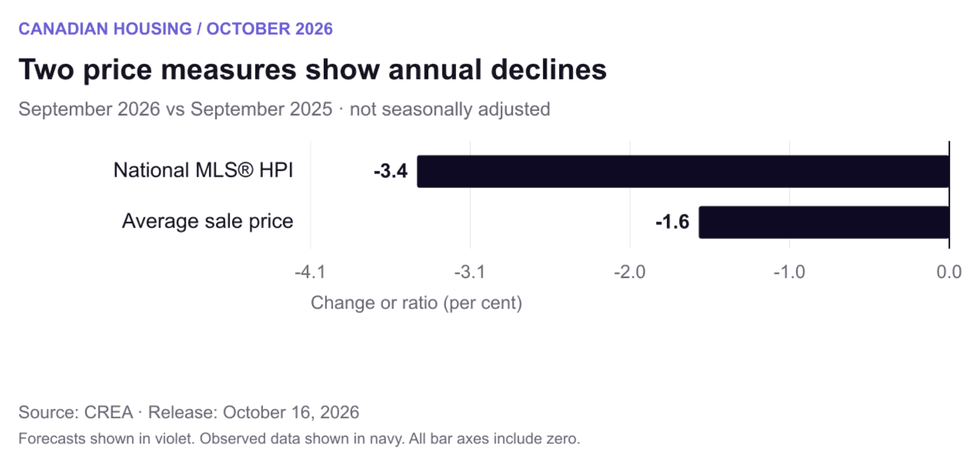 Annual changes in the unadjusted national MLS® HPI and average sale price. The average is affected by the mix of transactions. Chart:
 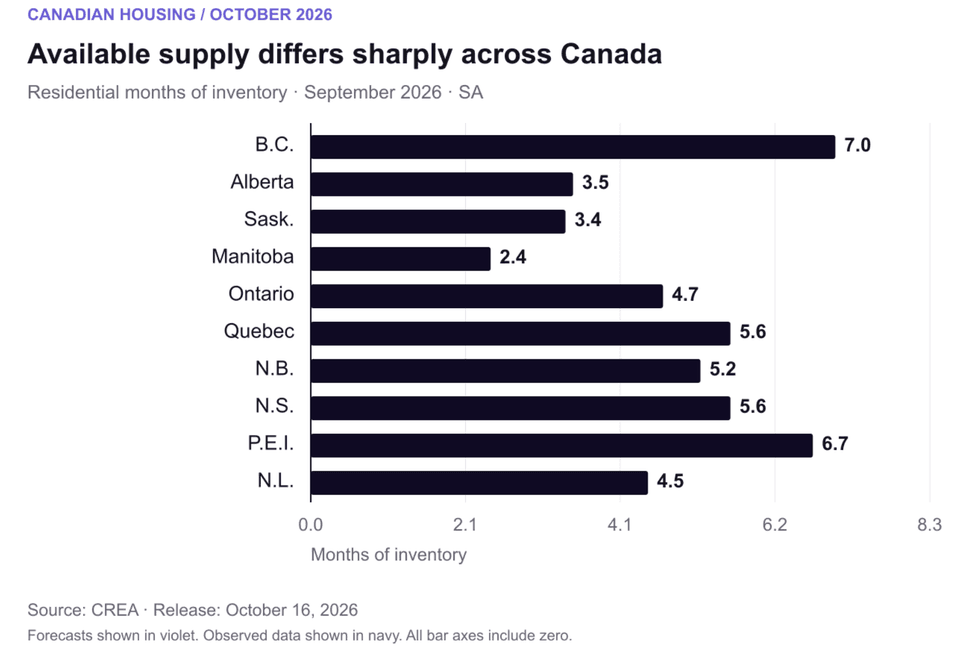 Seasonally adjusted residential months of inventory by province. Local property types can differ substantially. Chart:
 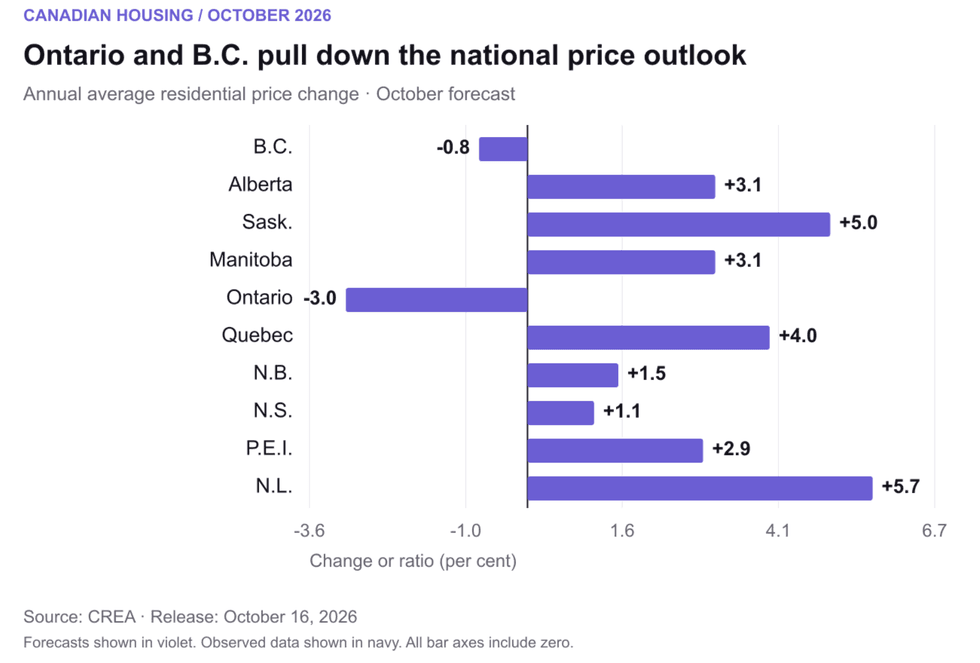 Ontario and B.C. are the two provinces with forecast annual average-price declines in 2026. Chart:
 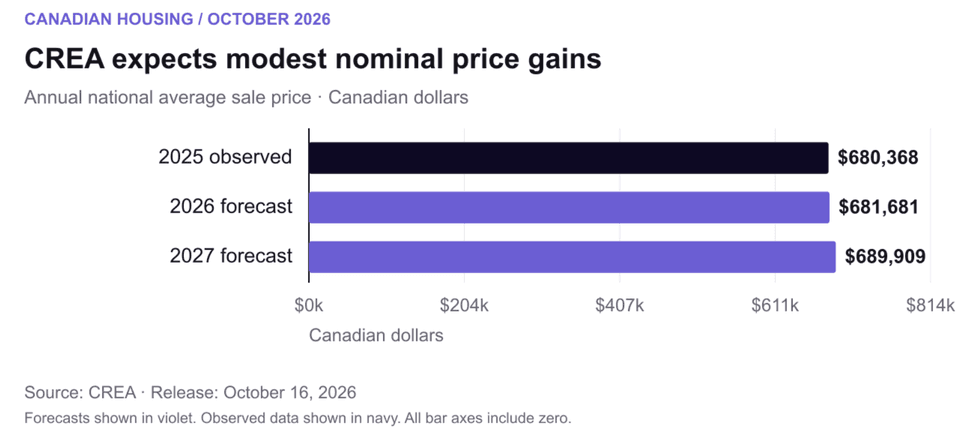 Annual average transaction prices in Canadian dollars. Forecast values are not December price targets. Chart:
 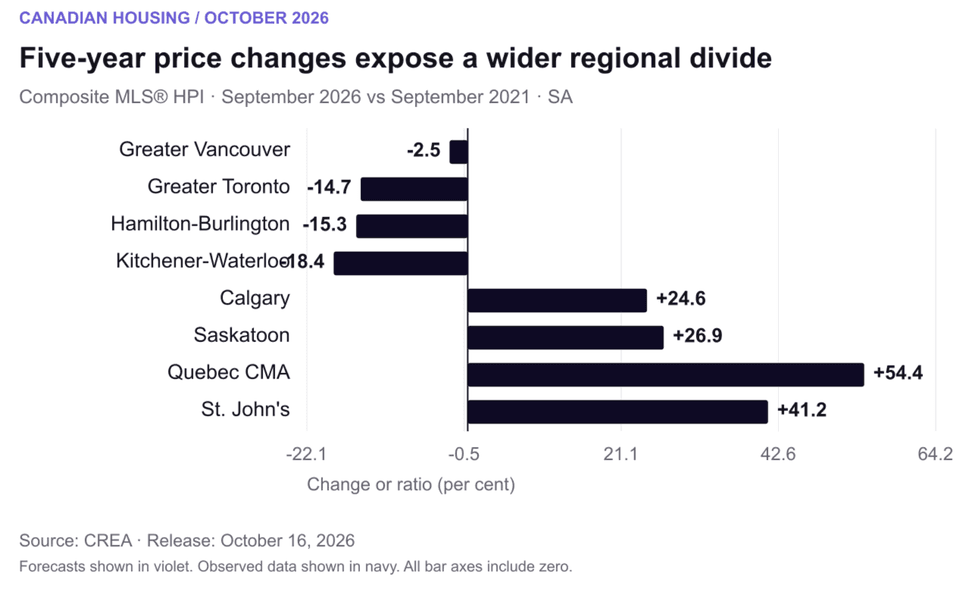 Five-year changes in seasonally adjusted composite MLS® HPI benchmarks, September 2021 to September 2026. Chart: