Density Transfer
Density transfer allows unused development rights to be shifted between properties, balancing growth with preservation.
September 30, 2025
What is Density Transfer?
Density transfer, also called air lot transfer, is a planning tool that allows unused development rights from one property to be transferred to another. This enables higher-density development in designated areas while preserving other lands.
Why Density Transfer Matters in Real Estate
Density transfers matter in real estate because they balance growth with heritage or environmental protection. They create marketable value for unused density while supporting urban planning goals.
Example of Density Transfer in Action
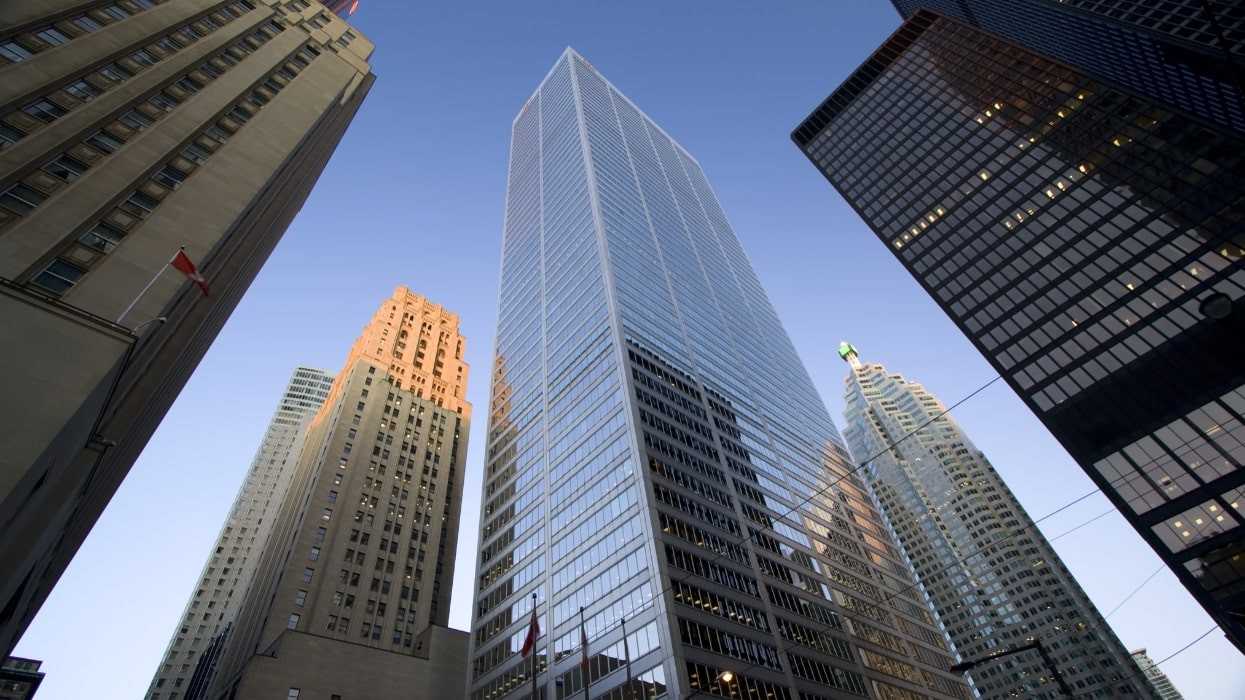
A heritage building in Toronto cannot be redeveloped to full zoning potential. Its unused density rights are sold to a nearby developer, who adds more floors to a new tower.
Key Takeaways
- Transfers unused development rights to another site.
- Encourages density where it is most appropriate.
- Preserves heritage or environmentally sensitive sites.
- Creates market value for unused density.
- Supports municipal planning and growth strategies.
Related Terms
- Zoning
- Air Rights Development
- Inclusionary Zoning
- Urban Planning
- Transferable Development Rights
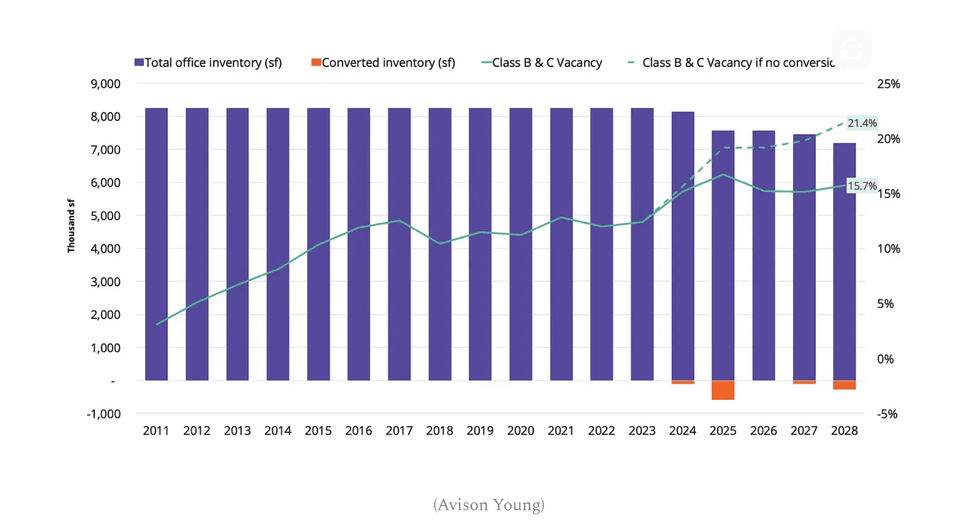 (Avison Young)
 The Mason Suite Interior (Infinity Properties)
 The Mason Suite Interior (Infinity Properties)
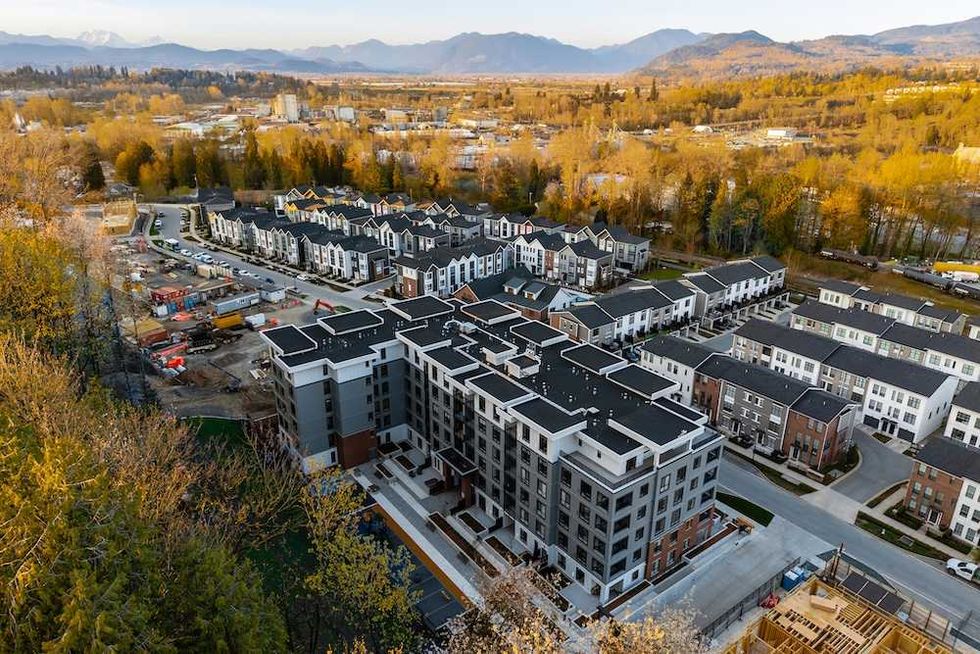 Rail District aerial (Infinity Properties)
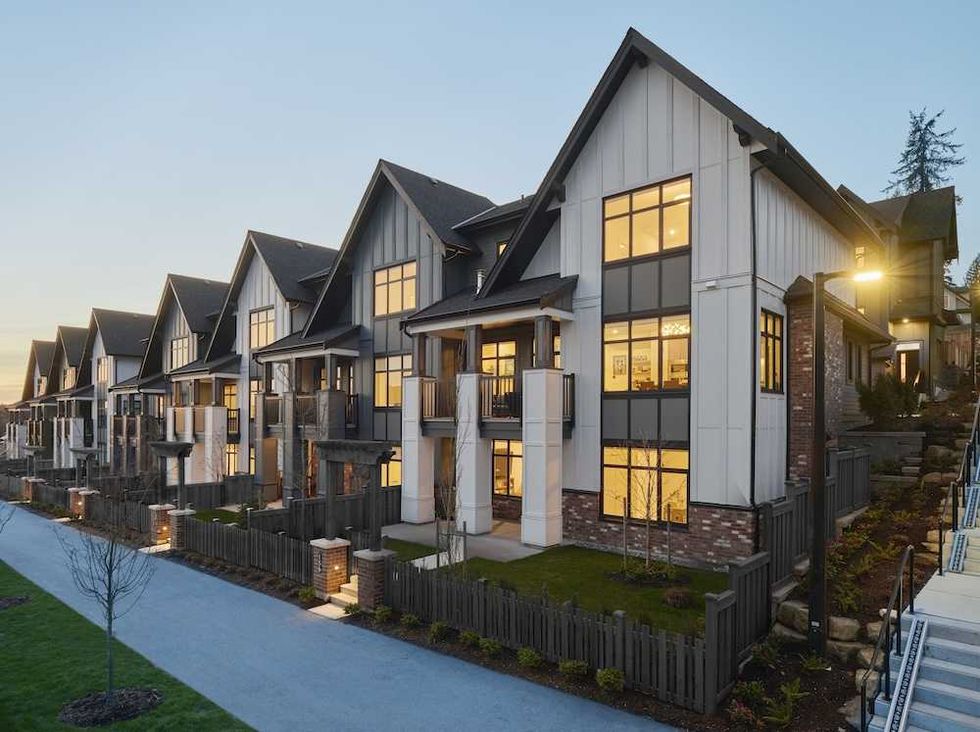 Versant (Infinity Properties)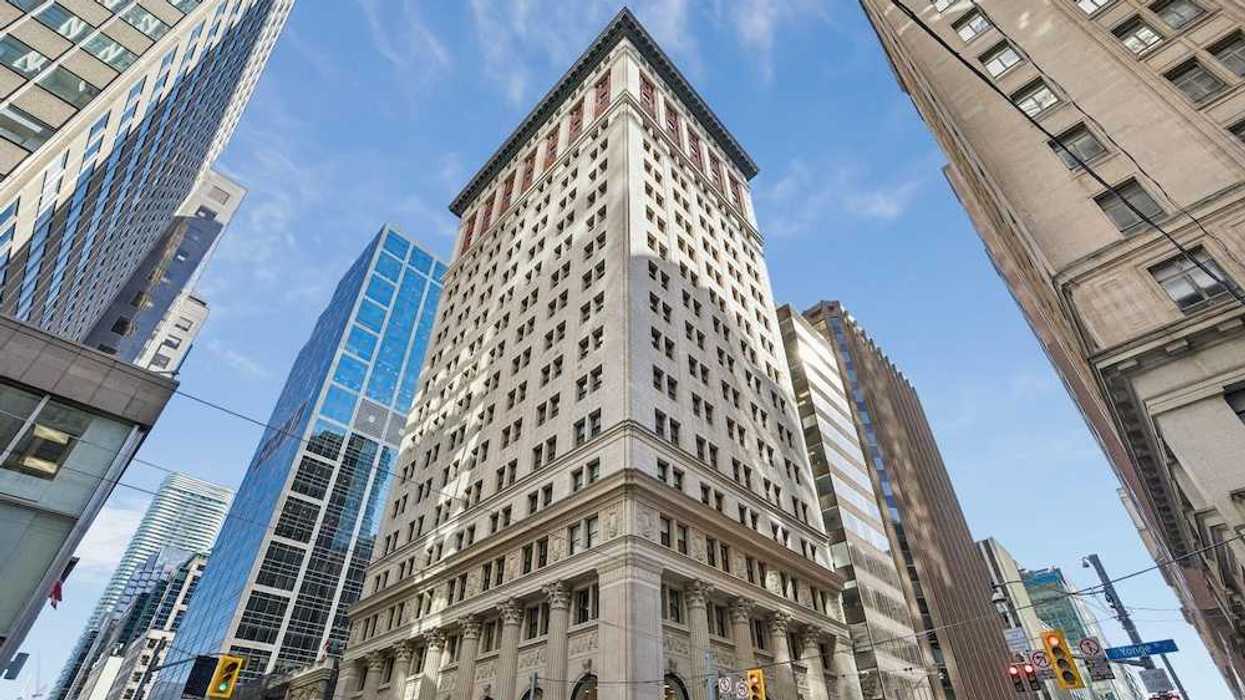
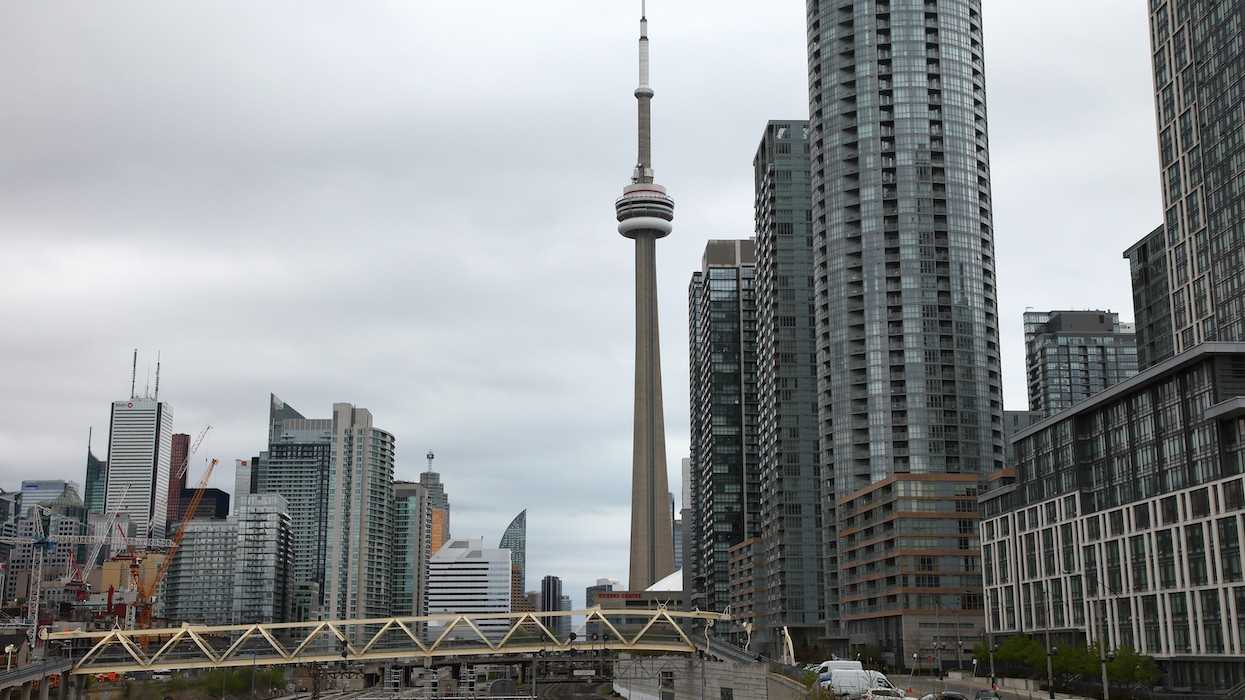





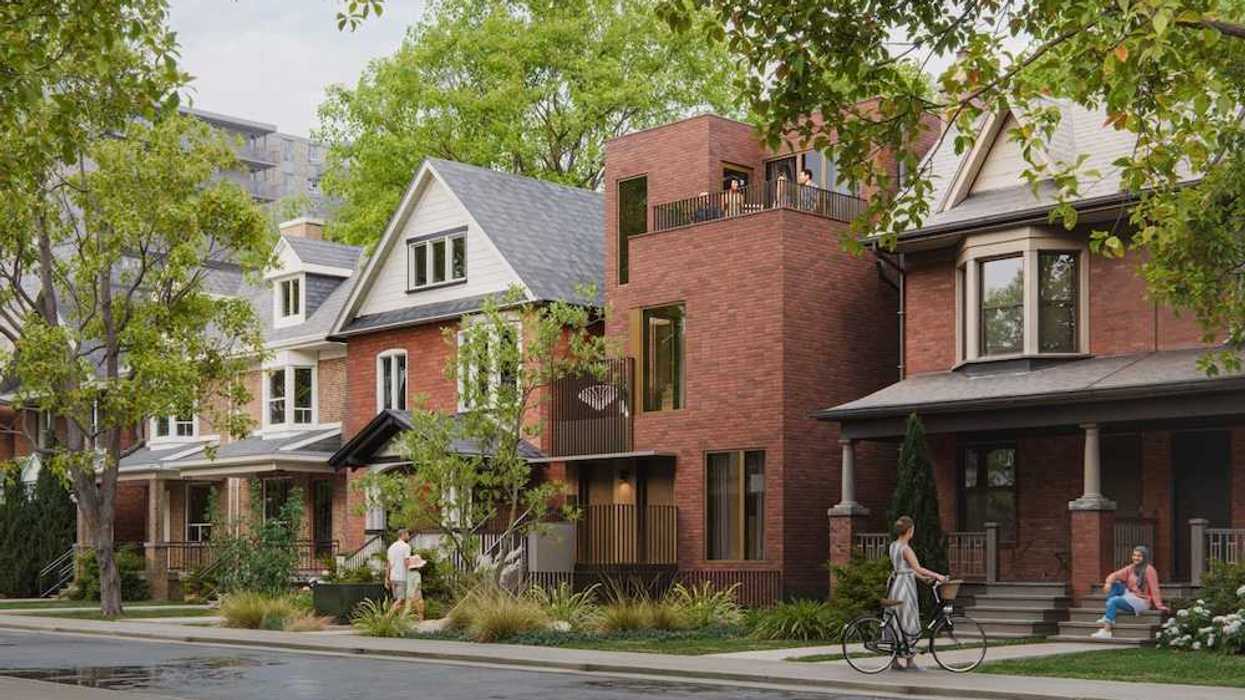
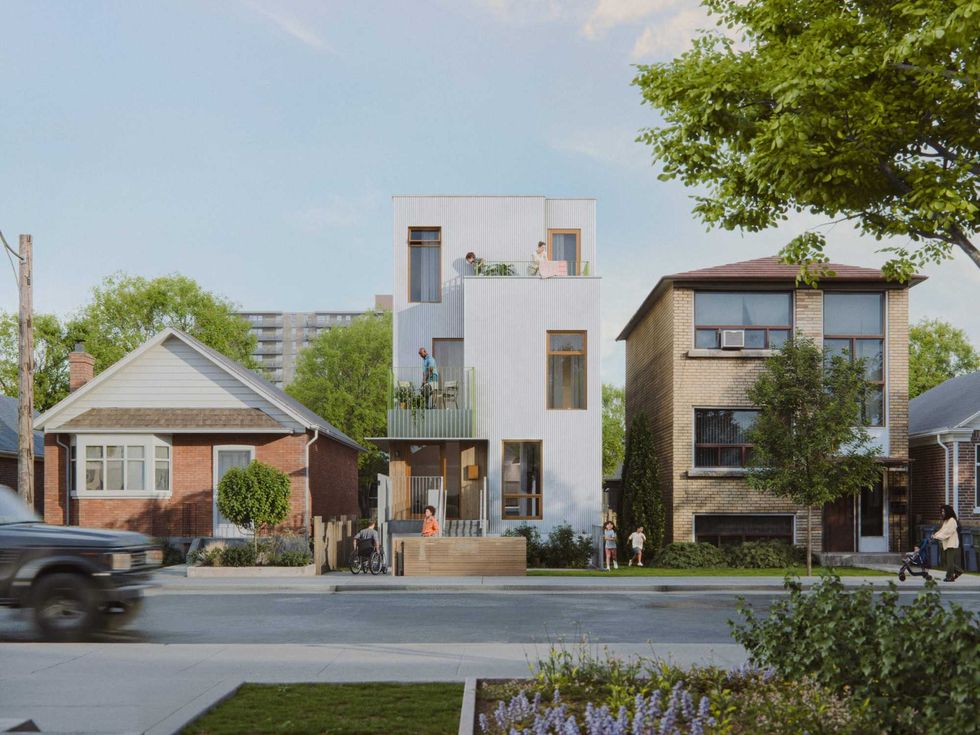 Narrow Fourplex (City of Toronto)
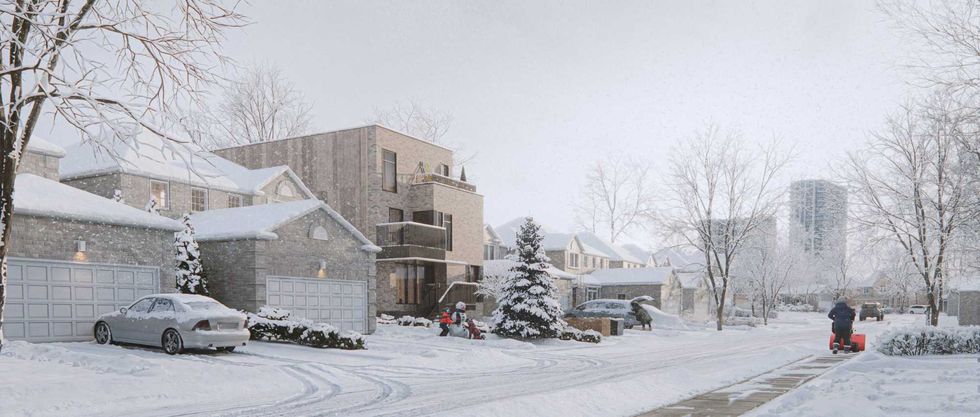 Wide Sixplex - Side View (City of Toronto)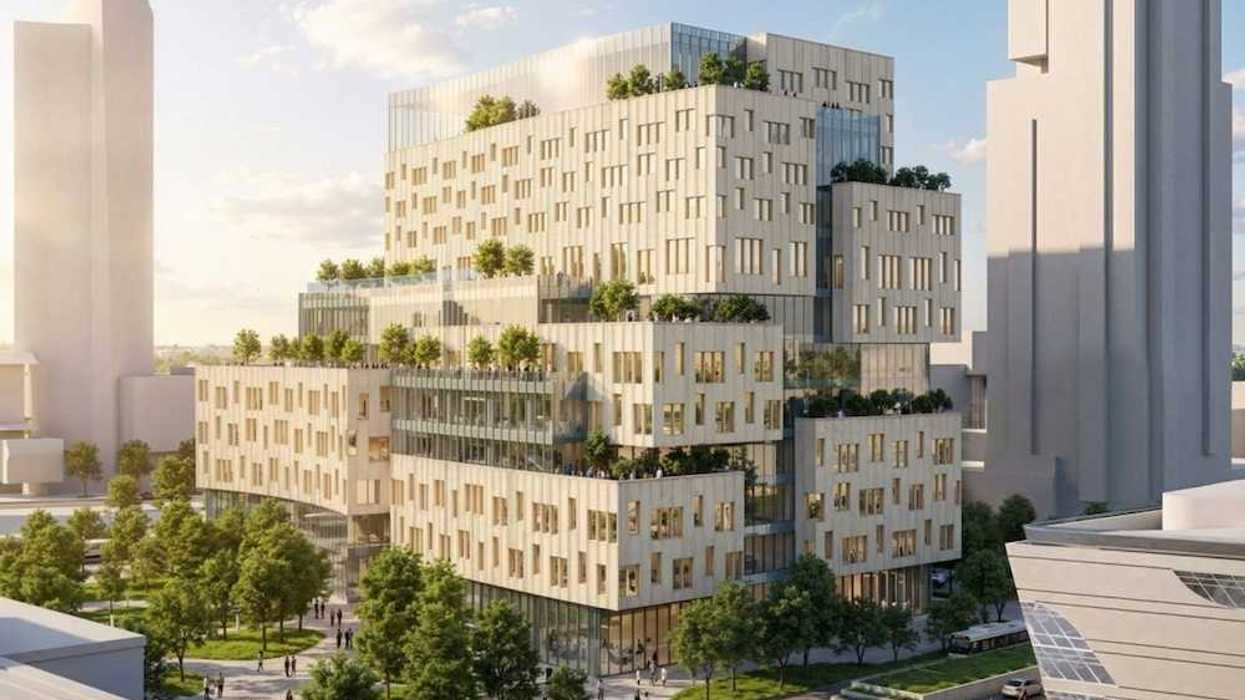
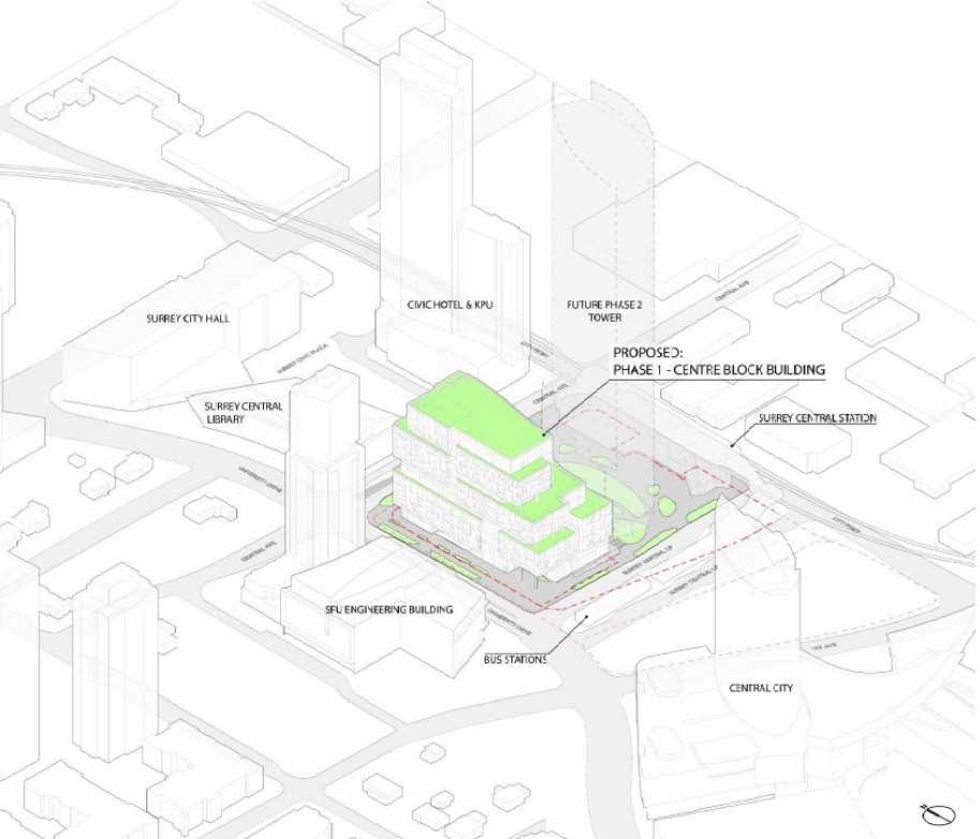 Centre Block and its surrounding context. (Stantec-Revery, SCDC)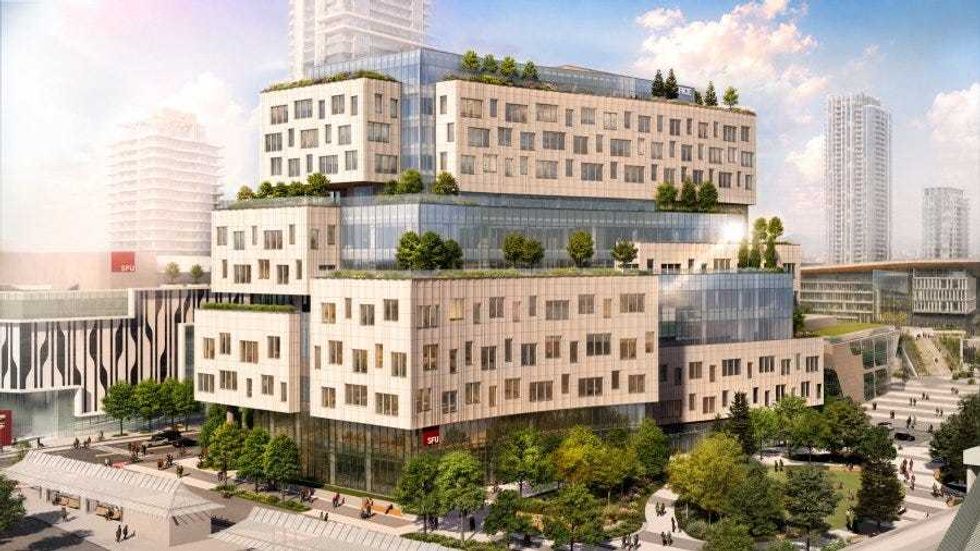
 The 12-storey Phase One of Centre Block. (Stantec-Revery, SCDC)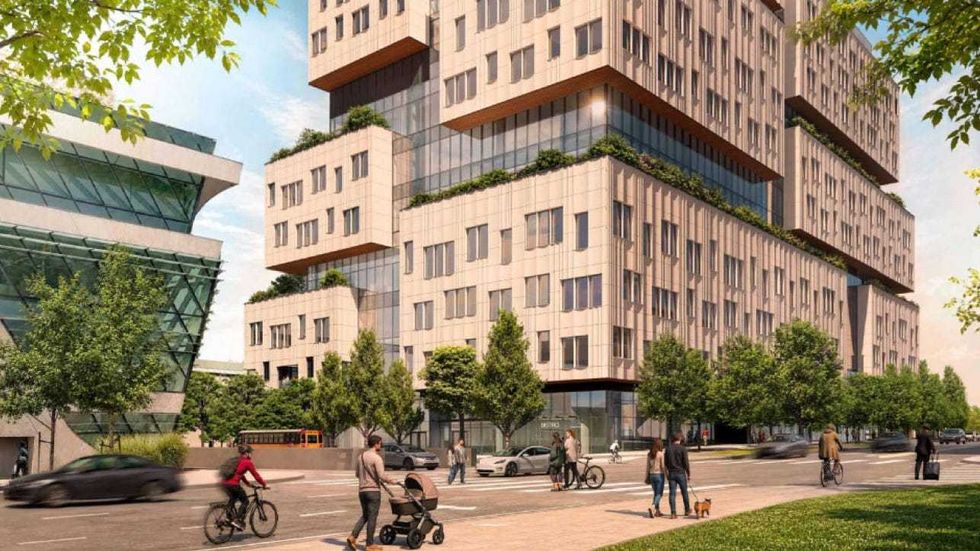
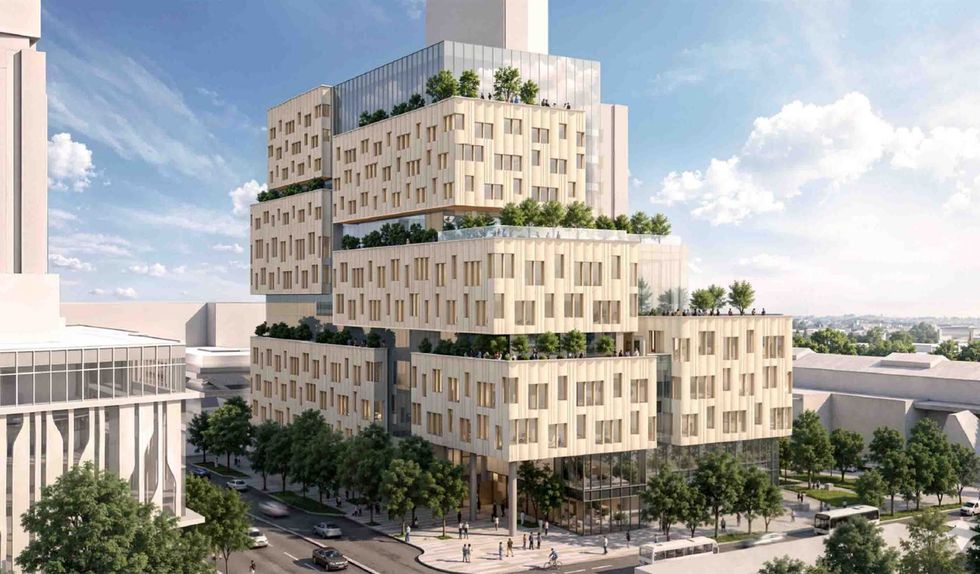
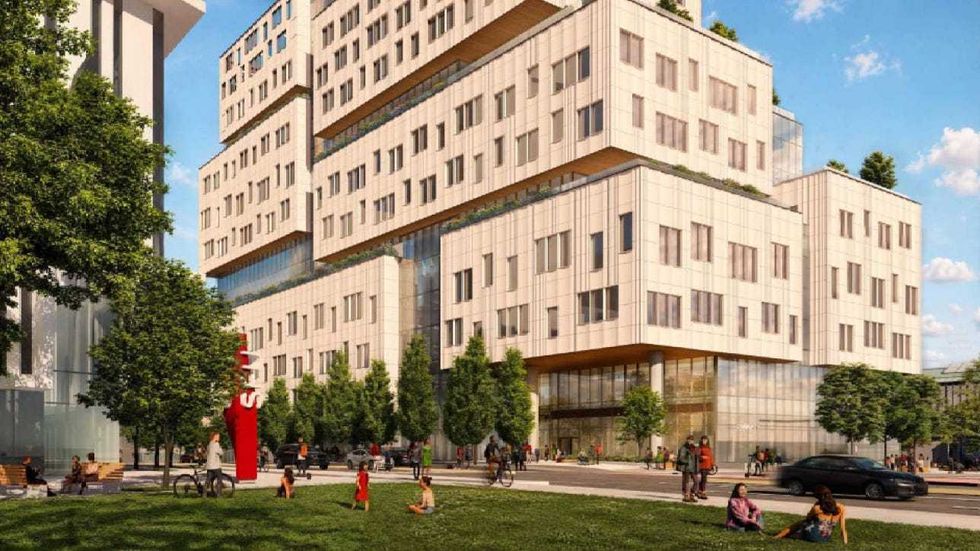 The 12-storey Phase One of Centre Block. (Stantec-Revery, SCDC)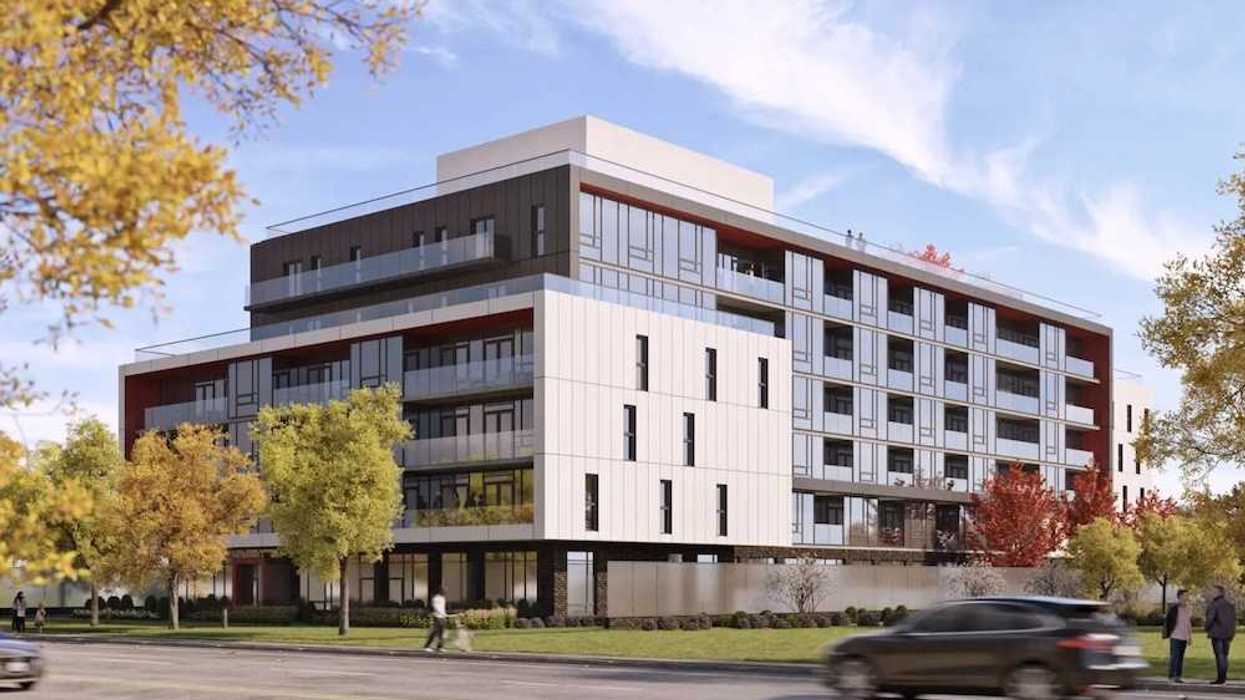
 Mondria One, set for 1607 King Street East in Clarington, Ontario. (ICON Architects Inc., Monde Development Group)