Certificate of Compliance
Understand certificates of compliance in Canadian real estate — what they are, when they’re needed, and their role in transactions.

August 07, 2025
What is a Certificate of Compliance?
A certificate of compliance is an official document issued by a municipality confirming that a property complies with applicable zoning bylaws and building regulations.
Why Certificates of Compliance Matter in Real Estate
In Canadian real estate transactions, certificates of compliance provide assurance to buyers and lenders that no outstanding bylaw violations exist.
Key points:
- Typically requested during property sales
- May be required for financing or title insurance
- Helps avoid costly delays or legal issues
Understanding certificates of compliance reduces risk for all parties in a transaction.
Example of a Certificate of Compliance in Action
The buyer requested a certificate of compliance to confirm the property met all zoning regulations before closing.
Key Takeaways
- Confirms property meets zoning and building bylaws
- Often requested during real estate sales
- Provides confidence for buyers and lenders
- Helps prevent transaction delays
- Supports title insurance requirements
Related Terms
- Building Permit
- Zoning
- Official Plan
- Permit Compliance
- Title Insurance

 Narrow Fourplex (City of Toronto)
 Wide Sixplex - Side View (City of Toronto)
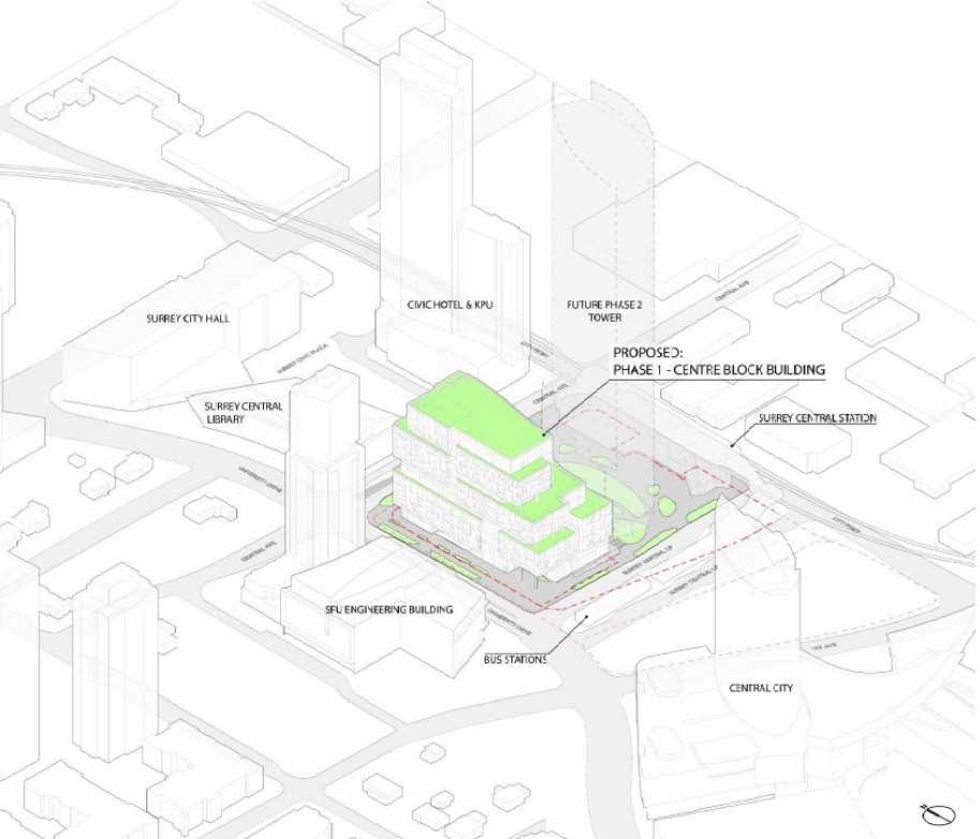 Centre Block and its surrounding context. (Stantec-Revery, SCDC)
 The 12-storey Phase One of Centre Block. (Stantec-Revery, SCDC)
 The 12-storey Phase One of Centre Block. (Stantec-Revery, SCDC)








 Via STOREYS Editorial team

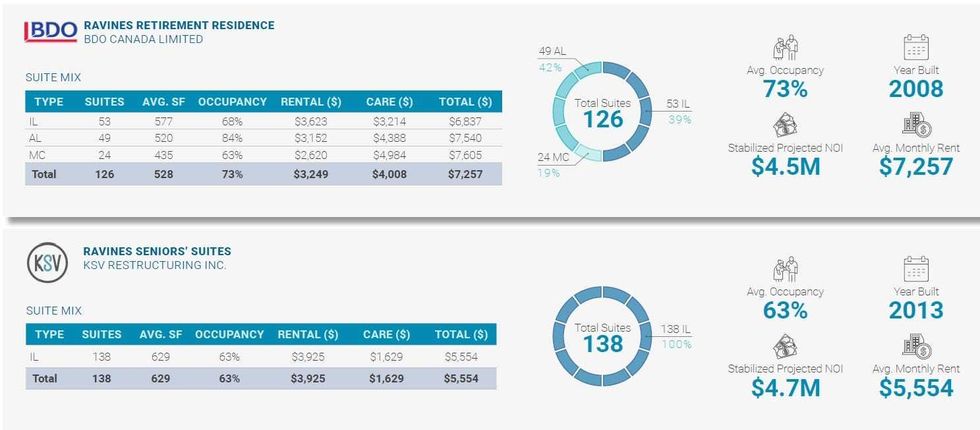 An overview of the two Ravine buildings. (Newmark)
 95 Clegg Road in Markham, Ontario. (Colliers)
 95 Clegg Road (centre) in Markham, Ontario. (Colliers)