Brownstone
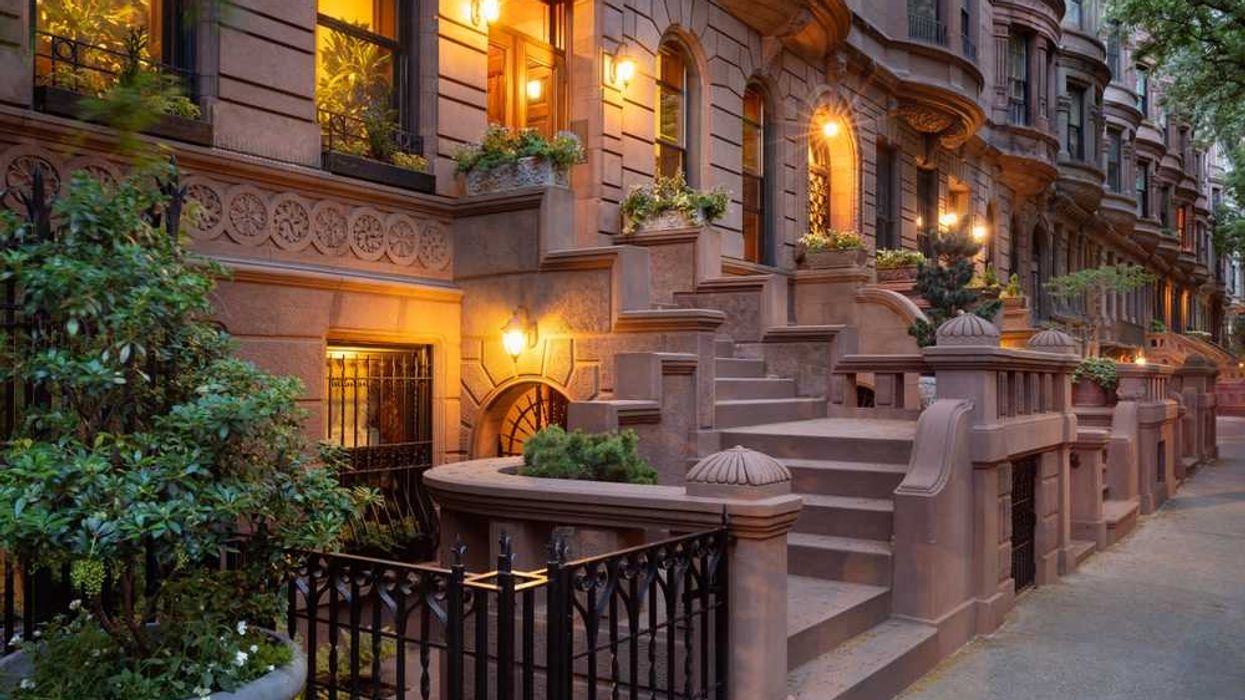
A brownstone is a historic townhouse with a sandstone façade, prized for heritage architecture and urban character.
September 29, 2025
What is a Brownstone?
A brownstone is a historic townhouse or rowhouse, typically built in the 19th or early 20th century with brown sandstone façades. They are common in cities like New York, Boston, and Montreal and are prized for their architectural charm.
Why Brownstones Matter in Real Estate
Brownstones matter in real estate because they represent heritage architecture, add character to neighborhoods, and often command premium prices. Their unique design elements, such as stoops and ornate façades, make them highly desirable.
Example of a Brownstone
A buyer purchases a restored brownstone in Montreal’s Plateau-Mont-Royal district, drawn by its historic charm and architectural details.
Key Takeaways
- Historic townhouses built with brown sandstone.
- Common in older North American urban centres.
- Prized for architectural charm and character.
- Often carry heritage protection requirements.
- Highly desirable and command premium values.
Related Terms
- Heritage Designation
- Townhouse
- Rowhouse
- Historic Property
- Urban Housing

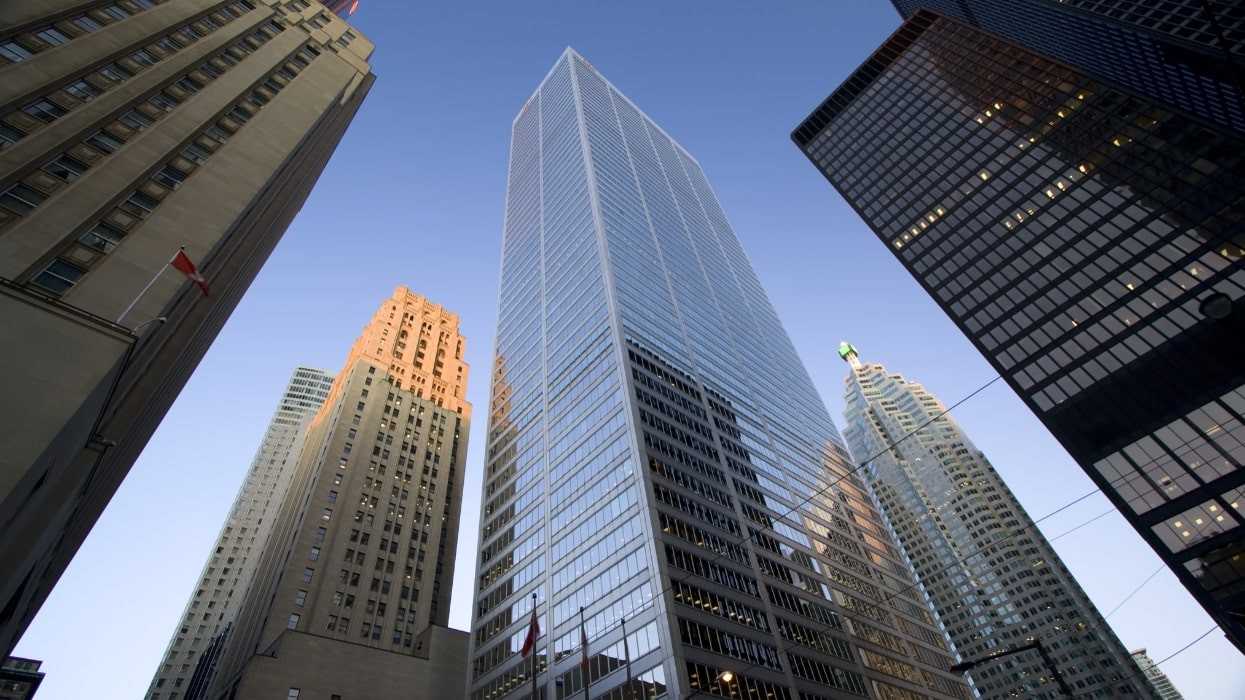
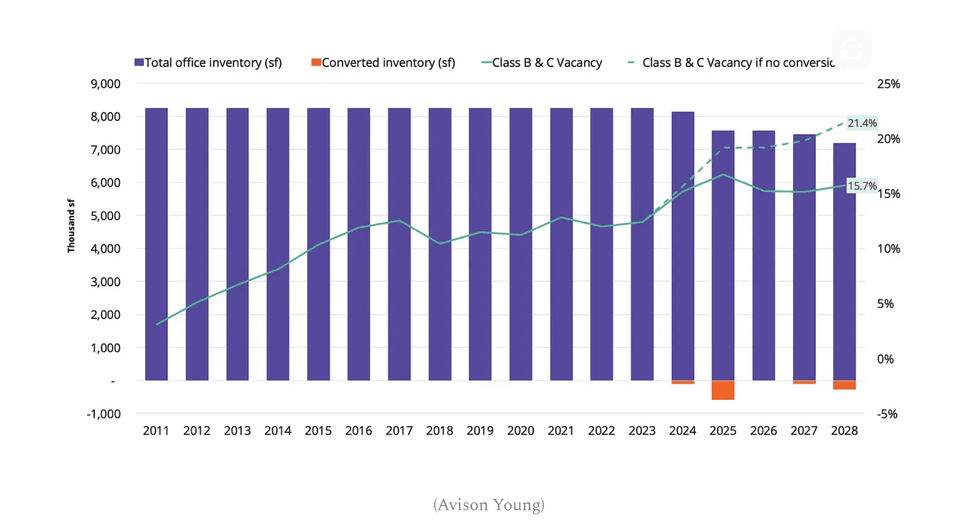 (Avison Young)



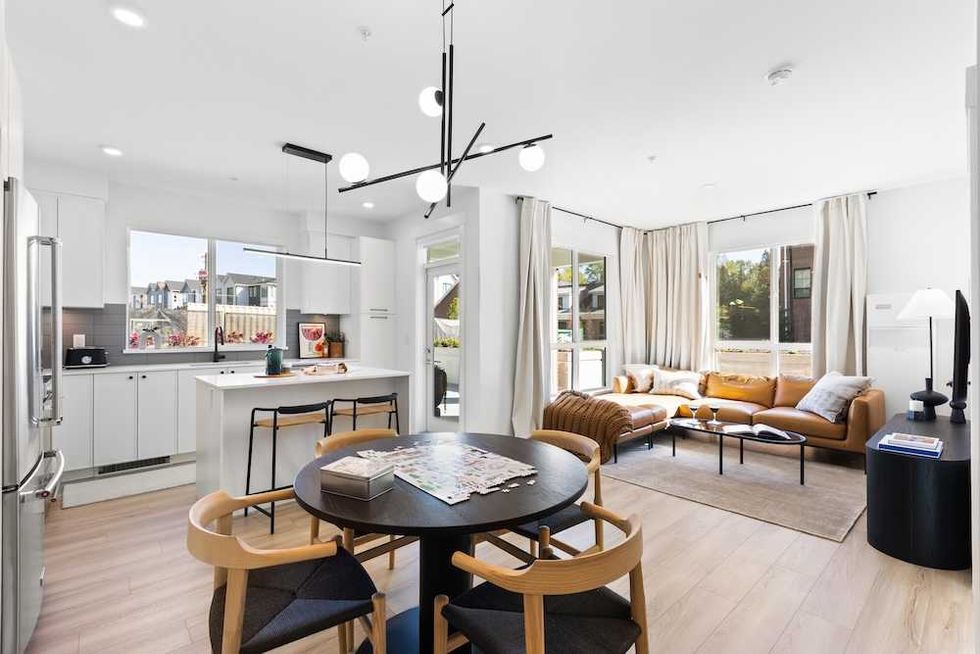 The Mason Suite Interior (Infinity Properties)
 The Mason Suite Interior (Infinity Properties)
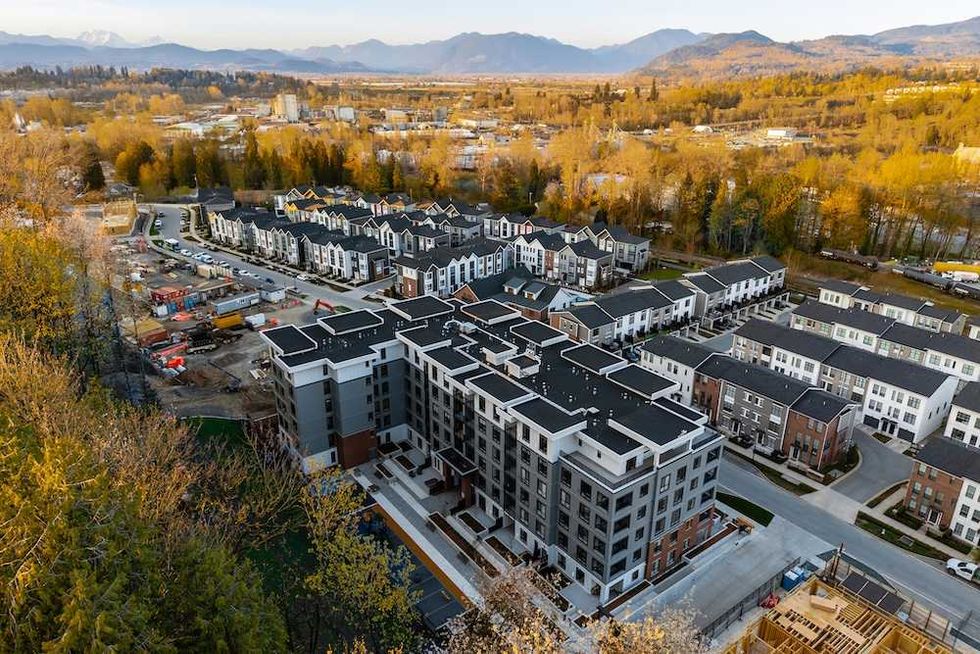 Rail District aerial (Infinity Properties)
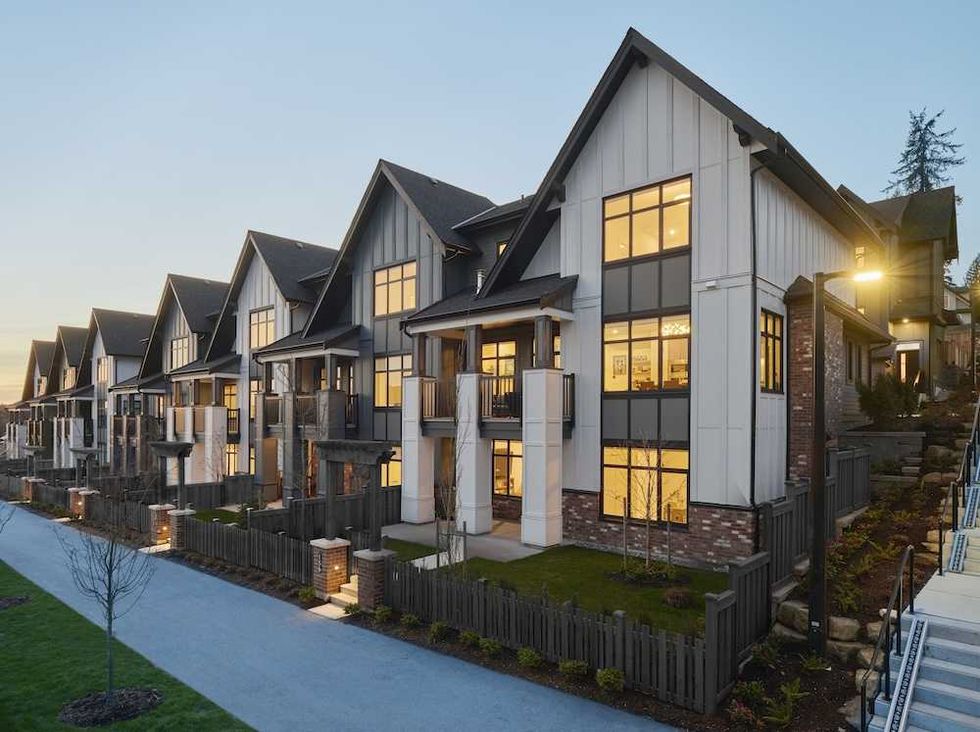 Versant (Infinity Properties)

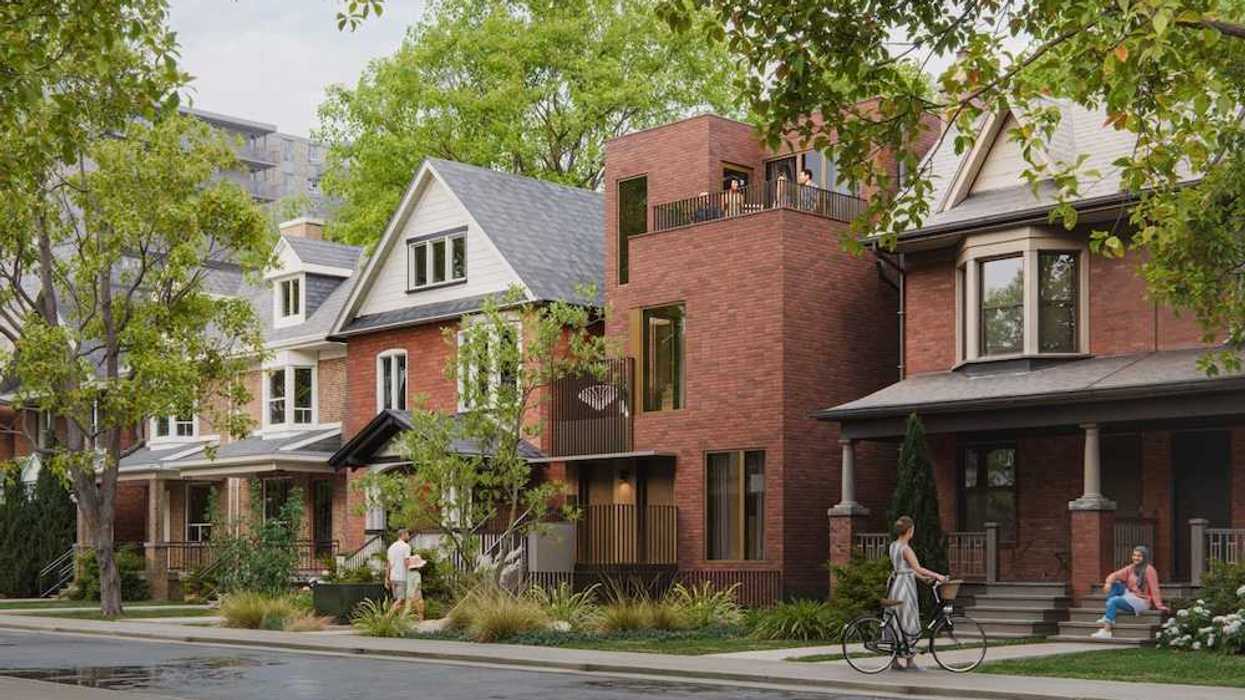
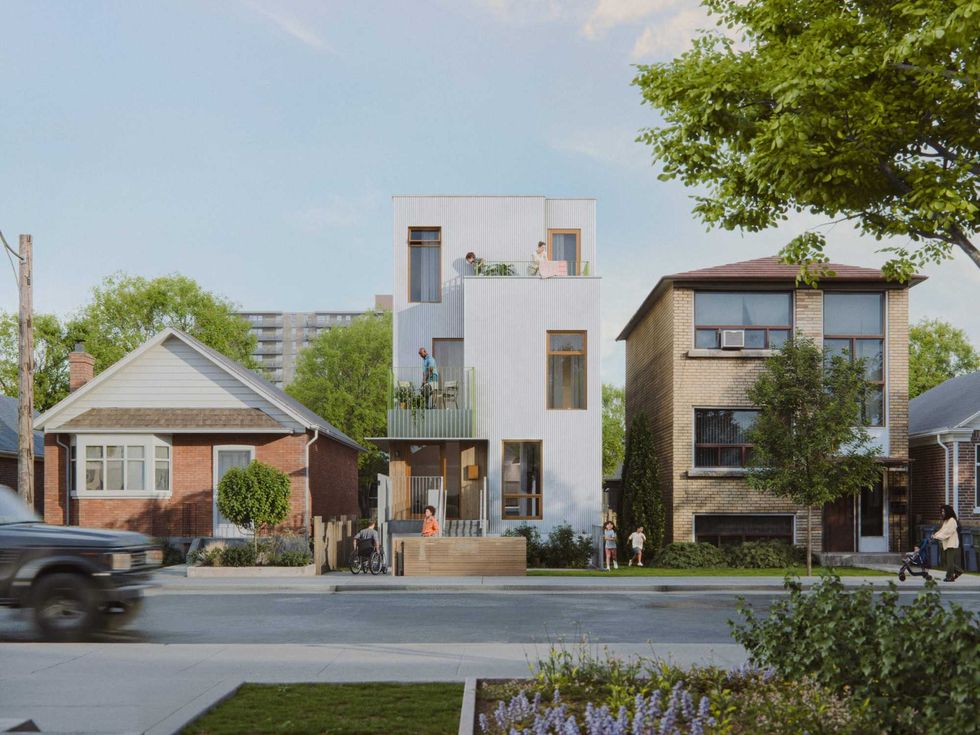 Narrow Fourplex (City of Toronto)
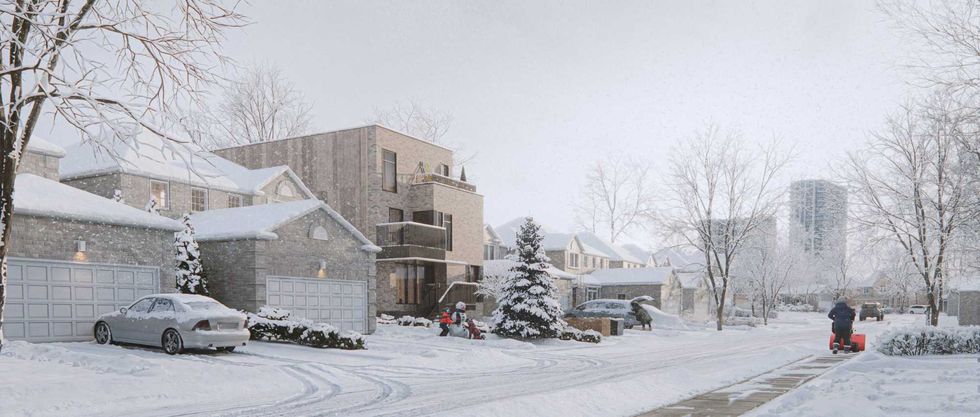 Wide Sixplex - Side View (City of Toronto)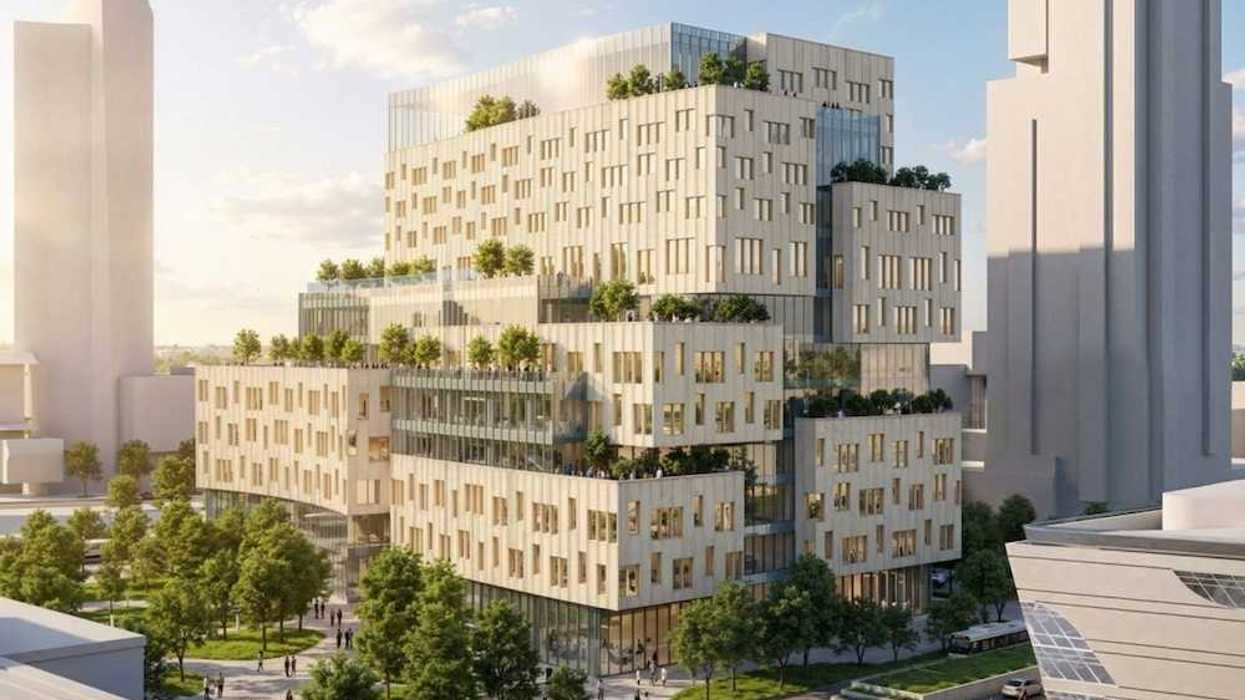
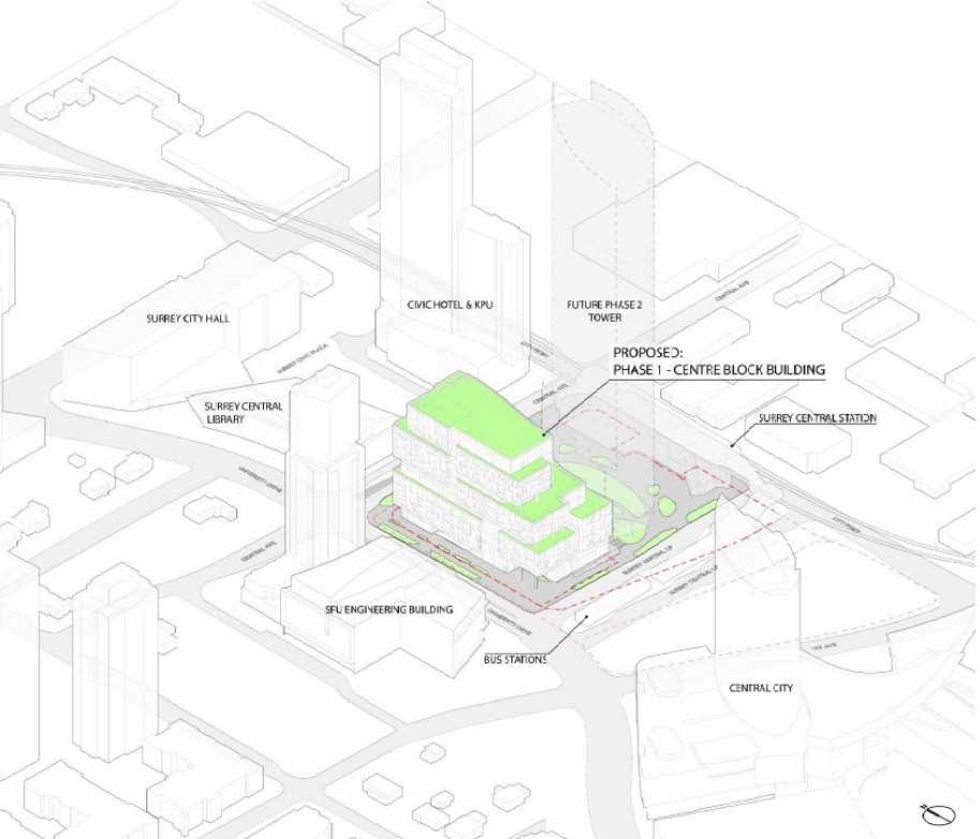 Centre Block and its surrounding context. (Stantec-Revery, SCDC)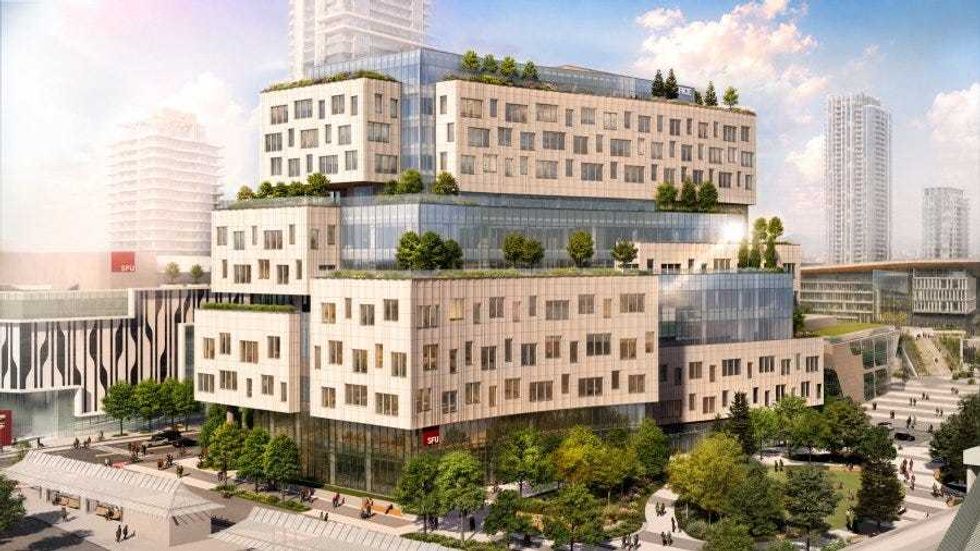
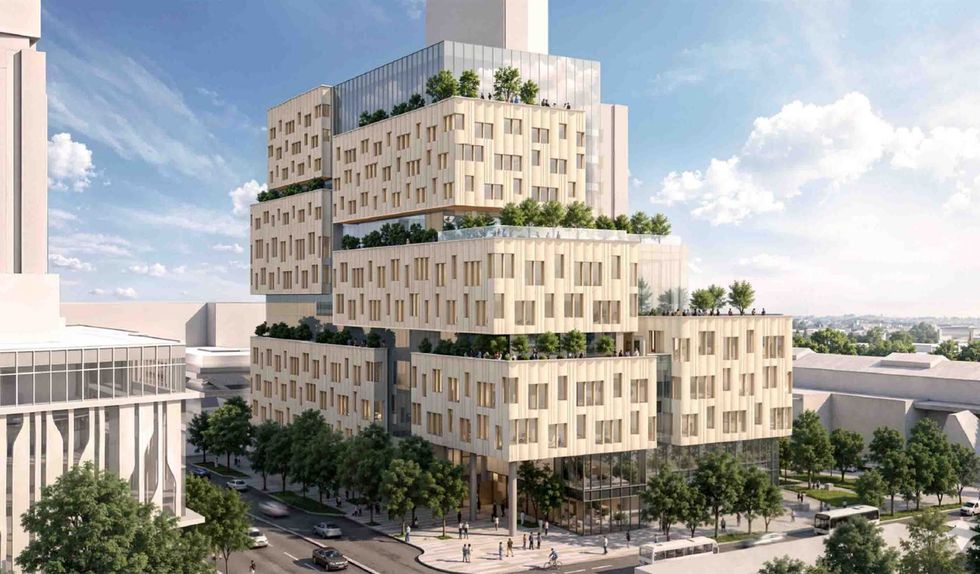 The 12-storey Phase One of Centre Block. (Stantec-Revery, SCDC)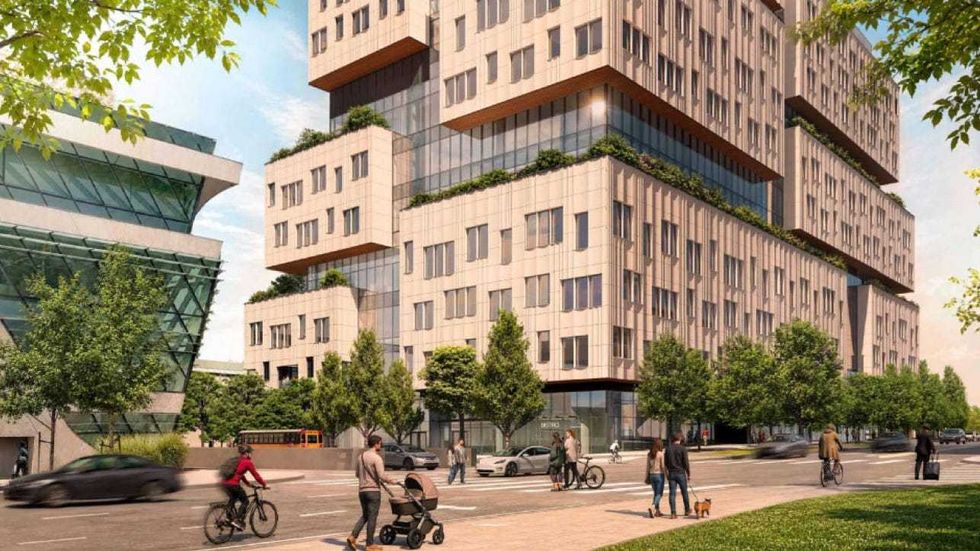
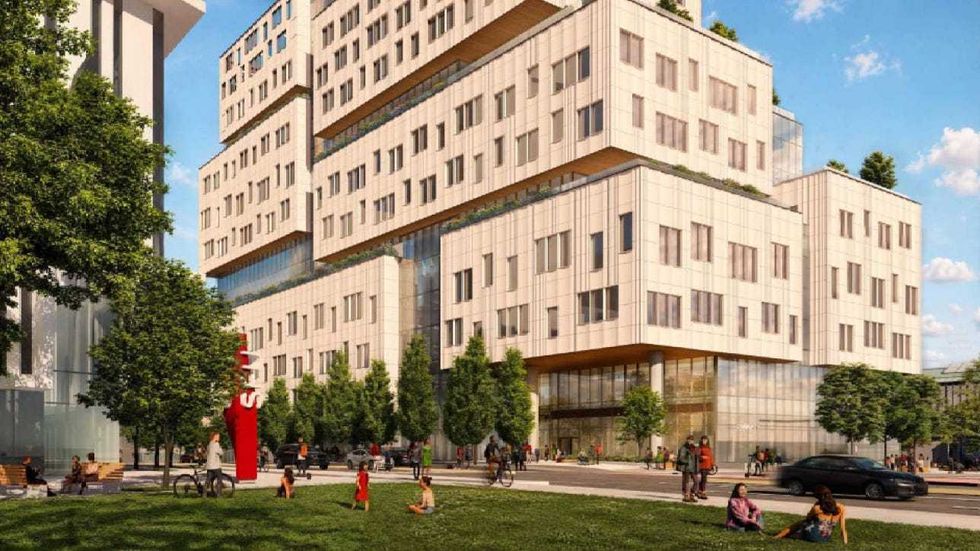 The 12-storey Phase One of Centre Block. (Stantec-Revery, SCDC)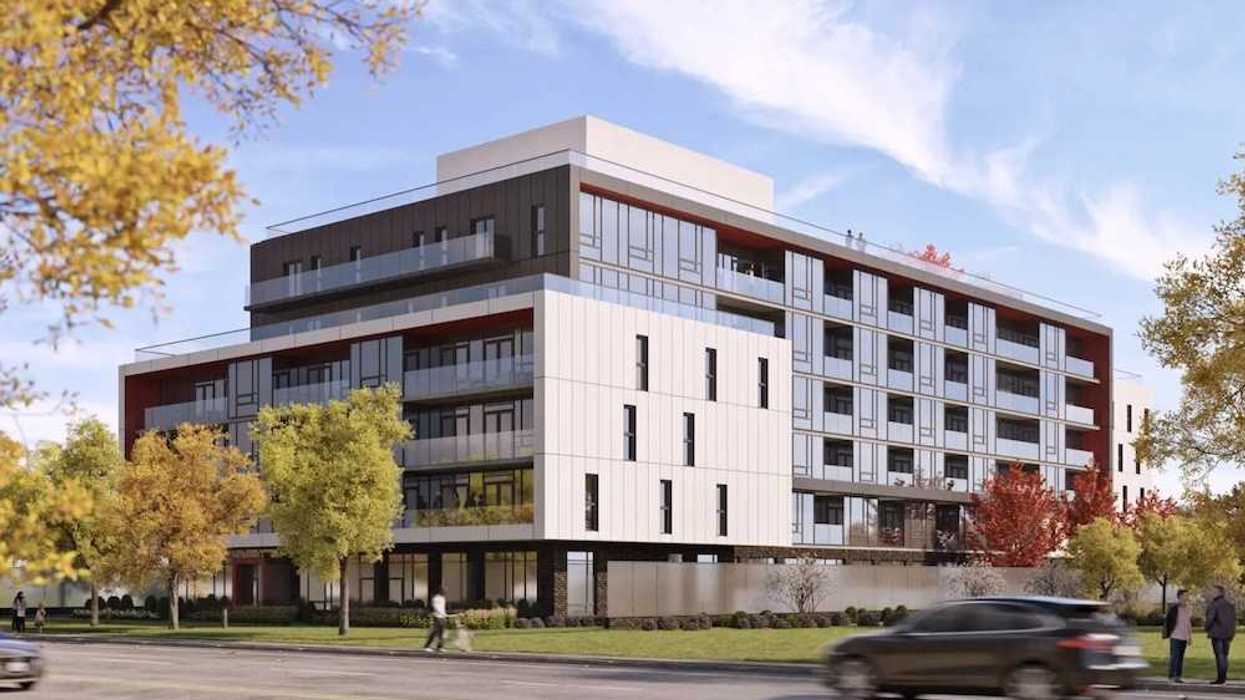
 Mondria One, set for 1607 King Street East in Clarington, Ontario. (ICON Architects Inc., Monde Development Group)