Tenancy-in-Common
Learn what tenancy-in-common is in Canadian real estate, how it differs from joint tenancy, and when this co-ownership structure is used.

May 30, 2025
What is Tenancy-in-Common?
Tenancy-in-common is a form of property co-ownership where two or more individuals hold separate ownership interests, which do not automatically transfer to the other owners upon death.
Why Does Tenancy-in-Common Matter in Real Estate?
In Canadian real estate, tenancy-in-common is used when co-owners want to own unequal shares or pass their ownership to heirs rather than other co-owners.
Key features include:
- Each owner has a distinct share (equal or unequal)
- No right of survivorship
- Shares can be sold or transferred independently
This ownership structure is common among business partners, friends, or investors. Legal agreements may be needed to outline shared use and responsibilities.
Understanding tenancy-in-common helps co-owners manage estate planning, exit strategies, and financial rights over shared real estate.
Example of Tenancy-in-Common in Action
Three siblings inherit a home as tenants-in-common, each with a one-third share. One later sells their portion to an outside buyer.
Key Takeaways
- Allows separate and unequal ownership shares.
- Shares can be left to heirs.
- No automatic transfer to co-owners.
- Suitable for unrelated co-owners or investors.
- May require legal agreements for use and sale.
Related Terms
- Joint Tenancy
- Right of Survivorship
- Ownership Rights
- Legal Title
- Estate Planning

 Rendering of 86 and 100-108 Lombard St and 103 Richmond St E/WZMH Architects
 Rendering of 60 Overlea Blvd/Sweeny&Co Architects
 Rendering of 7 Labatt Ave and 77 River St/Giannone Petricone Associates
 Rendering of 4632-4648 Yonge St and 16-18 Cameron Ave/Arcadis
 Rendering of 1234 Islington Ave/Sweeny&Co Architects








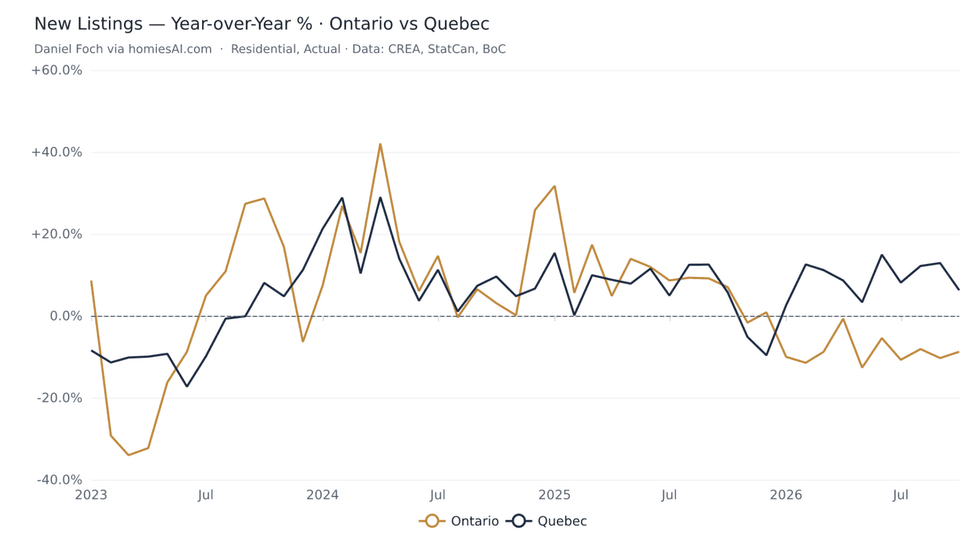 Chart: New listings, year-over-year %, Ontario vs Quebec. Daniel Foch via homiesai.com/stats. Data:
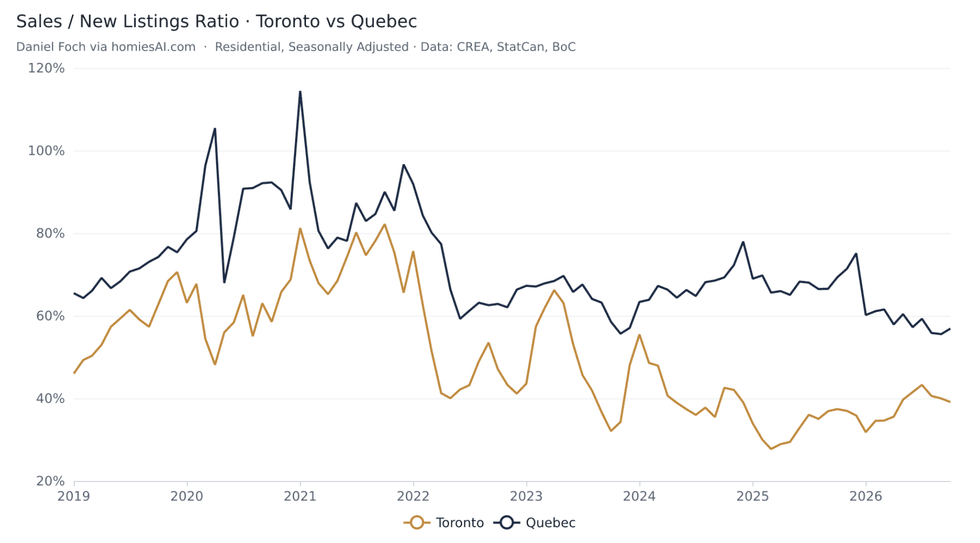 Chart: Sales-to-new-listings ratio, seasonally adjusted. Toronto vs Quebec. Daniel Foch via homiesai.com/stats. Data: CREA.
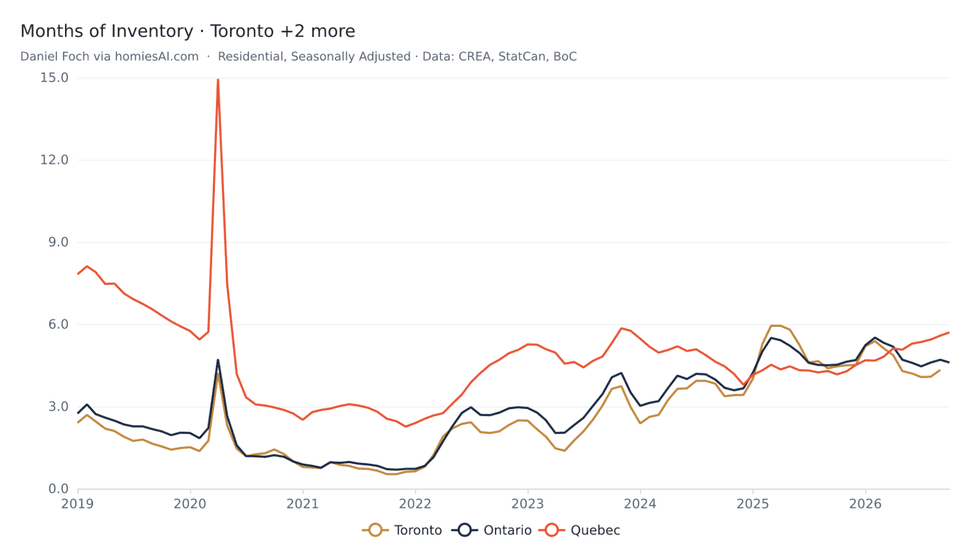 Chart: Months of inventory, seasonally adjusted. Daniel Foch via homiesai.com/stats. Data: CREA.
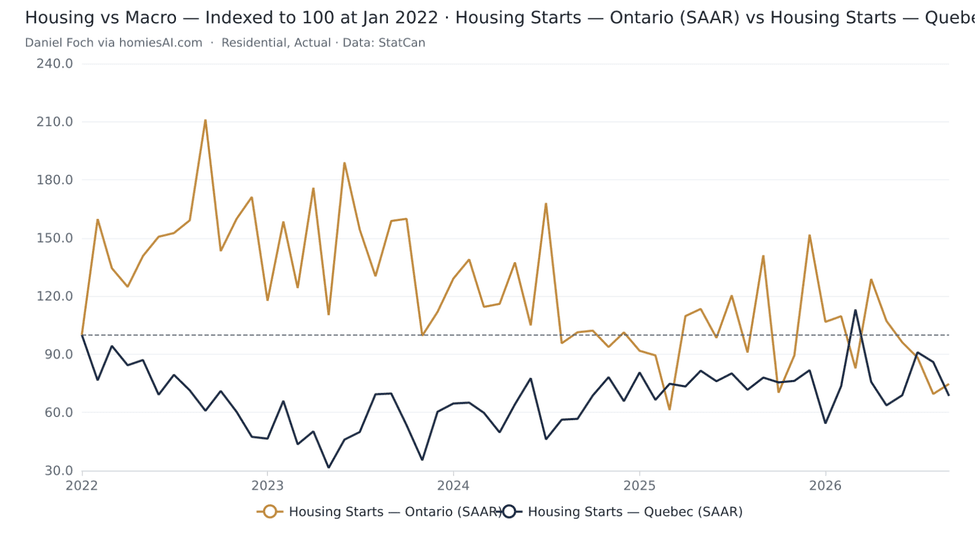 Chart: Housing starts, seasonally adjusted annual rate, Ontario vs Quebec, indexed to January 2022. Daniel Foch via homiesai.com/stats. Data: CMHC via Statistics Canada.
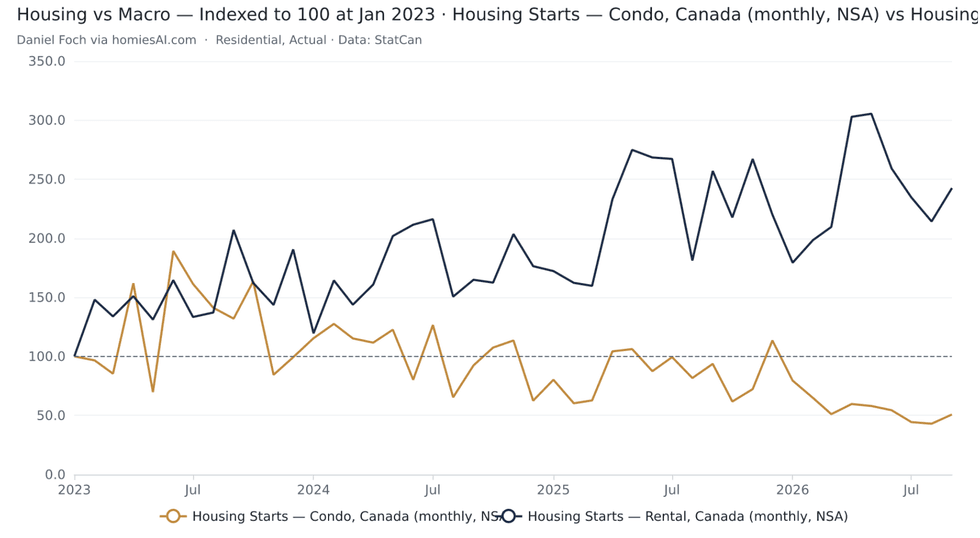 Chart: Condo vs rental housing starts, Canada, indexed to January 2023. Daniel Foch via homiesai.com/stats. Data: CMHC via Statistics Canada.
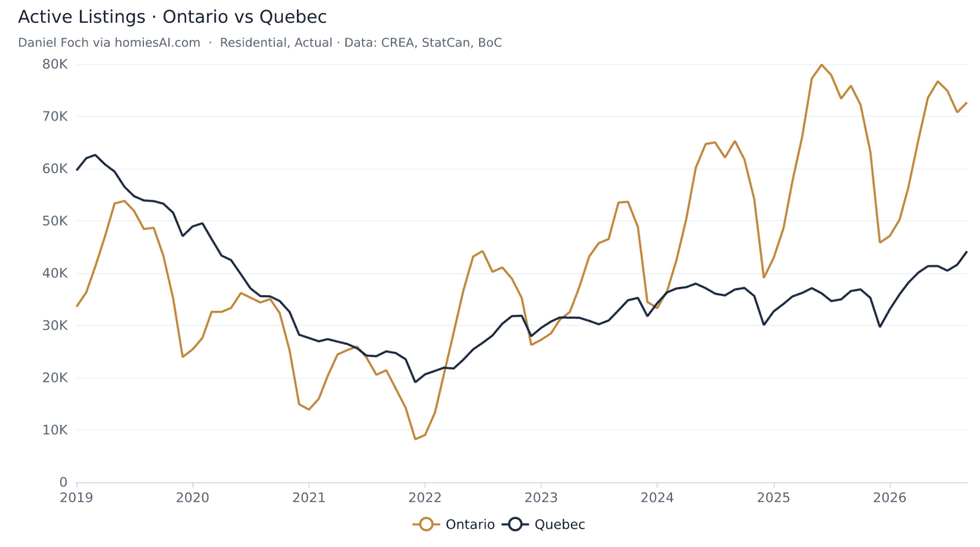 Chart: Active residential listings, Ontario vs Quebec. Daniel Foch via homiesai.com/stats. Data: CREA.

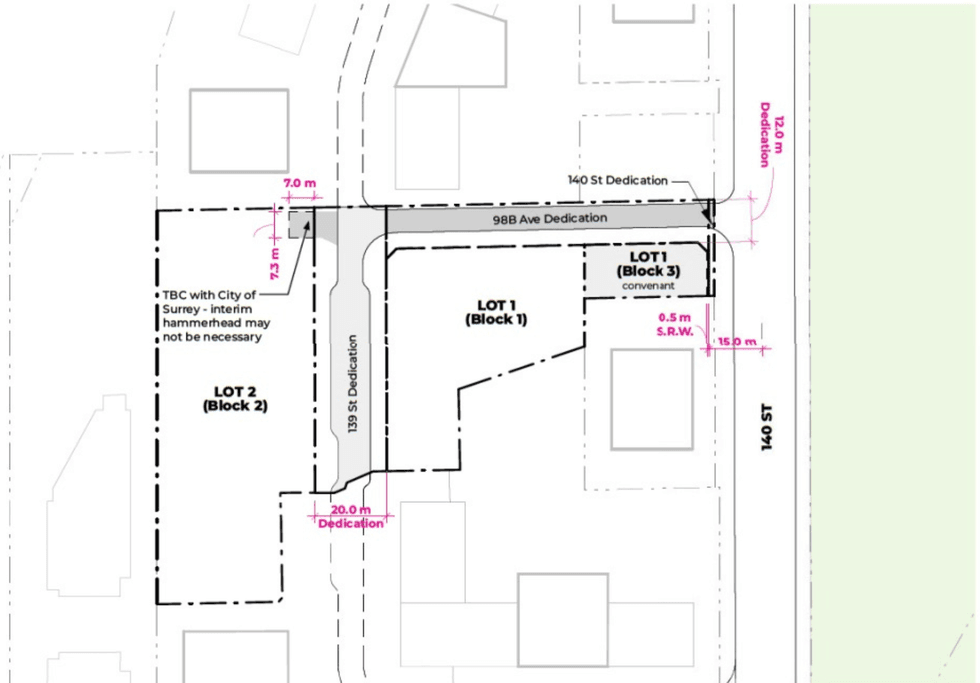 9883 140 Street and the proposed road dedications. (WW+P Architects, Entre Nous Femmes Housing Society)
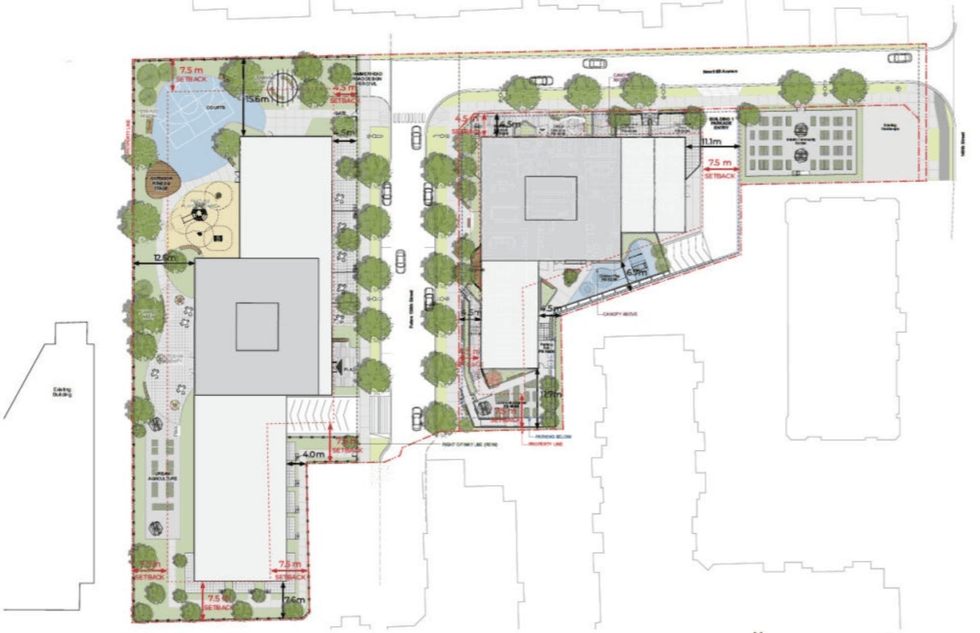 The
 One of the towers proposed for 9883 140 Street. (Entres Nous Femmes Housing Society)

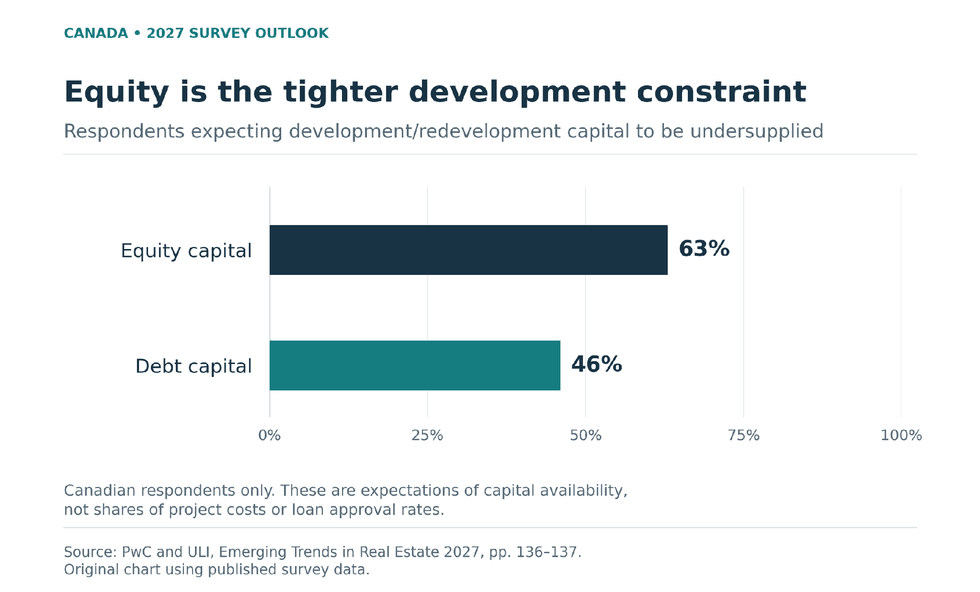 Canadian respondents were more likely to expect an undersupply of development/redevelopment equity capital (63%) than debt capital (46%) in 2027. These are survey expectations, not measured financing volumes. Source: PwC and ULI, Emerging Trends in Real Estate 2027, pp. 136–137. Original chart.
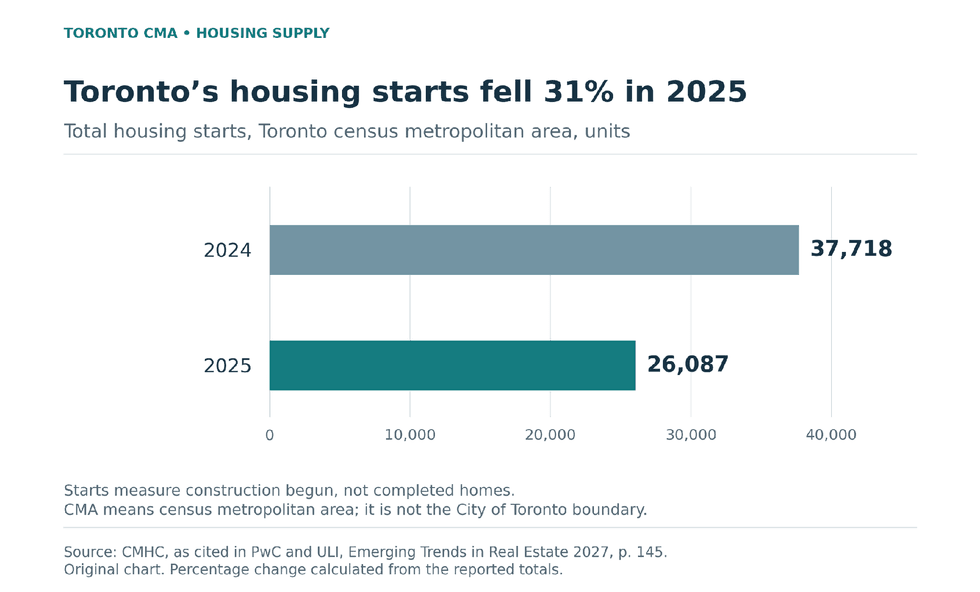 Toronto census metropolitan area housing starts fell from 37,718 units in 2024 to 26,087 in 2025, a 30.8% decline (rounded to 31%). Starts measure construction begun, not completed homes. Source: CMHC, as cited in PwC and ULI, Emerging Trends in Real Estate 2027, p. 145. Original chart.