Joint Tenancy
Explore joint tenancy in Canadian real estate — how co-ownership works, the benefits of survivorship, and how it affects estate and title planning.

May 22, 2025
What is Joint Tenancy?
Joint tenancy is a form of property co-ownership where two or more individuals hold equal ownership with the right of survivorship.
Why Joint Tenancy Matters in Real Estate
In Canadian real estate, joint tenancy allows property to pass automatically to the surviving owner(s) when one tenant dies, avoiding probate.
Key features of joint tenancy include:- Equal ownership shares
- Right of survivorship
- Shared responsibility for mortgage and expenses
It is commonly used by spouses or family members. If any owner wishes to sever the joint tenancy, it converts to tenancy-in-common, where the right of survivorship no longer applies.
Understanding joint tenancy helps buyers and co-owners choose the best legal structure for their goals, estate planning, and shared financial obligations.
Example of Joint Tenancy in Action
Two siblings buy a cottage as joint tenants. When one passes away, full ownership automatically transfers to the surviving sibling without court proceedings.
Key Takeaways
- Provides equal co-ownership.
- Includes right of survivorship.
- Common for spouses or family.
- Avoids probate but limits separate wills.
- Can be changed to tenancy-in-common.
Related Terms
- Tenancy-in-Common
- Right of Survivorship
- Legal Title
- Ownership Rights
- Estate Planning

 Narrow Fourplex (City of Toronto)
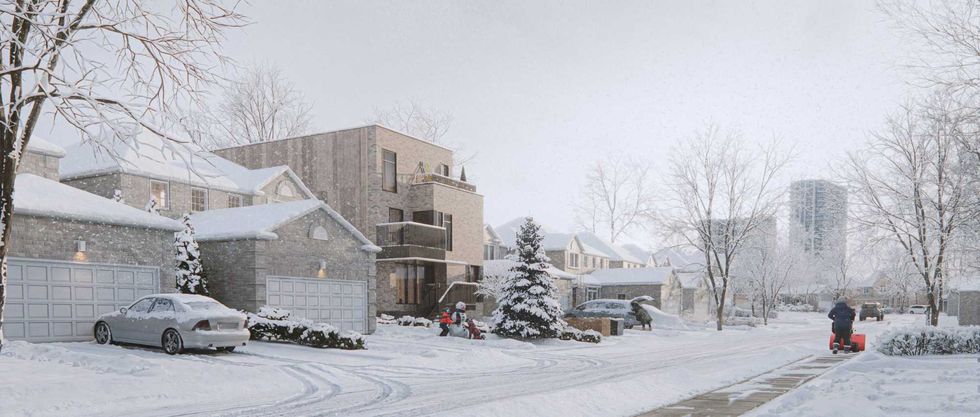 Wide Sixplex - Side View (City of Toronto)
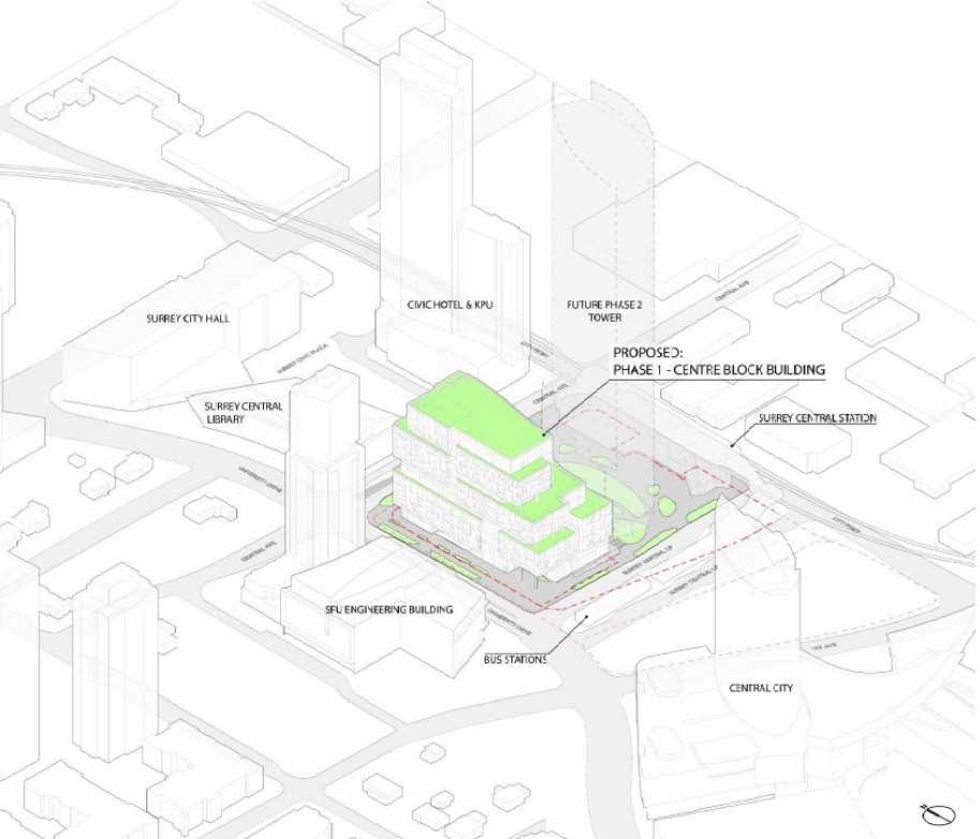 Centre Block and its surrounding context. (Stantec-Revery, SCDC)
 The 12-storey Phase One of Centre Block. (Stantec-Revery, SCDC)
 The 12-storey Phase One of Centre Block. (Stantec-Revery, SCDC)








 Via STOREYS Editorial team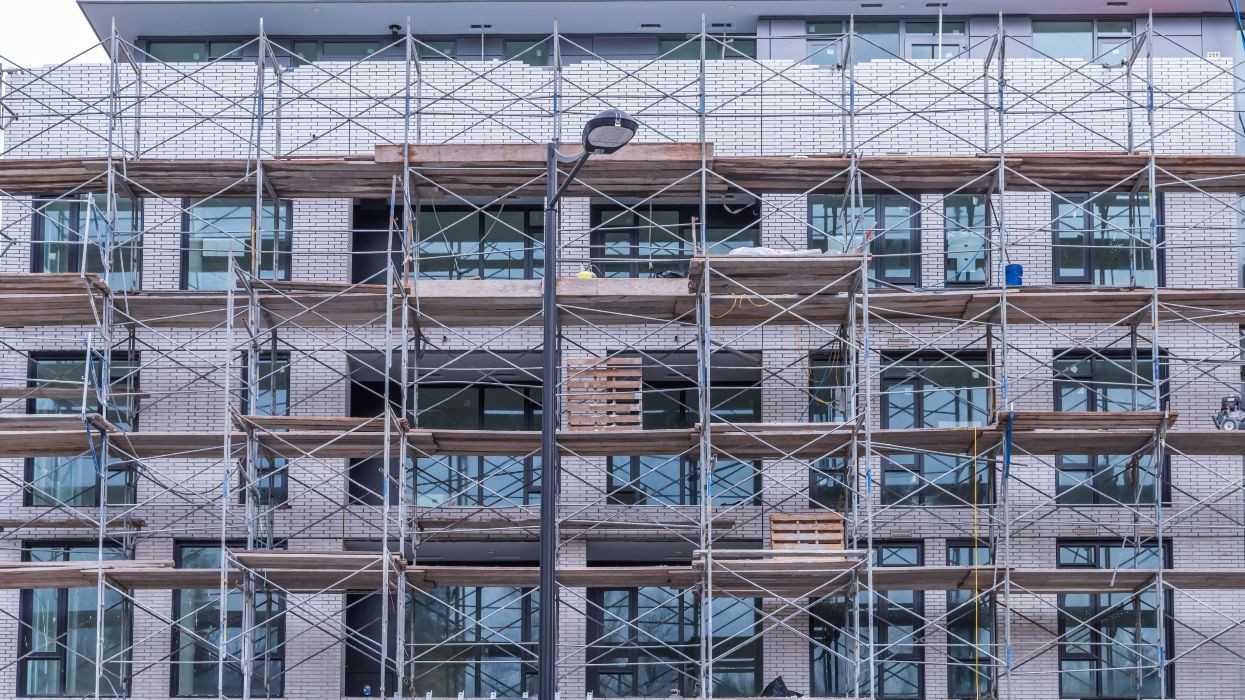

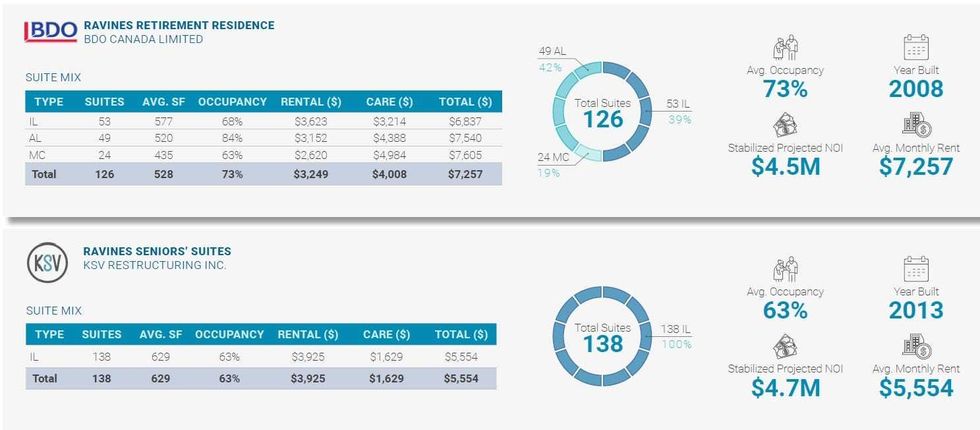 An overview of the two Ravine buildings. (Newmark)
 95 Clegg Road in Markham, Ontario. (Colliers)
 95 Clegg Road (centre) in Markham, Ontario. (Colliers)