Right of Survivorship
Learn how the right of survivorship works in Canadian real estate — how it affects co-ownership, estate planning, and property succession.

May 22, 2025
What is Right of Survivorship?
The right of survivorship is a legal feature of joint tenancy that allows a deceased co-owner’s share of property to automatically pass to the surviving joint tenant(s).
Why Right of Survivorship Matters in Real Estate
In Canadian real estate, this right helps co-owners avoid probate and ensures a smooth transfer of ownership. It is commonly used by spouses or family members co-owning property.
Key features include:- Applies only to joint tenancy (not tenancy-in-common)
- Takes precedence over wills for that asset
- Prevents delays in estate administration
Property held with right of survivorship cannot be willed to a third party. This simplifies succession but may limit estate planning flexibility.
Understanding the right of survivorship helps co-owners make informed decisions about how their property will be handled after death.
Example of Right of Survivorship in Action
A married couple owns their home in joint tenancy. When one spouse dies, full ownership passes automatically to the surviving spouse by right of survivorship.
Key Takeaways
- Transfers property automatically to surviving co-owner.
- Available under joint tenancy.
- Skips probate and estate proceedings.
- Cannot be overridden by a will.
- Common among spouses and families.
Related Terms
- Joint Tenancy
- Tenancy-in-Common
- Ownership Rights
- Estate Planning
- Legal Title

 Narrow Fourplex (City of Toronto)
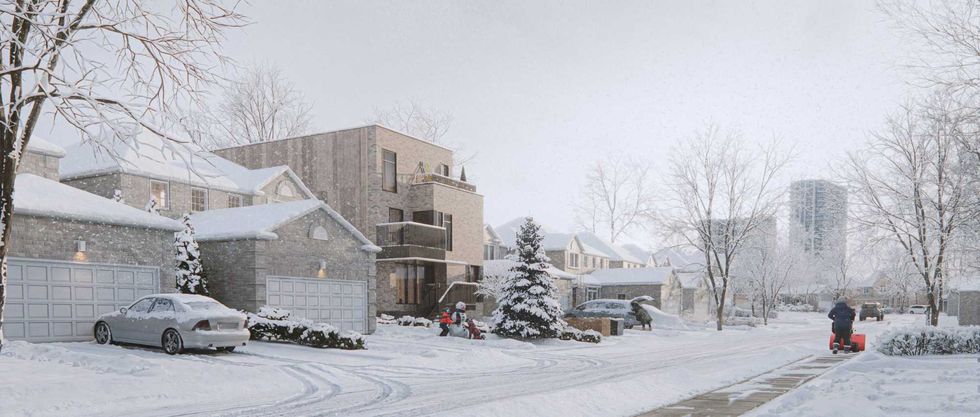 Wide Sixplex - Side View (City of Toronto)
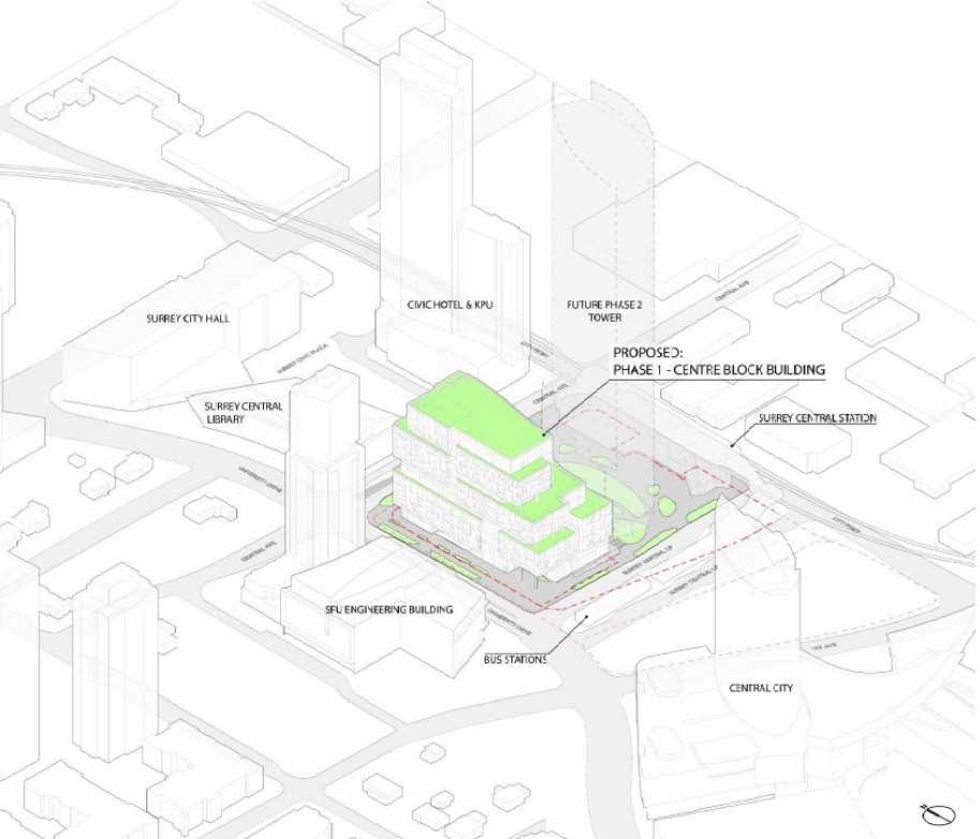 Centre Block and its surrounding context. (Stantec-Revery, SCDC)
 The 12-storey Phase One of Centre Block. (Stantec-Revery, SCDC)
 The 12-storey Phase One of Centre Block. (Stantec-Revery, SCDC)








 Via STOREYS Editorial team

 An overview of the two Ravine buildings. (Newmark)
 95 Clegg Road in Markham, Ontario. (Colliers)
 95 Clegg Road (centre) in Markham, Ontario. (Colliers)