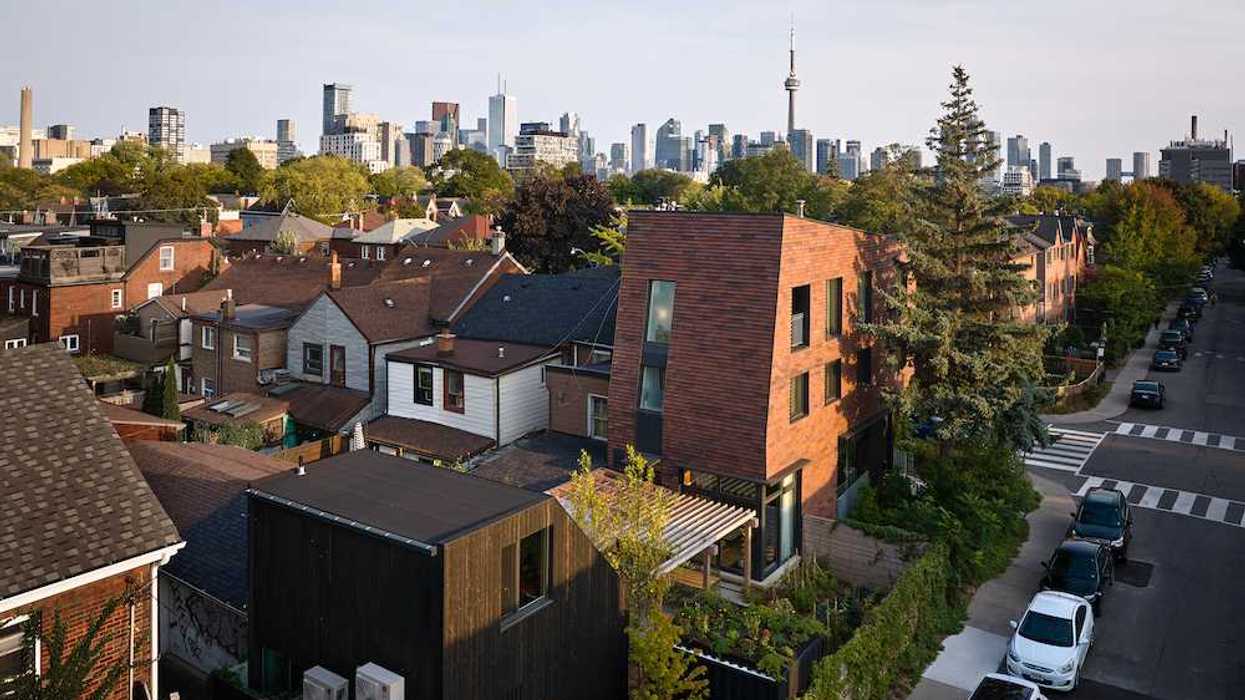
In 2021, Michael Piper was confronted with the reality that he wasn’t going to be able to afford a home in Toronto. He describes his family as “solid middle class,” but even with two incomes, they weren’t a match for the housing market.
So they got inventive. With help from Piper’s in-laws, they purchased an east-end townhome and converted it into a duplex. When his in-laws moved out, the unit became a rental. Today, they’re at the tail-end of a triplex conversion that will allow their university-aged daughter to have her own space in the home.
“One of the things that we recognized is that a home isn’t just a thing you buy and you’re done with,” says Piper. “You need it to constantly evolve as your life changes, and you're never really finished with the work.”
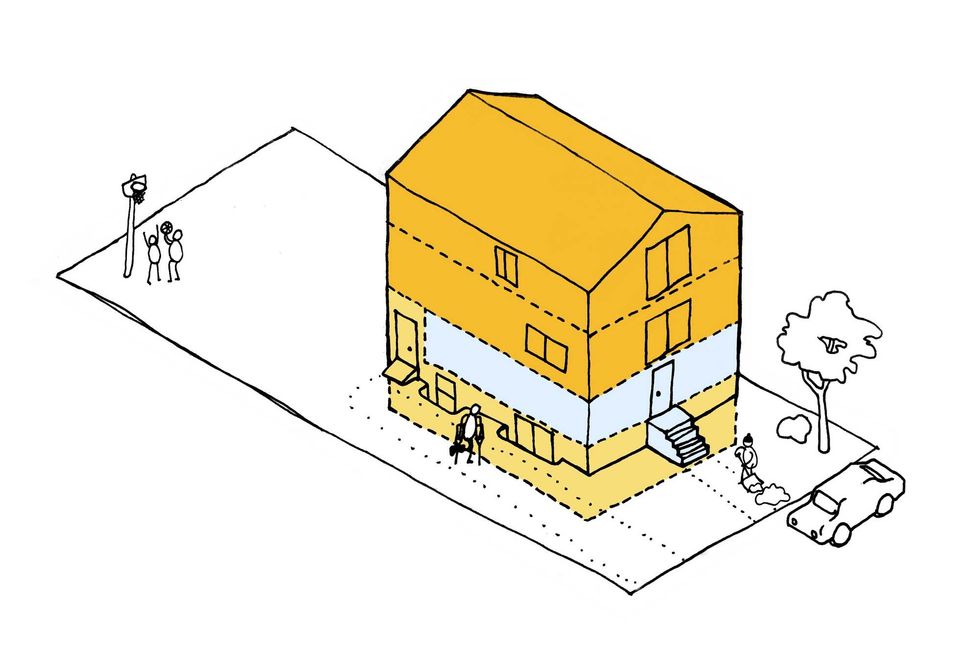 A drawing of ReHousing Co-Founder Michael Piper's triplex in Toronto's east end/ReHousing
Piper is the director of urban design at the University of Toronto and co-founder of ReHousing: a non-profit research initiative that began as a collaboration between the UofT's Tuf Lab and LGA Architectural Partners to empower citizen developers to put policy changes in action. He says his own housing search was the impetus behind a free, online resource, debuted by ReHousing in March, which makes it simple to explore converting a single-family home in the Greater Toronto Area into multi-unit housing — including what it could cost.
Here’s how it works. Anyone can plug a GTA address into the Property Analysis Tool to generate details like lot size, building size, and zoning code. There’s also a section to input details about the existing home, including the number of floors and whether there’s a basement and garage. From there, users can explore possible multi-unit housing configurations, and then navigate to the Quick Cost Calculator, which will mock up a rough budget range and the potential for rental income.
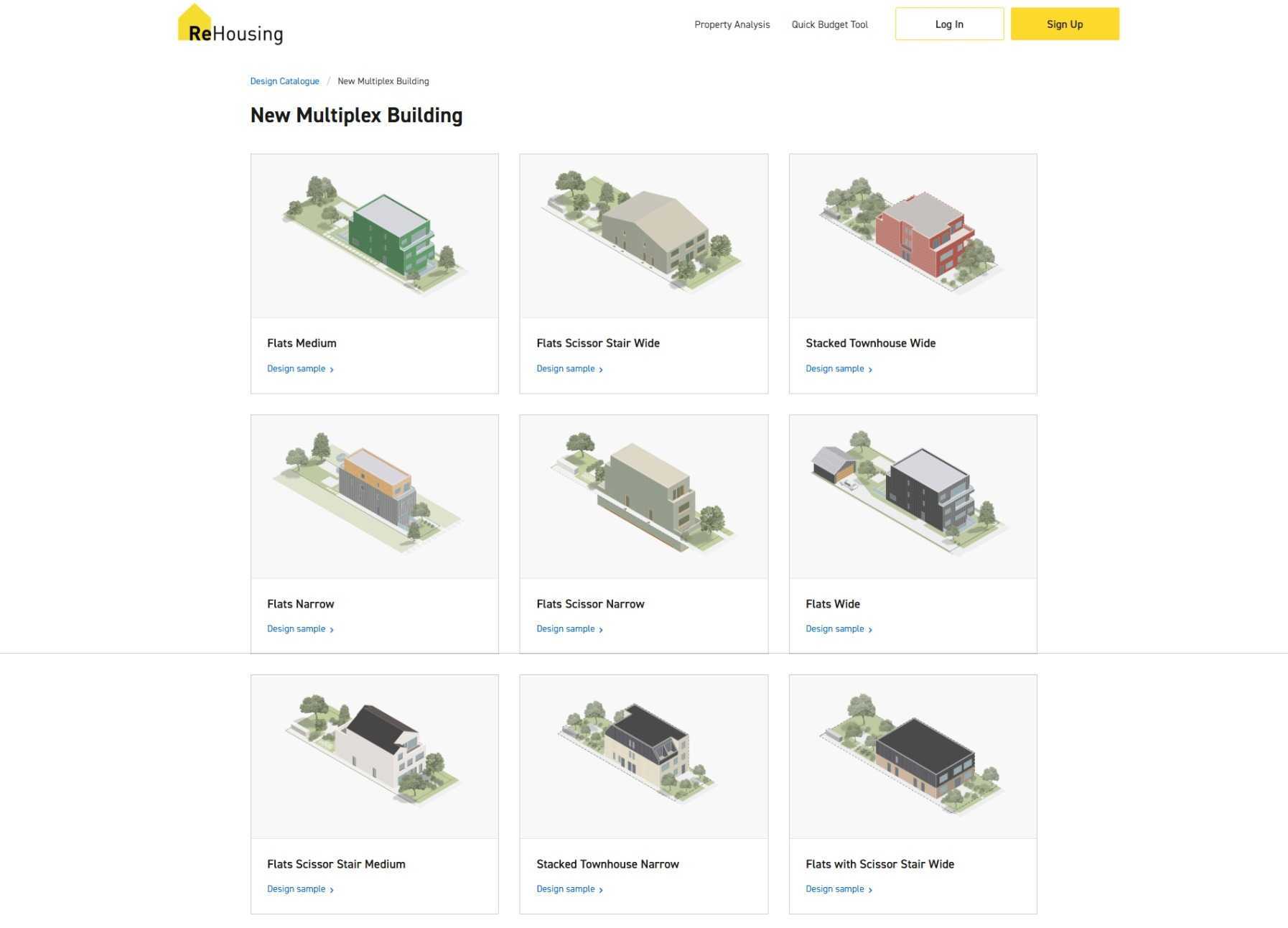 Some of the housing configurations available through the design catalogue/ReHousing
“Even as an architect who’s been through the process — I’ve applied for zoning permits and building permits myself — it’s really complicated. And if you don’t have that expertise and knowledge and understand the sequence of steps, it can be really intimidating,” says Samantha Eby, who is ReHousing’s executive director and director of this—office. “So the goal was, how do we streamline it? How do we give the people the information they need to make the process less overwhelming.”
“We don't see the platform as something that replaces professional advice,” Eby adds “It's more about giving people the knowledge to understand the professionals they need to talk to. And when they talk to that professional, they’ll have a real understanding of the projects that are feasible and within their budget range.”
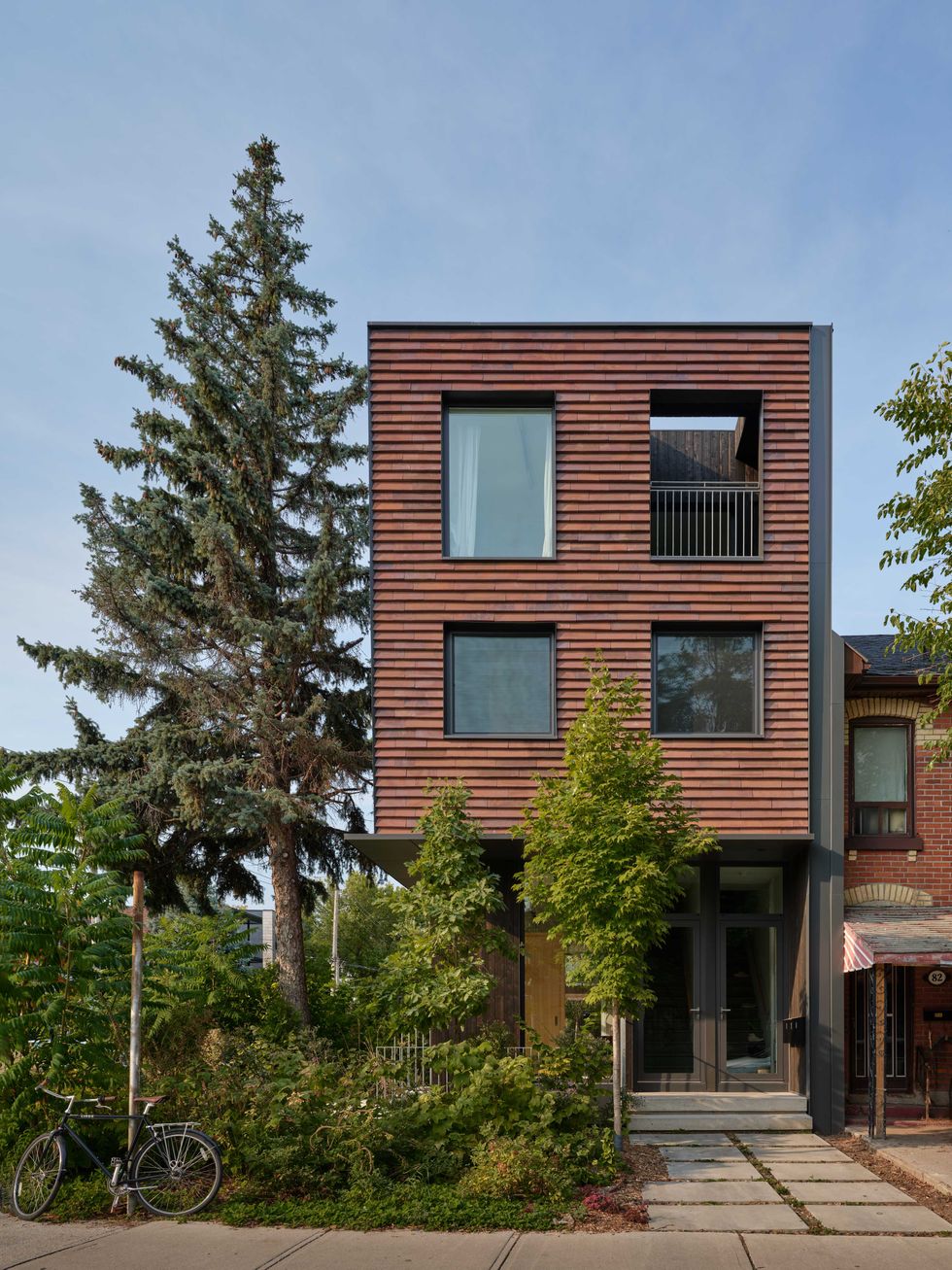
ReHousing Co-Founder Janna Levitt's five-unit condo in Harbord Village/LGA Architectural Partners
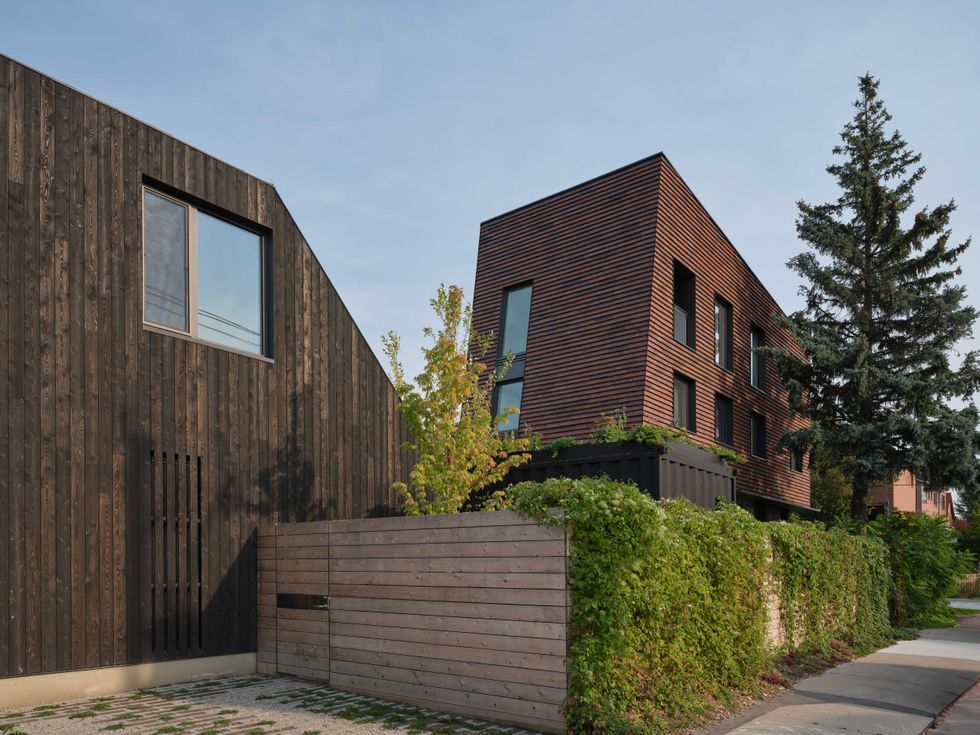
LGA Architectural Partners
Thanks to initiatives like Expanding Housing Options in Neighbourhoods (EHON), Toronto has spent the past few years loosening the rules around what can be built on low-rise residential lots, and ReHousing’s new resource ties in nicely with the increasing discourse around multiplexes, the missing middle, and gentle density. It’s also practical, user-friendly resource available at a time when multi-generational households are on the rise and more people are electing to age in place.
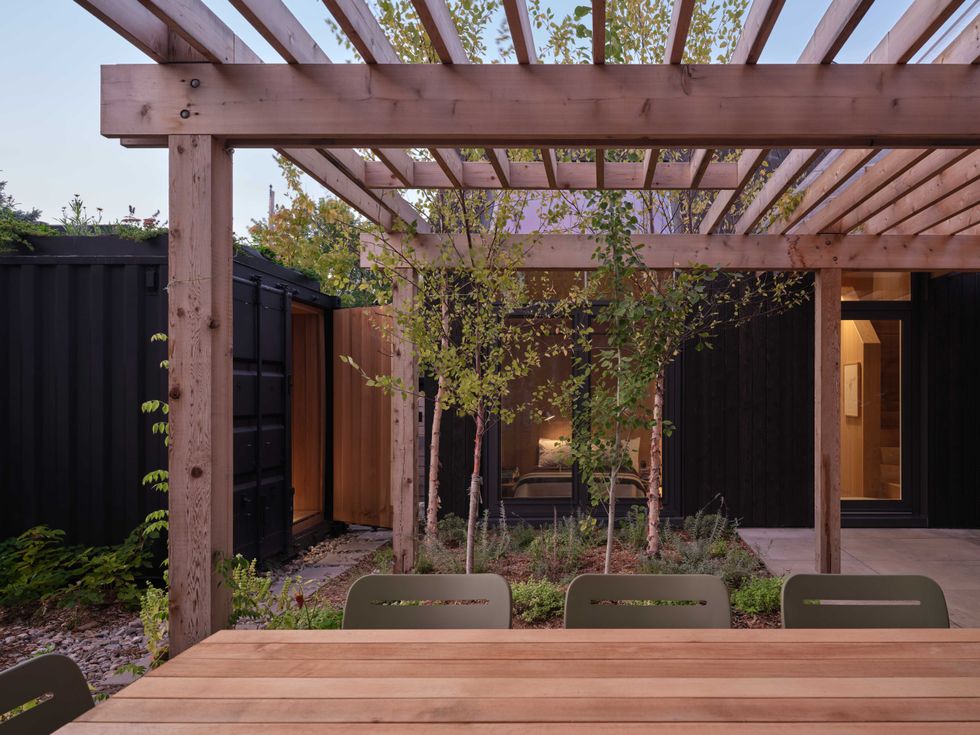
Janna Levitt, who is co-founder of ReHousing and principal at LGA, is one of the brains behind Ulster House, a five-unit condo in Harbord Village constructed on a typical, single-family lot. Levitt and her life and business partner Dean Goodman own the building and occupy the main floor and an adjoining laneway unit, and she calls it “a demonstration project for what is ReHousing all about.” They have plans to age in place while generating rental income.
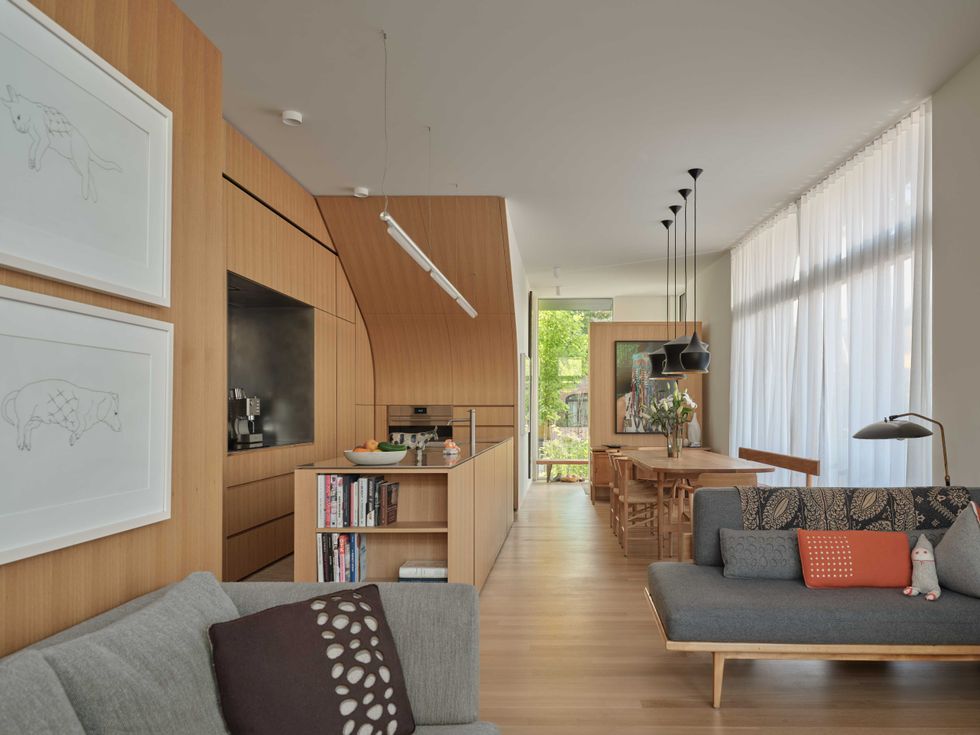
ReHousing Co-Founder Janna Levitt's five-unit condo in Harbord Village/LGA Architectural Partners
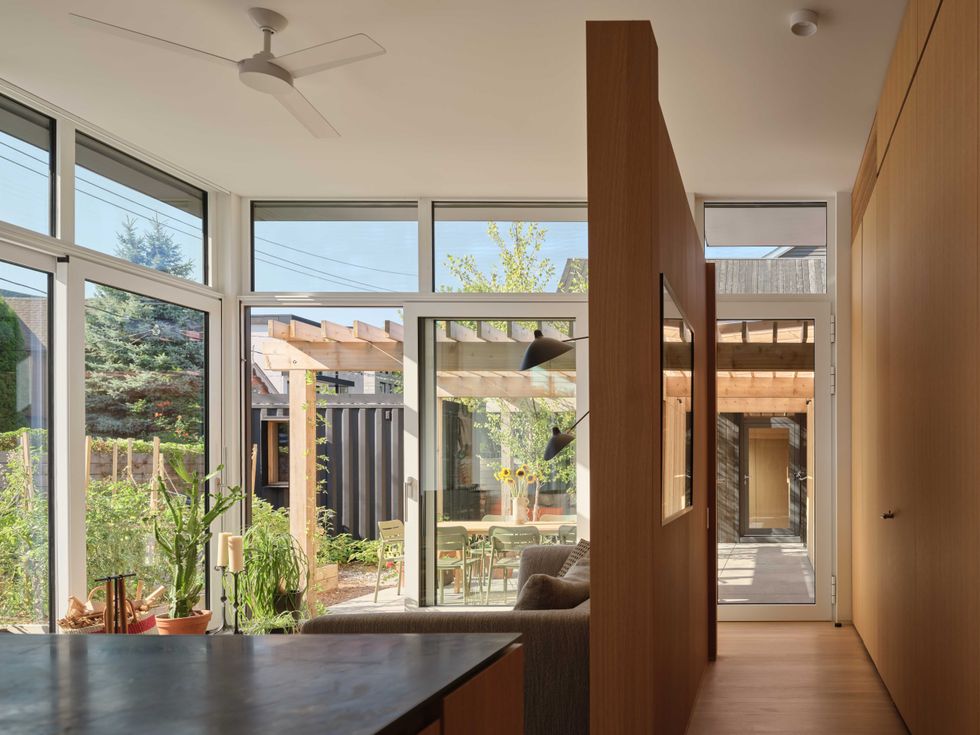
LGA Architectural Partners
LGA Architectural Partners
“It’s really valuable for seniors to stay in their community, and that's definitely one of the kinds of citizen developers ReHousing is targeting,” says Levitt. “But also for younger people who have lived in a neighbourhood and invested in it, gotten to know people, maybe there’s good school around, they like the local stores — why not be able to stay there?”
ReHousing’s property analysis and cost calculator resource is currently available for GTA addresses only, but that won’t be the case for long. The team shares that they’re working on version for Ottawa that could launch as soon as the end of this year.
“We're really excited to be expanding to other cities, and we're in early talks with with a few others, which is very exciting,” says Eby. “The goal of the project really is to make conversations around housing development more accessible to people, so that we can get a broader participation in it. And we'd love to see that expand beyond Toronto.”