Replacement Cost
Learn what replacement cost means in Canadian home insurance, how it compares to cash value, and why it ensures full rebuilding or repair after a loss.

May 22, 2025
What is Replacement Cost?
Replacement cost is the amount it would take to rebuild or replace damaged property using materials of similar kind and quality, without deducting for depreciation.
Why Replacement Cost Matters in Real Estate
In Canadian real estate, replacement cost is a key concept in property insurance. It determines the payout a homeowner receives after a covered loss.
Replacement cost differs from:
- Actual Cash Value (ACV): which subtracts depreciation
- Market Value: which may include land and location premiums
Policies with replacement cost ensure full rebuilding or repair using comparable materials. It applies to both home structures and personal belongings.
Understanding replacement cost helps homeowners ensure they are adequately insured and can recover fully from a loss without out-of-pocket expenses for age or wear.
Example of Replacement Cost in Action
A fire destroys a homeowner’s kitchen. Their replacement cost policy covers the full cost to rebuild it with modern equivalents, regardless of the kitchen’s age.
Key Takeaways
- Pays to replace damaged property without depreciation.
- Used in most standard home insurance policies.
- Ensures full recovery after a loss.
- Applies to buildings and belongings.
- Key factor in selecting coverage.
Related Terms
- Coverage Limit
- Property Protection
- Home Insurance
- Actual Cash Value
- Insurance Appraisal

 Rendering of 86 and 100-108 Lombard St and 103 Richmond St E/WZMH Architects
 Rendering of 60 Overlea Blvd/Sweeny&Co Architects
 Rendering of 7 Labatt Ave and 77 River St/Giannone Petricone Associates
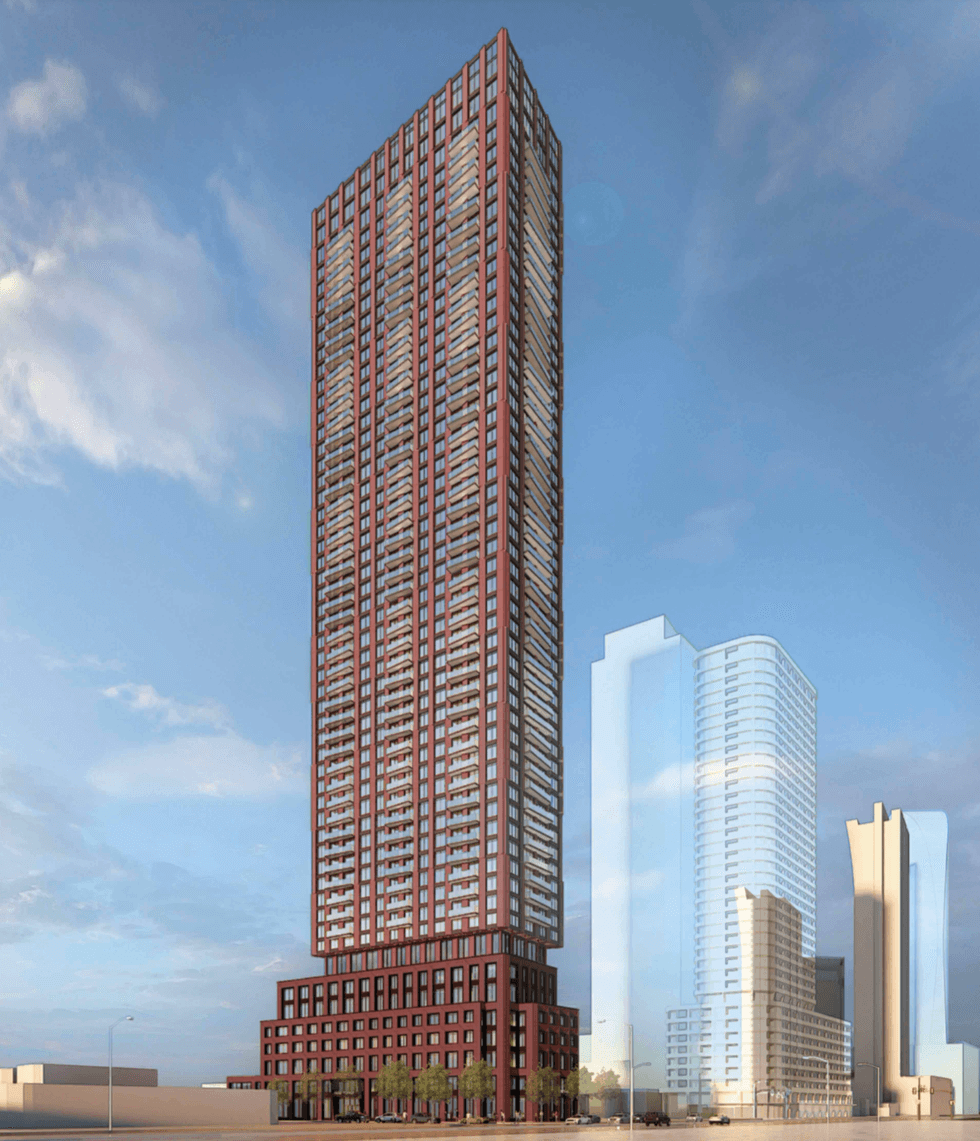 Rendering of 4632-4648 Yonge St and 16-18 Cameron Ave/Arcadis
 Rendering of 1234 Islington Ave/Sweeny&Co Architects
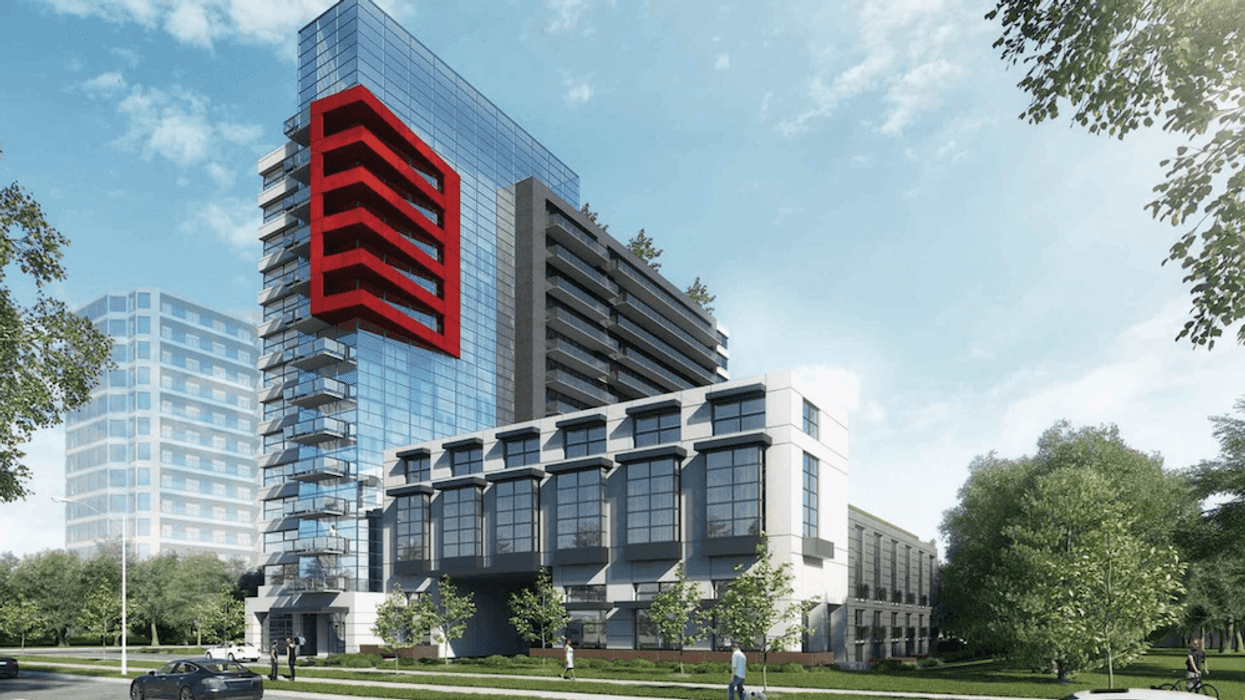


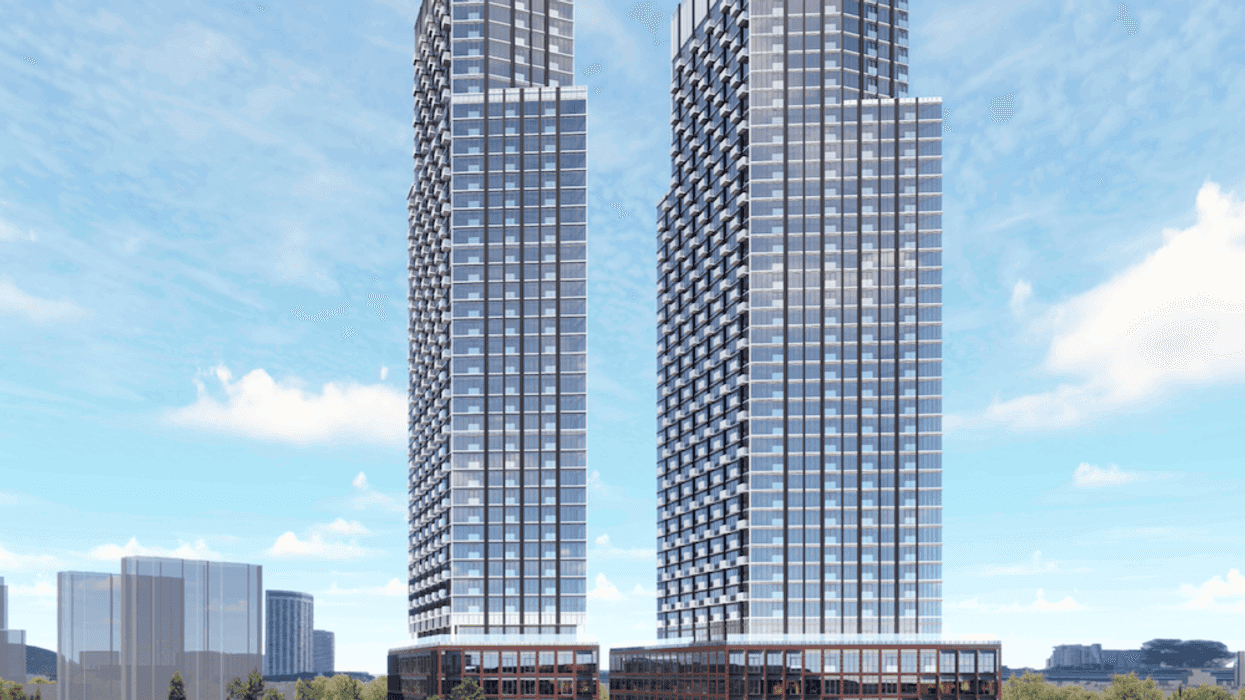

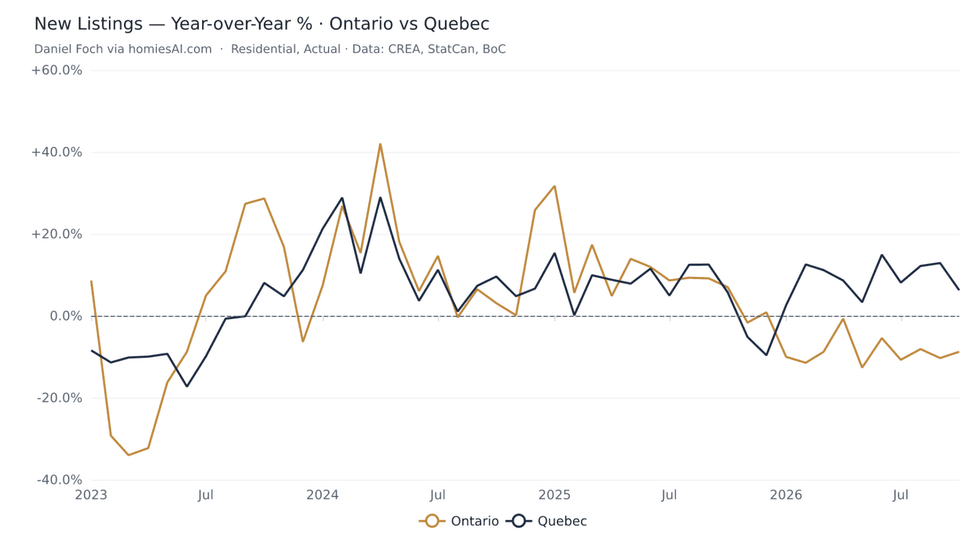 Chart: New listings, year-over-year %, Ontario vs Quebec. Daniel Foch via homiesai.com/stats. Data:
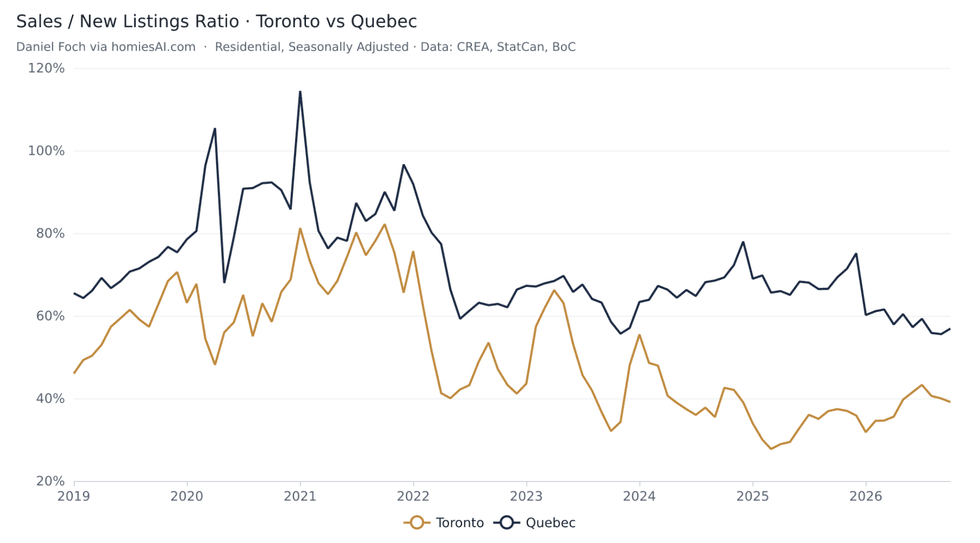 Chart: Sales-to-new-listings ratio, seasonally adjusted. Toronto vs Quebec. Daniel Foch via homiesai.com/stats. Data: CREA.
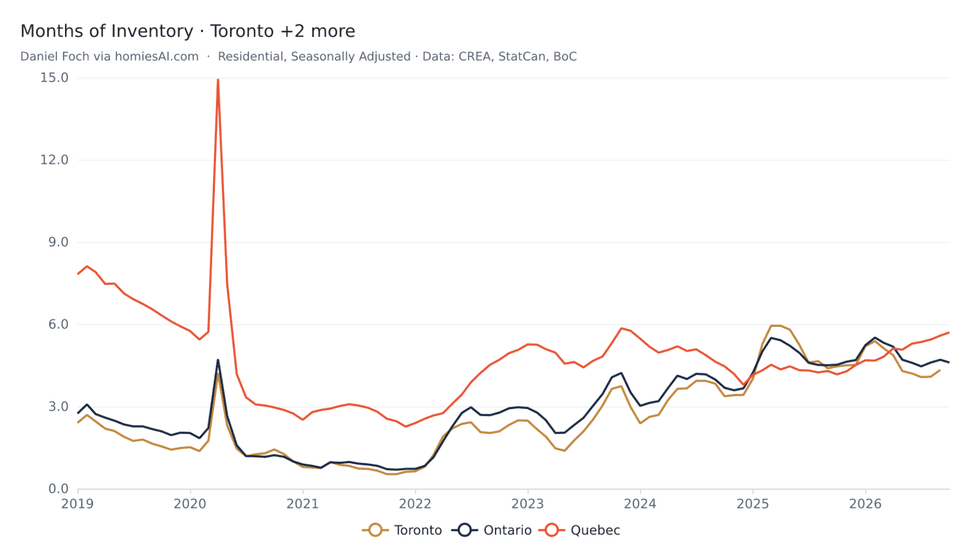 Chart: Months of inventory, seasonally adjusted. Daniel Foch via homiesai.com/stats. Data: CREA.
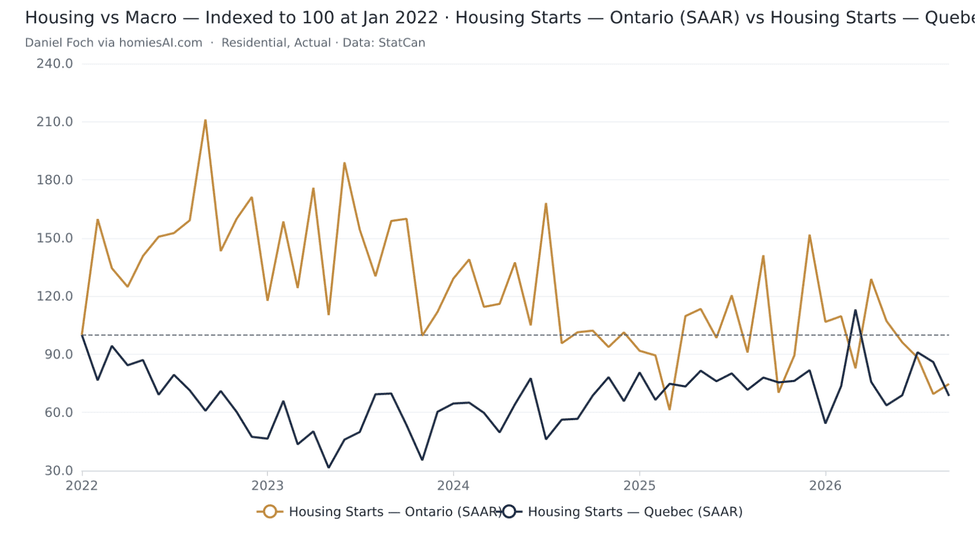 Chart: Housing starts, seasonally adjusted annual rate, Ontario vs Quebec, indexed to January 2022. Daniel Foch via homiesai.com/stats. Data: CMHC via Statistics Canada.
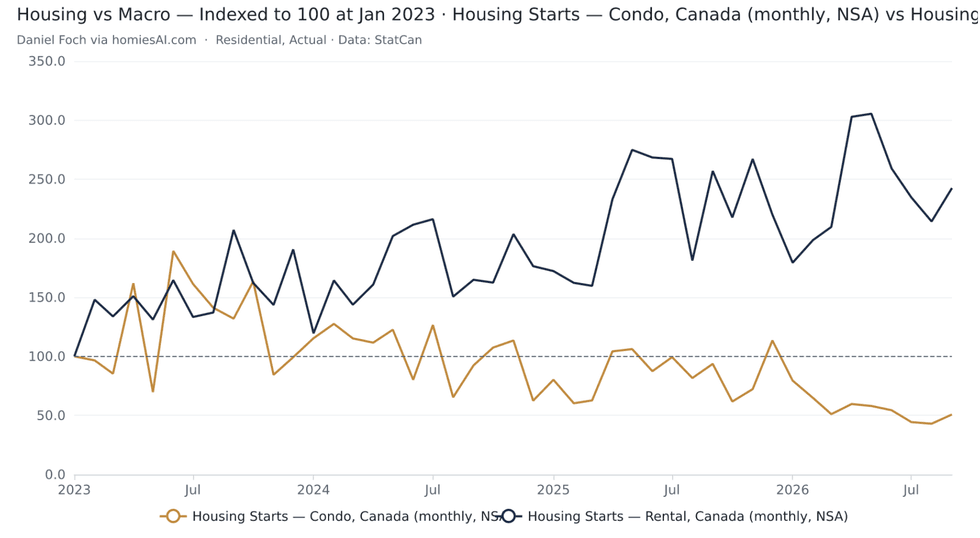 Chart: Condo vs rental housing starts, Canada, indexed to January 2023. Daniel Foch via homiesai.com/stats. Data: CMHC via Statistics Canada.
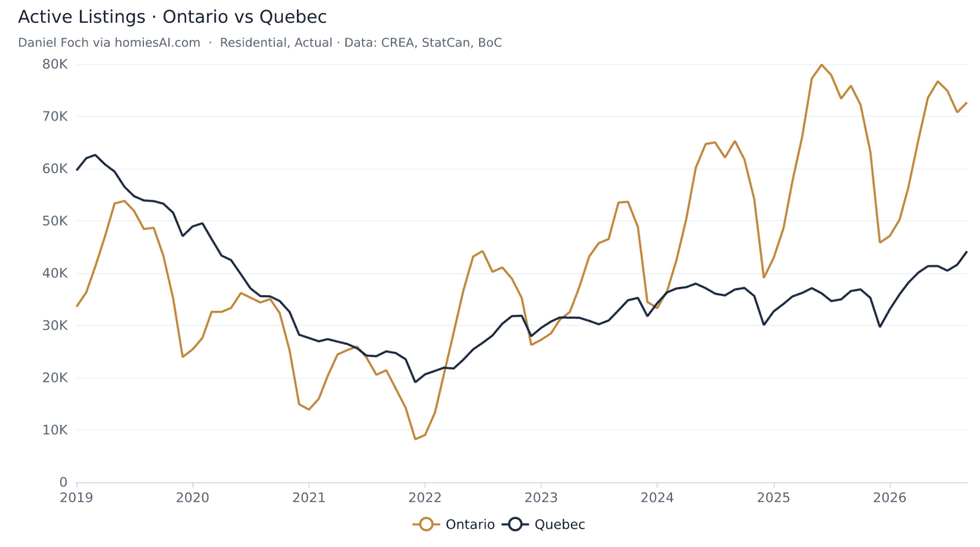 Chart: Active residential listings, Ontario vs Quebec. Daniel Foch via homiesai.com/stats. Data: CREA.

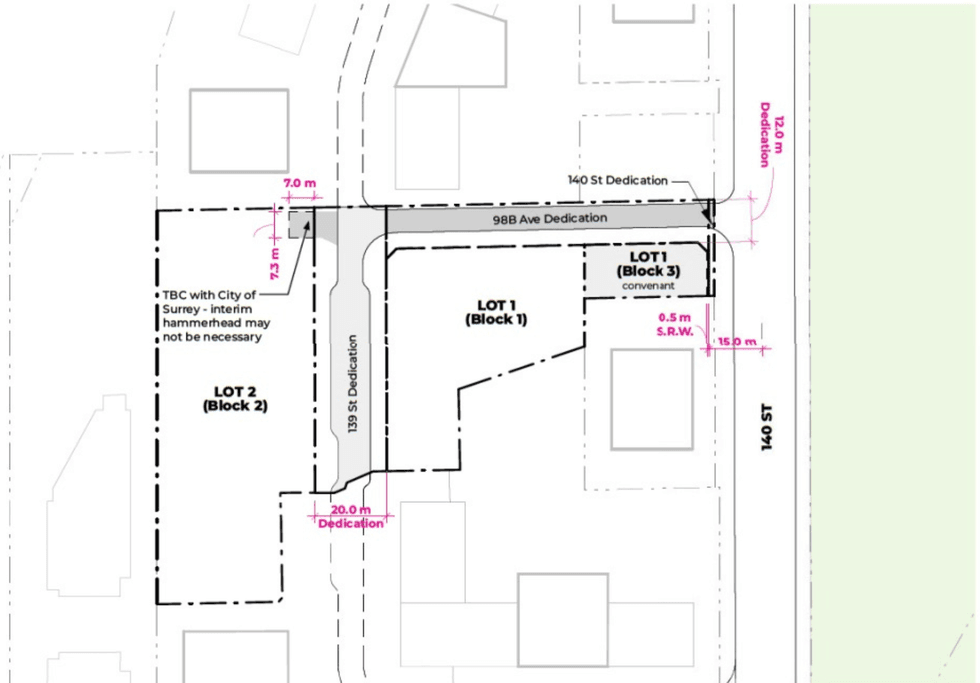 9883 140 Street and the proposed road dedications. (WW+P Architects, Entre Nous Femmes Housing Society)
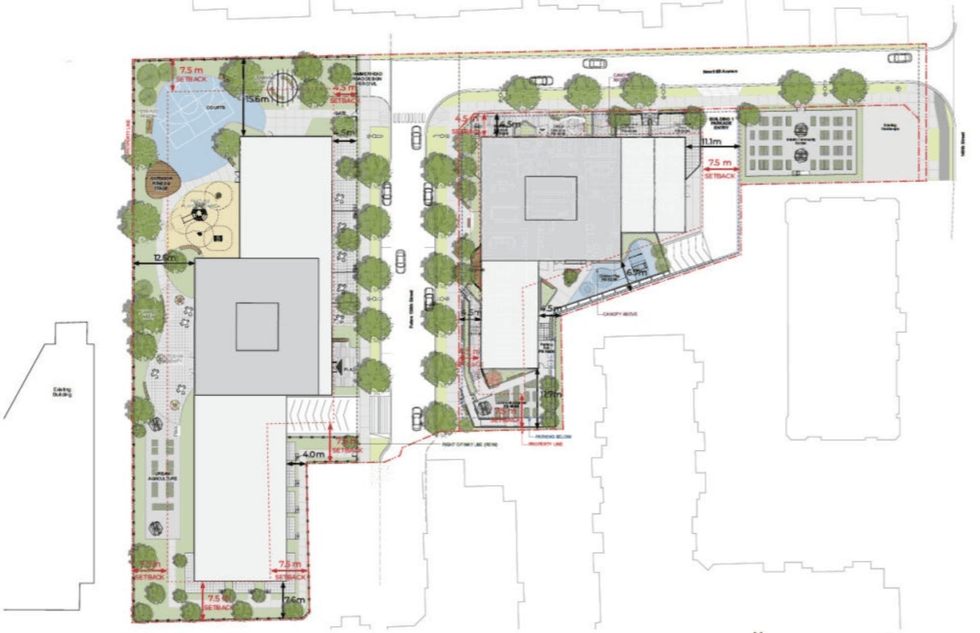 The
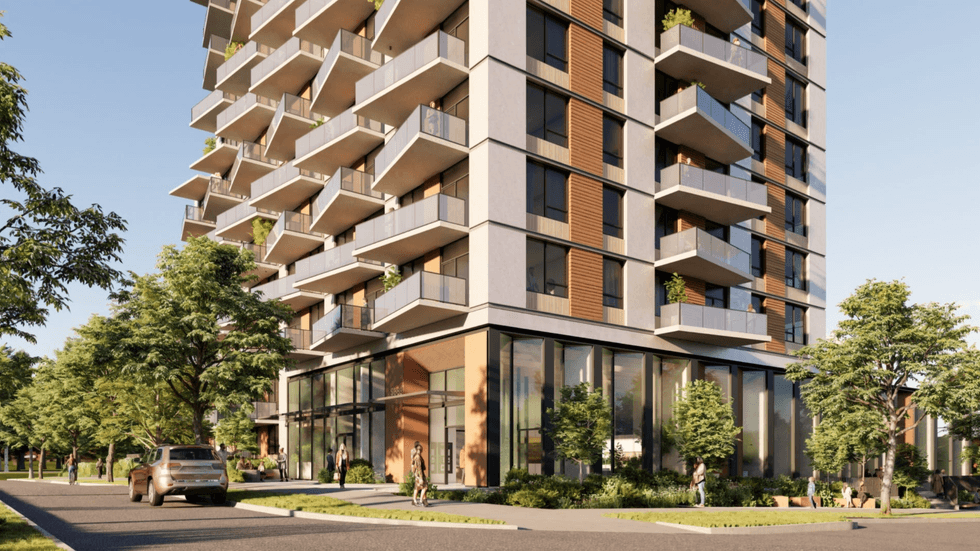 One of the towers proposed for 9883 140 Street. (Entres Nous Femmes Housing Society)

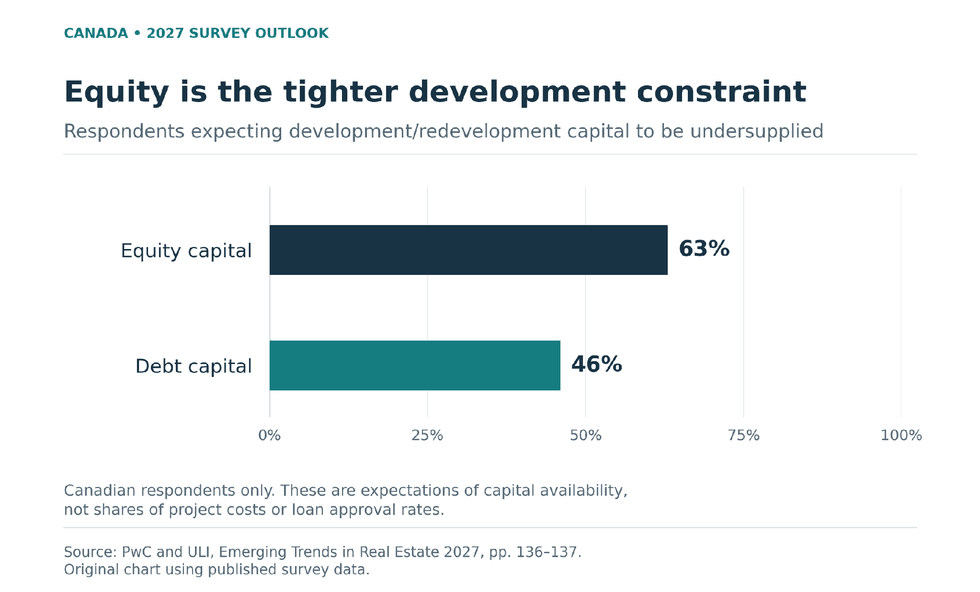 Canadian respondents were more likely to expect an undersupply of development/redevelopment equity capital (63%) than debt capital (46%) in 2027. These are survey expectations, not measured financing volumes. Source: PwC and ULI, Emerging Trends in Real Estate 2027, pp. 136–137. Original chart.
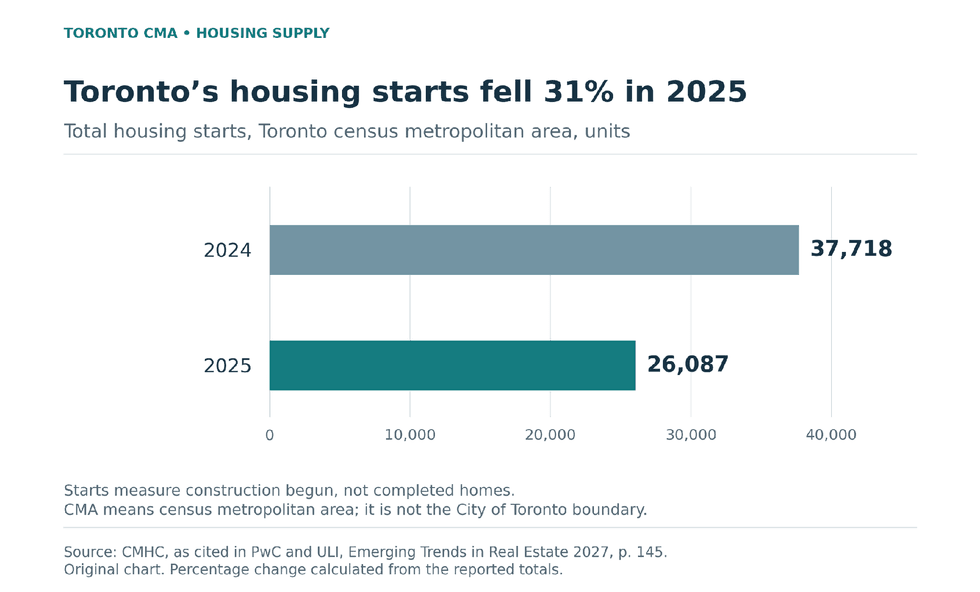 Toronto census metropolitan area housing starts fell from 37,718 units in 2024 to 26,087 in 2025, a 30.8% decline (rounded to 31%). Starts measure construction begun, not completed homes. Source: CMHC, as cited in PwC and ULI, Emerging Trends in Real Estate 2027, p. 145. Original chart.