Property Disclosure Statement (British Columbia-specific)
Understand how the Property Disclosure Statement works in British Columbia, what sellers must reveal, and why it’s important for buyers.
May 22, 2025
What is a Property Disclosure Statement (PDS)?
A Property Disclosure Statement (PDS) in British Columbia is a legal document completed by the seller to disclose known issues or defects with the property being sold.
Why Do Property Disclosure Statements Matter in Real Estate
The PDS is a crucial part of many real estate transactions in B.C., offering transparency to buyers and legal protection to sellers. While not always mandatory, it is commonly included in offers to purchase.
The form asks sellers to disclose issues related to:
- Structural problems
- Past water damage or flooding
- Roof or plumbing defects
- Unauthorized renovations
- Environmental concerns (e.g., oil tanks, asbestos)
If a seller knowingly omits a defect, they may be liable for damages—even after the sale. For buyers, the PDS serves as an early warning system and can inform decisions on whether to proceed or request further inspections.
Understanding the PDS helps buyers make informed offers and protects sellers by providing a record of what was disclosed at the time of sale.
Example of a Property Disclosure Statement in Action
A seller in Kelowna fills out a Property Disclosure Statement and reveals a prior plumbing leak in the basement that was repaired in 2022.
Key Takeaways
- Used primarily in B.C. real estate.
- Outlines known property defects.
- Protects both buyer and seller.
- Can be legally binding if included in offer.
- Encourages full transparency in transactions.
Related Terms
- Seller Disclosure Statement
- Home Inspection
- As-Is Sale
- Material Latent Defect
- Real Estate Law
 (Avison Young)
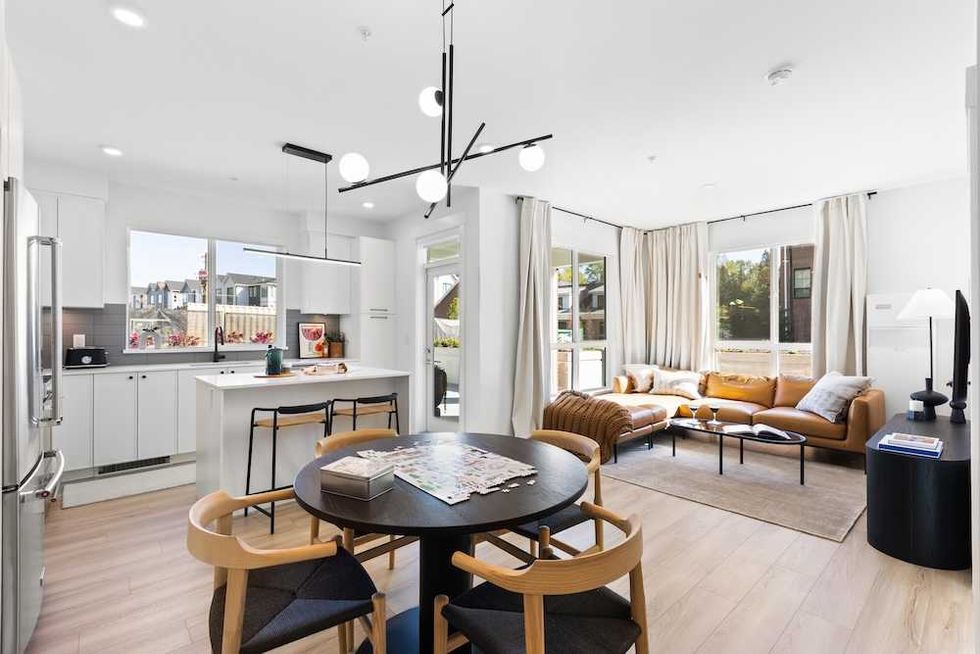 The Mason Suite Interior (Infinity Properties)
 The Mason Suite Interior (Infinity Properties)
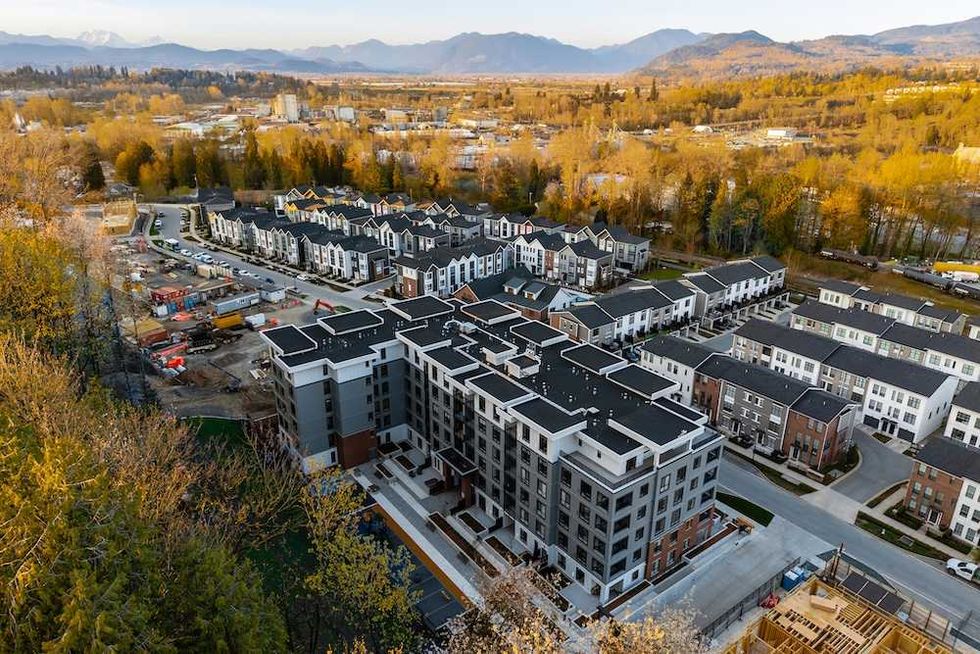 Rail District aerial (Infinity Properties)
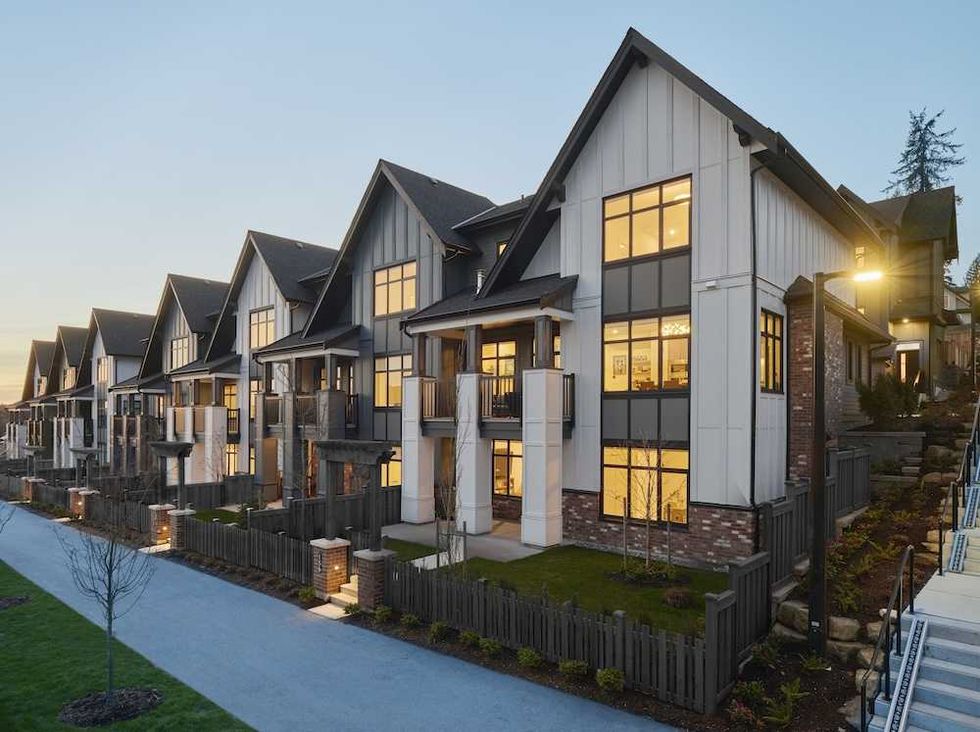 Versant (Infinity Properties)



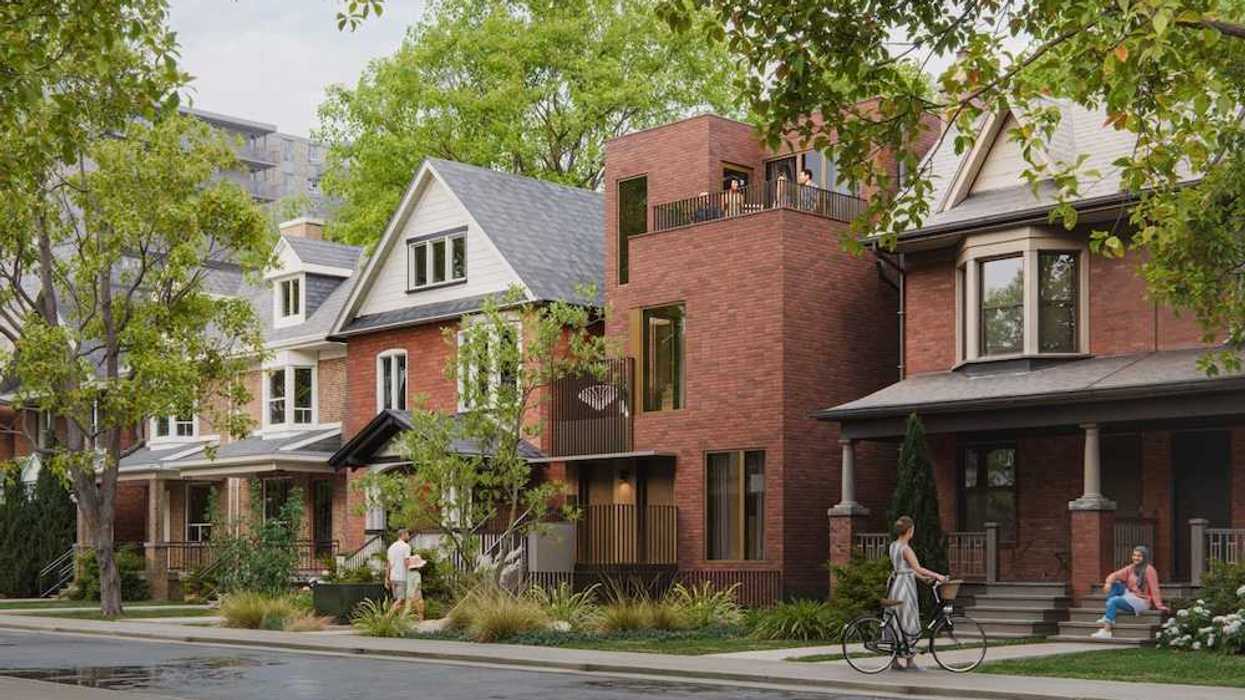
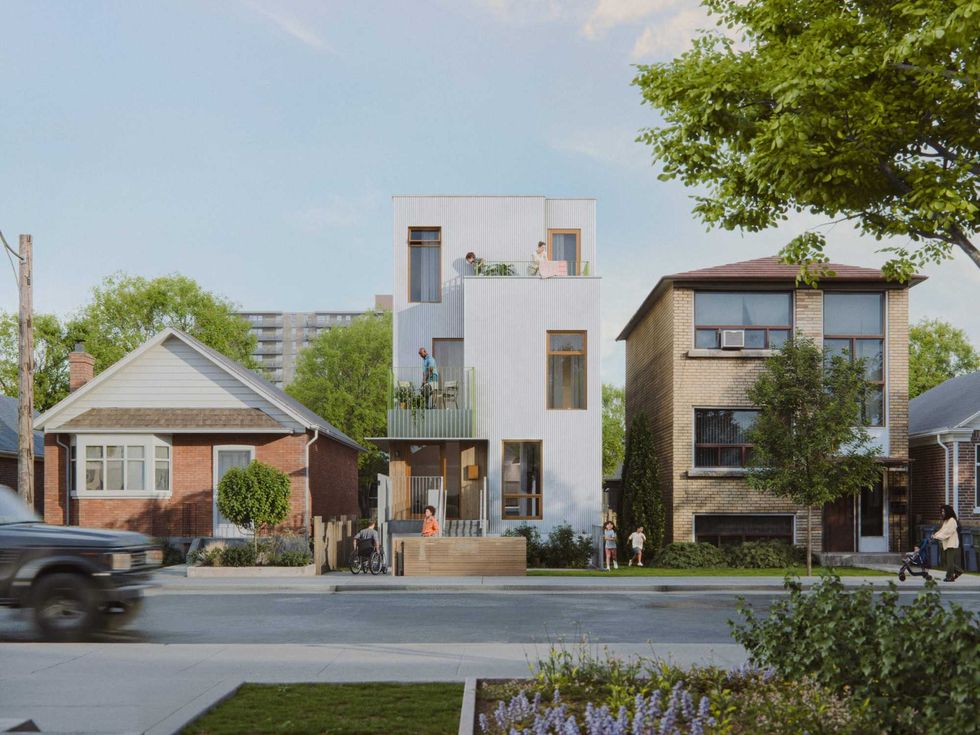 Narrow Fourplex (City of Toronto)
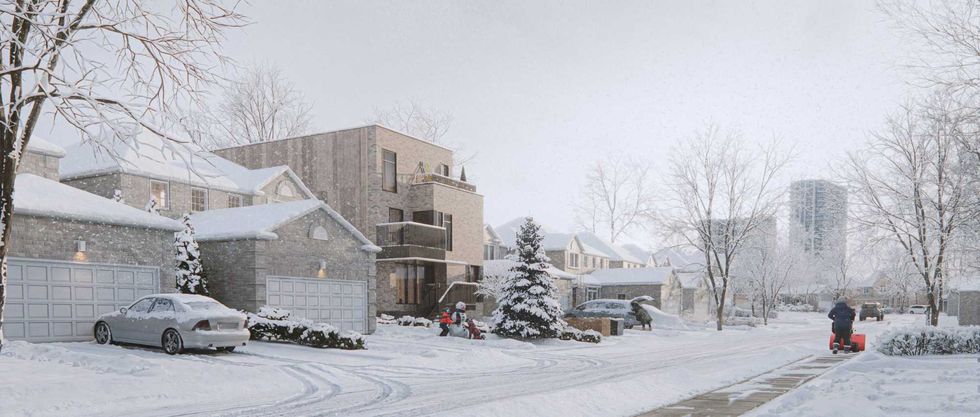 Wide Sixplex - Side View (City of Toronto)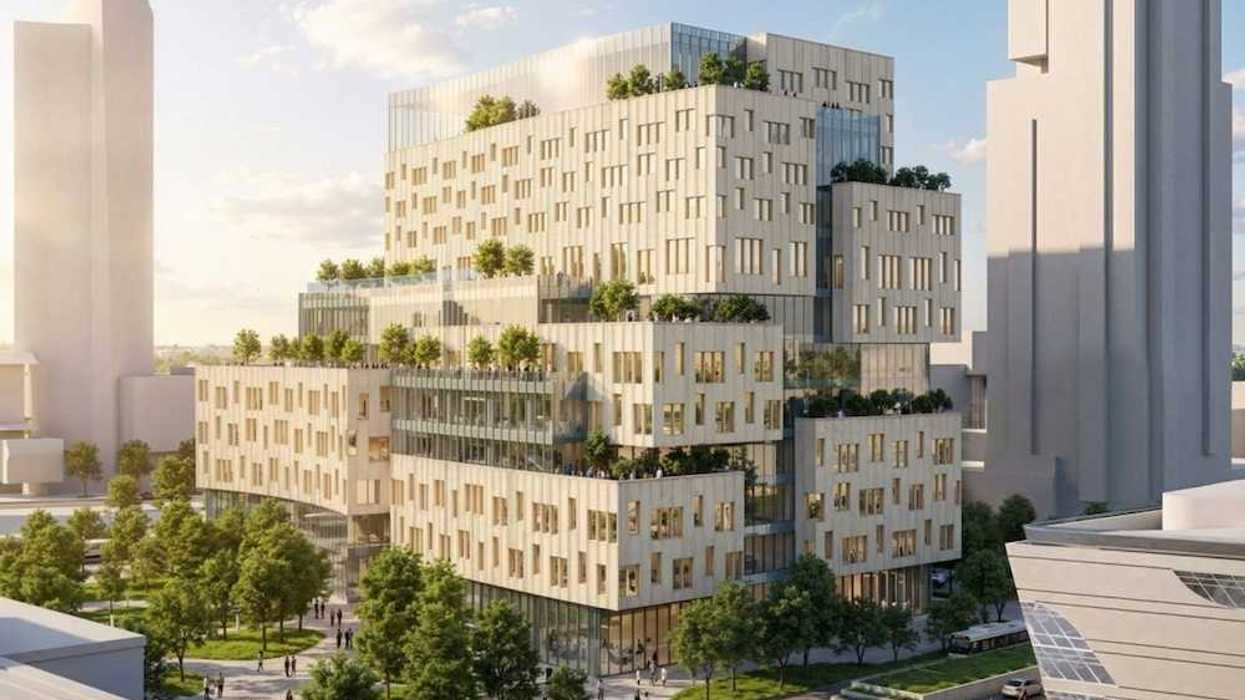
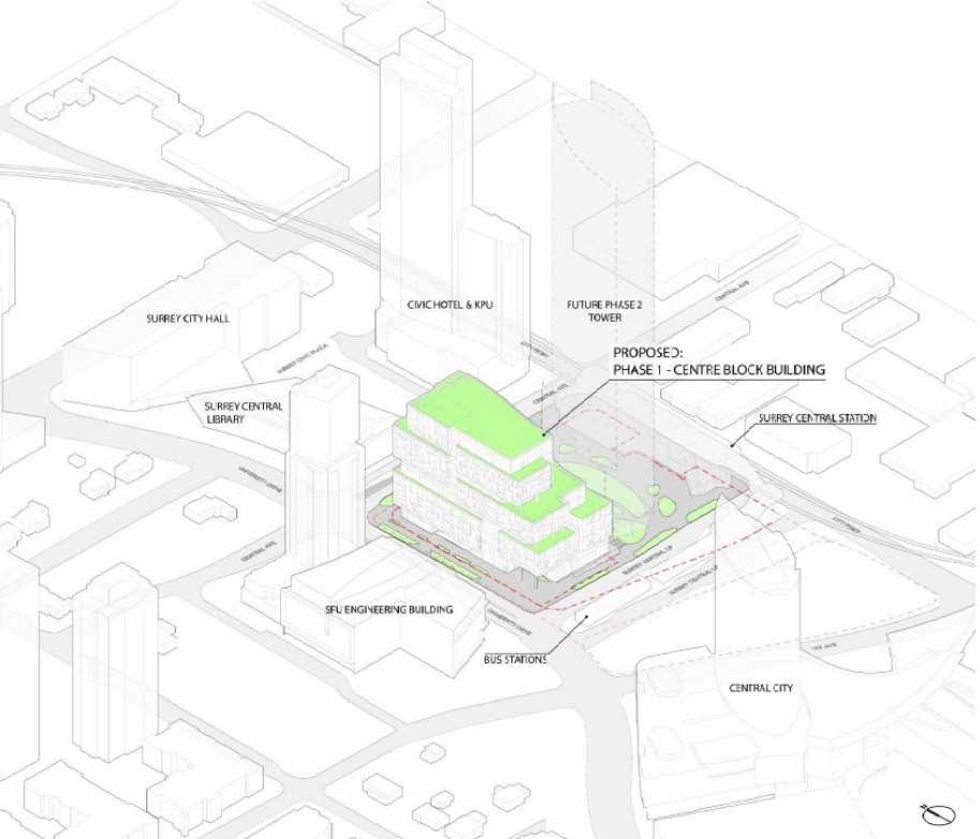 Centre Block and its surrounding context. (Stantec-Revery, SCDC)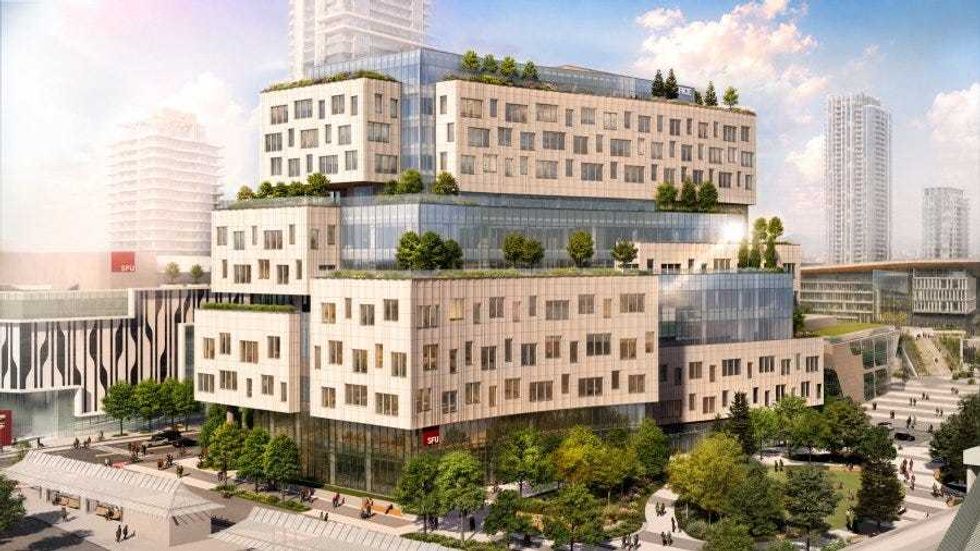
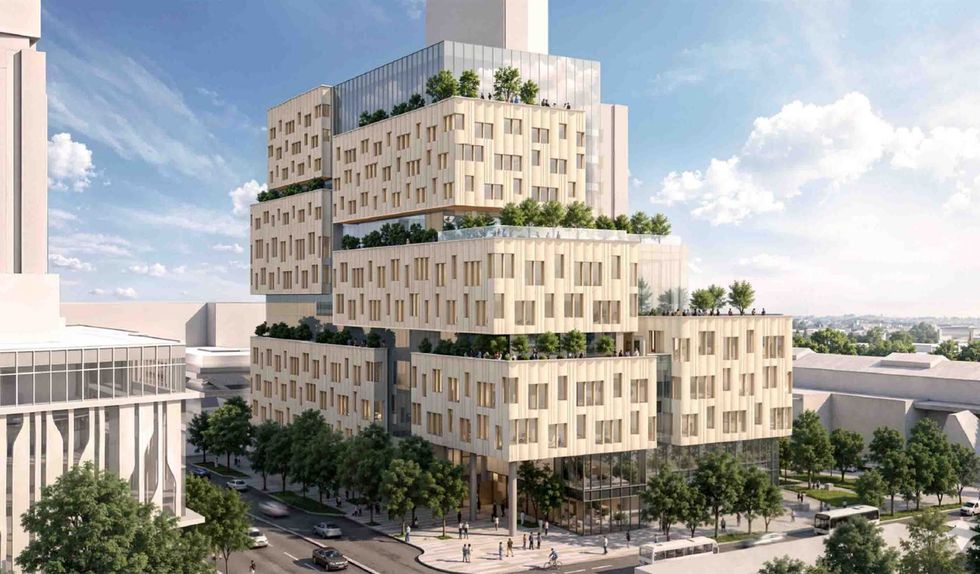 The 12-storey Phase One of Centre Block. (Stantec-Revery, SCDC)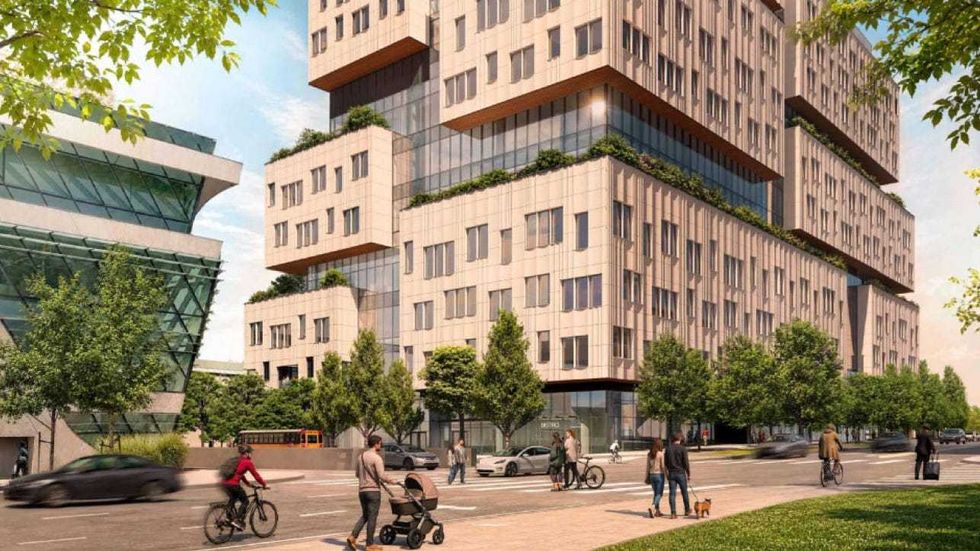
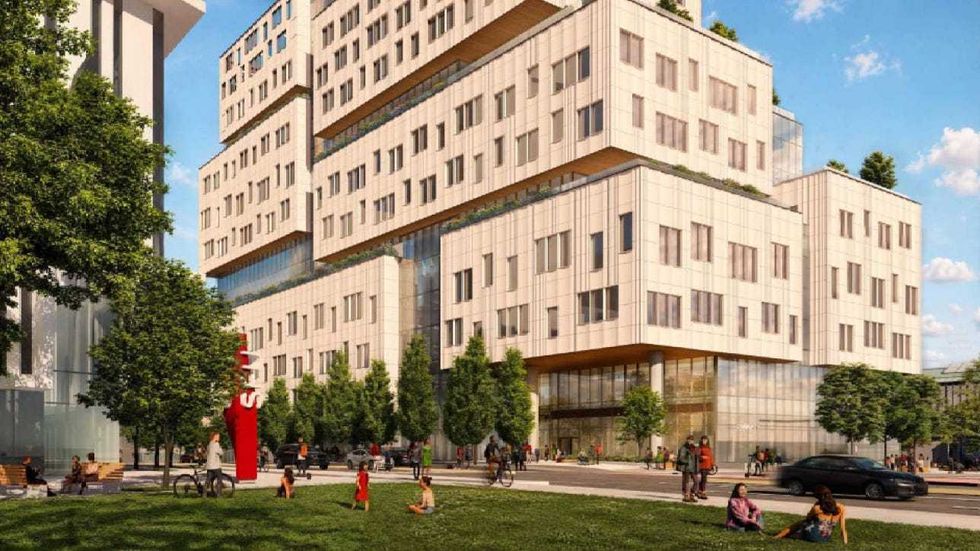 The 12-storey Phase One of Centre Block. (Stantec-Revery, SCDC)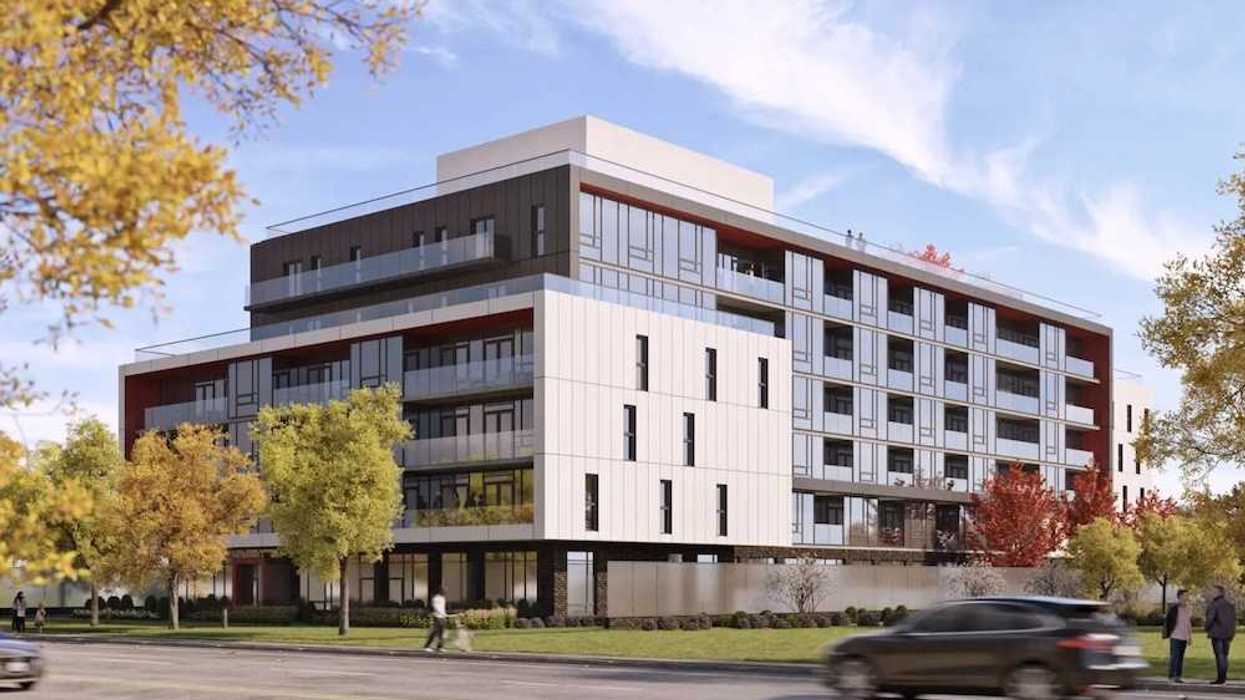
 Mondria One, set for 1607 King Street East in Clarington, Ontario. (ICON Architects Inc., Monde Development Group)