Seller Disclosure Statement
Understand the purpose of a Seller Disclosure Statement in Canadian real estate, what sellers must reveal, and how it protects all parties in a transaction.

May 22, 2025
What is a Seller Disclosure Statement?
A Seller Disclosure Statement is a document completed by the property seller to disclose known material defects or issues that may affect the property's value or safety.
Why Do Seller Disclosure Statements Matter in Real Estate
While disclosure requirements vary by province, many Canadian real estate transactions include a Seller Disclosure Statement to promote transparency and reduce the risk of post-sale disputes.
The document may address:
- Structural or mechanical problems
- Past water damage, mold, or infestations
- Renovations or permit issues
- Neighbourhood nuisances or zoning concerns
Buyers rely on these disclosures to assess risk and make informed offers. If a seller knowingly omits or misrepresents key information, they may be held legally responsible—even after closing.
The statement is usually reviewed alongside the purchase agreement, and buyers may request additional inspections or price adjustments based on disclosed issues.
Understanding this document protects buyers from hidden liabilities and encourages sellers to disclose in good faith.
Example of a Seller Disclosure Statement
A seller completes the disclosure form and notes a previous roof leak that was professionally repaired in 2021, allowing the buyer to assess the home’s condition accurately.
Key Takeaways
- Discloses known property defects or issues.
- Encourages transparency in transactions.
- May be required or recommended.
- Protects both buyers and sellers.
- Should be reviewed alongside inspections.
Related Terms
- Property Disclosure Statement
- Material Defect
- Home Inspection
- Agreement of Purchase and Sale
- Legal Liability
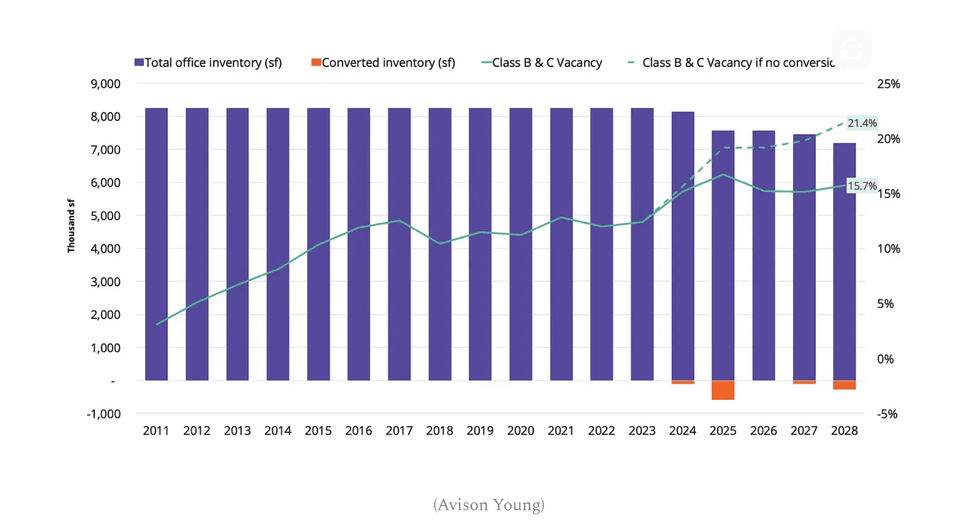 (Avison Young)
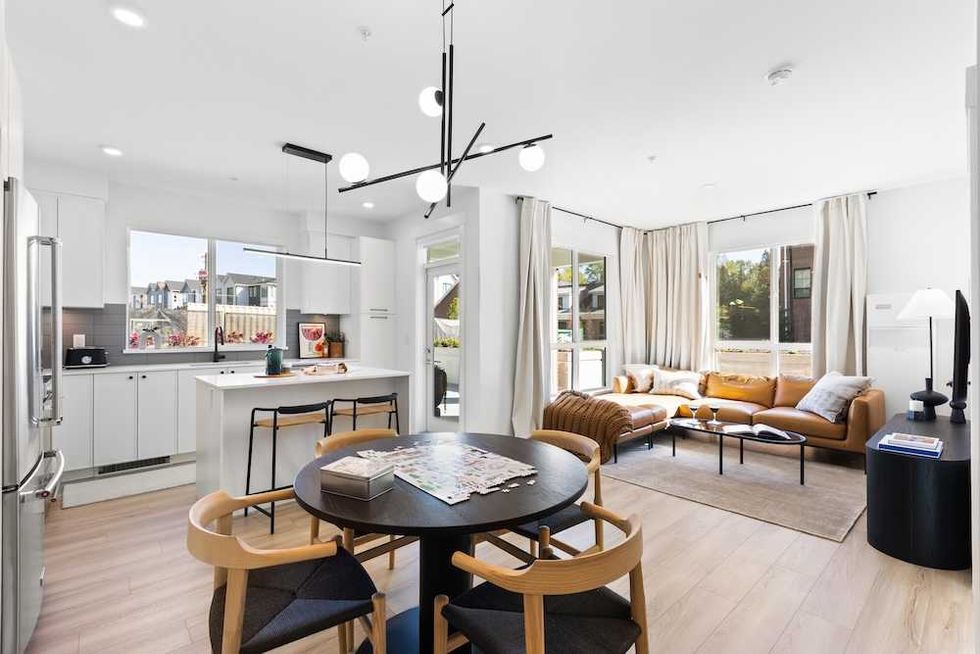 The Mason Suite Interior (Infinity Properties)
 The Mason Suite Interior (Infinity Properties)
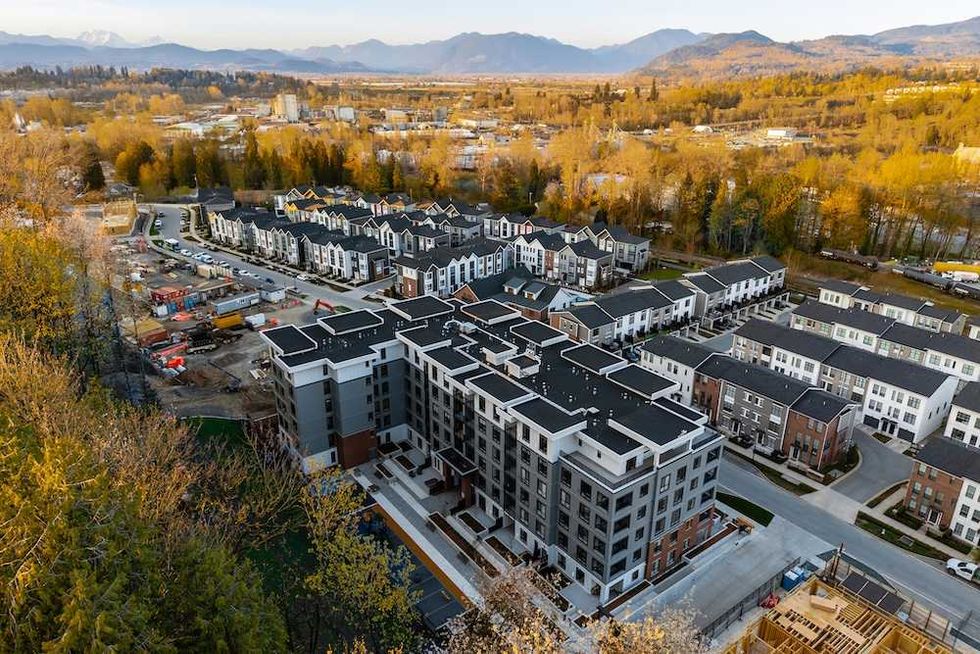 Rail District aerial (Infinity Properties)
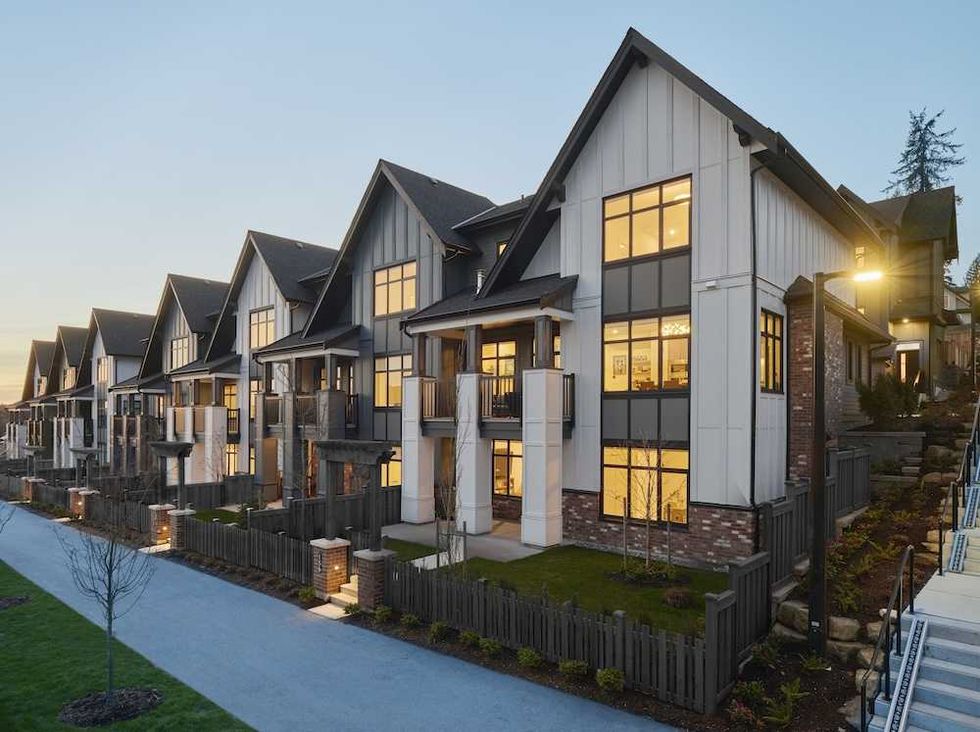 Versant (Infinity Properties)


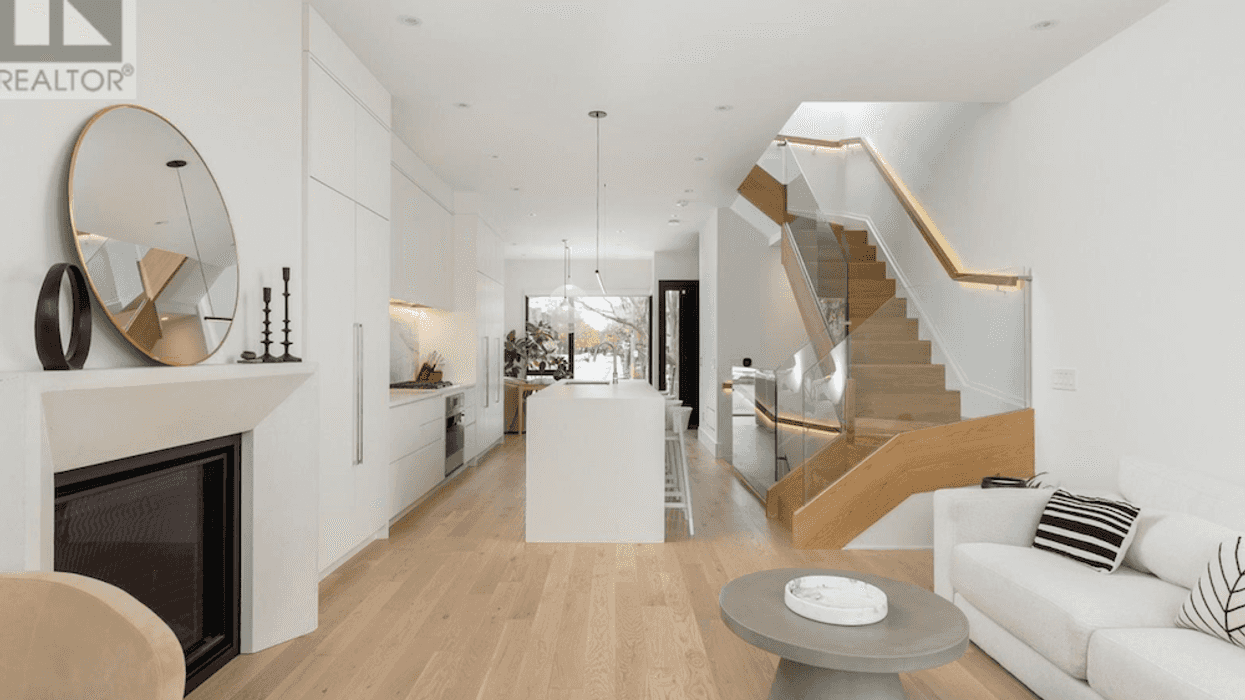





 Narrow Fourplex (City of Toronto)
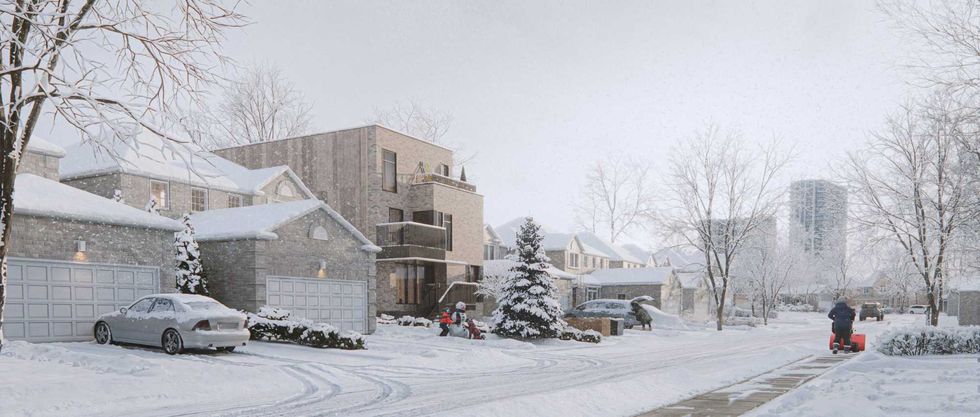 Wide Sixplex - Side View (City of Toronto)
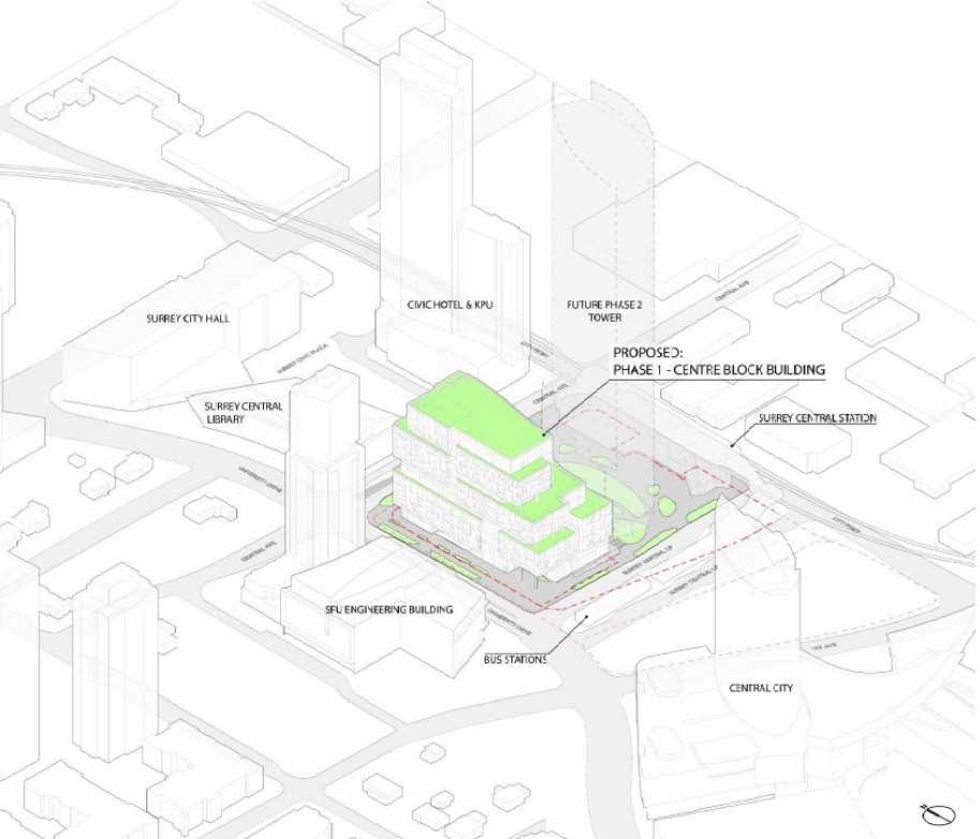 Centre Block and its surrounding context. (Stantec-Revery, SCDC)
 The 12-storey Phase One of Centre Block. (Stantec-Revery, SCDC)
 The 12-storey Phase One of Centre Block. (Stantec-Revery, SCDC)
 Mondria One, set for 1607 King Street East in Clarington, Ontario. (ICON Architects Inc., Monde Development Group)