Progress Draw Mortgage
A progress draw mortgage releases funds in stages during construction, with inspections verifying completion before each advance.
September 30, 2025
What is a Progress Draw Mortgage?
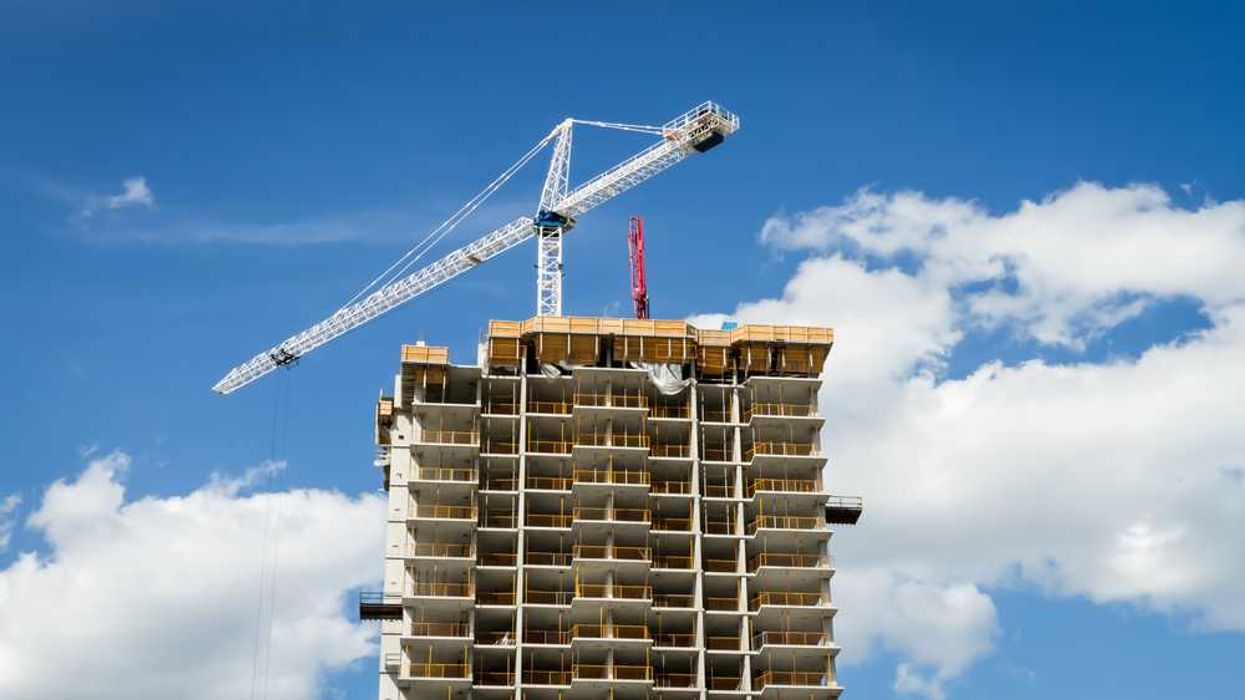
A progress draw mortgage is a financing arrangement commonly used in new construction where the lender advances funds in stages as the building project progresses. Inspections are conducted at each stage to confirm completion before the next draw is released.
Why a Progress Draw Mortgage Matters in Real Estate
Progress draw mortgages matter in real estate because they provide builders and homeowners with access to funds throughout construction without needing the full loan upfront. Lenders reduce risk by releasing funds only after work is verified. Borrowers must carefully plan cash flow to match construction timelines.
Example of a Progress Draw Mortgage in Action
A custom home builder secures a $600,000 progress draw mortgage. The lender advances 20% when the foundation is complete, 30% at framing, 30% at lock-up, and the remaining 20% at completion after final inspection.
Key Takeaways
- Funds advanced in stages during construction.
- Inspections required before each draw.
- Reduces lender risk and ensures work completion.
- Requires detailed planning of cash flow.
- Common in custom builds and large renovations.
Related Terms
- Construction Financing
- Holdback
- Inspection
- Builder’s Mortgage
- Draw Schedule
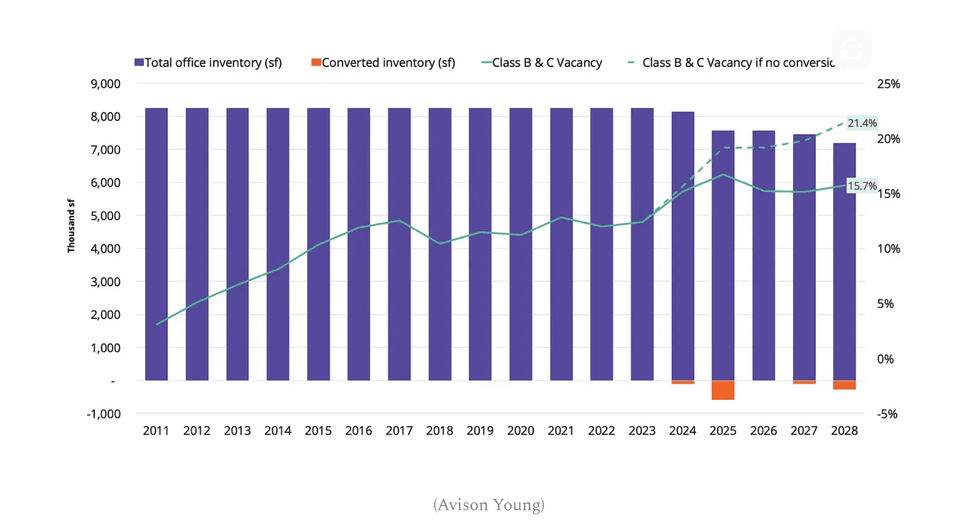 (Avison Young)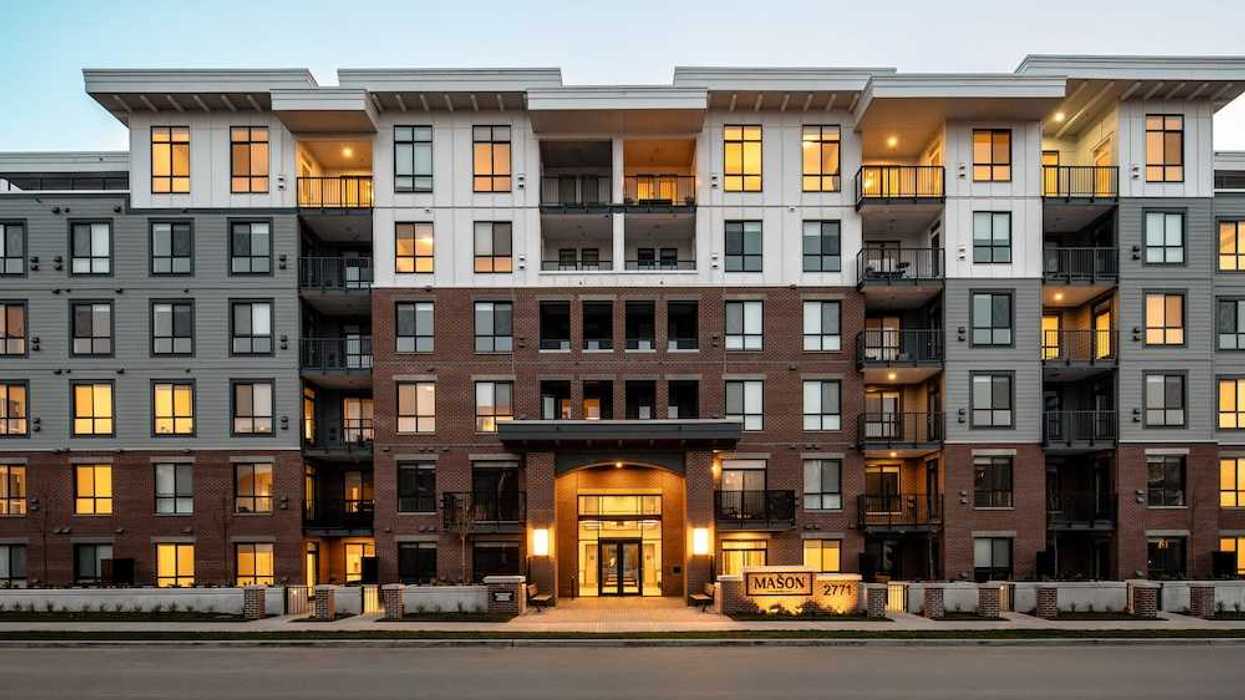
 The Mason Suite Interior (Infinity Properties)
 The Mason Suite Interior (Infinity Properties)
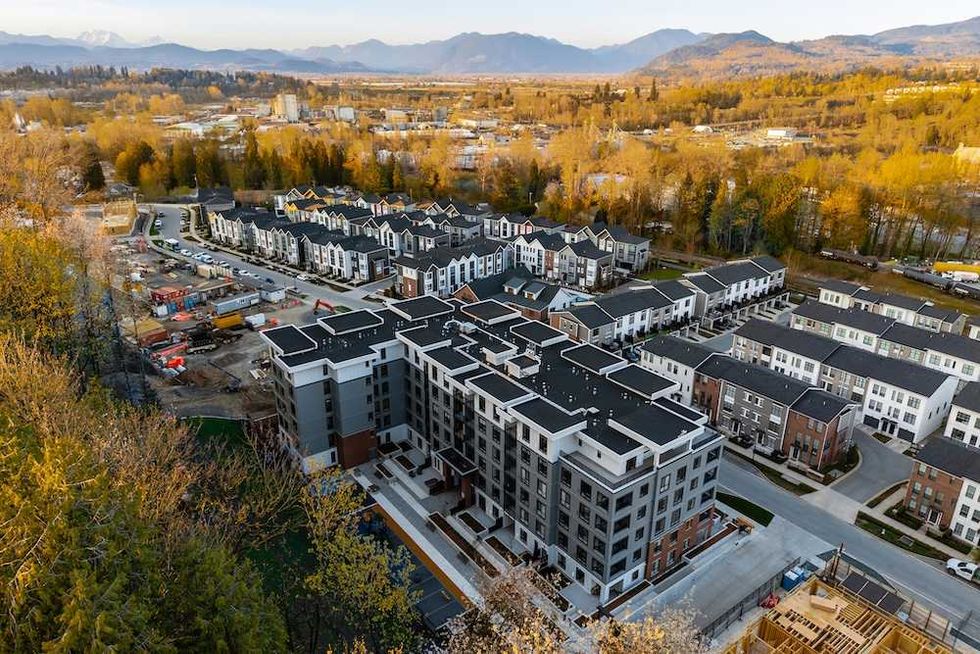 Rail District aerial (Infinity Properties)
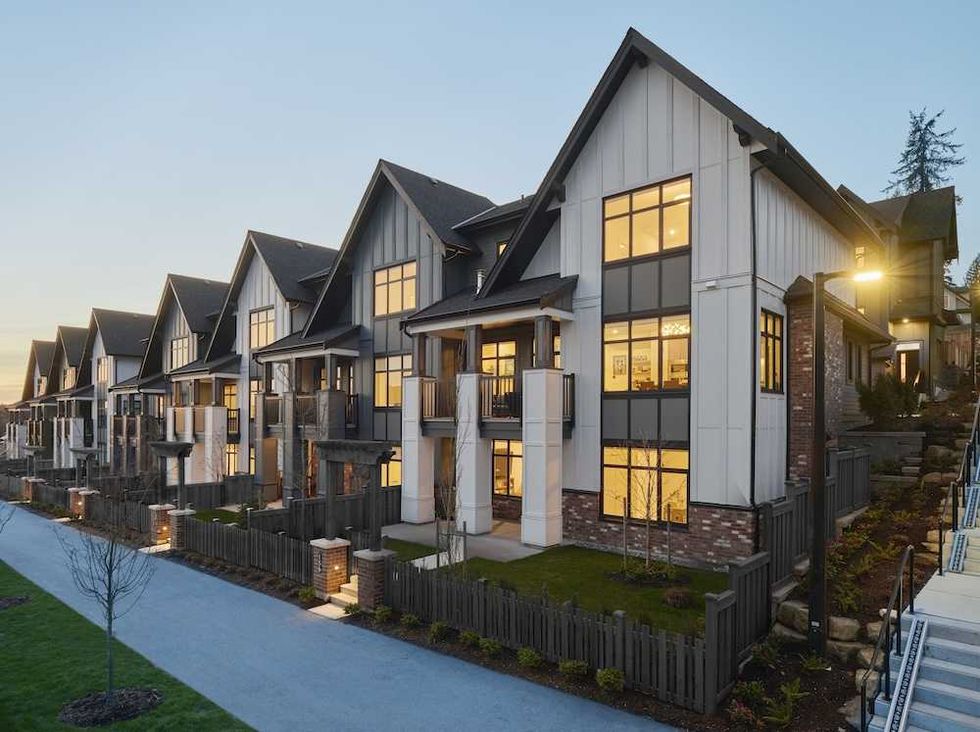 Versant (Infinity Properties)






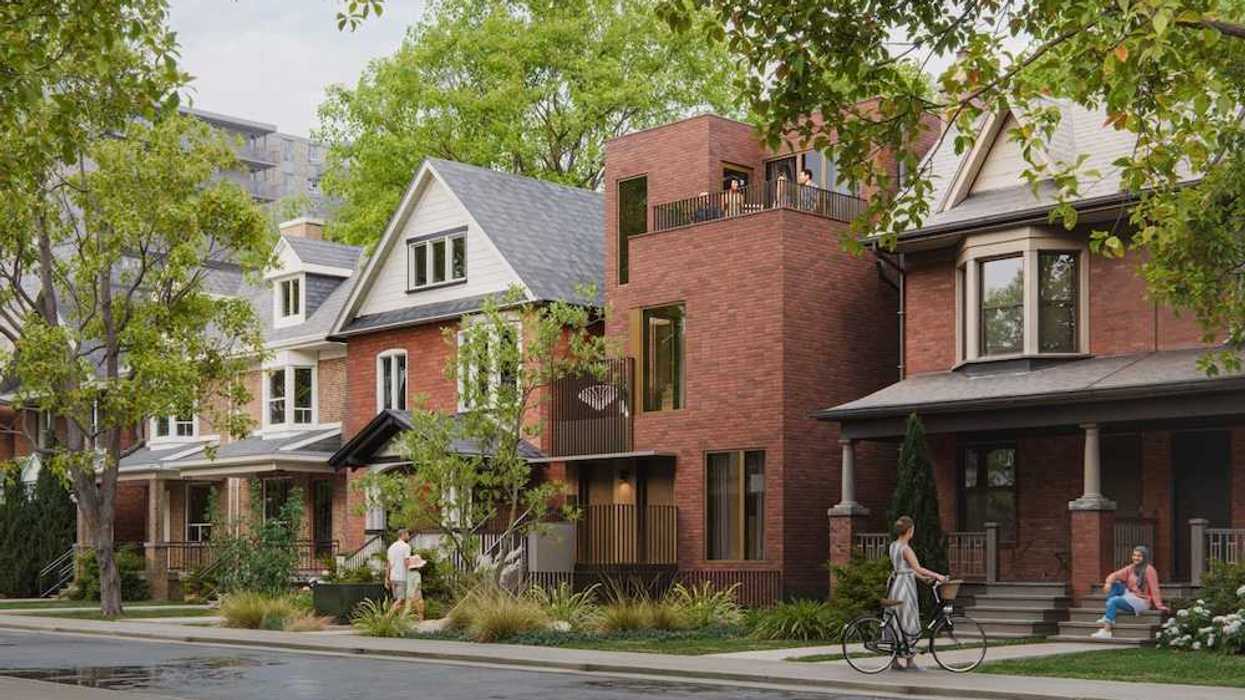
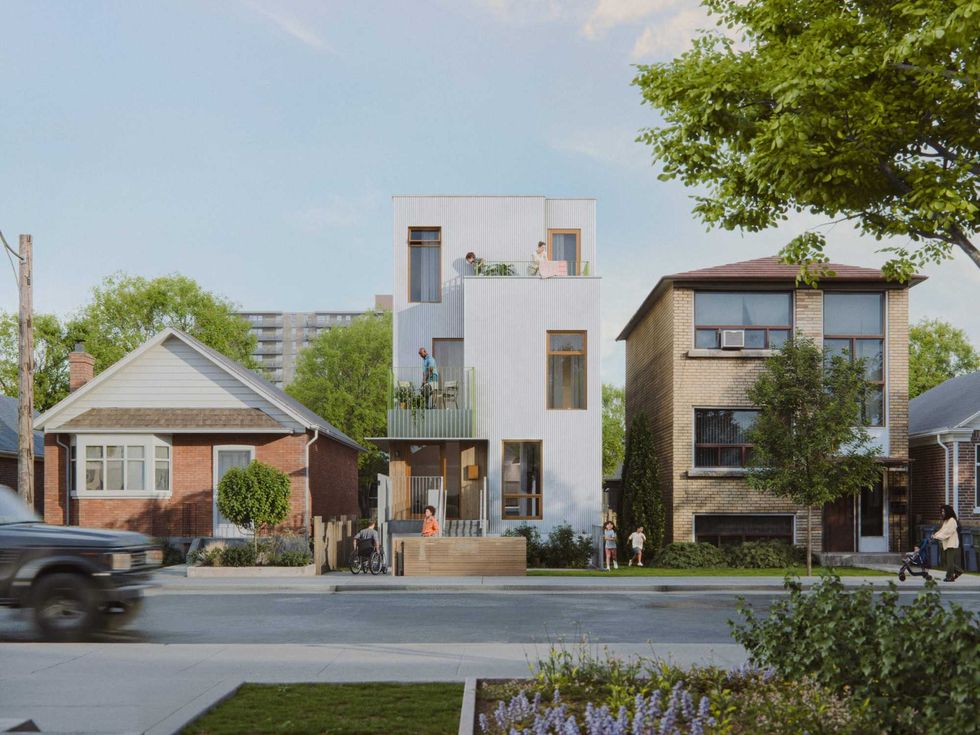 Narrow Fourplex (City of Toronto)
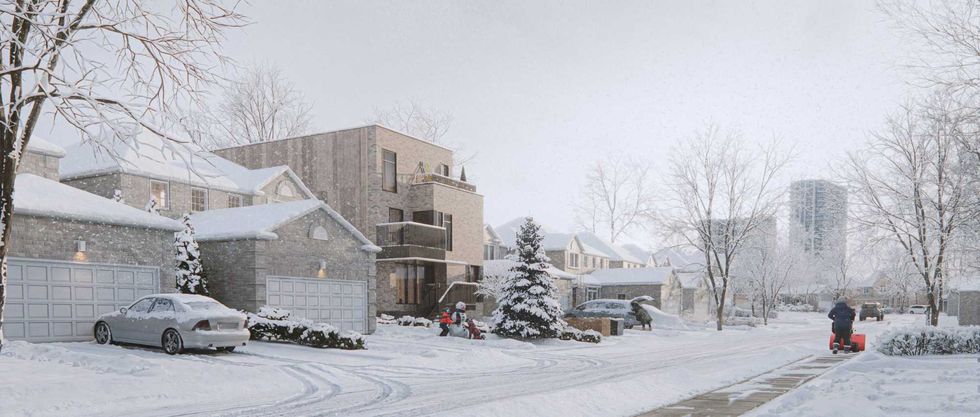 Wide Sixplex - Side View (City of Toronto)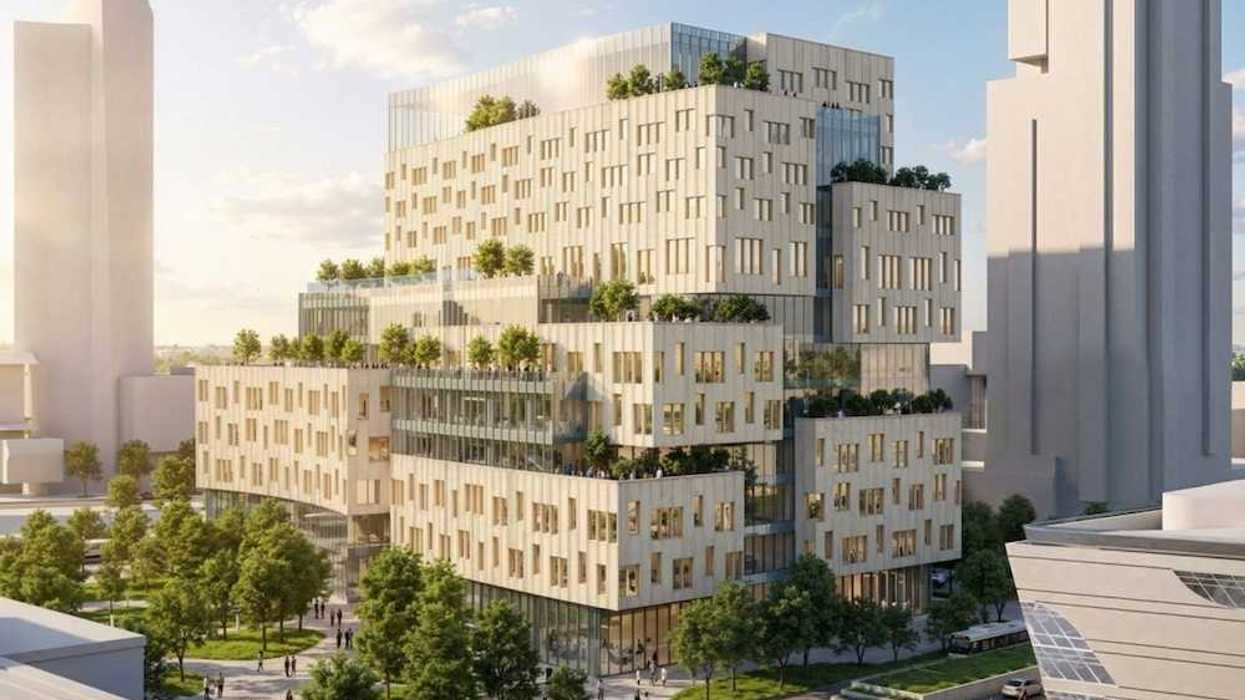
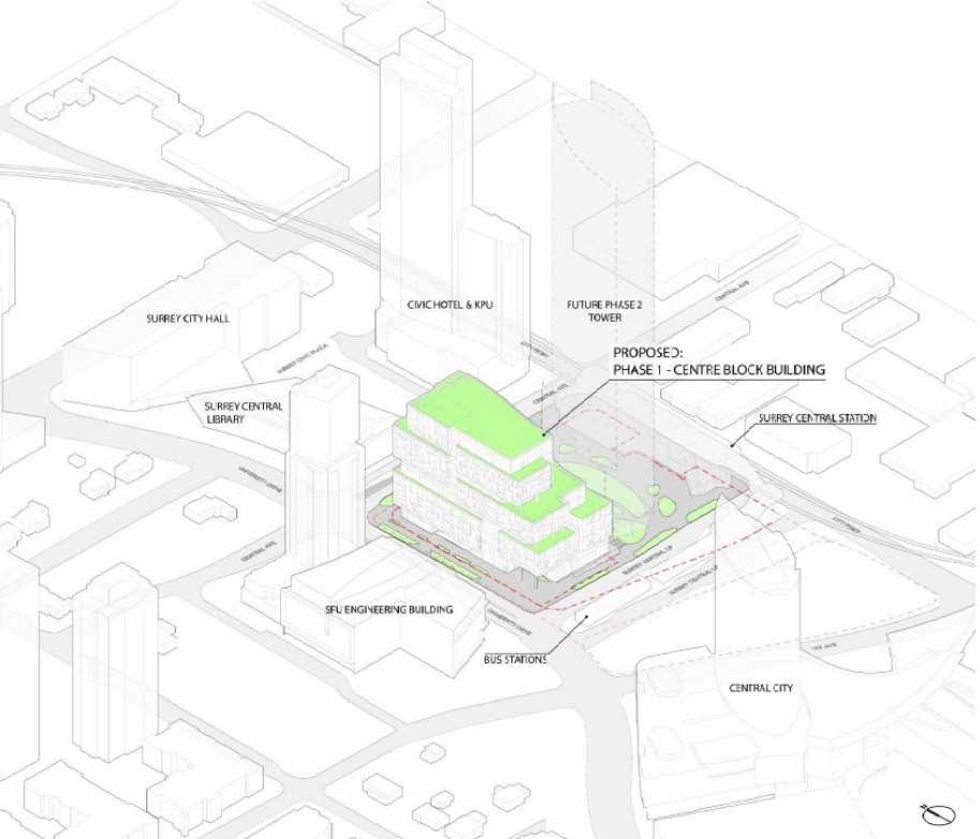 Centre Block and its surrounding context. (Stantec-Revery, SCDC)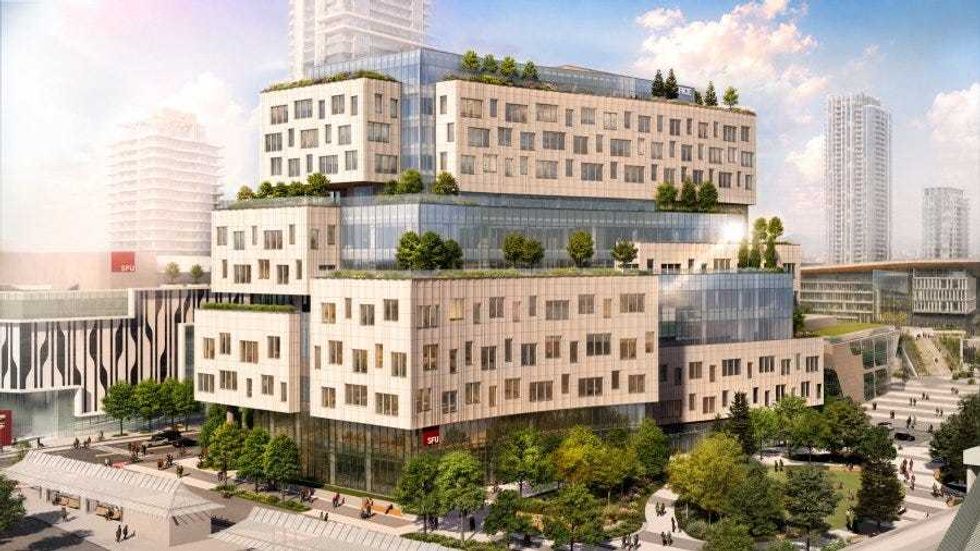
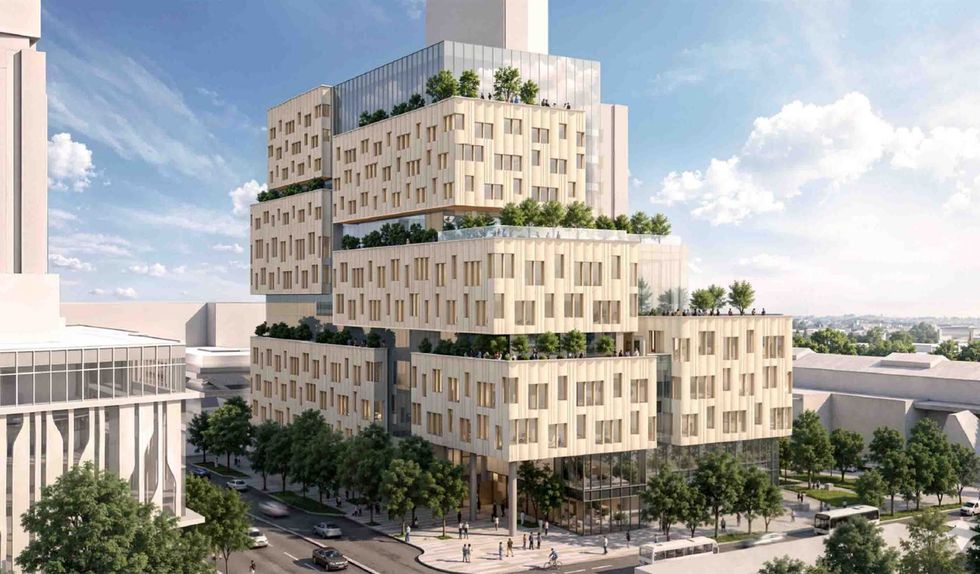 The 12-storey Phase One of Centre Block. (Stantec-Revery, SCDC)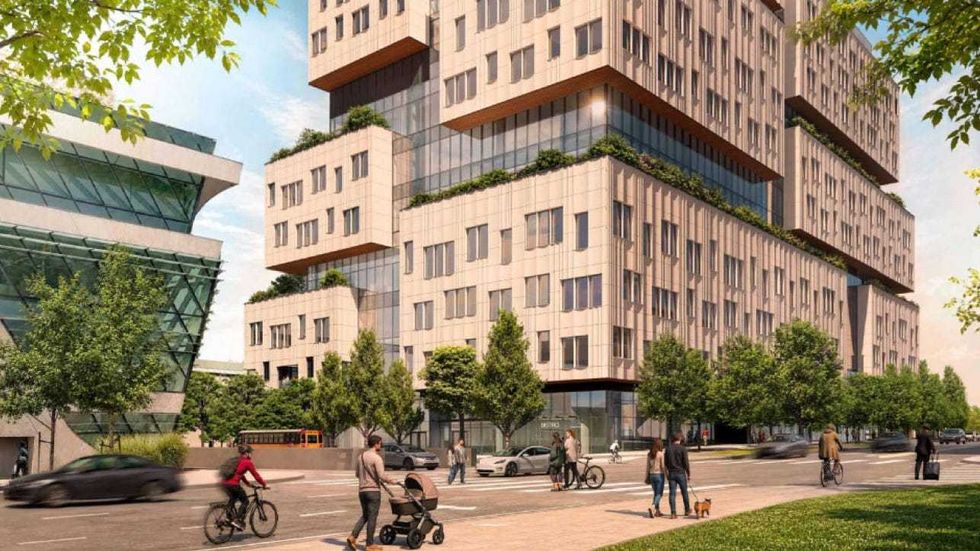
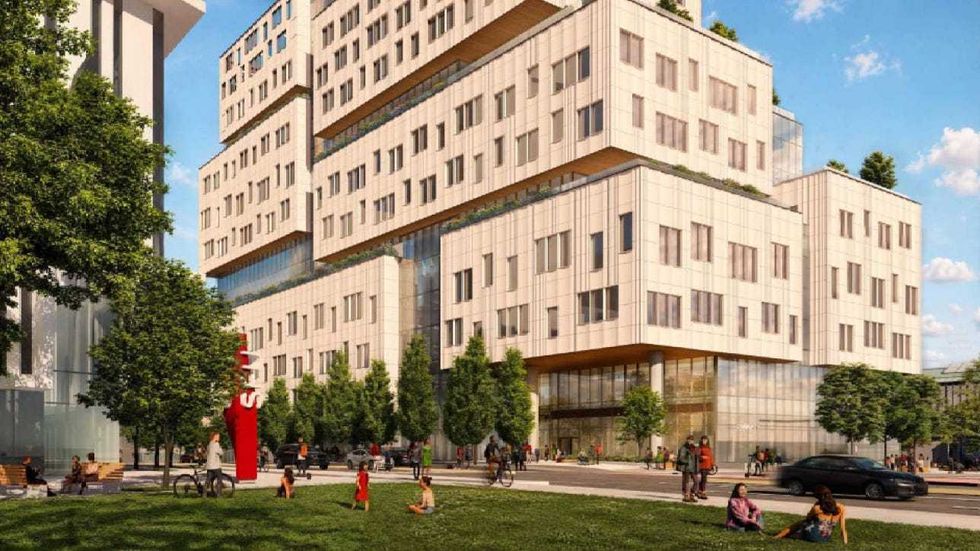 The 12-storey Phase One of Centre Block. (Stantec-Revery, SCDC)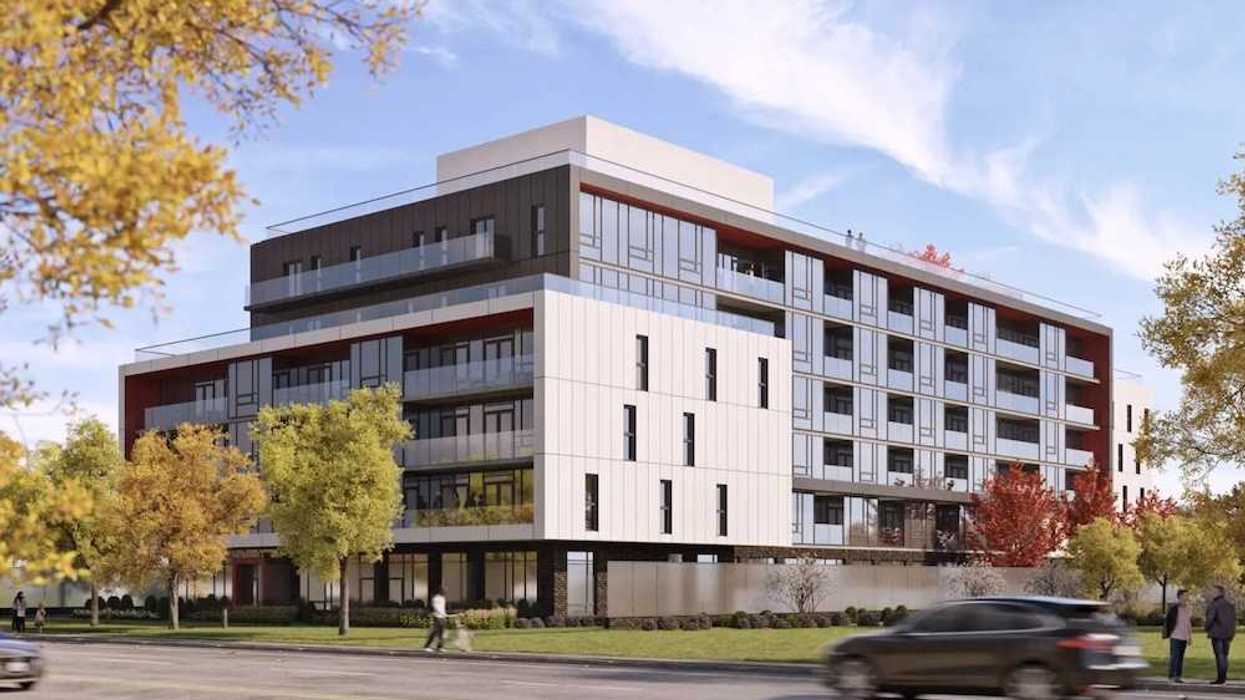
 Mondria One, set for 1607 King Street East in Clarington, Ontario. (ICON Architects Inc., Monde Development Group)