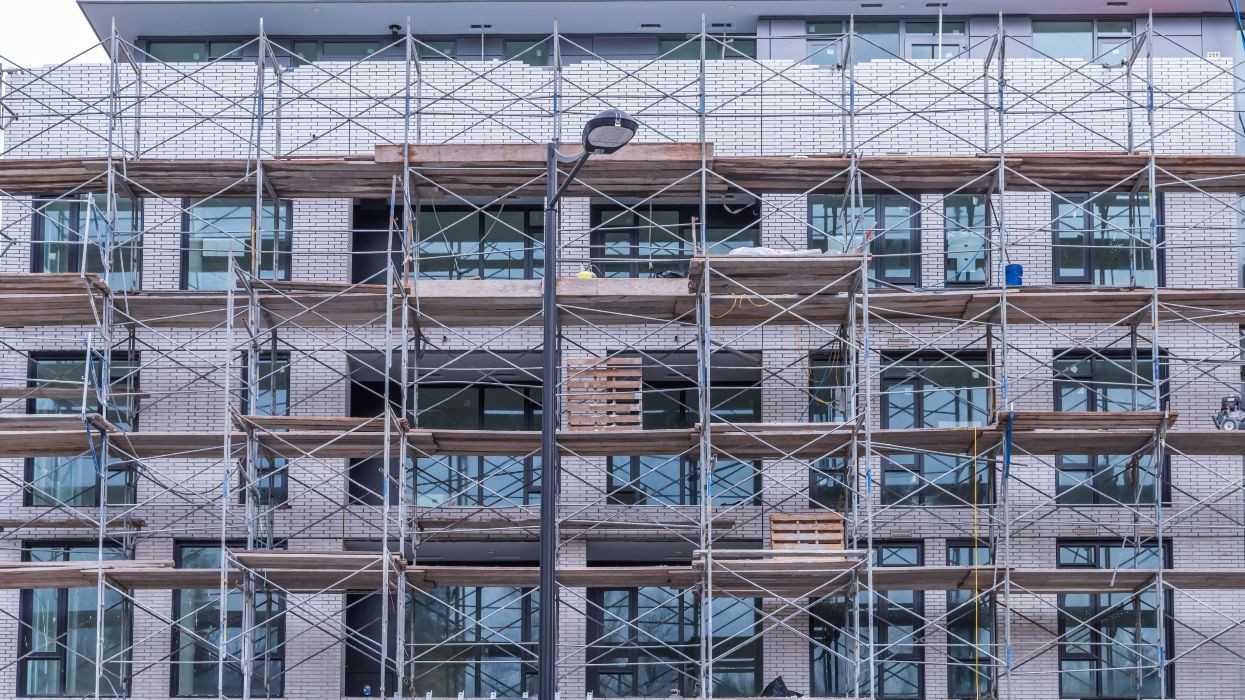
Holdback
Understand holdbacks in Canadian construction financing — what they are, how they work, and why they’re used.

July 29, 2025
What is a Holdback?
A holdback is a portion of construction financing or payment withheld by the lender or owner until specific milestones are met or work is satisfactorily completed.
Why Holdbacks Matter in Real Estate
In Canadian construction, holdbacks protect owners and lenders by ensuring contractors complete work and pay subcontractors.
Key points:
- Often required by provincial lien legislation
- Typically 10% of each progress payment
- Released after lien periods expire and deficiencies are resolved
Understanding holdbacks helps manage cash flow and reduce risk of contractor default or liens.
Example of a Holdback in Action
The lender applied a 10% holdback on each draw until the project passed inspections and lien periods expired.
Key Takeaways
- Portion of funds withheld during construction
- Protects against incomplete work or liens
- Typically 10% of each progress payment
- Released after work is complete and lien period ends
- Required by law in many provinces
Related Terms
- Construction Loan
- Lien
- Draw Schedule
- Hard Costs (Construction)
- Encumbrance


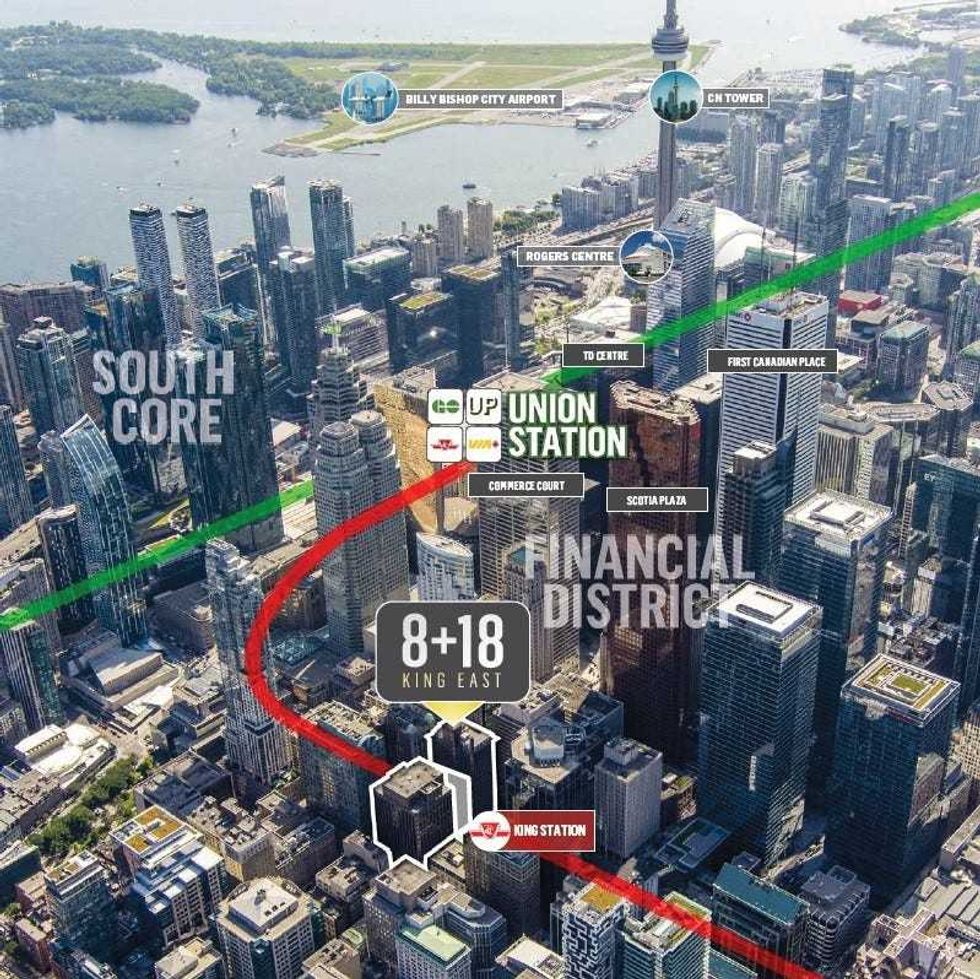 8 and 18 King Street East in Toronto. (RBC Capital Markets Realty)
 Interior photos of 8 and 18 King Street East. (RBC Capital Markets Realty)






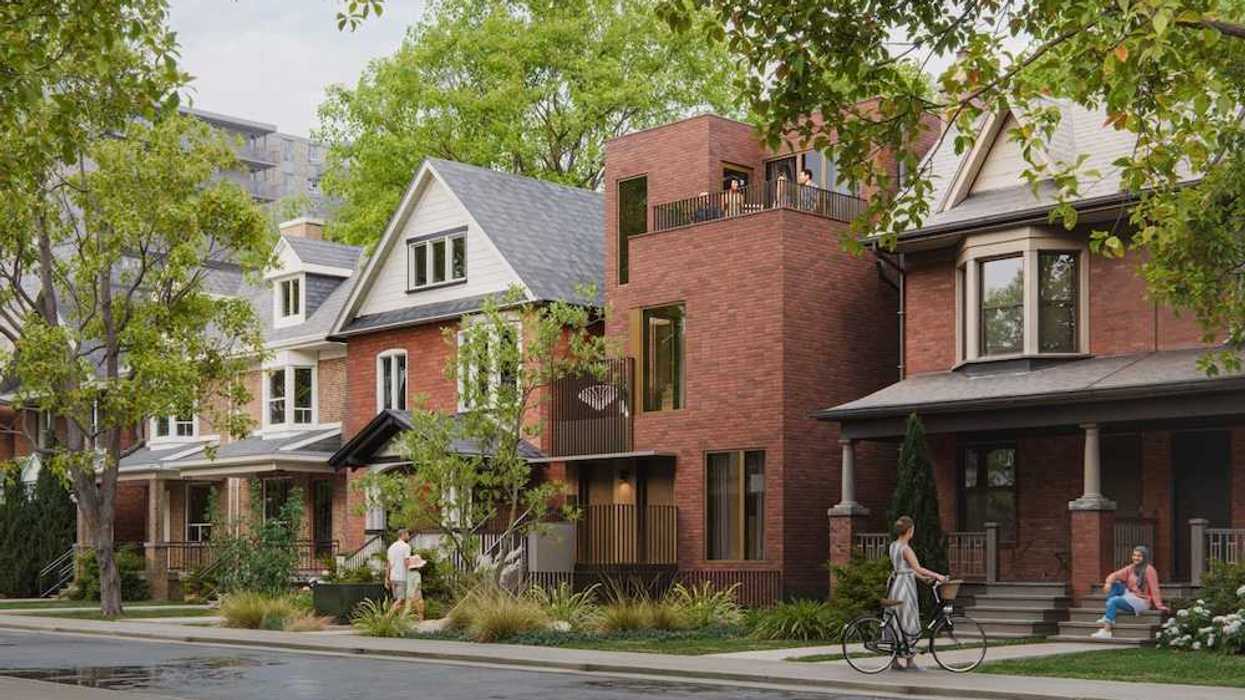
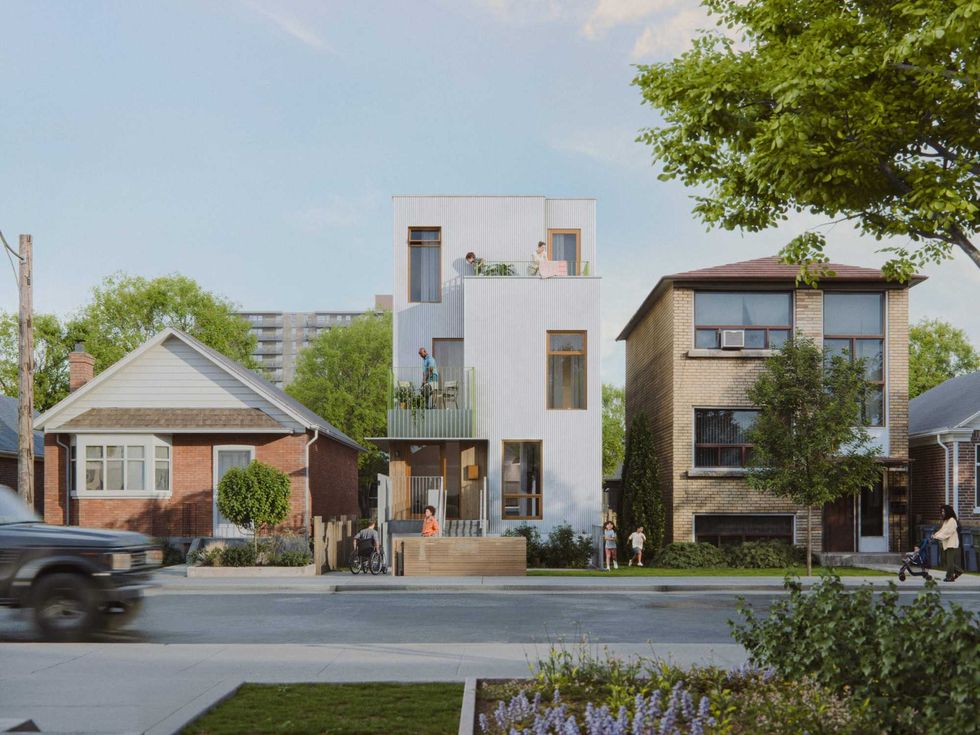 Narrow Fourplex (City of Toronto)
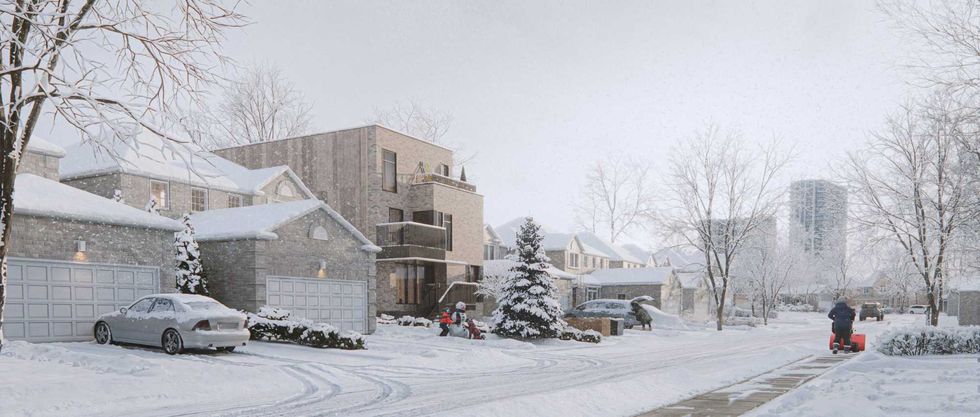 Wide Sixplex - Side View (City of Toronto)


 Via STOREYS Editorial team