Non-Recourse Loan
Learn about non-recourse loans in Canadian real estate — what they are, how they protect borrowers, and when they’re used.

August 08, 2025
What is a Non-Recourse Loan?
A non-recourse loan is a type of loan where the lender’s only remedy in case of default is to seize the collateral property; the borrower is not personally liable for any deficiency.
Why Non-Recourse Loans Matter in Real Estate
In Canadian commercial real estate, non-recourse loans limit borrower liability and protect personal assets.
Key points:
- Commonly used for income-producing properties
- Lender’s recourse is limited to the collateral property
- May include 'carve-outs' for fraud or other specific events
Understanding non-recourse loans helps borrowers evaluate risk exposure.
Example of a Non-Recourse Loan in Action
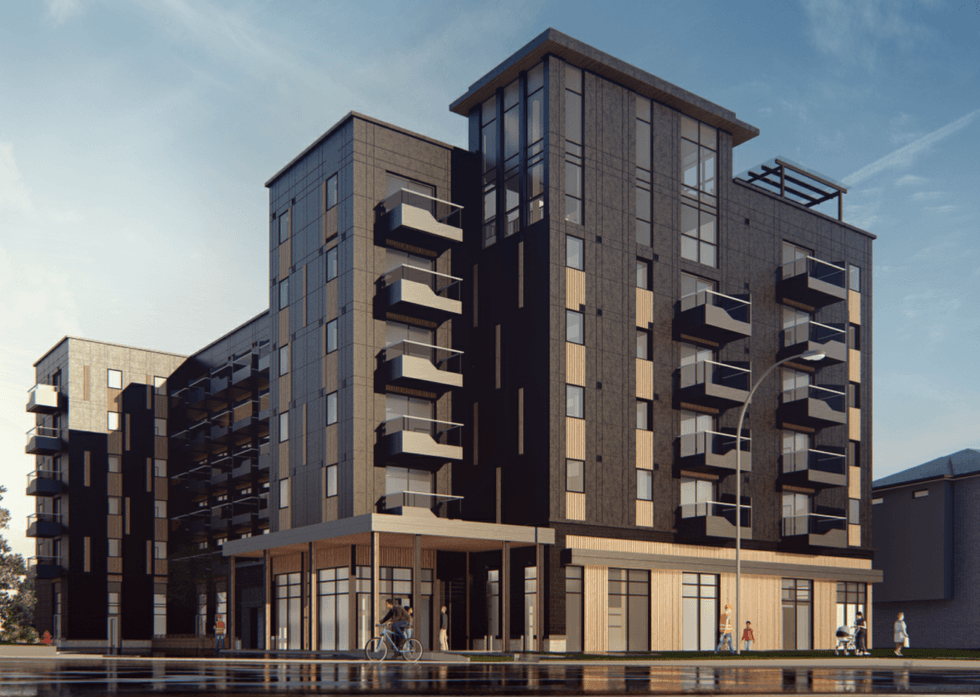
The developer obtained a non-recourse loan, ensuring the lender could only claim the property if the loan defaulted.
Key Takeaways
- Limits lender’s remedies to the collateral property
- Protects borrower’s personal assets
- Often used for stabilized income properties
- May contain exceptions for bad acts by borrower
- Important consideration in financing negotiations
Related Terms
- Recourse Loan
- Mortgage Qualification
- Loan-to-Value Ratio (LTV)
- Debt Coverage Ratio (DCR)
- Capitalization Rate


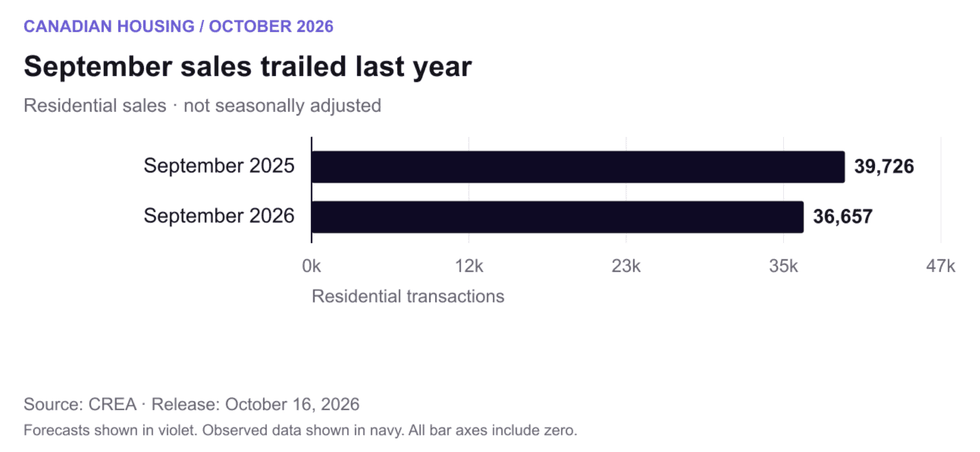 September residential sales, not seasonally adjusted; the annual comparison uses CREA’s revised figures. Chart:
 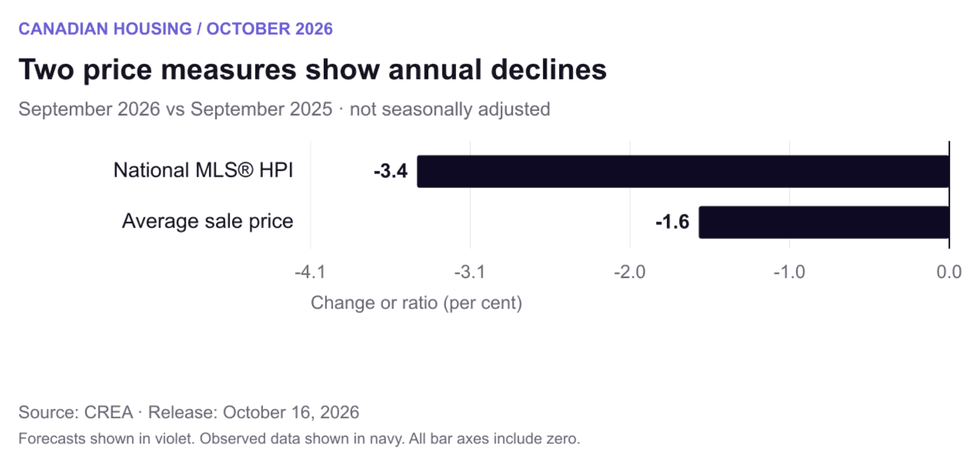 Annual changes in the unadjusted national MLS® HPI and average sale price. The average is affected by the mix of transactions. Chart:
 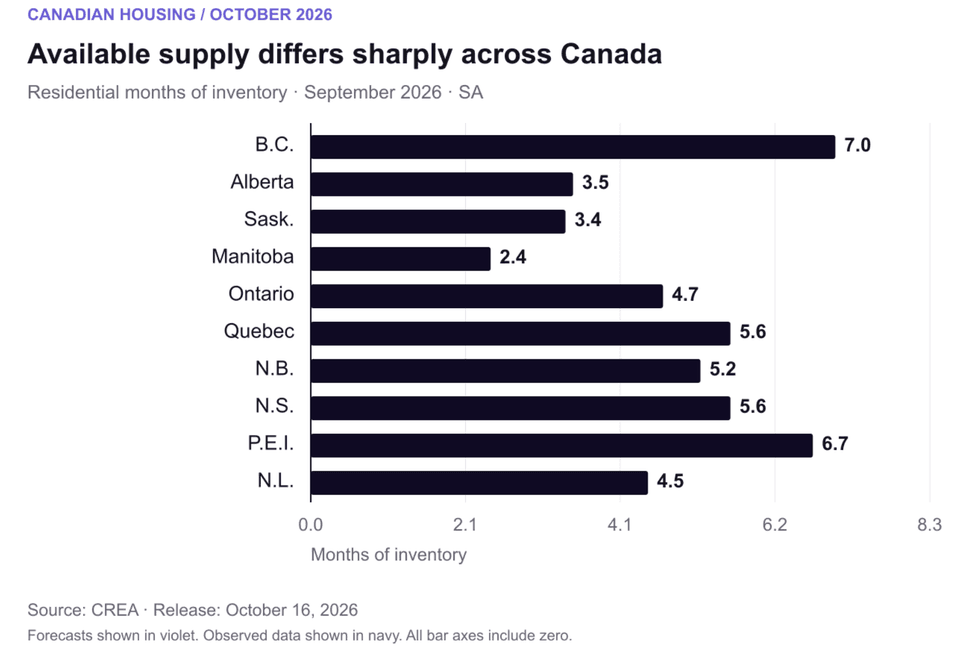 Seasonally adjusted residential months of inventory by province. Local property types can differ substantially. Chart:
 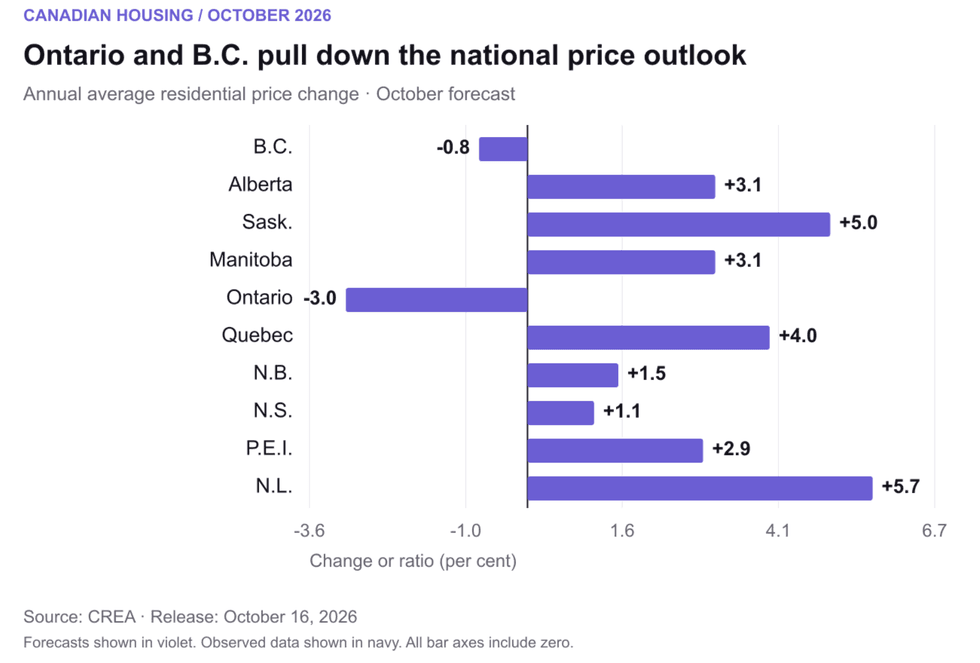 Ontario and B.C. are the two provinces with forecast annual average-price declines in 2026. Chart:
 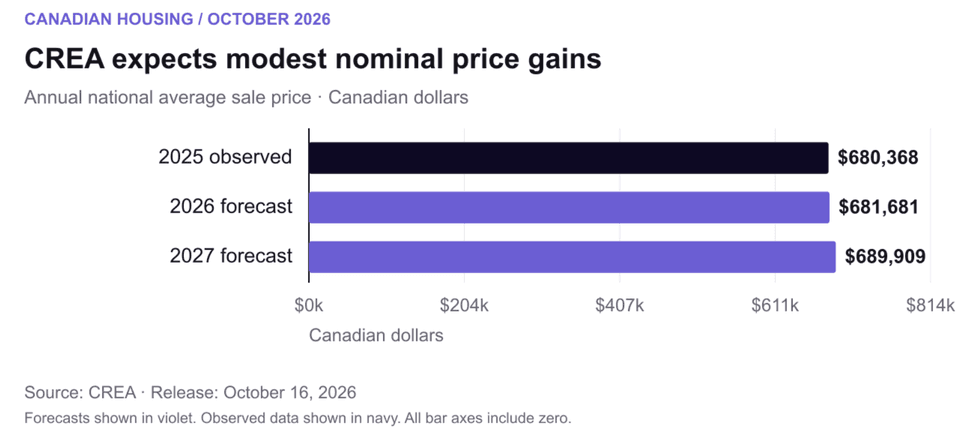 Annual average transaction prices in Canadian dollars. Forecast values are not December price targets. Chart:
 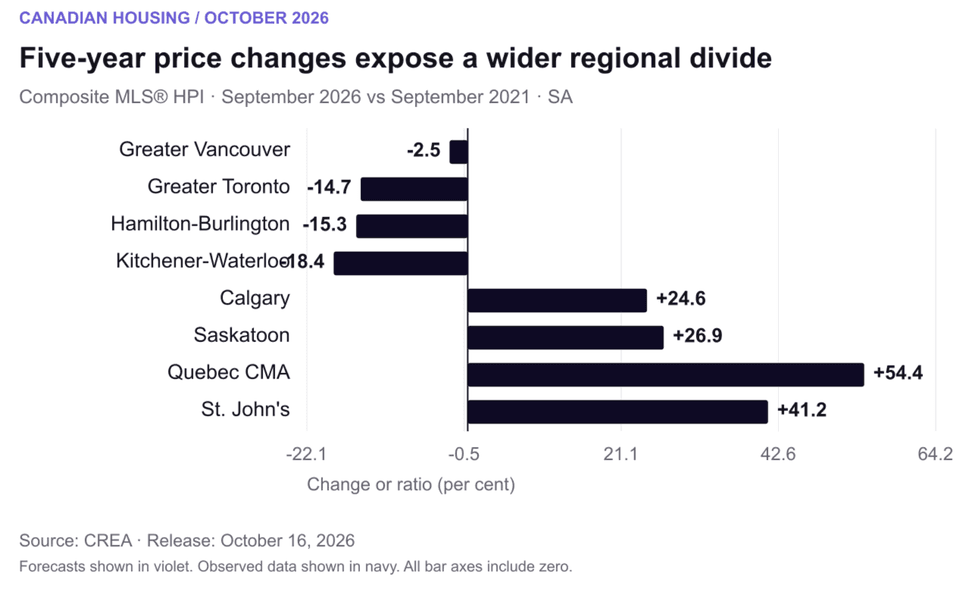 Five-year changes in seasonally adjusted composite MLS® HPI benchmarks, September 2021 to September 2026. Chart: